


Loading Content..
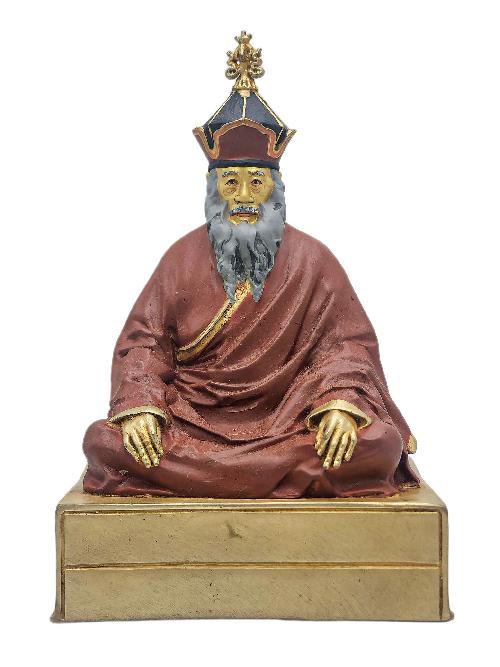
Chatral Sangye Dorje Rinpoche (1913â2015) was one of the most revered Tibetan Buddhist masters of the 20th and 21st centuries. A holder of the Nyingma and Dzogchen lineages, he was renowned for his commitment to non-sectarianism (Rime movement), deep meditative realization, and uncompromising ethics. He lived much of his life in retreat, shunning institutional power, fame, and politics, dedicating himself to spiritual practice, vegetarianism, and compassionate service.
Chatral Rinpoche was born in 1913 in the Nyarong region of Eastern Tibet and became a student of some of the greatest Tibetan masters, including Khenpo Ngawang Pelzang and Dudjom Rinpoche. A profound Dzogchen practitioner, he was widely regarded as a realized beingâan enlightened master who chose the path of a wandering yogi over the monastic hierarchy.
He was known for living in hermitages, mountain caves, and forests in Tibet, India, Nepal, and Bhutan, embodying the essence of renunciation. He strongly advocated vegetarianism, releasing captive animals, and practicing non-violence (Ahimsa), setting an ethical example for practitioners.
Chatral Rinpoche famously avoided fame, refusing to accept students casually or engage in institutional leadership, even though he was widely acknowledged as a master of extraordinary realization. His teachings emphasized direct experience over intellectualism, solitude over ceremony, and compassion over ritual.
He passed away peacefully in 2015 at the age of 102, leaving behind a legacy of spiritual purity, humility, and fearless truth. His few writings and collected teachings are now treasured by sincere seekers worldwide.