

Loading Content..
Please wait...

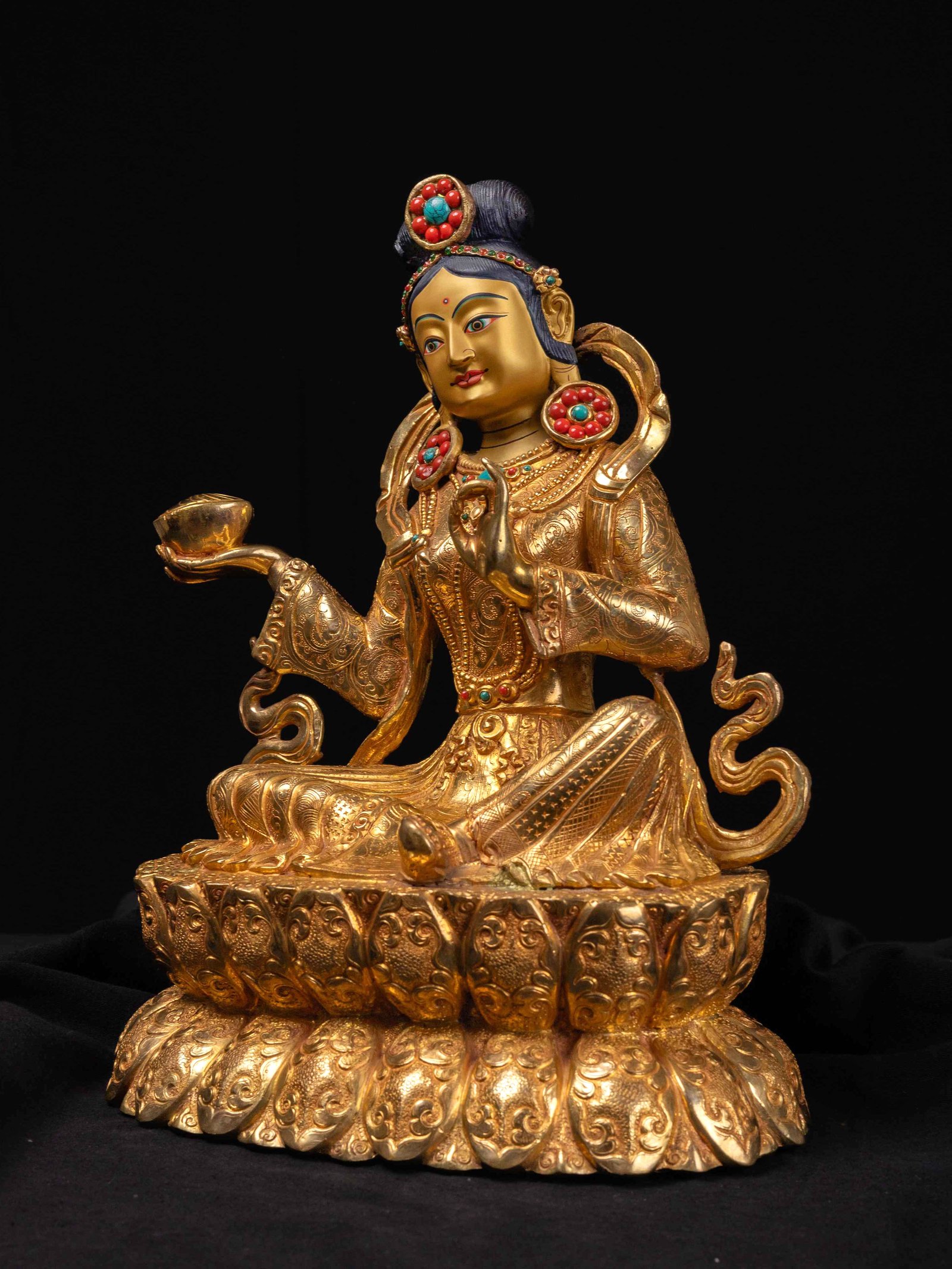


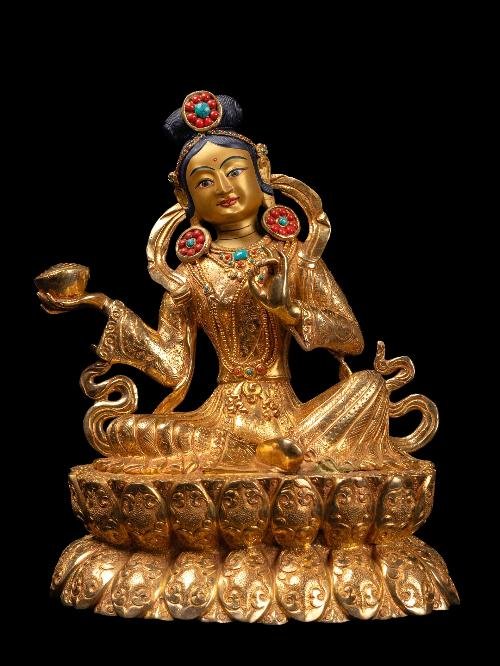
Mandarava Handmade Nepali Buddhist Statue, Full Gold Plated, Hand Painted Face , Sacred flower of longevity, symbol of healing and spiritual grace
Mandarava
Man Da La Hua
Mandara Ke
|
|
Product Specification |
|
| Code | HME37409 |
| Size |
Height 31cm (12") Width 25cm (10") Depth 19cm (7") |
Weight | 4.64 kg - 10.23 lbs |
| Material | Copper |
| Availability | Available |
Order configuration (Optional)
Filling & Blessing
HIDE Select Option
Click Here to View All Option and Prices

Select

Select

Select

Select
Statue Finishing
HIDE Select Option
Click Here to View All Option and Prices

Select

Select

Select

Select

Select

Select

Select

Select

Select

Select

Select

Select

Select

Select

Select

Select

Select

Select

Select

Select

Select

Select

Select

Select

Select

Select

Select

Select

Select

Select

Select

Select

Select

Select

Select

Select

Select

Select

Select

Select
| Quantity | PCS |
US$ 2,160.00
|
Shipping Calculation
weight of 1 Pcs of the product is 5 kg and will cost USD $ 77.00
-
Item location: kathmandu, Nepal
Worldwide shipping - Dispatch
-
We normally dispatch the product in 2-5 business days. Else Buyer will be infromed personally about the dispatch Date.
- Payment
- Paypal | Credit - Debit Card | Bank Transfer | See More
- Return
- 7 days money back, buyer pays return shipping
Welcome to Handmade Handicraft
At Handmade Handicraft, we prioritize simplicity, reflected in our user-friendly website design. We have streamlined the process so everything you need is just a click away.
While our website does not support online shopping, we've incorporated a convenient shopping cart system to assist you in sending us your inquiries. Please note, we do not process payments on our site. All transactions will be handled via email, respecting the inquiries you submit.
Should you encounter any issues while submitting your inquiries, please contact us via mobile app, email, or follow the procedure outlined below. We've provided documentation to guide you through the selection process.
selecting Procedure
In every product you will find Order Now and Quick Inquiry buttons, they are the two process of sending us your enquiry.
If you have any questions or need assistance, please don't hesitate to reach out to us. We are here to help you with your inquiries and ensure a smooth experience.
836
Mandarava
Mandarava, also known as Princess Mandarava, holds a significant place in Tibetan Buddhist iconography and lore as the wife of Padmasambhava, the legendary Indian tantric master who helped establish Buddhism in Tibet. Here's an overview of Mandarava's iconography: Read More
Appearance: Mandarava is typically depicted as a youthful and beautiful figure, often adorned with elegant clothing and jewelry that symbolize her royal lineage. She is shown with a serene expression, embodying grace and wisdom.
Attributes: In her iconography, Mandarava may be portrayed holding various symbolic objects. One common attribute is the lotus (padma), which signifies purity and enlightenment. This connection to the lotus aligns her with the symbolism often associated with Padmasambhava (literally, "Lotus-Born").
Posture and Gestures: Mandarava is often depicted in a relaxed and meditative posture, sometimes seated on a lotus throne alongside Padmasambhava. Her hand gestures (mudras) can convey specific meanings such as teaching, meditation, or bestowing blessings.
Crown and Attire: As a princess, Mandarava's attire may include a crown or elaborate headdress, symbolizing her royal status. The attire is typically richly adorned but also reflects the simplicity and purity inherent to spiritual figures in Tibetan Buddhism.
Symbolism: Mandarava's iconography is rich in symbolism, representing her role as a consort and spiritual partner to Padmasambhava. Their union symbolizes the harmonization of wisdom and skillful means in tantric practice.
Lotus Symbolism: The lotus theme is central to Mandarava's iconography. It signifies purity and the potential for spiritual growth despite being rooted in muddy waters. This symbolism aligns with the transformative path of Buddhist practice.
Role in Practice: Mandarava is revered in Tibetan Buddhism as a realized yogini and a source of inspiration for practitioners, particularly in the context of tantric teachings. Her story with Padmasambhava exemplifies the transformative power of spiritual partnership and the path of enlightenment.
In Tibetan Buddhist art and practice, Mandarava's depiction alongside Padmasambhava highlights the importance of wisdom, compassion, and the transformative nature of spiritual partnership on the path to enlightenment.
Attributes: In her iconography, Mandarava may be portrayed holding various symbolic objects. One common attribute is the lotus (padma), which signifies purity and enlightenment. This connection to the lotus aligns her with the symbolism often associated with Padmasambhava (literally, "Lotus-Born").
Posture and Gestures: Mandarava is often depicted in a relaxed and meditative posture, sometimes seated on a lotus throne alongside Padmasambhava. Her hand gestures (mudras) can convey specific meanings such as teaching, meditation, or bestowing blessings.
Crown and Attire: As a princess, Mandarava's attire may include a crown or elaborate headdress, symbolizing her royal status. The attire is typically richly adorned but also reflects the simplicity and purity inherent to spiritual figures in Tibetan Buddhism.
Symbolism: Mandarava's iconography is rich in symbolism, representing her role as a consort and spiritual partner to Padmasambhava. Their union symbolizes the harmonization of wisdom and skillful means in tantric practice.
Lotus Symbolism: The lotus theme is central to Mandarava's iconography. It signifies purity and the potential for spiritual growth despite being rooted in muddy waters. This symbolism aligns with the transformative path of Buddhist practice.
Role in Practice: Mandarava is revered in Tibetan Buddhism as a realized yogini and a source of inspiration for practitioners, particularly in the context of tantric teachings. Her story with Padmasambhava exemplifies the transformative power of spiritual partnership and the path of enlightenment.
In Tibetan Buddhist art and practice, Mandarava's depiction alongside Padmasambhava highlights the importance of wisdom, compassion, and the transformative nature of spiritual partnership on the path to enlightenment.
Gold Painted Face
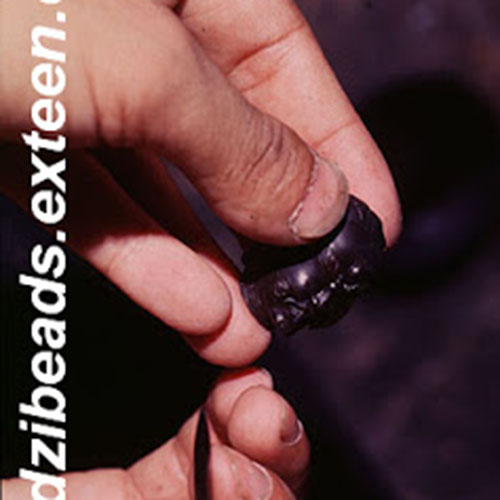
The face of Mandarava is painted with gold to enhance its significant features, particularly the eyes, and lips. This detailed painting is essential as it brings forth the crucial attributes of the expression of eyes and lips that metal carving alone cannot capture.
Moreover, the painted face serves as a symbolic and sacred ritual in Buddhism, preparing the statue for consecration and practice. The act of painting the face with gold in Buddhism holds deep meaning. It represents the intention to bring life and expression to the statue, imbuing it with a sense of vitality and presence. The application of gold on the face showcases the devotion and craftsmanship of the artisans, ensuring that every detail is carefully attended to honor the sacred essence of the Mandarava. Read More
Full Fire Gold Plating
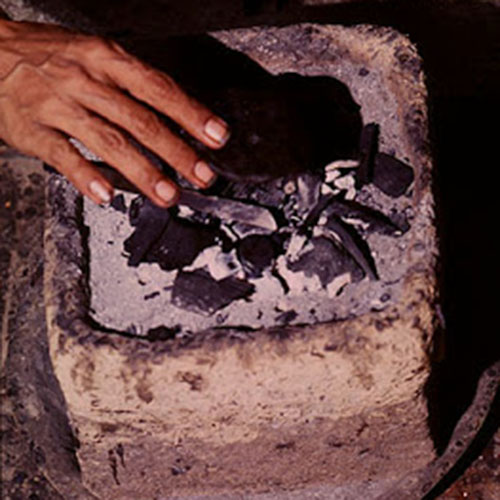
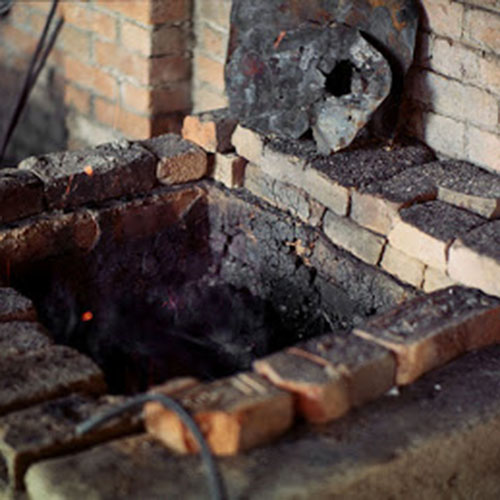
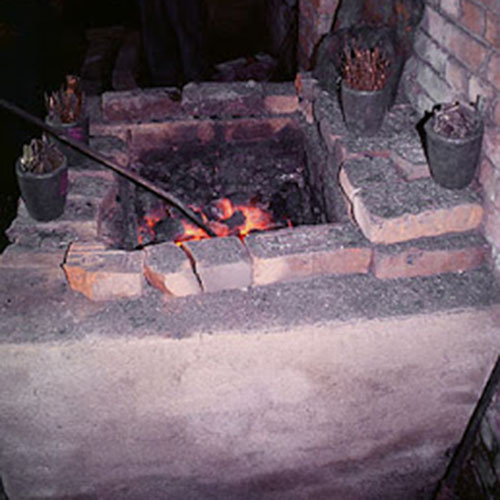
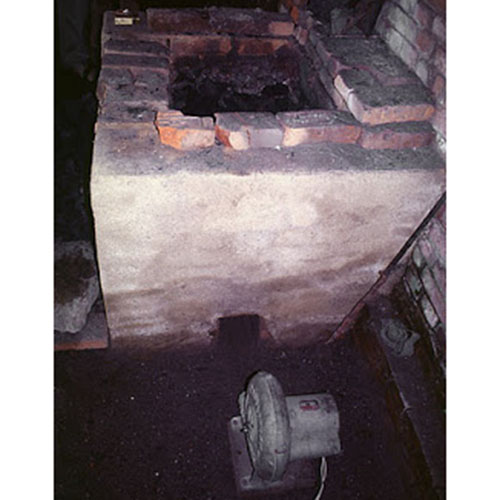
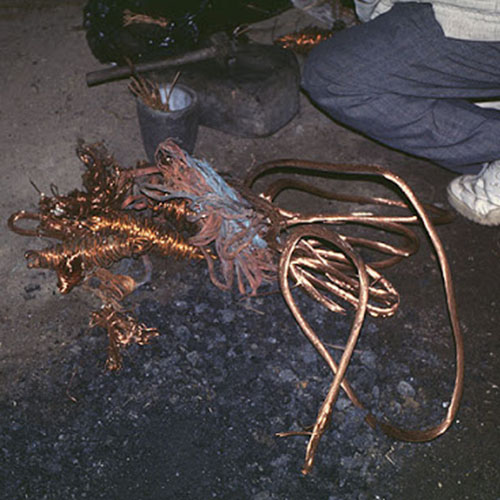
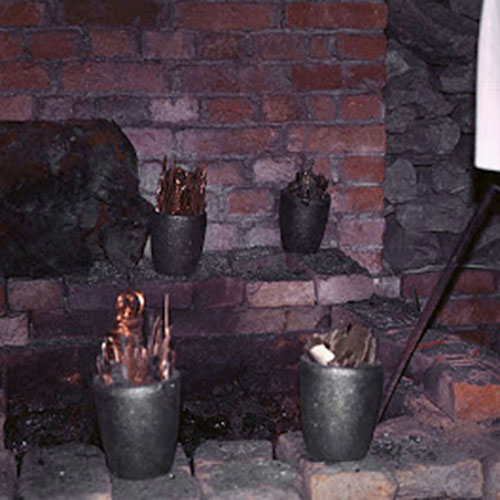
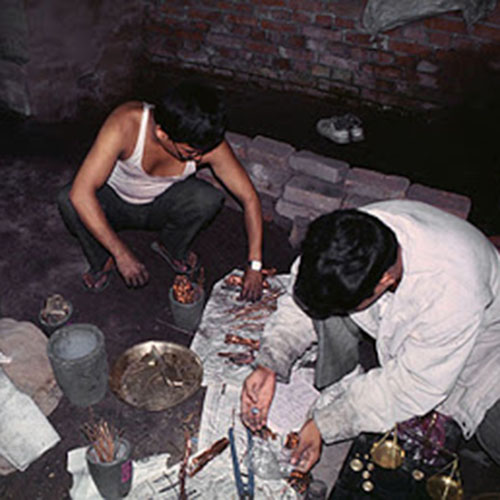
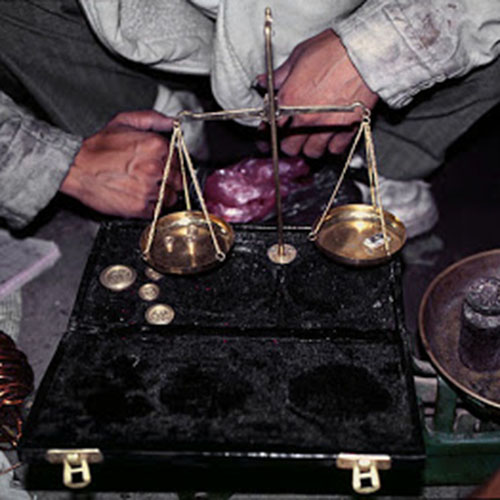
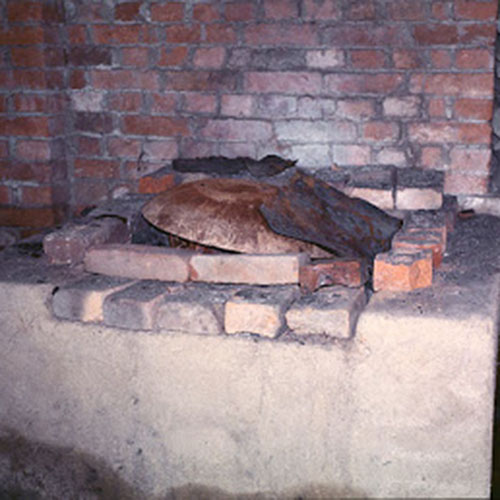
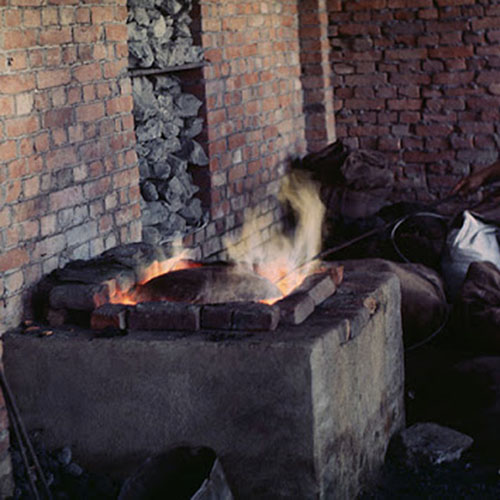
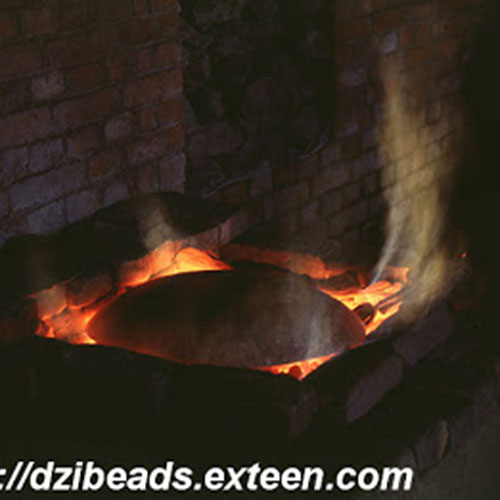
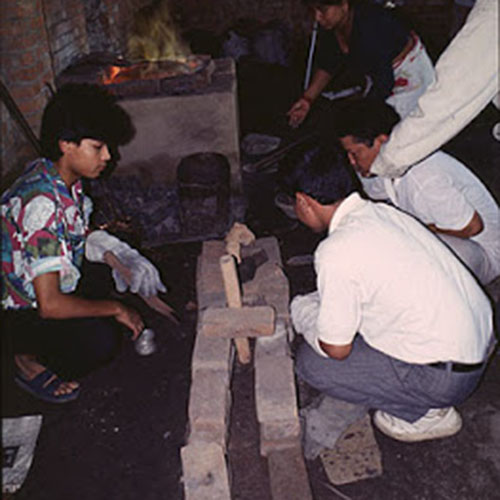
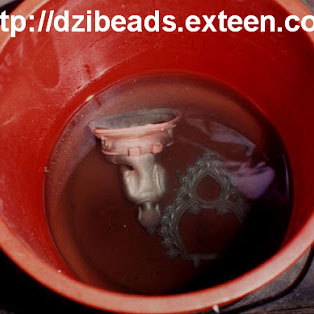
This Mandarava is finished with full gold plating. also known as mercury gold plating or fire gold plating. This traditional technique involves the application of a genuine layer of gold onto the Mandarava. Referred to as mercury gold plating, it is considered the correct and authentic form of gold plating in Nepal. Despite being more expensive than electroplating, this traditional mercury gold plating is gaining popularity again in Nepal. People are drawn to its authenticity, longevity, and the unmatched beauty it brings to the Mandarava. The resurgence of interest in this traditional form of gold plating reflects a growing appreciation for the craftsmanship and cultural heritage of Nepal Read More
Lost-Wax System
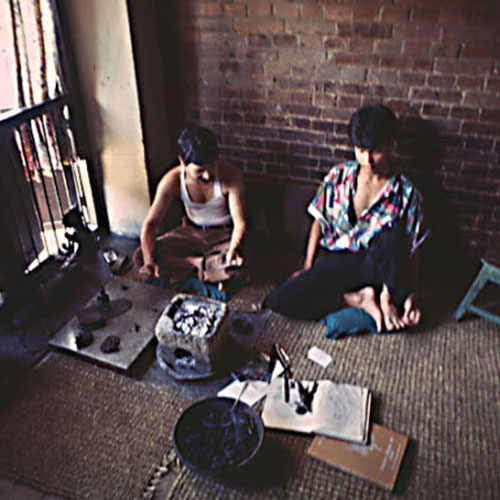
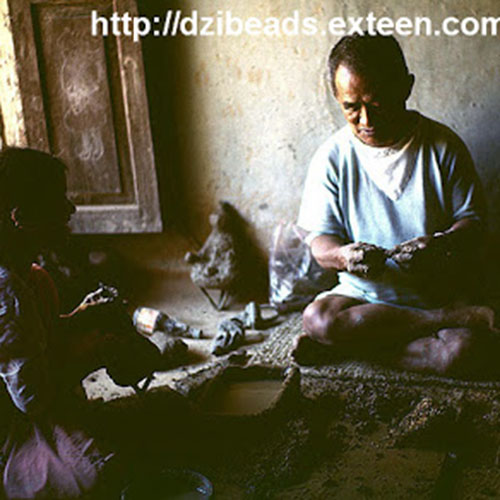
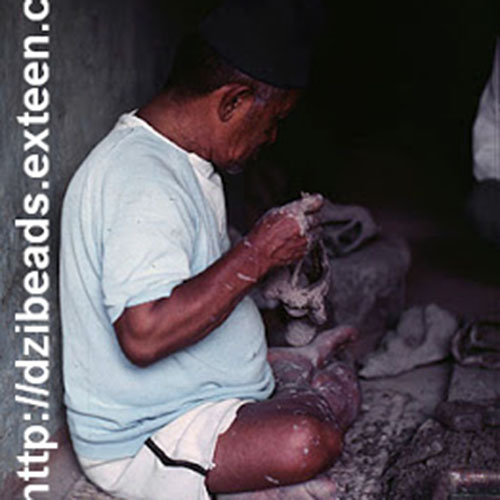
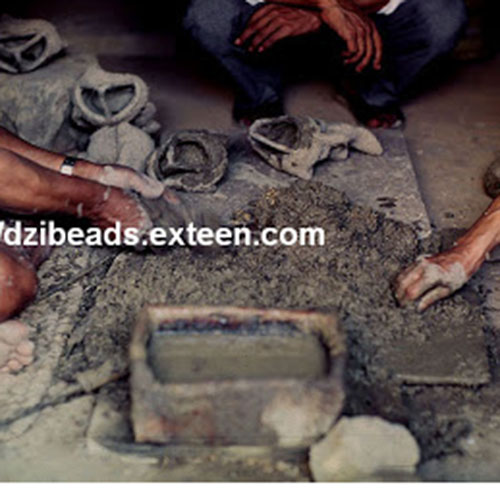
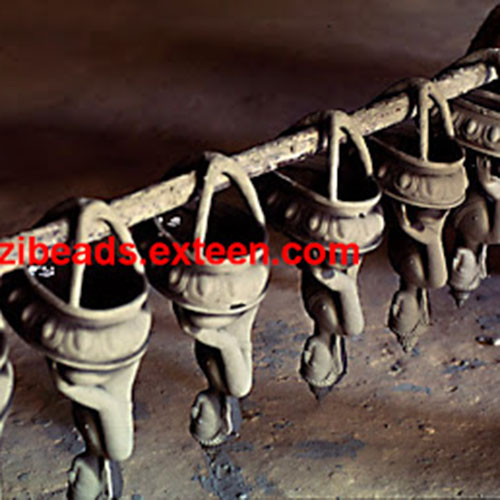
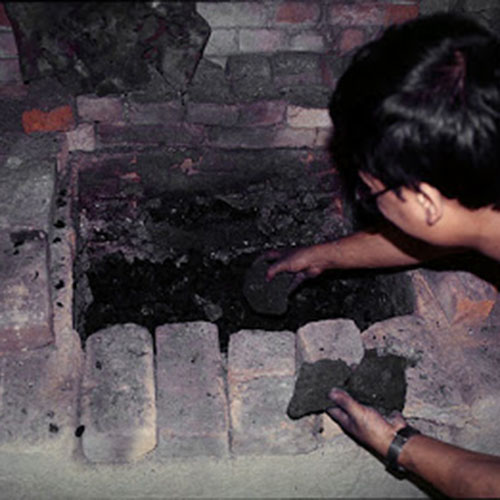
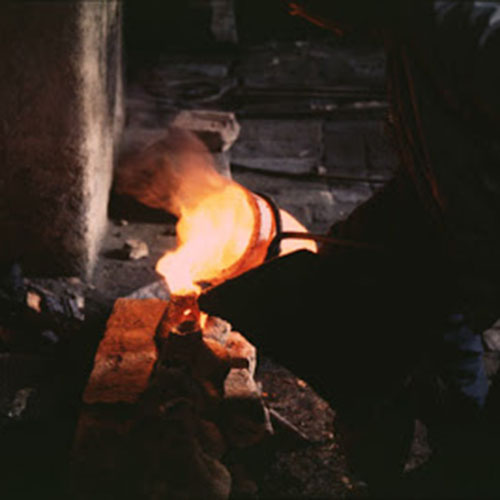
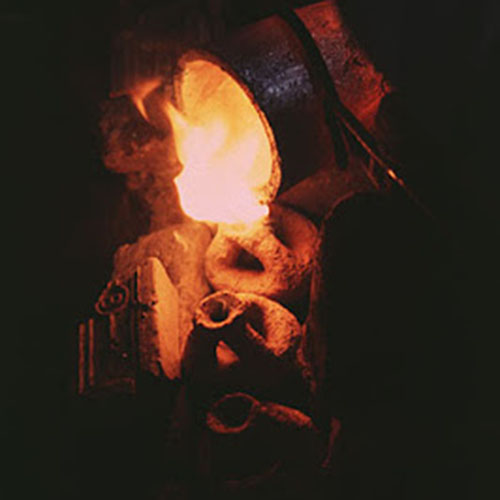
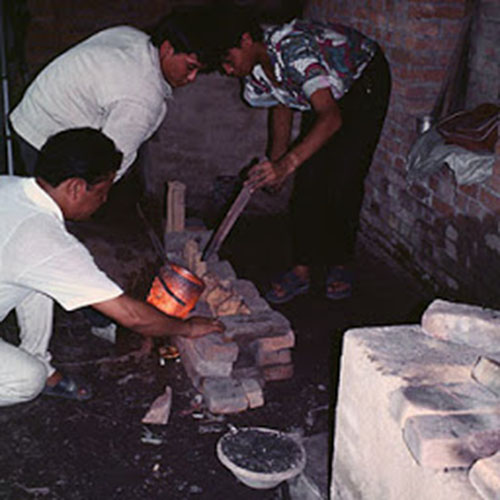
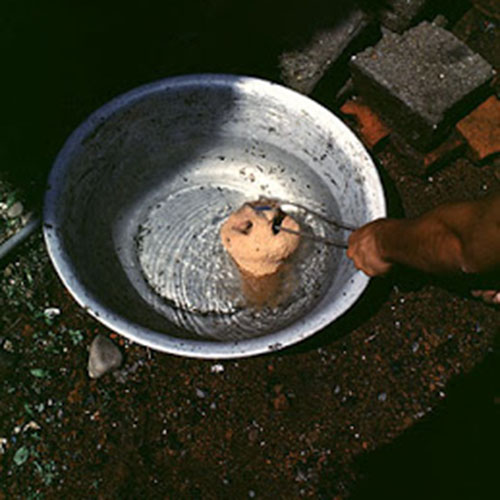
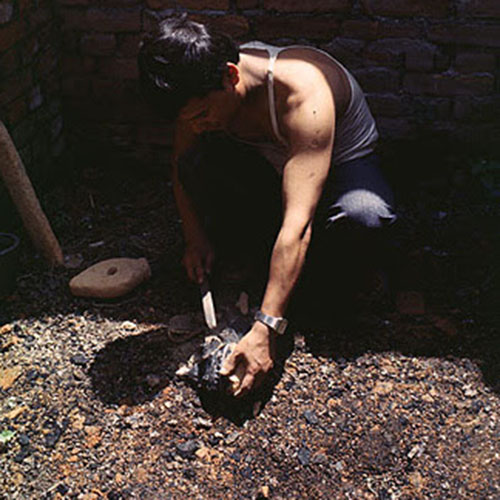
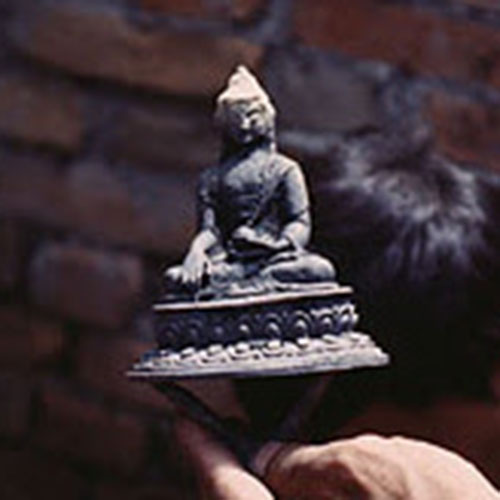
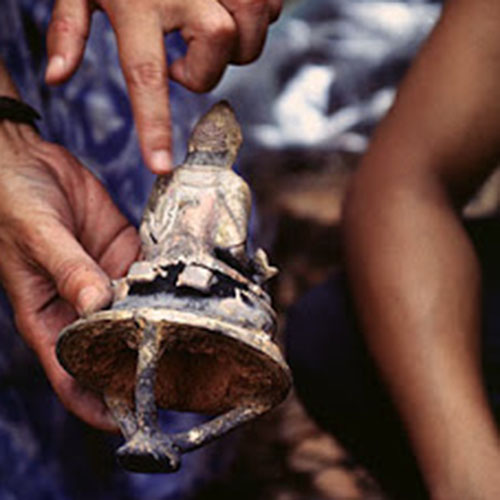
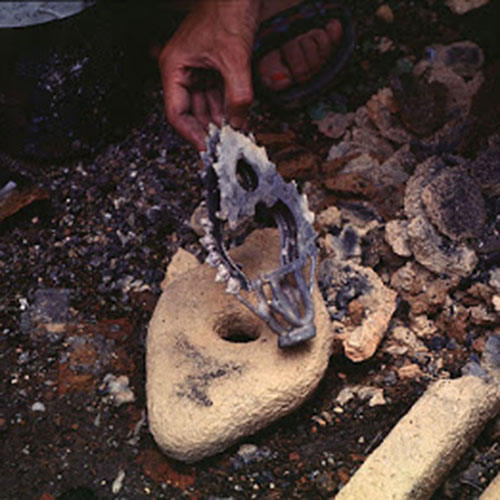
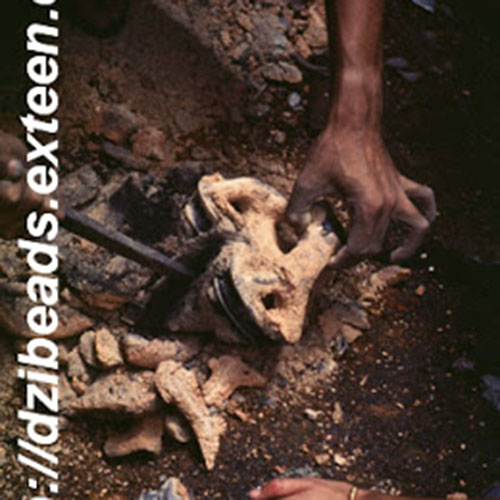
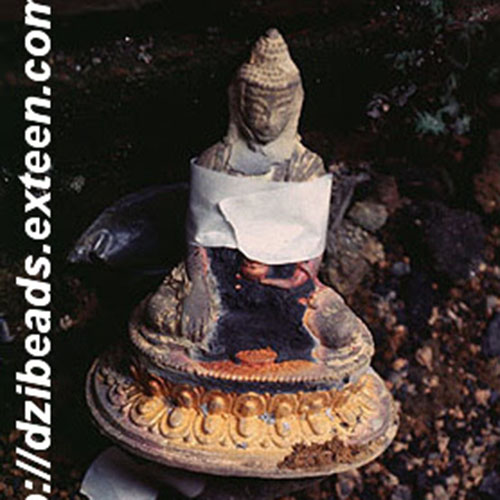
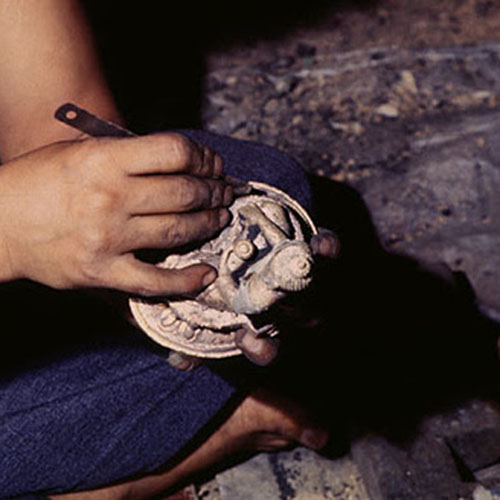
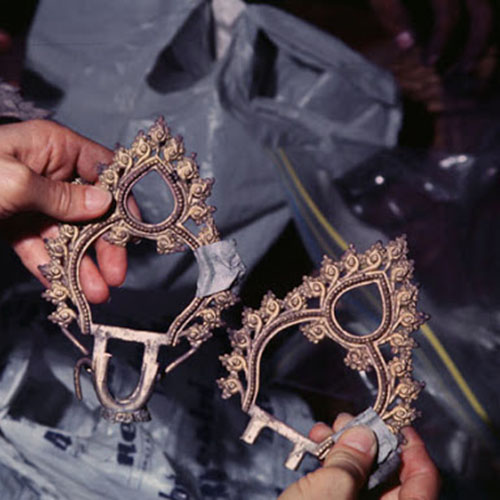
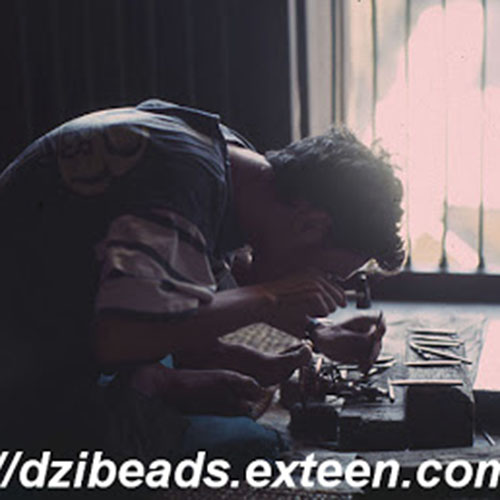
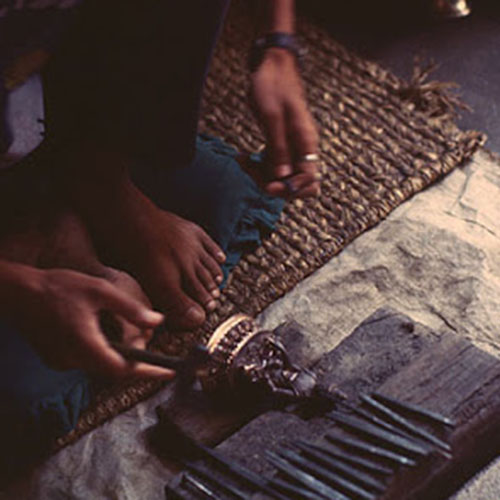
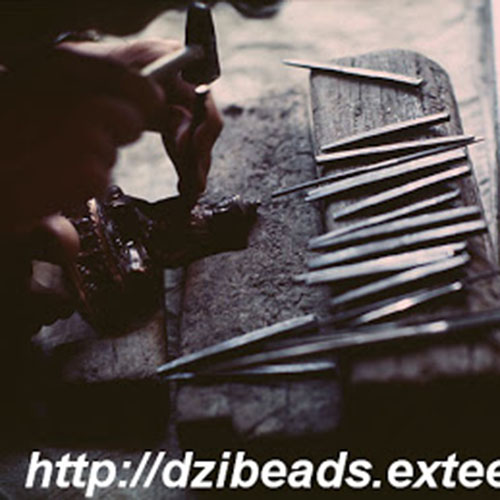
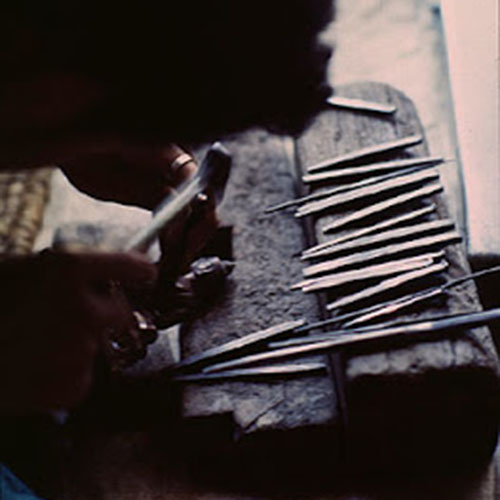
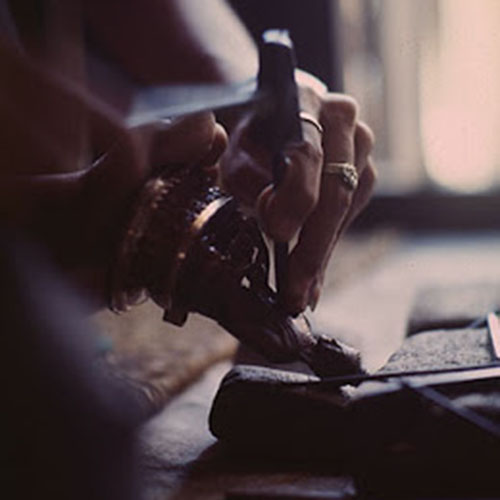
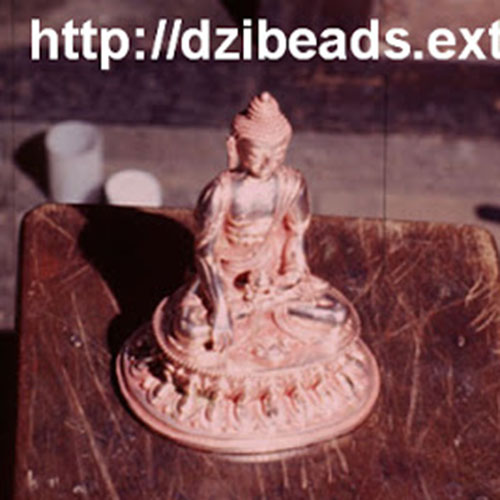
This Mandarava is made by the process of the Lost-Wax system. The lost-wax process, also known as investment casting, is a time-honored technique used to create metal sculptures. It involves several steps that have been practiced for thousands of years. Skilled artisans begin by sculpting a detailed wax model, capturing every intricate detail of the desired sculpture. The wax model is then coated with a ceramic shell, formed by multiple layers of ceramic material. Once the shell has cured, the wax is melted and drained out, leaving behind a cavity. Molten metal is poured into the cavity, creating a precise replica of the original wax model. After the metal has cooled and solidified, the ceramic shell is carefully removed, revealing the final metal sculpture. Read More
Related Products

37 cm
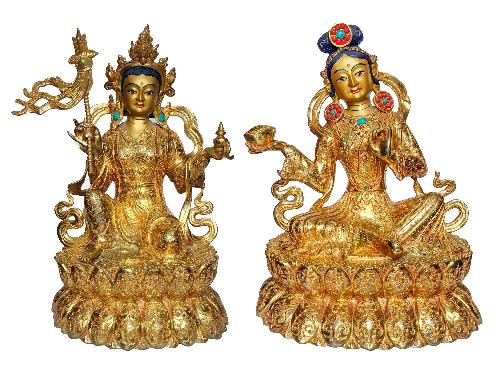
Padmasambhava Wifes, Mandarava And Yeshe Tsogya, Buddhist Handmade Statue, Face Painted And Gold Plated
US$ 2,550.00
15% off
$ 3,000.00
$ 3,000.00

35 cm
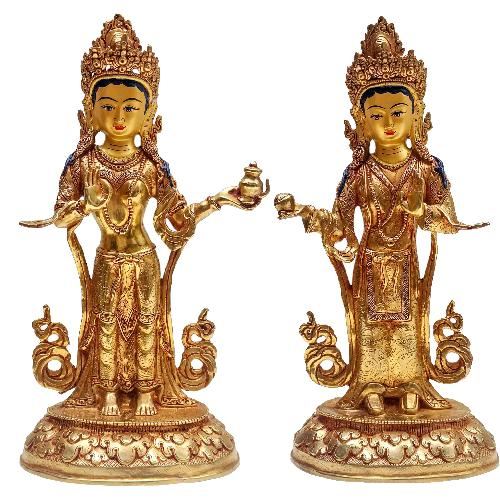
Mandarava Yeshe Tsogyal, Buddhist Handmade Statue, Face Painted, And Gold Plated
US$ 430.00
15% off
$ 500.00
$ 500.00

49 cm
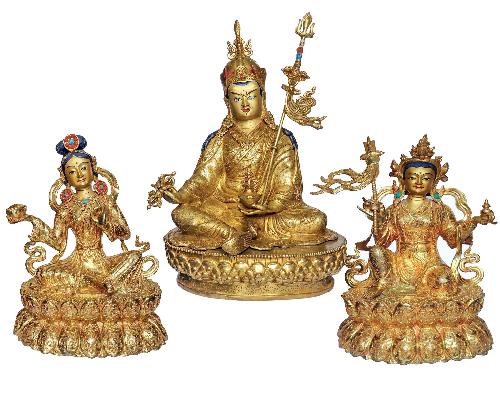
Padmasambhava 19 Inch And His Wifes, Mandarava 15 Inch And Yeshe Tsogya 15 Inch, Buddhist Handmade Statue, Face Painted And Gold Plated
US$ 3,830.00
15% off
$ 4,500.00
$ 4,500.00

31 cm
Mandarava Handmade Nepali Buddhist Statue, Full Gold Plated, Hand Painted Face
US$ 2,160.00