


Loading Content..
Please wait...
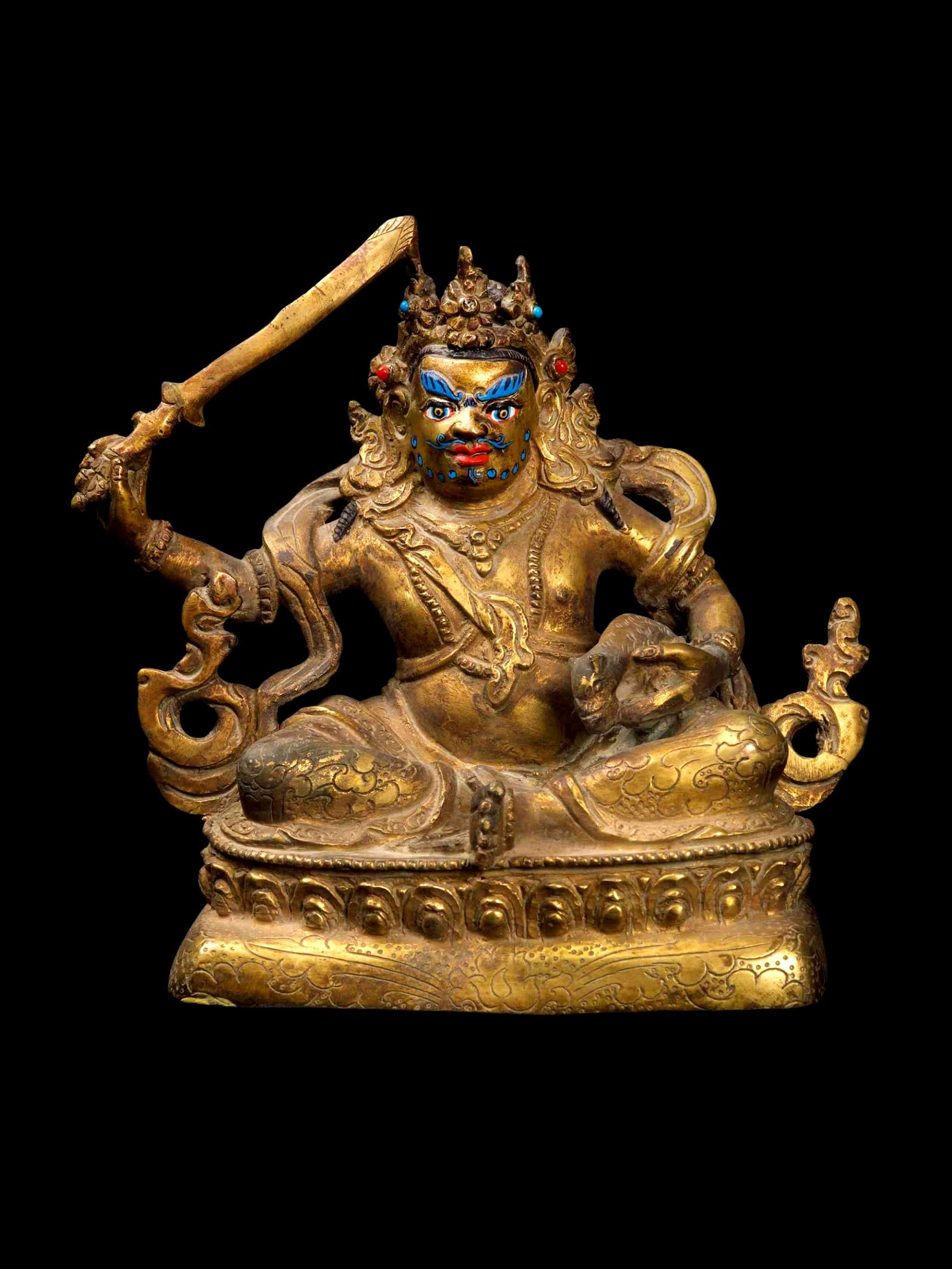
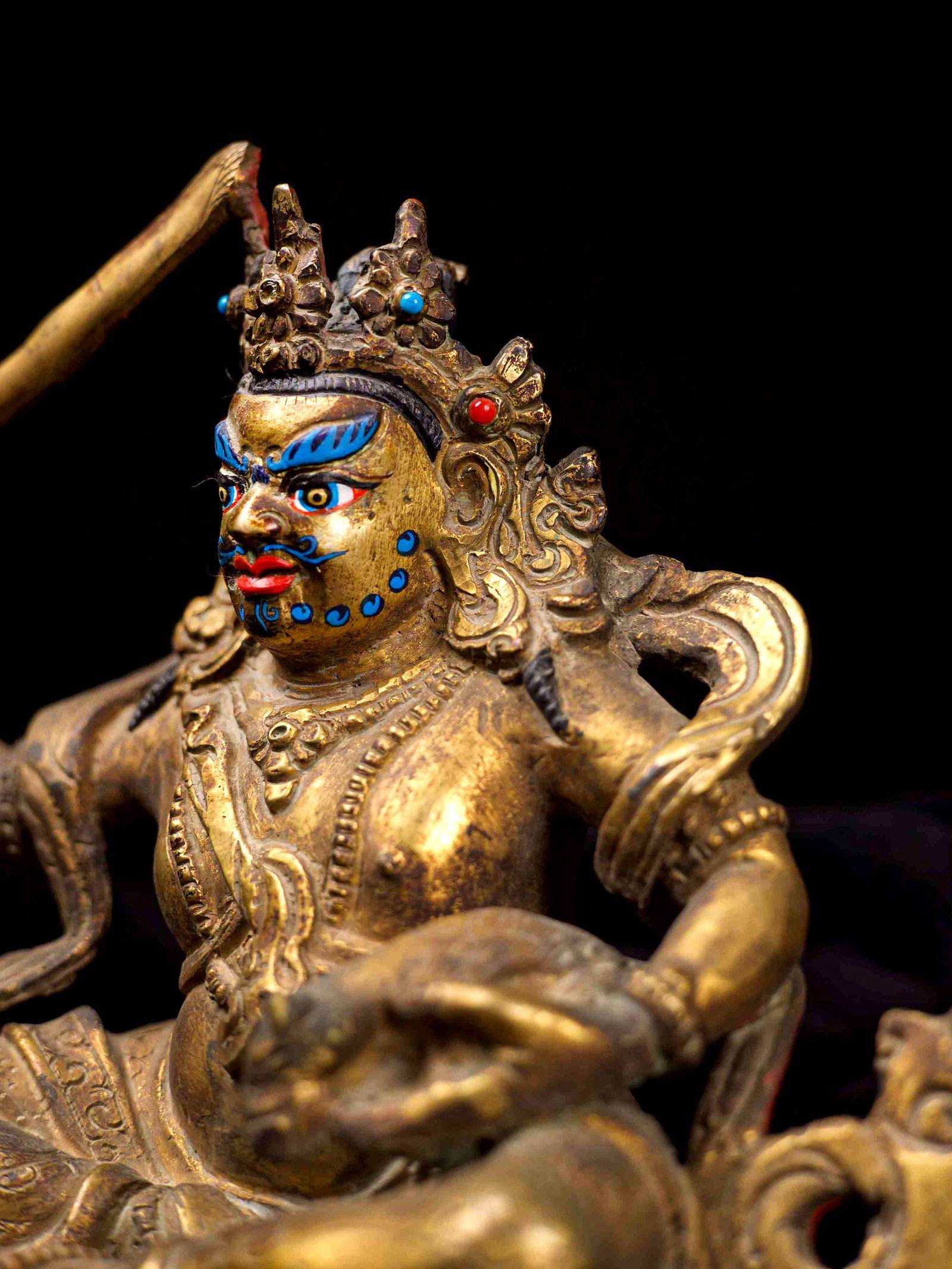

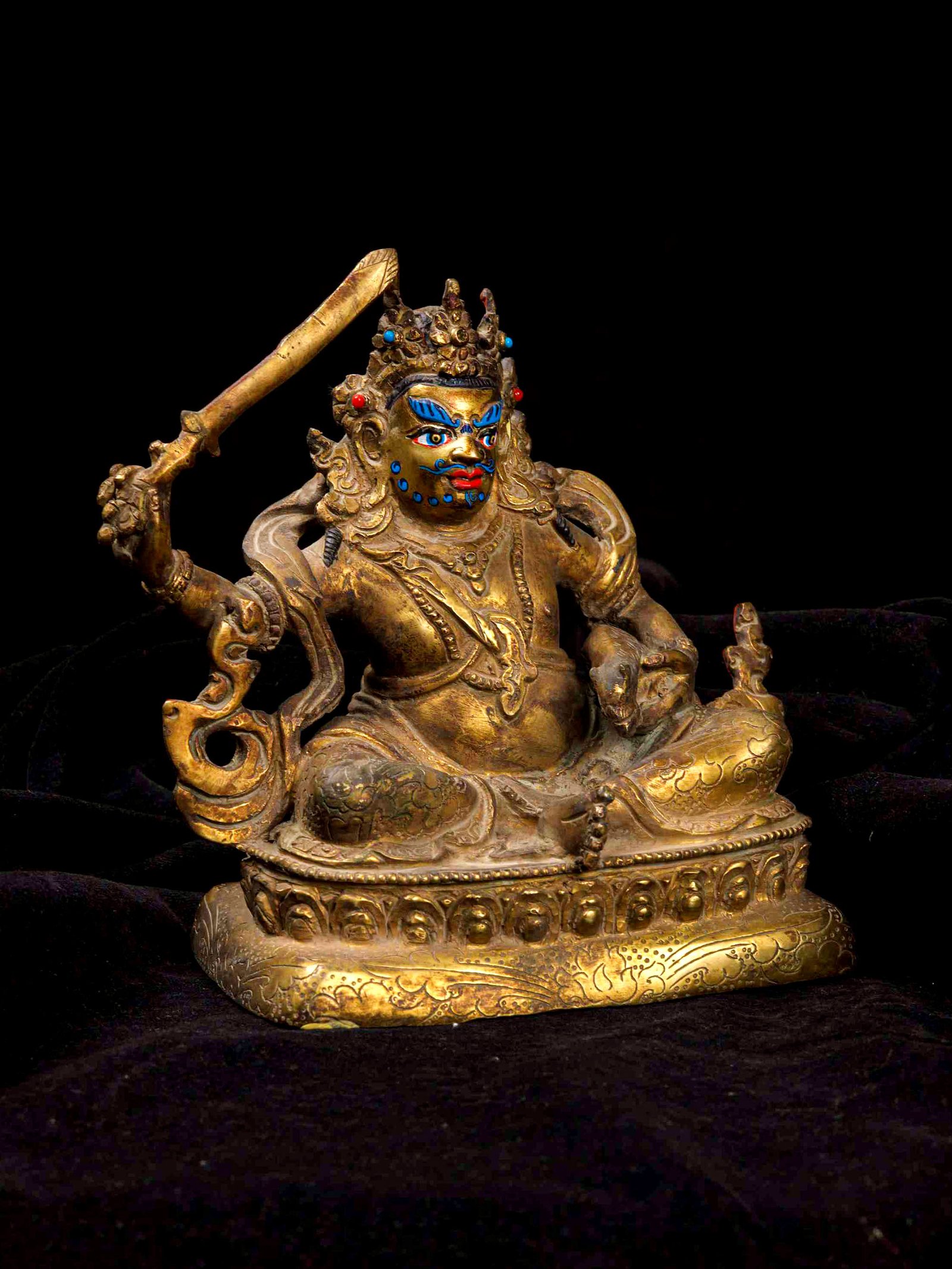
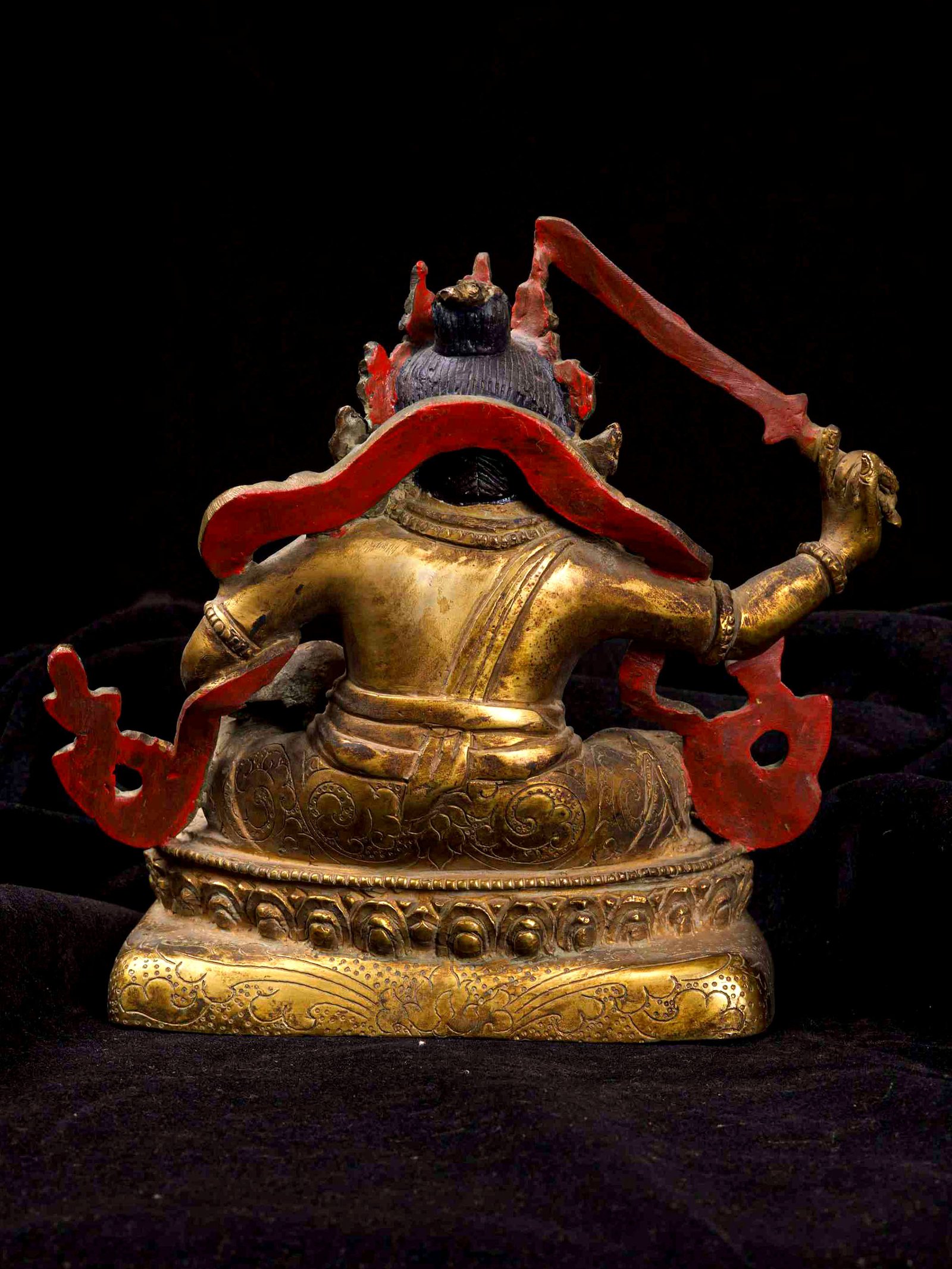
White Jambhala Miniature Statue, Handcrafted Buddhist Art, Full Gold Plated Finish, Antique Finish, Hand Painted Face , Wealth deity, granting prosperity and financial stability
Dzambhala Karpo
Bai Zhanbala
Hakuzambara
|
|
Product Specification |
|
| Code | HME37089 |
| Size |
Height 13cm (5") Width 13cm (5") Depth 9cm (4") |
Weight | 1.2 kg - 2.65 lbs |
| Material | Copper |
| Availability | Available |
Order configuration (Optional)
Filling & Blessing
HIDE Select Option
Click Here to View All Option and Prices

Select

Select

Select

Select
Statue Finishing
HIDE Select Option
Click Here to View All Option and Prices

Select

Select

Select

Select

Select

Select

Select

Select

Select

Select

Select

Select

Select

Select

Select

Select

Select

Select

Select

Select

Select

Select

Select

Select

Select

Select

Select

Select

Select

Select

Select

Select

Select

Select

Select

Select

Select

Select

Select

Select
| Quantity | PCS |
US$ 280.00
$ 324.00 -15% off
Shipping Cost
|
| Price Adjustment Status: Active |
||
Shipping Calculation
weight of 1 Pcs of the product is 1.5 kg and will cost USD $ 42.00
-
Item location: kathmandu, Nepal
Worldwide shipping - Dispatch
-
We normally dispatch the product in 2-5 business days. Else Buyer will be infromed personally about the dispatch Date.
- Payment
- Paypal | Credit - Debit Card | Bank Transfer | See More
- Return
- 7 days money back, buyer pays return shipping
Welcome to Handmade Handicraft
At Handmade Handicraft, we prioritize simplicity, reflected in our user-friendly website design. We have streamlined the process so everything you need is just a click away.
While our website does not support online shopping, we've incorporated a convenient shopping cart system to assist you in sending us your inquiries. Please note, we do not process payments on our site. All transactions will be handled via email, respecting the inquiries you submit.
Should you encounter any issues while submitting your inquiries, please contact us via mobile app, email, or follow the procedure outlined below. We've provided documentation to guide you through the selection process.
selecting Procedure
In every product you will find Order Now and Quick Inquiry buttons, they are the two process of sending us your enquiry.
If you have any questions or need assistance, please don't hesitate to reach out to us. We are here to help you with your inquiries and ensure a smooth experience.
764
White Jambhala
Jambhala (also known as Dzambhala, Dzambala, Zambala or Jambala) is the God of Wealth and appropriately a member of the Jewel Family (see Ratnasambhava). He is sometimes equated with the Hindu deity Kubera. Jambhala is also believed to be an emanation of Avalokitesvara or Chenrezig, the Bodhisattva of Compassion. There are five different wealth Jambhalas; each has his own practice and mantra to help eliminate poverty and create financial stability.
Gyalten Sogdzin Rinpoche said that Jambhala is the protector of all Lineages and of all sentient beings from all sickness and difficulties. Jambhala is a Bodhisattva of material and spiritual wealth as well as many other things, especially of granting financial stability.
”Because in this world, there are all kinds of wrathful and negative emotions or bad spirits, and sometimes they will harm you and other sentient beings, Dzambhala must take on such a wrathful and powerful form to protect us from these harmful spirits and negative karma. Especially, Dzambhala helps us minimize or decrease all misfortunes and obstacles and helps us increase all good fortune and happiness.” Read More
About White Jambala
White Jambhala (or Dzambhala Gapee in Tibetan) is the compassionate manifestation of the Bodhisattva Chenrezig (Guan Yin). He can remove the suffering of poverty and sickness, purify non-virtuous karma and karmic obstacles, avert disaster and sickness, and evolve bodhicitta mind.
The Tibetan legend said that a revered high lama, Atisha, was walking alone when he found a man starving and near death. After looking around and unable to find food for the old man, he cut flesh from his own body and offered it to the starving man. But the man refused to eat of his flesh. Being depressed and not knowing how else to help the man nearing death, Lama Atisha sat down next to him. At that point there was a blinding bright white light and before Atisha appeared Chenrezig of Compassion. He told Lama Atisha that he was going to manifest himself as the God of Wealth, Jambhala, and assure that those in poverty would suffer no longer.
As the manifestation of Avalokitesvara Bodhisattva, White Jambhala was born from his right eye. He sits on a snow lion, although some artists depict him sitting on a dragon, and a mongoose in his left hand spits out precious diamonds and ornaments. White Jambhala has white colored body. He also holding a Wealth Banner in his left arm and a gold sword in his right. The Mantra of White Jambhala is:
Om Padma Krodha Arya Jambhala Hridaya Hum Phat
When cultivating the "Dragon-ridding White Jambhala Practice", the practitioners can also pray that he will lead them to hidden treasures. In the olden days, Tibetan Tantric masters placed their precious teachings in caves. These teachings were sealed in the four elements of "earth, water, fire and wind". One needs to employ very special methods to retrieve these Dharma treasures. One must also know the location of the caves where these ancestry masters had practiced in seclusion. The practitioners may pray to the "Dragon-ridding White Jambhala" so that he will bring them to these caves where the treasures were hidden.
Gold Painted Face
The face of White Jambhala is painted with gold to enhance its significant features, particularly the eyes, and lips. This detailed painting is essential as it brings forth the crucial attributes of the expression of eyes and lips that metal carving alone cannot capture.
Moreover, the painted face serves as a symbolic and sacred ritual in Buddhism, preparing the statue for consecration and practice. The act of painting the face with gold in Buddhism holds deep meaning. It represents the intention to bring life and expression to the statue, imbuing it with a sense of vitality and presence. The application of gold on the face showcases the devotion and craftsmanship of the artisans, ensuring that every detail is carefully attended to honor the sacred essence of the White Jambhala. Read More
Full Gold Plated with Antique patina
This White Jambhala has finished in a full gold Plated antique patina. The Antique finishing imparts a sense of age and character to the White Jambhala, enhancing its overall appeal. In the Antique finishing process, after the Gold plating is applied, a carefully applied layer of varnish is added. This varnish not only contributes to the antique look but also serves as a protective barrier, ensuring the longevity of the gold plating. It helps to safeguard the gold layer but also prevents tarnishing for an extended period. Read More
Ceramic Molding System
The White Jambhala has been crafted using the Ceramic mold casting process, a modern approach that provides an alternative to traditional methods such as the lost-wax system or rubber molding. Also referred to as ceramic molding, this technique involves the creation of a ceramic mold to cast the statue. The process begins by making a precise and detailed wax model of the desired sculpture. The wax model is then coated with layers of ceramic material, creating a sturdy mold. Once the mold is complete, it is fired in a kiln, causing the wax to melt and escape, leaving behind a cavity that perfectly replicates the original sculpture. Molten metal is then poured into the mold, allowing it to fill the cavity and take on the desired form. Once cooled and solidified, the ceramic mold is carefully broken away, revealing the final metal statue. Read More
Related Products

9 cm
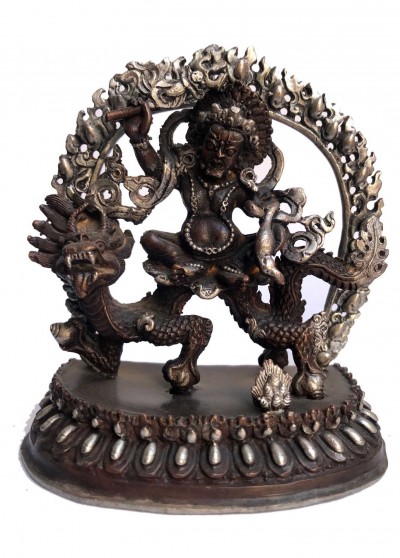
Tibetan Statue Of White Jambhala, Silver Plated Oxidized
US$ 77.00
15% off
$ 90.00
$ 90.00

11 cm
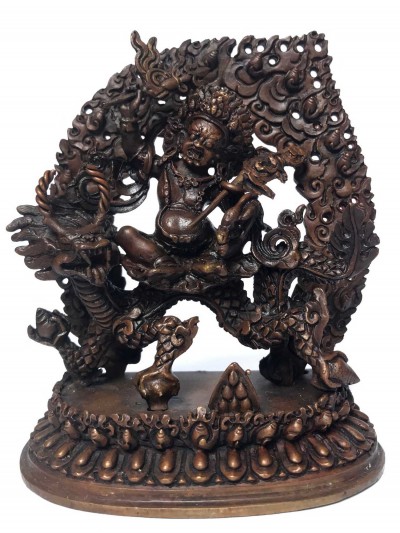
Tibetan Statue Of White Jambhala, Chocolate Oxidized
US$ 68.00
15% off
$ 80.00
$ 80.00

32 cm
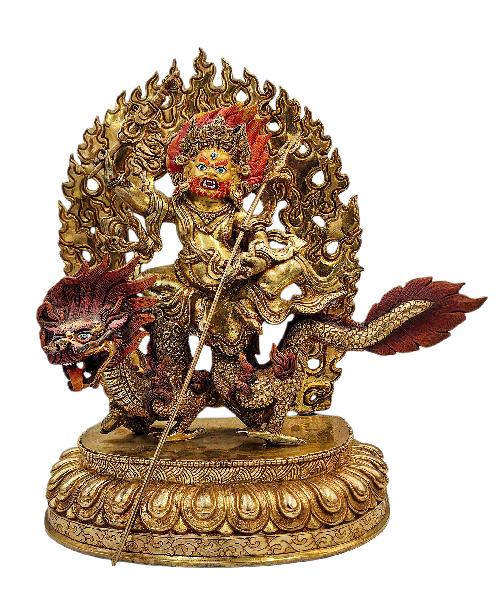
White Jambhala, Dragon Jambhala, Buddhist Handmade Statue, Full Gold Plated, Face Paint
US$ 1,400.00
15% off
$ 1,650.00
$ 1,650.00

17 cm
White Jambhala, Buddhist Handmade Statue, Full Gold Plated, High Quality
US$ 320.00
15% off
$ 375.00
$ 375.00