


Loading Content..
Please wait...
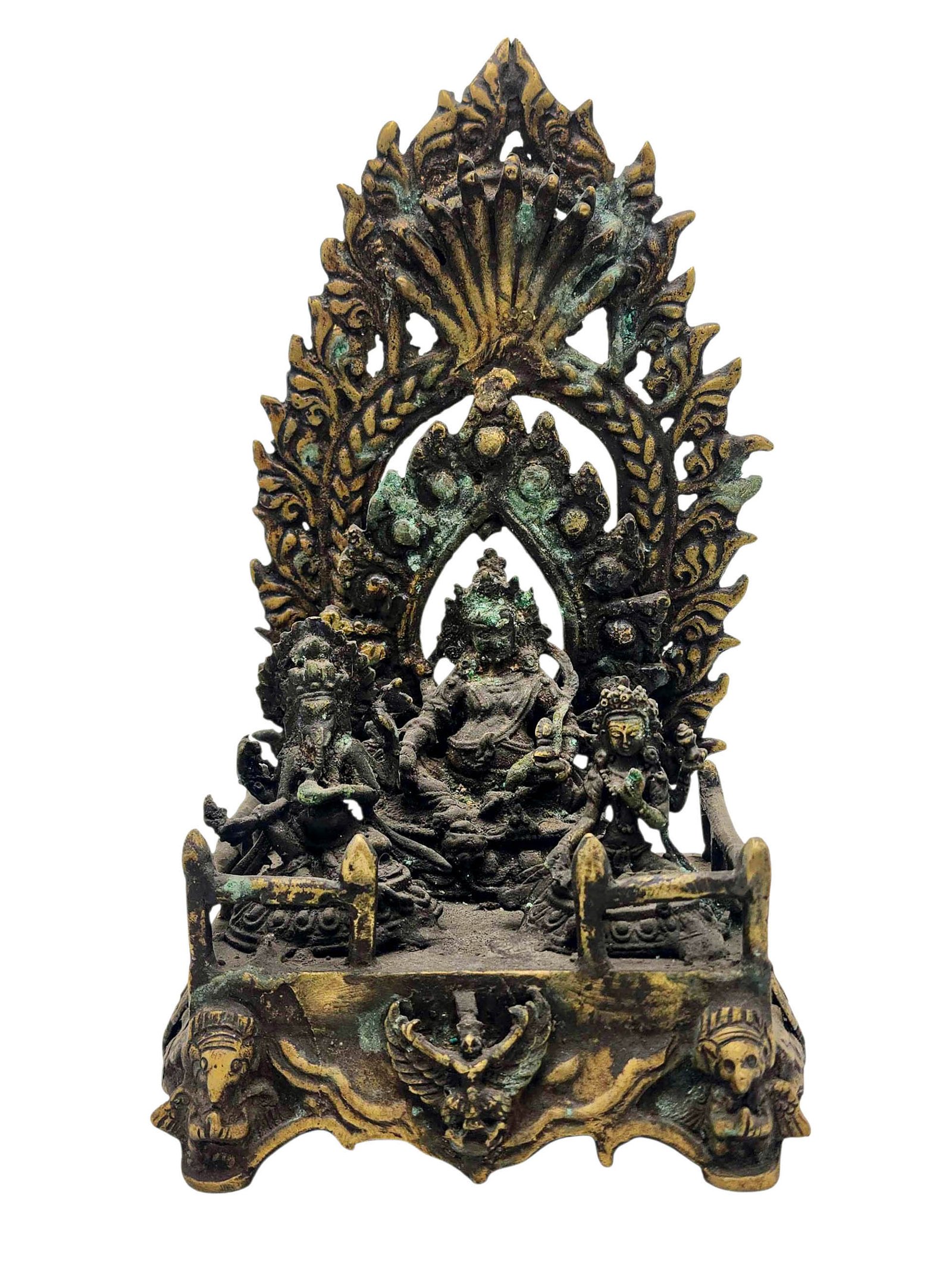


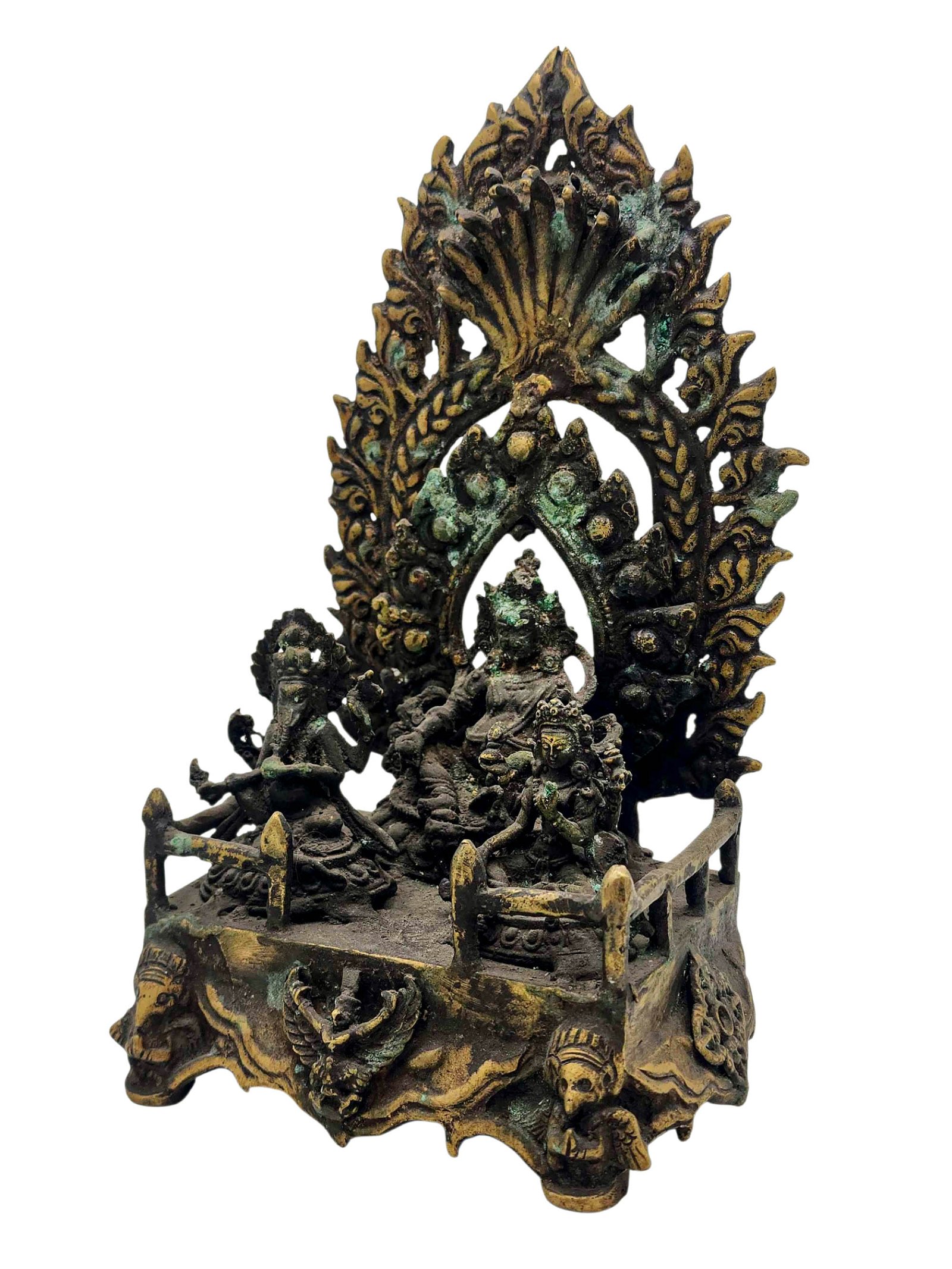
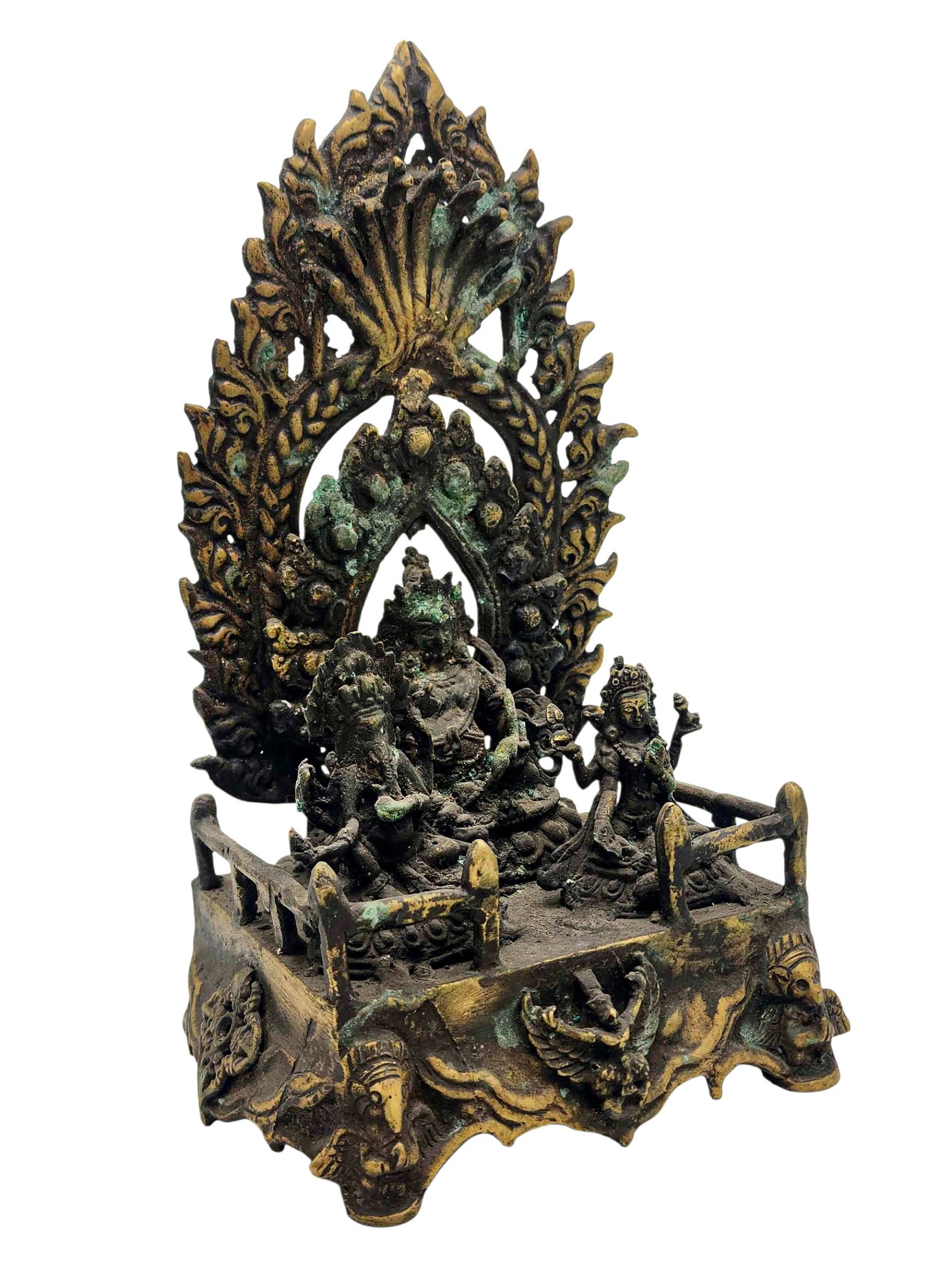
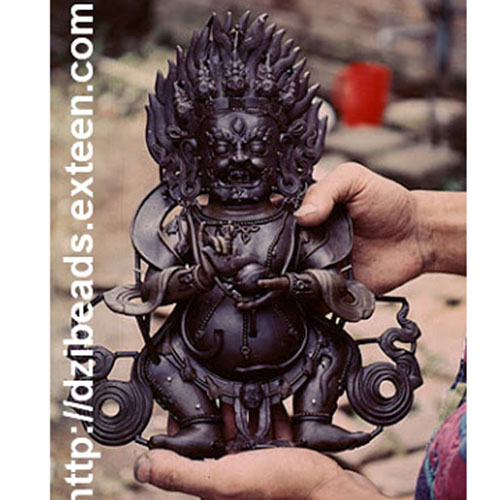
Yellow Jambhala with Ganesh and Lakshmi, Buddhist Handmade Statue, Antique Finishing , fostering generosity and abundance
Dzambhala Serpo
Japanese: Huang Zhanbala
Kiroku Jambara
|
|
Product Specification |
|
| Code | HME37043 |
| Size |
Height 24cm (9") Width 14cm (6") Depth 11cm (4") |
Weight | 1.7 kg - 3.75 lbs |
| Material | Copper |
| Availability | Available |
Order configuration (Optional)
Filling & Blessing
HIDE Select Option
Click Here to View All Option and Prices

Select

Select

Select

Select
Statue Finishing
HIDE Select Option
Click Here to View All Option and Prices

Select

Select

Select

Select

Select

Select

Select

Select

Select

Select

Select

Select

Select

Select

Select

Select

Select

Select

Select

Select

Select

Select

Select

Select

Select

Select

Select

Select

Select

Select

Select

Select

Select

Select

Select

Select

Select

Select

Select

Select
| Quantity | PCS |
US$ 280.00
$ 330.00 -15% off
Shipping Cost
|
| Price Adjustment Status: Active |
||
Shipping Calculation
weight of 1 Pcs of the product is 2 kg and will cost USD $ 47.00
-
Item location: kathmandu, Nepal
Worldwide shipping - Dispatch
-
We normally dispatch the product in 2-5 business days. Else Buyer will be infromed personally about the dispatch Date.
- Payment
- Paypal | Credit - Debit Card | Bank Transfer | See More
- Return
- 7 days money back, buyer pays return shipping
Welcome to Handmade Handicraft
At Handmade Handicraft, we prioritize simplicity, reflected in our user-friendly website design. We have streamlined the process so everything you need is just a click away.
While our website does not support online shopping, we've incorporated a convenient shopping cart system to assist you in sending us your inquiries. Please note, we do not process payments on our site. All transactions will be handled via email, respecting the inquiries you submit.
Should you encounter any issues while submitting your inquiries, please contact us via mobile app, email, or follow the procedure outlined below. We've provided documentation to guide you through the selection process.
selecting Procedure
In every product you will find Order Now and Quick Inquiry buttons, they are the two process of sending us your enquiry.
If you have any questions or need assistance, please don't hesitate to reach out to us. We are here to help you with your inquiries and ensure a smooth experience.
Yellow Jambhala
Jambhala (also known as Dzambhala, Dzambala, Zambala, or Jambala) is the God of Wealth and appropriately a member of the Jewel Family (see Ratnasambhava). He is sometimes equated with the Hindu deity Kubera. Jambhala is also believed to be an emanation of Avalokitesvara or Chenrezig, the Bodhisattva of Compassion. There are five different wealth Jambhalas; each has its own practice and mantra to help eliminate poverty and create financial stability.
Gyalten Sogdzin Rinpoche said that Jambhala is the protector of all Lineages and of all sentient beings from all sickness and difficulties. Jambhala is a Bodhisattva of material and spiritual wealth as well as many other things, especially of granting financial stability.
Because in this world, there are all kinds of wrathful and negative emotions or bad spirits, and sometimes they will harm you and other sentient beings, Dzambhala must take on such a wrathful and powerful form to protect us from these harmful spirits and negative karma. Especially, Dzambhala helps us minimize or decrease all misfortunes and obstacles and helps us increase all good fortune and happiness. Read More
Iconography
The Yellow Jambhala is considered the most popular and powerful of the Wealth Gods. He is the emanation of Buddha Ratnasambhava. He can remove poverty within the six realms, increasing virtues, life span, and wisdom.
He is also said to be an emanation of Vaisravana, one of the "Four Great World-protecting Heavenly Kings". He is the guardian of light in Buddhism, a great charitable deity who grants fortune and protection. Lord Vaisravana lives in the northern region under the Four Heavens, at the northern crystal palace on the fourth level of Mount Sumeru. His servants are either yaksas or bhaisajya-yaksas. According to the commentary on Lotus Sutra, this heavenly king is extremely knowledgeable as his perpetual protection of the Buddhas has enabled him to receive many teachings.
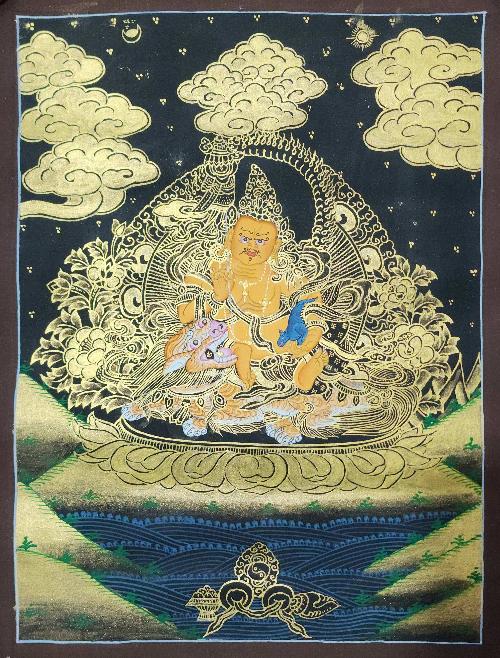
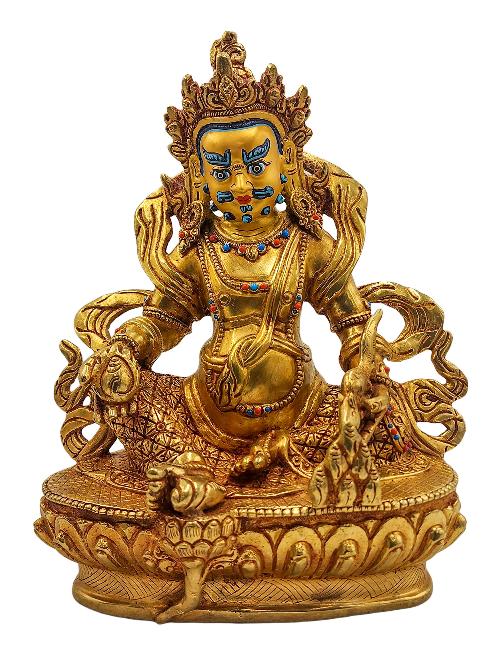
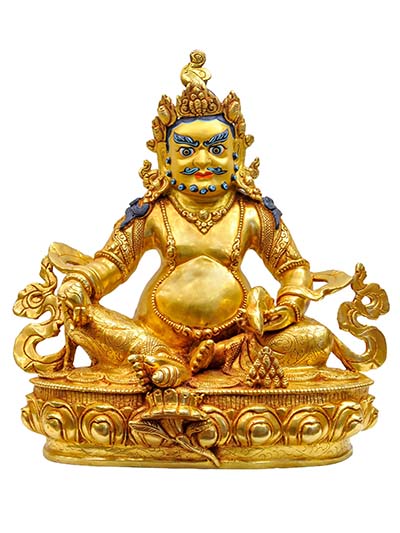
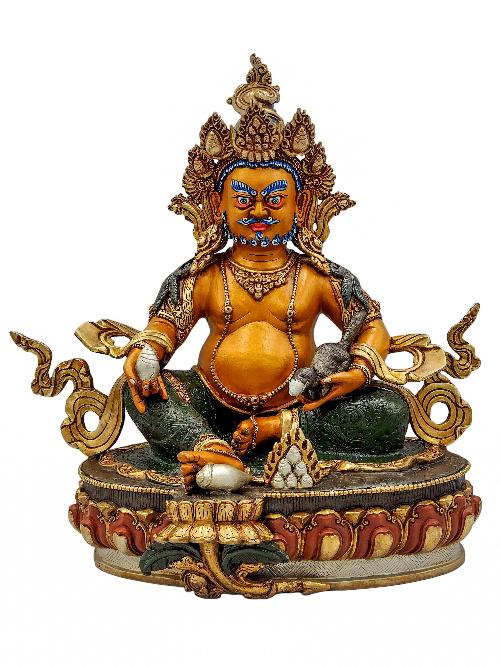
Yellow Jambhala has a yellow-colored body, he sits in the vajra position with his right leg in the panhandle, his right foot is above a snail and lotus flower, and his left leg is kinked. He has one face and two arms. His left hand holds a mongoose named Nehulay which spews forth precious jewels from its mouth, while his right-hand holds gems-shaped fruit and leaf of a lotus. An ordinary image of Lord Vaisravana holds a precious pagoda in the left, which pours out various treasures. In Tibetan Tantric images, the precious pagoda is replaced by the treasure-emitting mongoose. Yellow Jambhala sits on a lotus, sun disk, and moon disk. His mantra is:
Om Jambhala Jalendraye Svaha
About Yellow Jambjala
Jambala (Dzambhala) is the God of Wealth and appropriately a member of the Jewel family. In Hinduism, Mythology Jambala is known as Kuber. Jambhala is also believed to be an emanation of Avalokiteshwor Chenrezig, or the Buddha of Compassion, manifesting as the wealth-giving Buddha. There are 5 different wealth Jambhala. Each Jambhala has its mantra and practice to help eliminate poverty and create financial stability.
Mantra
OM ZAMBALA ZALENDHRAYE SOHA
Lakshmi
: Brief IntroductionLakshmi is the Hindu goddess of wealth, prosperity (both material and spiritual), light, wisdom, fortune, fertility, generosity and courage; and the embodiment of beauty, grace and charm. Representations of Lakshmi are also found in Jain monuments. Also called Mahalakshmi, she is said to bring good luck, and is believed to protect her devotees from all kinds of misery and money-related sorrows.
Lakshmi in Sanskrit is derived from its elemental form lakS, meaning "to perceive or observe". This is synonymous with lakṣya, meaning "aim" or "objective". The Hindu sacred texts, the Vedas call Mahalakshmi as Lakshyayidhi Lakshmihi which means she is the one who has the object and aim of uplifting mankind. Read More
Ganesh
: Brief IntroductionGanesha is one of the deities best-known and most widely worshiped in the Hindu pantheon. His image is found throughout India and Nepal. Hindu sects worship him regardless of affiliations. Devotion to Ganesha is widely diffused and extends to Jains, Buddhists, and beyond India.
Although he is known for many other attributes, Ganesha's elephant head makes him particularly easy to identify. Ganesha is widely revered as the Remover of Obstacles and more generally as Lord of Beginnings and Lord of Obstacles, patron of arts and sciences, and the deva of intellect and wisdom. He is honored at the beginning of rituals and ceremonies and invoked as Patron of Letters during writing sessions. Several texts relate mythological anecdotes associated with his birth and exploits and explain his distinct iconography. Read More
Antique Finishing
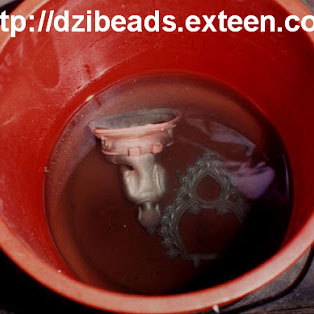
This is an antique patina-finished Yellow Jambhala. This is not an antique statue. It is just an antique patina finish. This Yellow Jambhala is a testament to the artisan's mastery of the art of aging. Its antique patina has been meticulously crafted to give the appearance of an aged statue, showcasing the artist's unique techniques and skills. Through undisclosed processes and careful aging treatments, the Yellow Jambhala undergoes a transformation that captures the essence of time and history. Read More
Lost-Wax System
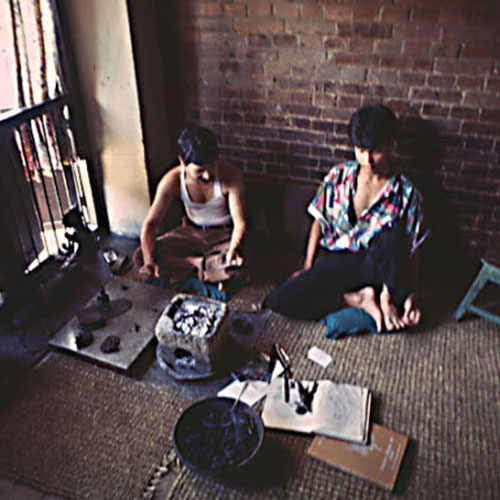
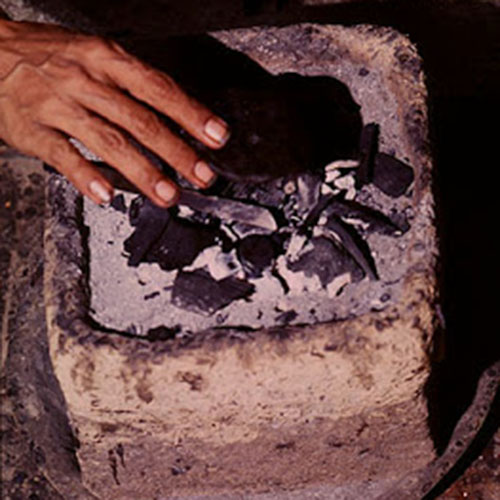
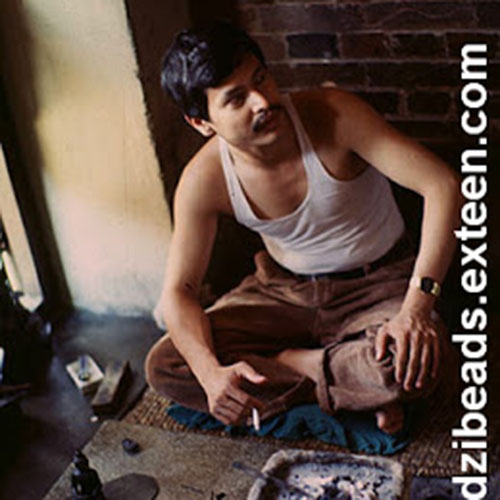
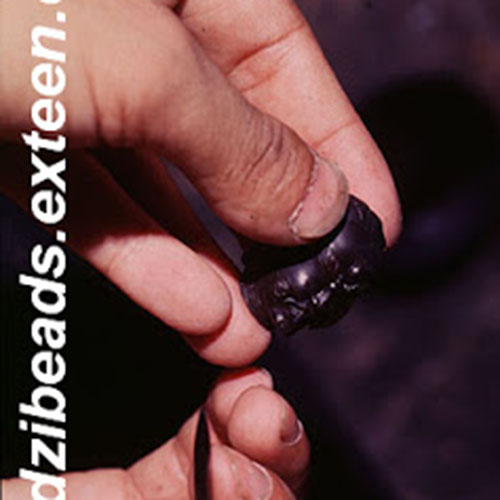
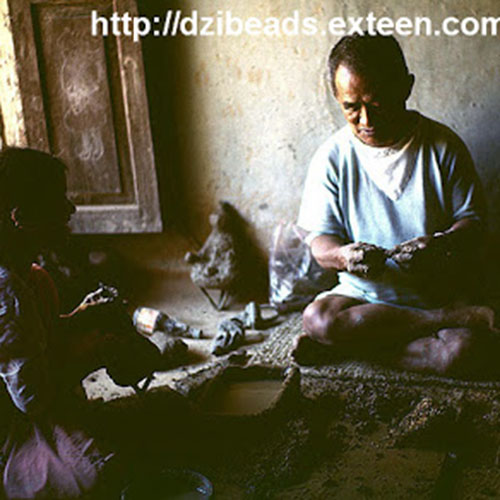
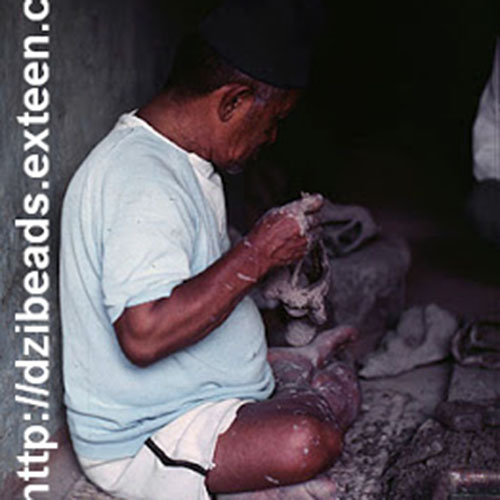
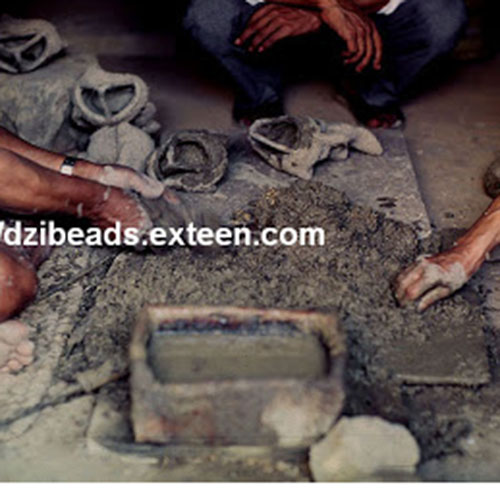
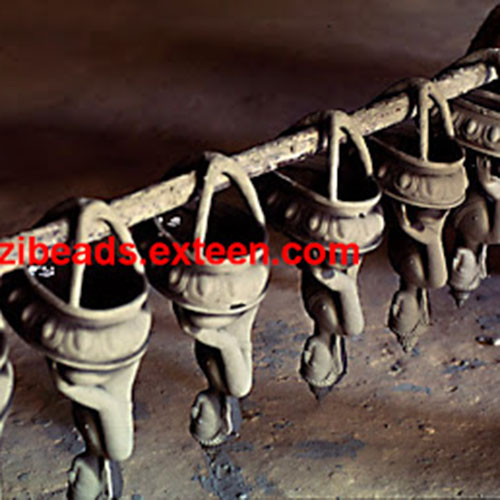
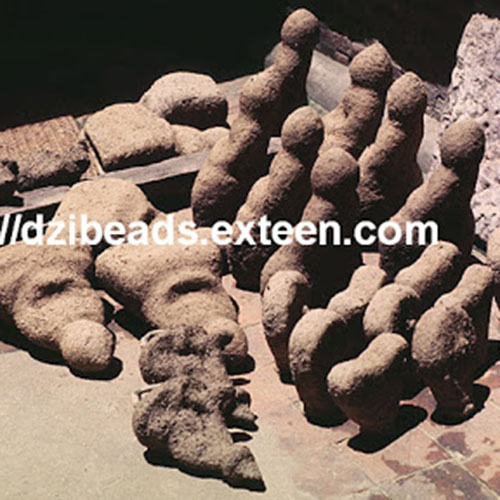
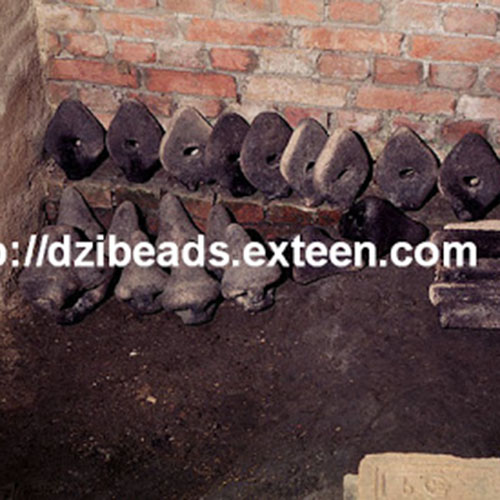
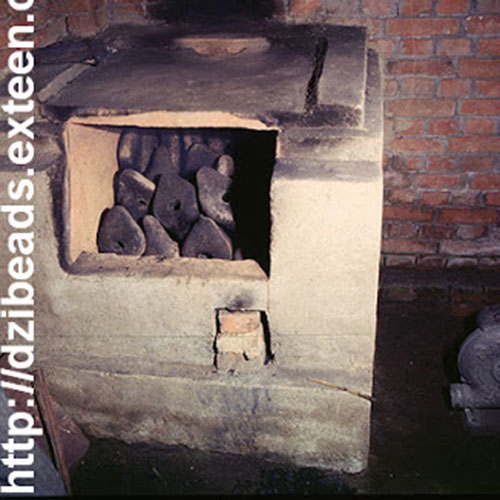
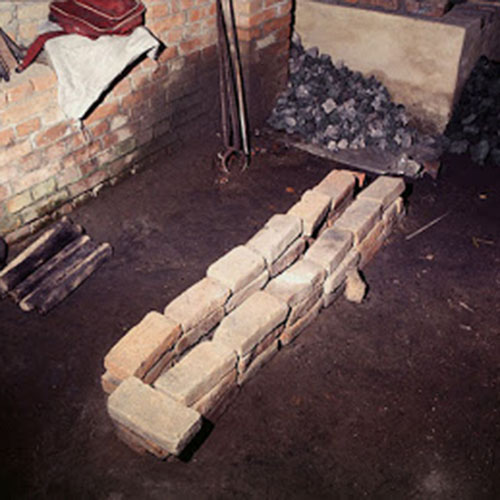
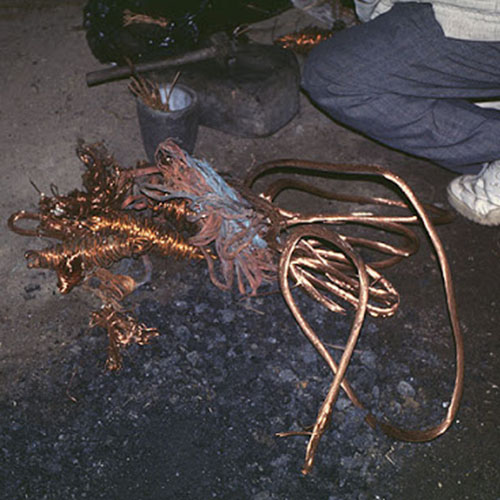
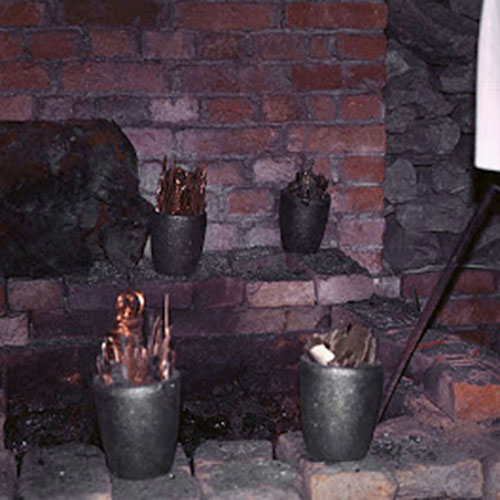
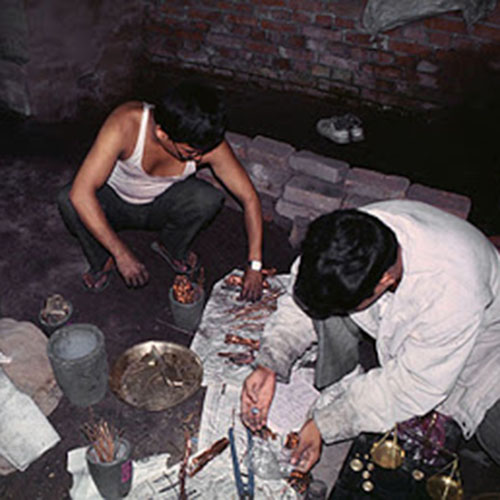
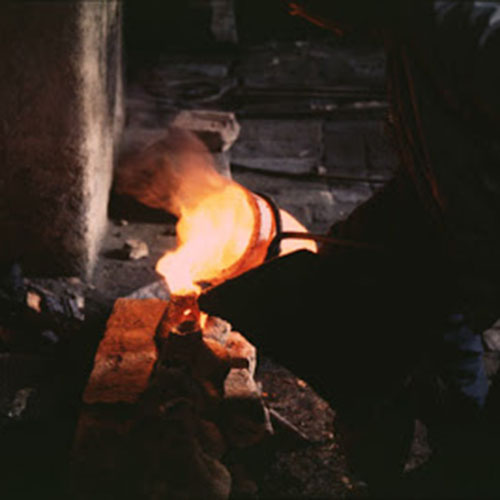
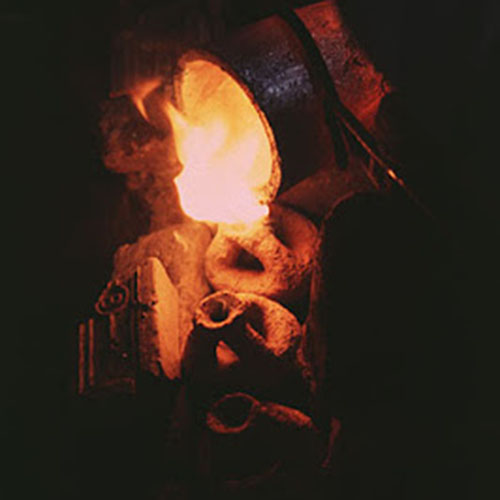
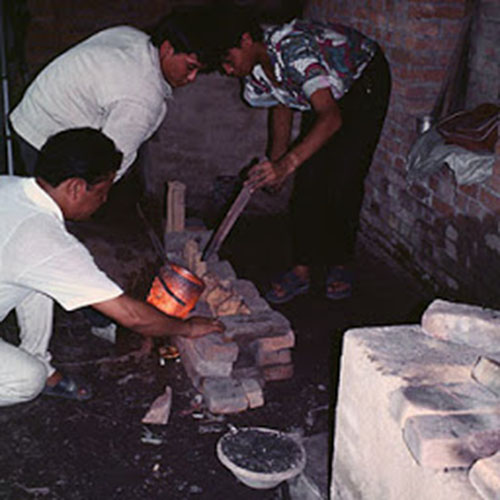
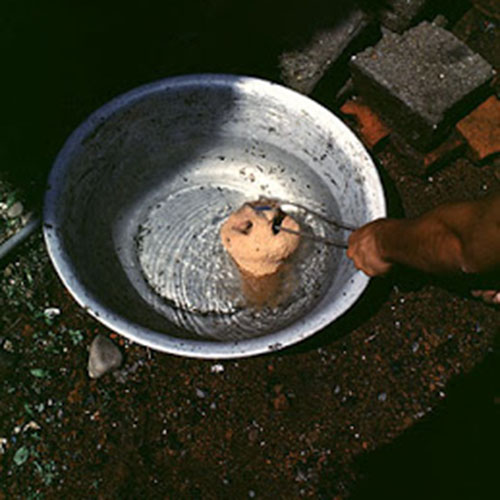
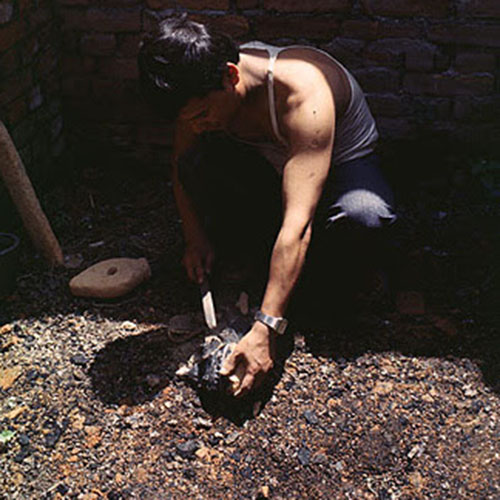
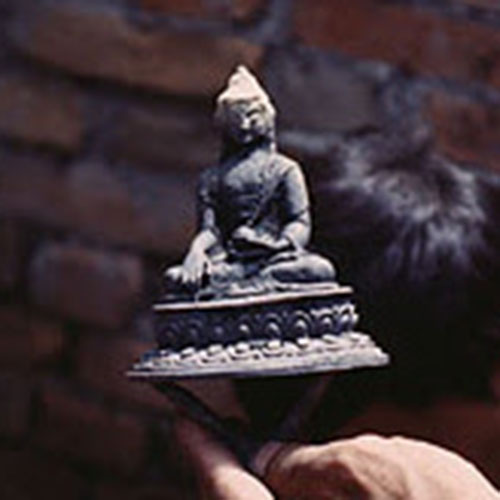
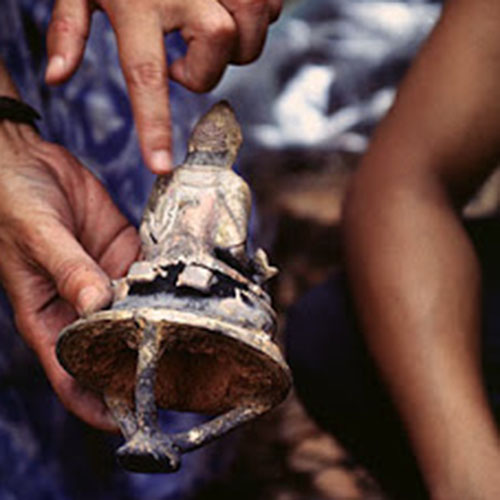
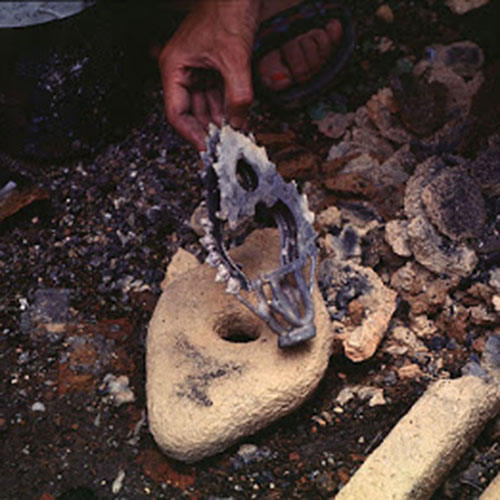
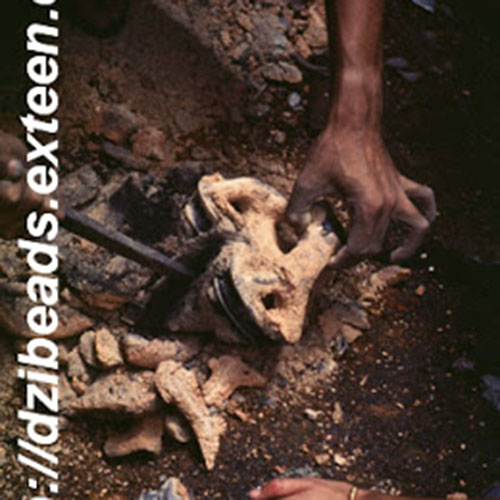
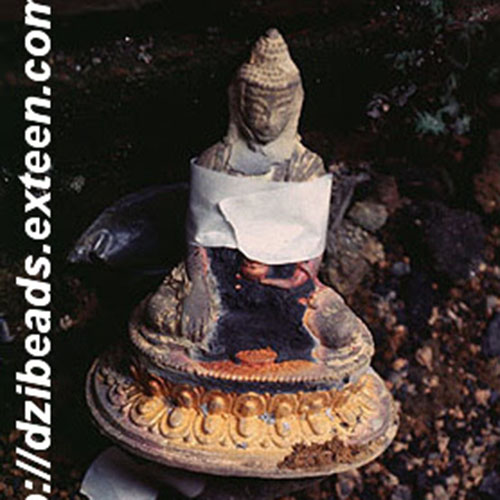
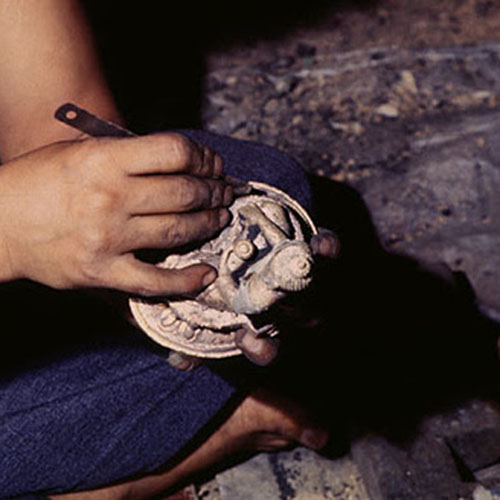
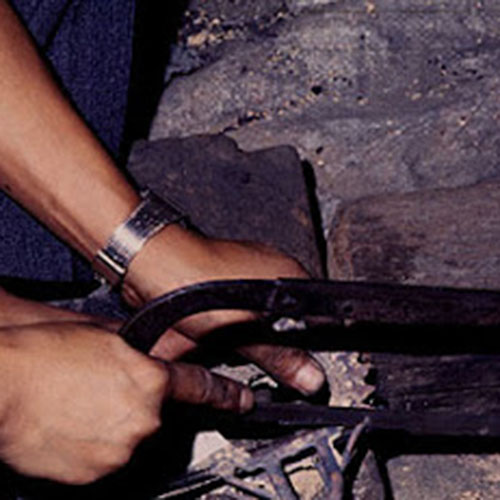
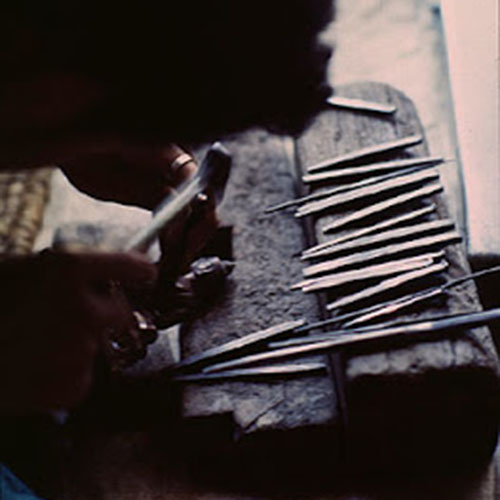
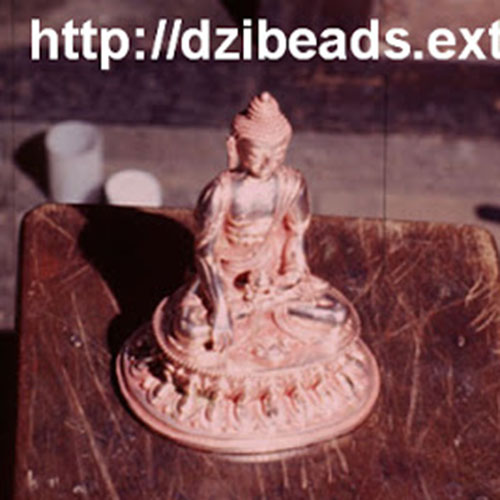
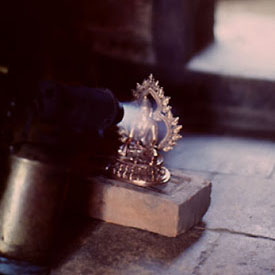
This Yellow Jambhala is made by the process of the Lost-Wax system. The lost-wax process, also known as investment casting, is a time-honored technique used to create metal sculptures. It involves several steps that have been practiced for thousands of years. Skilled artisans begin by sculpting a detailed wax model, capturing every intricate detail of the desired sculpture. The wax model is then coated with a ceramic shell, formed by multiple layers of ceramic material. Once the shell has cured, the wax is melted and drained out, leaving behind a cavity. Molten metal is poured into the cavity, creating a precise replica of the original wax model. After the metal has cooled and solidified, the ceramic shell is carefully removed, revealing the final metal sculpture. Read More
Related Products

31 cm
Yellow Jambhala, Buddhist Traditional Painting, Hand Painted
US$ 14.00
15% off
$ 16.00
$ 16.00

22 cm
Yellow Jambhala, Buddhist Handmade Statue, Gold Plated, Stone Setting And Face Painted
US$ 340.00
15% off
$ 400.00
$ 400.00

30 cm
Buddhist Handmade Statue Of Yellow Jambhala, Full Fire Gold Plated, Face Painted
US$ 540.00
15% off
$ 640.00
$ 640.00

33 cm
Yellow Jambhala, Buddhist Handmade Statue, Partly Gold Plated, Stone Setting, Face Painted And Traditional Color Finishing
US$ 1,020.00
15% off
$ 1,200.00
$ 1,200.00