

Loading Content..
Please wait...
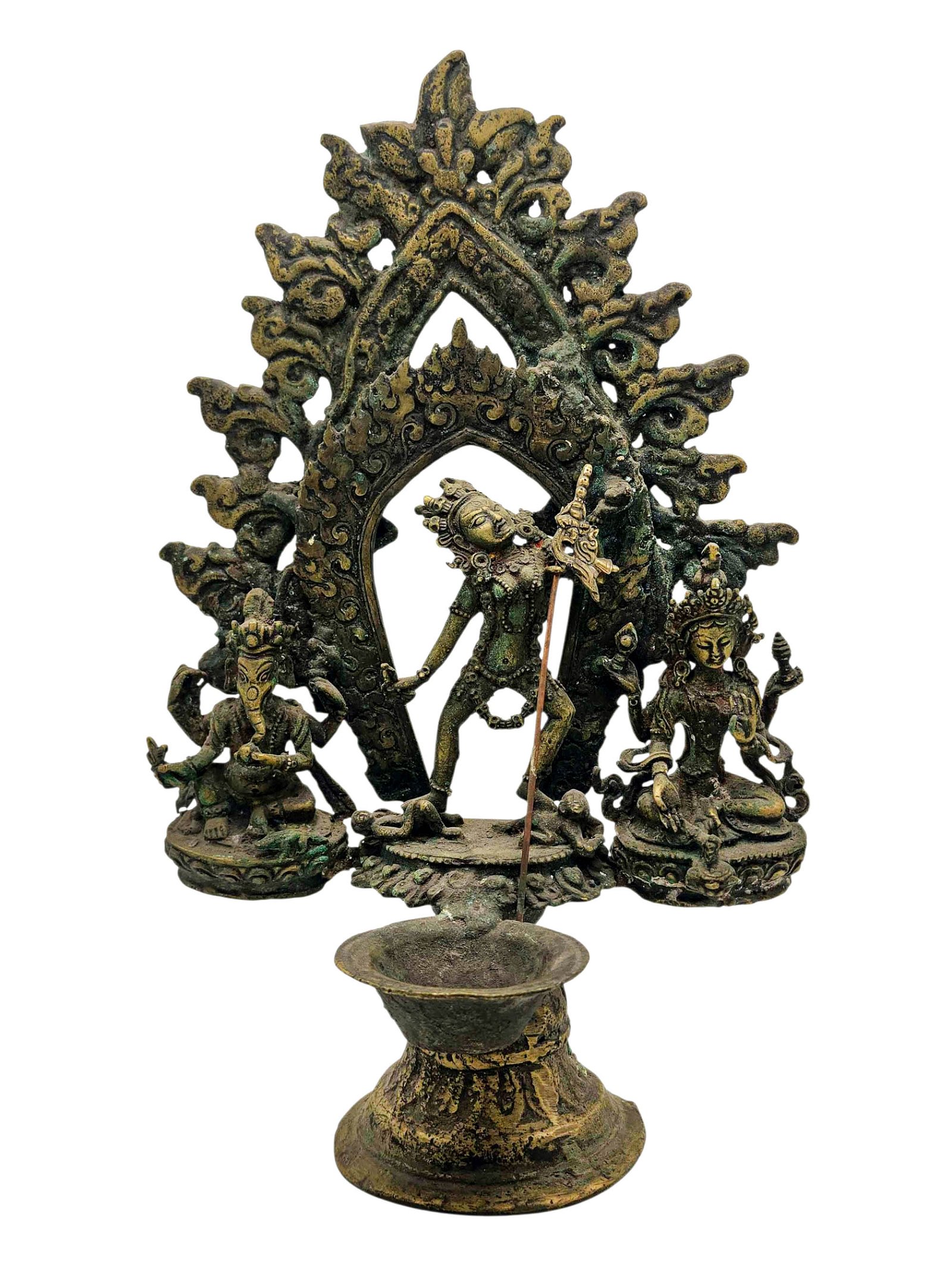
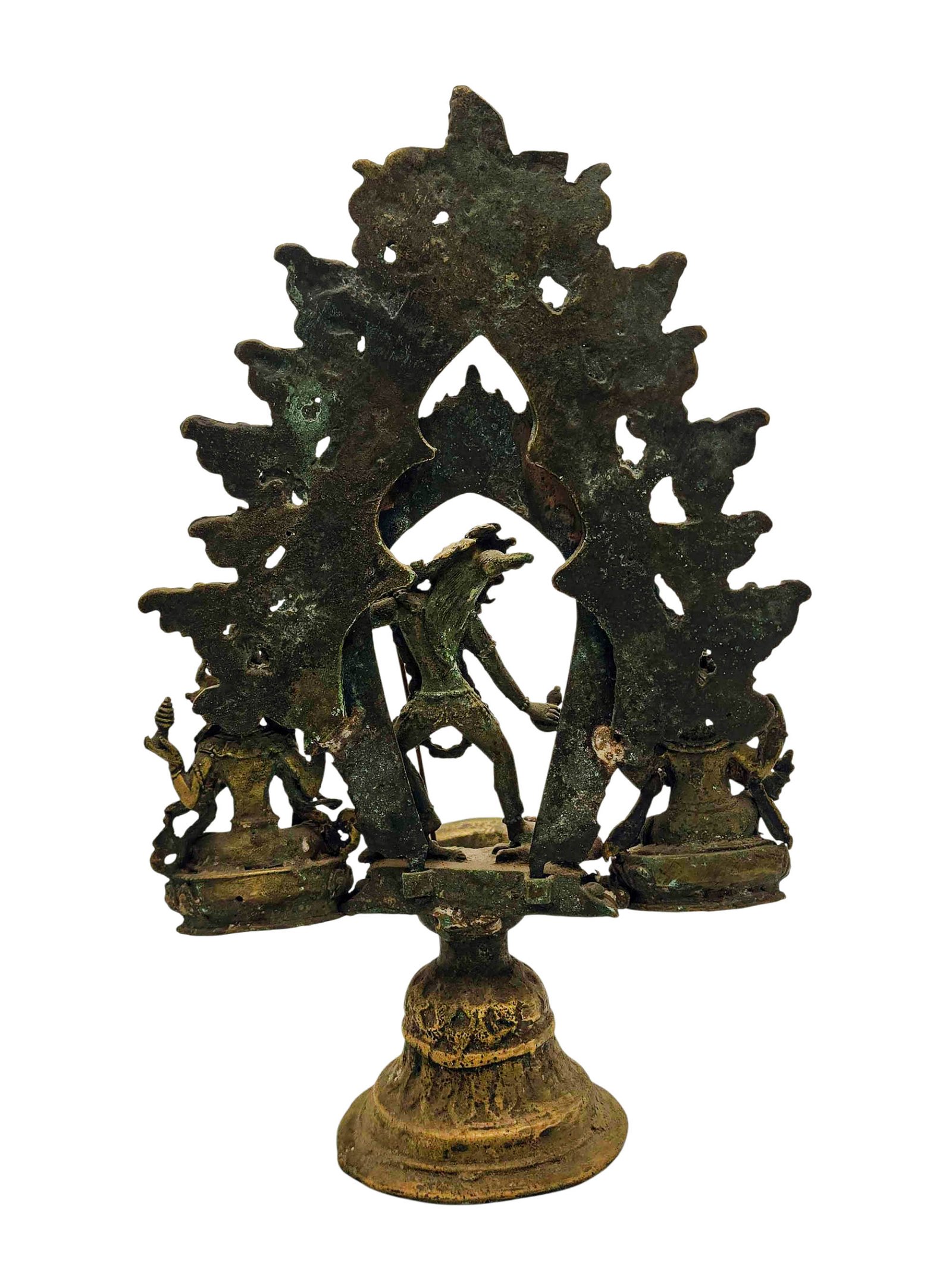
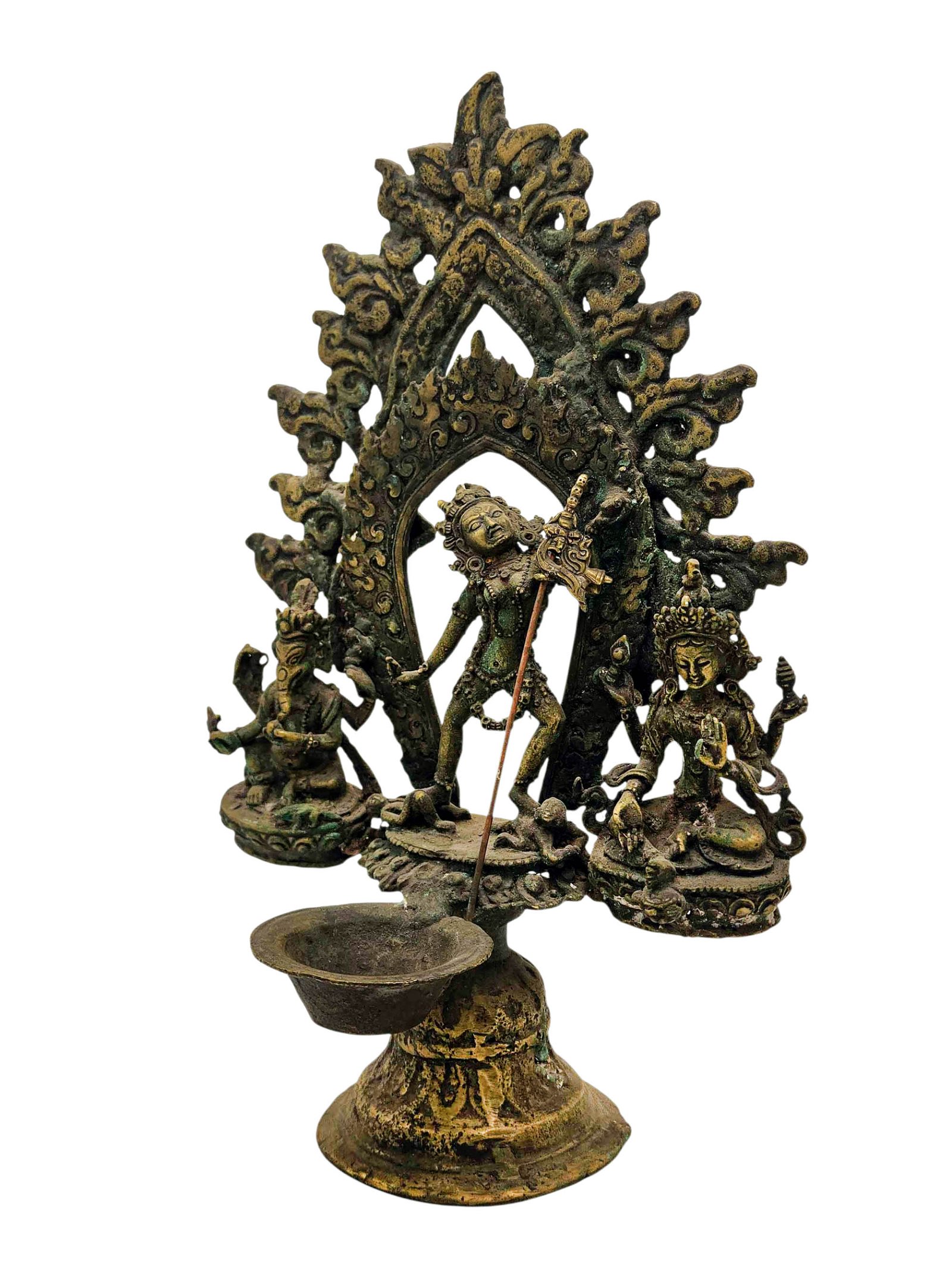
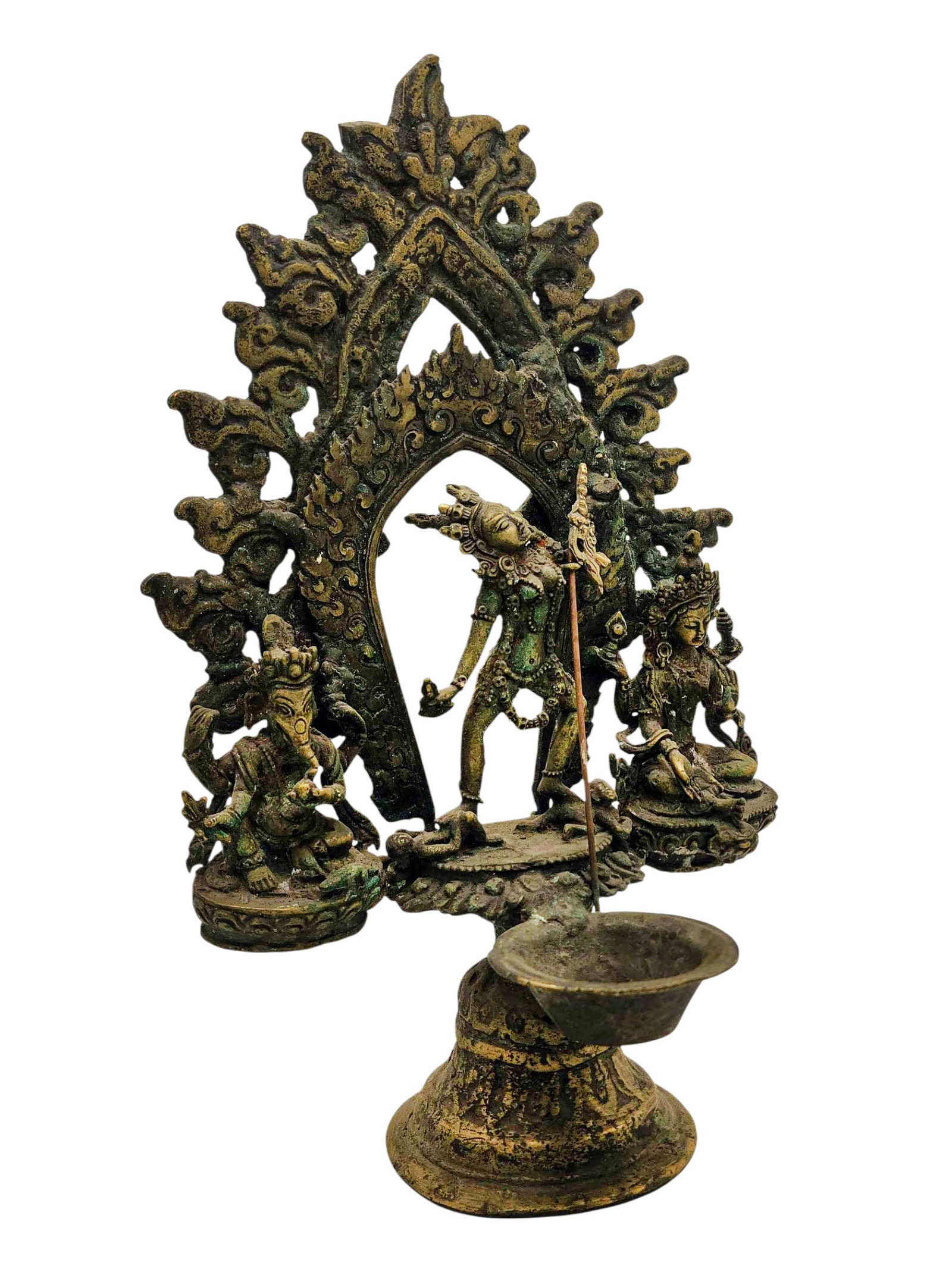
Vajrayogini Statue with Ganesh and Lakshmi, Handmade Oil Lamp, Antique Finish
Dorje Naljorma
|
|
Product Specification |
|
| Code | HME37042 |
| Size |
Height 27cm (11") Width 17cm (7") Depth 13cm (5") |
Weight | 1.39 kg - 3.06 lbs |
| Material | Copper |
| Availability | Available |
| Quantity | PCS |
US$ 280.00
$ 330.00 -15% off
Shipping Cost
|
| Price Adjustment Status: Active |
||
Shipping Calculation
weight of 1 Pcs of the product is 2 kg and will cost USD $ 47.00
-
Item location: kathmandu, Nepal
Worldwide shipping - Dispatch
-
We normally dispatch the product in 2-5 business days. Else Buyer will be infromed personally about the dispatch Date.
- Payment
- Paypal | Credit - Debit Card | Bank Transfer | See More
- Return
- 7 days money back, buyer pays return shipping
Welcome to Handmade Handicraft
At Handmade Handicraft, we prioritize simplicity, reflected in our user-friendly website design. We have streamlined the process so everything you need is just a click away.
While our website does not support online shopping, we've incorporated a convenient shopping cart system to assist you in sending us your inquiries. Please note, we do not process payments on our site. All transactions will be handled via email, respecting the inquiries you submit.
Should you encounter any issues while submitting your inquiries, please contact us via mobile app, email, or follow the procedure outlined below. We've provided documentation to guide you through the selection process.
selecting Procedure
In every product you will find Order Now and Quick Inquiry buttons, they are the two process of sending us your enquiry.
If you have any questions or need assistance, please don't hesitate to reach out to us. We are here to help you with your inquiries and ensure a smooth experience.
Vajrayogini
Vajrayogini, literally 'the diamond female yogi'. She is a Highest Yoga Tantra Yidam , and her practice includes methods for preventing ordinary death, intermediate state and rebirth (by transforming them into paths to enlightenment), and for transforming all mundane daily experiences into higher spiritual paths. Vajrayoginī is a generic female yidam and although she is sometimes visualized as simply Vajrayoginī, in a collection of her sādhanas she is visualized in an alternate form in over two thirds of the practices. Her other forms include Vajravārāhī and Krodikali. Vajrayoginī is a ḍākiṇī and a Vajrayāna Buddhist meditation deity. As such she is considered to be a female Buddha. Read More
Iconography
Vajrayoginī is often described with the epithet sarva-buddha-dakinī, meaning 'the ḍākiṇī who is the Essence of all Buddhas'.Vajrayogini's sādhana, or practice, originated in India between the tenth and twelfth centuries. It evolved from the Chakrasaṃvara sādhana, where Vajrayoginī appears as his yab-yum consort, to become a stand-alone practice of anuttarayoga tantra in its own right. The practice of Vajrayoginī belongs to the Mother Tantra (Tibetan: ma-rgyud) class of anuttarayoga tantra, along with other tantras such as Heruka Chakrasaṃvara and Hevajra.
According to scholar Miranda Shaw, Vajrayoginī is "inarguably the supreme deity of the Tantric pantheon. No male Buddha, including her divine consort, Heruka Chakrasaṃvara, approaches her in metaphysical or practical import."A number of lamas and other contemporary scholars do in fact argue otherwise, as Vajradhāra is widely considered the supreme deity of the Tantric pantheon, but the importance of Vajrayoginī is agreed upon.
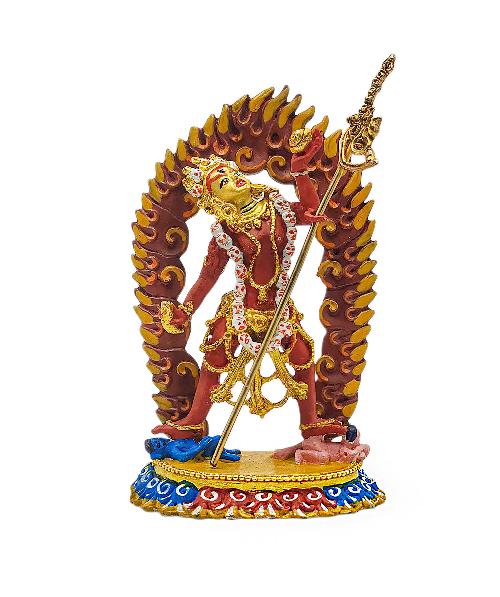
Vajrayoginī is visualized as the translucent, deep red form of a 16 year old female with the third eye of wisdom set vertically on her forehead. Vajrayoginī is generally depicted with the traditional accoutrements of a ḍākiṇī including a cleaver (Tib. drigug, Skt. kartṛī) marked with a vajra in her right hand and a kapala (skull cup) in her left hand which is filled with blood that she partakes of with her upturned mouth. Her consort Chakrasaṃvara is often symbolically depicted as a khaṭvāṇga on Vajrayoginī's left shoulder, when she is in 'solitary hero' form. Vajrayoginī's khatvanga is marked with a vajra and from it hang a damaru drum, a bell, and a triple banner. Her extended right leg treads on the chest of red Kālarātri, while her bent left leg treads on the forehead of black Bhairava, bending his head backward and pressing it into his back at the level of his heart. Her head is adorned with a crown of five human skulls and she wears a necklace of fifty human skulls. She is depicted as standing in the center of a blazing fire of exalted wisdom.
Each aspect of Vajrayoginī's form and mandala is designed to convey a spiritual meaning. For example, her brilliant red-colored body symbolizes the blazing of her inner fire (Tib. tummo). Her single face symbolizes that she has realized that all phenomena are of one nature in emptiness. Her two arms symbolize her realization of the two truths. Her three eyes symbolize her ability to see everything in the past, present and future. She looks upward toward the Pure Dākiṇī Land (Skt. Kechara), demonstrating her attainment of outer and inner Pure Dākiṇī Land, and indicating that she leads her followers to these attainments. The curved drigug knife in her right hand shows her power to cut the continuum of the delusions and obstacles of her followers and of all living beings. Drinking the nectar of blood from the kapala in her left hand symbolizes her experience of the clear light of bliss.
In her form as Vajravārāhī, when she is known as 'the Vajra Sow' she is often pictured with a sow's head on the side of her own as an ornament and in one form has the head of a sow herself. Vajrayoginī is often associated with triumph over ignorance, the pig being associated with ignorance in Buddhism. This sow head relates to the origins of Vajravārāhī from the Hindu sow-faced goddess Vārāhī.
The severed-headed form of Vajrayoginī is similar to the Indian goddess Chinnamasta who is recognized by both Hindus and Buddhists
Lakshmi
: Brief IntroductionLakshmi is the Hindu goddess of wealth, prosperity (both material and spiritual), light, wisdom, fortune, fertility, generosity and courage; and the embodiment of beauty, grace and charm. Representations of Lakshmi are also found in Jain monuments. Also called Mahalakshmi, she is said to bring good luck, and is believed to protect her devotees from all kinds of misery and money-related sorrows.
Lakshmi in Sanskrit is derived from its elemental form lakS, meaning "to perceive or observe". This is synonymous with lakṣya, meaning "aim" or "objective". The Hindu sacred texts, the Vedas call Mahalakshmi as Lakshyayidhi Lakshmihi which means she is the one who has the object and aim of uplifting mankind. Read More
Ganesh
: Brief IntroductionGanesha is one of the deities best-known and most widely worshiped in the Hindu pantheon. His image is found throughout India and Nepal. Hindu sects worship him regardless of affiliations. Devotion to Ganesha is widely diffused and extends to Jains, Buddhists, and beyond India.
Although he is known for many other attributes, Ganesha's elephant head makes him particularly easy to identify. Ganesha is widely revered as the Remover of Obstacles and more generally as Lord of Beginnings and Lord of Obstacles, patron of arts and sciences, and the deva of intellect and wisdom. He is honored at the beginning of rituals and ceremonies and invoked as Patron of Letters during writing sessions. Several texts relate mythological anecdotes associated with his birth and exploits and explain his distinct iconography. Read More
Antique Finishing
This is an antique patina-finished Vajrayogini. This is not an antique statue. It is just an antique patina finish. This Vajrayogini is a testament to the artisan's mastery of the art of aging. Its antique patina has been meticulously crafted to give the appearance of an aged statue, showcasing the artist's unique techniques and skills. Through undisclosed processes and careful aging treatments, the Vajrayogini undergoes a transformation that captures the essence of time and history. Read More
Lost-Wax System
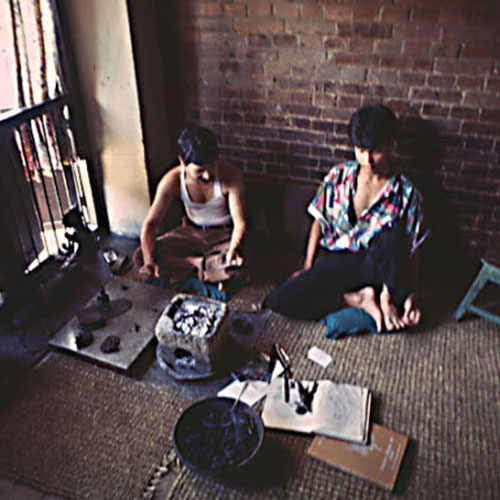
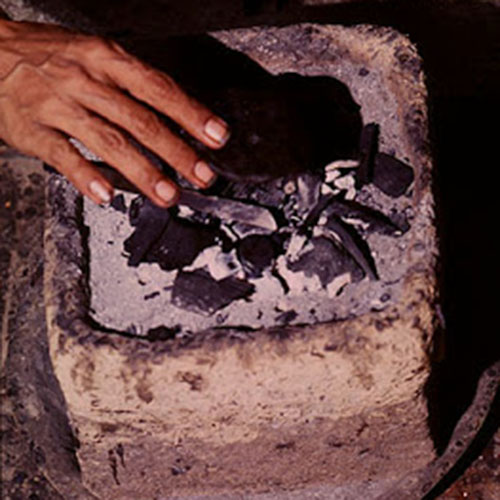
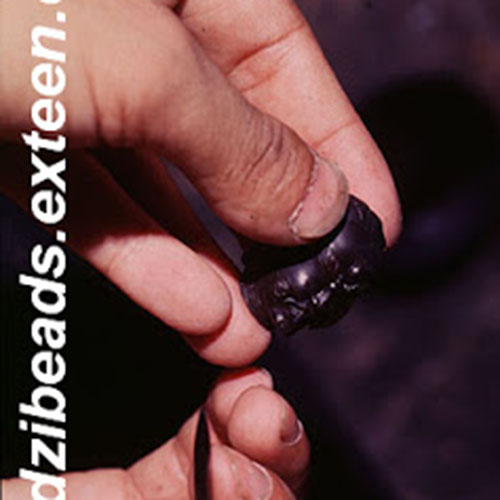
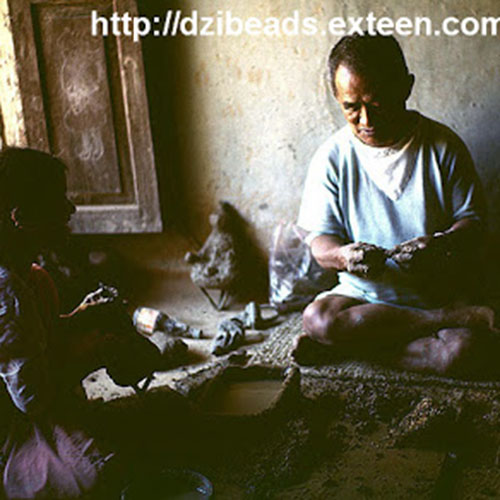
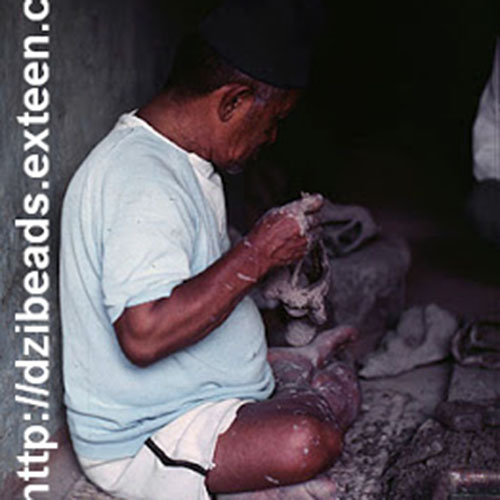
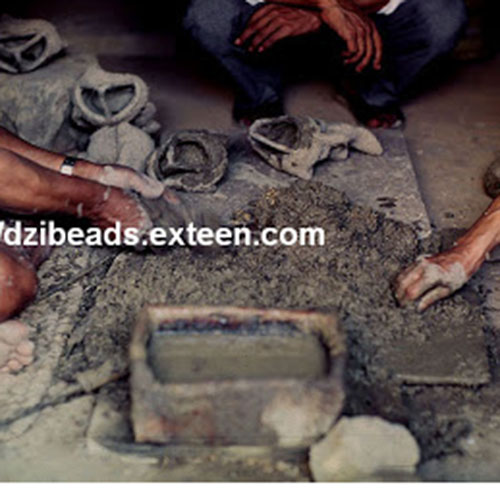
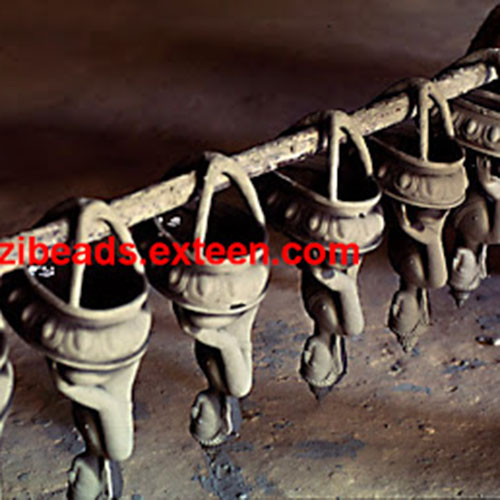
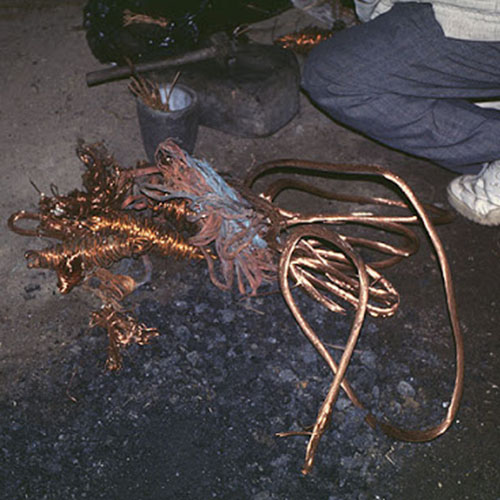
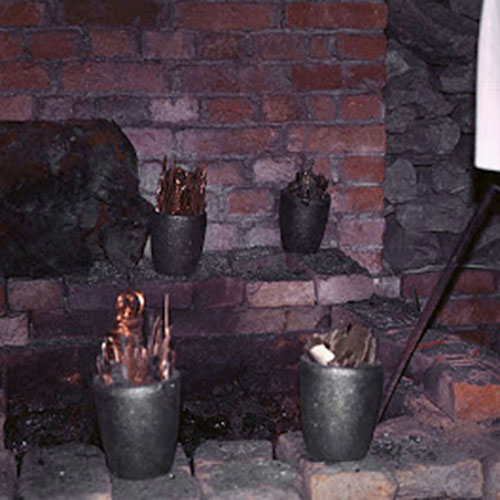
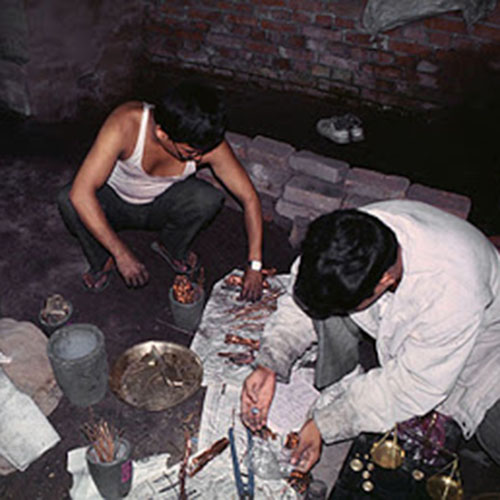
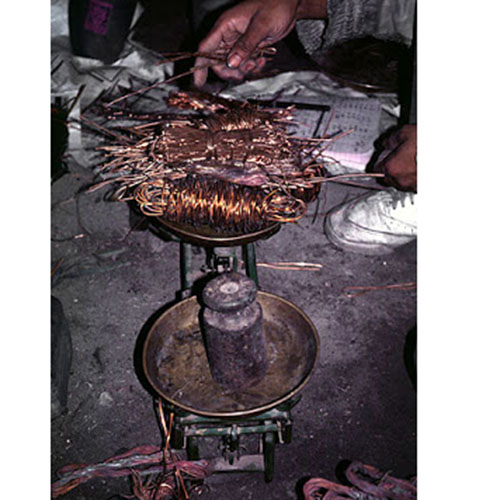
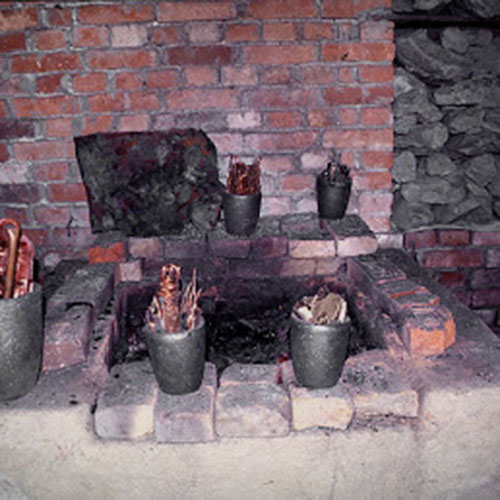
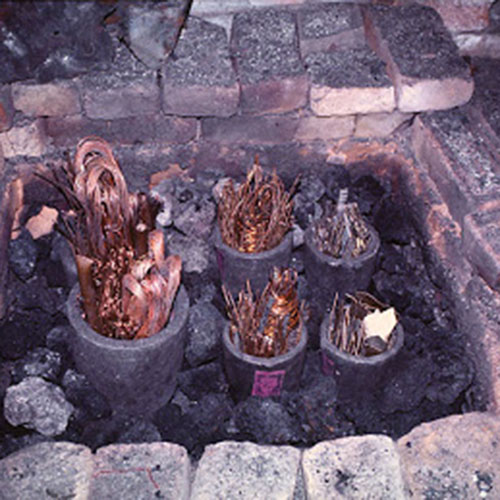
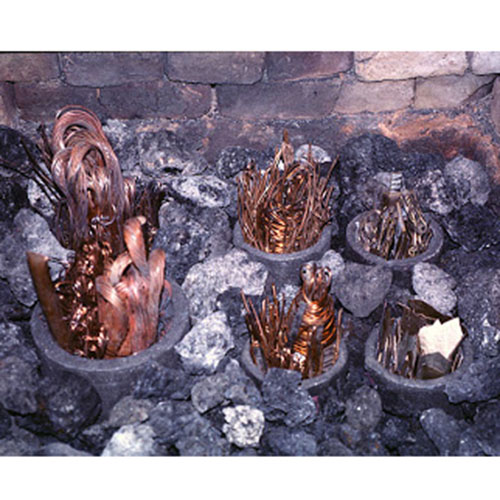
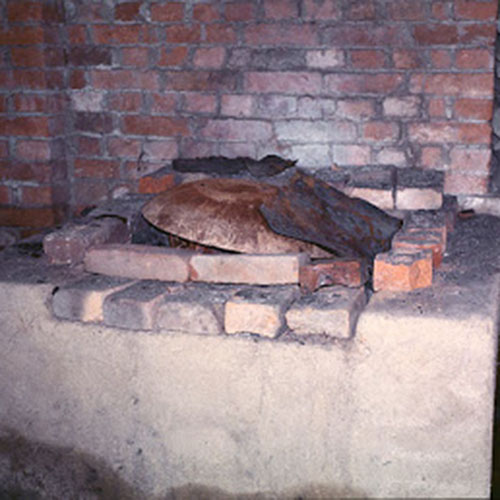
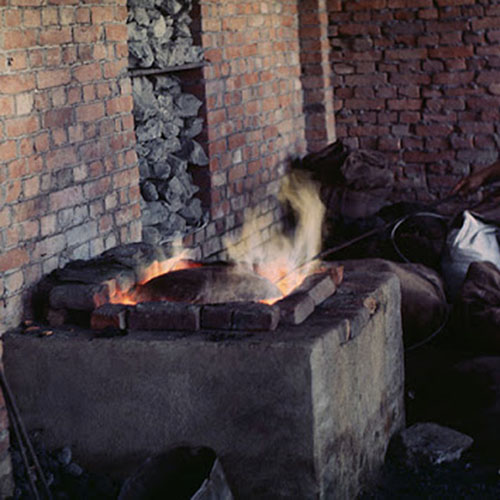
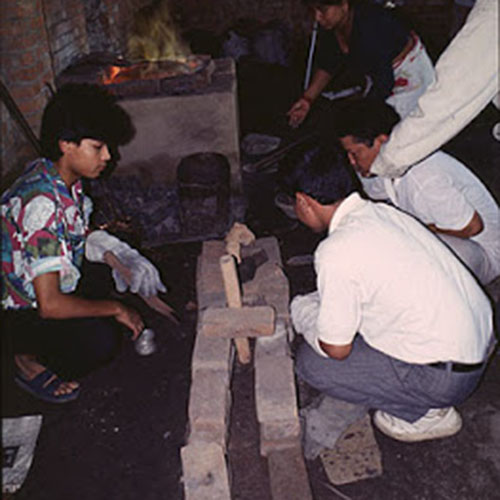
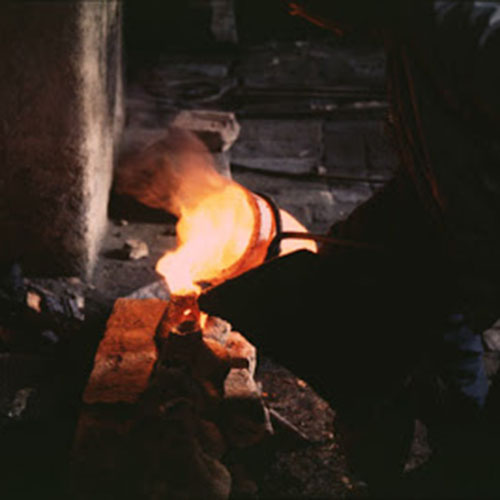
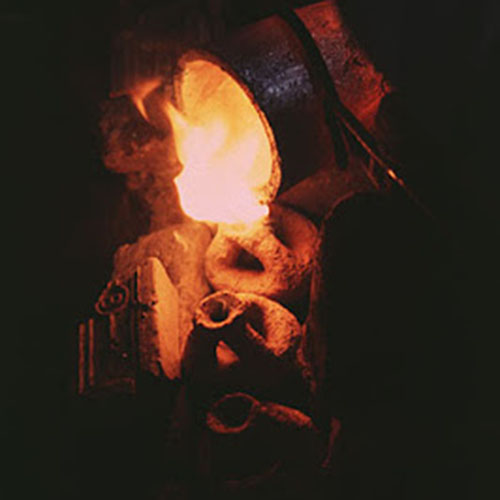
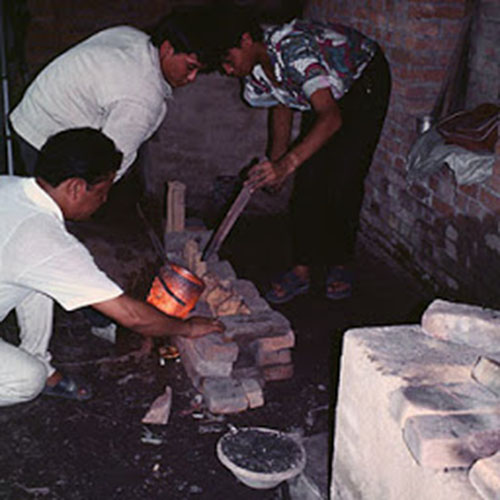
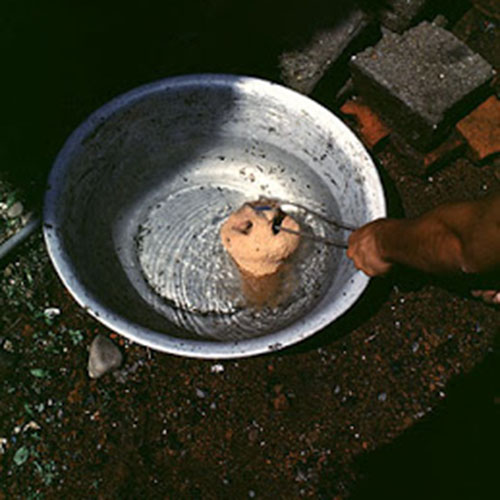
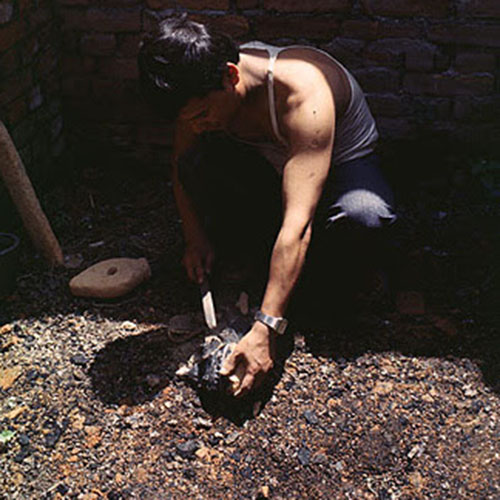
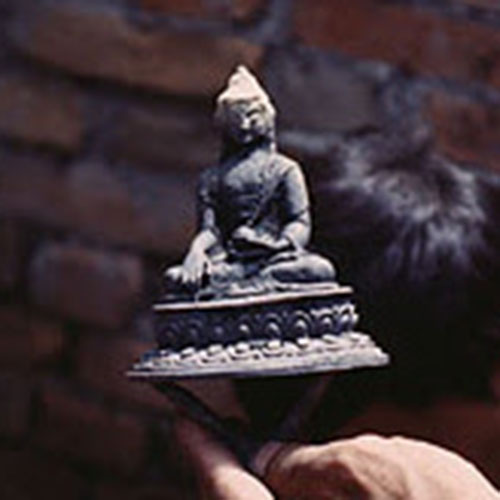
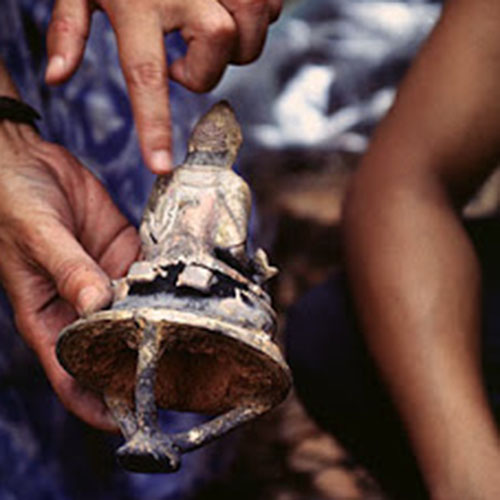
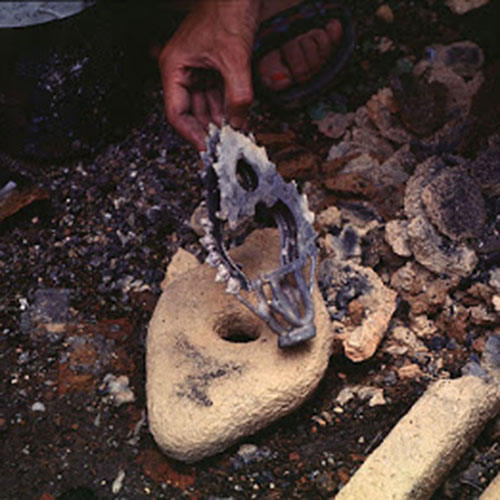
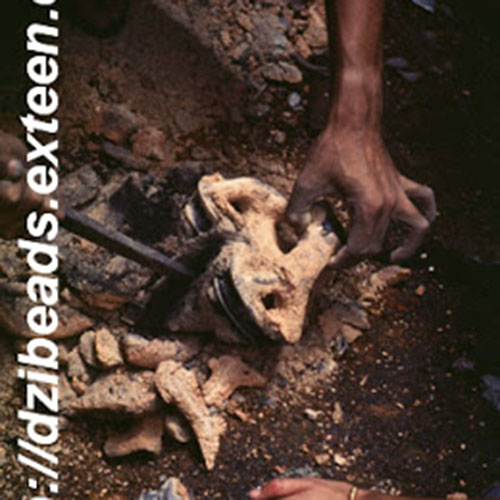
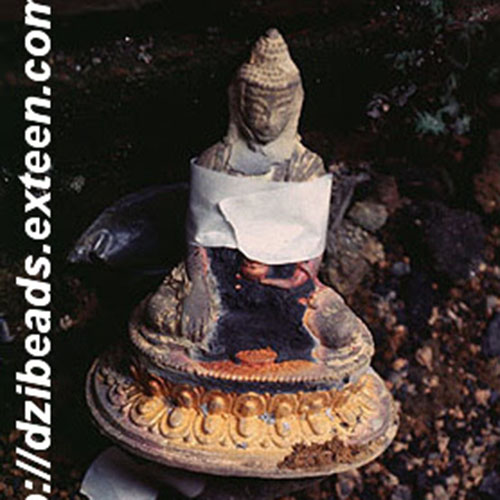
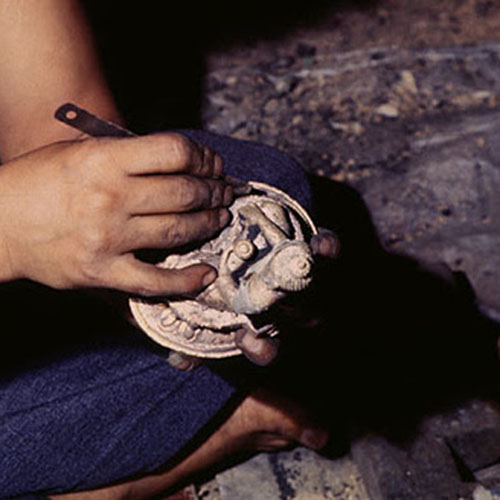
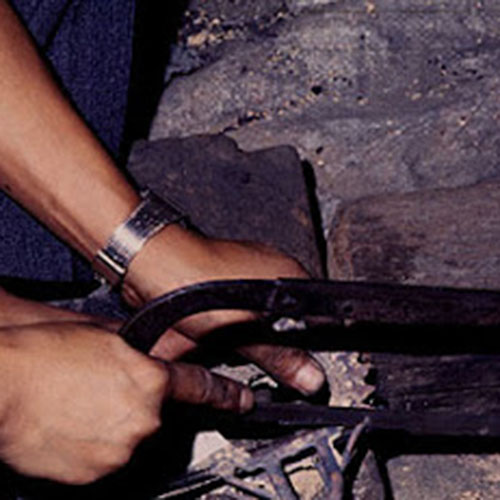
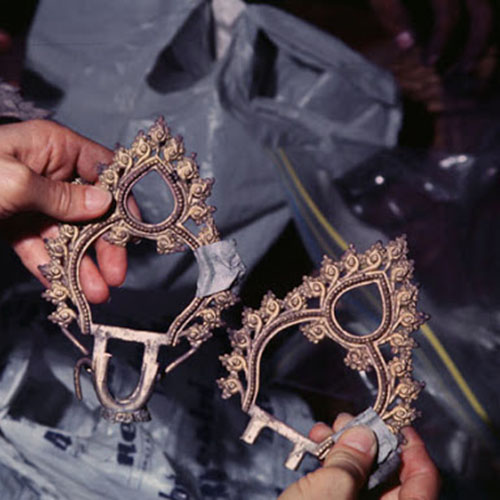
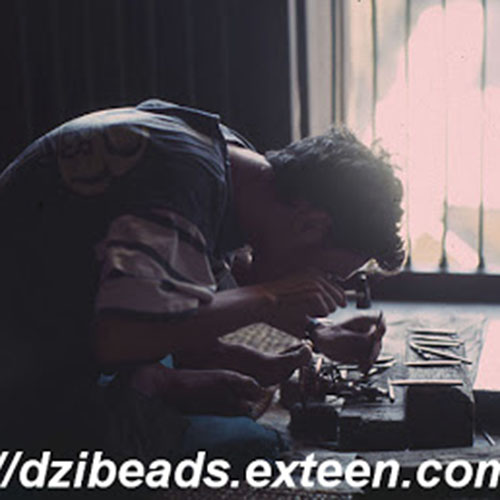
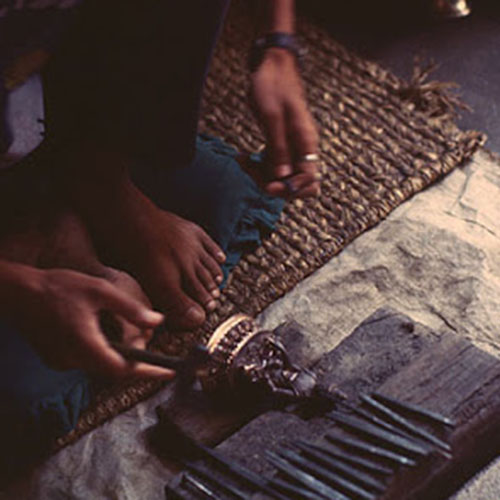
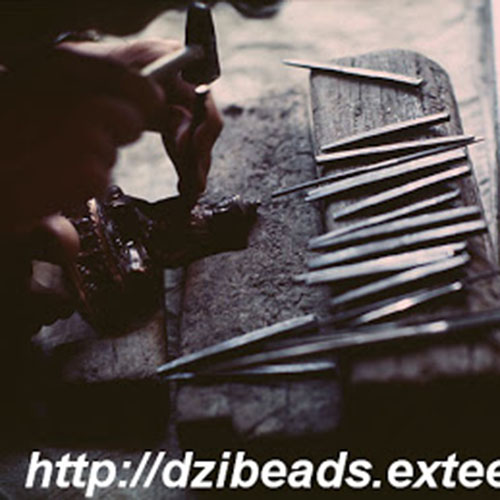
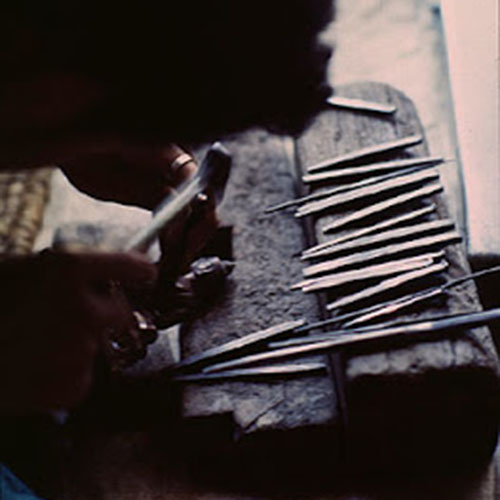
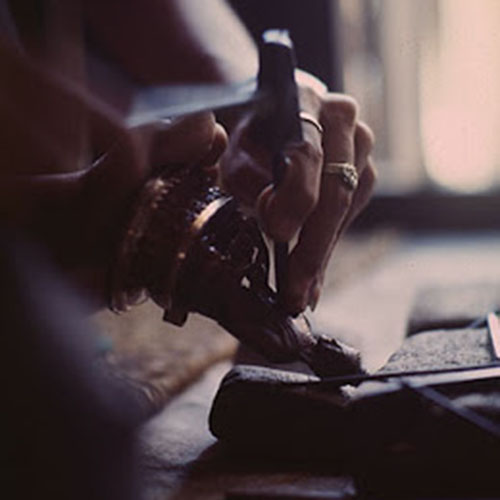
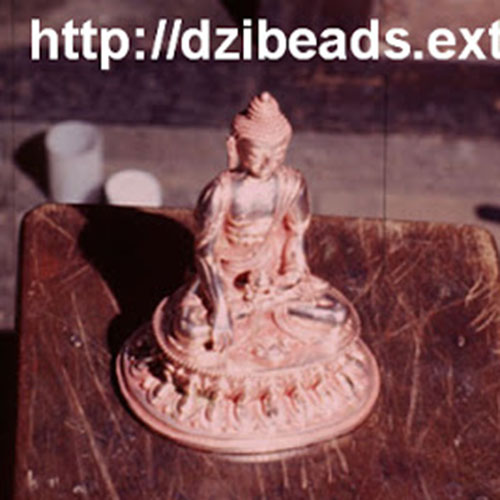
This Vajrayogini is made by the process of the Lost-Wax system. The lost-wax process, also known as investment casting, is a time-honored technique used to create metal sculptures. It involves several steps that have been practiced for thousands of years. Skilled artisans begin by sculpting a detailed wax model, capturing every intricate detail of the desired sculpture. The wax model is then coated with a ceramic shell, formed by multiple layers of ceramic material. Once the shell has cured, the wax is melted and drained out, leaving behind a cavity. Molten metal is poured into the cavity, creating a precise replica of the original wax model. After the metal has cooled and solidified, the ceramic shell is carefully removed, revealing the final metal sculpture. Read More
Related Products

36 cm
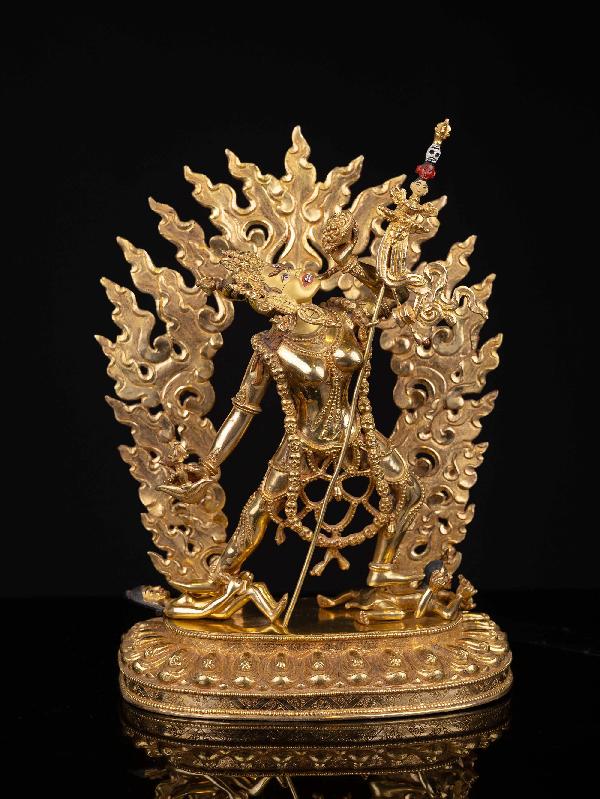
Vajrayogini, Buddhist Handmade Statue, Full Gold Plated, Face Paint, 251
US$ 1,960.00
15% off
$ 2,304.00
$ 2,304.00

32 cm
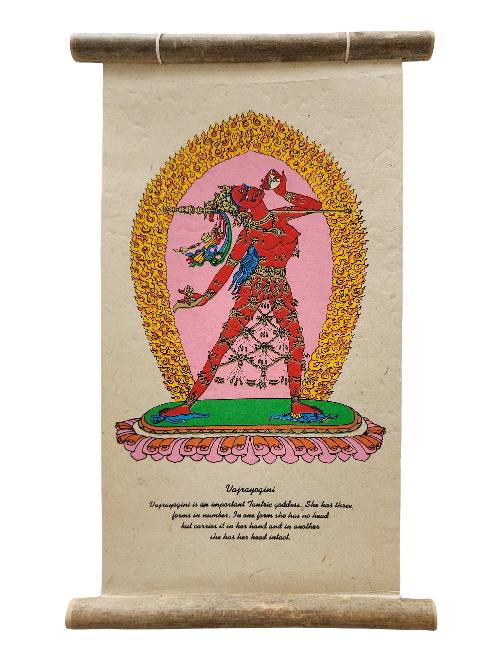
Vajrayogini, Buddhist Scroll, Made In Lokta Paper, Screen Printed, And Hand-painted
US$ 4.76
15% off
$ 5.60
$ 5.60

14 cm
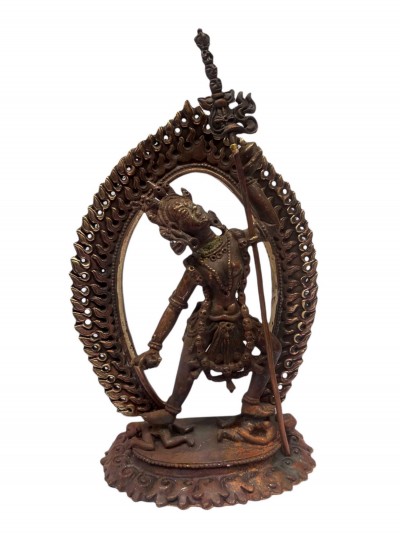
Buddhist Statue Miniature Statue Of, Vajrayogini, Free Finishing
US$ 140.00
15% off
$ 163.00
$ 163.00

10 cm
Vajrayogini Buddhist Miniature Statue, Thangka Color Finishing
US$ 46.00
35% off
$ 70.00
$ 70.00