

Loading Content..
Please wait...
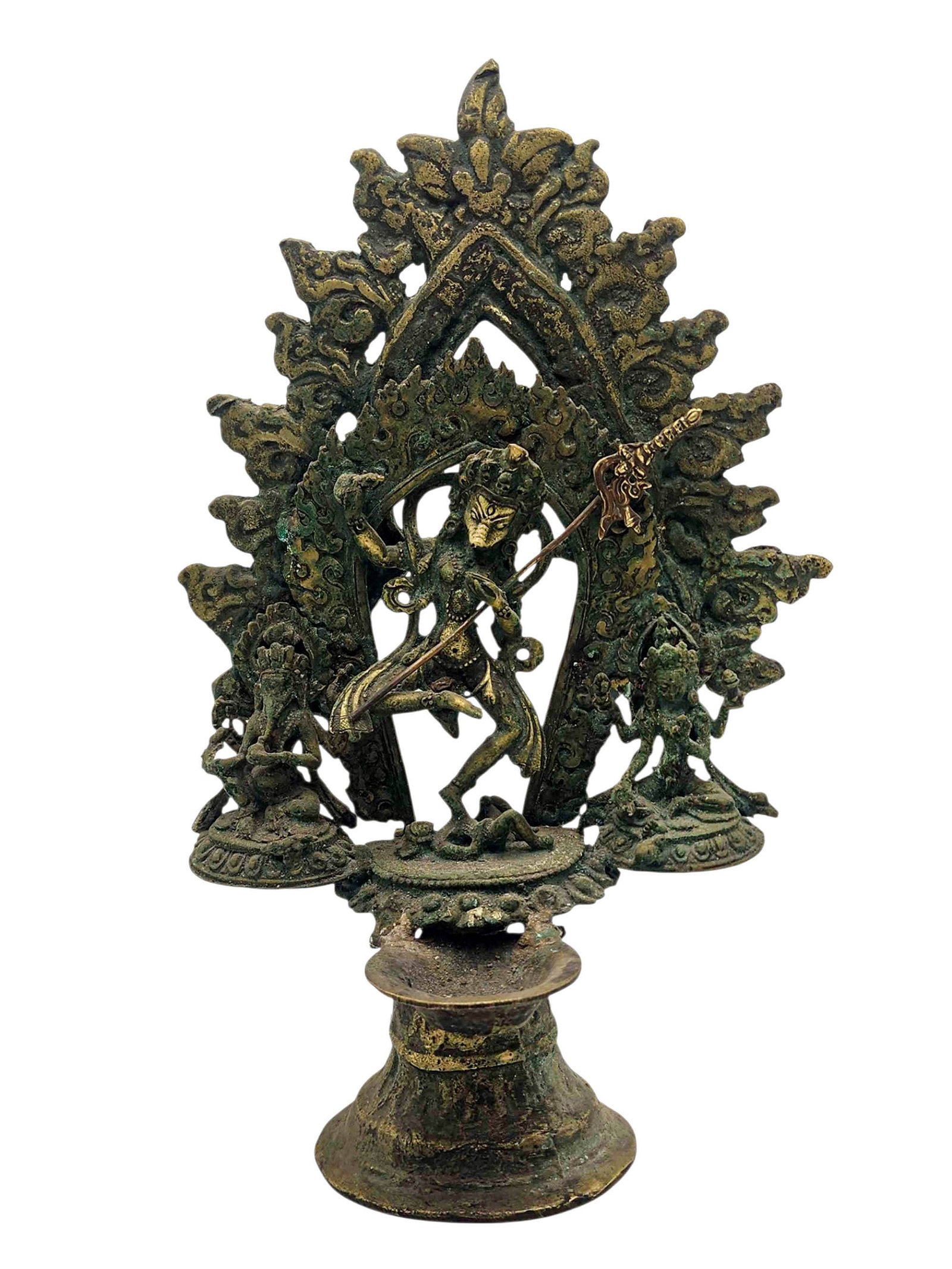
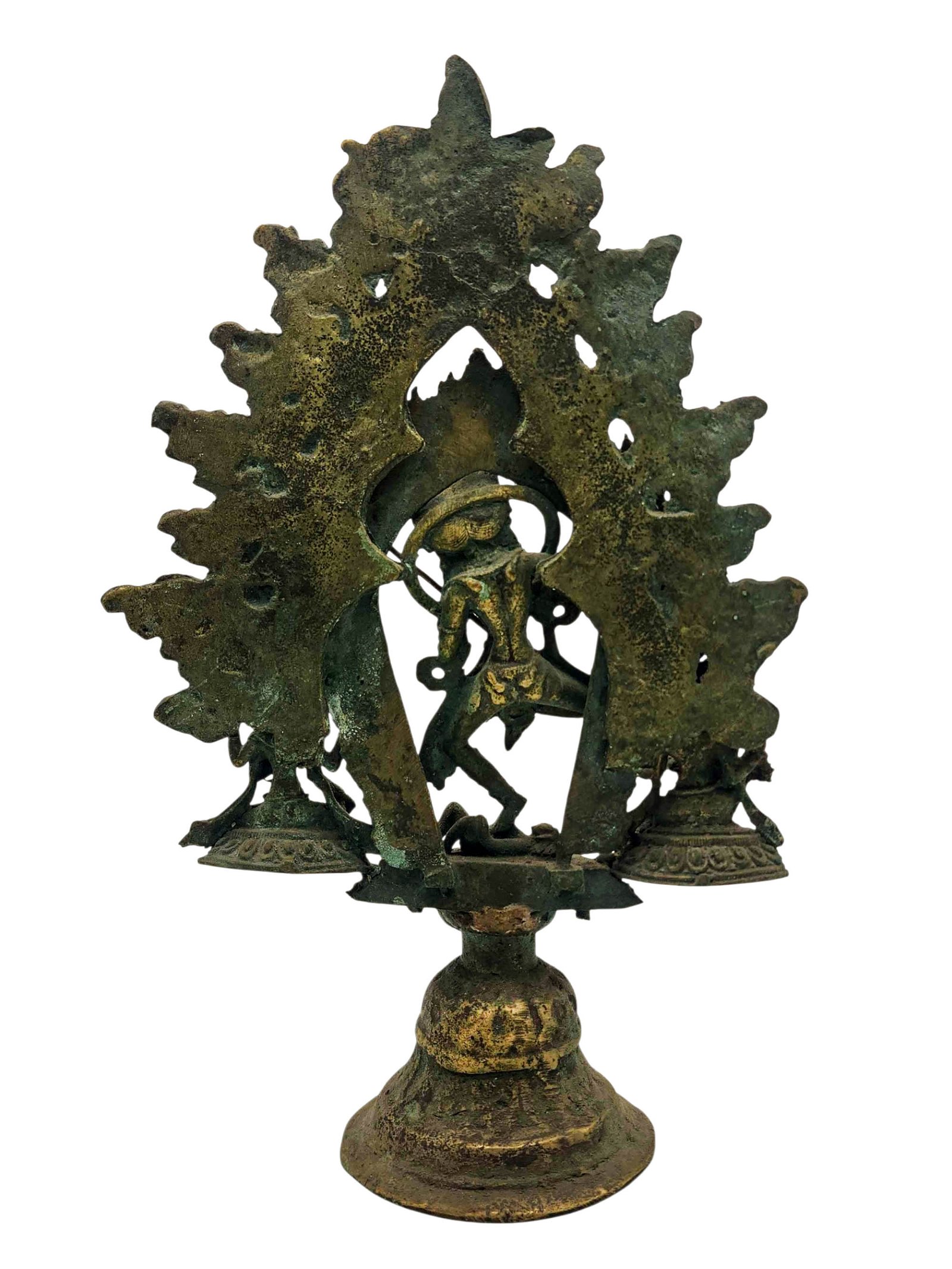
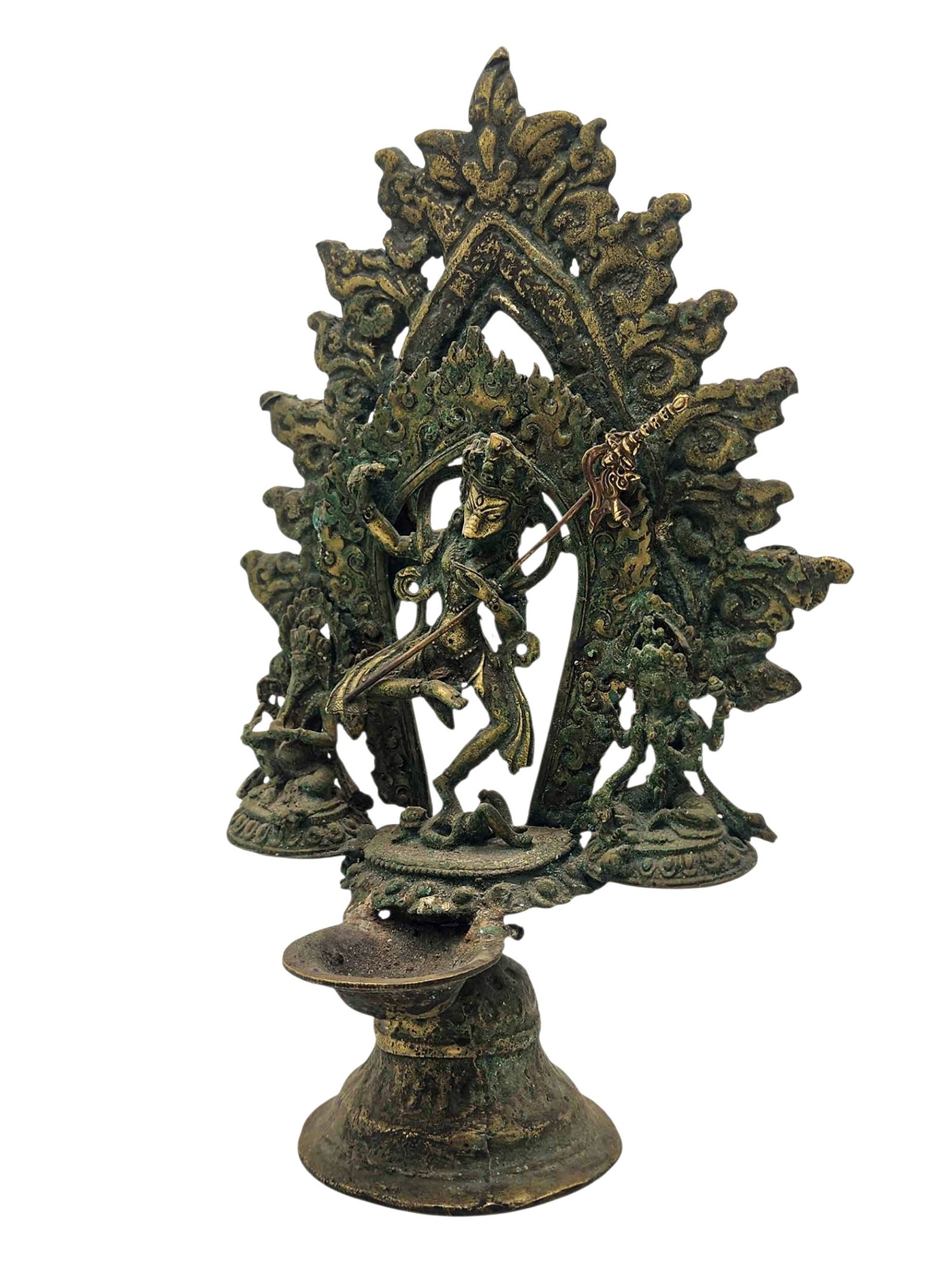
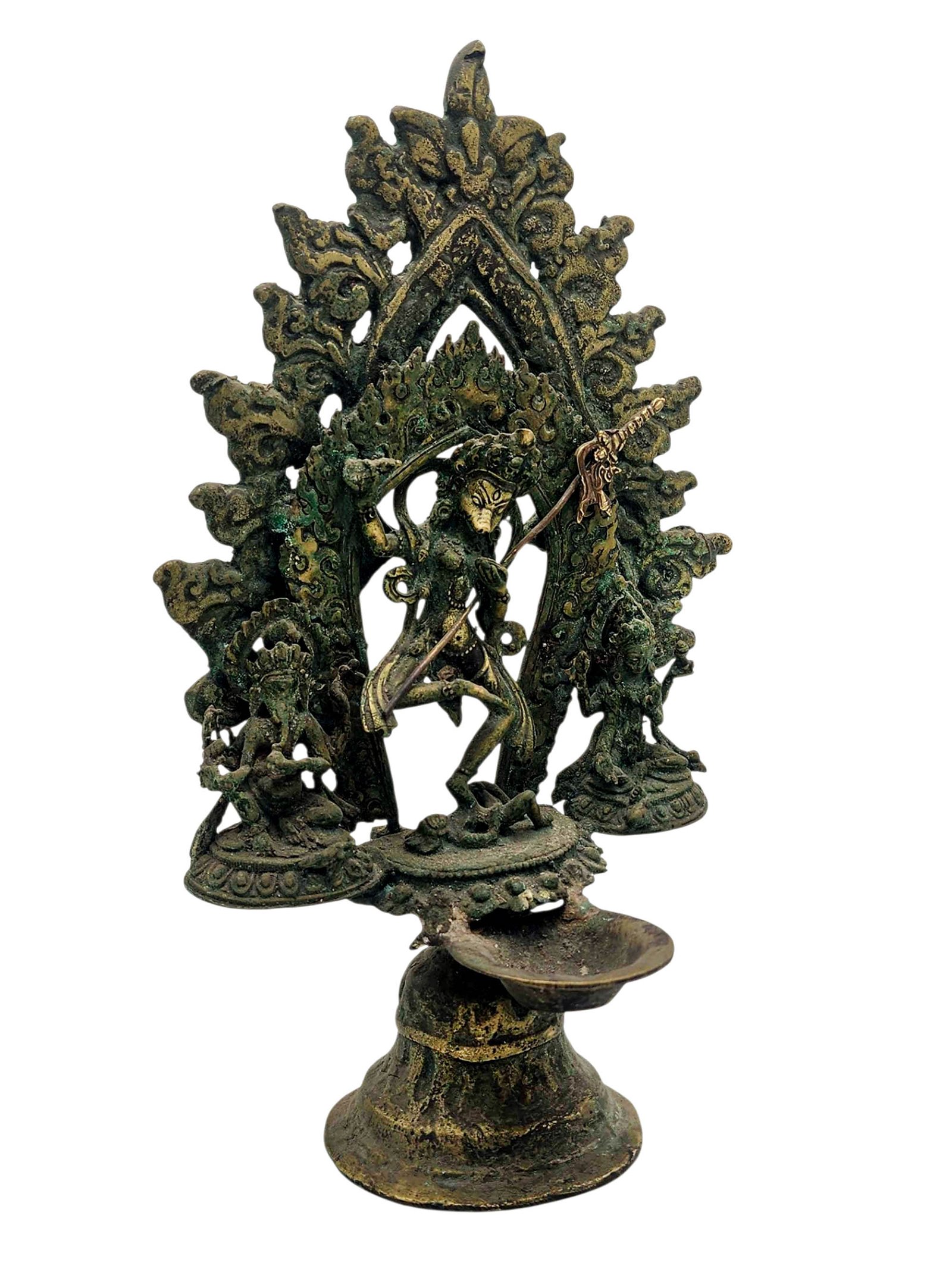
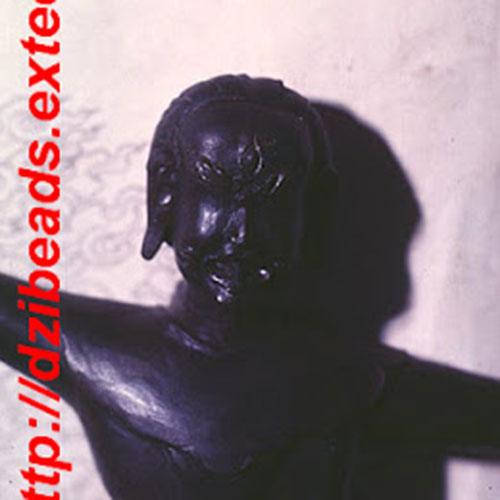
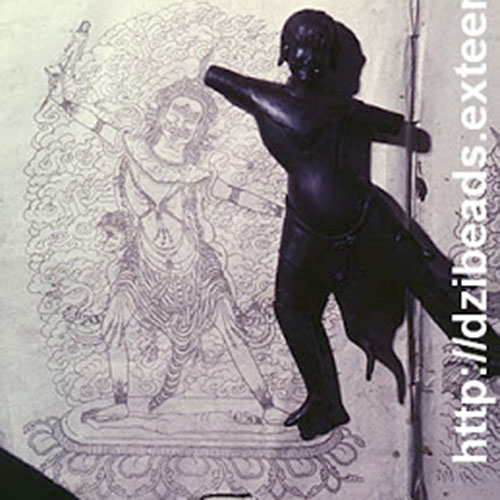
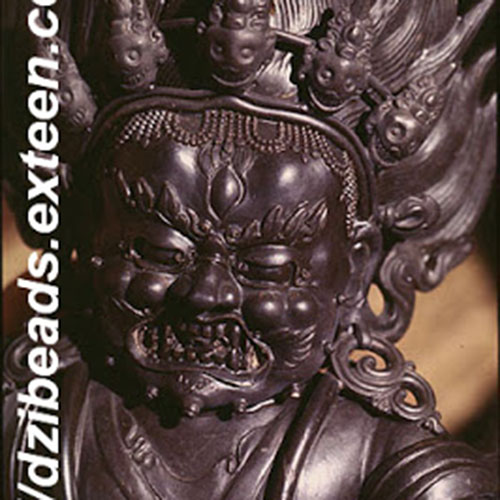
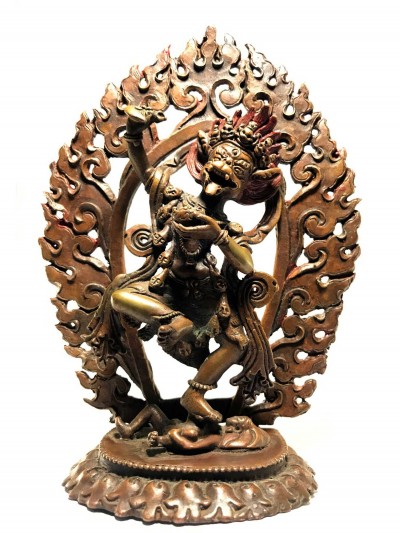
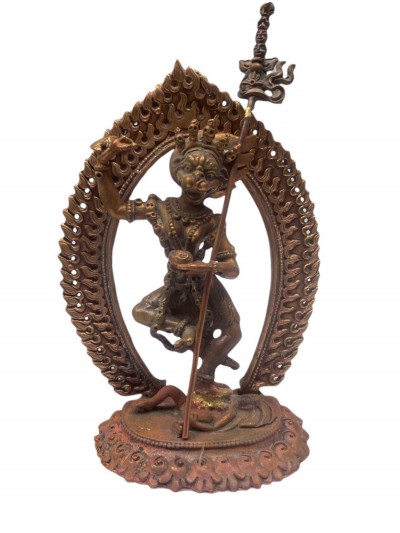
Simhamukha Yogini Handmade Statue with Oil Lamp, Antique Finish , Fierce Protector and Obstacle Remover
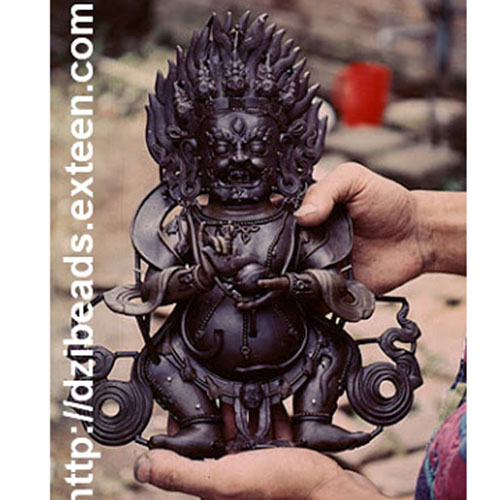
Sengdongma
Shizimian Fo Mu
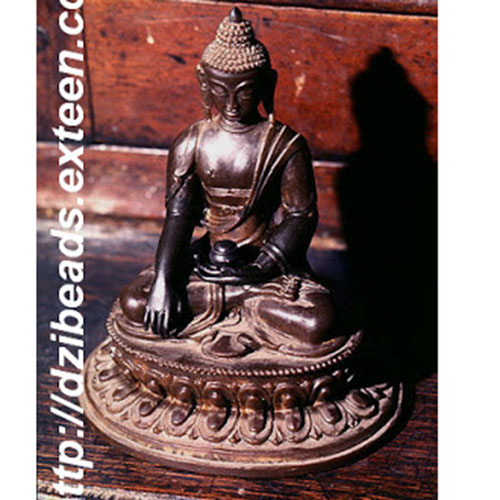
Shishimenzu Nyorai
|
|
Product Specification |
|
| Code | HME37037 |
| Size |
Height 26cm (10") Width 17cm (7") Depth 10cm (4") |
Weight | 1.27 kg - 2.8 lbs |
| Material | Copper |
| Availability | Available |
| Quantity | PCS |
US$ 280.00
$ 330.00 -15% off
Shipping Cost
|
| Price Adjustment Status: Active |
||
Shipping Calculation
weight of 1 Pcs of the product is 2 kg and will cost USD $ 47.00
-
Item location: kathmandu, Nepal
Worldwide shipping - Dispatch
-
We normally dispatch the product in 2-5 business days. Else Buyer will be infromed personally about the dispatch Date.
- Payment
- Paypal | Credit - Debit Card | Bank Transfer | See More
- Return
- 7 days money back, buyer pays return shipping
Welcome to Handmade Handicraft
At Handmade Handicraft, we prioritize simplicity, reflected in our user-friendly website design. We have streamlined the process so everything you need is just a click away.
While our website does not support online shopping, we've incorporated a convenient shopping cart system to assist you in sending us your inquiries. Please note, we do not process payments on our site. All transactions will be handled via email, respecting the inquiries you submit.
Should you encounter any issues while submitting your inquiries, please contact us via mobile app, email, or follow the procedure outlined below. We've provided documentation to guide you through the selection process.
selecting Procedure
In every product you will find Order Now and Quick Inquiry buttons, they are the two process of sending us your enquiry.
If you have any questions or need assistance, please don't hesitate to reach out to us. We are here to help you with your inquiries and ensure a smooth experience.
Simhamukha Yogini
Simhamukha or Senge Dongma can be translated into English as Lion-Faced Dakini. According to the Indian traditions followed by the Sarma schools, the dakini Simhamukha is a tutelary deity arising out of the Chakrasamvara cycle of Tantras and belongs to the Anuttarayoga 'wisdom' classification. The Sarma schools' Simhamukha is unrelated to the deity of the same name and appearance which arose in the later indigenous Tibetan Nyingma 'terma' (treasure) traditions, where she is regarded as the secret form of Guru Rinpoche (Padmasambhava). According to the Nyingma school, this dakini and female tantric Buddha is the principal dakini teacher and one of the principal fierce manifestations of Padmasambhava, the 8th Century mahasiddha, claimed to be the founder of the same school. As such, she is connected with many ceremonies of the Dzogchen tradition. A fierce dakini, she is also one of the Phramenma, a group of female deities from the Bardo Thödol, or 'Tibetan Book of the Dead'. The female lama Jetsun Lochen (1865- 1951) founded a Simhamukha practice lineage. Read More
RIGPA SHEDRA names him Senge Dradok describing him to be one of the eight principal forms assumed by Guru Rinpoche at different points in his life, Senge Dradok's activity being "the subjugation of non-buddhists".dred upholders of wrong views in debate at Bodhgaya. He reversed their magic with the aid of a wrathful mantra given him by the lion-faced dakini Marajita. ,
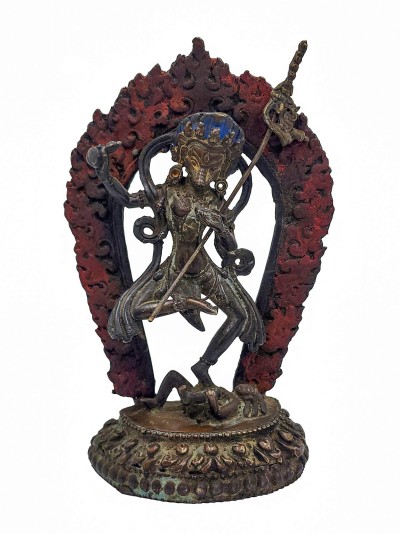
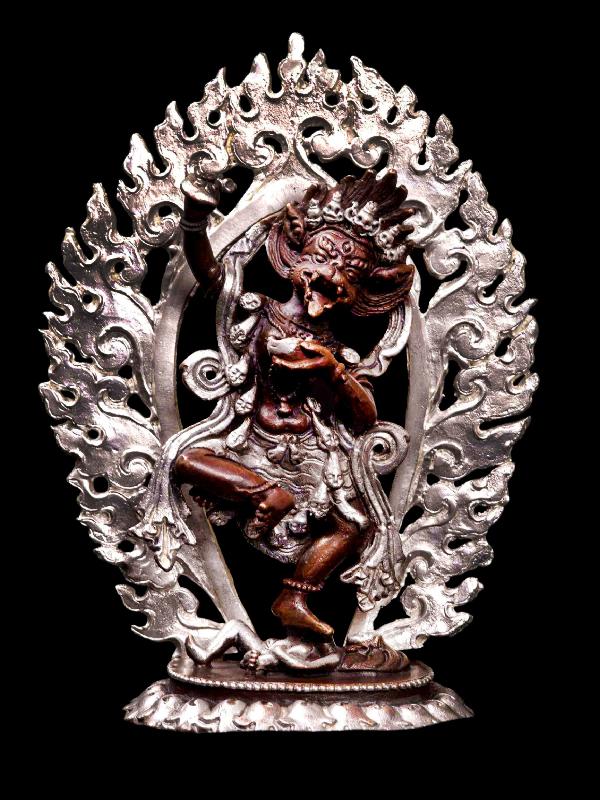
Simhamukha is iconographically represented as a wrathful deity who is usually depicted as a dark blue, or maroon, coloured lion-faced female and is associated with the direction East. As Simhavaktra, an alternate form of Simhamukha, she is also an attendant of the Dharmapala Palden Lhamo, in which case she is depicted as carrying both a kapala, or skullcup, and a kartika, or ritual knife.
According to Sengdongma (lion-faced dakini) is a wrathful manifestation of Padmasambhava [Guru Rinpoche] who eliminates obstacles, whereas Sinhavaktra is a dark blue Lion-head Dakini who dispels obstacles to enlightenment. She holds a broad-bladed knife and skull cup.
Simhamukha is iconographically represented as a wrathful deity who is usually depicted as a dark blue, or maroon, coloured lion-faced female and is associated with the direction East. As Simhavaktra, an alternate form of Simhamukha, she is also an attendant of the Dharmapala Palden Lhamo, in which case she is depicted as carrying both a kapala, or skullcup, and a kartika, or ritual knife.
According to Sengdongma (lion-faced dakini) is a wrathful manifestation of Padmasambhava [Guru Rinpoche] who eliminates obstacles, whereas Sinhavaktra is a dark blue Lion-head Dakini who dispels obstacles to enlightenment. She holds a broad-bladed knife and skull cup.
In Hinduism
Every Hindu temple has the face of lion at the apex entrance carved artistically. This lion-face appears at the top of the door, niche, and windows as well. The countenances of man and lion are fused and it is also known as Simhamuka or Simhalalata. It is supposed to lead worshippers to Supreme Reality.
Simhamukha usually indicates Rahu (eclipse). One of the nine planets, Rahu stands for a devourer. There is a Puranic story. During the fight between gods and demons for nectar or Amrita, the demon Rahu tried to get a sip of drink of immortality, stealthily. But he was caught in the nick of time by the Surya (the Sun God) and Chandra (the Moon God) and Lord Vishnu was informed instantly. He cut off Rahu's head. But the head became immortal, having tasted a drop of nectar. Rahu now tried to swallow Sun and Moon when they passed near him. During eclipses (grahana), this scene is repeated according to believers.
Rahu is the son of Simhika or the lioness, who symbolizes destruction. The incarnation of Narasimha has this concept behind it. The earliest carving of Kirtimuka or Simhamukha is seen in the stupa at Amaravati (2nd century C.E.). Dancers of Cambodia use Kirtimuka as a headdress. Artifacts and any worship-worthy idols or mandaps carry this symbol.
==Tibet == Within the Nyingma School, of the two divisions of Kama (Oral Teachings) and Terma (Revealed Treasures), Simhamukha belongs to the Terma. From the three general divisions of Terma: Root, Branch and Essence, Simhamukha belongs to the Dakini Cycle within the Root Terma class. Only in the Nyingma tradition she is regarded as the secret form of Guru Rinpoche Padmasambhava. Otherwise, in the Sarma Traditions coming from India, the deity Simhamukha is found in the Chakrasamvara Cycle of Tantras. Although both forms are similar in name and appearance, they are unrelated.
The dakini Simhamukha is a tutelary deity arising out of the Chakrasamvara cycle of Tantras and belongs to the Anuttarayoga 'wisdom' classification. The Sarma tradition Simhamukha is unrelated to the deity of the same name and appearance in the Nyingma 'terma' (treasure) traditions. In that tradition, of the many forms of Padmasambhava, Simhamukha is a secret form of Guru Rinpoche.
Gelugpa lineage: Vajradhara, Dakini Simhamukha, Vajrasana, Bari Lotsawa Rinchen Drag, Sachen Kunga Nyingpo (1092-1158) and the five Holy Superiors of Sakya, Rongpa Dorje Gyaltsen, Sanggye Yeshe, Yak De Panchen, Gyalwa Tsongkapa (1357-1419), etc.
There is reference to this protector's emanations in the Shurangama Mantra found in the Tibetan Chandragomin's Shurangama Mantra Sadhana translated from the original Buddhist Hybrid Sanskrit into Tibetan (Tibetan canon Tengyur Karchag Phangthangma Toh 3096, Toh 593/2/1), and also Padmankusha's Text Toh 3106, and the Vajrasana's Text Toh 3110 - Sarvatathāgataoṣṇīṣaśitātapatrā-nāmāparājitā-mahāpratyangirā-mahāvidyārājñī-nāma-dhāraṇī; Tibetan name is ['phags pa] De bshin gshegs pa'i gtsug tor nas byung ba'i gdugs dkar po can gshan gyi mi thub pa phir bzlog pa chen mo mchog tu grub pa shes bya ba'i gzungs.
Antique Finishing
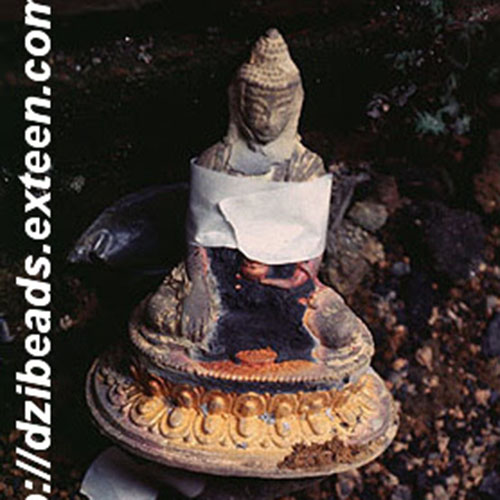
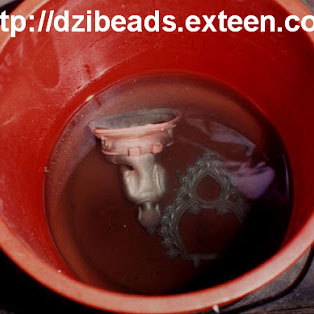
This is an antique patina-finished Simhamukha Yogini. This is not an antique statue. It is just an antique patina finish. This Simhamukha Yogini is a testament to the artisan's mastery of the art of aging. Its antique patina has been meticulously crafted to give the appearance of an aged statue, showcasing the artist's unique techniques and skills. Through undisclosed processes and careful aging treatments, the Simhamukha Yogini undergoes a transformation that captures the essence of time and history. Read More
Lost-Wax System
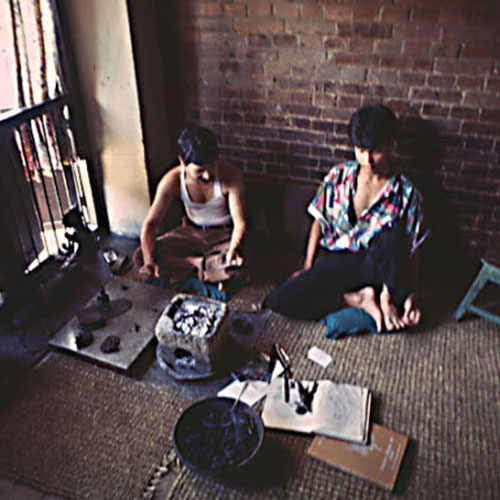
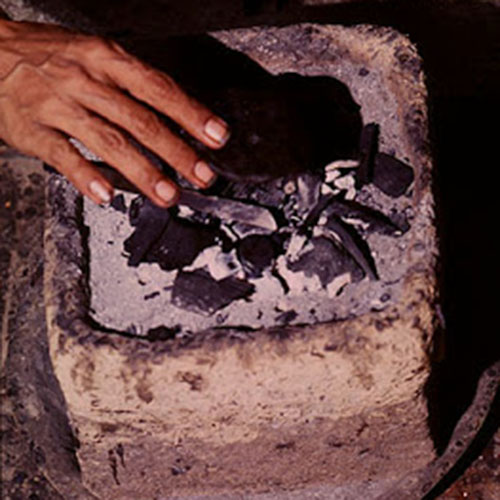
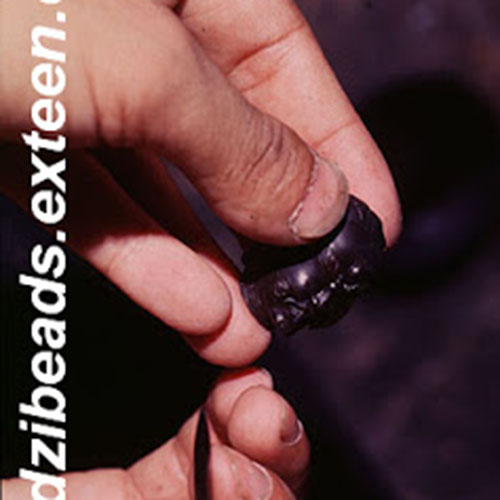
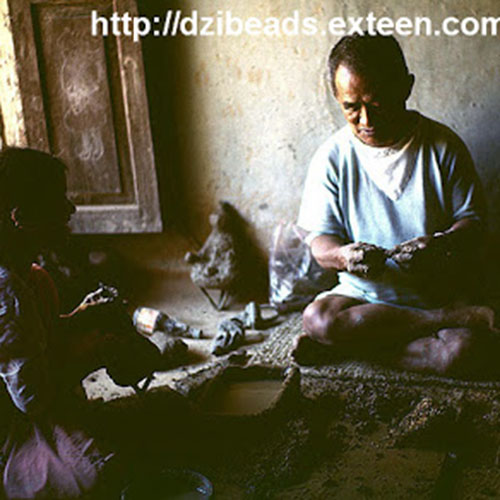
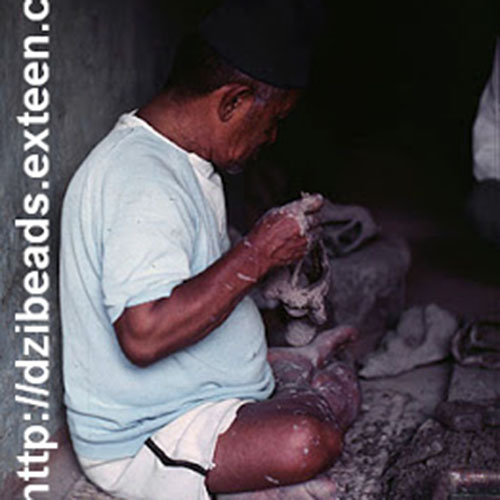
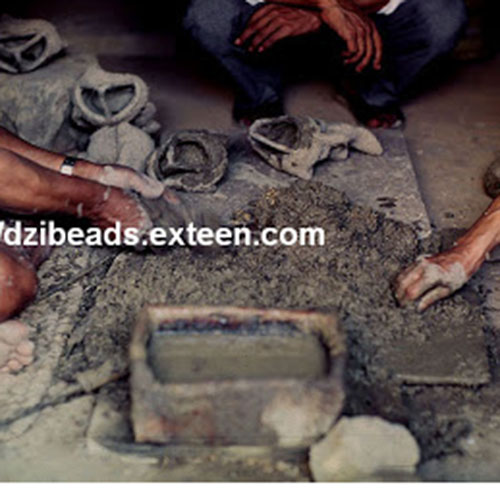
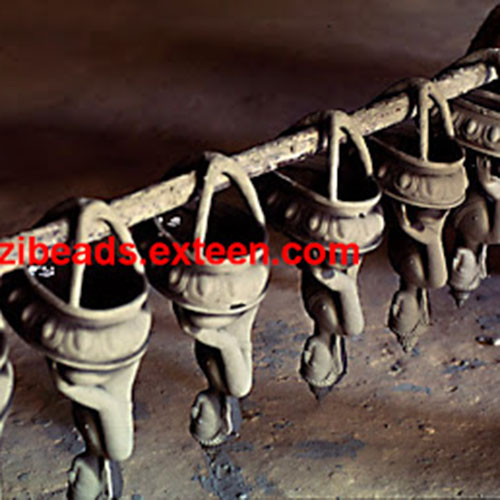
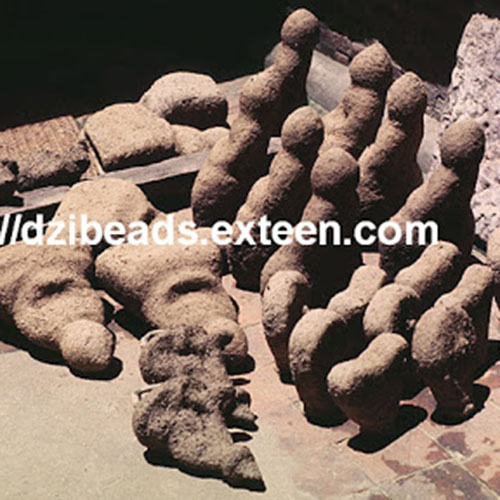
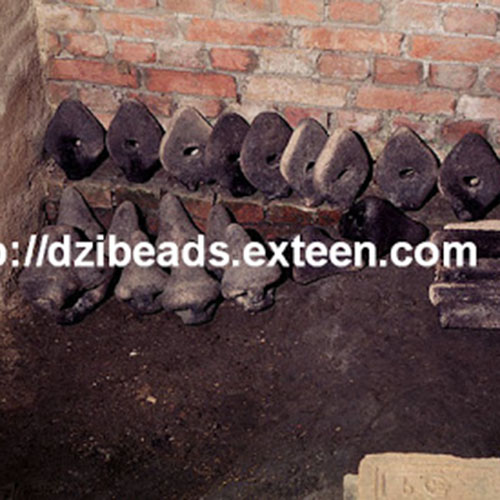
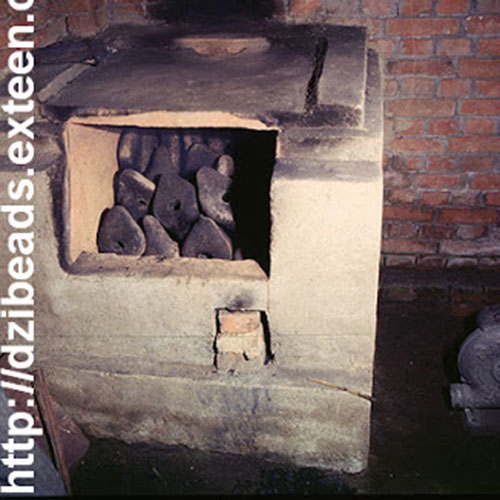
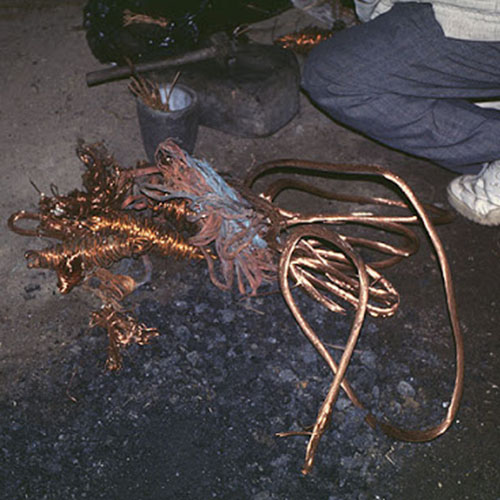
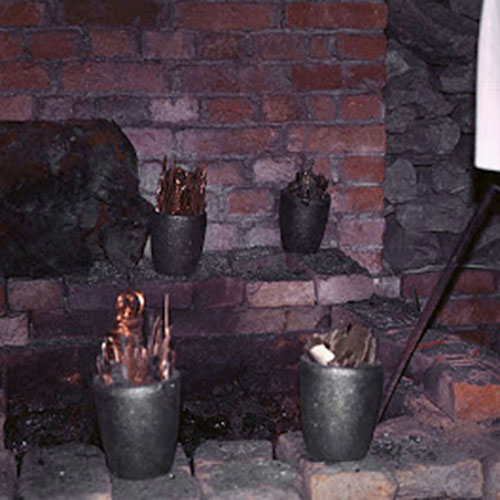
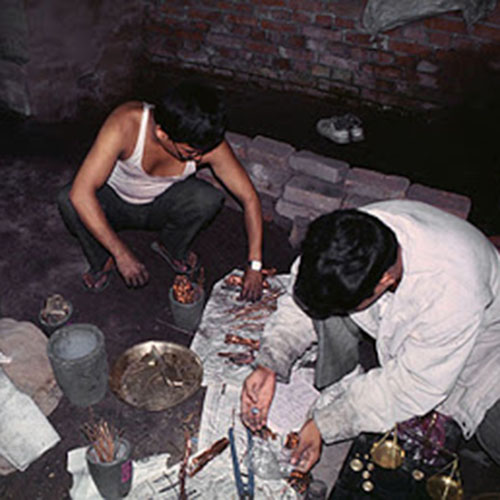
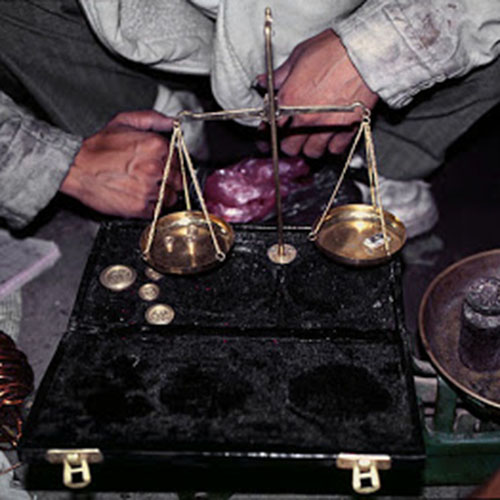
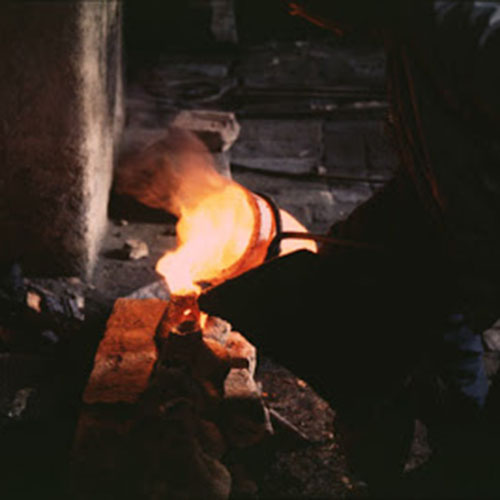
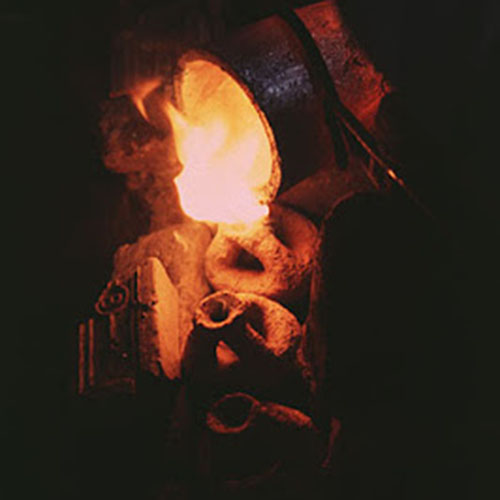
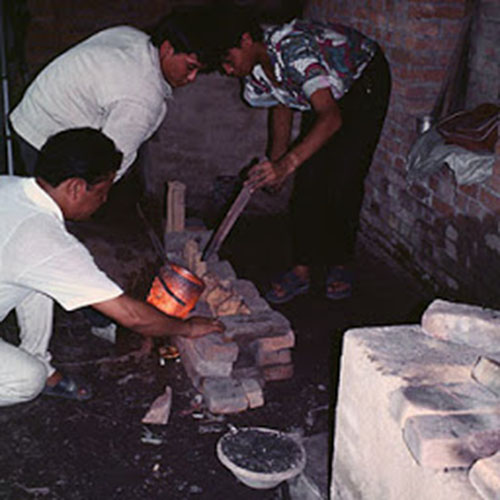
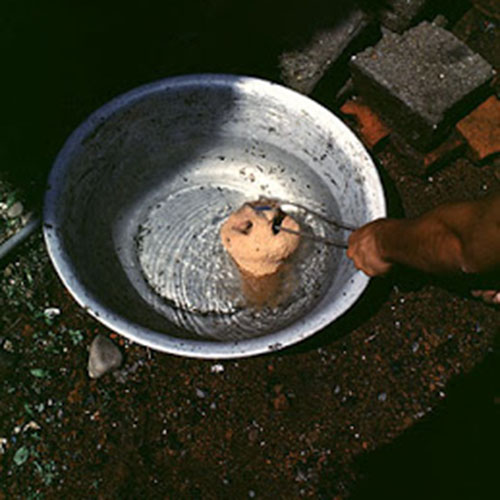
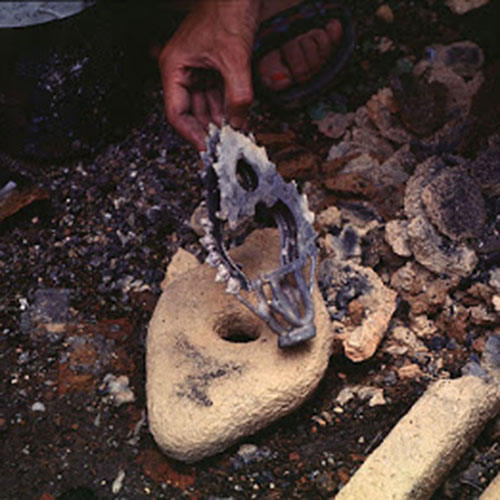
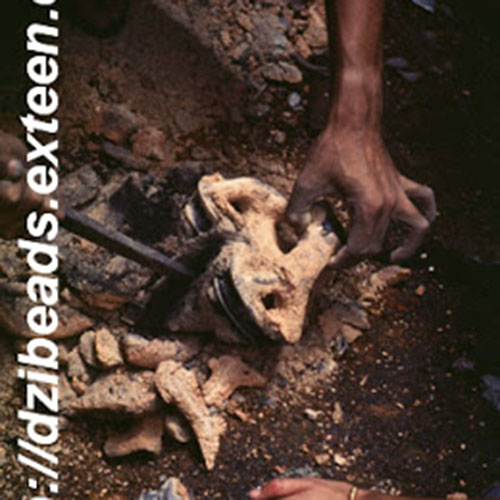
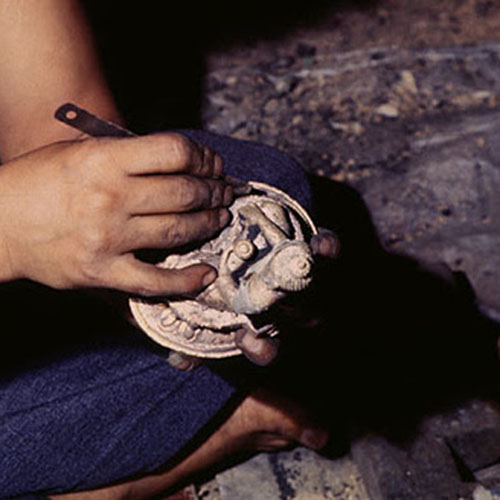
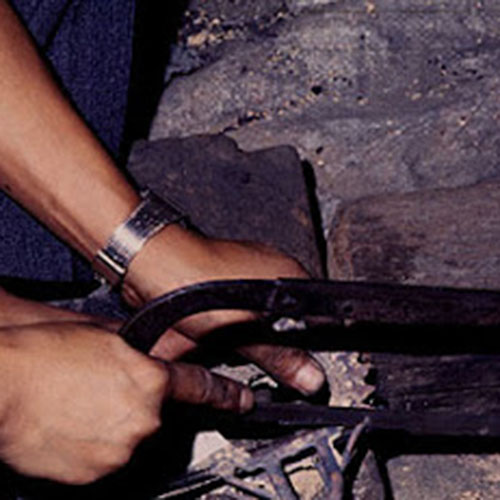
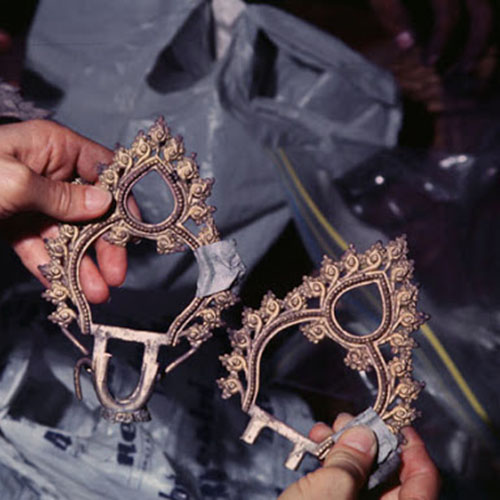
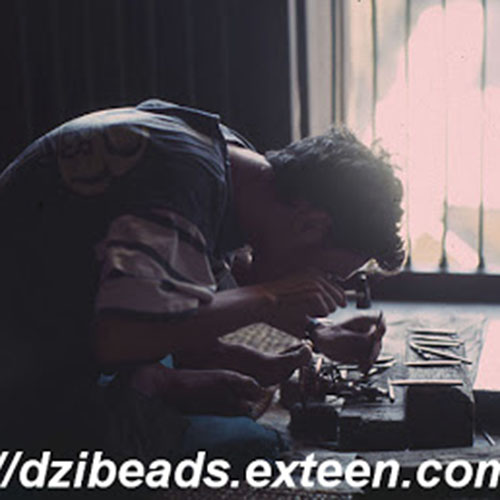
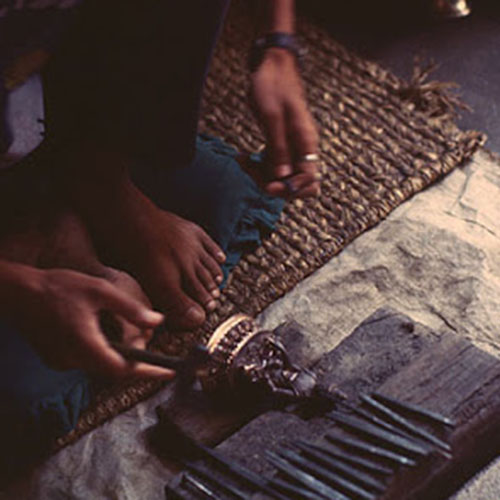
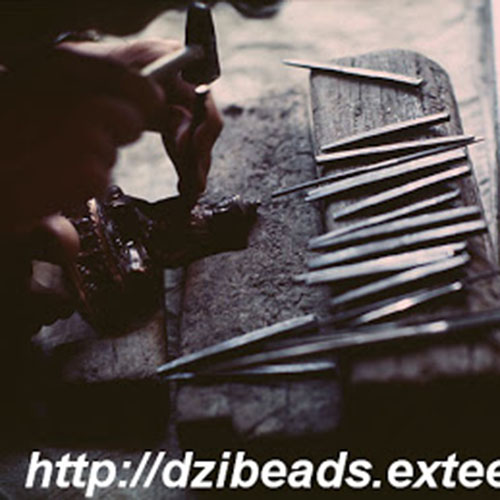
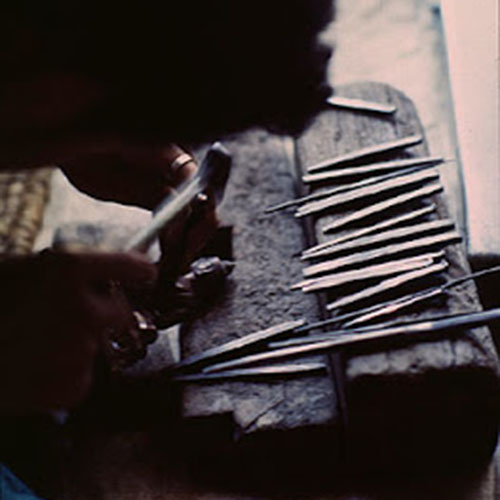
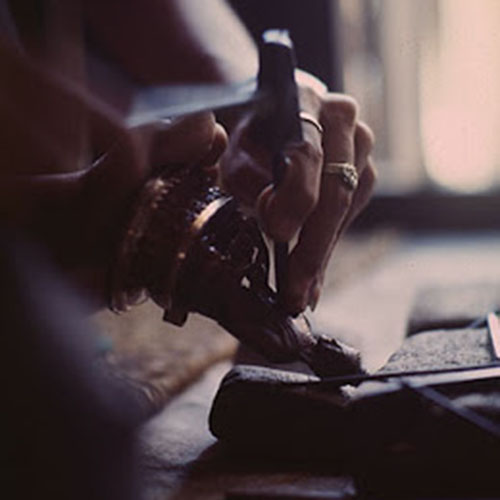
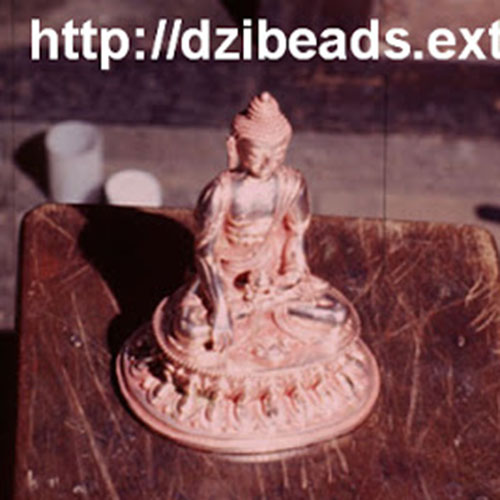
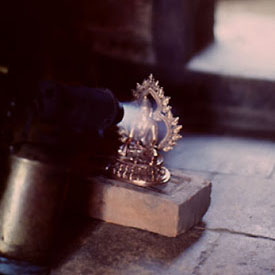
This Simhamukha Yogini is made by the process of the Lost-Wax system. The lost-wax process, also known as investment casting, is a time-honored technique used to create metal sculptures. It involves several steps that have been practiced for thousands of years. Skilled artisans begin by sculpting a detailed wax model, capturing every intricate detail of the desired sculpture. The wax model is then coated with a ceramic shell, formed by multiple layers of ceramic material. Once the shell has cured, the wax is melted and drained out, leaving behind a cavity. Molten metal is poured into the cavity, creating a precise replica of the original wax model. After the metal has cooled and solidified, the ceramic shell is carefully removed, revealing the final metal sculpture. Read More
Related Products

16 cm
Statue Of Simhamukha Yogini, Senge Dongma Chocolate Oxidized
US$ 94.00
15% off
$ 110.00
$ 110.00

15 cm
Buddhist Handmade Statue Of Simhamukha Yogini, Antique, Chocolate Oxidized
US$ 68.00
15% off
$ 80.00
$ 80.00

15 cm
Simhamukha Yogini, HQ, Buddhist Miniature Statue, Silver And Chocolate Oxidized
US$ 200.00
15% off
$ 231.00
$ 231.00

14 cm
Tibetan Miniature Statue Of Simhamukha Yogini, Glossy, Free Finishing
US$ 140.00
15% off
$ 163.00
$ 163.00