





Loading Content..
Please wait...
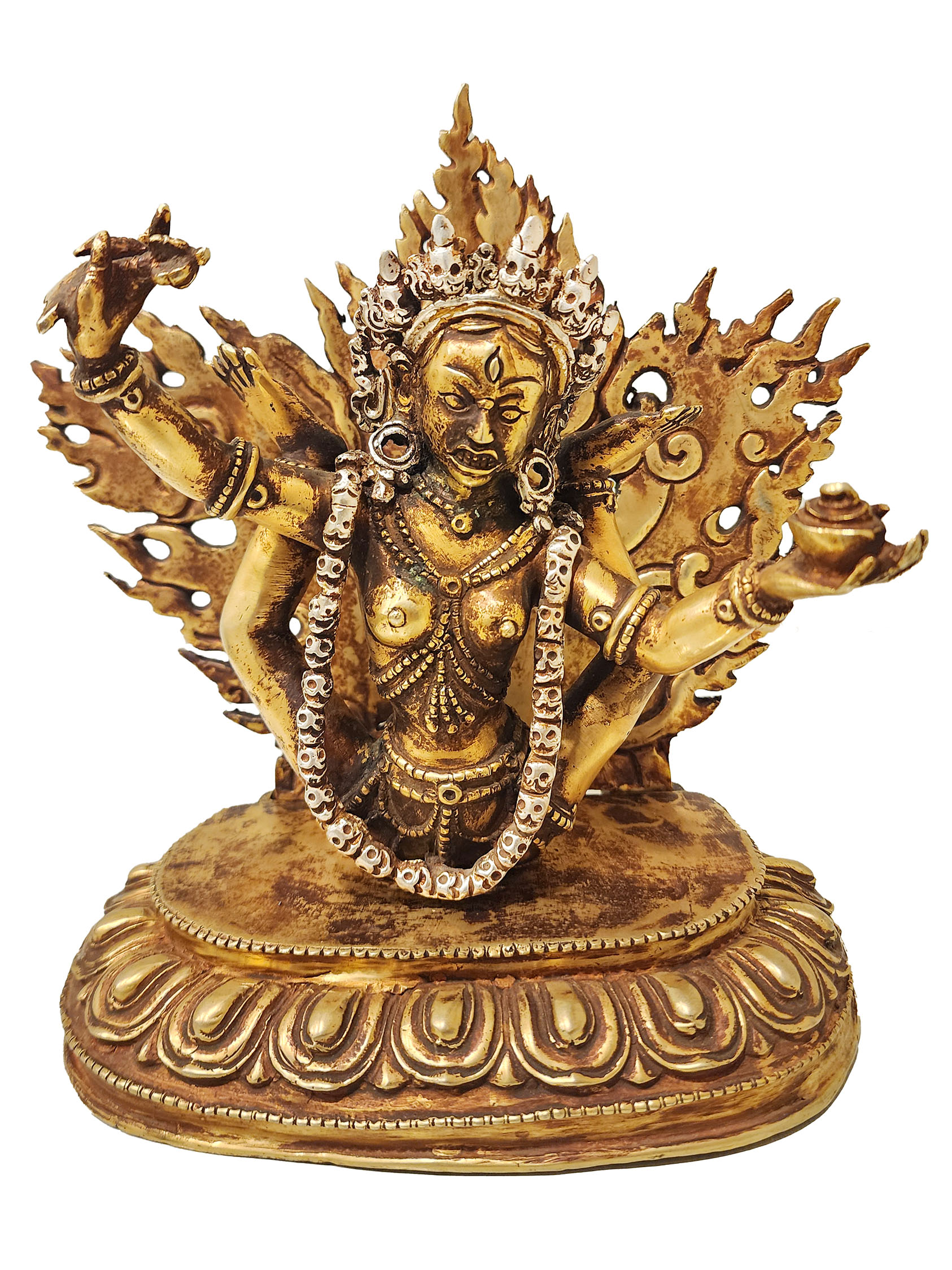
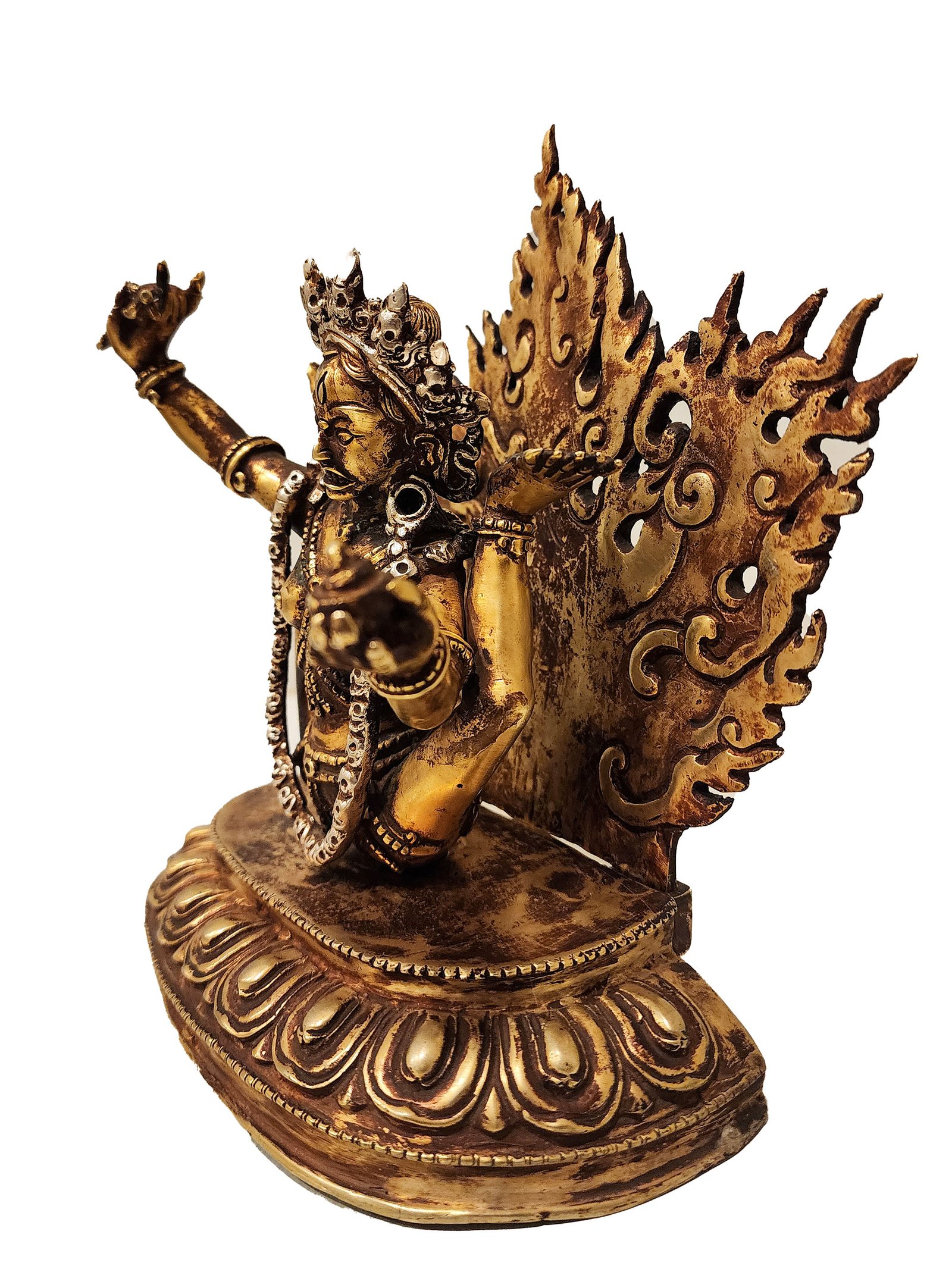


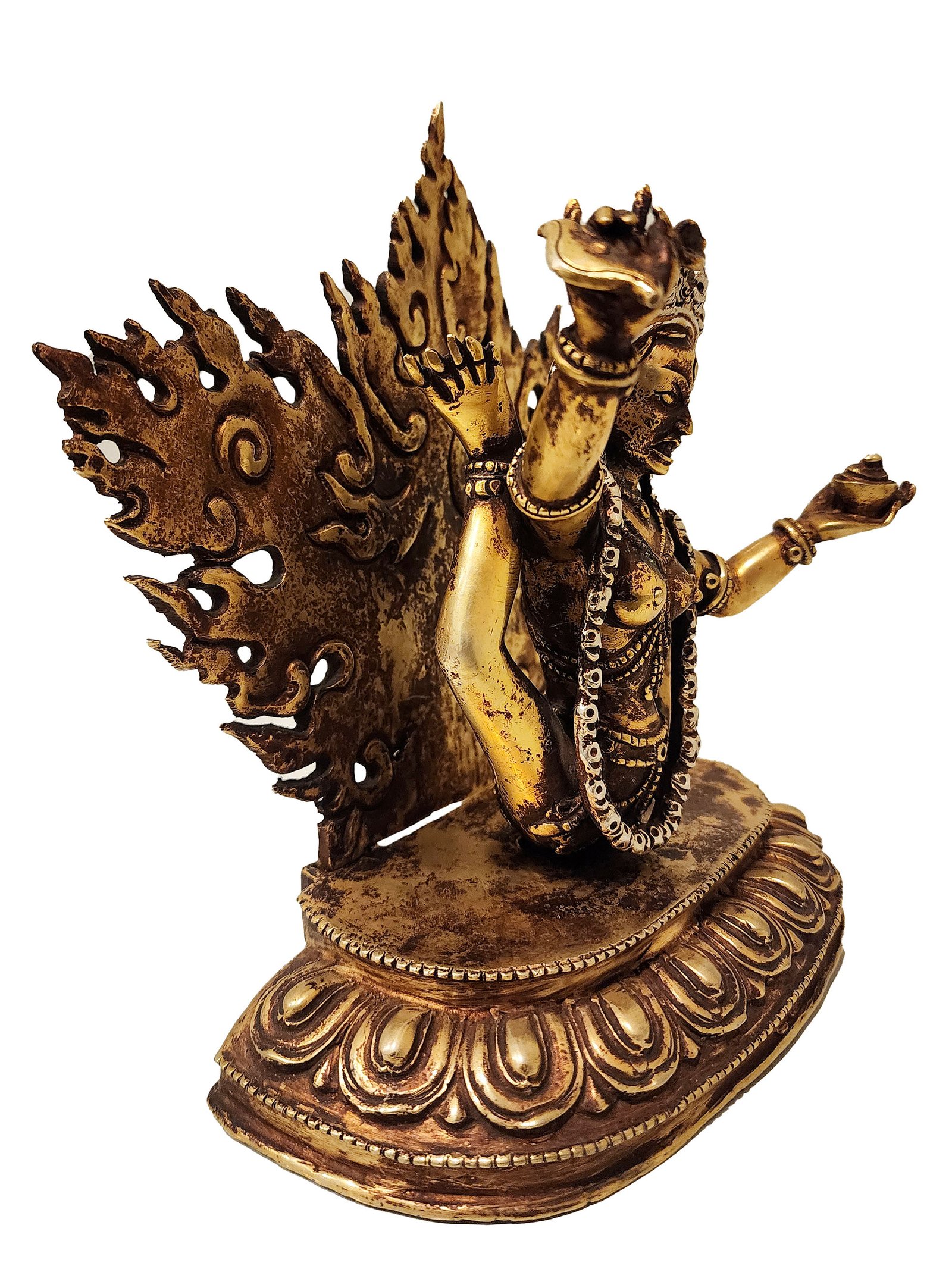
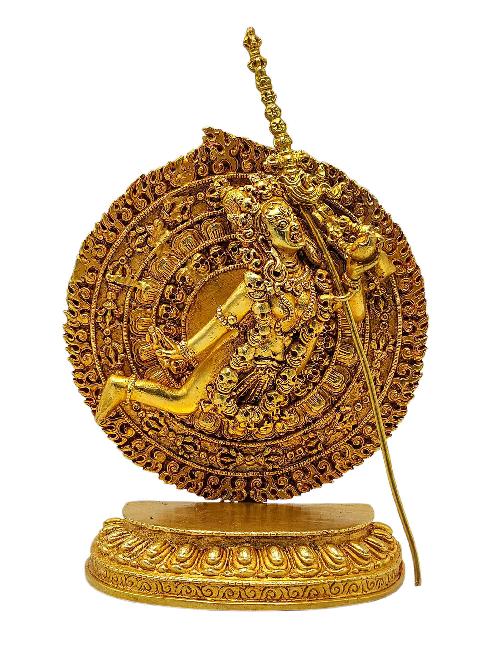
Sukha Siddhi | Akash Yogini, Buddhist Handmade Statue, Full Gold Plated, Antique Finishing , Cosmic Wisdom, Transformation, and Spiritual Power
Bidjeswori
|
|
Product Specification |
|
| Code | HME36905 |
| Size |
Height 20cm (8") Width 20cm (8") Depth 10cm (4") |
Weight | 1.97 kg - 4.33 lbs |
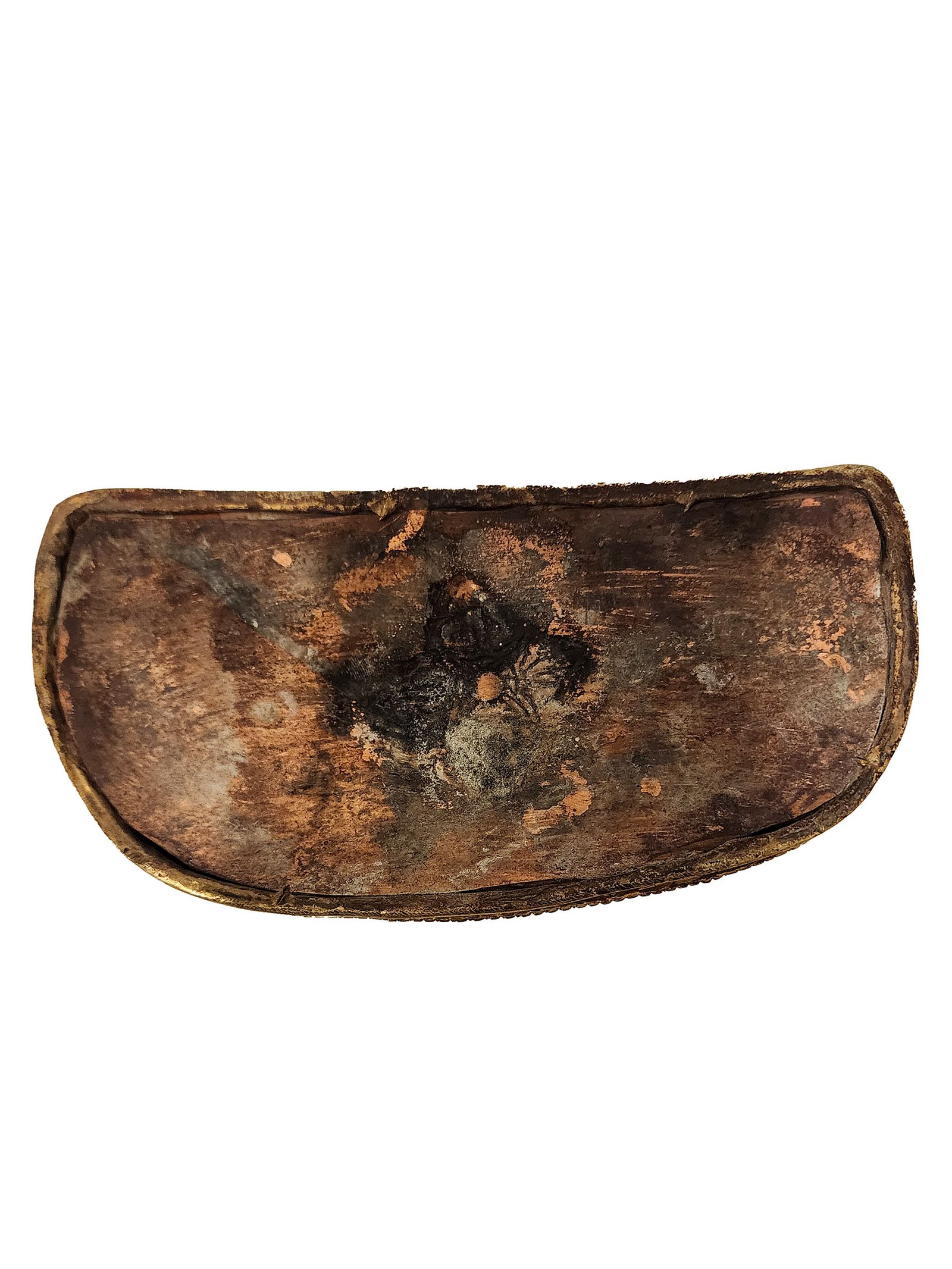
| Material | Copper |
| Availability | Available |
Order configuration (Optional)
Filling & Blessing
HIDE Select Option
Click Here to View All Option and Prices

Select

Select

Select

Select
Statue Finishing
HIDE Select Option
Click Here to View All Option and Prices

Select

Select

Select

Select

Select

Select

Select

Select

Select

Select

Select

Select

Select

Select

Select

Select

Select

Select

Select

Select

Select

Select

Select

Select

Select

Select

Select

Select

Select

Select

Select

Select

Select

Select

Select

Select

Select

Select

Select

Select
| Quantity | PCS |
US$ 750.00
$ 1,000.00 -25% off
Shipping Cost
|
| Price Adjustment [ Discount Ends in : 41 days ] |
||
Shipping Calculation
weight of 1 Pcs of the product is 2 kg and will cost USD $ 47.00
-
Item location: kathmandu, Nepal
Worldwide shipping - Dispatch
-
We normally dispatch the product in 2-5 business days. Else Buyer will be infromed personally about the dispatch Date.
- Payment
- Paypal | Credit - Debit Card | Bank Transfer | See More
- Return
- 7 days money back, buyer pays return shipping
Welcome to Handmade Handicraft
At Handmade Handicraft, we prioritize simplicity, reflected in our user-friendly website design. We have streamlined the process so everything you need is just a click away.
While our website does not support online shopping, we've incorporated a convenient shopping cart system to assist you in sending us your inquiries. Please note, we do not process payments on our site. All transactions will be handled via email, respecting the inquiries you submit.
Should you encounter any issues while submitting your inquiries, please contact us via mobile app, email, or follow the procedure outlined below. We've provided documentation to guide you through the selection process.
selecting Procedure
In every product you will find Order Now and Quick Inquiry buttons, they are the two process of sending us your enquiry.
If you have any questions or need assistance, please don't hesitate to reach out to us. We are here to help you with your inquiries and ensure a smooth experience.
Akash Yogini
Vidyadhari, the 'Knowledge Holder', manifests as one of the four principal aspects of Vajrayogini in the Newar Buddhist tradition, where she is commonly known as Bijeshwori Devi, or Akash-yogini, the Sky (Skt. akasha) or Space-going aspect of the goddess Vajrayogini. The Bijeshwori temple in Kathmandu is situated above the western bank of the Bishnumati River on the road to Swayambhu, and its Newar name is derived from Vidhyeshvari, meaning the ‘Wisdom Goddess'. The presiding goddess of this temple is specifically associated with the Indian Mahasiddha Maitripa, who practiced and attained the realization of this flying aspect of Vajrayogini at this site, so she is also known as Maitri-dakini, or Maitri-khechari. Read More
Full Description
The temple of Bahal Bidjeshwori was once at the centre of a great cremation ground that was sacred to Vajravarahi, and its main image was Bhagavani Devi Vidyadhari Viramante, the ‘Divine Pleasure-giving Knowledge Holder Goddess’. She is the heart-dakini of Maitripa, who brought this symbol of his realization from India. On the right side of the goddess is Urdhvapada Varahi, with her left leg extended high in the sky to Brahmaloka, and her other foot pressing down upon a golden Maheshvara. On her left side is Vajravarahi (Tib. Dorje Palmo), and then the twelve-year-old virgin form of Vajrayogini as Naropa’s Dakini (Skt. Naro Khechari) or Chakreshvari, the consort of Chakrasamvara.
In the Newar Buddhist tradition the four aspects of Vajrayogini appear as the four ‘Heart Yoginis’ that form the inner circle of Great Bliss of the Chakrasamvara and Vajravarahi mandalas. These are:
(1) Vajrayogini as Naropa’s Dakini or Naro Khandroma, whose temple is located at Shanku.
(2) Vajravarahi as Indrabhuti’s Dakini, or Indra Yogini, whose temple is located at Guhyeshvari.
(3) The ‘Raised Foot’ form of Vajrayogini, whose temple is located at Pharphing.
(4) Vajrayogini as Akash Yogini or Vidyadhari, whose temple is located at Bijeshwori.
Vidyadhari Vajrayogini is beautiful, playful and lusty, and youthful like a sixteen-year-old. She is the colour of a red hibiscus flower, with three lotus-like eyes, and an expression that combines the sentiments of passion and slight wrath. She is shown leaping into space in the flying posture of a sky-going dakini, with her right leg bent back at the knee, and her right leg extended in ‘raised foot’ (Skt. urdhvapada) posture and held in the crook of her left arm, such that her thighs are fully splayed. Her nubile body is perfect in proportion, with a narrow waist, and firm round breast with aroused nipples.
Her long tresses of black hair flow freely behind her back, and her head is adorned with a golden crown of five jewel-topped and carved white skulls, with loops of bone beads hanging beneath below each little skull. She wears the golden ornaments of jeweled earrings, a heavy neck choker decorated with the serpent-devouring head of a garuda, wide Newar bracelets, armlets, anklets, and finger rings. A golden breast ornament loops around her chest, with small coins hanging from its upper thread, little round bells from its lower thread, with a small endless knot and reliquary box (Tib. gau) joining the threads together between her breasts. From her golden belt hang the sixty-four filigree beaded strands of her bone apron, the joined loops of which are embellished with pendant-emblems of auspicious symbols and swans, with the large pendant near her right knee displaying a small carved image of the goddess Vidyadhari herself. An embellished Newar medallion on a long silver chain swings out behind her neck, and around her shoulders she wears a long garland of dry white skulls that are described as being fifty in number.
Vidyadhari's face is inclined upward to her left as she drinks a stream of fresh blood from the tilted skull-cup she holds in her left hand. Her drinking of blood symbolizes that she is consumed with great bliss, and her inclined posture of flying towards the left represents the importance placed upon 'left-hand rituals' within the yogini or mother-tantra traditions. With her lowered right hand she circles a vajra-handled curved knife towards the ten directions, with her index finger raised in the threatening tarjani gesture, symbolizing that she terrorizes all obstructive demons. Across her left shoulder she carries the golden staff of her tantric-staff or khatvanga, which is equal in height to her own body and represents her male consort, Chakrasamvara. The top of her khatvanga is sealed with a golden crossed-vajra and a nectar vase, the impaled blue head of Bhairava, a freshly severed head, a dry white skull, and a crowning half-vajra. A billowing silk ribbon, and a damaru and bell hang from a chain near the top of the khatvanga's shaft.
Full Gold Gilded with Antique Patina.
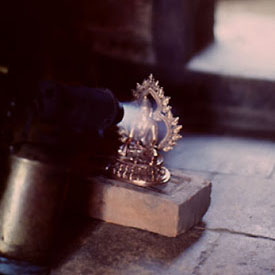
The Akash Yogini has full gold plated antique finishing. This finishing is a combination of fire mercury gold plating and antique finishing. This traditional technique involves the application of a genuine layer of gold onto the Akash Yogini using the time-honored process of mercury gold plating. Skilled artisans meticulously handle the amalgamation of gold with mercury, ensuring precise application and a truly authentic result. To enhance its charm further, the Akash Yogini undergoes an antique finishing process. This meticulous treatment adds a touch of age and character to the gold plating, creating a sense of antiquity. Through careful craftsmanship and the application of specialized techniques, the Akash Yogini acquires a beautifully aged appearance that adds depth and uniqueness to its overall aesthetic. Read More
Lost-Wax System
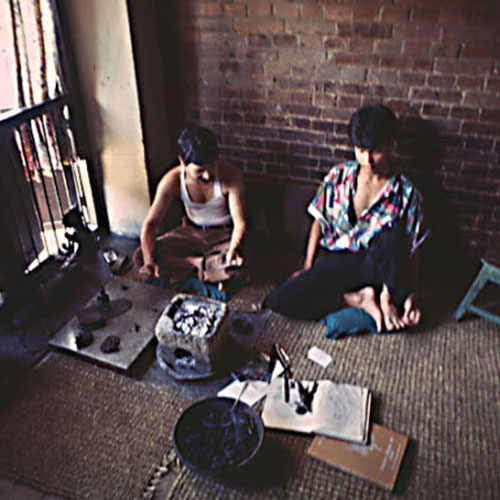
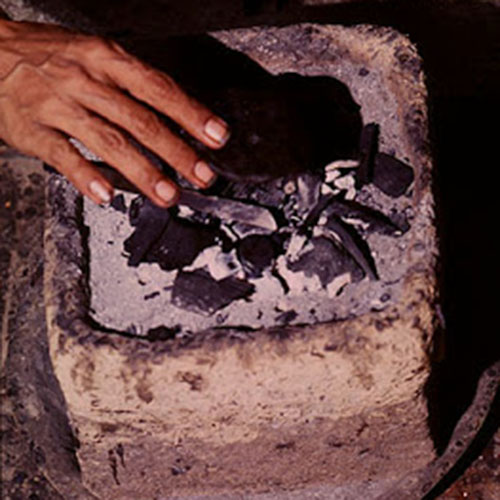
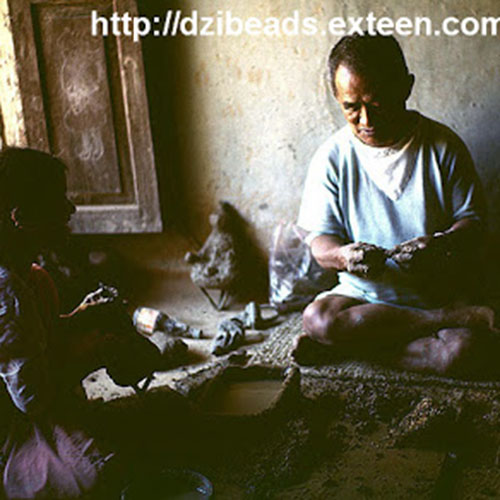
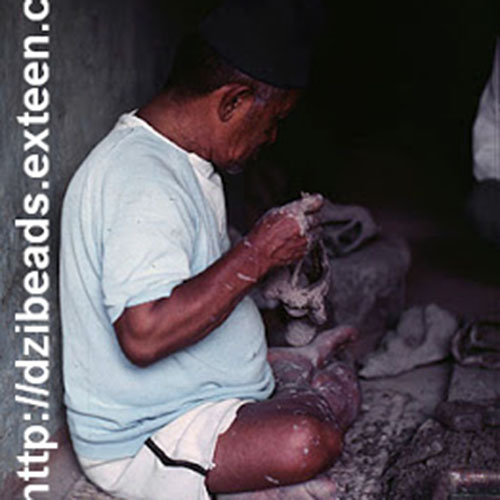
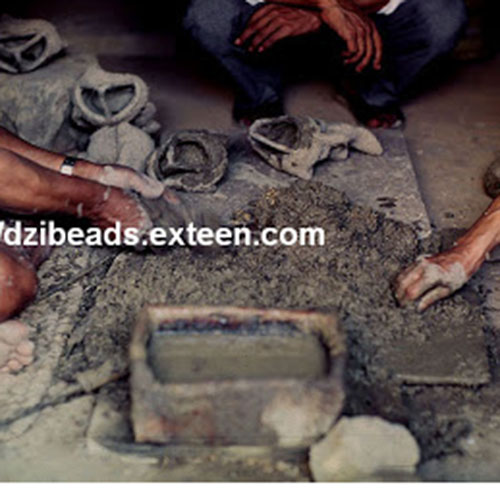
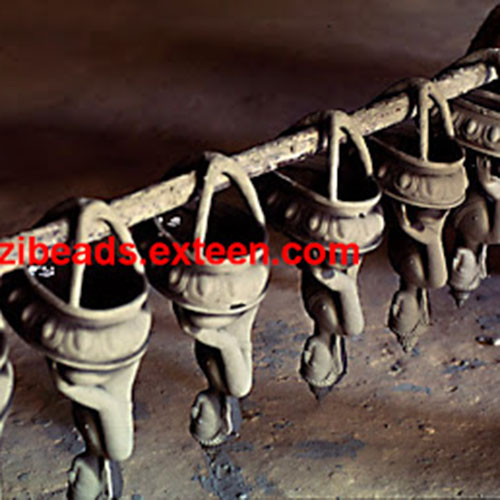
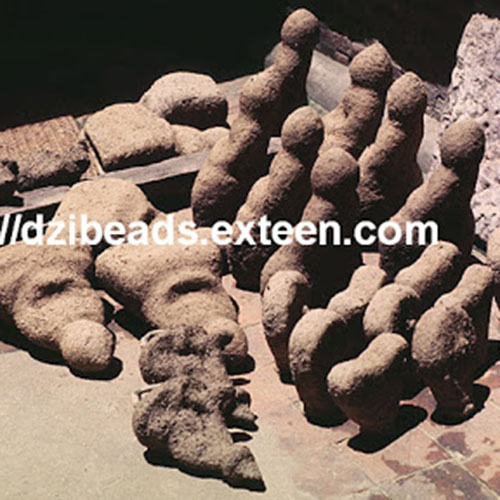
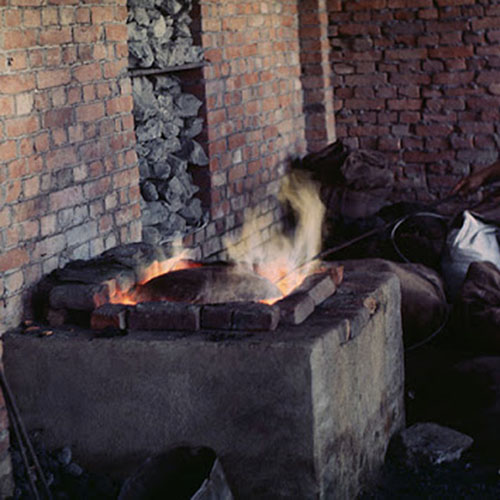
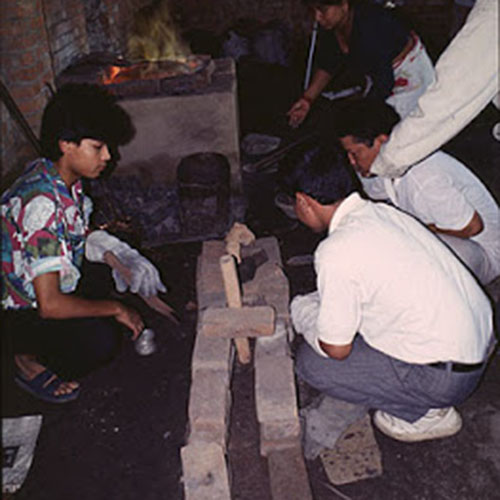
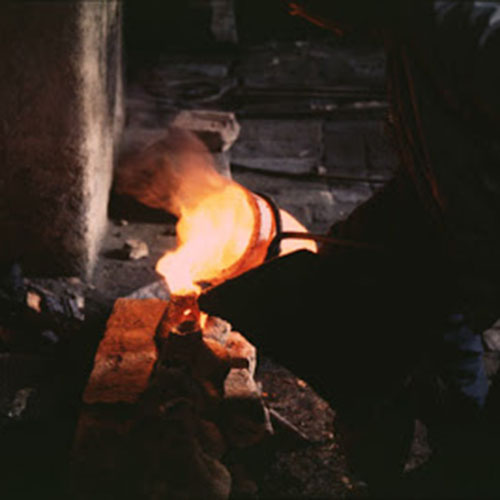
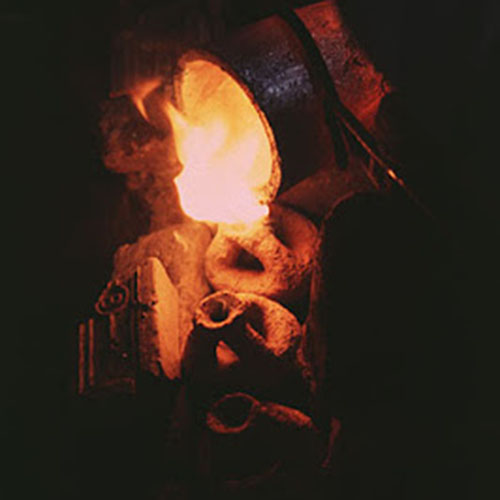
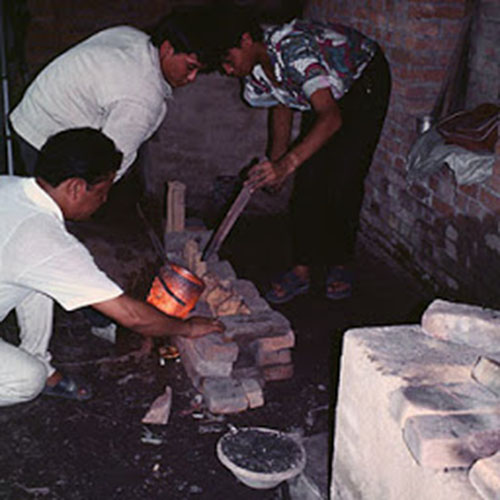
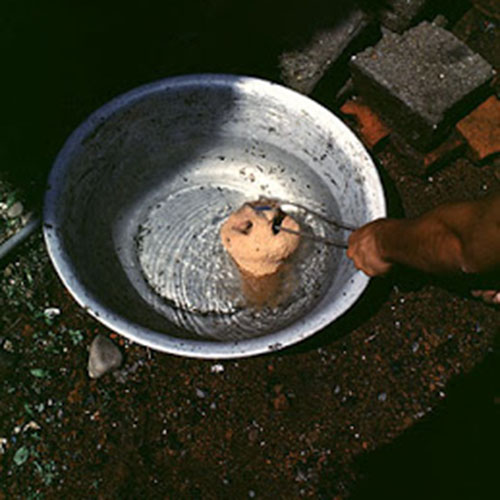
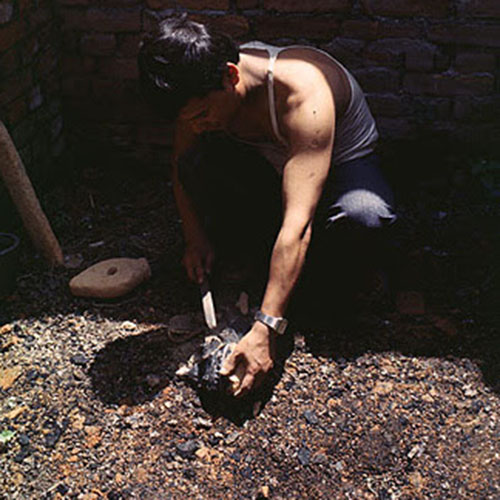
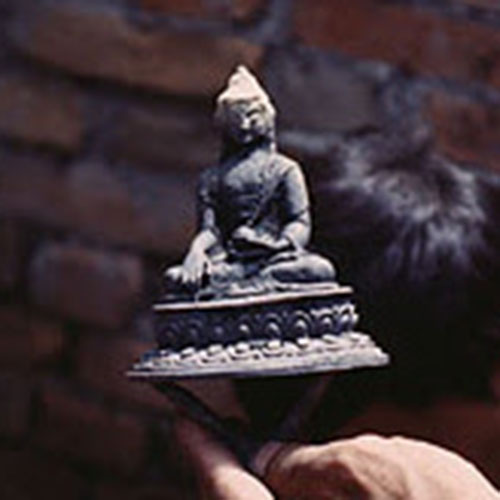
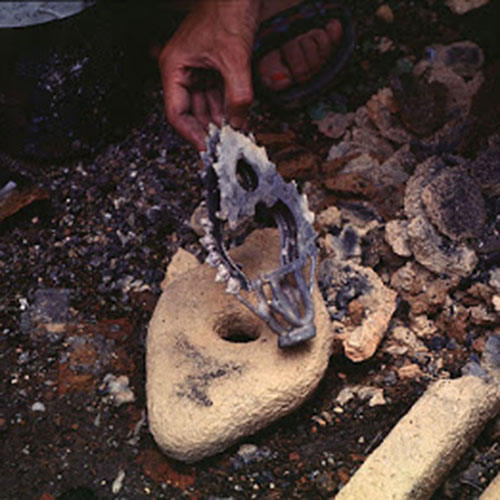
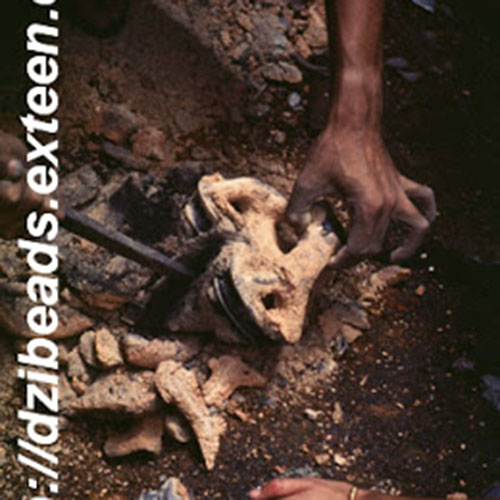
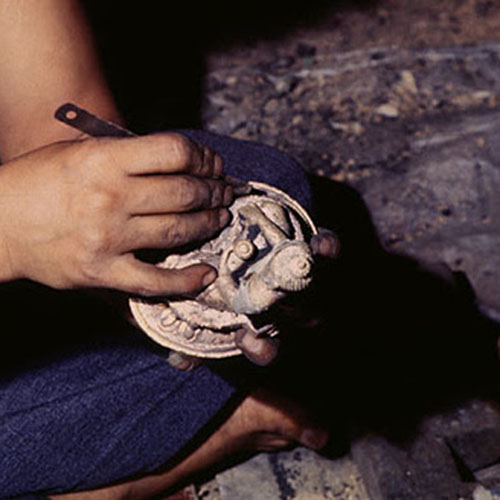
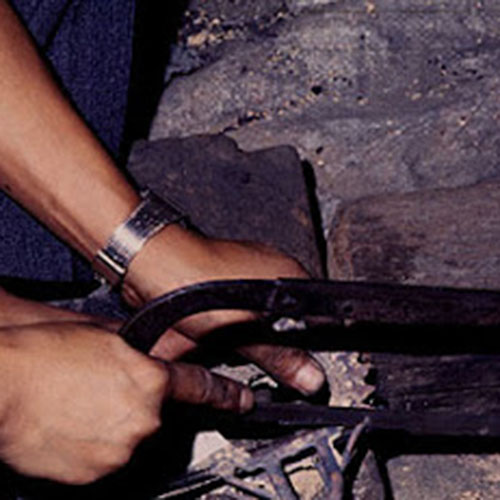
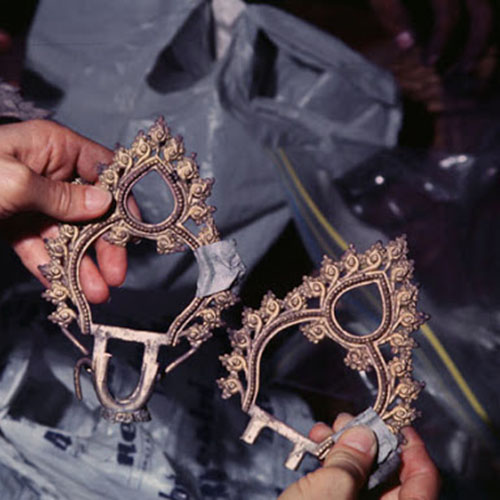
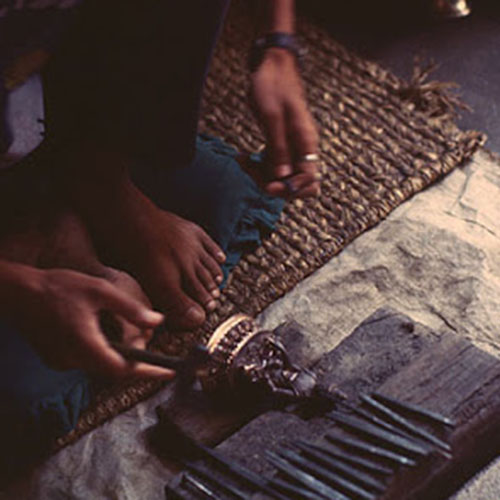
This Akash Yogini is made by the process of the Lost-Wax system. The lost-wax process, also known as investment casting, is a time-honored technique used to create metal sculptures. It involves several steps that have been practiced for thousands of years. Skilled artisans begin by sculpting a detailed wax model, capturing every intricate detail of the desired sculpture. The wax model is then coated with a ceramic shell, formed by multiple layers of ceramic material. Once the shell has cured, the wax is melted and drained out, leaving behind a cavity. Molten metal is poured into the cavity, creating a precise replica of the original wax model. After the metal has cooled and solidified, the ceramic shell is carefully removed, revealing the final metal sculpture. Read More
Related Products

17 cm
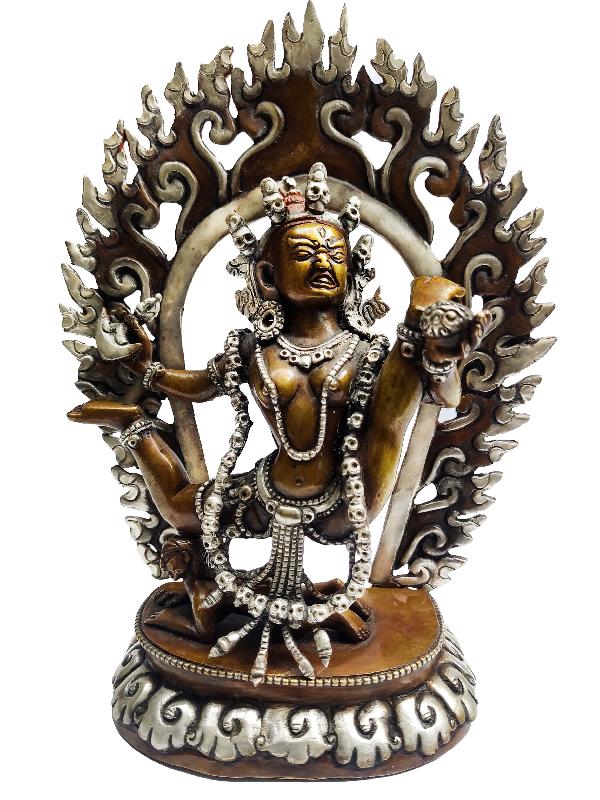
Akash Yogini, Buddhist Miniature Statue, Gold Plated
US$ 150.00
25% off
$ 200.00
$ 200.00

11 cm
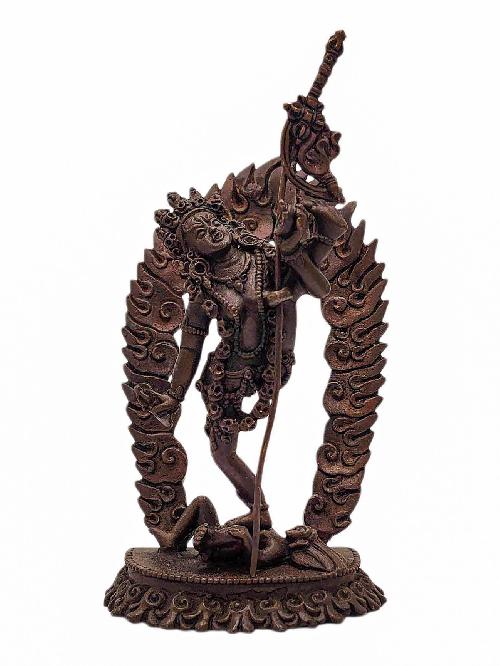
Akash Yogini, Buddhist Miniature Statue, Chocolate Oxidized
US$ 45.00
25% off
$ 60.00
$ 60.00

8.5 cm
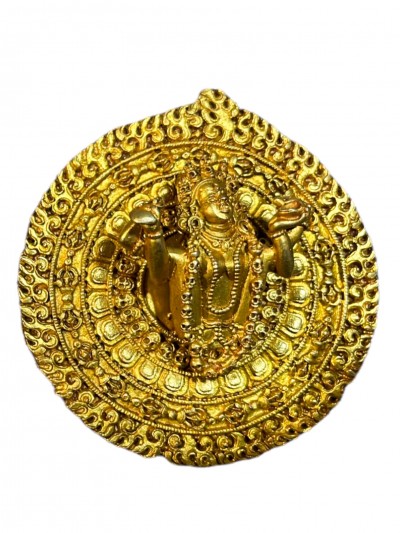
Buddhist Round Miniature Statue Of Akash Yogini, Full Gold Plated
US$ 83.00
25% off
$ 110.00
$ 110.00

25 cm
Buddhist Statue Of Akash Yogini, Silver And Chocolate Oxidized
US$ 230.00
25% off
$ 300.00
$ 300.00