


Loading Content..
Please wait...
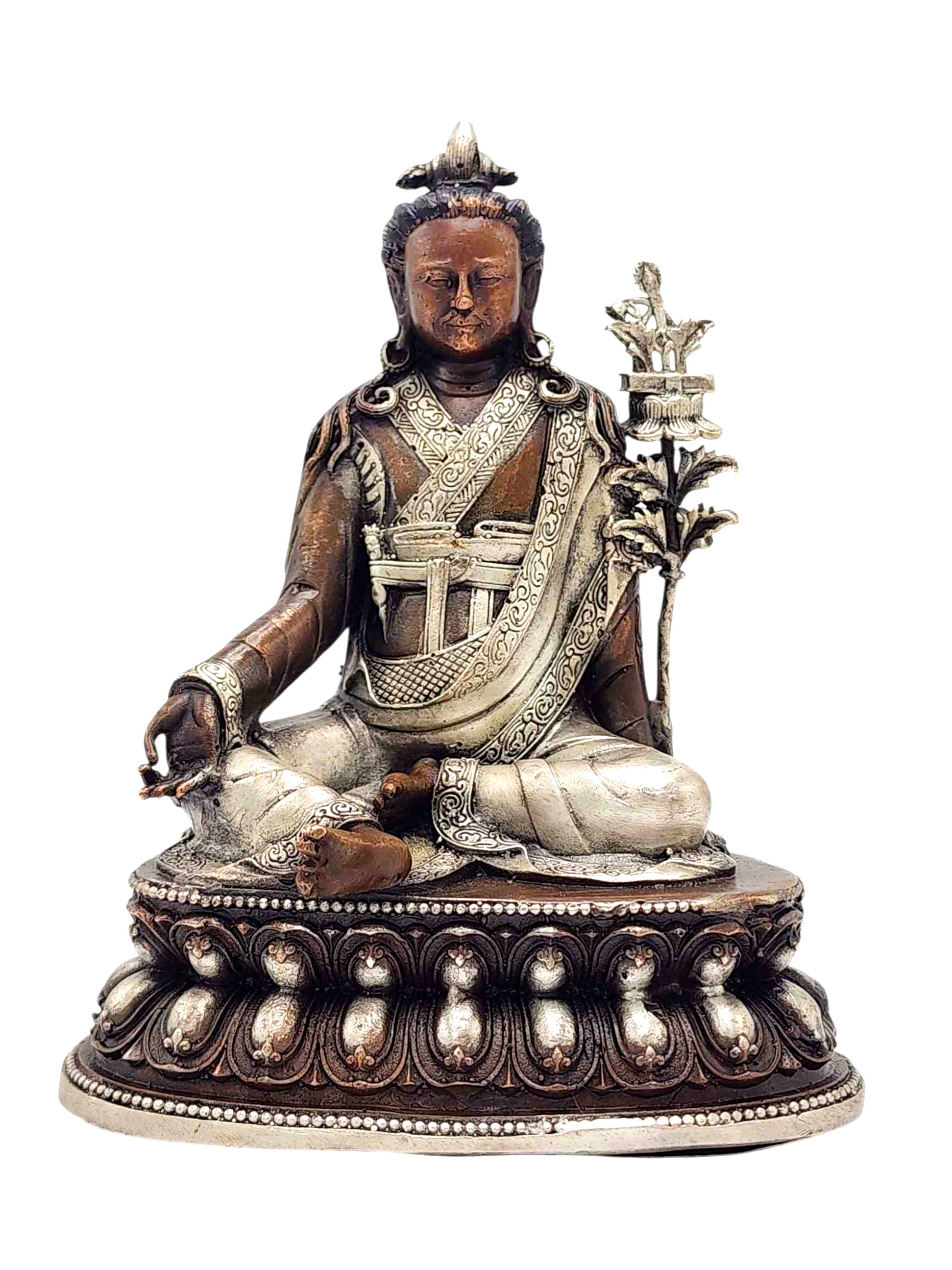
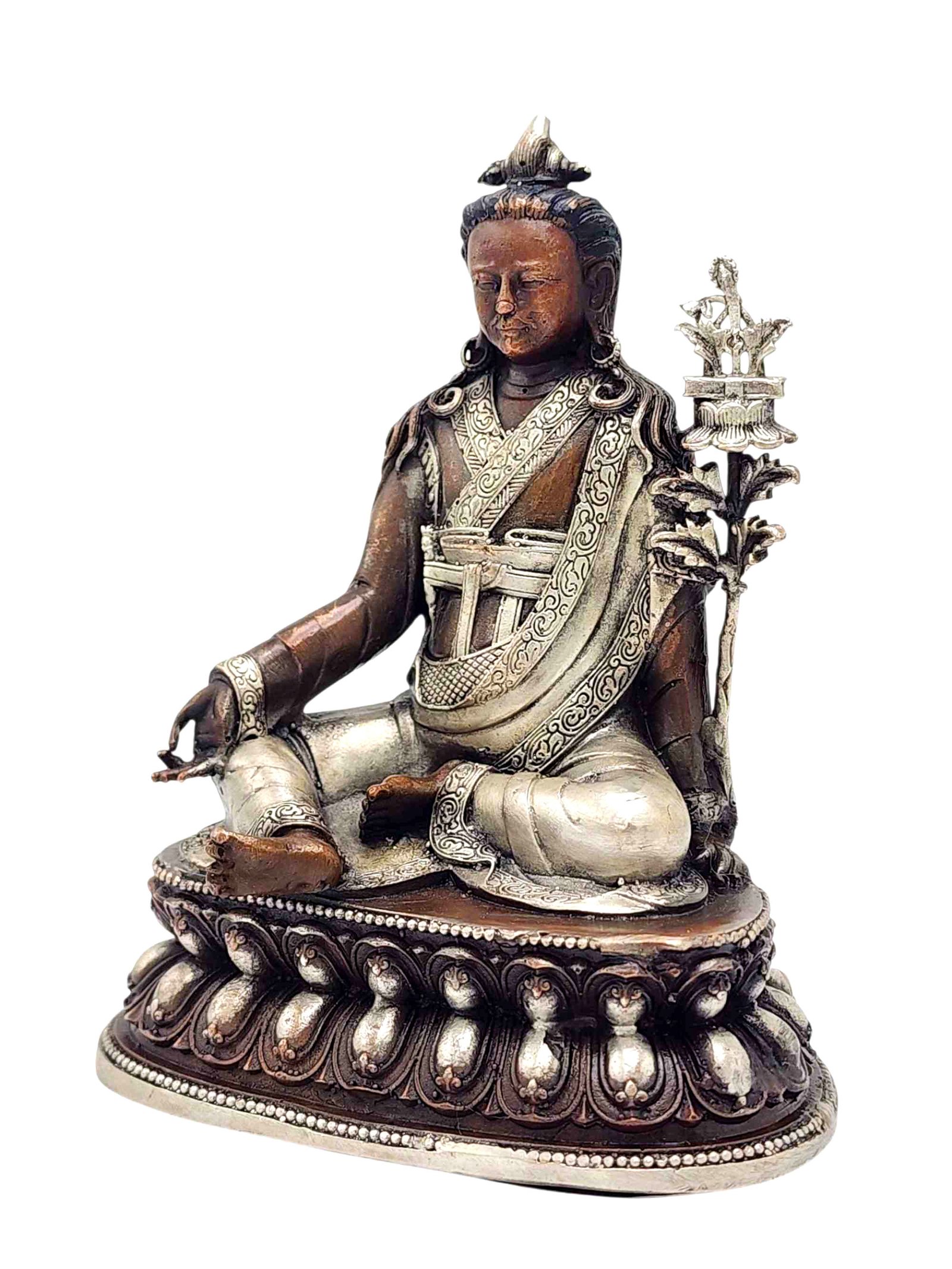
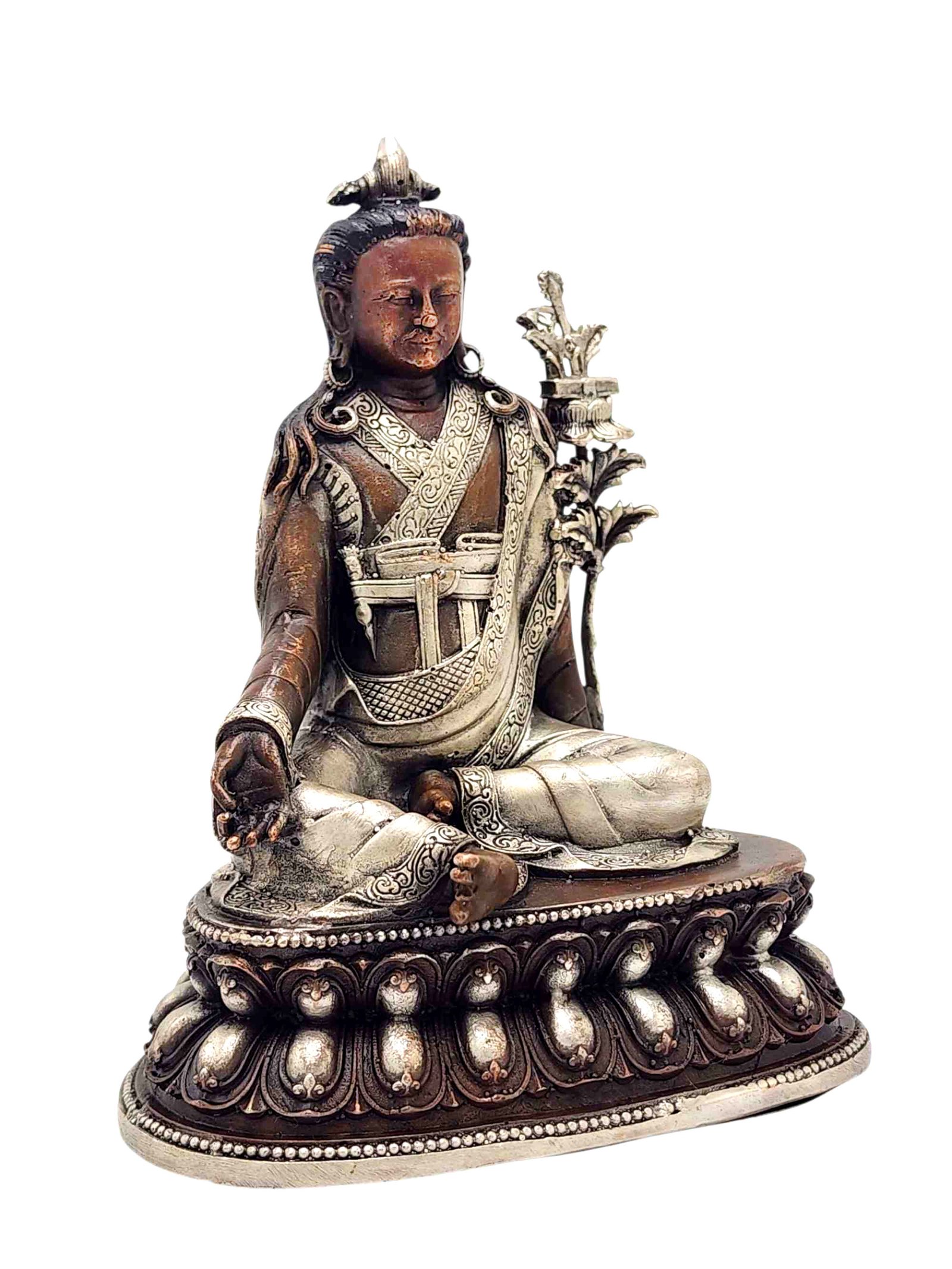
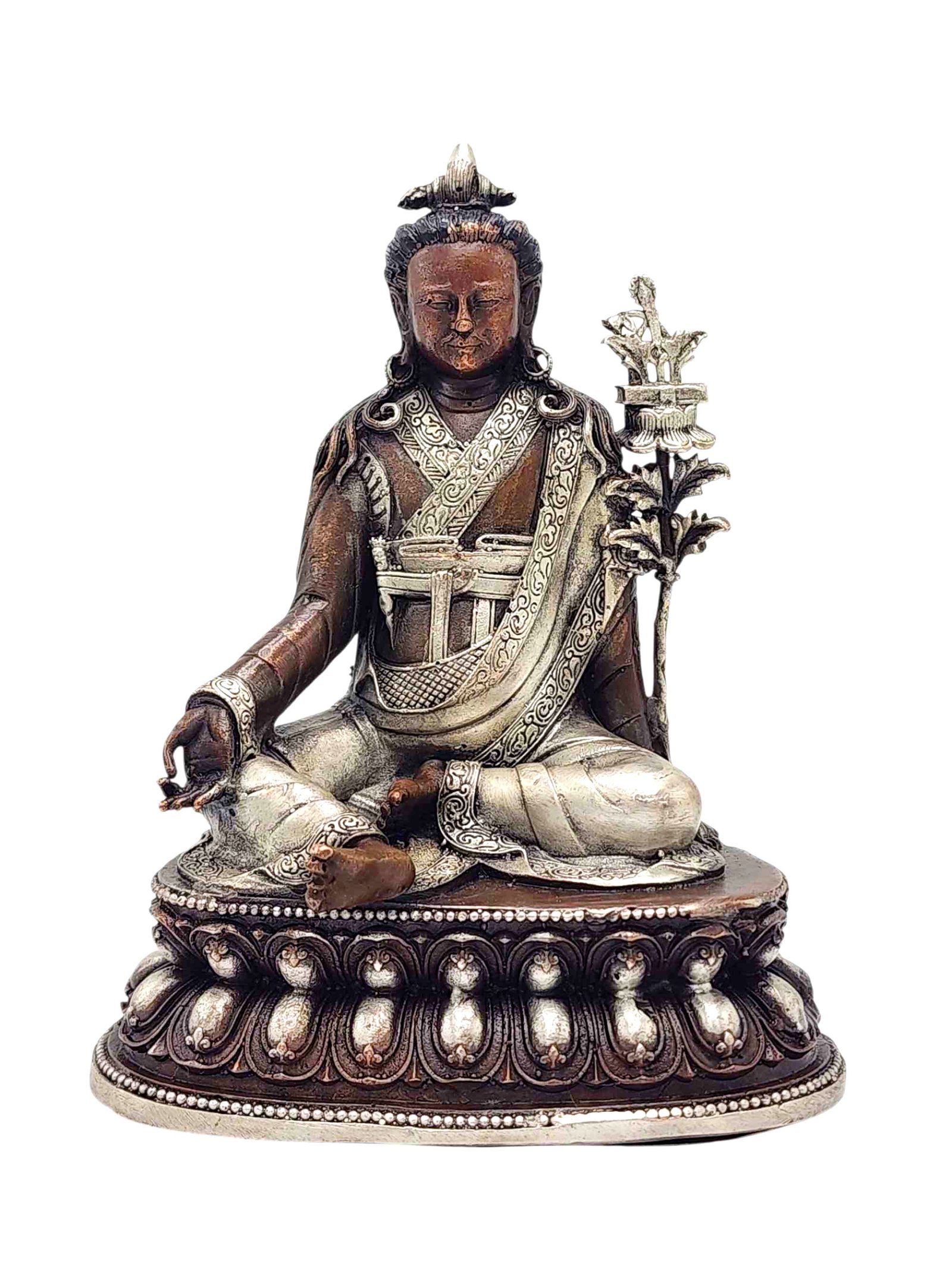
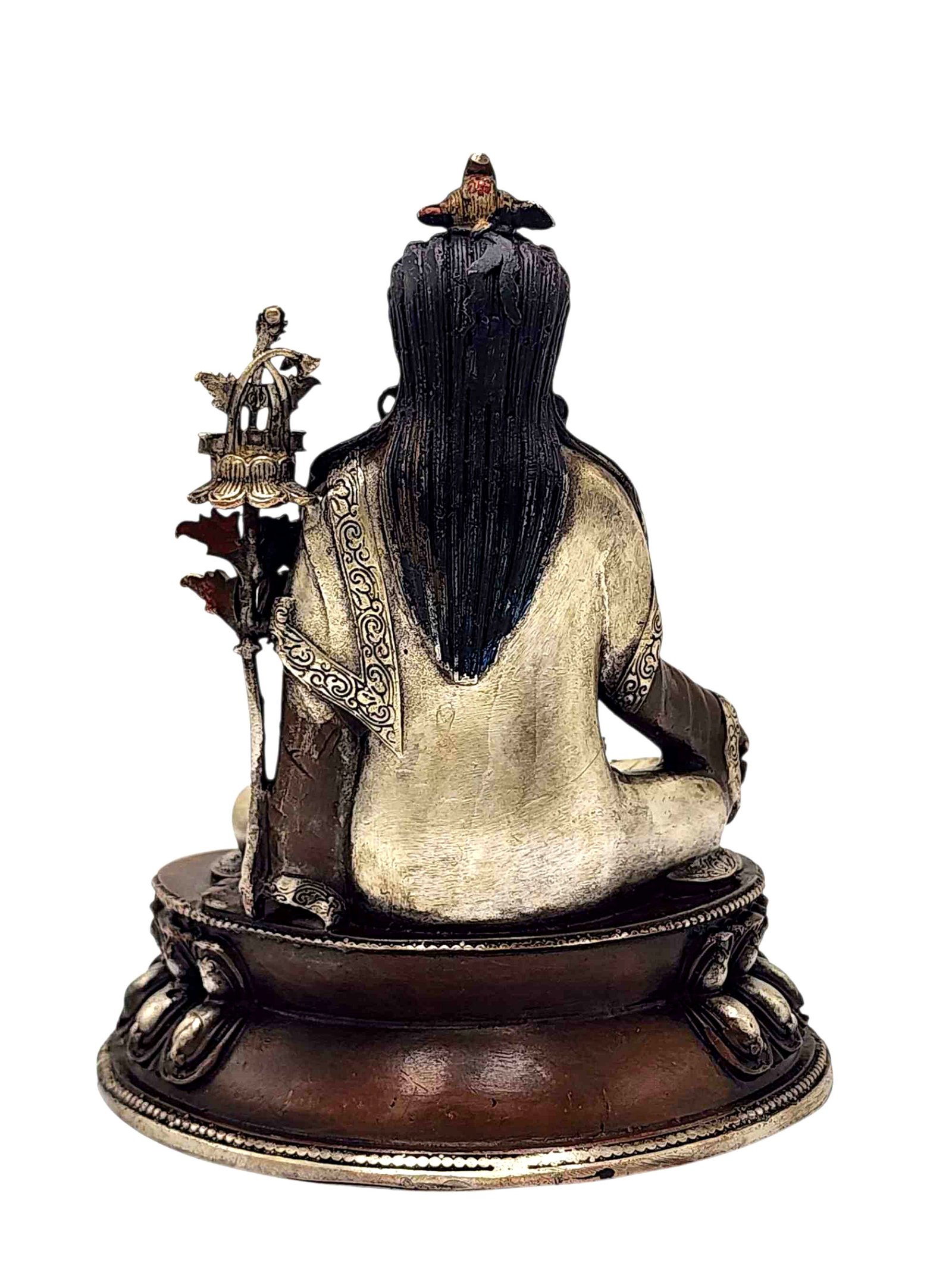
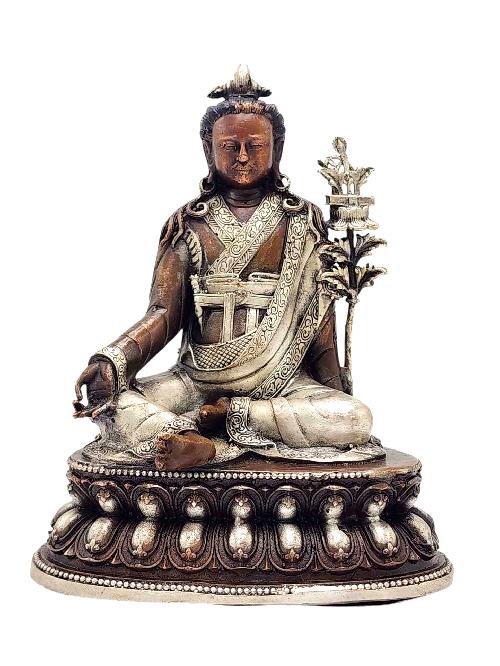
Jigmey Lingpa, Buddhist Miniature Statue, Silver and Chocolate Oxidized |
|
Product Specification |
|
| Code | HME36833 |
| Size |
Height 11cm (4") Width 9cm (4") Depth 6cm (2") |
Weight | 305 gm - 0.67 lbs |
| Material | Copper |
| Availability | Available |
Order configuration (Optional)
Filling & Blessing
HIDE Select Option
Click Here to View All Option and Prices

Select

Select

Select

Select
Statue Finishing
HIDE Select Option
Click Here to View All Option and Prices

Select

Select

Select

Select

Select

Select

Select

Select

Select

Select

Select

Select

Select

Select

Select

Select

Select

Select

Select

Select

Select

Select

Select

Select

Select

Select

Select

Select

Select

Select

Select

Select

Select

Select

Select

Select

Select

Select

Select

Select
| Quantity | PCS |
US$ 190.00
$ 250.00 -25% off
Shipping Cost
|
| Price Adjustment [ Discount Ends in : 40 days ] |
||
Shipping Calculation
weight of 1 Pcs of the product is 0.5 kg and will cost USD $ 31.00
-
Item location: kathmandu, Nepal
Worldwide shipping - Dispatch
-
We normally dispatch the product in 2-5 business days. Else Buyer will be infromed personally about the dispatch Date.
- Payment
- Paypal | Credit - Debit Card | Bank Transfer | See More
- Return
- 7 days money back, buyer pays return shipping
Welcome to Handmade Handicraft
At Handmade Handicraft, we prioritize simplicity, reflected in our user-friendly website design. We have streamlined the process so everything you need is just a click away.
While our website does not support online shopping, we've incorporated a convenient shopping cart system to assist you in sending us your inquiries. Please note, we do not process payments on our site. All transactions will be handled via email, respecting the inquiries you submit.
Should you encounter any issues while submitting your inquiries, please contact us via mobile app, email, or follow the procedure outlined below. We've provided documentation to guide you through the selection process.
selecting Procedure
In every product you will find Order Now and Quick Inquiry buttons, they are the two process of sending us your enquiry.
If you have any questions or need assistance, please don't hesitate to reach out to us. We are here to help you with your inquiries and ensure a smooth experience.
Jigmey Lingpa
Jigme Lingpa (1729–1798) stands as one of the most extraordinary and influential figures in the history of Tibetan Buddhism. He was a great terton (treasure revealer), a visionary, a philosopher, and a poet whose teachings have shaped the practice of the Nyingma school for centuries .
His life story is a powerful testament to the idea that profound wisdom can arise not just from scholarly study, but from the depths of meditation and visionary experience. Unlike many great masters of his time, Jigme Lingpa was not recognized as a reincarnate lama (tulku) in his youth and did not receive an extensive formal education . Instead, his realization came directly through intense practice, personal devotion, and a series of miraculous visions that would culminate in his most enduring legacy: the Longchen Nyingthig (The Heart Essence of the Great Expanse) . Read More
A Life of Vision and Revelation
Jigme Lingpa was born in the Yarlung Valley of Central Tibet. From a young age, he felt a deep connection to the Dharma, yet he showed little interest in conventional monastic discipline, often spending his time in play rather than study . His true spiritual journey began in earnest when he entered his first major meditation retreat at the age of twenty-eight .
The pivotal moment of his life came in 1757 during a retreat at the Samye Chimpu hermitage. In a powerful vision, he traveled to the Bodhnath Stupa in Nepal. There, a wisdom dakini (a tantric deity) entrusted him with a small wooden casket containing five yellow scrolls and crystal beads. Encouraged by the dakini, he swallowed the scrolls. In that instant, the words and meanings of an entire cycle of teachings awakened fully in his mind . This was the discovery of the Longchen Nyingthig, a "mind treasure" (dgongs gter) concealed centuries earlier by Guru Padmasambhava.
Three years later, while in another retreat at the same location, Jigme Lingpa experienced a series of three profound visions of the great 14th-century master Longchenpa. In these visions, he received the entire transmission of Longchenpa's wisdom, and their minds eventually merged as one. Longchenpa blessed him to reveal his treasures and compose new scriptures, which gave Jigme Lingpa the confidence and authority to write his masterwork, the Treasury of Precious Qualities .
For seven years, he kept these teachings secret until a clairvoyant disciple implored him to share them. Once revealed, the Longchen Nyingthig spread like wildfire across Tibet and became the most widely practiced cycle of Dzogchen (Great Perfection) teachings in the Nyingma tradition .
? Legacy and Spiritual Significance
Owning a statue of Jigme Lingpa is not just acquiring a piece of art; it is inviting the presence of a
Legacy and Spiritual Significance
Owning a statue of Jigme Lingpa is not just acquiring a piece of art; it is inviting the presence of a master whose wisdom continues to illuminate the path for countless practitioners.
Founder of a Living Tradition: Jigme Lingpa is the founder of the Longchen Nyingthig lineage. This profound cycle of teachings is considered the "heart essence" of all Buddhist paths and is still practiced today in monasteries and retreat centers worldwide .
A Unifying Figure: His writings and teachings transcended sectarian lines. He had disciples from all schools of Tibetan Buddhism and is considered a major precursor to the non-sectarian Rimé movement .
An Inspiration for Practitioners: His life story is incredibly inspiring. He showed that with unwavering devotion, dedication to practice, and a pure heart, one can attain the highest realizations, even without traditional scholarly titles or recognition . He is proof that enlightenment is accessible to all.
His main students included some of the most realized masters in Tibetan history, such as the First Dodrubchen Rinpoche (Jigme Trinle Ozer), Patrul Rinpoche, and Jamyang Khyentse Wangpo, who was considered an incarnation of his body, speech, and mind .
Iconography: How to Identify a Jigme Lingpa Statue
When describing your statue, highlighting these specific iconographic features will demonstrate its authenticity and help potential buyers understand the symbolism behind the art.
Appearance: Jigme Lingpa is almost always depicted as a layman, not a fully ordained monk. He has black hair tied in a topknot and typically has a youthful face with distinct, often lined features, and long ears . Some depictions show him with a small goatee .
Posture: He is most commonly seated in the vajra posture (lotus position) on a cushion and a lotus base .
Hand Gestures (Mudras): His hands often form the Dharmacakra Mudra, the gesture of "turning the wheel of the Dharma," symbolizing his role as a teacher of profound Buddhist doctrine .
Hand Attributes: In many representations, his right hand holds the stem of a lotus flower that supports a vajra (a ritual scepter), symbolizing his indestructible realization of skillful means and compassion. His left hand holds the stem of a lotus that supports a bell (ghanta) , representing the perfection of wisdom and the sound of emptiness . The union of vajra and bell signifies the attainment of enlightenment, the perfect balance of wisdom and compassion.
Hidden Details: In some sculptural traditions, a small phurba (a ritual dagger) is concealed within his robes, hinting at his tantric mastery and his power to cut through obstacles .
Silver and Chocolate Oxidized
The Jigmey Lingpa features a captivating combination of partly silver plating and dark oxidation. This unique finishing technique combines the lustrous shine of silver with the rich, deep tones achieved through oxidation. In the process of creating this finish, selected areas of the Jigmey Lingpa are expertly silver-plated, creating a radiant and reflective surface that catches the light. The remaining areas are intentionally oxidized, resulting in a darkened patina that adds depth and character to the piece. Read More
Ceramic Molding System
The Jigmey Lingpa has been crafted using the Ceramic mold casting process, a modern approach that provides an alternative to traditional methods such as the lost-wax system or rubber molding. Also referred to as ceramic molding, this technique involves the creation of a ceramic mold to cast the statue. The process begins by making a precise and detailed wax model of the desired sculpture. The wax model is then coated with layers of ceramic material, creating a sturdy mold. Once the mold is complete, it is fired in a kiln, causing the wax to melt and escape, leaving behind a cavity that perfectly replicates the original sculpture. Molten metal is then poured into the mold, allowing it to fill the cavity and take on the desired form. Once cooled and solidified, the ceramic mold is carefully broken away, revealing the final metal statue. Read More
Related Products

11 cm
Jigmey Lingpa, Buddhist Miniature Statue, Full Gold Plated Finish, Hand Painted Face
US$ 140.00
25% off
$ 180.00
$ 180.00

11 cm
Jigmey Lingpa, Buddhist Miniature Statue, Silver And Chocolate Oxidized
US$ 190.00
25% off
$ 250.00
$ 250.00