

Loading Content..
Please wait...
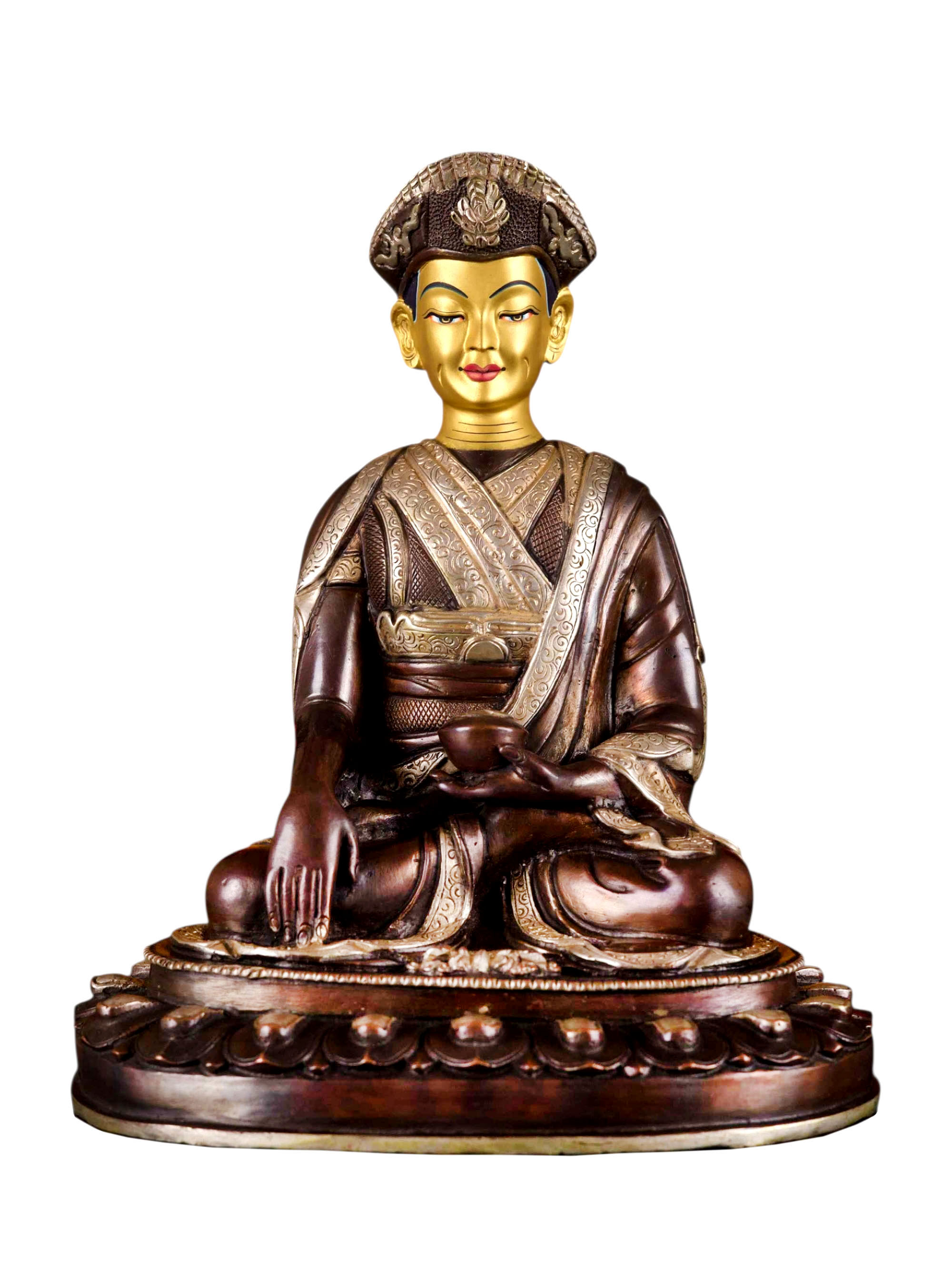


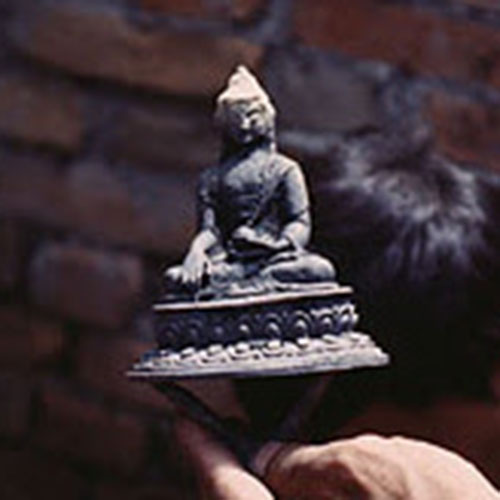
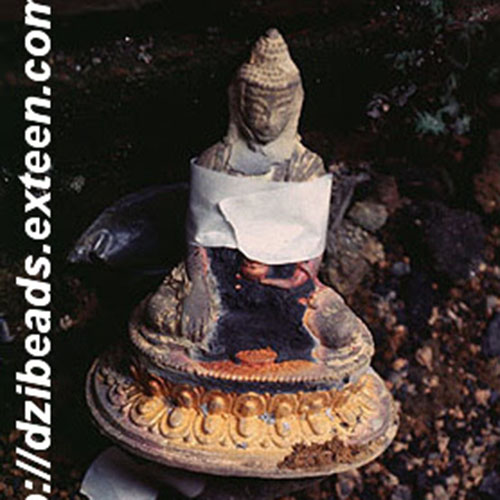
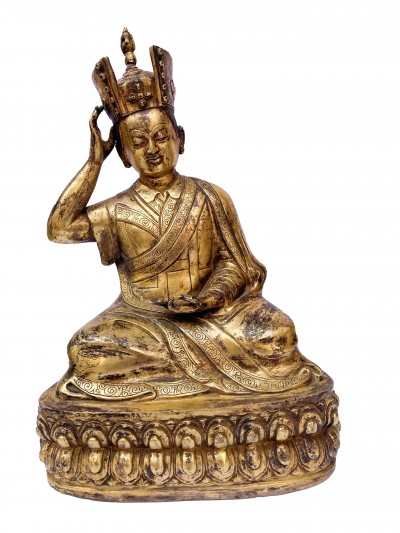
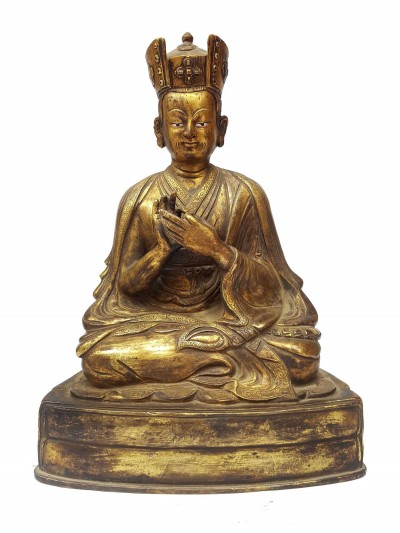
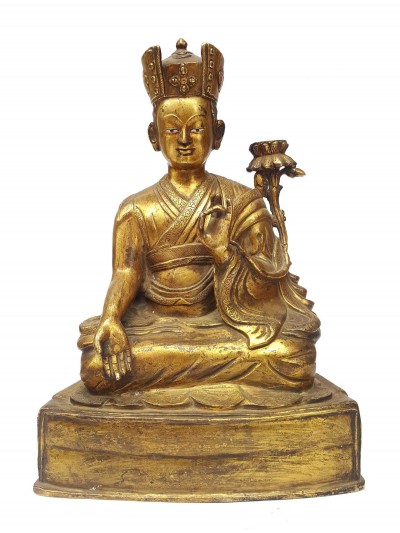
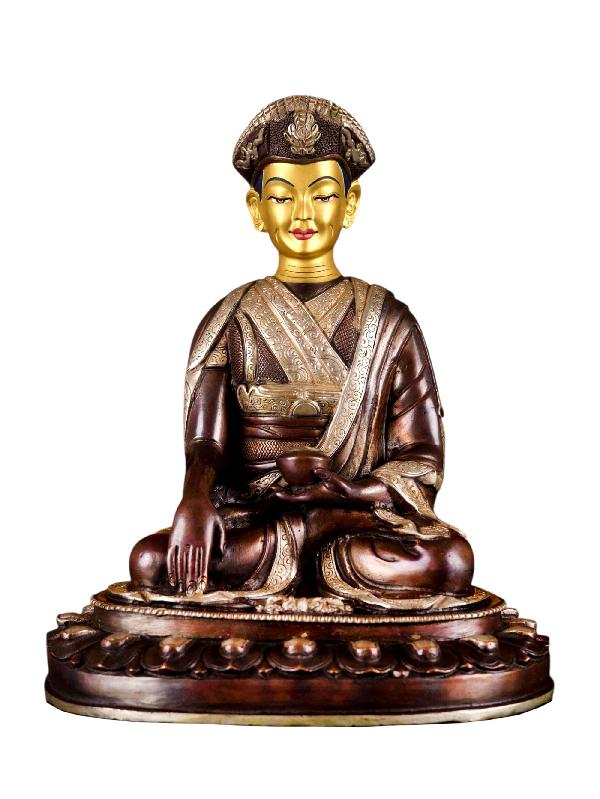
KARMAPA, Buddhist Handmade Statue, Silver and Chocolate Oxidized, Face Painted , Head of the Karma Kagyu Lineage, Embodiment of Compassion in Action
Karmapa Chenno
Jiamaba
Karumapa
|
|
Product Specification |
|
| Code | HME36769 |
| Size |
Height 20cm (8") Width 17cm (7") Depth 15cm (6") |
Weight | 1.7 kg - 3.75 lbs |
| Material | Copper |
| Availability | Available |
Order configuration (Optional)
Filling & Blessing
HIDE Select Option
Click Here to View All Option and Prices

Select

Select

Select

Select
Statue Finishing
HIDE Select Option
Click Here to View All Option and Prices

Select

Select

Select

Select

Select

Select

Select

Select

Select

Select

Select

Select

Select

Select

Select

Select

Select

Select

Select

Select

Select

Select

Select

Select

Select

Select

Select

Select

Select

Select

Select

Select

Select

Select

Select

Select

Select

Select

Select

Select
| Quantity | PCS |
US$ 760.00
$ 1,008.00 -25% off
Shipping Cost
|
| Price Adjustment [ Discount Ends in : 38 days ] |
||
Shipping Calculation
weight of 1 Pcs of the product is 2 kg and will cost USD $ 47.00
-
Item location: kathmandu, Nepal
Worldwide shipping - Dispatch
-
We normally dispatch the product in 2-5 business days. Else Buyer will be infromed personally about the dispatch Date.
- Payment
- Paypal | Credit - Debit Card | Bank Transfer | See More
- Return
- 7 days money back, buyer pays return shipping
Welcome to Handmade Handicraft
At Handmade Handicraft, we prioritize simplicity, reflected in our user-friendly website design. We have streamlined the process so everything you need is just a click away.
While our website does not support online shopping, we've incorporated a convenient shopping cart system to assist you in sending us your inquiries. Please note, we do not process payments on our site. All transactions will be handled via email, respecting the inquiries you submit.
Should you encounter any issues while submitting your inquiries, please contact us via mobile app, email, or follow the procedure outlined below. We've provided documentation to guide you through the selection process.
selecting Procedure
In every product you will find Order Now and Quick Inquiry buttons, they are the two process of sending us your enquiry.
If you have any questions or need assistance, please don't hesitate to reach out to us. We are here to help you with your inquiries and ensure a smooth experience.
633
Karmapa
The Karmapa (honorific title His Holiness the Gyalwa (རྒྱལ་བ་, Victorious One) Karmapa, more formally as Gyalwang (རྒྱལ་དབང་ཀརྨ་པ་, King of Victorious Ones) Karmapa, and informally as the Karmapa Lama) is the head of the Karma Kagyu, the largest sub-school of the Kagyu (བཀའ་བརྒྱུད, Wylie: bka' brgyud), itself one of the four major schools of Tibetan Buddhism.
The historical seat of the Karmapas is Tsurphu Monastery in the Tolung valley of Tibet. The Karmapa's principal seat in exile is the Dharma Chakra Centre at Rumtek Monastery in Sikkim, India. His regional monastic seats are Karma Triyana Dharmachakra in New York and Dhagpo Kagyu Ling in Dordogne, France.
Due to a controversy within the Karma Kagyu school over the recognition process, the identity of the current 17th Karmapa is disputed by some. Read More
Origin of the lineage
Dusum Khyenpa, 1st Karmapa Lama (Wylie: Dus gsum Mkhyen pa, 1110-1193), was a disciple of the Tibetan master Gampopa. A talented child who studied Buddhism with his father from an early age and who sought out great teachers in his twenties and thirties, he is said to have attained enlightenment at the age of fifty while practicing dream yoga. He was henceforth regarded by the contemporary highly respected masters Shakya Śri and Lama Shang as the Karmapa, a manifestation of Avalokiteśvara, whose coming was predicted in the Samadhiraja Sutra and the Laṅkāvatāra Sūtra.
The source of the oral lineage, traditionally traced back to the Buddha Vajradhara, was transmitted to the Indian master of mahamudra and tantra called Tilopa (989-1069), through Naropa (1016-1100) to Marpa Lotsawa and Milarepa. These forefathers of the Kagyu (Bka' brGyud) lineage are collectively called the "Golden Rosary".
Karma Pakshi, 2nd Karmapa Lama (1204-1283), is often said to be the first person ever recognized and empowered as a tulku (Wylie: sprul sku), a reincarnated lama (bla ma)
Black Crown
The Karmapas are the holders of the Black Crown (Wylie: Zhwa-nag) and are thus sometimes known as "the Black Hat Lamas". This crown (Wylie: rang 'byung cod pan "self-arisen crown"), is traditionally said to have been woven by the dakinis from their hair and given to the Karmapa in recognition of his spiritual realization. The physical crown displayed by the Karmapas was offered to Deshin Shekpa, 5th Karmapa Lama by the Yongle Emperor of China as a material representation of the spiritual one.
The crown was last known to be located at Rumtek Monastery in Sikkim, the last home of the 16th Karmapa, although that location has been subject to some upheaval since 1993 causing some to worry as to whether or not it is still there. An inventory of items remaining at Rumtek is purported to be something the Indian government is going to undertake in the near future.
List of Karmapas
Dusum Khyenpa (དུས་གསུམ་མཁྱེན་པ་) (1110-1193)
Karma Pakshi (ཀརྨ་པཀྵི་) (1204-1283)
Rangjung Dorje (རང་འབྱུང་རྡོ་རྗེ་) (1284-1339)
Rolpe Dorje (རོལ་པའི་རྡོ་རྗེ་) (1340-1383)
Deshin Shekpa (དེ་བཞིན་གཤེགས་པ་)(1384-1415)
Thongwa Donden (མཐོང་བ་དོན་ལྡན་) (1416-1453)
Chodrak Gyatso (ཆོས་གྲགས་རྒྱ་མཚོ་) (1454-1506)
Mikyo Dorje (མི་བསྐྱོད་རྡོ་རྗེ་) (1507-1554)
Wangchuk Dorje (དབང་ཕྱུག་རྡོ་རྗེ་) (1556-1603)
Choying Dorje (ཆོས་དབྱིངས་རྡོ་རྗེ་) (1604-1674)
Yeshe Dorje (ཡེ་ཤེས་རྡོ་རྗེ་) (1676-1702)
Changchub Dorje (བྱང་ཆུབ་རྡོ་རྗེ་) (1703-1732)
Dudul Dorje (བདུད་འདུལ་རྡོ་རྗེ་) (1733-1797)
Thekchok Dorje (ཐེག་མཆོག་རྡོ་རྗེ་) (1798-1868)
Khakyab Dorje (མཁའ་ཁྱབ་རྡོ་རྗེ་) (1871-1922)
Rangjung Rigpe Dorje (རང་འབྱུང་རིག་པའི་རྡོ་རྗེ་) (1924-1981)
Ogyen Trinley Dorje (ཨོ་རྒྱན་འཕྲིན་ལས་རྡོ་རྗེ།) (b. 1985) or Trinley Thaye Dorje (ཕྲིན་ལས་མཐའ་ཡས་རྡོ་རྗེ།)(b. 1983),
Gold Painted Face
The face of Karmapa is painted with gold to enhance its significant features, particularly the eyes, and lips. This detailed painting is essential as it brings forth the crucial attributes of the expression of eyes and lips that metal carving alone cannot capture.
Moreover, the painted face serves as a symbolic and sacred ritual in Buddhism, preparing the statue for consecration and practice. The act of painting the face with gold in Buddhism holds deep meaning. It represents the intention to bring life and expression to the statue, imbuing it with a sense of vitality and presence. The application of gold on the face showcases the devotion and craftsmanship of the artisans, ensuring that every detail is carefully attended to honor the sacred essence of the Karmapa. Read More
Silver and Chocolate Oxidized
The Karmapa features a captivating combination of partly silver plating and dark oxidation. This unique finishing technique combines the lustrous shine of silver with the rich, deep tones achieved through oxidation. In the process of creating this finish, selected areas of the Karmapa are expertly silver-plated, creating a radiant and reflective surface that catches the light. The remaining areas are intentionally oxidized, resulting in a darkened patina that adds depth and character to the piece. Read More
Lost-Wax System
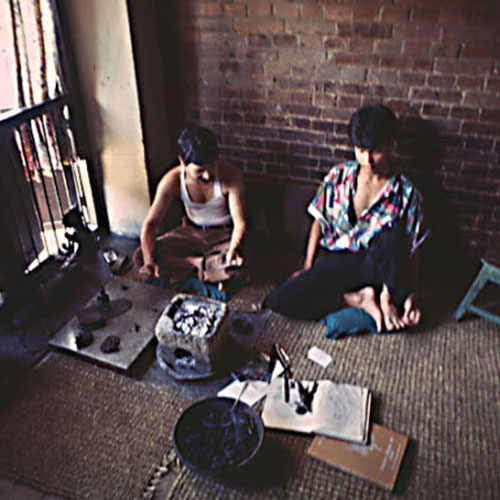
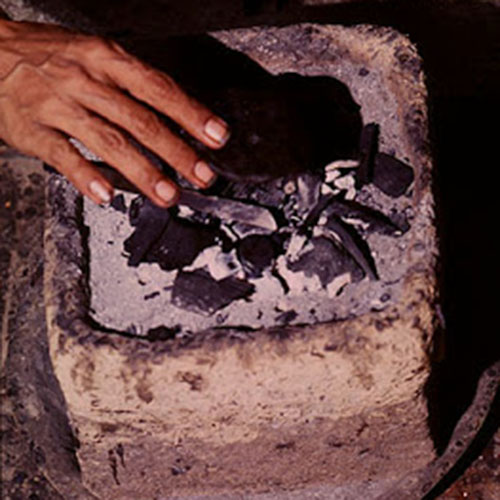
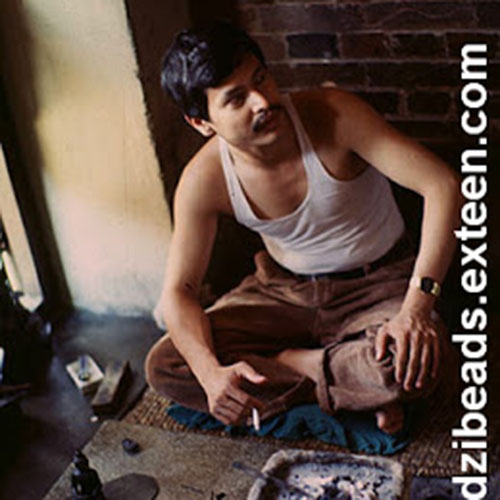
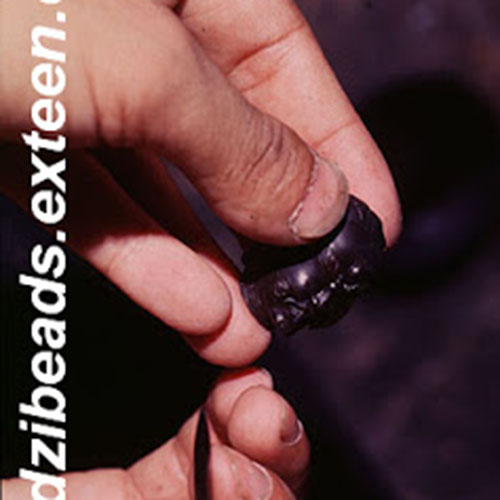
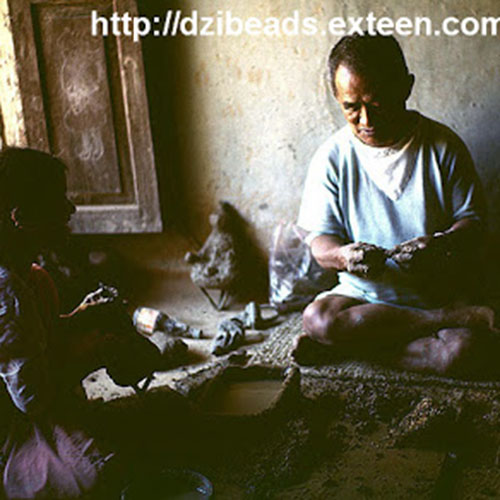
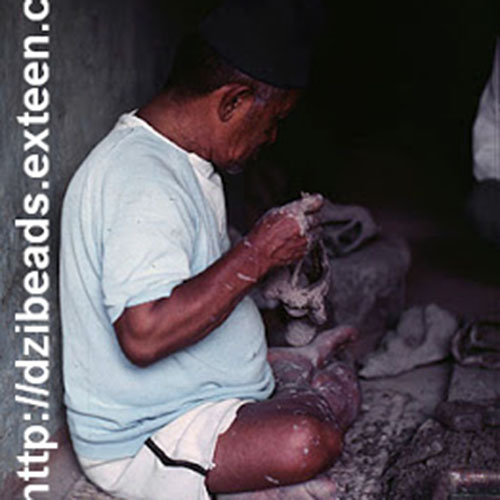
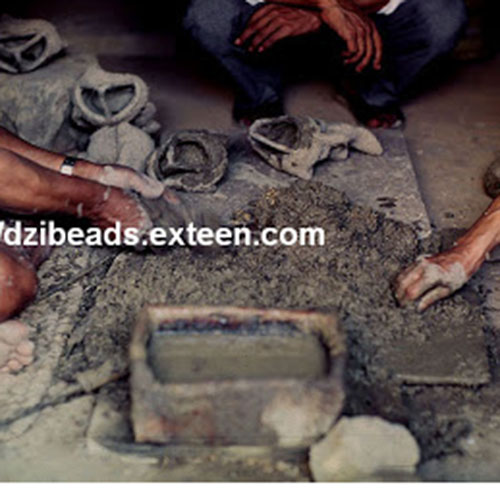
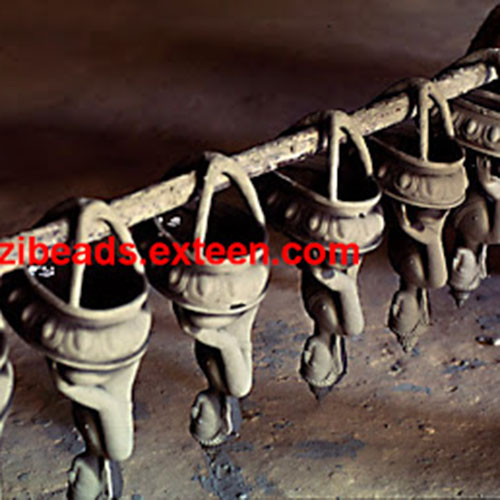
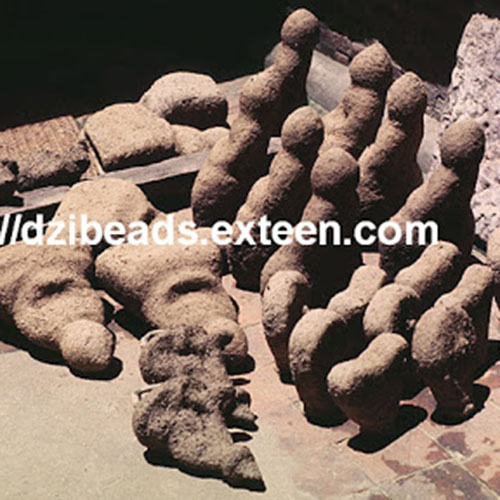
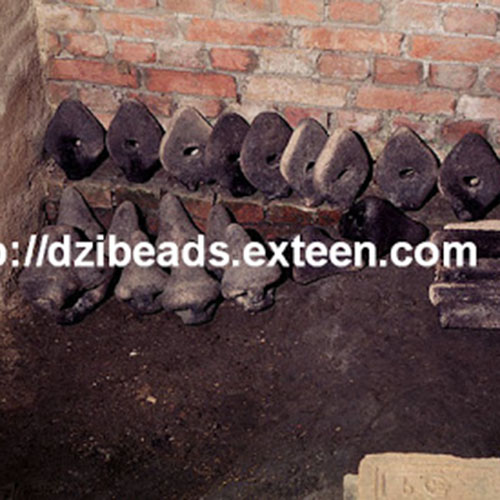
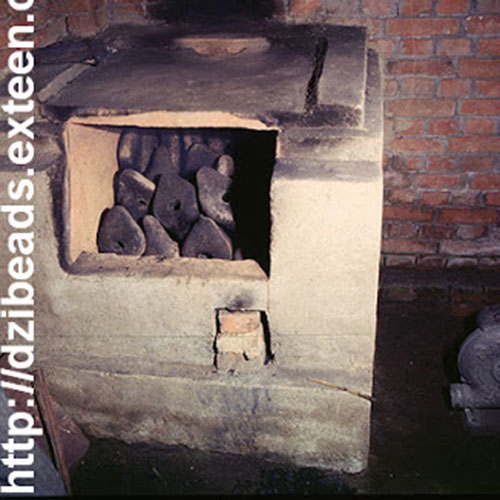
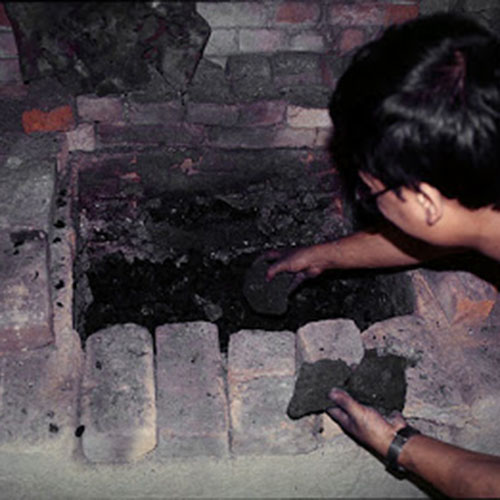
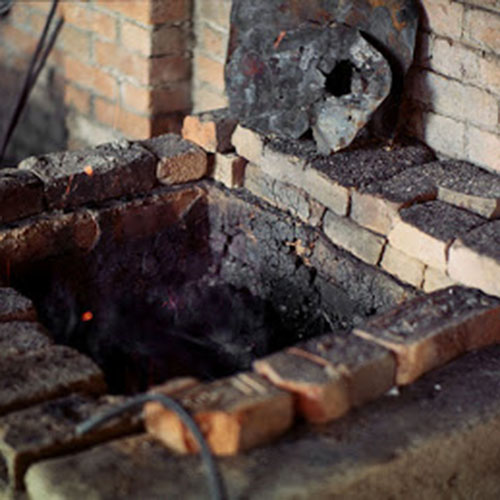
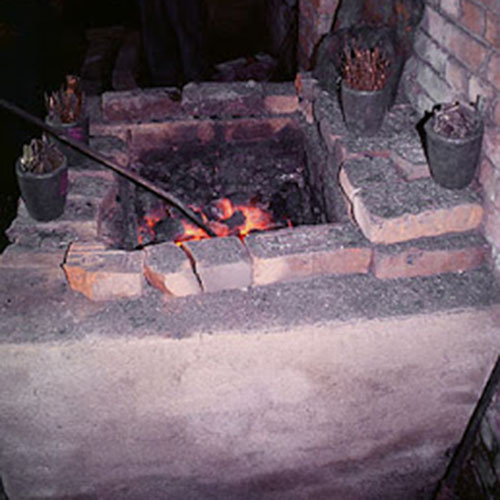
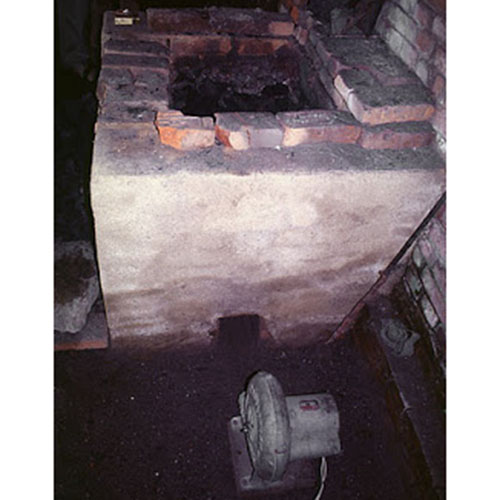
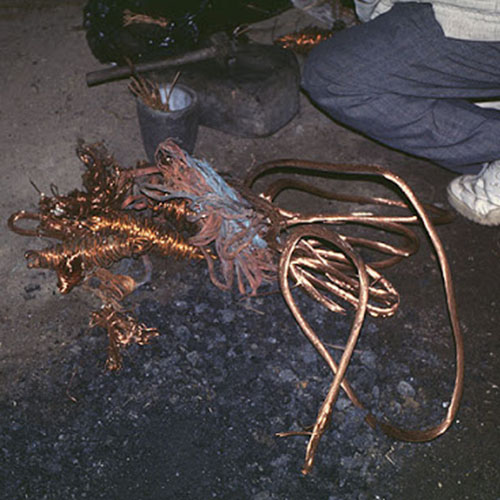
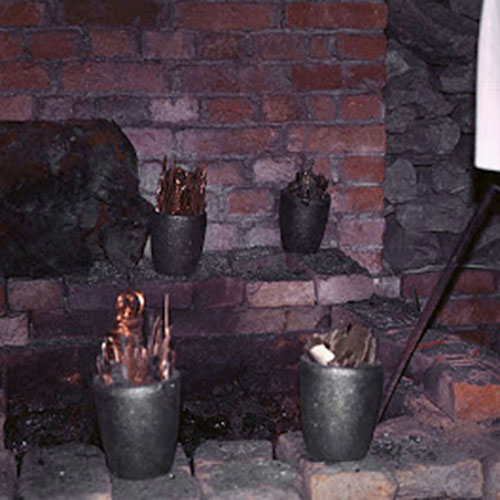
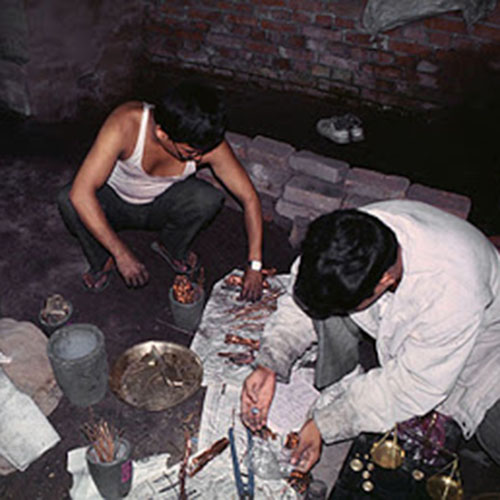
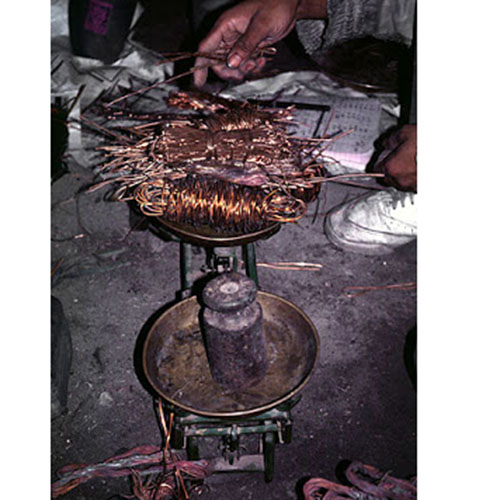
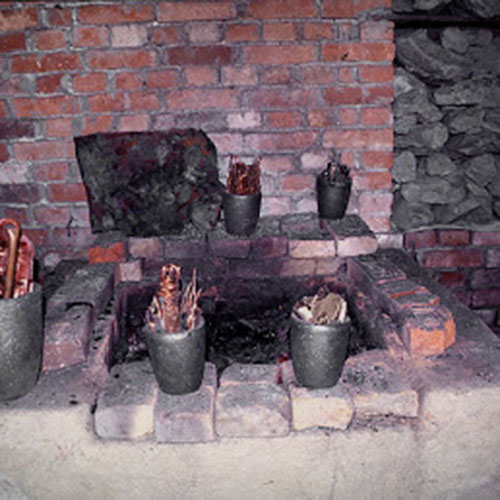
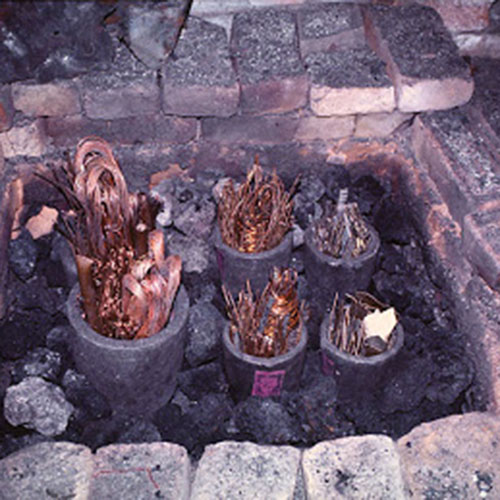
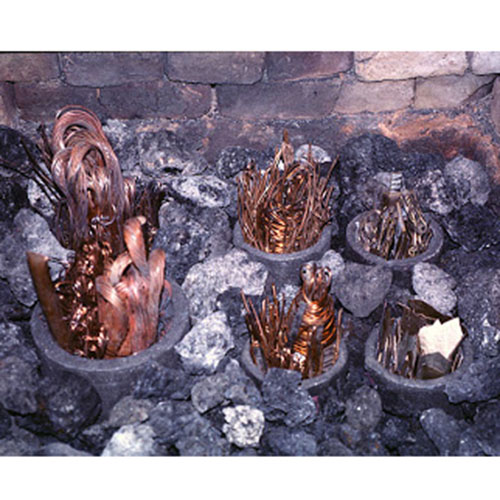
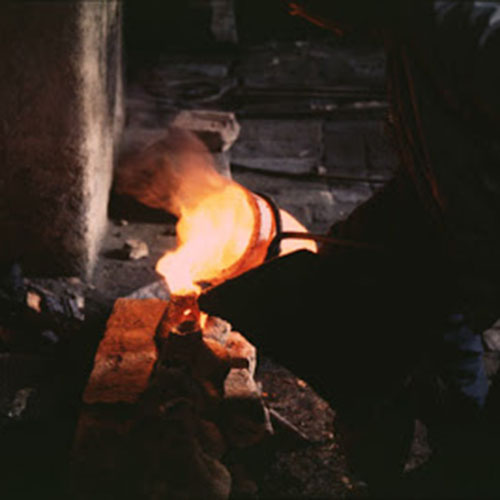
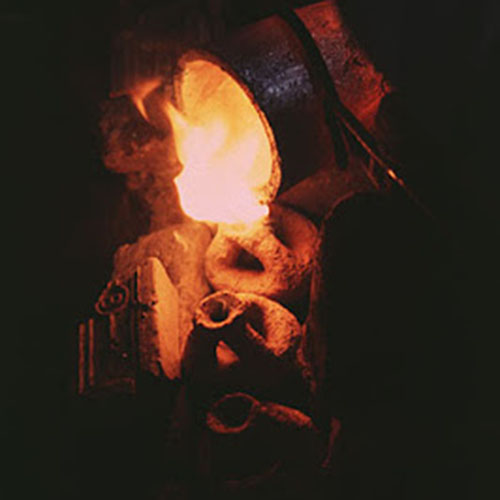
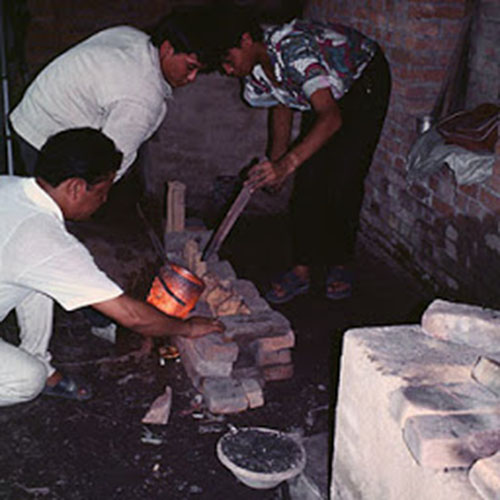
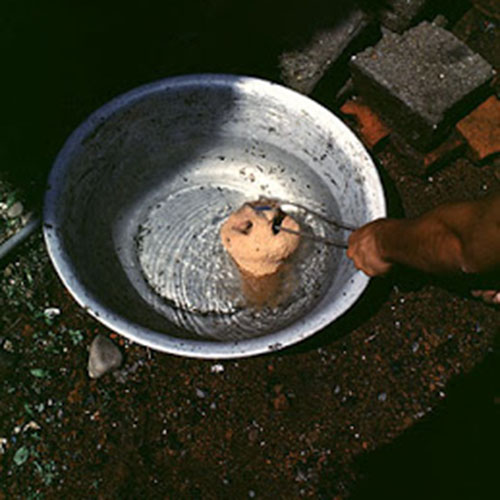
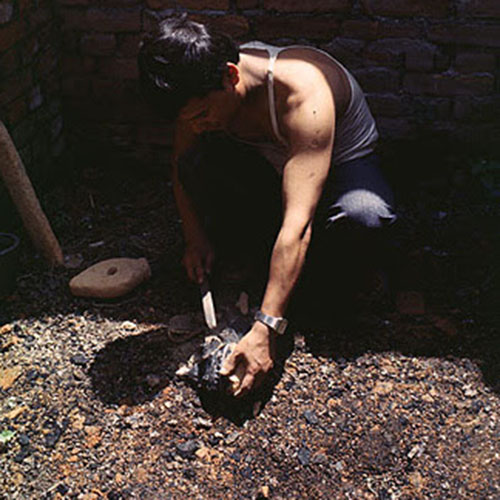
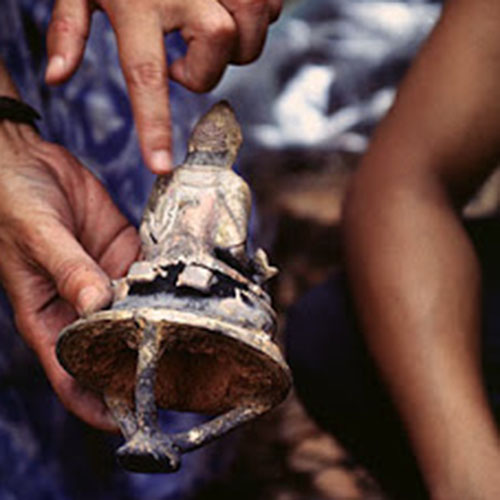
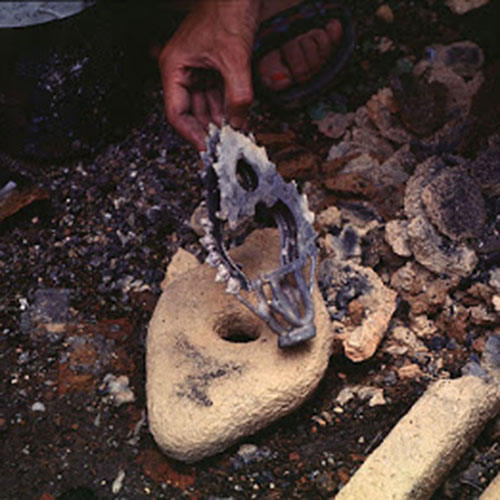
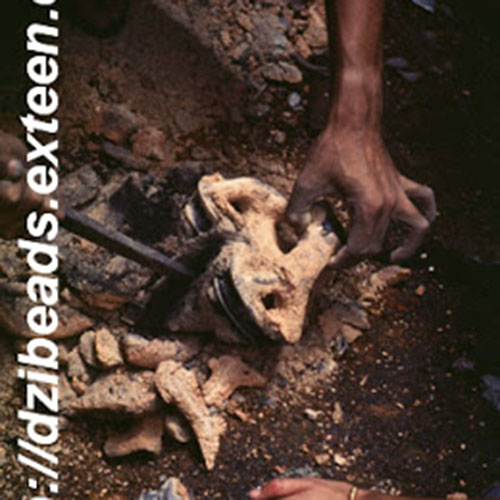
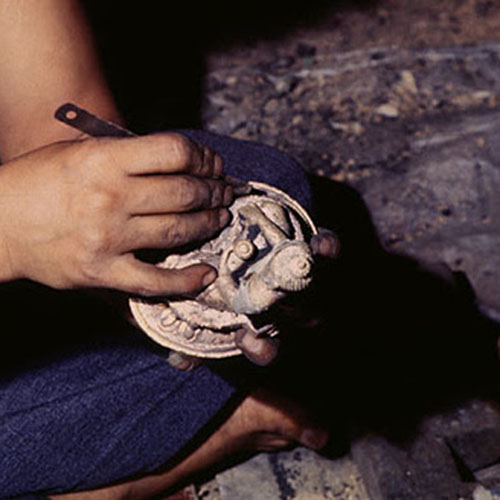
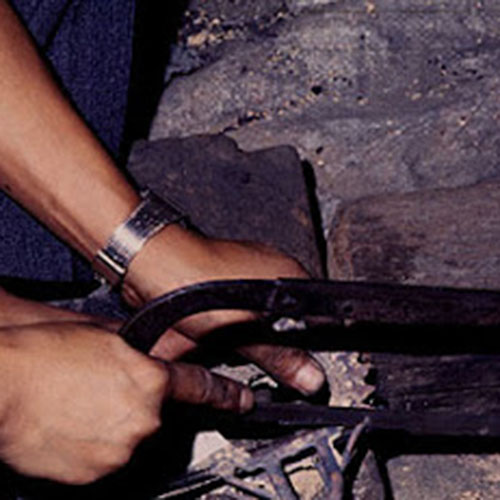
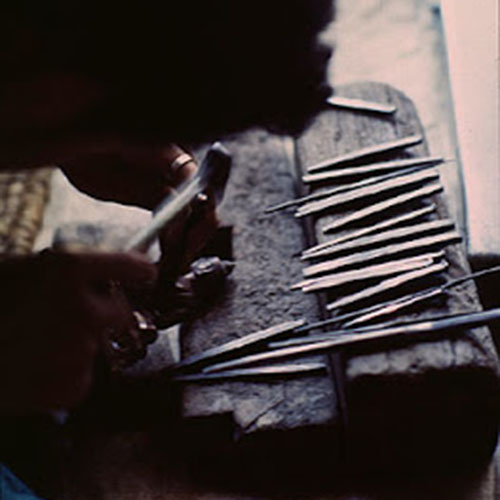
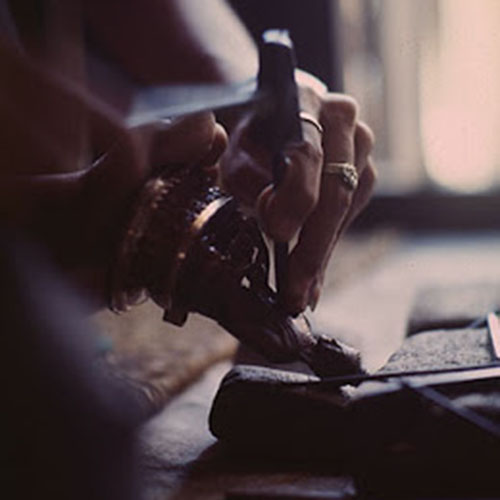
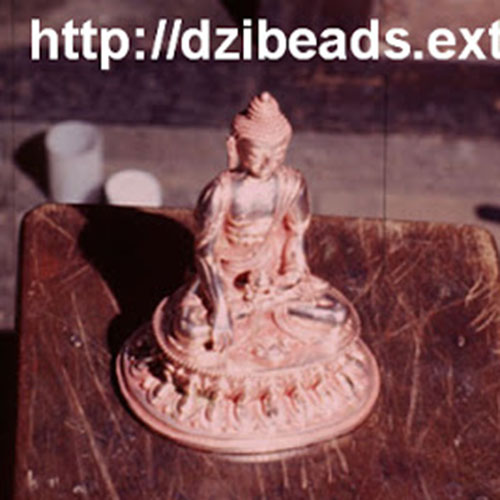
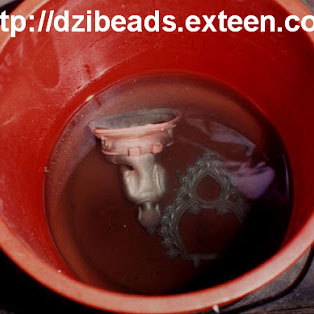
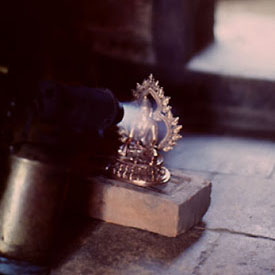
This Karmapa is made by the process of the Lost-Wax system. The lost-wax process, also known as investment casting, is a time-honored technique used to create metal sculptures. It involves several steps that have been practiced for thousands of years. Skilled artisans begin by sculpting a detailed wax model, capturing every intricate detail of the desired sculpture. The wax model is then coated with a ceramic shell, formed by multiple layers of ceramic material. Once the shell has cured, the wax is melted and drained out, leaving behind a cavity. Molten metal is poured into the cavity, creating a precise replica of the original wax model. After the metal has cooled and solidified, the ceramic shell is carefully removed, revealing the final metal sculpture. Read More
Related Products

31 cm
Buddhist Statue Of Karmapa, Full Fire Gold Plated, Antique Finishing
US$ 450.00
25% off
$ 600.00
$ 600.00

29 cm
Statue Of Karmapa Full Fire Gold Plated And Antique Finishing
US$ 450.00
25% off
$ 600.00
$ 600.00

29 cm
Statue Of Karmapa Full Fire Gold Plated And Antique Finishing
US$ 450.00
25% off
$ 600.00
$ 600.00

20 cm
KARMAPA, Buddhist Handmade Statue, Silver And Chocolate Oxidized, Face Painted
US$ 760.00
25% off
$ 1,008.00
$ 1,008.00