

Loading Content..
Please wait...
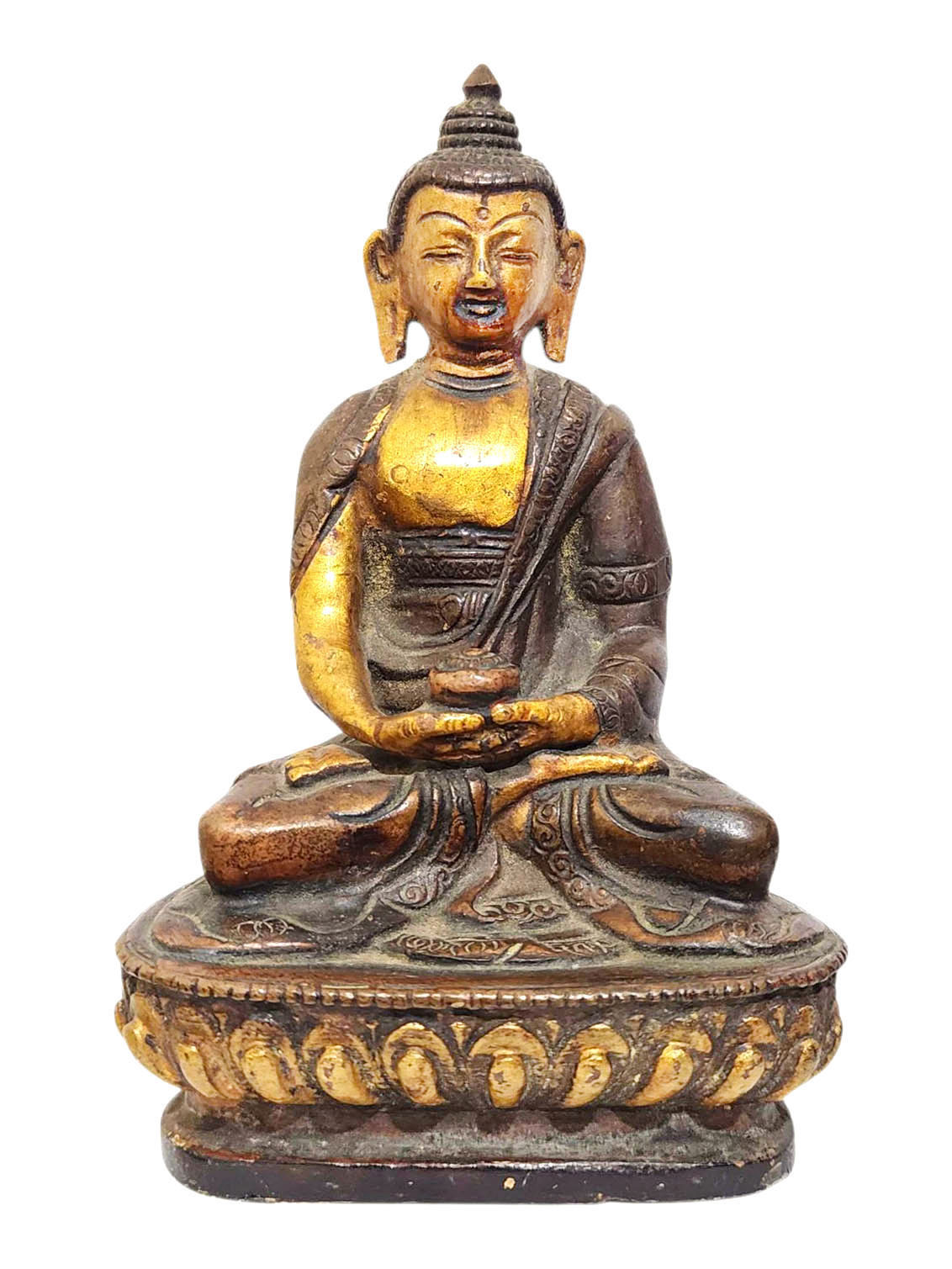

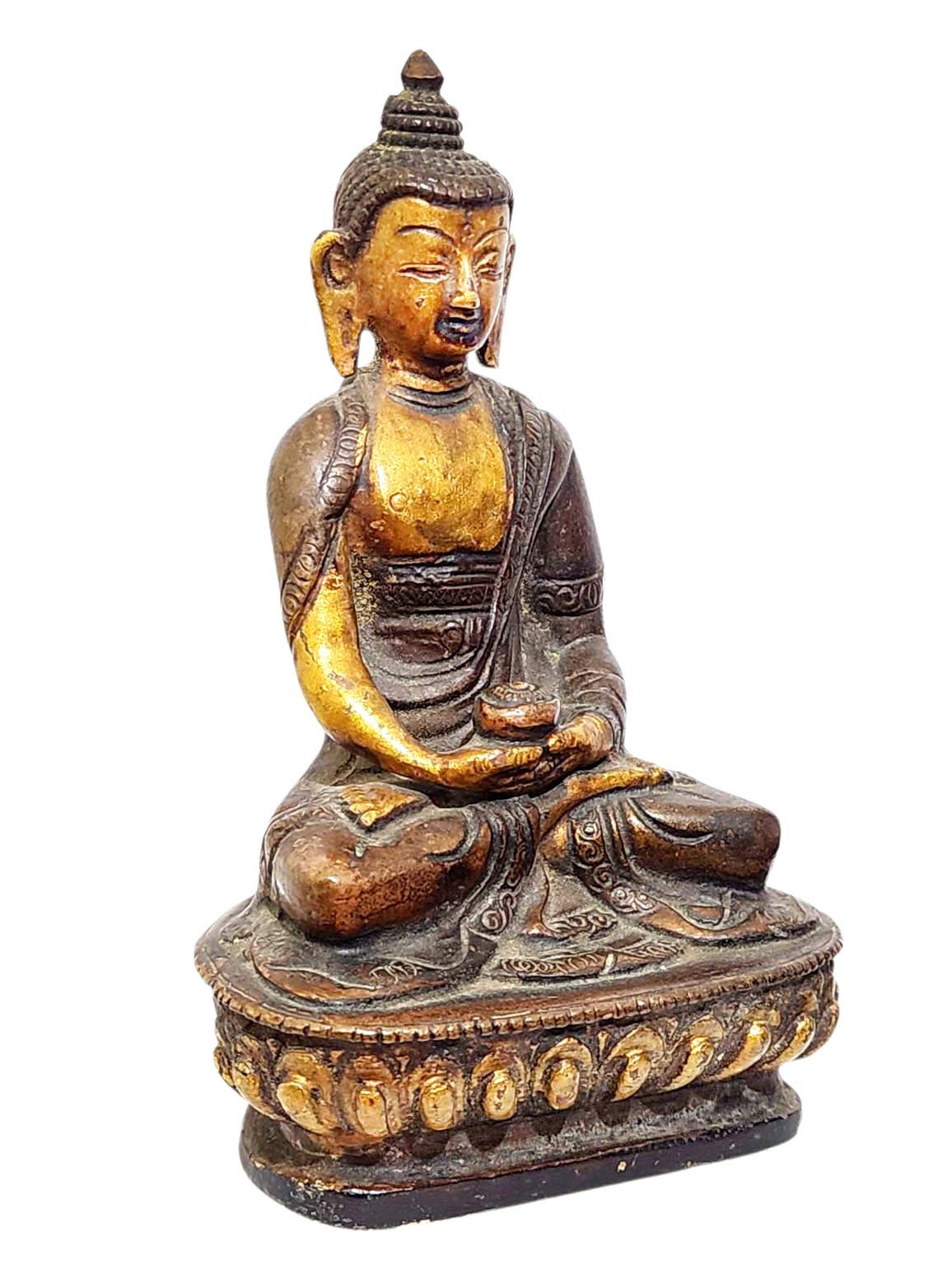
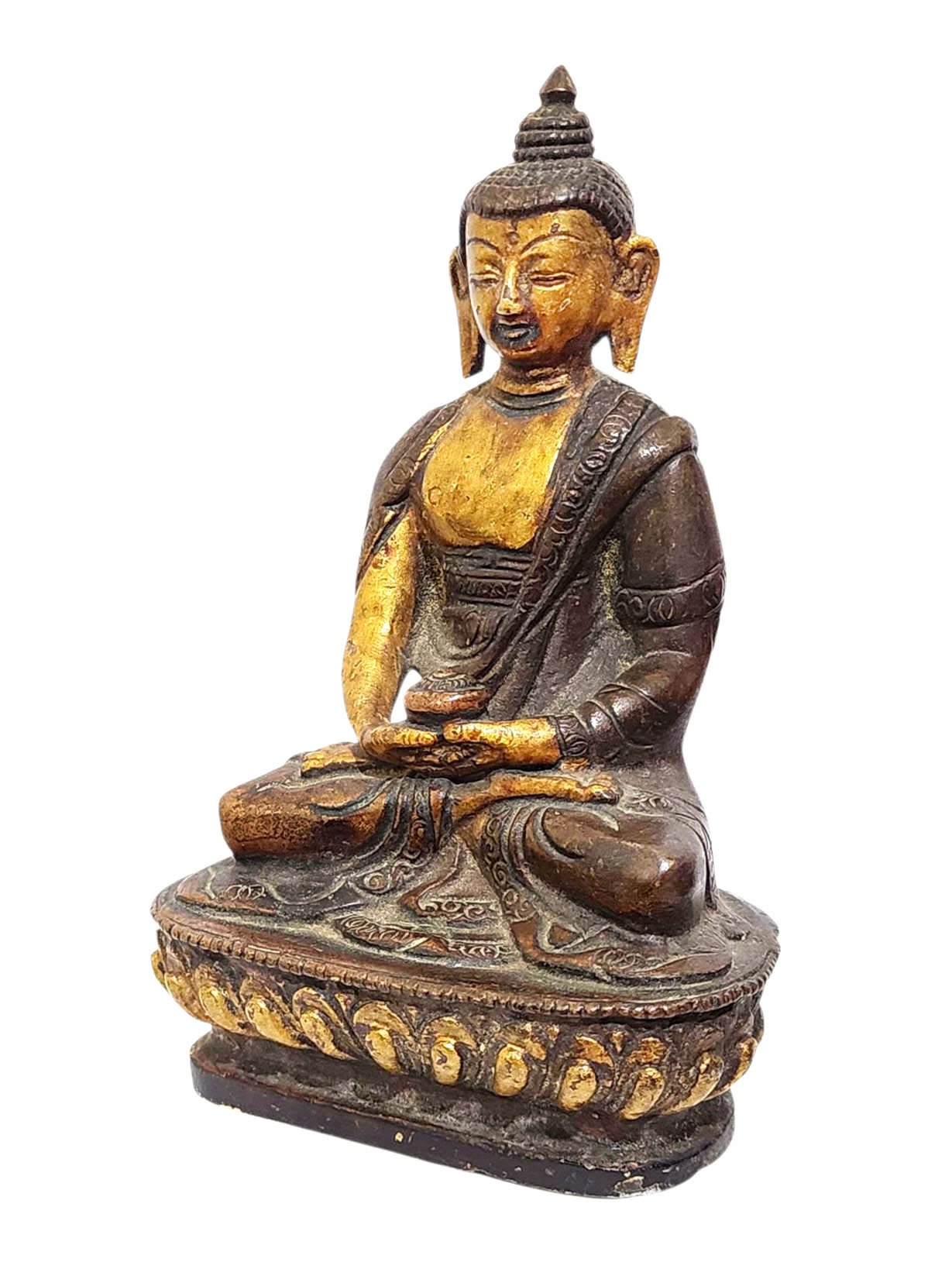
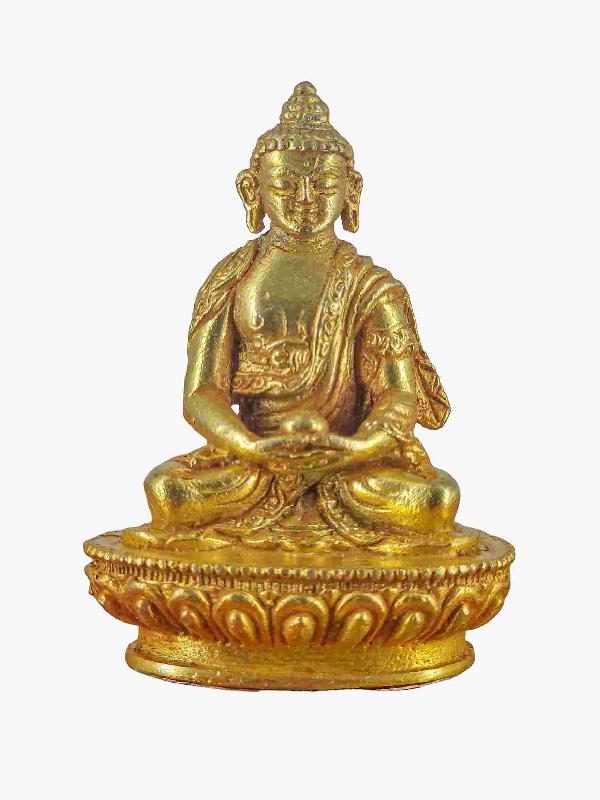
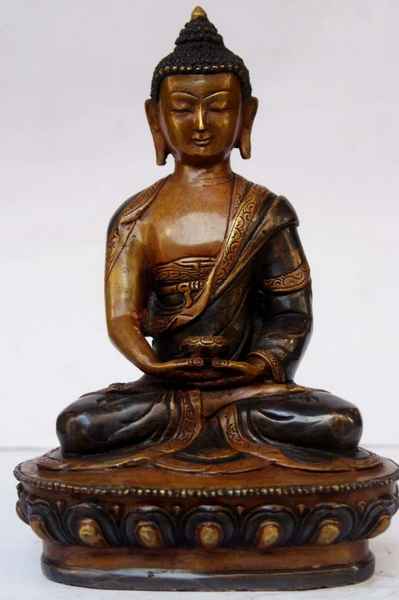
Amitabha Buddha, Buddhist Miniature Statue, Partly Gold Plated, Antique Finishing , Buddha of Infinite Light: Symbol of Boundless Compassion
Opame
Amituofo
Amida Nyorai
|
|
Product Specification |
|
| Code | HME36649 |
| Size |
Height 15cm (6") Width 9cm (4") Depth 6cm (2") |
Weight | 845 gm - 1.86 lbs |
| Material | Copper |
| Availability | Available |
Order configuration (Optional)
Filling & Blessing
HIDE Select Option
Click Here to View All Option and Prices

Select

Select

Select

Select
Statue Finishing
HIDE Select Option
Click Here to View All Option and Prices

Select

Select

Select

Select

Select

Select

Select

Select

Select

Select

Select

Select

Select

Select

Select

Select

Select

Select

Select

Select

Select

Select

Select

Select

Select

Select

Select

Select

Select

Select

Select

Select

Select

Select

Select

Select

Select

Select

Select

Select
| Quantity | PCS |
US$ 68.00
$ 90.00 -25% off
Shipping Cost
|
| Price Adjustment [ Discount Ends in : 40 days ] |
||
Shipping Calculation
weight of 1 Pcs of the product is 1 kg and will cost USD $ 37.00
-
Item location: kathmandu, Nepal
Worldwide shipping - Dispatch
-
We normally dispatch the product in 2-5 business days. Else Buyer will be infromed personally about the dispatch Date.
- Payment
- Paypal | Credit - Debit Card | Bank Transfer | See More
- Return
- 7 days money back, buyer pays return shipping
Welcome to Handmade Handicraft
At Handmade Handicraft, we prioritize simplicity, reflected in our user-friendly website design. We have streamlined the process so everything you need is just a click away.
While our website does not support online shopping, we've incorporated a convenient shopping cart system to assist you in sending us your inquiries. Please note, we do not process payments on our site. All transactions will be handled via email, respecting the inquiries you submit.
Should you encounter any issues while submitting your inquiries, please contact us via mobile app, email, or follow the procedure outlined below. We've provided documentation to guide you through the selection process.
selecting Procedure
In every product you will find Order Now and Quick Inquiry buttons, they are the two process of sending us your enquiry.
If you have any questions or need assistance, please don't hesitate to reach out to us. We are here to help you with your inquiries and ensure a smooth experience.
Amitabha Buddha
Amitabha is head of the Lotus Family, one of oldest & significant of the Five Buddha Families. This family represents love, purity, compassion & peace. Amitabha Purelandis a place of infinite bliss & boundless light. He will guide you along a path of simplicity and purity towards such a place where you can find inner contentment. Amitabha will help you overcome addictions and cravings. Read More
Iconography
Amitabha Buddha is also one of the five Tathagatas representing the wisdom of discriminating awareness (skt. Pratyavekshanajnana). When discriminating wisdom dawns on us we realize Non-production or non-origination of all things. He also represents purified form of desire.
Amitabha Buddha is red in color. He is represented in the stupa facing to the west. He rides on peacock symbolizing that he can take away the suffering of others just as the peacock eats poisonous plants and yet his tail shines forth.
Amitabha in Sanskrit means immeasurable light or limitless light. He resides in the western land of unlimited bliss (skt. Sukhavati). He is assisted by two Bodhisattvas viz. Avalokiteshvara and Mahasthamaprapta. When he was a bodhisattva he was called Bhikshu Dharmakara. He made vows to establish an adorned land of unlimited bliss to ferry over those living beings who recite his name. On the basis of those vows, any living being who has faith, makes vows and practices diligently will be received by this Buddha and reborn in the pure land of unlimited bliss.
Amitabha Buddha presides over the Bhadrakalpa i.e. Fortunate Aeon. He always exhibits Dhyana mudra. He belongs to the Lotus family. He originates from the seed syllable Hrih. He can be recognized through the symbol of the lotus. With his extensive vows and great compassion this Buddha has ferried over innumerable sentient beings. The recitation of the name of Amitabha Buddha is a common practice in China and Japan. In Tibet too, devotees recite very often the prayer to be reborn in the land of Amitabha Buddha.urity
Commentary
The word 'Amitabha' is composed of 2 syllables. Amita-[Skt.] translates as infinite & -bha universal life or simply the universe. Related Sanskrit words include bha-va asin Bhavachakra & Bha-gavad as in Bhagavad Gita. Amitabha is often translated as Boundless Light which is taken to be the boundless Universe. Amitabha realised a Pure Land called Sukhavati which meanspossessinghappinessin Sanskrit. Sukhavati is situated in the uttermost west beyond the bounds of rational understanding. By the power of his vows he made it possible for all who call upon him to be reborn into this land, there to undergo instruction by him in the dharma and ultimately become bodhisattvas & Buddhas. Amitabha is one of the five Transcendent Buddhas emanated from the primeval 'Adi' Buddha Vajrdhara. Each of the transcendent Buddhas has arisen to help us overcome the five obstructions [Skt. Kleshas] to our spiritual growth and each is the Head of a Family. The Sanskrit word Klesha means poison in the sense of curruption. For this reason the transcendent Buddhas are called Wisdom Buddhas; they possess the wisdom to overcome viz. transcend the five obstructions are greed, hatred, delusion, jealousy & pride. Amitabha is formed to help us overcome greed [often expressed as desire]. Greed is conceived of as a thirst [Skt. Tanha] or appetite for the destructive things that harm us such as smoking, alcohol & selfishness. The transcendent Buddhas are sometimecalled the Meditation [Skt. Dhyana] Buddhas as people meditate on their wisdoms to overcome the five obstructions to spiritual growth to anable us to reach a higher level of understanding.
Antique Finishing
This is an antique patina-finished Amitabha Buddha. This is not an antique statue. It is just an antique patina finish. This Amitabha Buddha is a testament to the artisan's mastery of the art of aging. Its antique patina has been meticulously crafted to give the appearance of an aged statue, showcasing the artist's unique techniques and skills. Through undisclosed processes and careful aging treatments, the Amitabha Buddha undergoes a transformation that captures the essence of time and history. Read More
Partly Gold plating.
This Amitabha Buddha has a Partly gold-plated finish. Partly fire gold gilding, a common practice in Nepali handicrafts. This technique is skillfully employed by artisans to create intricate designs on various metal objects, including statues, jewelry, and decorative items. Through a process, a mask or resist is applied to safeguard specific areas from the gold plating. The object is then subjected to high temperatures, allowing the gold to beautifully adhere to exposed surfaces using a combination of heat and pressure.
In the realm of Buddhist statues, this technique holds additional significance as it distinguishes the golden-plated body from the oxidized or maroon-painted clothing. This visual separation conveys the contrast between the divine purity of the body and the modest attire symbolizing the humble lifestyle of Buddhist monks. The partly fire gold gilding not only adds exquisite detail and elegance but also embodies the deep cultural and spiritual meaning associated with these treasured artifacts. Read More
Ceramic Molding System
The Amitabha Buddha has been crafted using the Ceramic mold casting process, a modern approach that provides an alternative to traditional methods such as the lost-wax system or rubber molding. Also referred to as ceramic molding, this technique involves the creation of a ceramic mold to cast the statue. The process begins by making a precise and detailed wax model of the desired sculpture. The wax model is then coated with layers of ceramic material, creating a sturdy mold. Once the mold is complete, it is fired in a kiln, causing the wax to melt and escape, leaving behind a cavity that perfectly replicates the original sculpture. Molten metal is then poured into the mold, allowing it to fill the cavity and take on the desired form. Once cooled and solidified, the ceramic mold is carefully broken away, revealing the final metal statue. Read More
Related Products

6 cm
Buddhist Miniature Statue Of Amitabha Buddha, Gold Plated
US$ 15.00
25% off
$ 20.00
$ 20.00

20 cm
Amitabha Buddha
US$ 90.00
25% off
$ 120.00
$ 120.00

10 cm
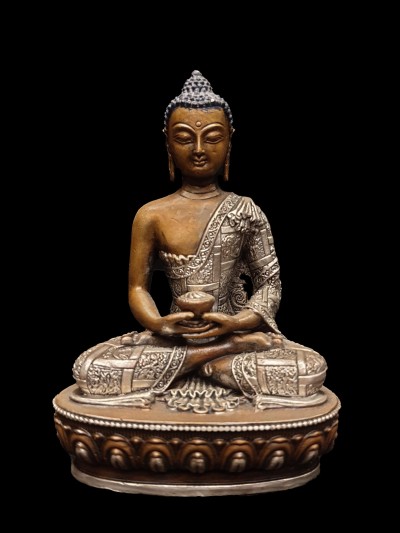
Buddhist Miniature Statue Of Amitabha Buddha, Silver And Chocolate Oxidized
US$ 85.00
25% off
$ 113.00
$ 113.00

45 cm
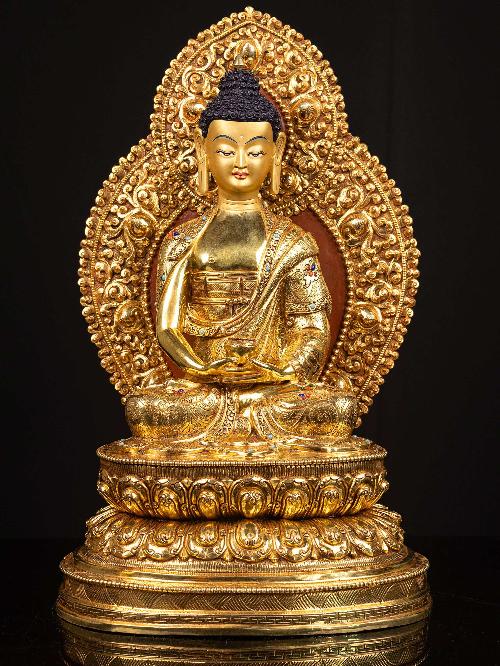
Amitabha Buddha Handmade Statue, Full Gold Plated, Face Painted
US$ 3,460.00
25% off
$ 4,608.00
$ 4,608.00