

Loading Content..
Please wait...
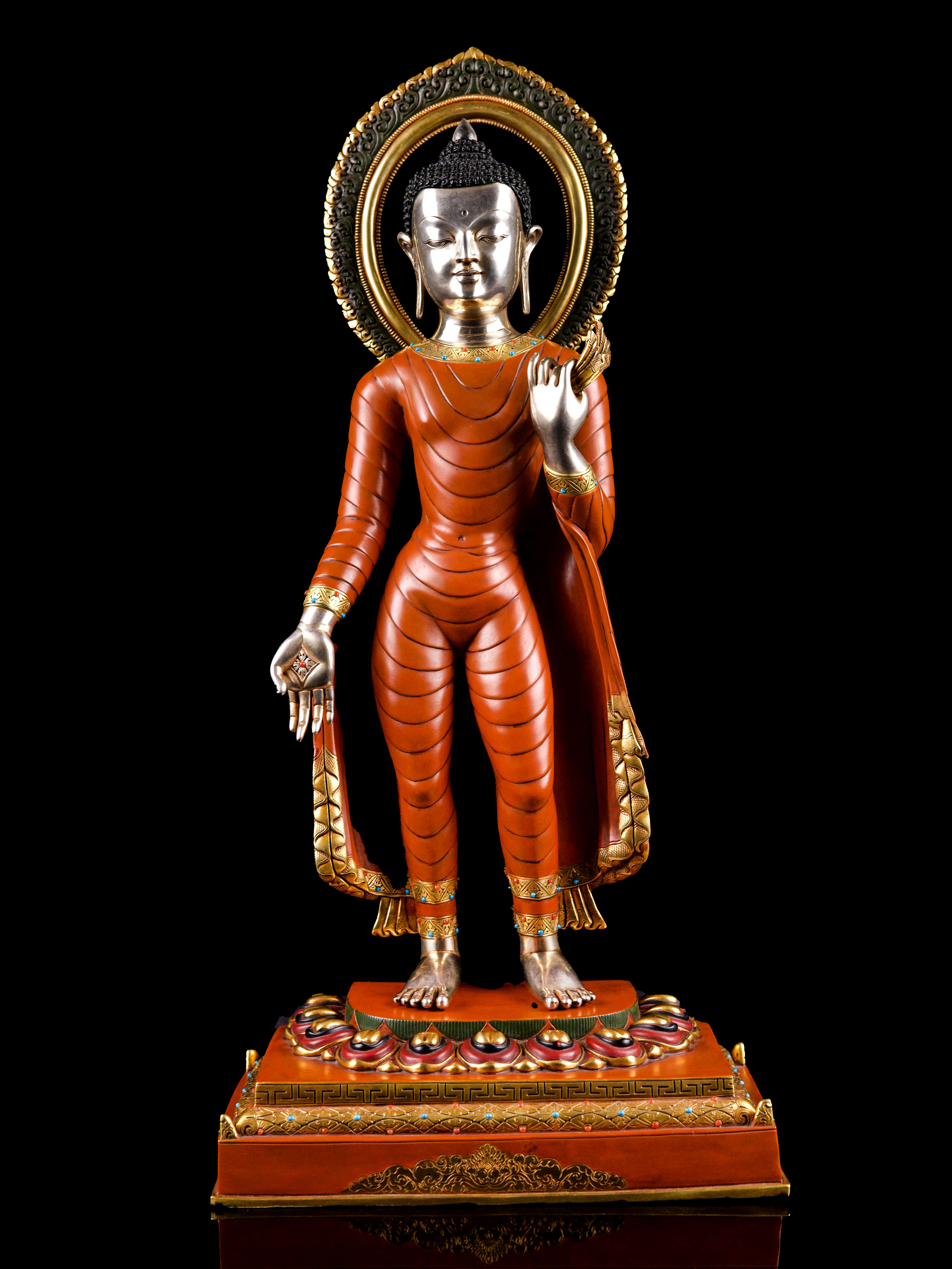
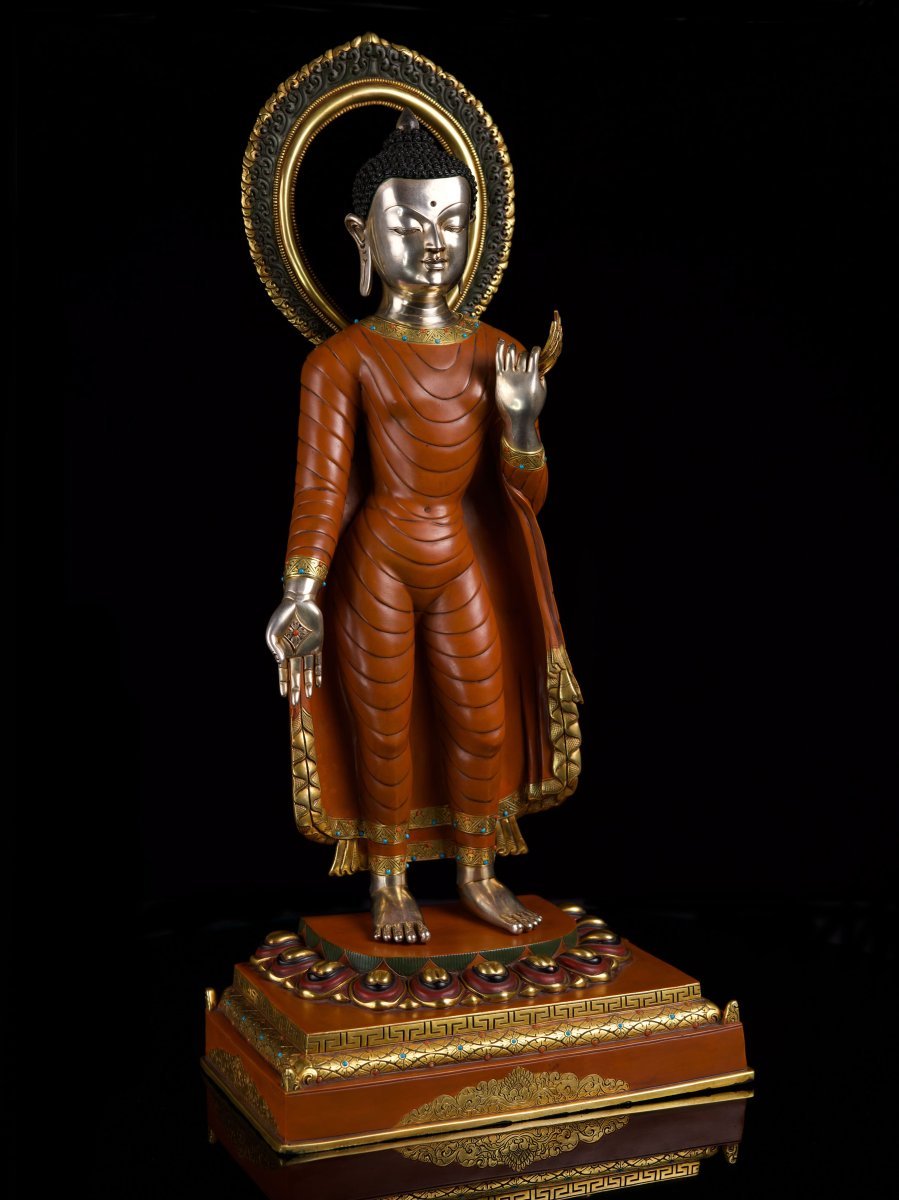
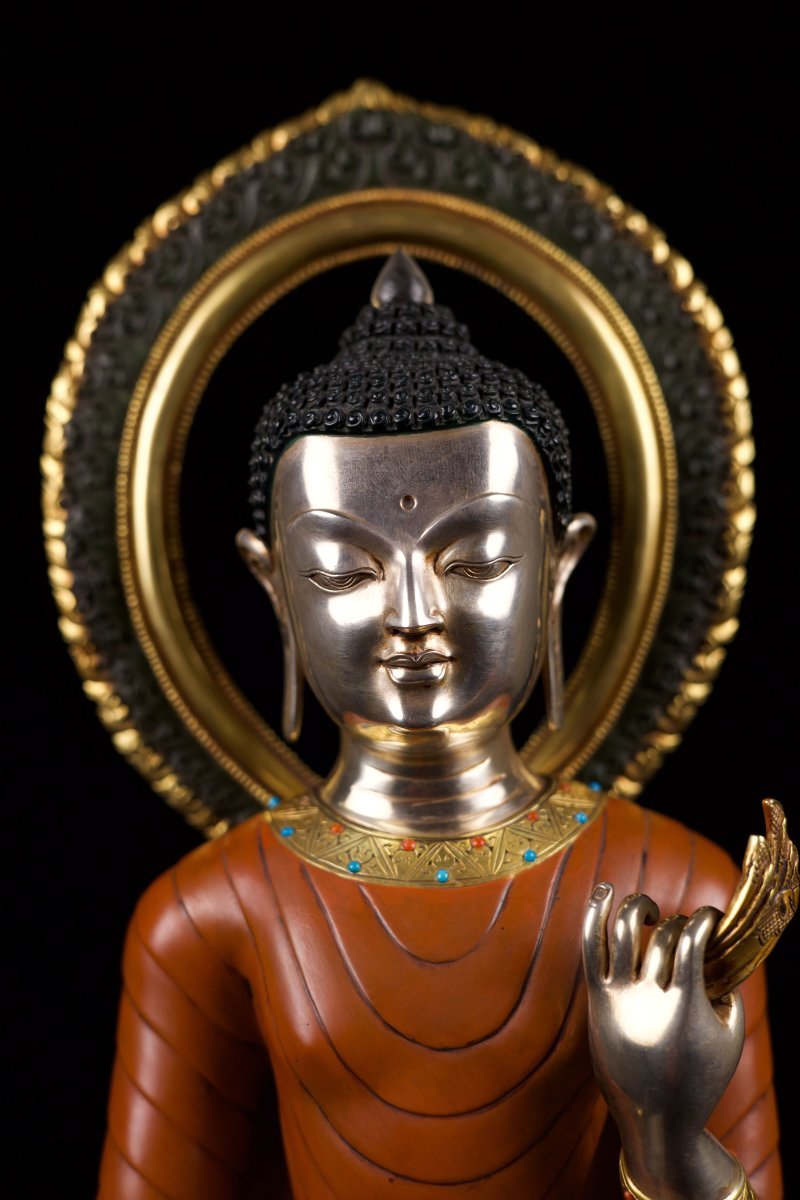
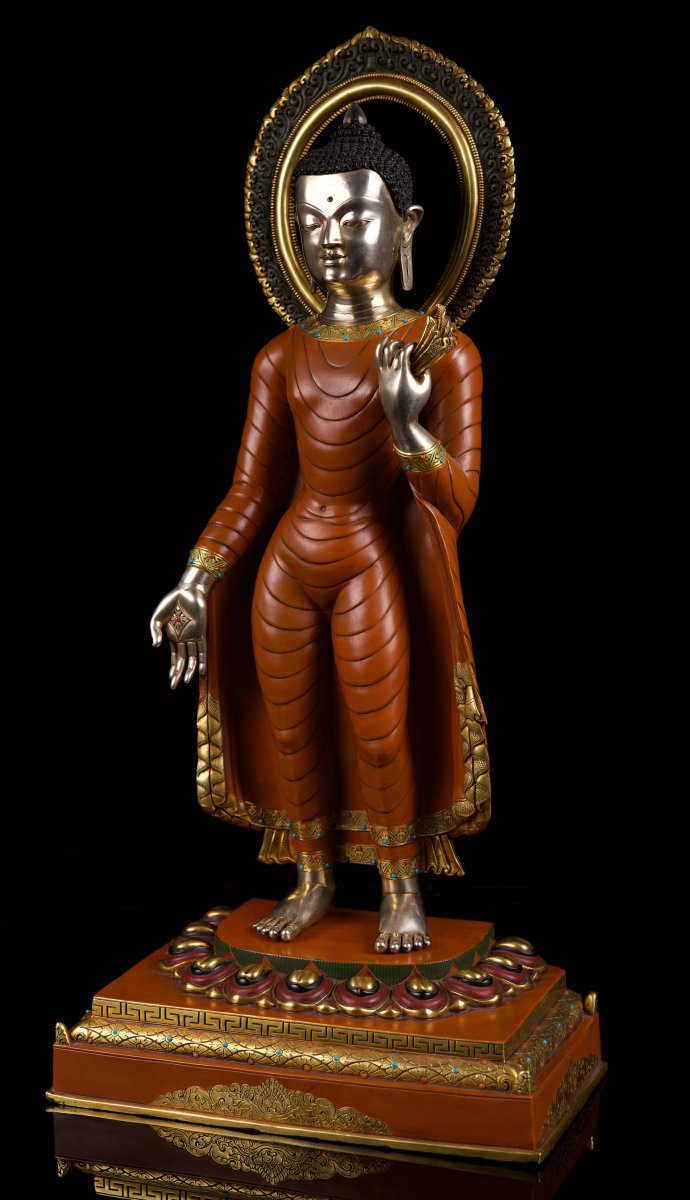
Dipankara Buddha Buddhist Statue with Thangka Color Finishing , Buddha of the Past, Symbol of Light, Guidance, and the Path to Enlightenment
Marme Ze
Ranjue Fo
Nento Butsu
|
|
Product Specification |
|
| Code | HME36345 |
| Size |
Height 19cm (7") Width 25cm (10") Depth 13cm (5") |
Weight | 5.88 kg - 12.95 lbs |
| Material | Copper |
| Availability | Available |
Order configuration (Optional)
Filling & Blessing
HIDE Select Option
Click Here to View All Option and Prices

Select

Select

Select

Select
Statue Finishing
HIDE Select Option
Click Here to View All Option and Prices

Select

Select

Select

Select

Select

Select

Select

Select

Select

Select

Select

Select

Select

Select

Select

Select

Select

Select

Select

Select

Select

Select

Select

Select

Select

Select

Select

Select

Select

Select

Select

Select

Select

Select

Select

Select

Select

Select

Select

Select
| Quantity | PCS |
US$ 9,180.00
$ 10,800.00 -15% off
Shipping Cost
|
| Price Adjustment [ Discount Ends in : 5 days ] |
||
Shipping Calculation
weight of 1 Pcs of the product is 6 kg and will cost USD $ 90.00
-
Item location: kathmandu, Nepal
Worldwide shipping - Dispatch
-
We normally dispatch the product in 2-5 business days. Else Buyer will be infromed personally about the dispatch Date.
- Payment
- Paypal | Credit - Debit Card | Bank Transfer | See More
- Return
- 7 days money back, buyer pays return shipping
Welcome to Handmade Handicraft
At Handmade Handicraft, we prioritize simplicity, reflected in our user-friendly website design. We have streamlined the process so everything you need is just a click away.
While our website does not support online shopping, we've incorporated a convenient shopping cart system to assist you in sending us your inquiries. Please note, we do not process payments on our site. All transactions will be handled via email, respecting the inquiries you submit.
Should you encounter any issues while submitting your inquiries, please contact us via mobile app, email, or follow the procedure outlined below. We've provided documentation to guide you through the selection process.
selecting Procedure
In every product you will find Order Now and Quick Inquiry buttons, they are the two process of sending us your enquiry.
If you have any questions or need assistance, please don't hesitate to reach out to us. We are here to help you with your inquiries and ensure a smooth experience.
599
Dipankara Buddha
Dīpankara is one of the Buddhas of the past, said to have lived on Earth one hundred thousand years.
Theoretically, the number of Buddhas having existed is enormous and they are often collectively known under the name of "Thousand Buddhas". Each was responsible for a life cycle. According to some Buddhist traditions, Dīpankara (also Dīpamkara) was a Buddha who reached enlightenment eons prior to Gautama,
Generally, Buddhists believe that there has been a succession of many Buddhas in the distant past and that many more will appear in the future; Dīpankara, then, would be one of numerous previous Buddhas, while Gautama was the most recent, and Maitreya will be the next Buddha in the future. Read More
Iconography
Dīpankara is generally represented as a sitting Buddha, but his depictions as a standing Buddha are common in China, Thailand, and Nepal; with the right hand he generally forms a protection mudra (abhaya mudra), and often he forms it with both hands.
Dīpankara is rarely depicted alone; one of the Buddhas of Bamyan, destroyed by the Taliban government in Afghanistan in 2001, was said to portray Dīpankara. Statues of Dīpankara can also be found in the Longmen and Yungang Grottoes in China.
He is generally depicted with two Bodhisattvas, Manjushri and Vajrapani (common in Java) or Avalokiteshvara and Vajrapani (common in Sri Lanka); or with the Buddhas who come after him, Gautama and Maitreya.
Prediction
One story shown in Buddhist art stupas has Gautama Buddha in a former incarnation known as Sumedha, a rich Brahmin turned hermit kneeling and laying his long black hair on the ground, in an act of piety that the Dīpankara Buddha could cross a puddle of mud without soiling his feet. This story between Dīpankara Buddha and Shakyamuni, occurred many lifetimes before Shakyamuni's eventual enlightenment. From this act, Dīpankara told Sumedha "In the ages of the future you will come to be a Buddha called 'Shakyamuni'", to which Sumedha replied, "I am to become a Buddha, awakened to enlightenment; may you tread with your feet on my hair - on my birth, old age, and death." Dīpankara Buddha then said, "Freed from human existence, you will become an effective teacher, for the sake of the world. Born among the Shakyas, as the epitome of the Triple World, the Lamp of all Beings, you will be known as Gautama. You will be the son of King Suddhodana and Queen Maya. Shariputta and Moggallana will be your chief disciples. Your caretaker will name as Ananda."
In the 40-plus years of his life after enlightenment, the Buddha Shakayamuni is said to have recounted almost 554 past life stories, (called Jataka tales) of his prior existences. Gautama Bodhisattva is quoted as saying a person starts the journey to become a Buddha filling 10 Paramita or "perfections". Some sources and scriptures recount that Shakayamuni Buddha was born in the time of Dīpankara Buddha, and was rich and gave away all his wealth to become a Monk. It is said that Gautama Bodhisattva received his first Niyatha Vivarana, (or definite foresighting by a Buddha) from Dīpankara Buddha. This encounter, among many other predictions of Shakyamuni Buddha's future enlightenment, can be found in a Mahayana text named the Sangatha Sutra
About Color Finishing
The Dipankara Buddha is adorned with traditional colors, creating a captivating aesthetic through a combination of gold and various hues. This painting technique follows a time-honored process that aims to faithfully represent the Dipankara Buddha in accordance with traditional color descriptions. In the context of Buddhist statues, this approach holds great significance. Each statue has its own primary color, and it is crucial to depict the statue in its authentic shade. Read More
Lost-Wax System
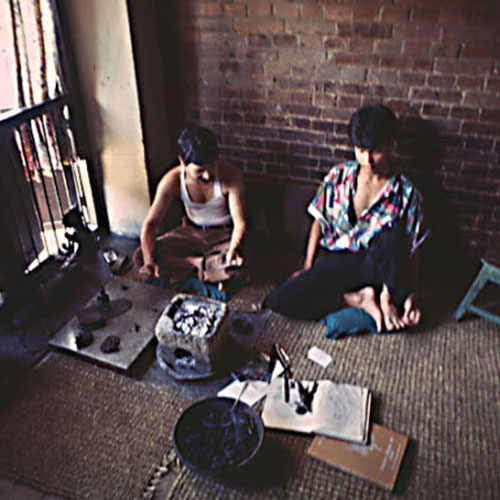
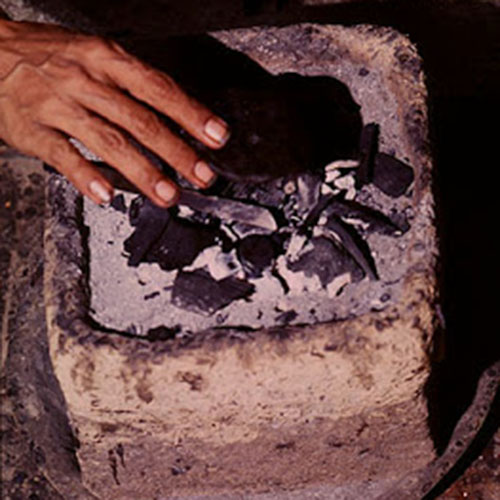
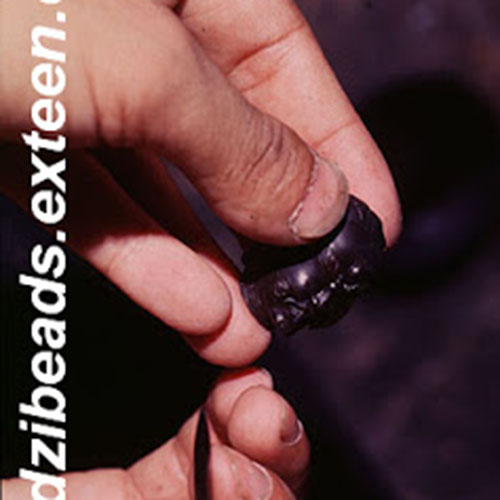
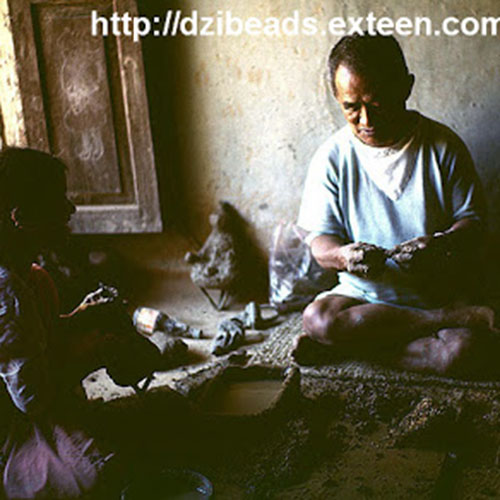
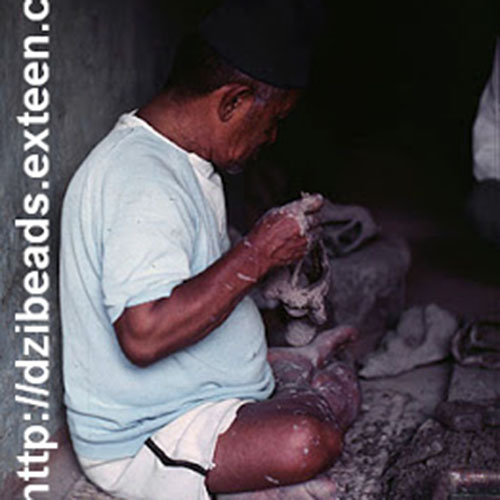
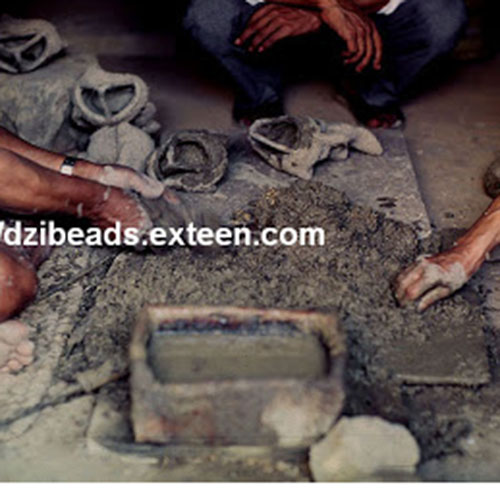
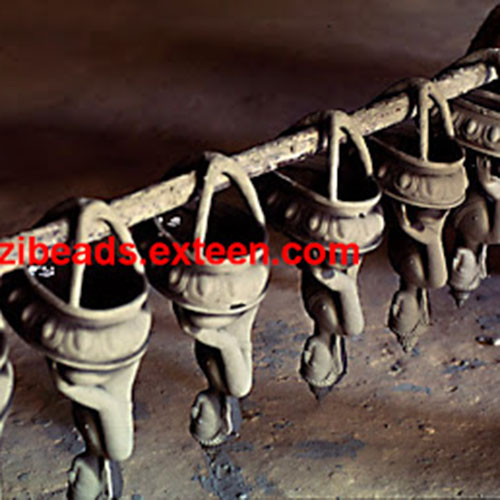
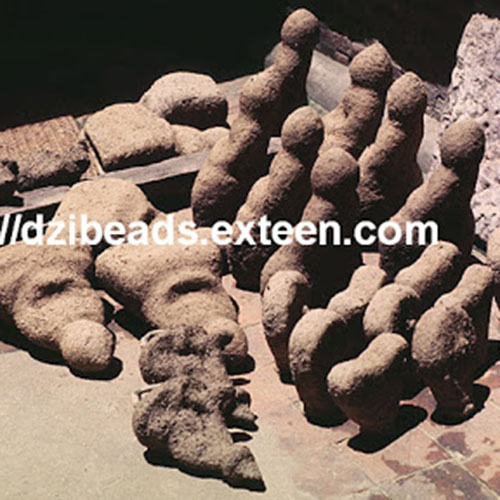
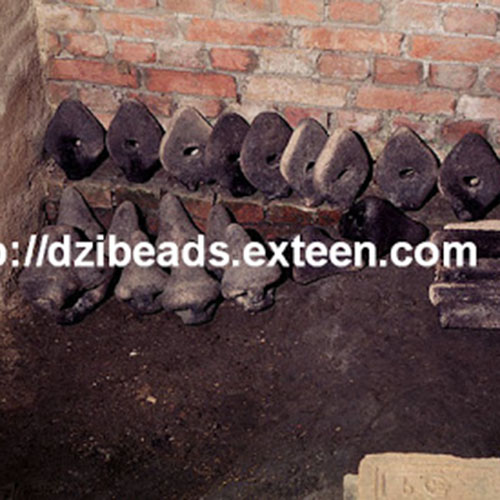
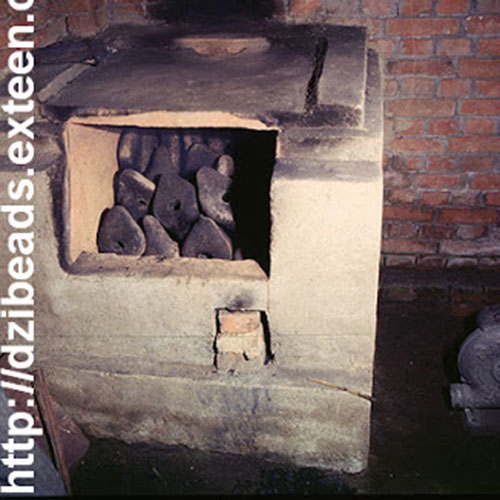
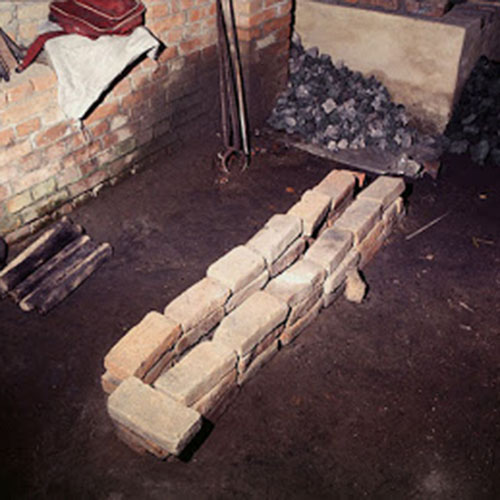
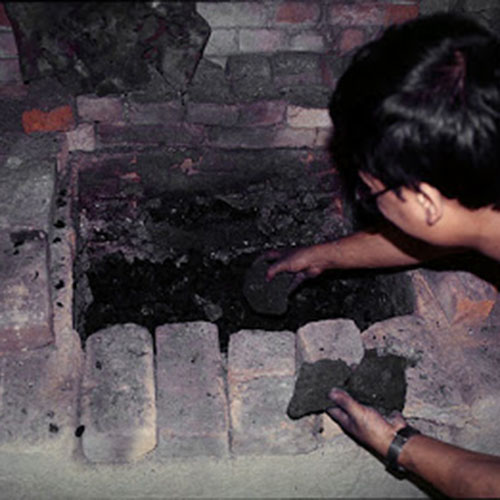
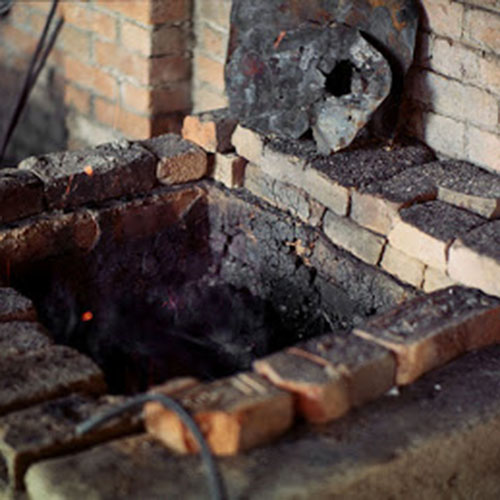
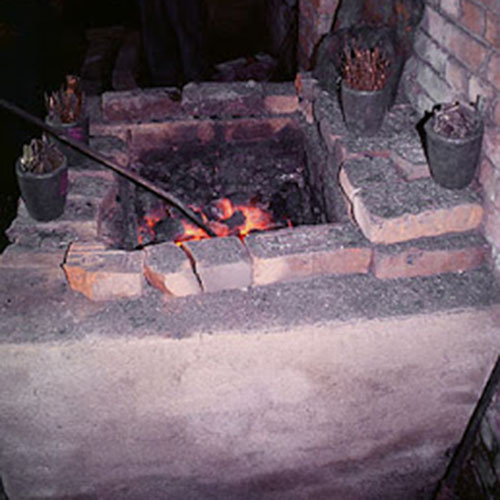
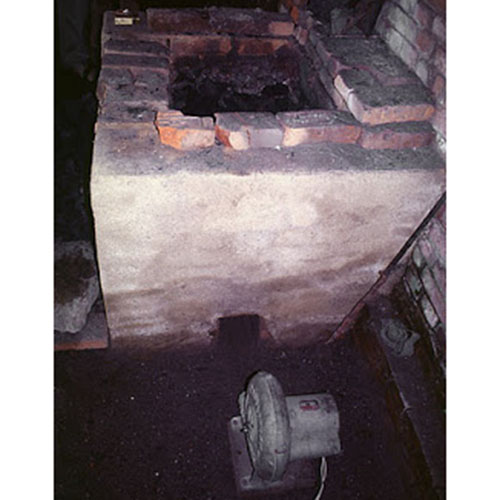
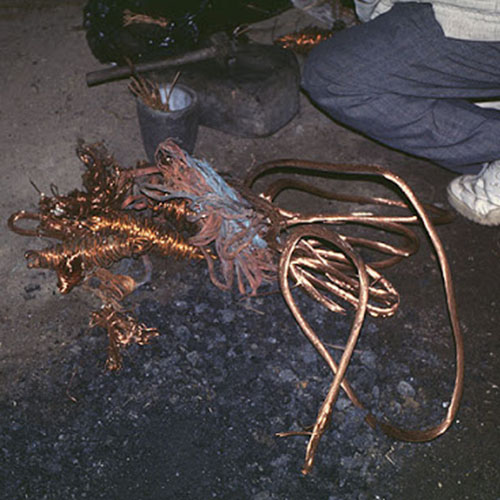
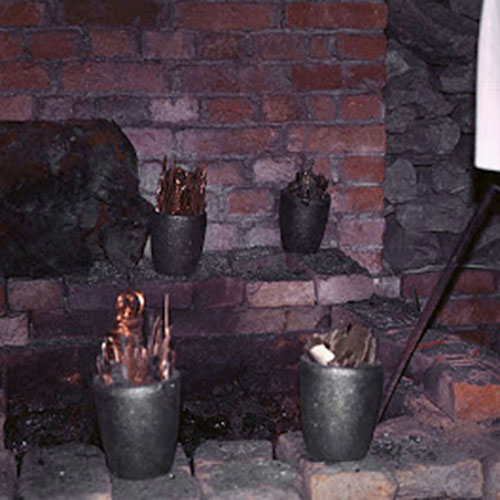
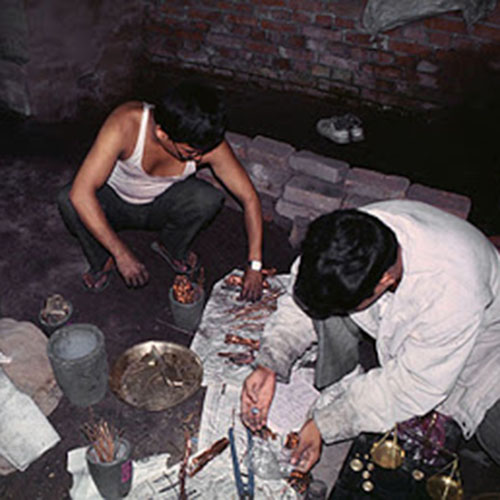
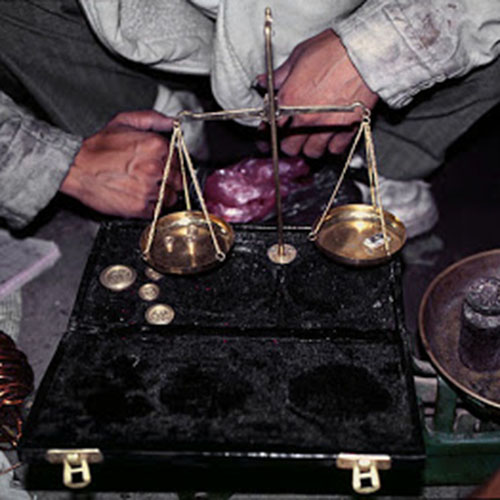
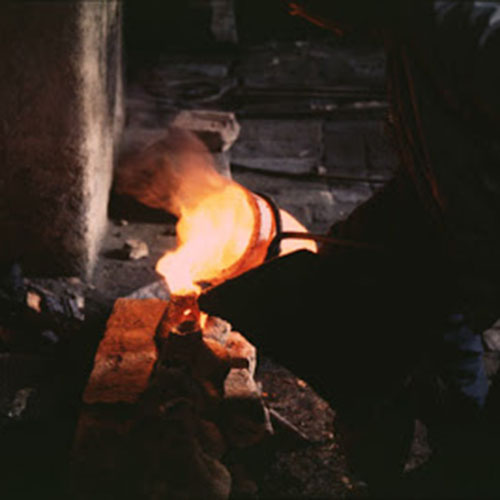
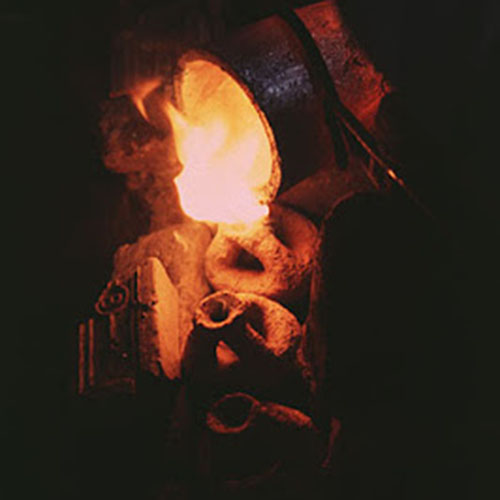
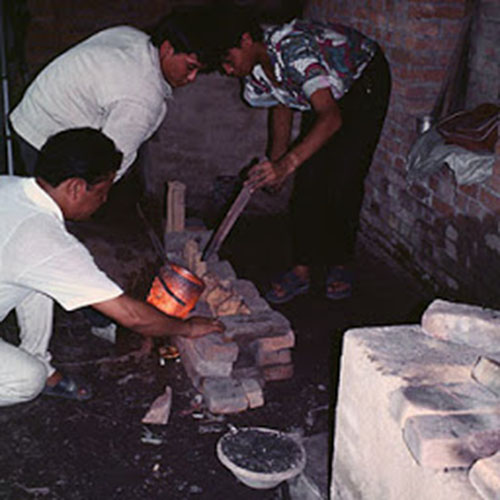
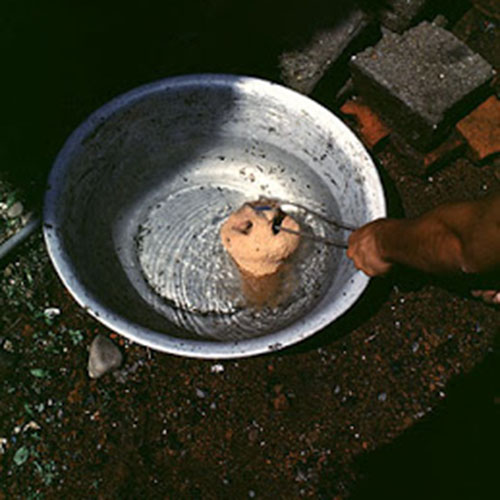
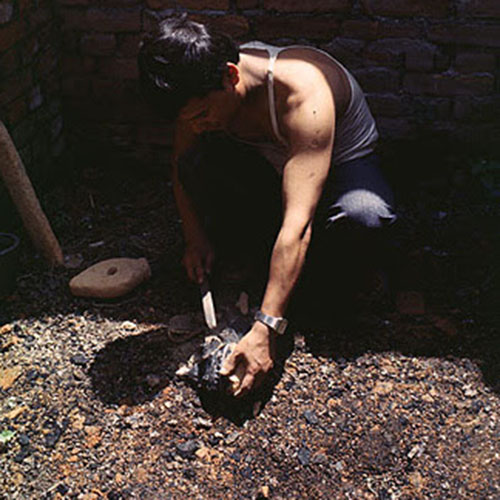
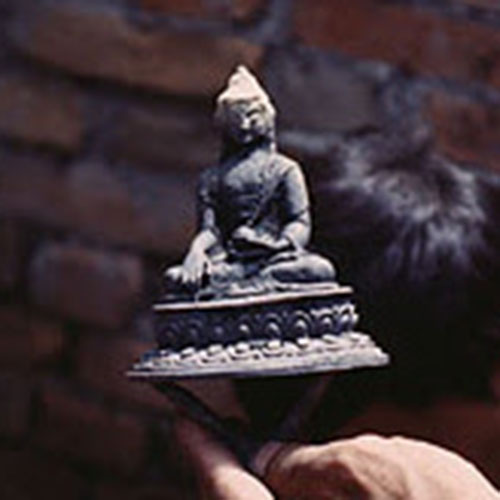
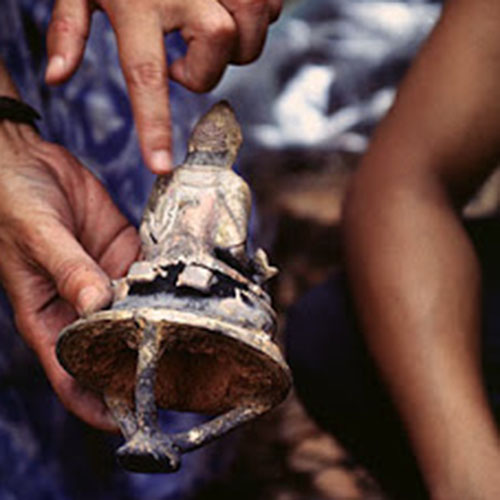
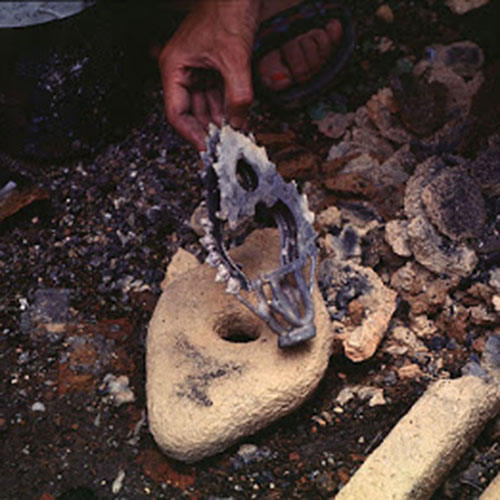
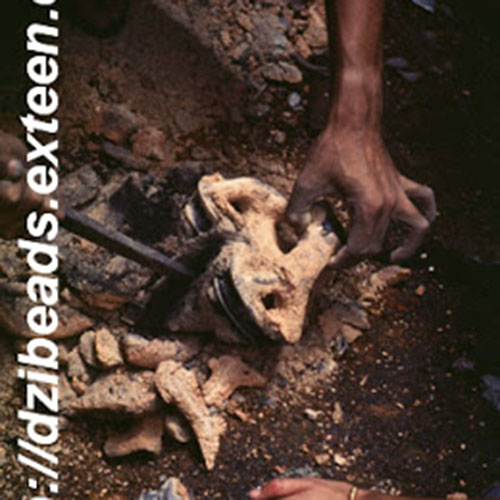
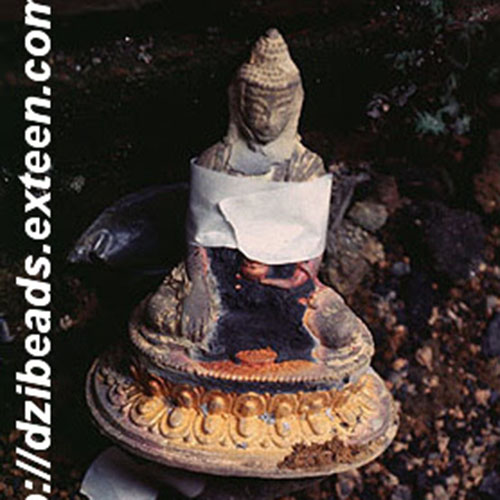
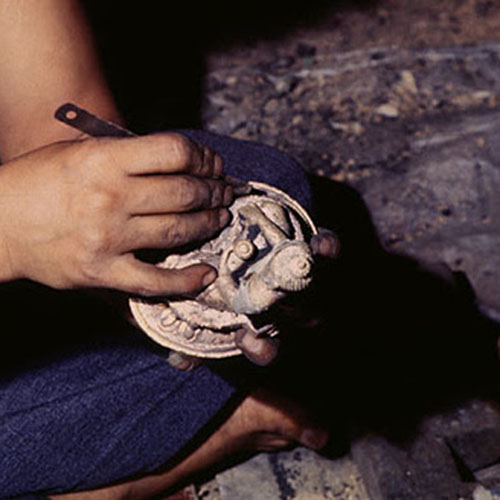
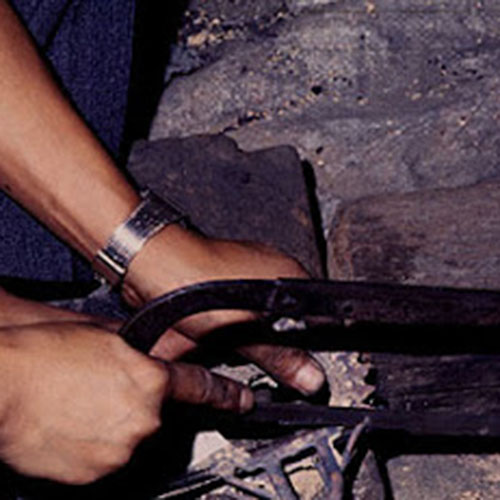
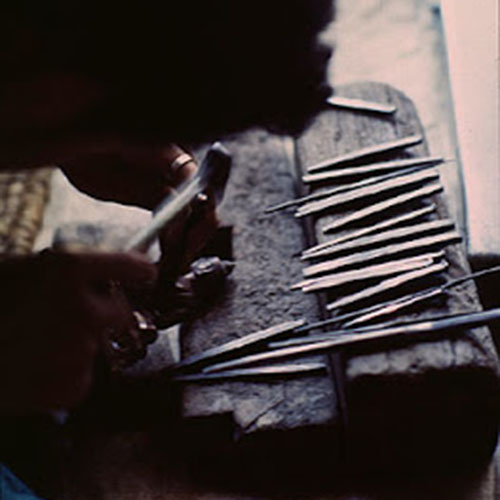
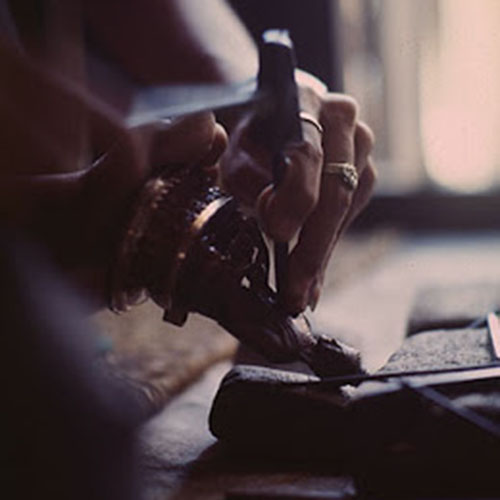
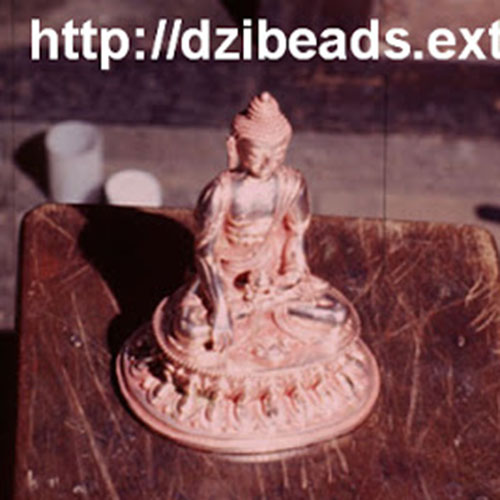
This Dipankara Buddha is made by the process of the Lost-Wax system. The lost-wax process, also known as investment casting, is a time-honored technique used to create metal sculptures. It involves several steps that have been practiced for thousands of years. Skilled artisans begin by sculpting a detailed wax model, capturing every intricate detail of the desired sculpture. The wax model is then coated with a ceramic shell, formed by multiple layers of ceramic material. Once the shell has cured, the wax is melted and drained out, leaving behind a cavity. Molten metal is poured into the cavity, creating a precise replica of the original wax model. After the metal has cooled and solidified, the ceramic shell is carefully removed, revealing the final metal sculpture. Read More
Related Products

14 cm
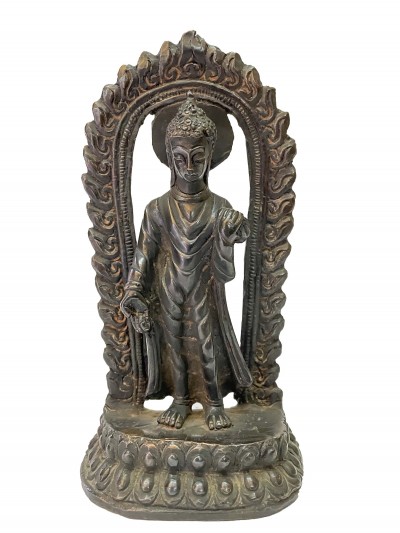
Old Nepali Handmade Statue Of Dipankara Buddha Chocolate Oxidized
US$ 170.00
15% off
$ 200.00
$ 200.00

47 cm
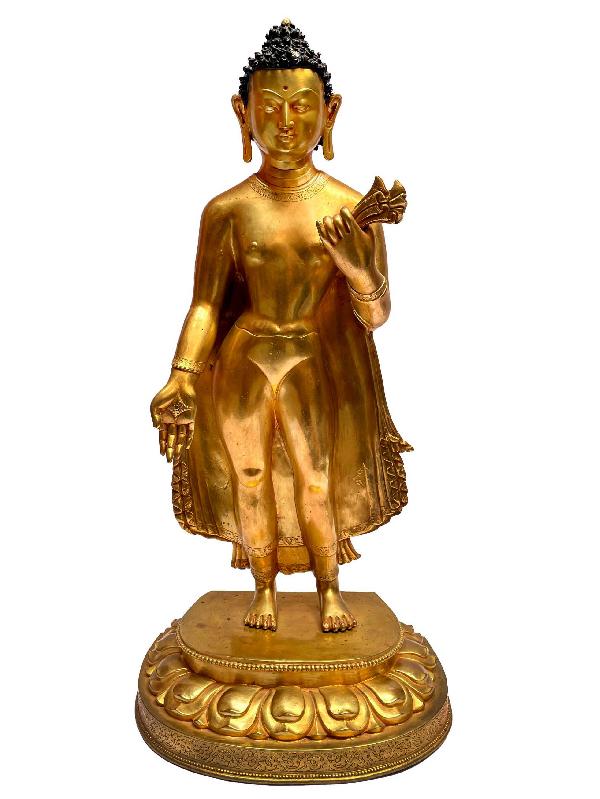
Master Quality, Buddhist Statue Of Dipankara Buddha, Full Gold Plated
US$ 1,700.00
15% off
$ 2,000.00
$ 2,000.00

21 cm
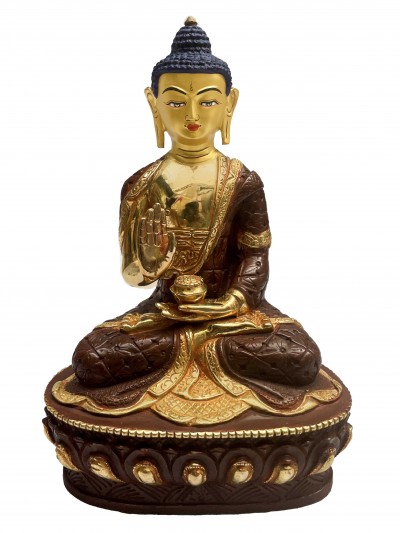
Buddhist Statue Of Dipankara Buddha, Partly Gold Plated, Face Painted
US$ 150.00
15% off
$ 180.00
$ 180.00

11 cm
Dipankara Buddha, Buddhist Miniature Statue, Chocolate Oxidized, With Carving, Musem Copy
US$ 140.00
15% off
$ 163.00
$ 163.00