Array
(
[country] => United States
[mode] => Standard
[buying_id] => 17769092092461
[c1] => show
[c2] => show
[c3] => show
[c4] => show
[c5] => show
[c6] => show
[c7] => show
[c8] => show
[c9] => show
[c10] => show
[c11] => show
[c_trigger] => no
)
At Handmade Handicraft, we prioritize simplicity, reflected in our user-friendly website design. We have streamlined the process so everything you need is just a click away.
While our website does not support online shopping, we've incorporated a convenient shopping cart system to assist you in sending us your inquiries. Please note, we do not process payments on our site. All transactions will be handled via email, respecting the inquiries you submit.
Should you encounter any issues while submitting your inquiries, please contact us via mobile app, email, or follow the procedure outlined below. We've provided documentation to guide you through the selection process.
selecting Procedure
In every product you will find Order Now and Quick Inquiry buttons, they are the two process of sending us your enquiry.
If you have any questions or need assistance, please don't hesitate to reach out to us. We are here to help you with your inquiries and ensure a smooth experience.
For Business ordering standard quantity
This website has been designed to incorporate retail and wholesale pricing in one place. You can increase or decrease the quantity based on which you will be provided with suitable prices instantly.
For Business ordering Bluk quantity [Above 100 pcs]
This is not a direct shopping website. So no payments are needed for placing an order. Please feel free to send us an order for the product you are interested in, mentioning the approximate quantity. Based on which we will send you a wholesale price quotation.
Code : 298-300
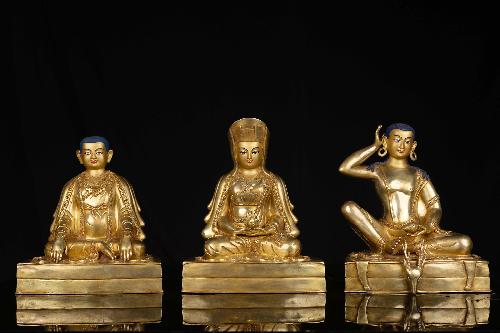
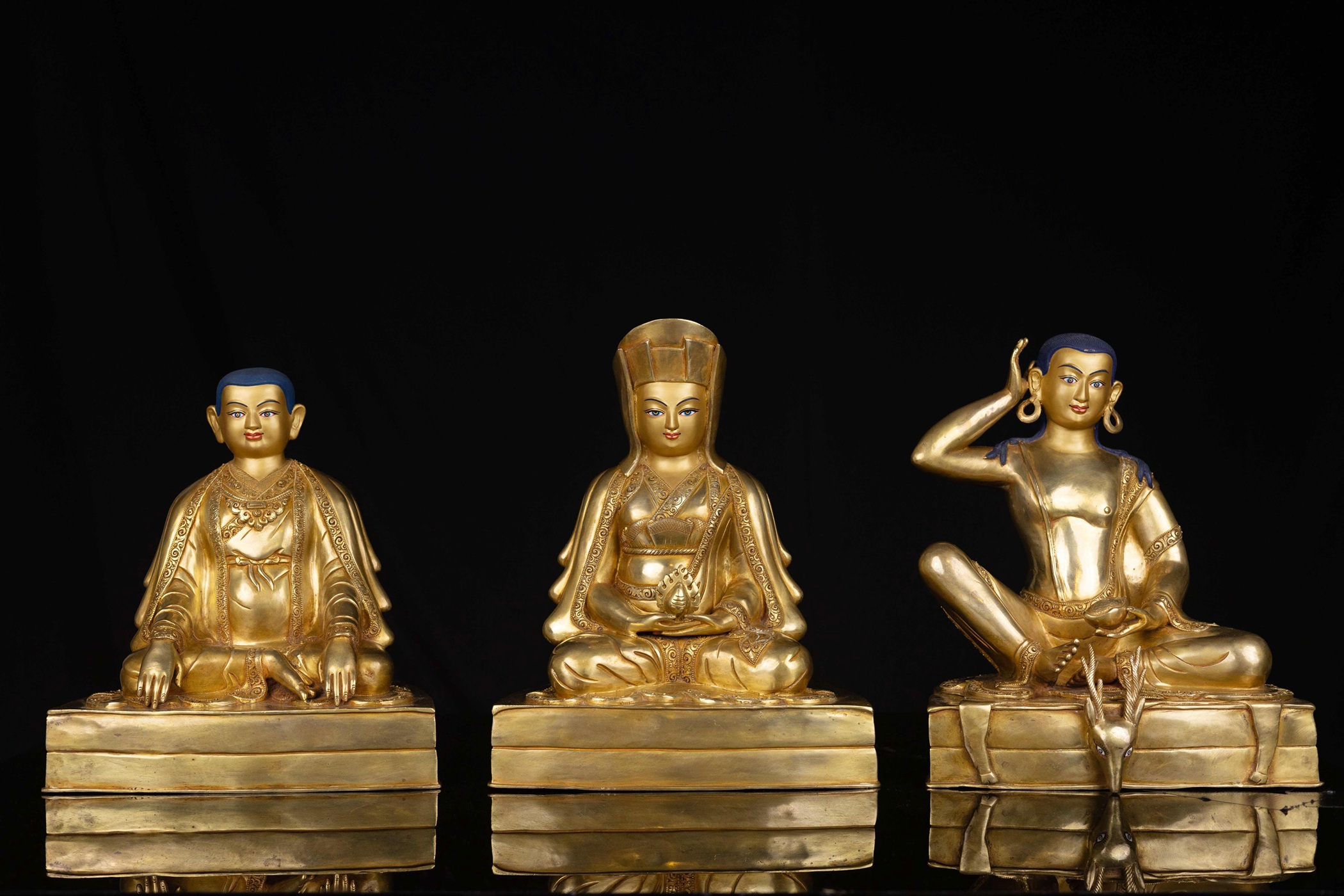
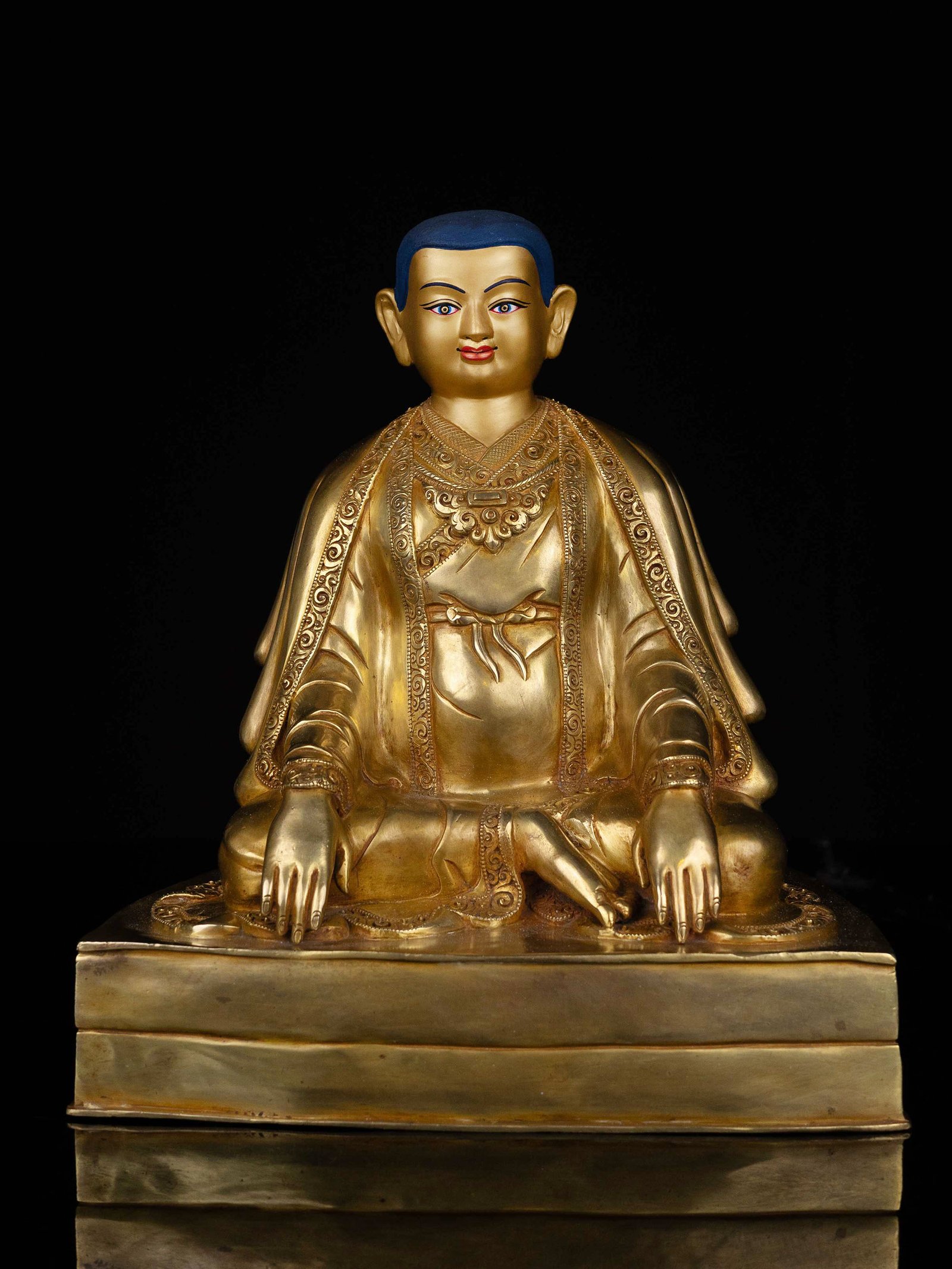
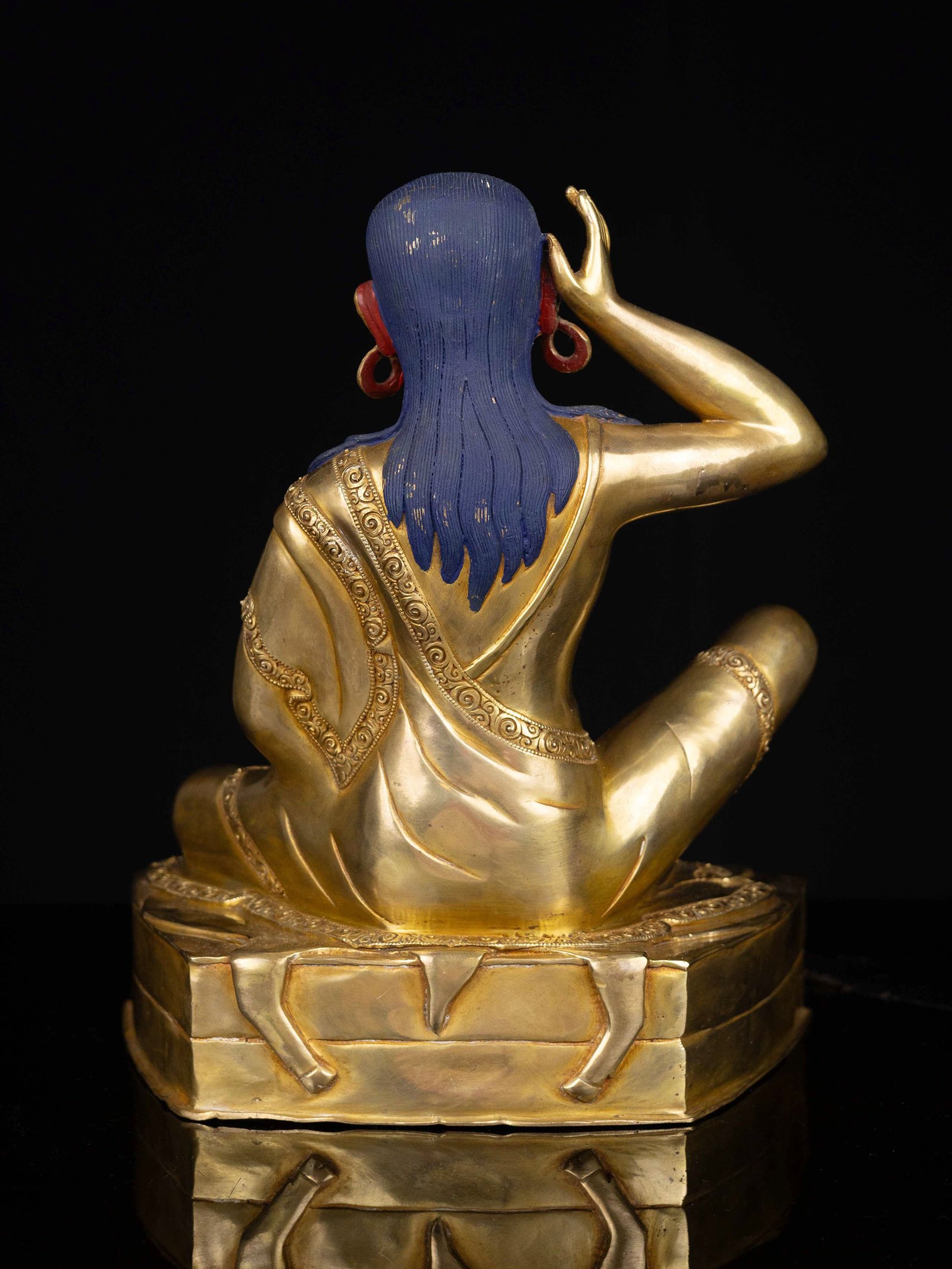
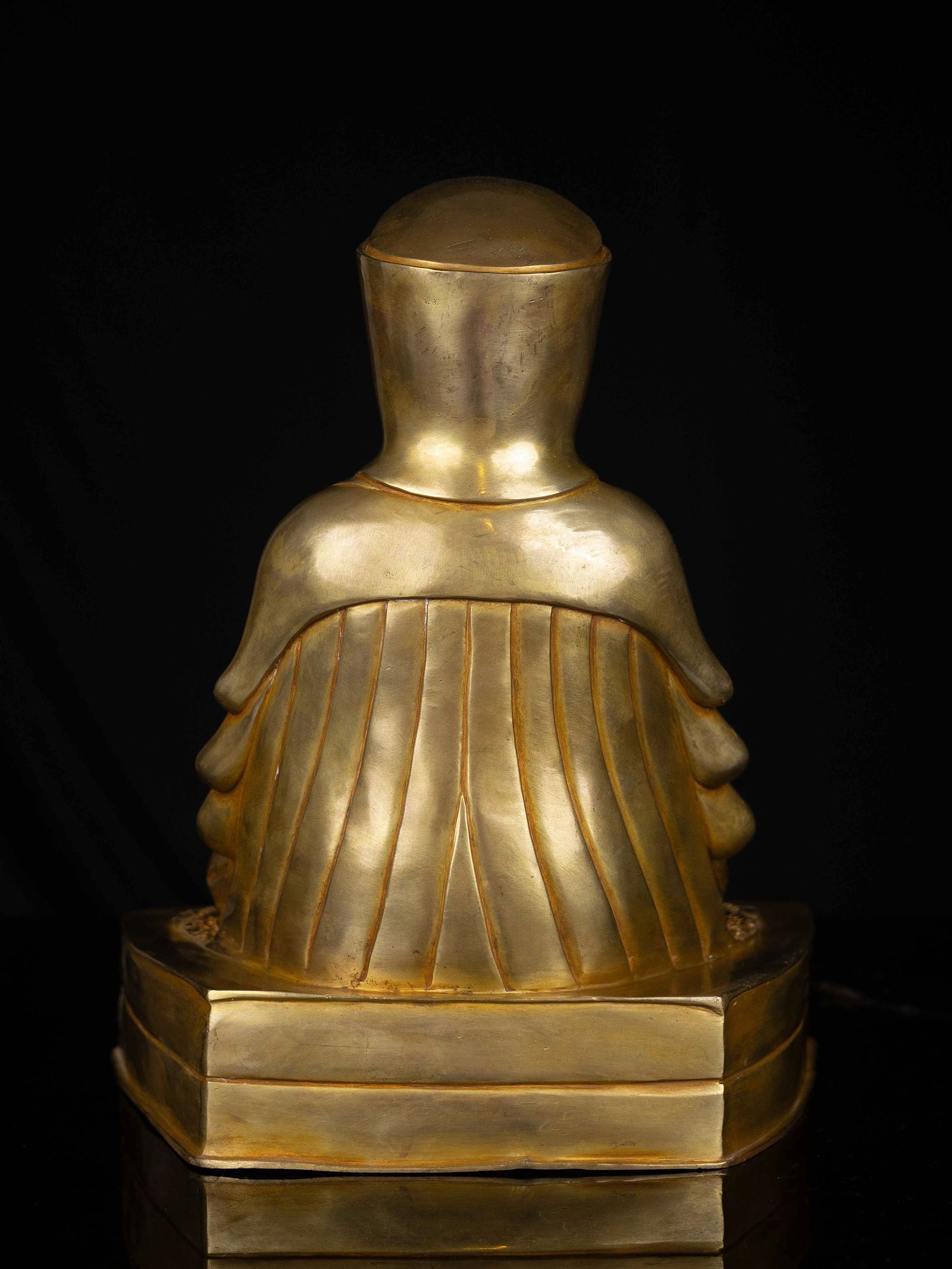
Three Kayug Masters
The Three Kagyu Masters—Tilopa, Naropa, and Marpa—form the foundational transmission lineage of the Kagyu school of Tibetan Buddhism, often referred to as the "Lineage of Oral Transmission." These realized beings passed down profound teachings of Mahamudra and Vajrayana through unbroken lineage, with deep emphasis on direct experience, personal realization, and devotion.
Read More
Legacy
The Three Kagyu Masters are more than historical figures—they represent the living flame of direct transmission, spiritual courage, and realization beyond form. Their legacy continues in the Kagyu schools, including the Karma Kagyu, Drikung Kagyu, and Drukpa Kagyu.
NAROPA
: About Naropa
Naropa lived in India about 900 years ago. Naropa was a great learned man versed in Sutras, Tantras and many other ancient lores. During Naropa stay in the famous Nalanda monastery his intellectual accomplishment was foremost and without any match. But Naropa intellectual pride was humbled by an old lady who was an emanation of Vajrayogini. At that time, she also suggested him to consult Tilopa for the real understanding of Mahamudra.
Naropa searched for Tilopa exerting much effort. His arduous search and devotion to Tilopa has become a legend in itself. Naropa found Tilopa by the bank of a river. He was dressed like a mad man and was eating fish which was unusual for a holy man. Naropa underwent training under him for about twelve years and received the inner transmission of Mahamudra practice. Guru Naropa profound Mahamudra teachings was received by Tilopa directly from Buddha Vajradhara. Naropa is generally dressed in the white lower garments of a yogi. Naropa body is of an ash colour like that of a wandering mendicant. Naropa left hand holds a skull cup filled with nectar and his right hand shows varada mudra. Naropa sits in Lalitasana posture under an antilope mat. Naropa wears a meditation band on his waist.
Read More
Tilopa
: Brief Introduction
Tilopa belonged to the tantric Kagyu lineage of Tibetan Buddhism.
As a tantric practitioner and mahasiddha, he lived along the Ganges River. In order to accelerate the process of attaining Buddhahood, he practiced Anuttarayoga Tantra, a set of spiritual practices designed to accelerate the attainment of Buddhahood. He became a holder of all the tantric lineages, possibly the only person in his day to do so. As well as the way of insight, and Mahamudra he learned and passed on the Way of Methods, today is known as the 6 Yogas of Naropa, and guru yoga.
Marpa Lotsawa
: Brief Introduction
Marpa Lotsawa (མར་པ་ལོ་ཙཱ་བ་ཆོས་ཀྱི་བློ་གྲོས་, 1012-1097), sometimes known fully as Marpa Chokyi Lodro (Wylie: mar pa chos kyi blo gros) or commonly as Marpa the Translator (Marpa Lōtsawa), was a Tibetan Buddhist teacher credited with the transmission of many Vajrayana teachings from India, including the teachings and lineages of Mahamudra. Due to this the Kagyu lineage, which he founded, is often called Marpa Kagyu in his honour.
Although some accounts relate that the Mahasiddha Naropa was the personal teacher of Marpa, other accounts suggest that Marpa held Naropa's lineage through intermediary disciples only. Either way, Marpa was a personal student of the Mahasiddha Maitripa and of the dakini Niguma.
life Story
Born as Marpa Chokyi Lodro, in Lhodrak Chukhyer in the southern part of Tibet, to an affluent family, he began studying at a young age but was wild and untamed compared to other children. Marpa first received instruction for three years at Mangkhar with Drokmi Shakya Yeshe and mastered Sanskrit. He decided to travel to India to study with renowned Indian Buddhist masters. His first trip to Nepal and India was in the company of Nyo Lōtsawa, whom he attended as a servant. Marpa returned home to Lhodrak and converted his entire inheritance into gold to fund his travel expenses and to make offerings to teachers.
Marpa journeyed first to Nepal where he studied with Paindapa and Chitherpa, two famous students of Naropa. Paindapa later accompanied Marpa to Pullahari, near Nalanda University, where Naropa taught. Marpa spent twelve years studying with Naropa and other great Indian gurus, most prominently Maitripada. After twelve years he set forth on his journey back to Tibet to teach and continue his dharma activities.
Marpa was to travel to India twice more and Nepal three more times and studied with Naropa and other great teachers including Maitripa. He is said to have stayed in the cave at Phugtal Monastery. On his third visit to India, Naropa, who was engaged in tantric practices, proved difficult to find. However eventually Marpa found him and received the final teachings and instructions from Naropa. It was then that Naropa prophesied that a family lineage would not continue for Marpa, but that his lineage would be carried on by his disciples. Marpa now had received the full transmission, so Naropa formally declared Marpa to be his successor although he had other major disciples including Paindapa, Chitherpa, Shri Shantibhadra or Kukuripa, and Maitripa.
Upon his return to Tibet, Marpa spent many years translating Buddhist scriptures and made a major contribution to the transmission of the complete buddhadharma to Tibet. Marpa continued to practice and give teachings and transmissions to many students in Tibet. After his second visit to India Milarepa became his disciple. After the death of Marpa's son, Darma Dode, Milarepa inherited his lineage in full. Marpa lived with his wife Dakmema and their sons in Lhodrak in the southern part of Tibet. Marpa is said to have founded Stongdey Monastery in Zanskar in 1052 CE.
A traditional depiction of Marpa painted on a rock on Holy Isle, Firth of Clyde
Lotsawa Marpa Chokyi Lodro, (1012-1097)
Read More
Gold Painted Face
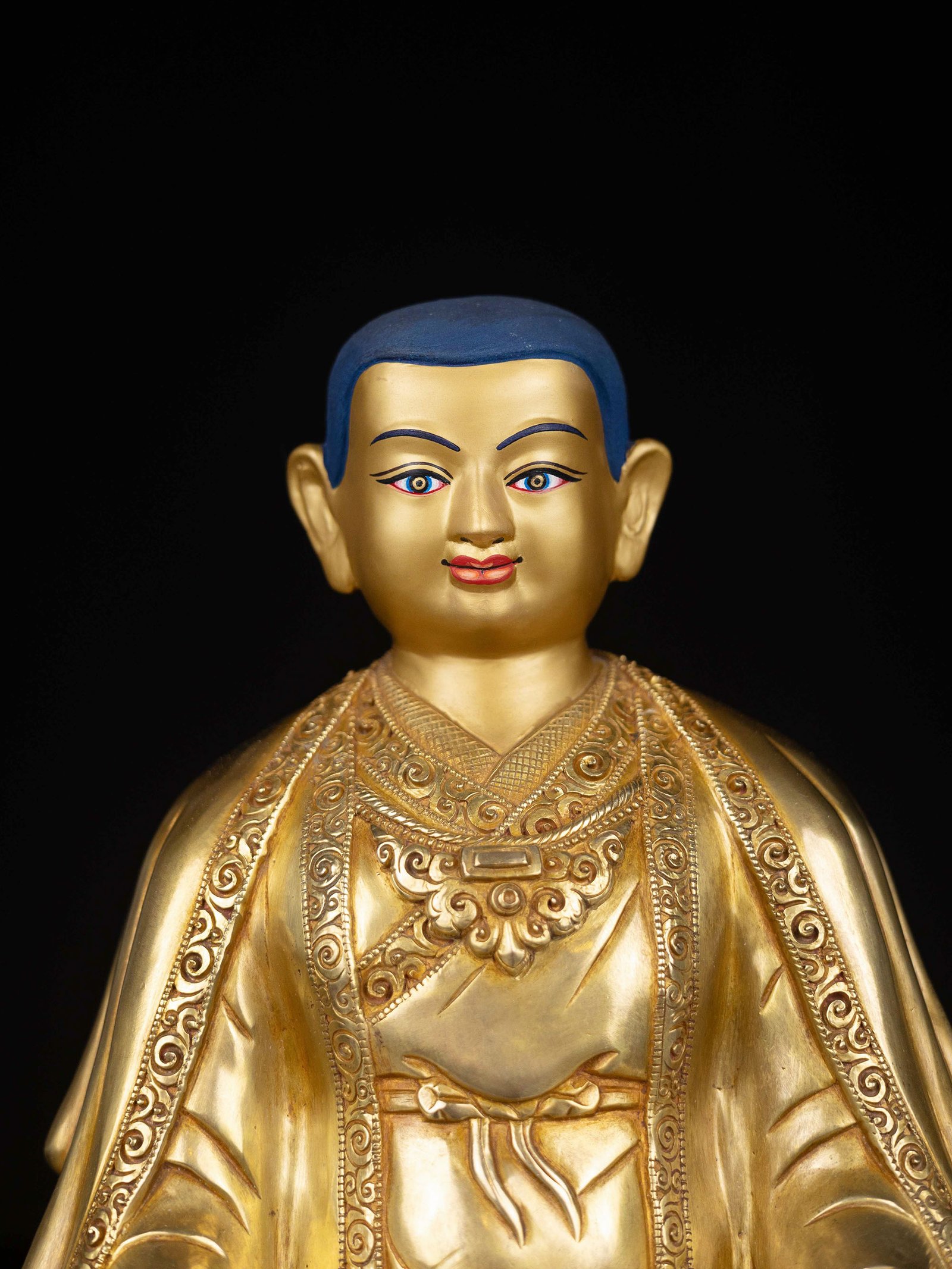
The face of Three Kayug Masters is painted with gold to enhance its significant features, particularly the eyes, and lips. This detailed painting is essential as it brings forth the crucial attributes of the expression of eyes and lips that metal carving alone cannot capture.
Moreover, the painted face serves as a symbolic and sacred ritual in Buddhism, preparing the statue for consecration and practice. The act of painting the face with gold in Buddhism holds deep meaning. It represents the intention to bring life and expression to the statue, imbuing it with a sense of vitality and presence. The application of gold on the face showcases the devotion and craftsmanship of the artisans, ensuring that every detail is carefully attended to honor the sacred essence of the Three Kayug Masters.
Protecting the Face
In the process of painting the face, a special variation of gold is utilized. This variation is transformed into a powder form that can be applied as paint. The gold used is believed to be 100% pure, enhancing the reverence and spiritual significance associated with this practice.
As the face is painted it is highly recommended that the face of the statue is to be greatly taken care of as it requires a very professional and skilled face artist to repair the face of dirt and damages. Commonly to protect it from damage, the statue with painted face is placed under a glass box and it is always covered with a cotton face mask if it has to be moved
Video of Face Painting
Read More
Full Fire Gold Plating
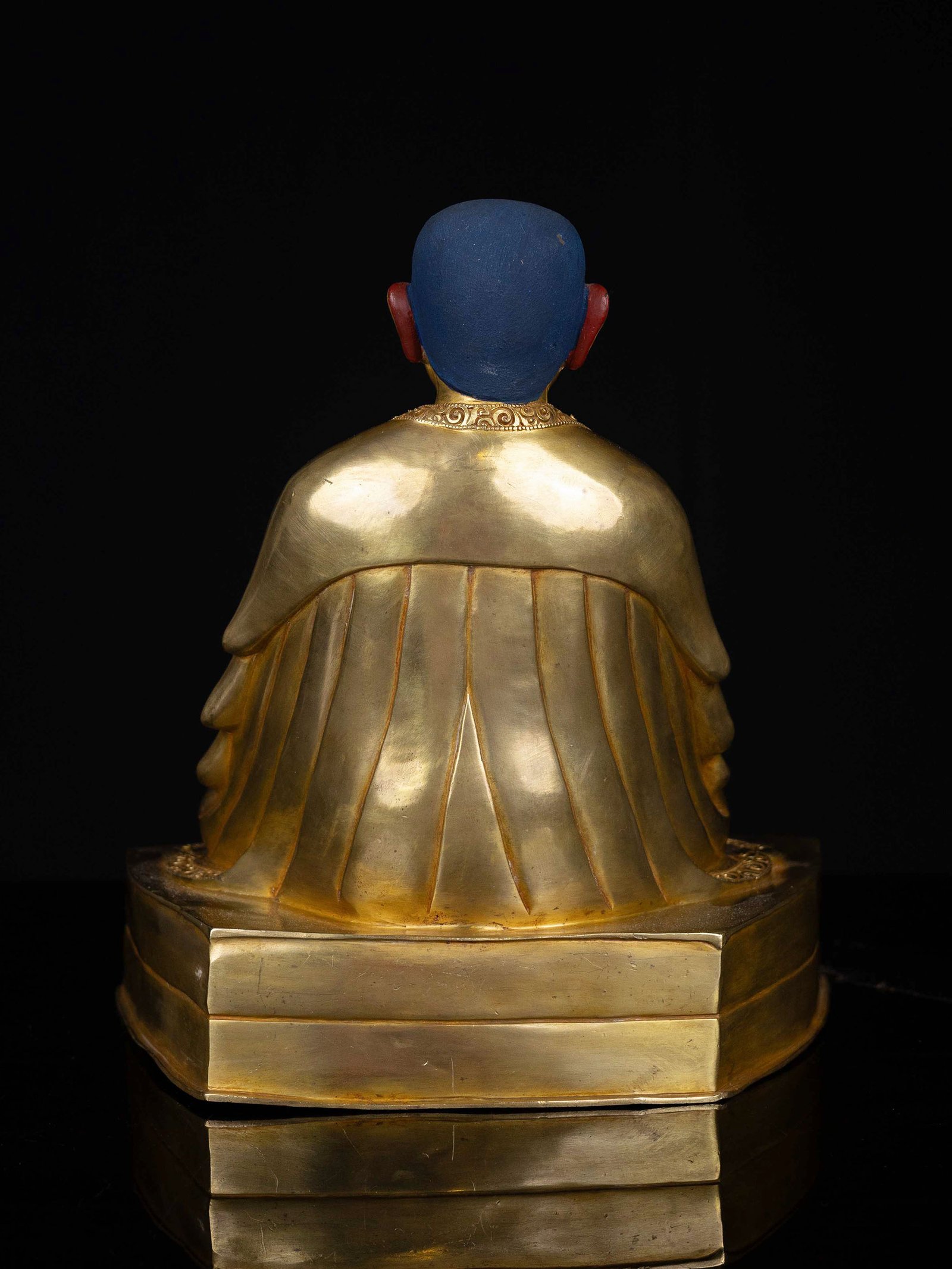
This Three Kayug Masters is finished with full gold plating. also known as mercury gold plating or fire gold plating. This traditional technique involves the application of a genuine layer of gold onto the Three Kayug Masters. Referred to as mercury gold plating, it is considered the correct and authentic form of gold plating in Nepal. Despite being more expensive than electroplating, this traditional mercury gold plating is gaining popularity again in Nepal. People are drawn to its authenticity, longevity, and the unmatched beauty it brings to the Three Kayug Masters. The resurgence of interest in this traditional form of gold plating reflects a growing appreciation for the craftsmanship and cultural heritage of Nepal
Mercury gold plating is a time-honored process where a real layer of gold is carefully applied to the Three Kayug Masters. Skilled artisans expertly handle the amalgamation of gold with mercury, ensuring precise application and stunning results. This method not only imparts a rich and lustrous appearance to the Three Kayug Masters but also enhances its durability, allowing the gold plating to last for an extended period.
Detailed Description of Mercury Gilding
The process of Fire Gold plating is both time-consuming and intricate, requiring skilled artisans to carefully apply the gold layer using specialized tools and techniques. Despite the labor-intensive nature of the process, the end result is a stunning work of art that is sure to impress anyone who sees it.
Source wikipedia
Fire-gilding or Wash-gilding is a process by which an amalgam of gold is applied to metallic surfaces, the mercury being subsequently volatilized, leaving a film of gold or an amalgam containing 13 to 16% mercury. In the preparation of the amalgam, the gold must first be reduced to thin plates or grains, which are heated red-hot, and thrown into previously heated mercury, until it begins to smoke. When the mixture is stirred with an iron rod, the gold is totally absorbed. The proportion of mercury to gold is generally six or eight to one. When the amalgam is cold, it is squeezed through chamois leather to separate the superfluous mercury; the gold, with about twice its weight of mercury, remains behind, forming a yellowish silvery mass with the consistency of butter.
When the metal to be gilded is wrought or chased, it ought to be covered with mercury before the amalgam is applied, that this may be more easily spread; but when the surface of the metal is plain, the amalgam may be applied to it directly. When no such preparation is applied, the surface to be gilded is simply bitten and cleaned with nitric acid. A deposit of mercury is obtained on a metallic surface using quicksilver water, a solution of mercury(II) nitrate, the nitric acid attacking the metal to which it is applied, and thus leaving a film of free metallic mercury.
The amalgam is equally spread over the prepared surface of the metal, the mercury is then sublimed by heat just sufficient for that purpose; for, if it is too great, part of the gold may be driven off, or it may run together and leave some of the surface of the metal bare. When the mercury has evaporated, which is known by the surface having entirely become of a dull yellow color, the metal must undergo other operations, by which the fine gold color is given to it. First, the gilded surface is rubbed with a scratch brush of brass wire, until its surface is smooth.
It is then covered with gilding wax and again exposed to fire until the wax is burnt off. Gilding wax is composed of beeswax mixed with some of the following substances: red ochre, verdigris, copper scales, alum, vitriol, and borax. By this operation, the color of the gilding is heightened, and the effect seems to be produced by a perfect dissipation of some mercury remaining after the former operation. The gilt surface is then covered over with potassium nitrate, alum, or other salts, ground together, and mixed into a paste with water or weak ammonia. The piece of metal thus covered is exposed to heat, and then quenched in water.
By this method, its color is further improved and brought nearer to that of gold, probably by removing any particles of copper that may have been on the gilt surface. This process, when skillfully carried out, produces gilding of great solidity and beauty, but owing to the exposure of the workmen to mercurial fumes, it is very unhealthy. There is also much loss of mercury to the atmosphere, which brings extremely serious environmental concerns as well.
This method of gilding metallic objects was formerly widespread but fell into disuse as the dangers of mercury toxicity became known. Since fire-gilding requires that the mercury be volatilized to drive off the mercury and leave the gold behind on the surface, it is extremely dangerous. Breathing the fumes generated by this process can quickly result in serious health problems, such as neurological damage and endocrine disorders since inhalation is a very efficient route for mercuric compounds to enter the body. This process has generally been supplanted by the electroplating of gold over a nickel substrate, which is more economical and less dangerous
Fire Gold Plating In Nepal
Read More
Lost-Wax System
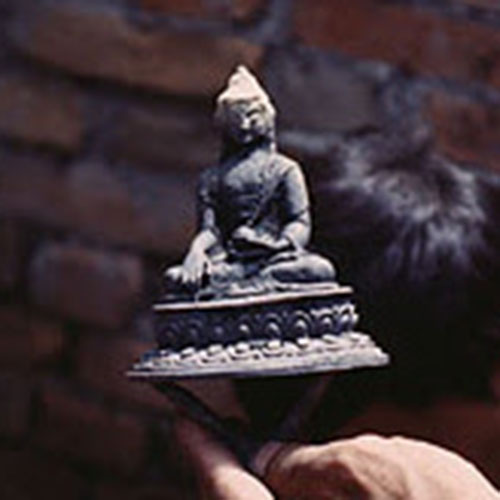
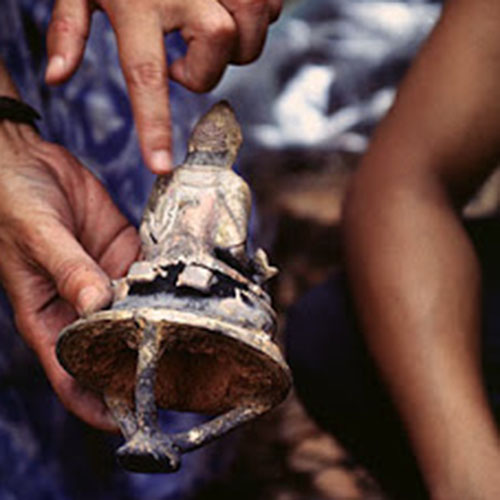
This Three Kayug Masters is made by the process of the Lost-Wax system. The lost-wax process, also known as investment casting, is a time-honored technique used to create metal sculptures. It involves several steps that have been practiced for thousands of years. Skilled artisans begin by sculpting a detailed wax model, capturing every intricate detail of the desired sculpture. The wax model is then coated with a ceramic shell, formed by multiple layers of ceramic material. Once the shell has cured, the wax is melted and drained out, leaving behind a cavity. Molten metal is poured into the cavity, creating a precise replica of the original wax model. After the metal has cooled and solidified, the ceramic shell is carefully removed, revealing the final metal sculpture.
Process of loss wax system
The lost-wax process offers exceptional quality control and customization, making it a preferred choice for artists seeking intricate and personalized metal artwork. Despite the availability of newer methods, the traditional lost-wax technique continues to be valued for its historical significance and the craftsmanship it embodies.
The method of metal casting in which molten metal is poured into a mold that has been created by means of a wax model. Once the mold is made, the wax model is melted and drained away. Bronze statues come to life differently than marble statues. Instead of carving a block or marble, the bronze artist uses the lost-wax technique to make a series of molds and then pours melted bronze into the final mold to create the sculpture. This method has been around since 4500 BCE.
There are a few important steps in the lost wax casting process:
Step 1: Sculpting ( It all starts in the studio with an idea, Then figuring out how to realize the vision in clay.)
Step 2: Mold Making.
Step 3: Wax Pouring.
Step 5: Wax Spring.
Step 6: Shell Dipping.
Step 7: Bronze Pouring.
Interestingly enough Loss wax process is also called Investment casting because after layers have been formed and dried, the wax is melted out of the ceramic tree by using steam (120°C) in an autoclave. This is why it is called "lost wax casting". The majority of the molten wax can then be regenerated and reusable.
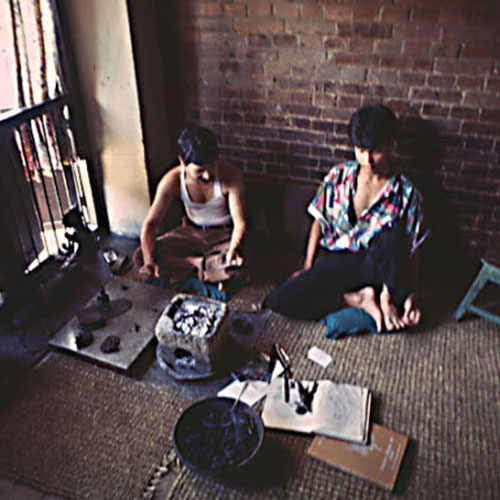
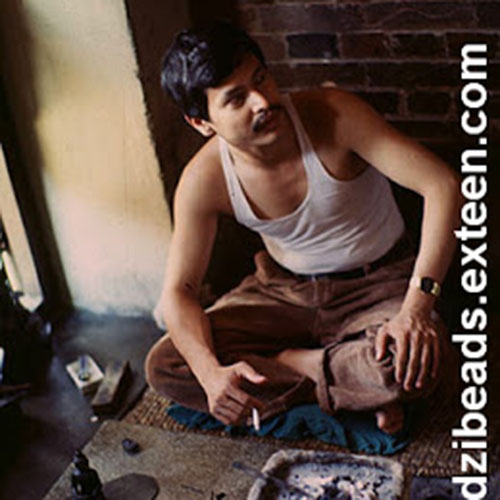
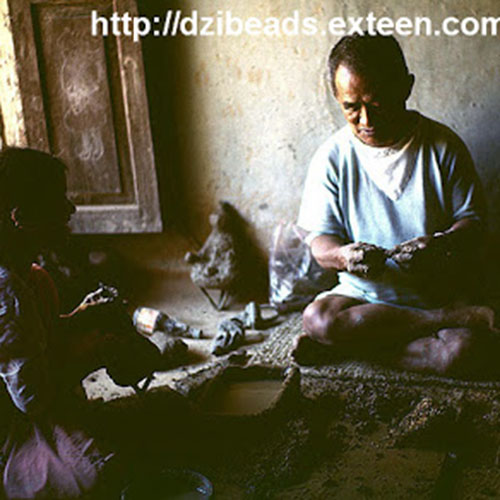
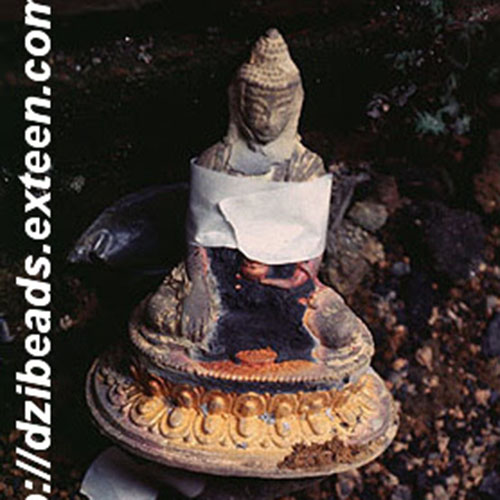
Before Making statue :At work room making the wax models.
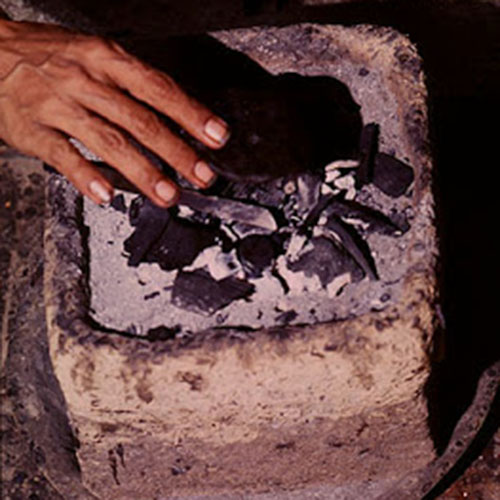
Softening a piece of wax over a brazier.
Relaxing after softening the wax The working environment with works in progress.
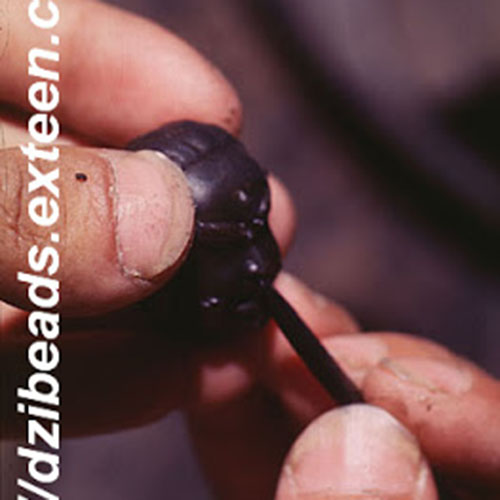
Working the face of an Ekajata wax model.
Working the face of wax model.Using a modeling tool to form the face of Ekajata.
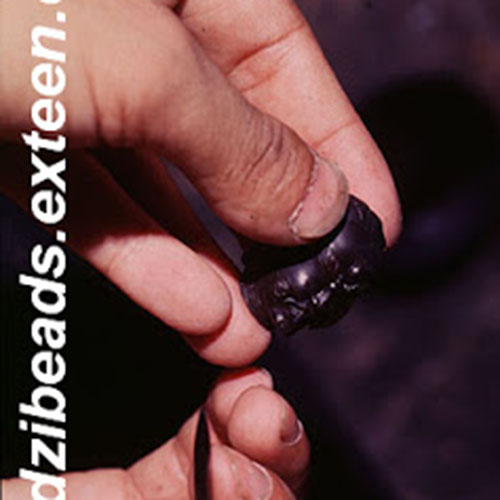
Deatail of wax model
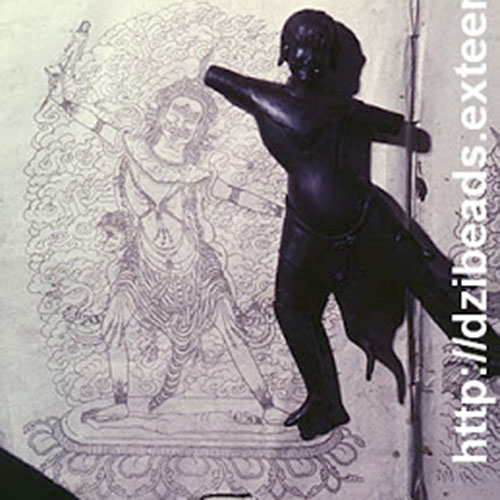
The design for Ekajata compared to the Tibetan book on which it was based.Statues Maker Are master in buddhism .
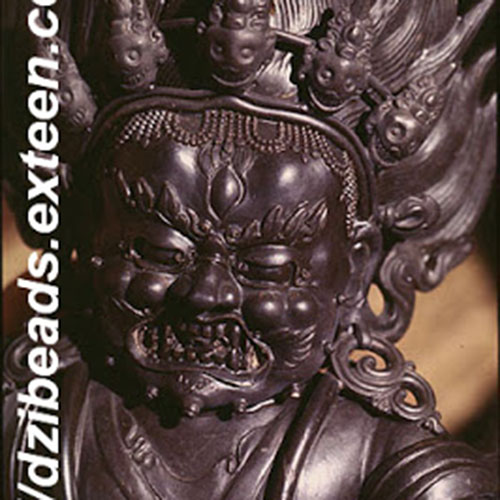
Detail of A partially finished Candamaharoshana (Acala) wax figure made in the Tibetan style.
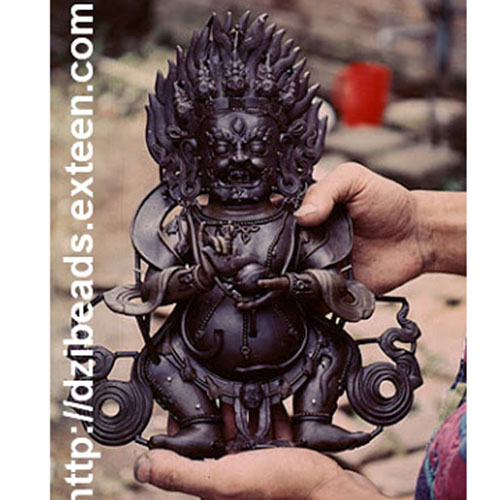
A finished wax image of Mahakala.
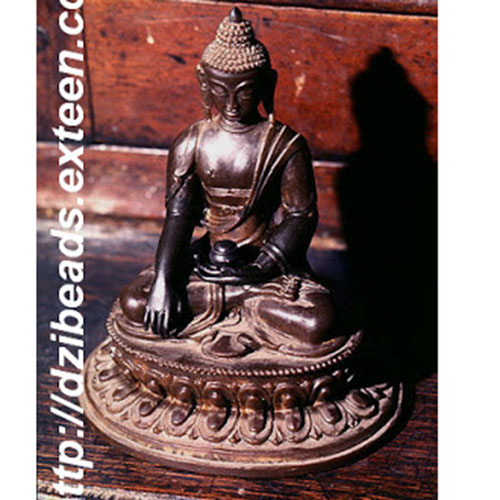
Anthor Finished Wax Model of Shakyamuni Buddha
One of the modelers working in the room shows the Pehar image on which he is working.
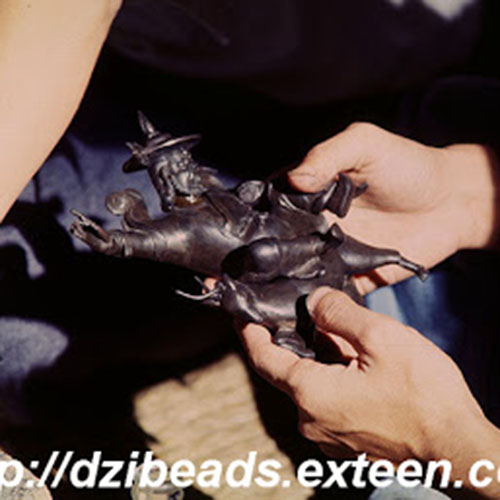
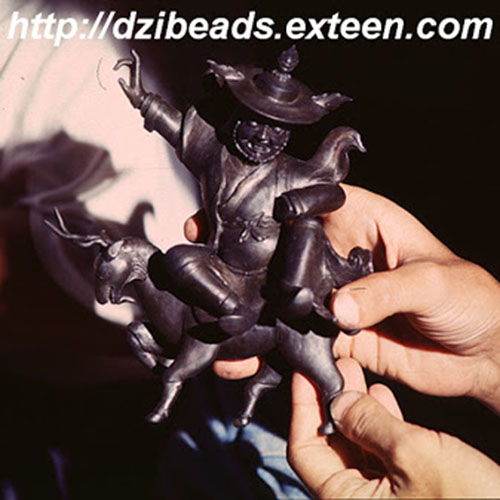
The artist showed how the goat , which had been completed earlier, fits under the image. ,
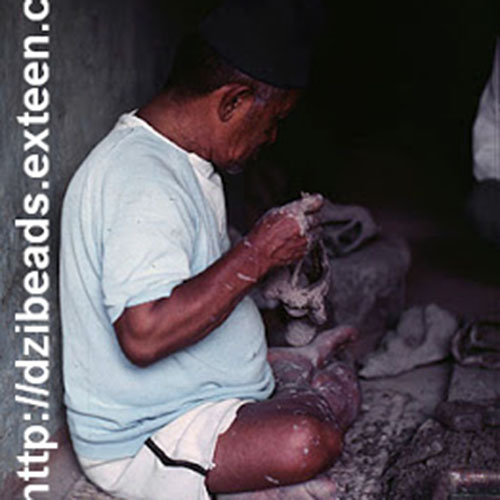
Tej Jyoti Shakya and his wife, Nani Maya Shakya Covering the wax model in a mixture of clay and dung
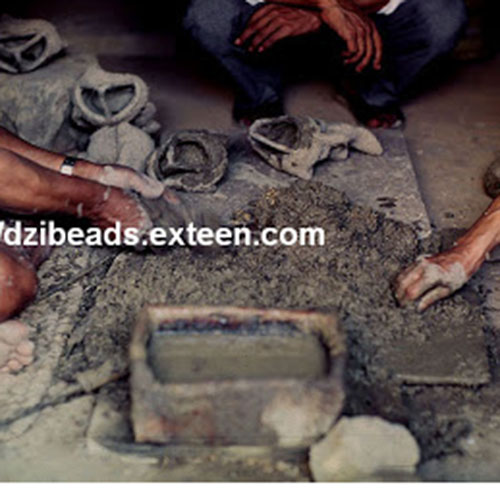
Pressing the mixture of clay and dung around the wax image.
The board with the clay and dung mixture ready for use.
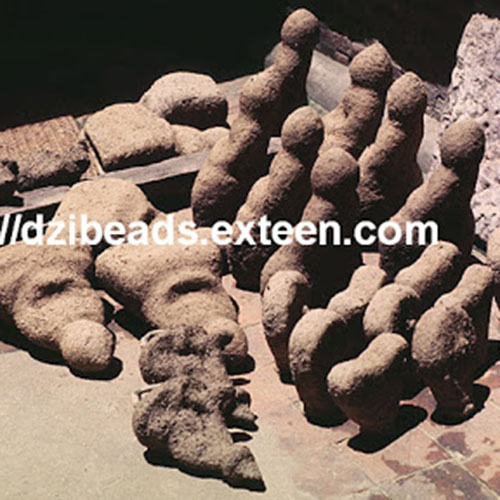
Model Pieces drying after the initial (dipped) thin layer of fine clay.
Clay-covered model pieces drying in the sun.
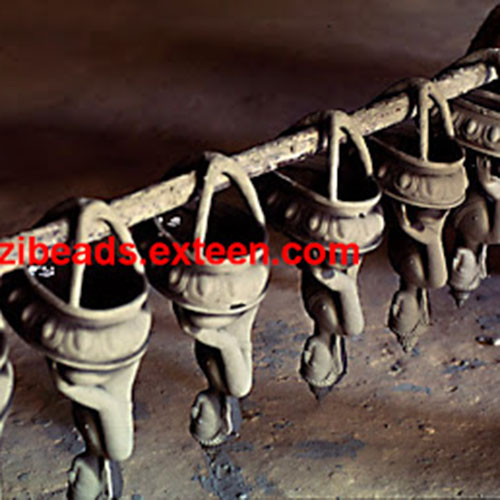
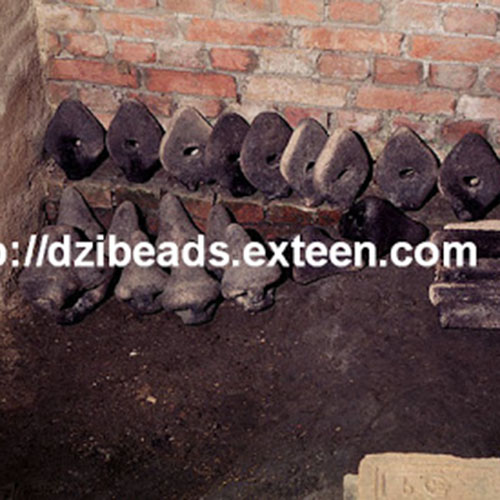
Molds waiting to be put into the burnout furnace
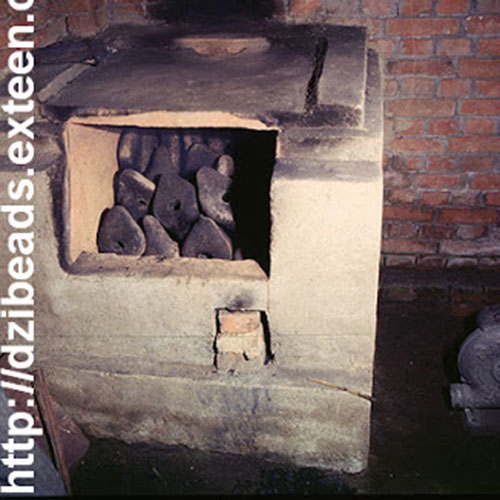
The same molds, seen in the previous image, in the burnout furnace
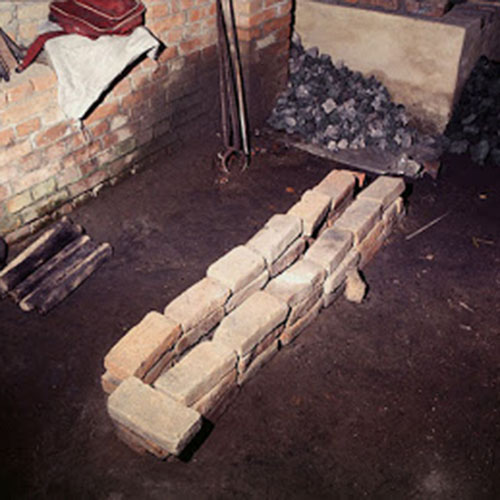
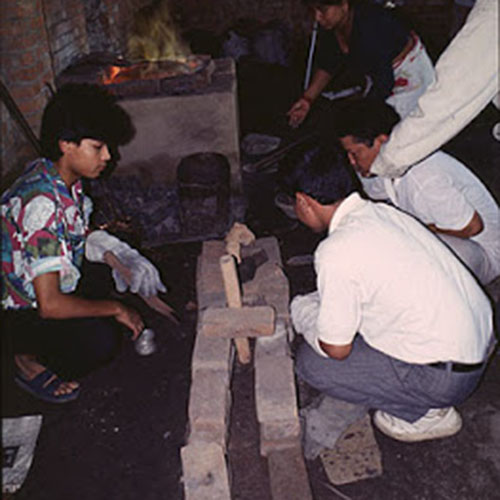
The double row of refractory bricks used to support the heated molds during casting.
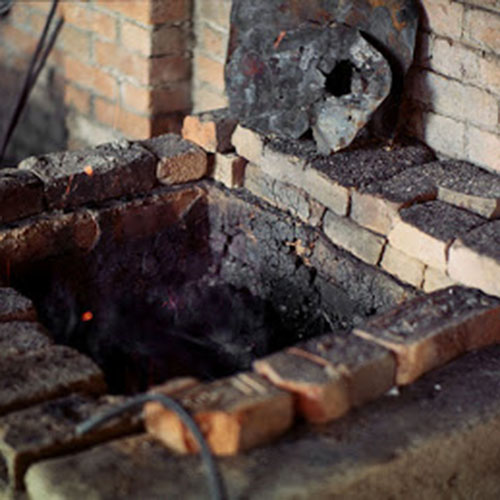
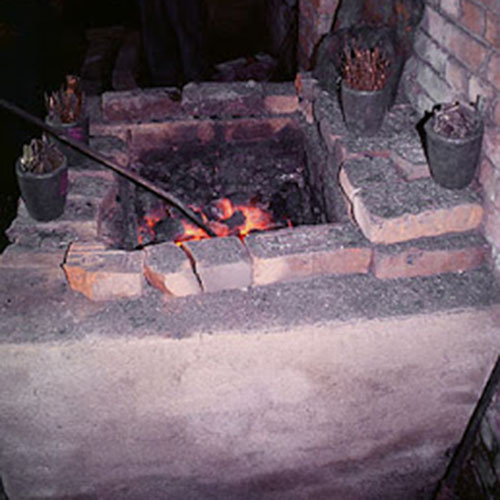
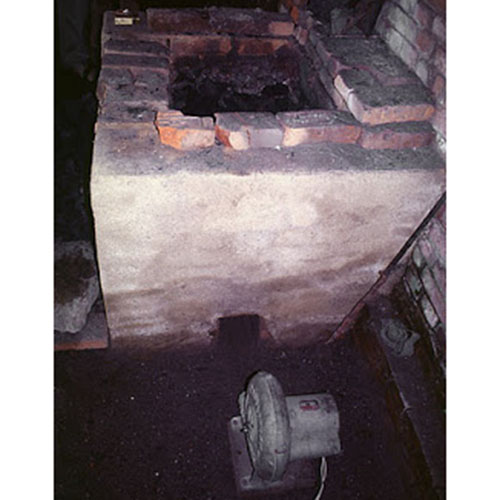
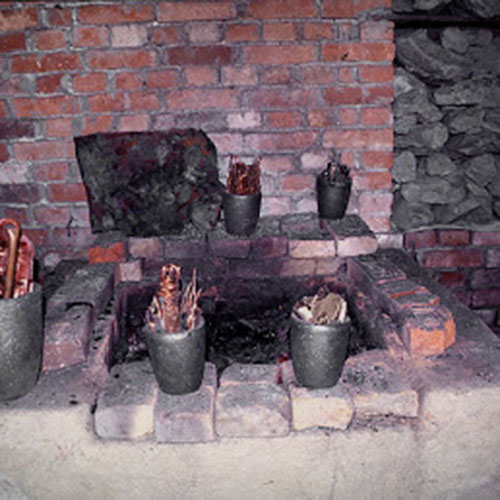
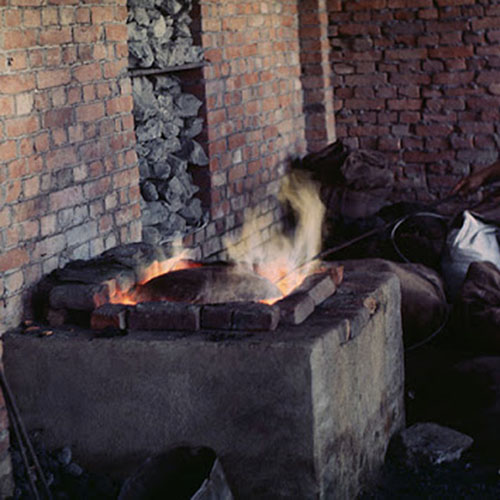
The melting furnace and a pile of coke used for melting the metals. Laying the bed of coke in the melting furnace.
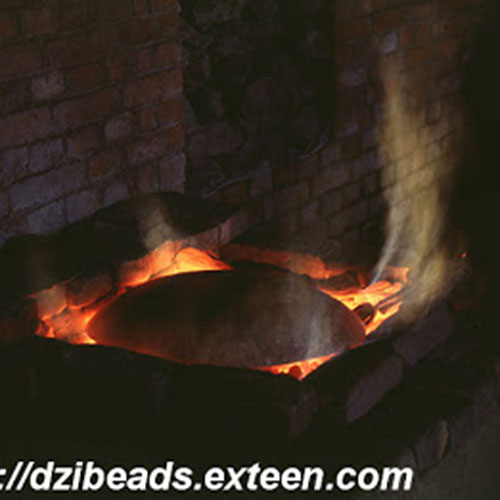
The first ignition of the coke.
Checking the coke bed.
The electric blower used to force air into the melting furnace
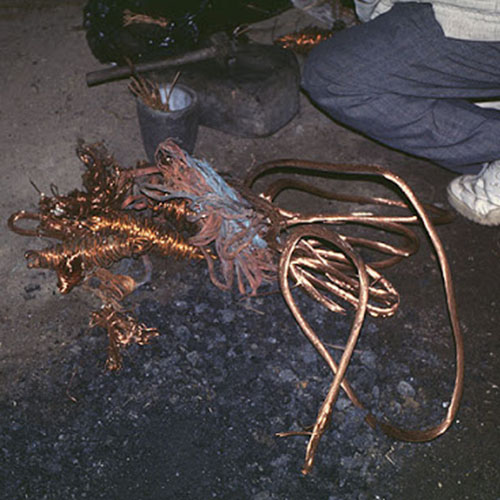
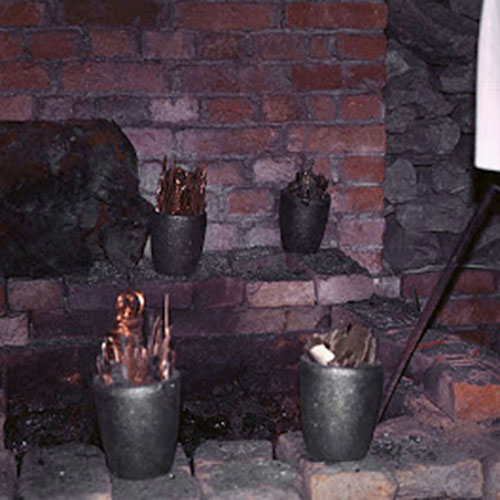
Beginning to fill the crucibles with scrap copper.
Preparing the bed of burning coke to receive the crucibles
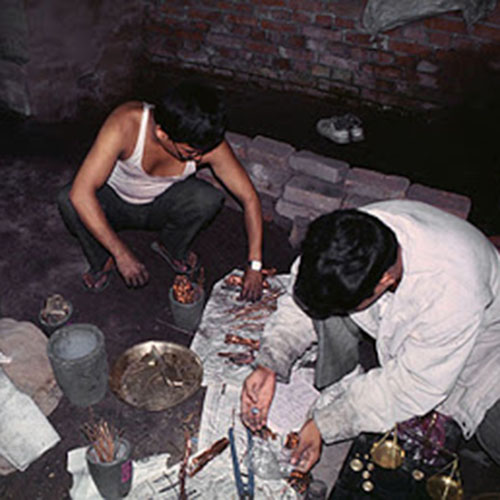
Sorting various metals used in the alloys.
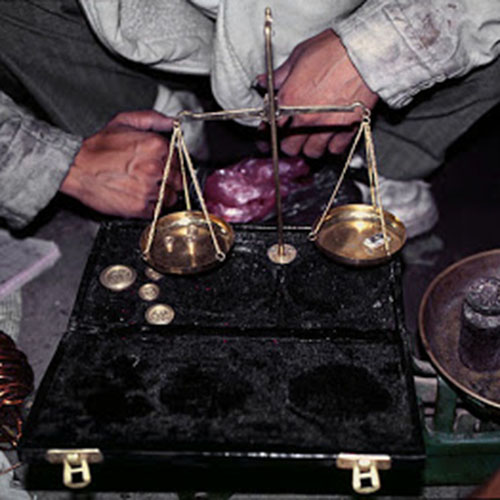
Weighing precious metals that are used in the alloys
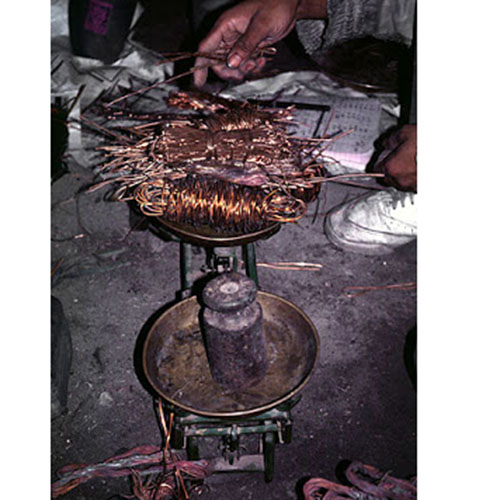
Weighing copper from Singapore to achieve a correct alloy.
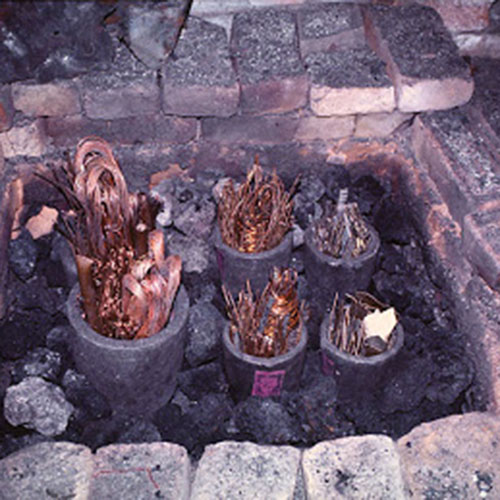
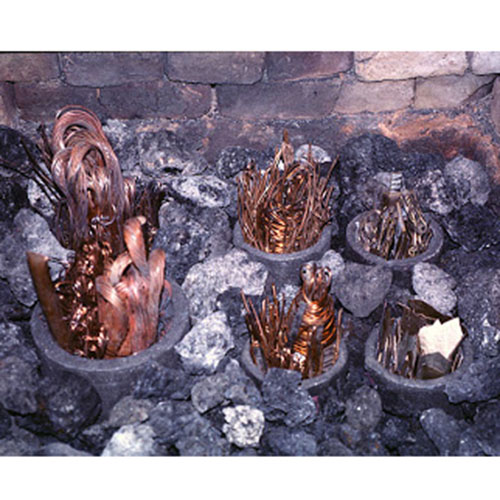
Different sizes of crucibles and various types of metals to be cast in this melt.
Placing the crucibles in the bed of coke filled with metal are in place.
After the crucibles are in place, more coke is piled around them.
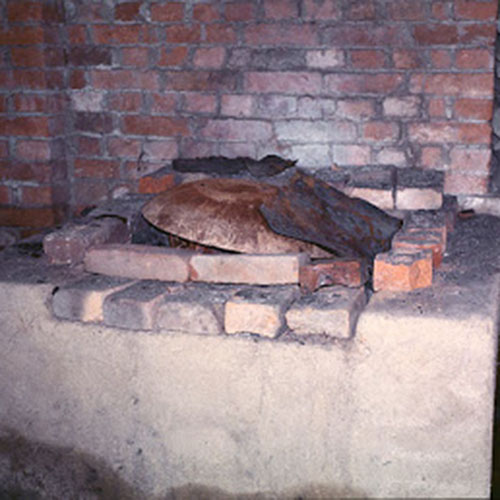
The crucibles are covered with scrap metal to hold in the heat.
The electric fan is then connected.Soon a very hot flame is produced.
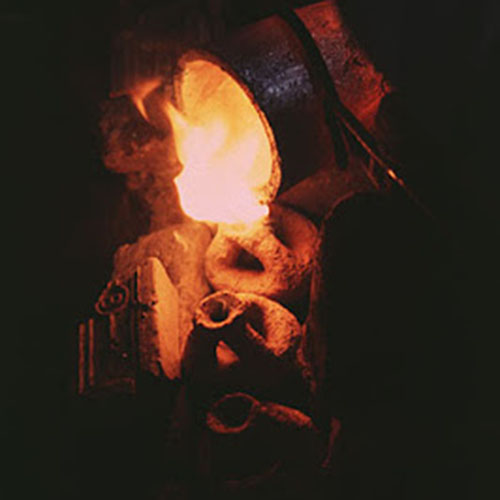
The entire furnace temperature goes up to about 1800 -1900 degrees.
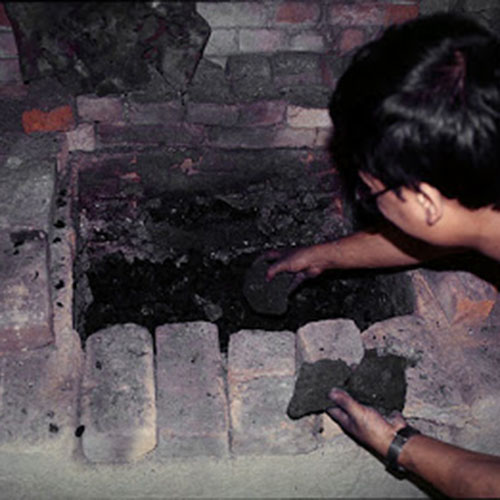
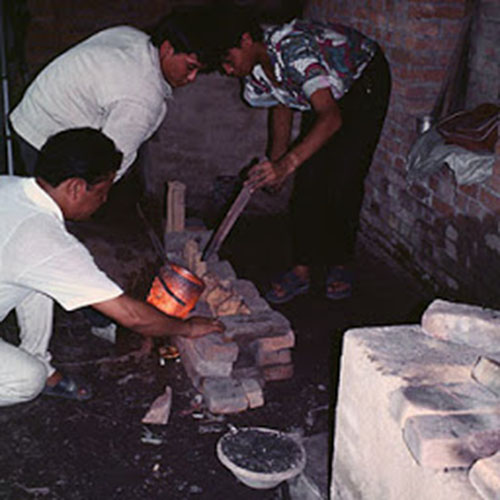
Setting up molds in between the refractory bricks to receive the molten metal. Handling the molds with asbestos gloves and bracing them with fragments of bricks.
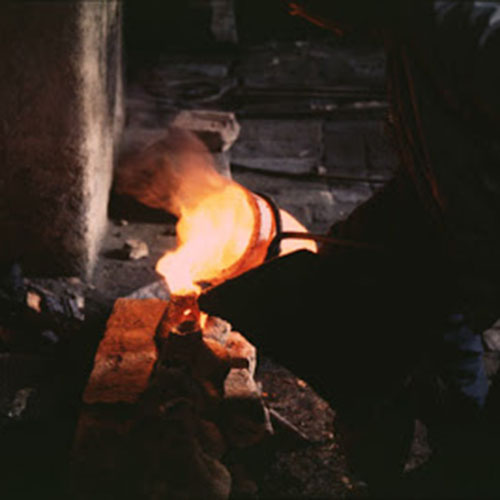
Pouring the molten metal into the base of a mold
Another view of the artists pouring the molten metal.Detailed view showing the molten metal being poured into the sprues.
Preparing to lift and pour molten metal from one of the larger crucibles.
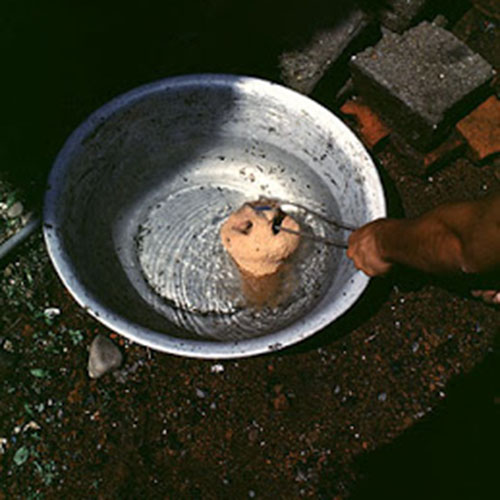
Cooling a mold containing the recently poured metal.
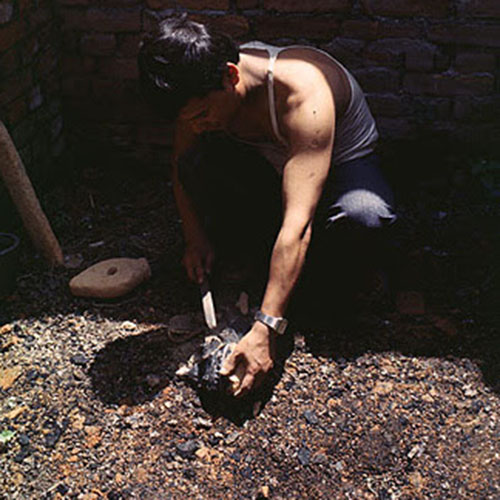
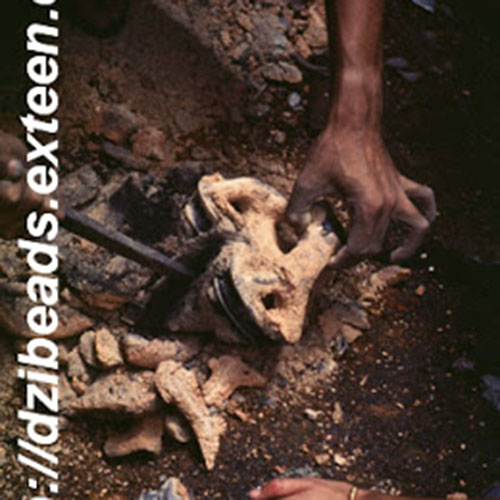
Beginning to break away the clay mold from the metal casting. The mold breaks away revealing the metal image inside
The first metal image from the day's work.
Examining the image for flaws
Two auras (prabhamandalas), one that cast perfectly and one (in front) that only partially filled.
Opening more molds
Researchers mark specific metal images for future identification.
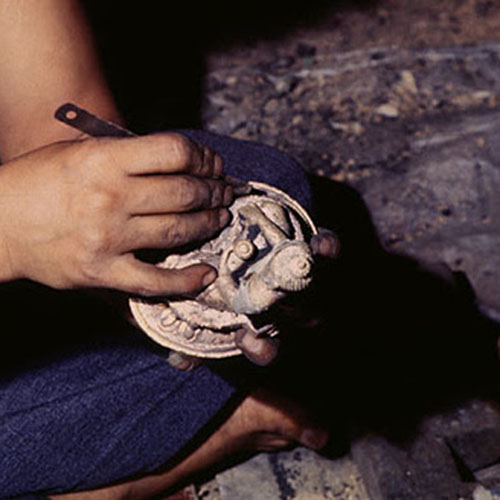
Cleaning the details of the image with a metal tool.
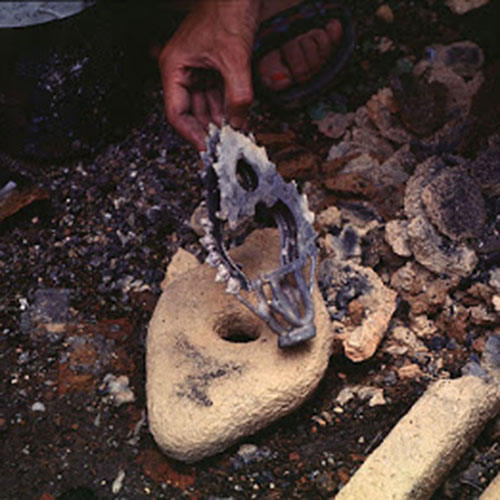
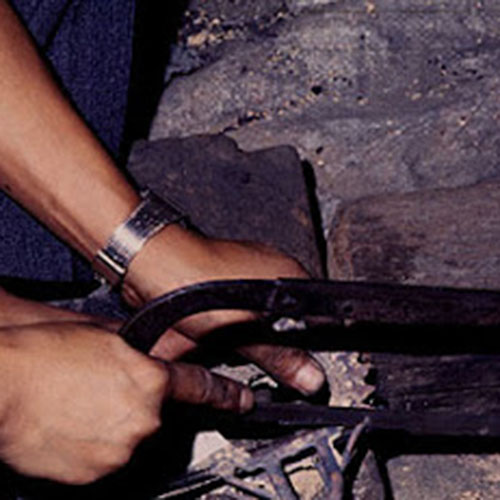
Sawing off the sprues from Aura image. The sprue metal will be reused in future castings.
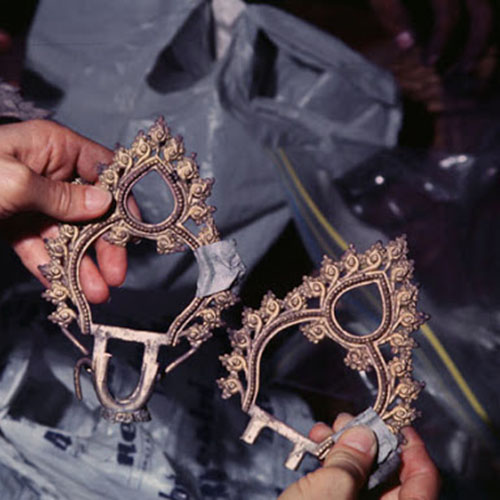
Two auras that worked perfectly. The one on the right has been cut off of the sprues, while the one on the left still has the sprues attached.
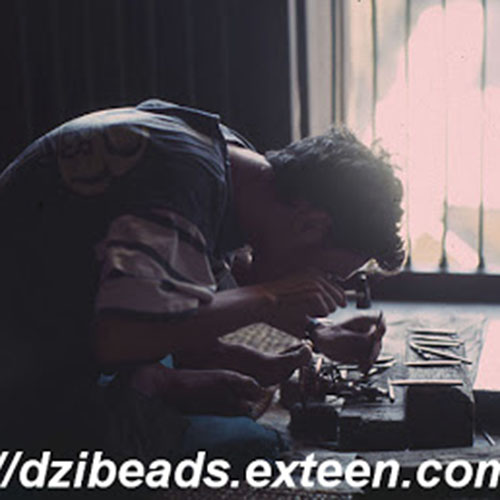
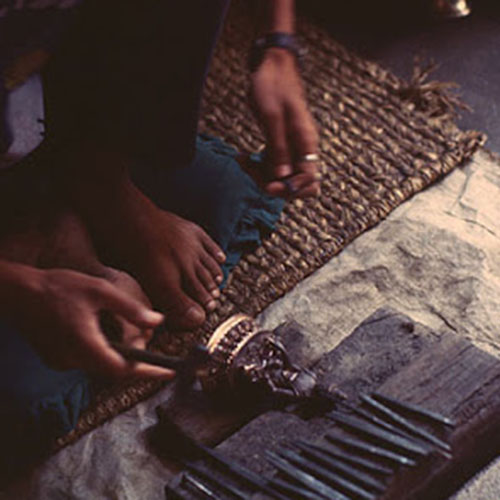
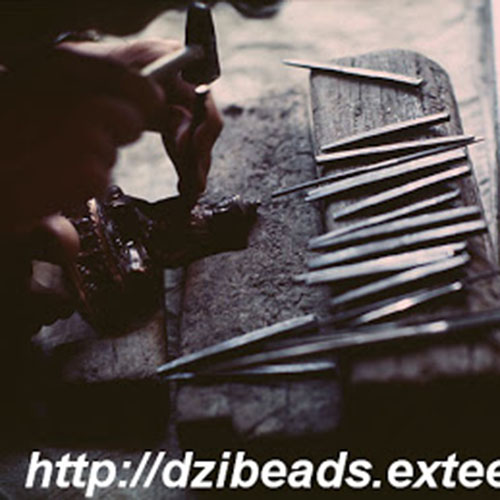
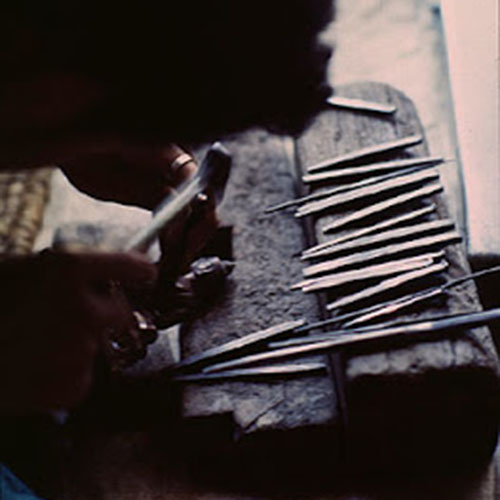
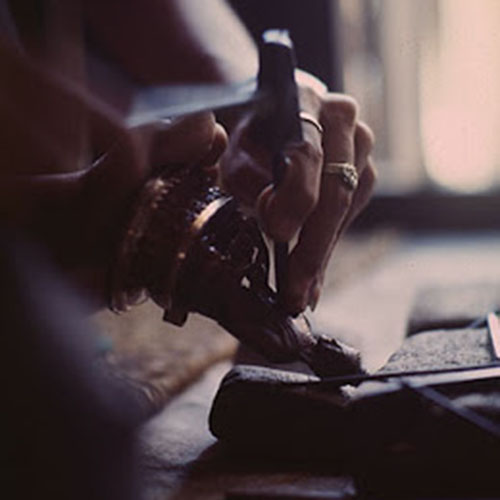
The finishing specialist begins the finishing process with a set of tools, including a small hammer. to give more detail
The entire surface of the image will be gently hammered to a final, almost polished finish.
The finisher's tools and the work in progress
Finishing work on an image of the Buddha.
Hammering the chest of an image that is being held against the work block
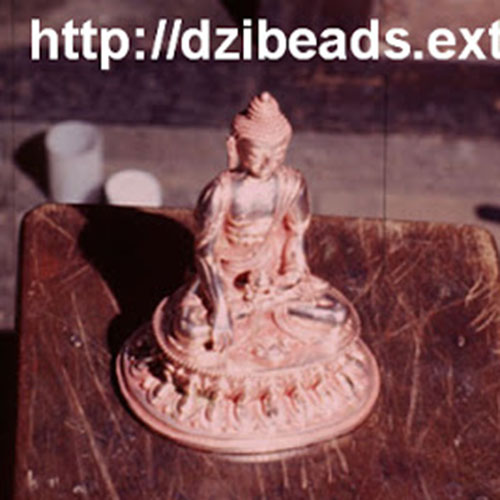
A Buddha image hammered and chased to the final, detailed finish.
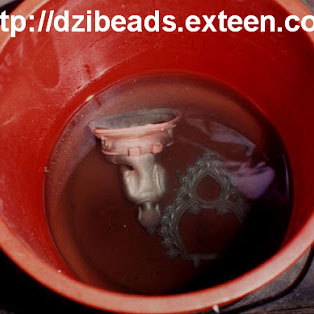
Cleaning in a very mild acid bath. The image and prabhamandala are placed in a final acidic bath to make sure the surface is absolutely clean.
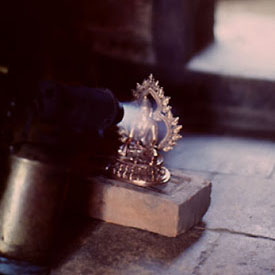
Drying the image with a blow torch.
Read More
Related Products
Our pick
HME35644
30 cm Three Kayug Masters, Marpa Lotsawa, Gampopaand Milarepa Set, Buddhist Statue, Full Gold Plated, Face Painted