



Loading Content..
Please wait...
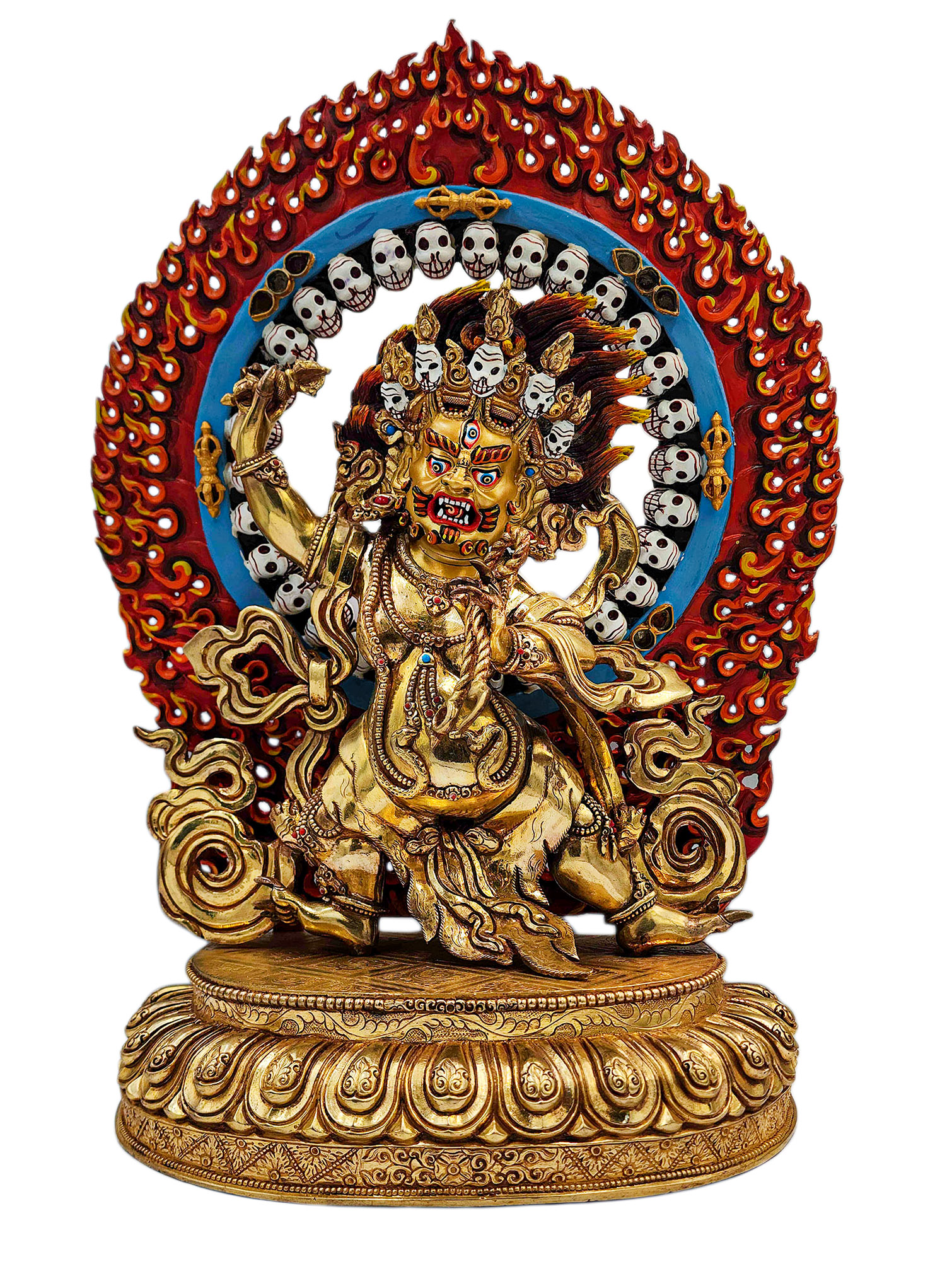
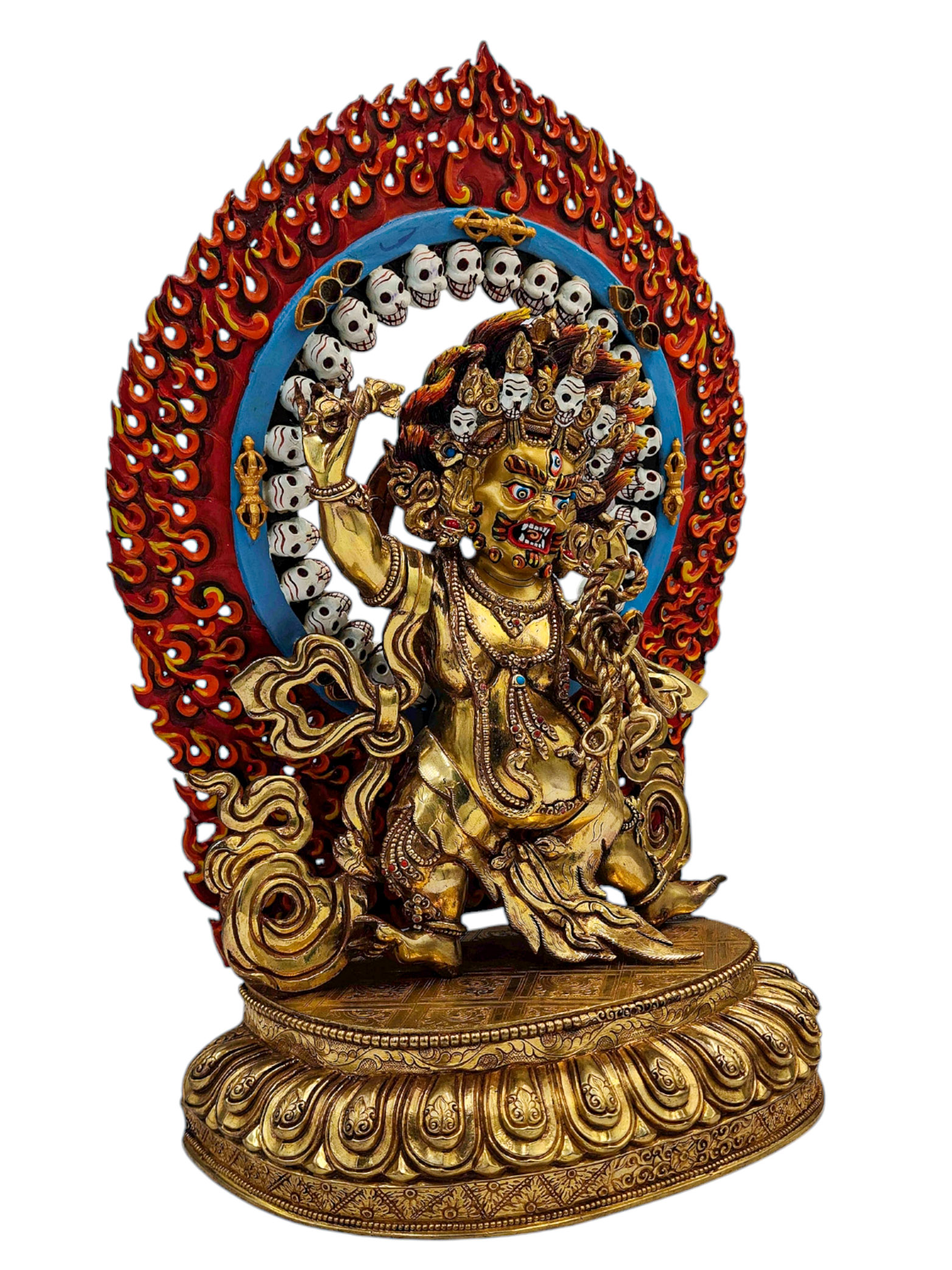
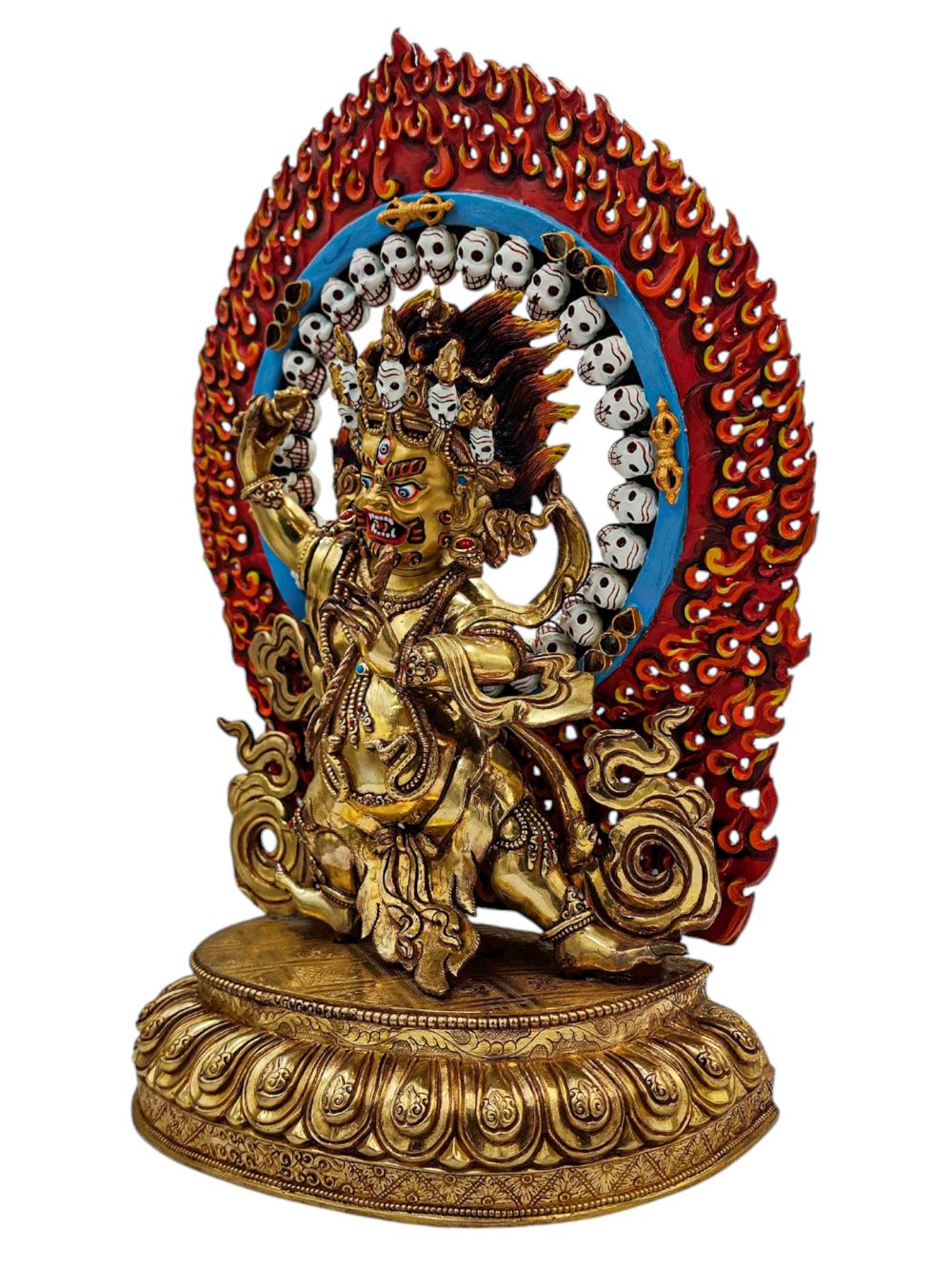
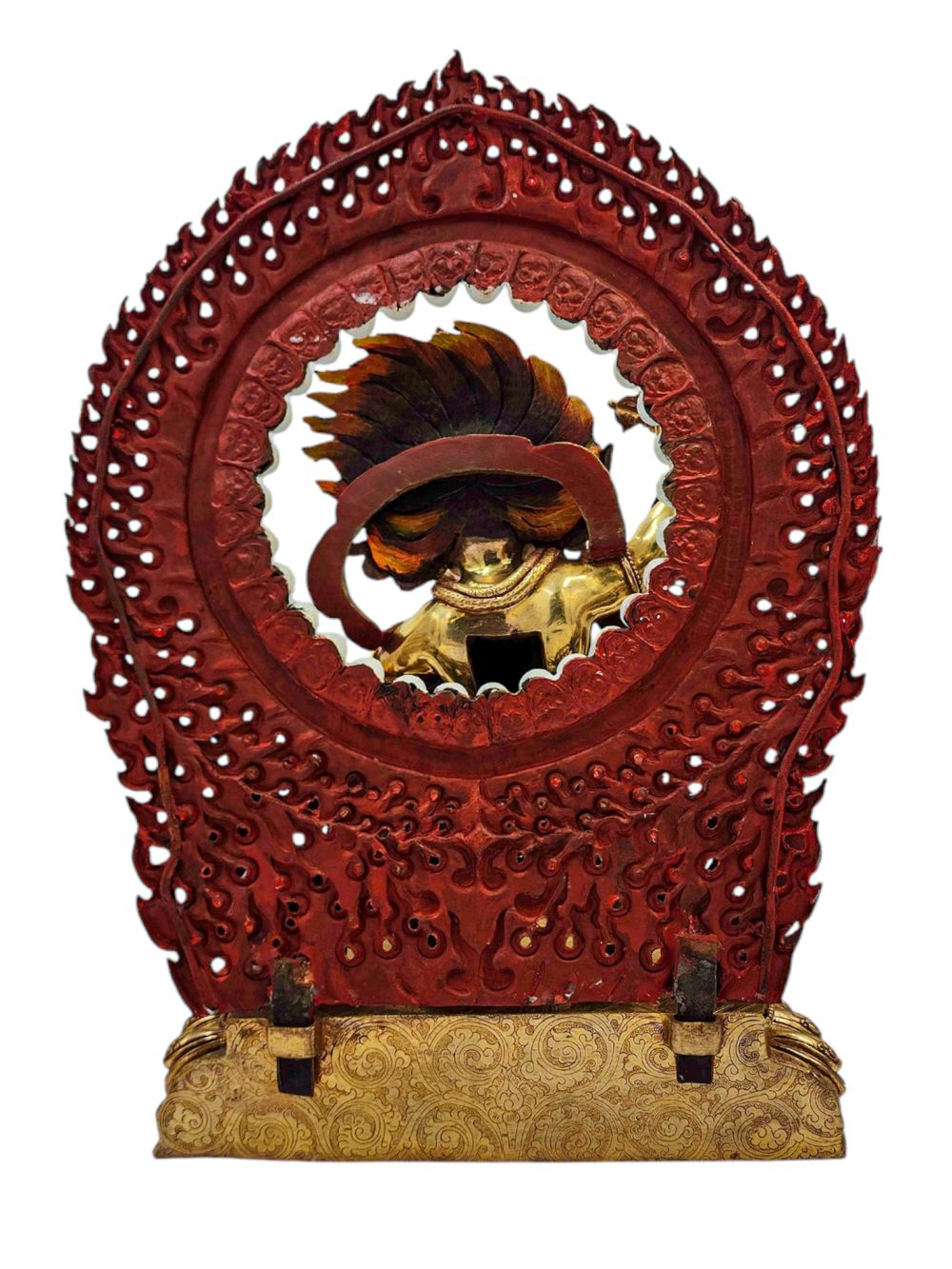

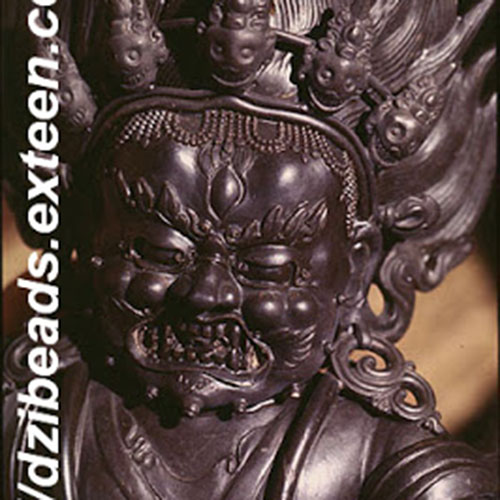
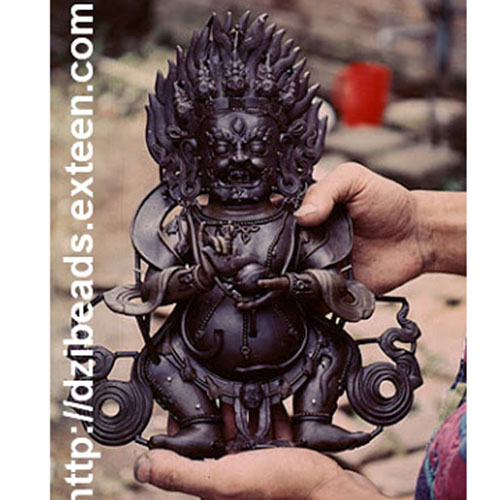
Vajrapani, Buddhist Handmade Statue, Full Gold Plated, Face Paint , Protector of Buddha’s teachings, symbolizing power and fearlessness
Chakna Dorje
Jingangshou
Kongoshu
|
|
Product Specification |
|
| Code | HME34936 |
| Size |
Height 37cm (15") Width 27cm (11") Depth 14cm (6") |
Weight | 4.4 kg - 9.7 lbs |
| Material | Copper |
| Availability | Available |
Order configuration (Optional)
Filling & Blessing
HIDE Select Option
Click Here to View All Option and Prices

Select

Select

Select

Select
Statue Finishing
HIDE Select Option
Click Here to View All Option and Prices

Select

Select

Select

Select

Select

Select

Select

Select

Select

Select

Select

Select

Select

Select

Select

Select

Select

Select

Select

Select

Select

Select

Select

Select

Select

Select

Select

Select

Select

Select

Select

Select

Select

Select

Select

Select

Select

Select

Select

Select
| Quantity | PCS |
US$ 1,980.00
$ 2,640.00 -25% off
Shipping Cost
|
| Price Adjustment [ Discount Ends in : 40 days ] |
||
Shipping Calculation
weight of 1 Pcs of the product is 4.5 kg and will cost USD $ 72.00
-
Item location: kathmandu, Nepal
Worldwide shipping - Dispatch
-
We normally dispatch the product in 2-5 business days. Else Buyer will be infromed personally about the dispatch Date.
- Payment
- Paypal | Credit - Debit Card | Bank Transfer | See More
- Return
- 7 days money back, buyer pays return shipping
Welcome to Handmade Handicraft
At Handmade Handicraft, we prioritize simplicity, reflected in our user-friendly website design. We have streamlined the process so everything you need is just a click away.
While our website does not support online shopping, we've incorporated a convenient shopping cart system to assist you in sending us your inquiries. Please note, we do not process payments on our site. All transactions will be handled via email, respecting the inquiries you submit.
Should you encounter any issues while submitting your inquiries, please contact us via mobile app, email, or follow the procedure outlined below. We've provided documentation to guide you through the selection process.
selecting Procedure
In every product you will find Order Now and Quick Inquiry buttons, they are the two process of sending us your enquiry.
If you have any questions or need assistance, please don't hesitate to reach out to us. We are here to help you with your inquiries and ensure a smooth experience.
Vajrapani
Vajrapaṇi is one of the earliest bodhisattvas of Mahayana Buddhism. He is the protector and guide of the Buddha, and rose to symbolize the Buddha's power. Vajrapani was used extensively in Buddhist iconography as one of the three protective deities surrounding the Buddha. Each of them symbolizes one of the Buddha's virtues: Manjusri (the manifestation of all the Buddhas' wisdom), Avalokitesvara (the manifestation of all the Buddhas' compassion) and Vajrapani (the manifestation of all the Buddhas' power). Furthermore, Vajrapani is one of the earliest Dharmapalas and one of the rare Buddhist deities to be worshiped in the original Zen Buddhism of the Shaolin Temple, Tibetan Buddhism, and even Pure Land Buddhism (where he is known as Mahasthamaprapta). Manifestations of Vajrapani can also be found in many Buddhist temples in Japan as Dharma protectors called Nio. Read More
Iconography
Vajrapani is pictured dancing wildly within a halo of flames, which represent transformation.
He holds a vajra (thunderbolt) in his right hand, which emphasizes the power to cut through the darkness of delusion. Vajrapani looks wrathful, but as a representation of the enlightened mind, he’s completely free from hatred.
Vajrapani’s mantra is simply his name, which means "wielder of the thunderbolt", framed between the mystical syllables Om and Hūm. This mantra helps us to gain access to the irrepressible energy that Vajrapani symbolizes. A familiarity with Vajrapani does, of course, help here, although the sound of the mantra is itself rather energetic.
Mantra
The Mantra oṃ vajrapāṇi hūṃ phaṭ is associated with Vajrapani. His Seed Syllable is hūṃ.
Gold Painted Face
The face of Vajrapani is painted with gold to enhance its significant features, particularly the eyes, and lips. This detailed painting is essential as it brings forth the crucial attributes of the expression of eyes and lips that metal carving alone cannot capture.
Moreover, the painted face serves as a symbolic and sacred ritual in Buddhism, preparing the statue for consecration and practice. The act of painting the face with gold in Buddhism holds deep meaning. It represents the intention to bring life and expression to the statue, imbuing it with a sense of vitality and presence. The application of gold on the face showcases the devotion and craftsmanship of the artisans, ensuring that every detail is carefully attended to honor the sacred essence of the Vajrapani. Read More
Full Fire Gold Plating
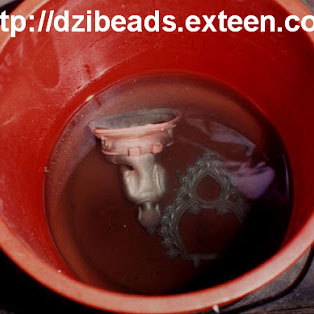
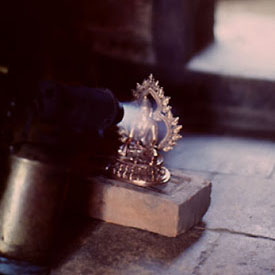
This Vajrapani is finished with full gold plating. also known as mercury gold plating or fire gold plating. This traditional technique involves the application of a genuine layer of gold onto the Vajrapani. Referred to as mercury gold plating, it is considered the correct and authentic form of gold plating in Nepal. Despite being more expensive than electroplating, this traditional mercury gold plating is gaining popularity again in Nepal. People are drawn to its authenticity, longevity, and the unmatched beauty it brings to the Vajrapani. The resurgence of interest in this traditional form of gold plating reflects a growing appreciation for the craftsmanship and cultural heritage of Nepal Read More
Lost-Wax System
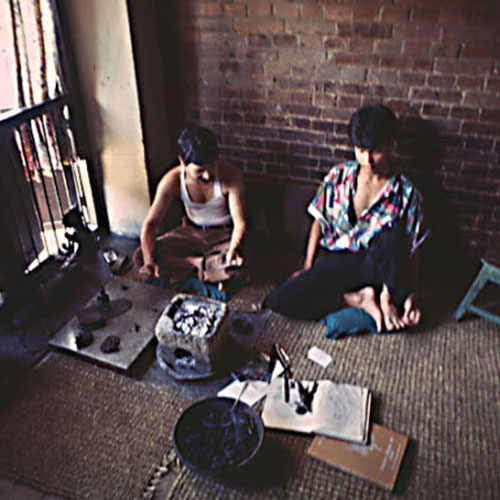
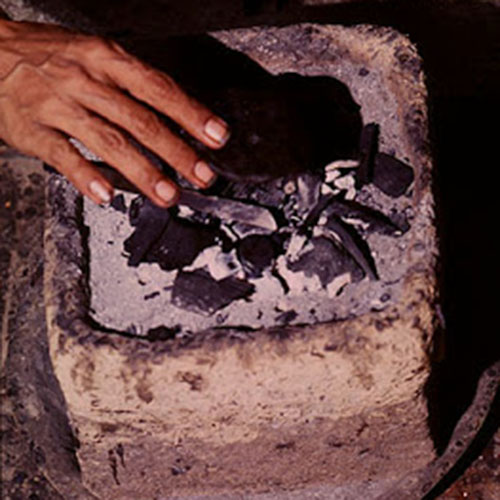
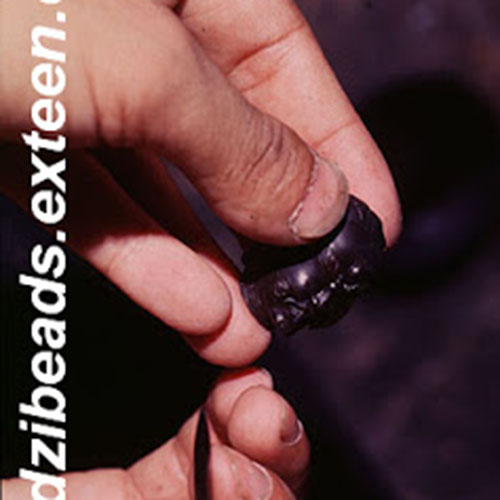
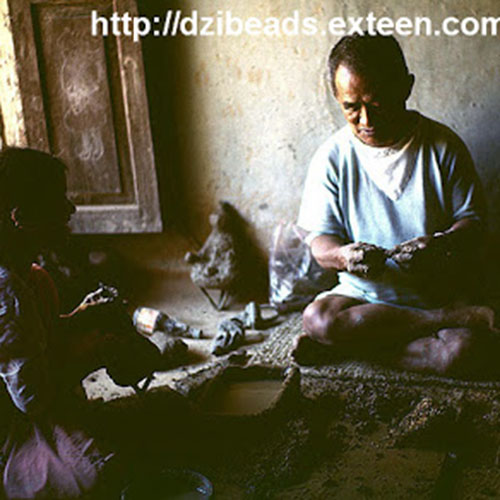
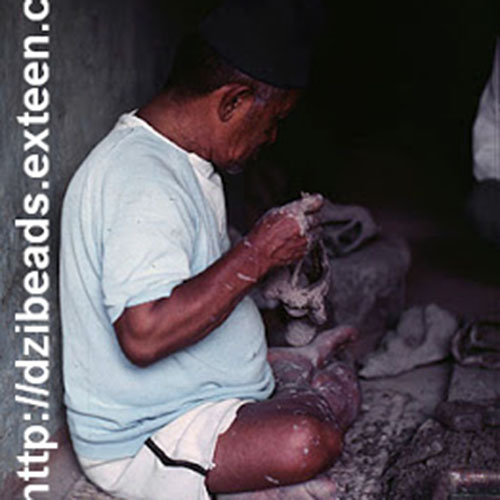
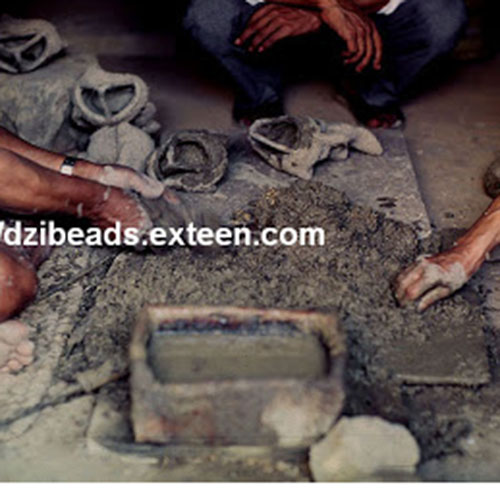
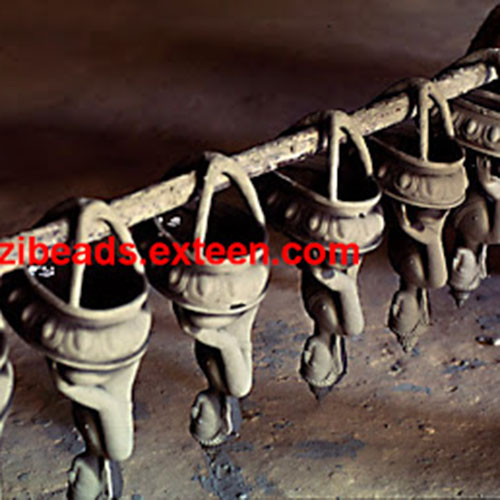
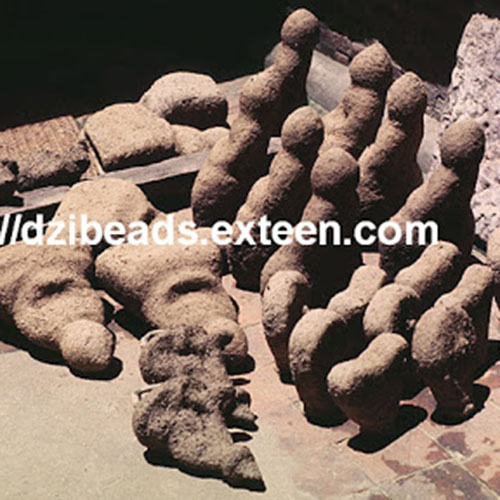
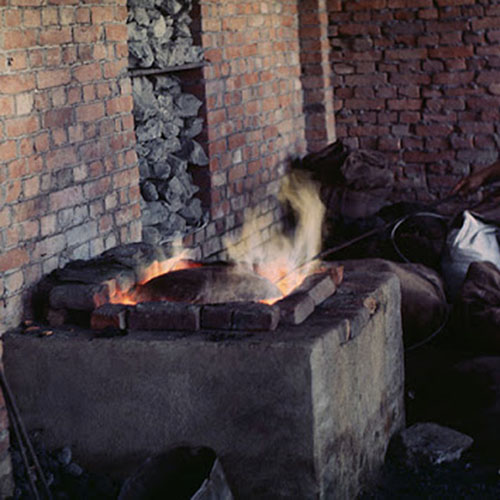
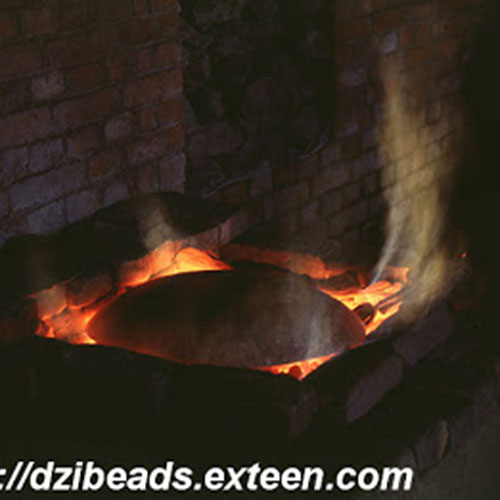
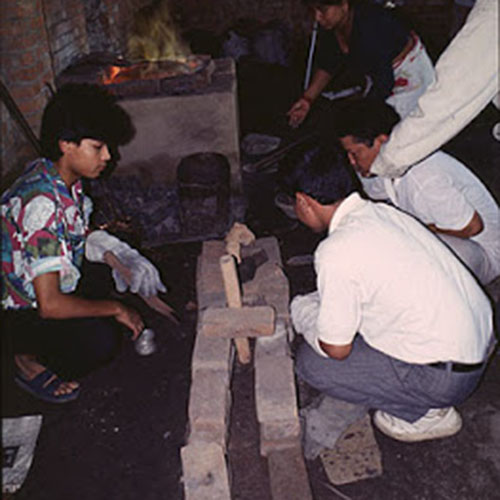
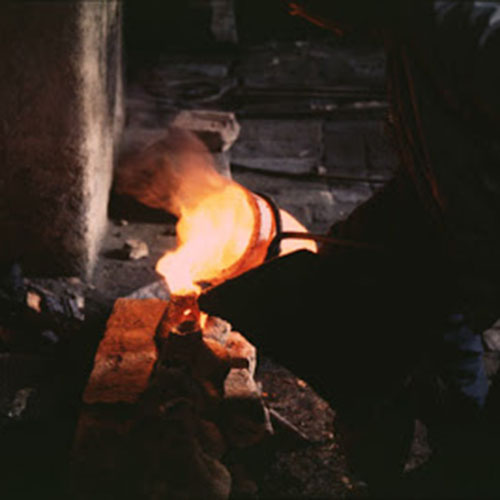
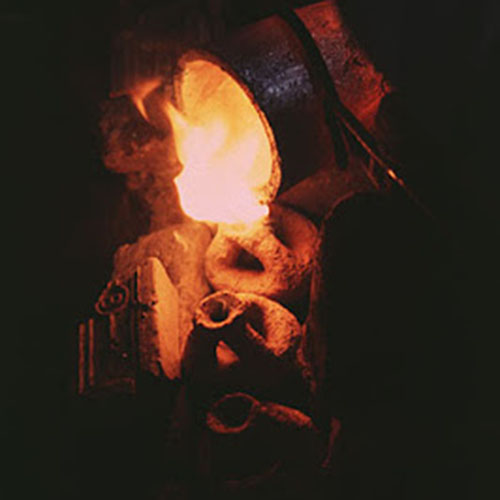
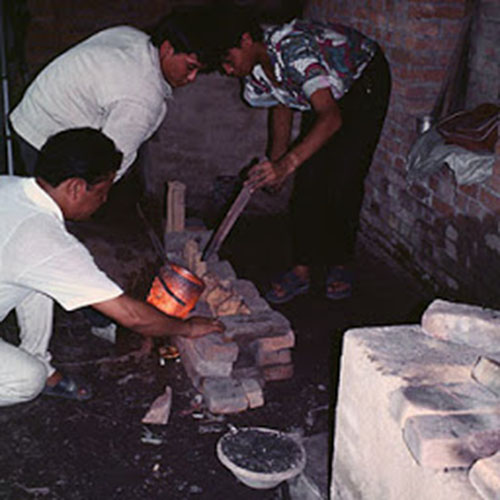
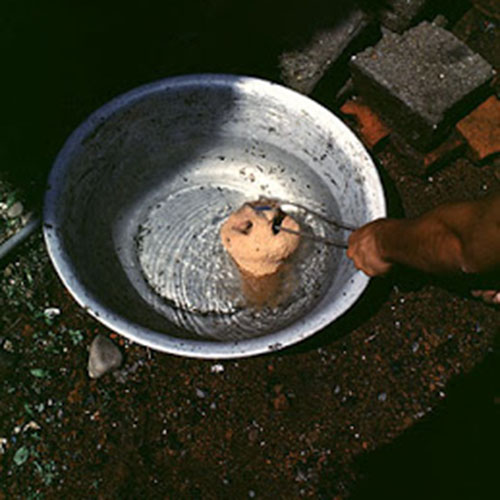
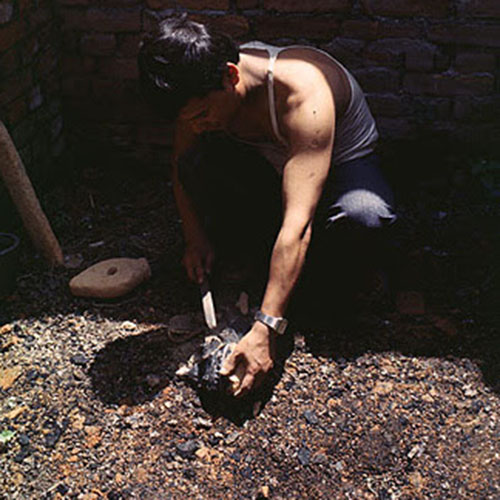
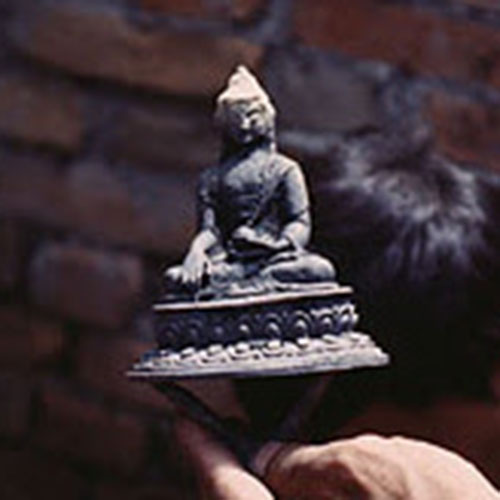
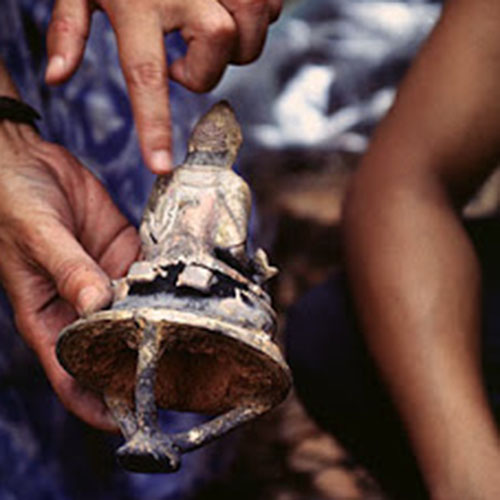
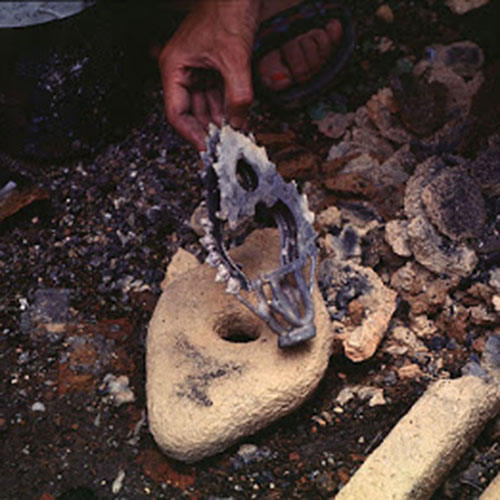
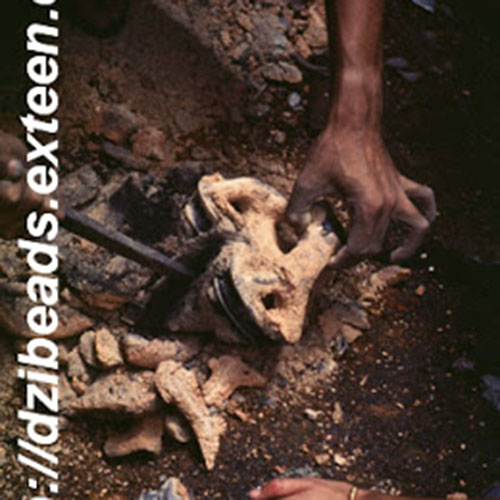
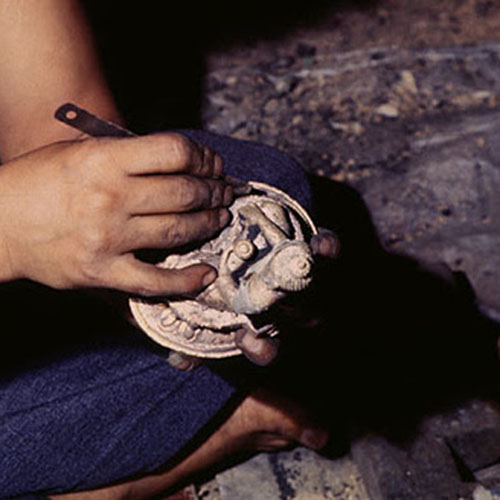
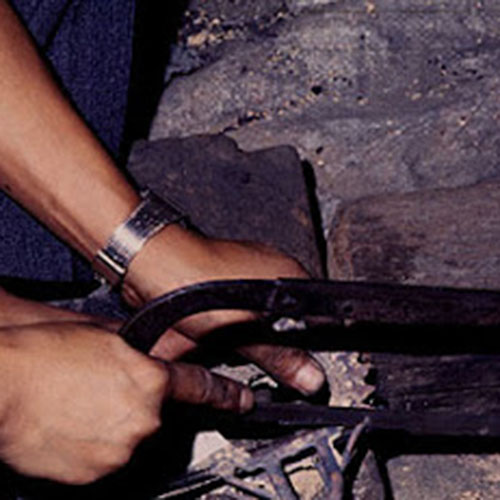
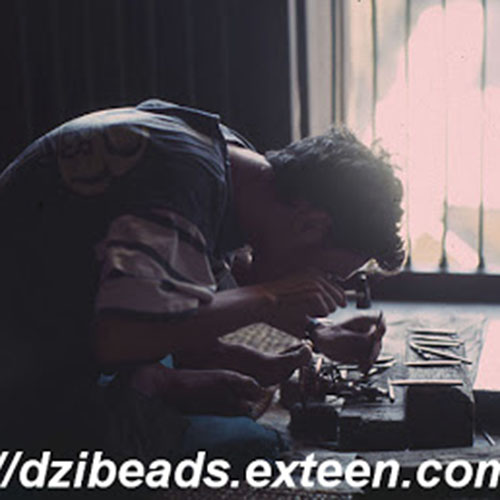
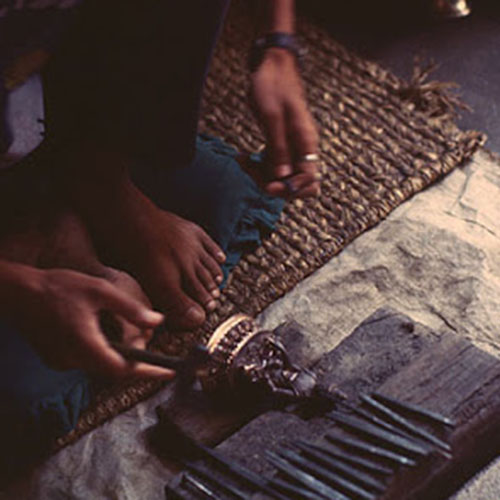
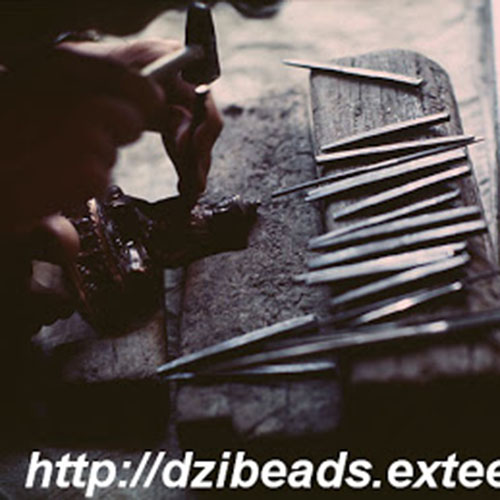
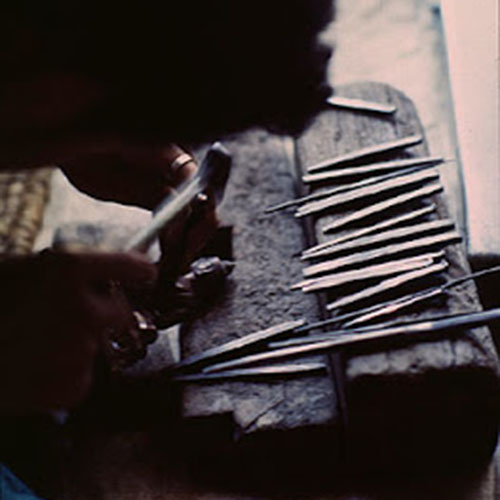
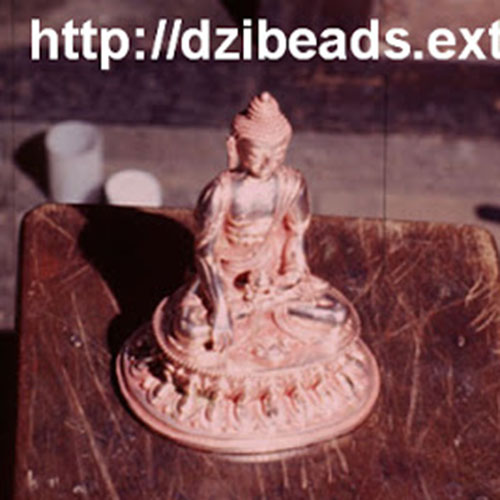
This Vajrapani is made by the process of the Lost-Wax system. The lost-wax process, also known as investment casting, is a time-honored technique used to create metal sculptures. It involves several steps that have been practiced for thousands of years. Skilled artisans begin by sculpting a detailed wax model, capturing every intricate detail of the desired sculpture. The wax model is then coated with a ceramic shell, formed by multiple layers of ceramic material. Once the shell has cured, the wax is melted and drained out, leaving behind a cavity. Molten metal is poured into the cavity, creating a precise replica of the original wax model. After the metal has cooled and solidified, the ceramic shell is carefully removed, revealing the final metal sculpture. Read More
Related Products

63 cm
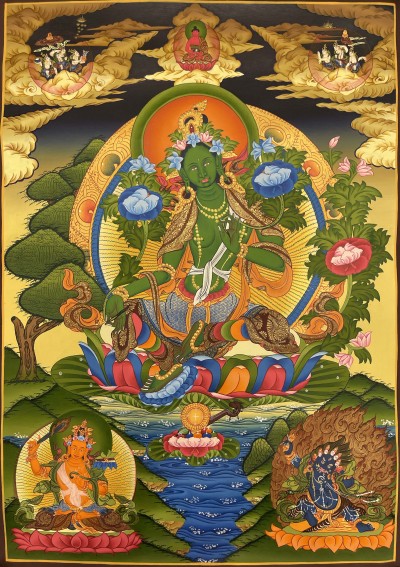
Buddhist Hand Painted Thangka Of Green Tara, Real Gold, Lamas Art With Manjushri And Vajrapani
US$ 140.00
25% off
$ 191.00
$ 191.00

14 cm
Vajrapani, Buddhist Miniature Statue, Chocolate Oxidized
US$ 120.00
25% off
$ 160.00
$ 160.00

23 cm
Vajrapani Statue, Chocolate Oxidized
US$ 90.00
25% off
$ 120.00
$ 120.00

25 cm
Vajrapani, Buddhist Handmade Statue, Full Gold Plated With Face Painted
US$ 330.00
25% off
$ 440.00
$ 440.00