


Loading Content..
Please wait...
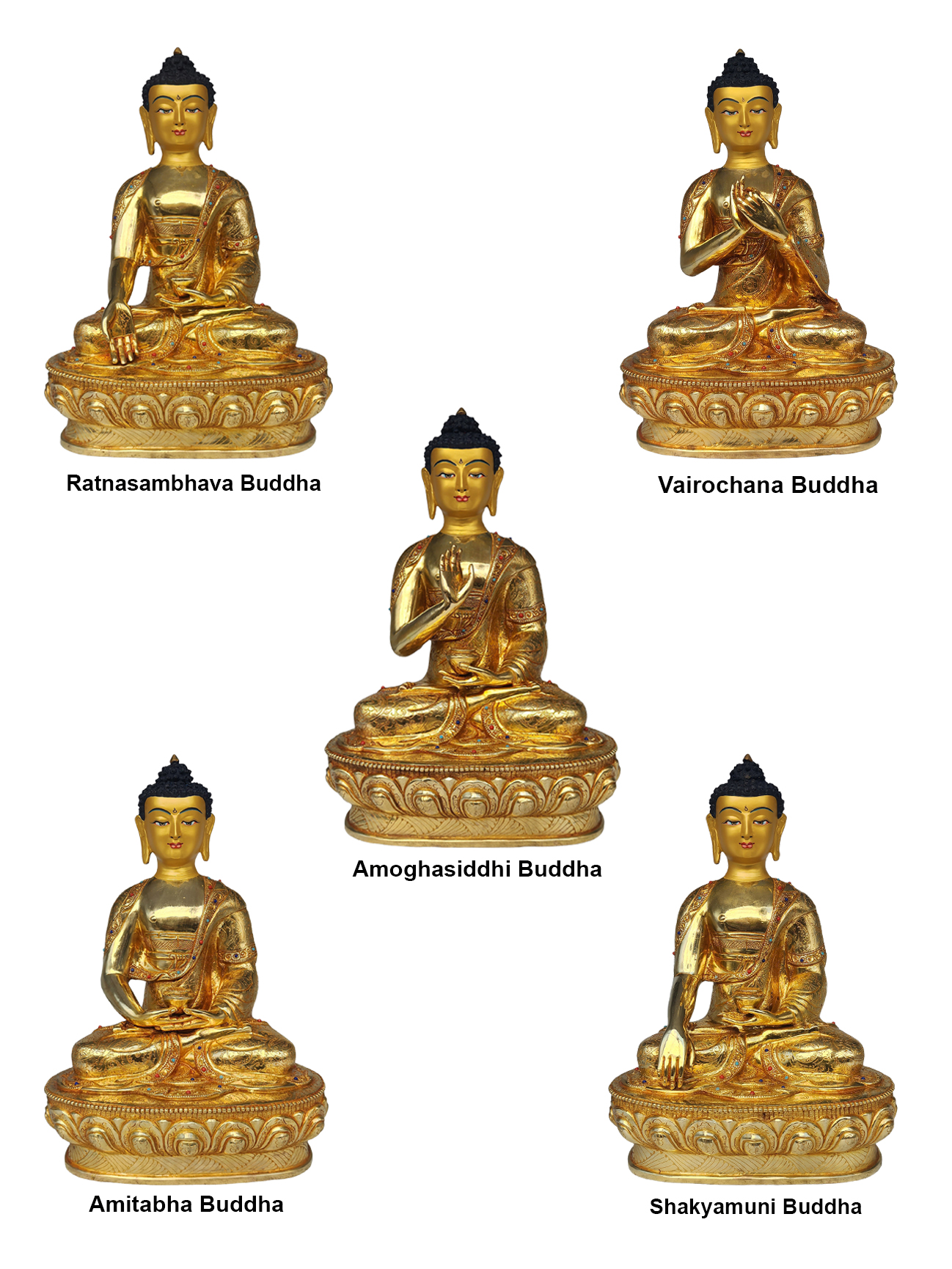
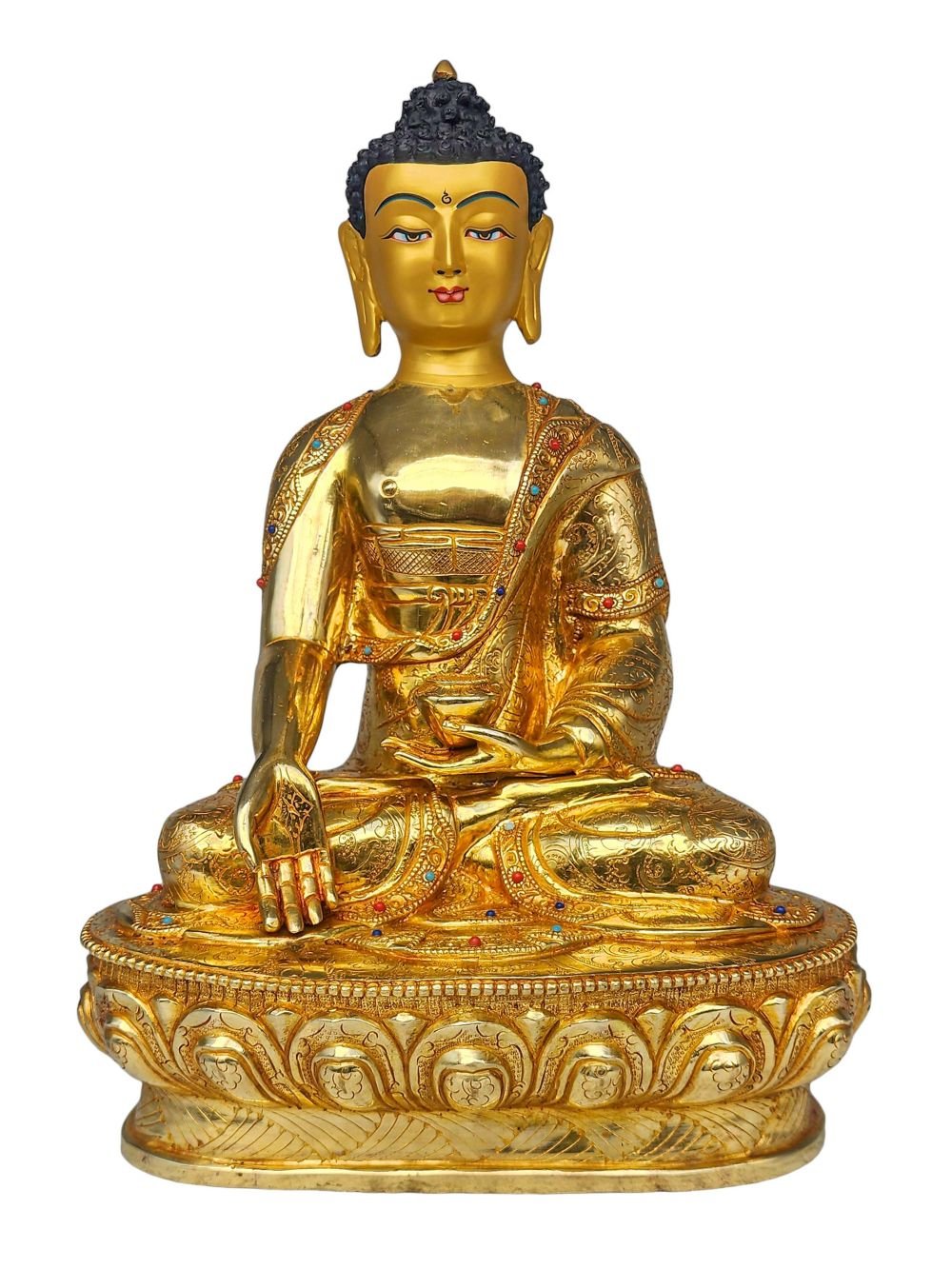

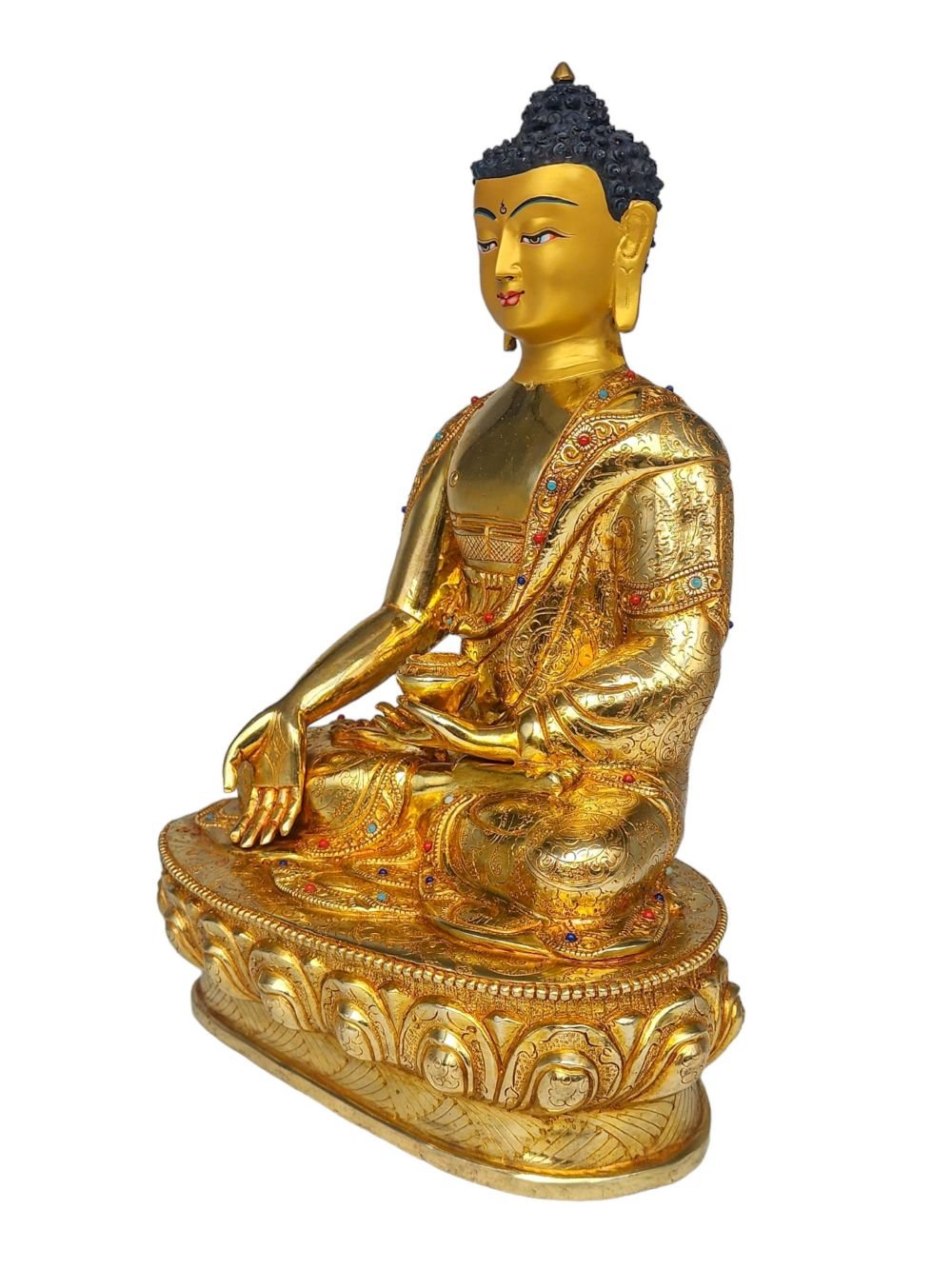

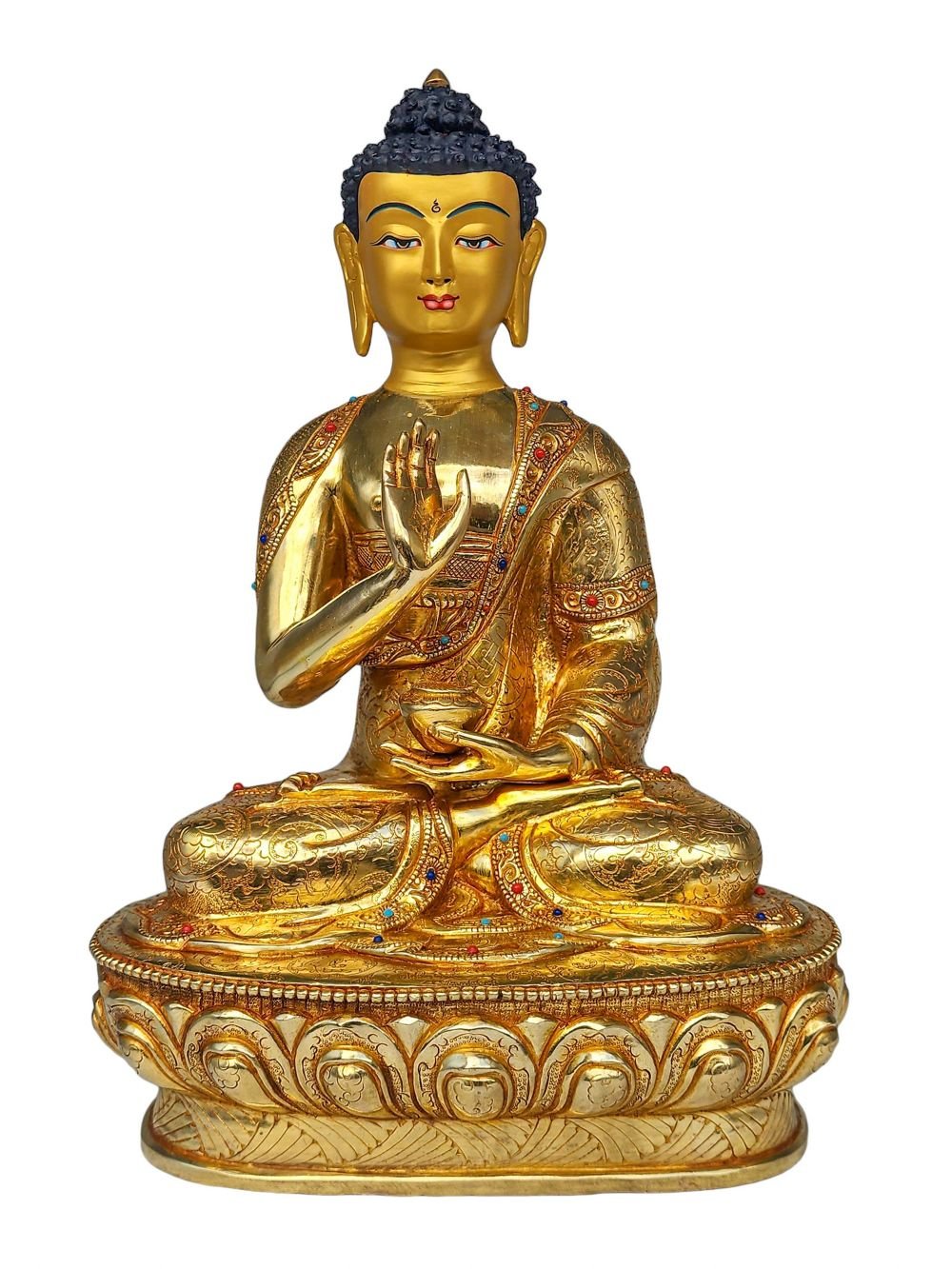
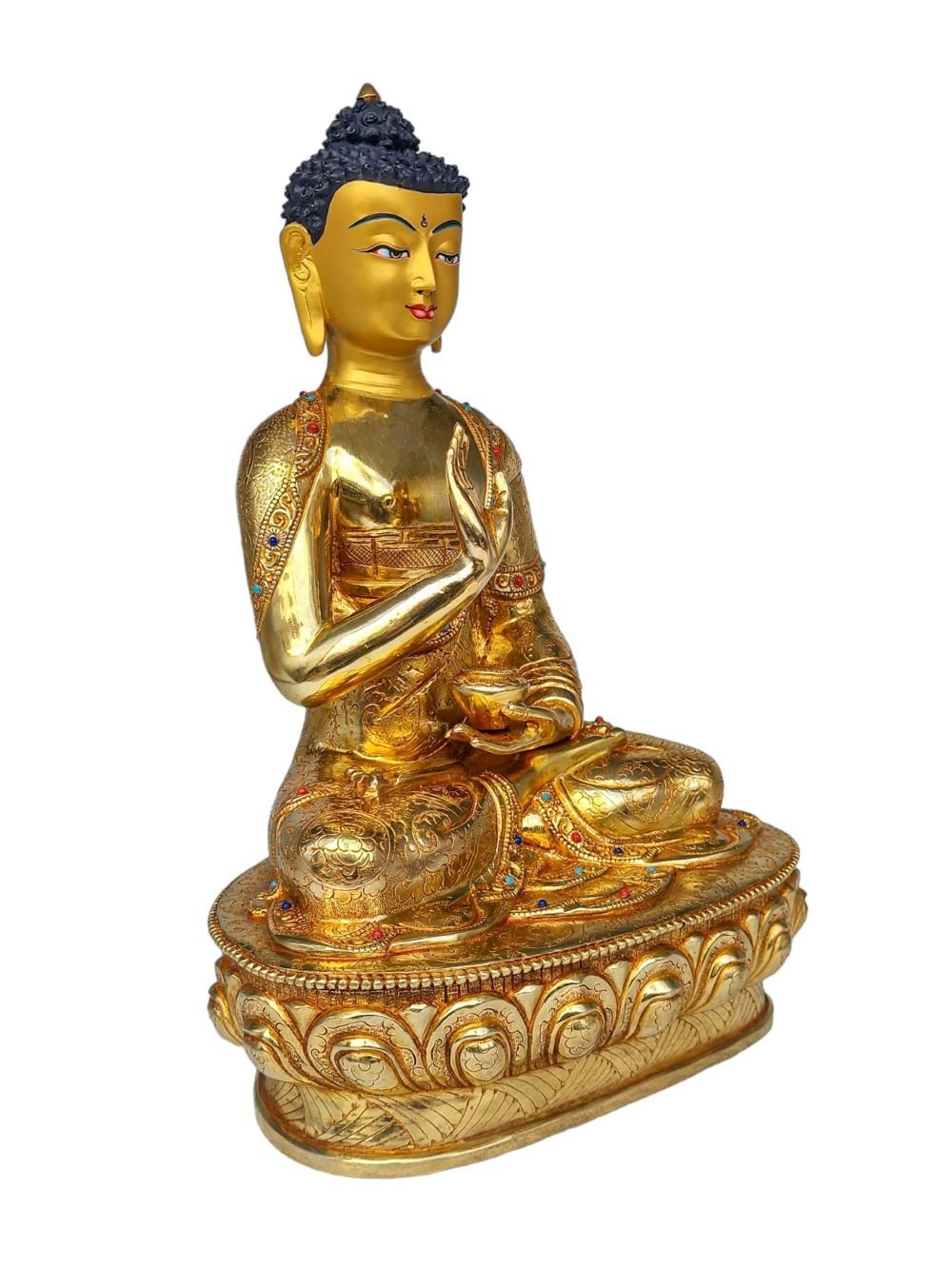
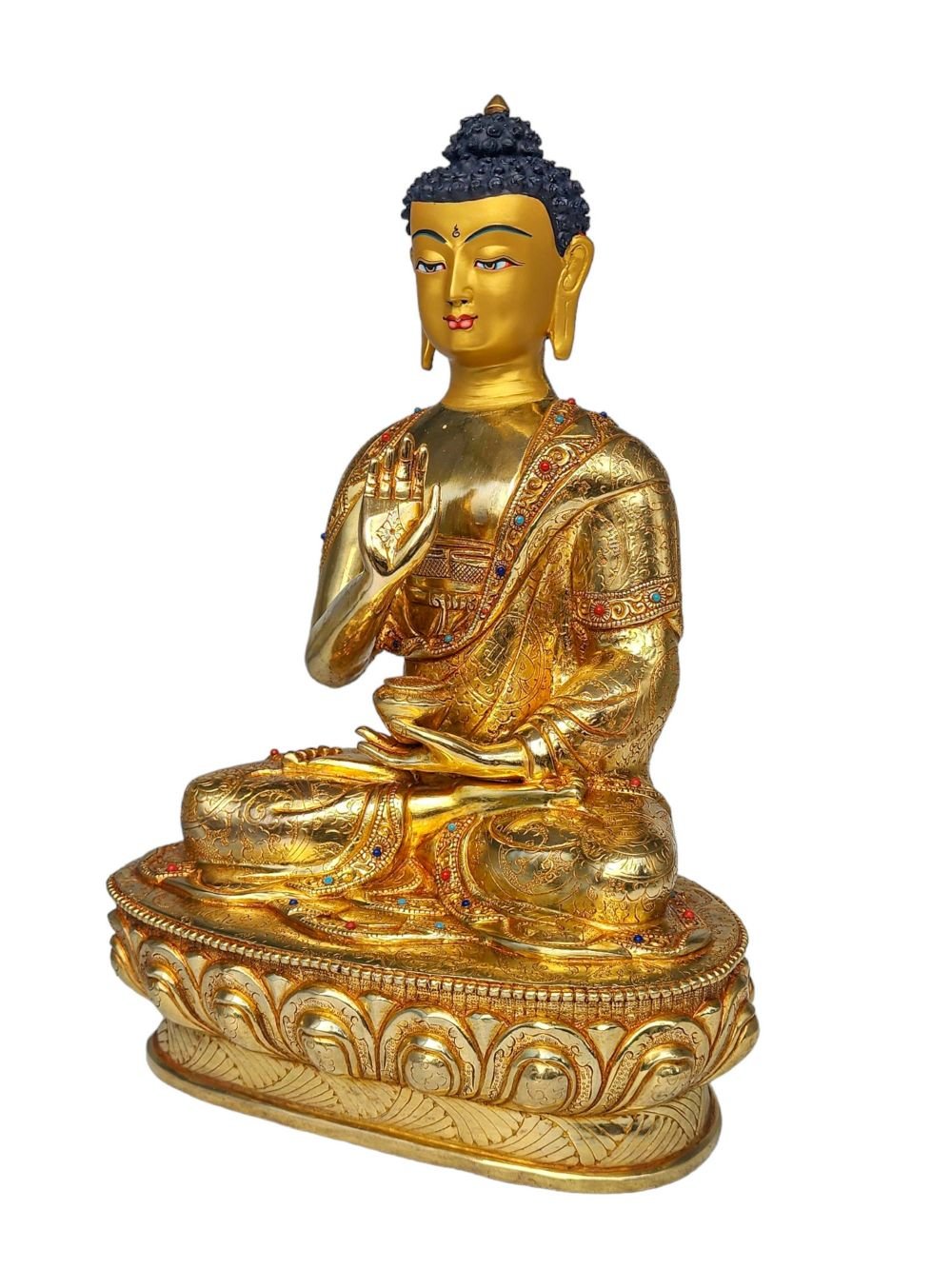
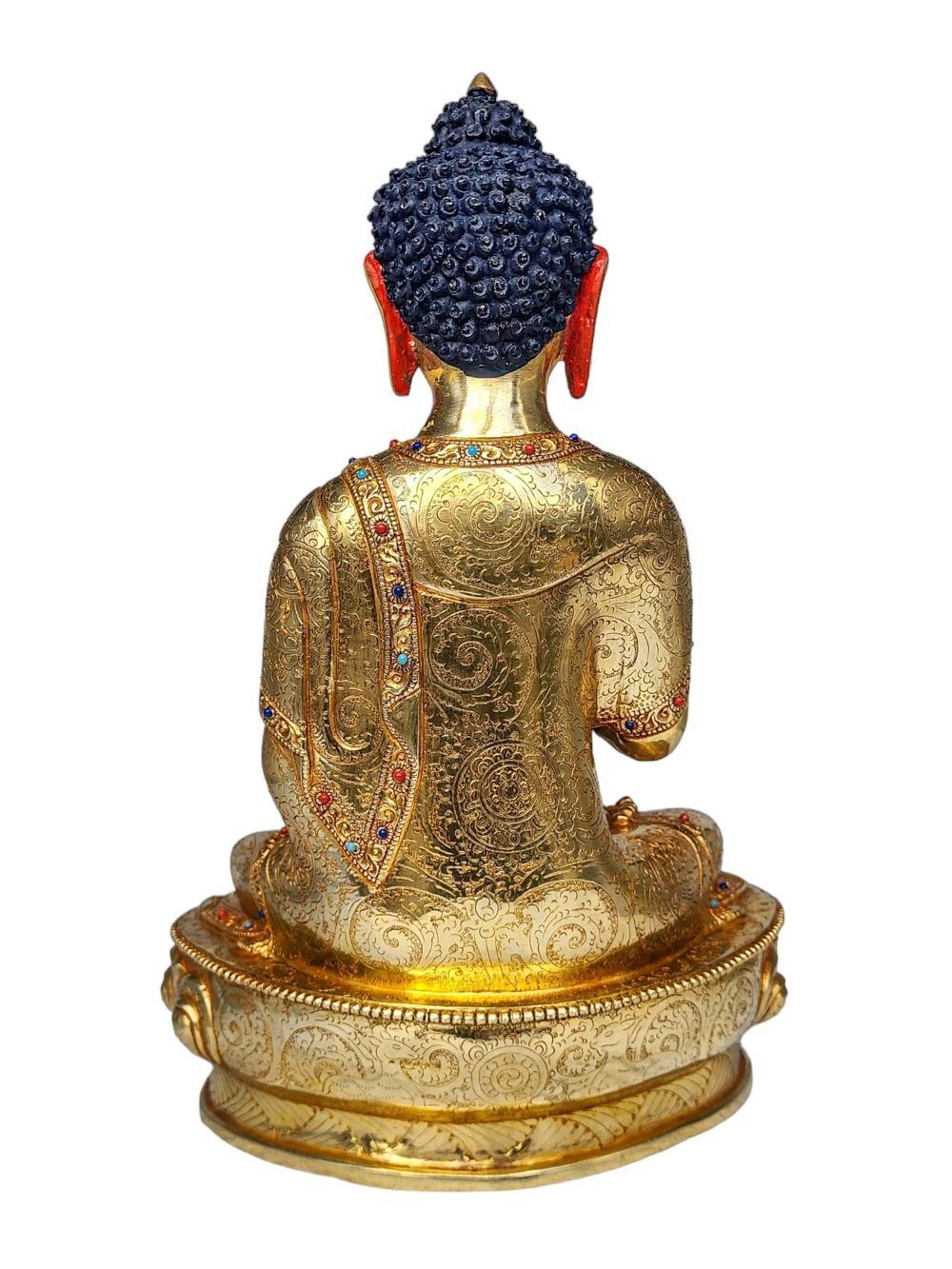


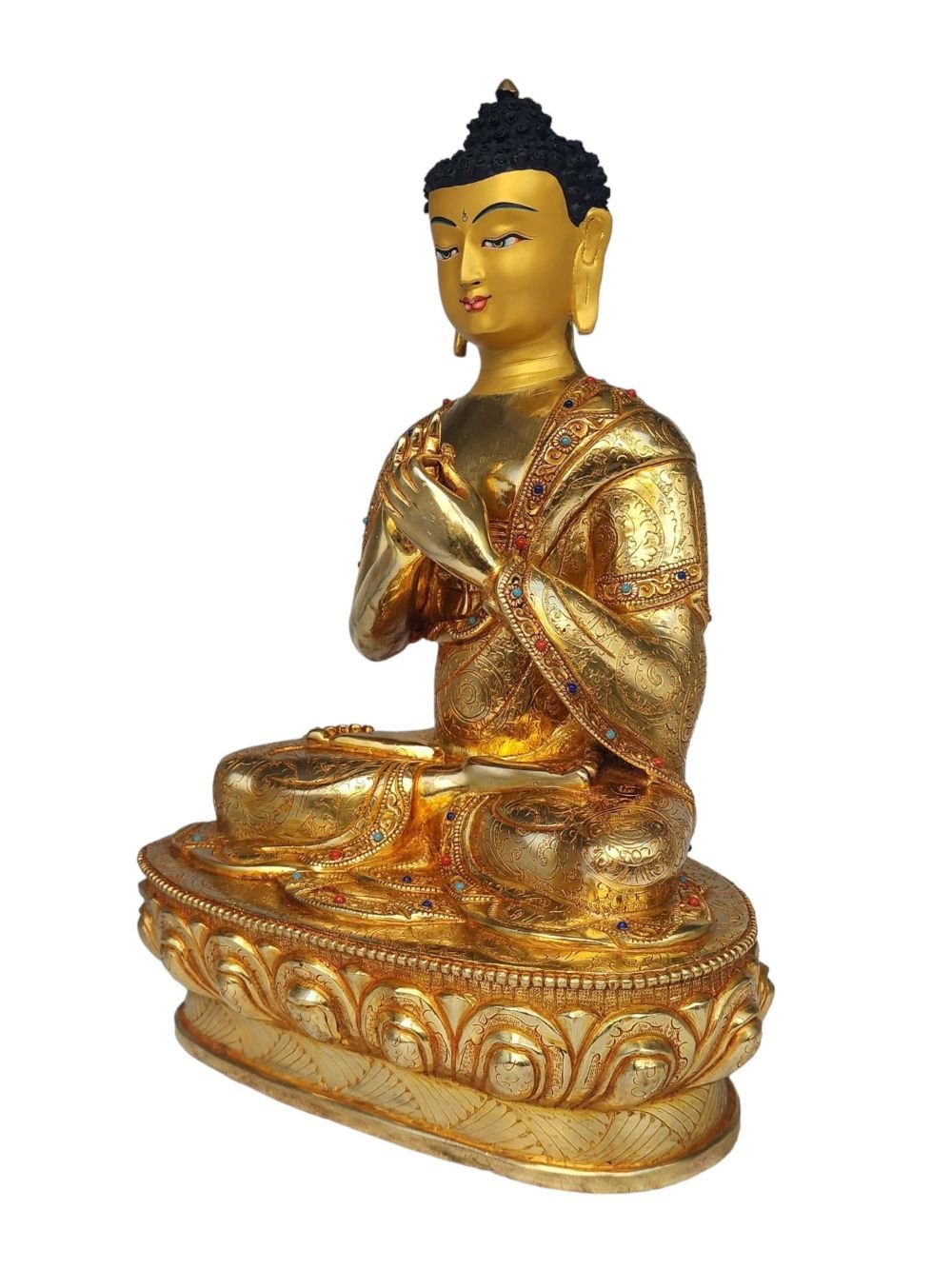

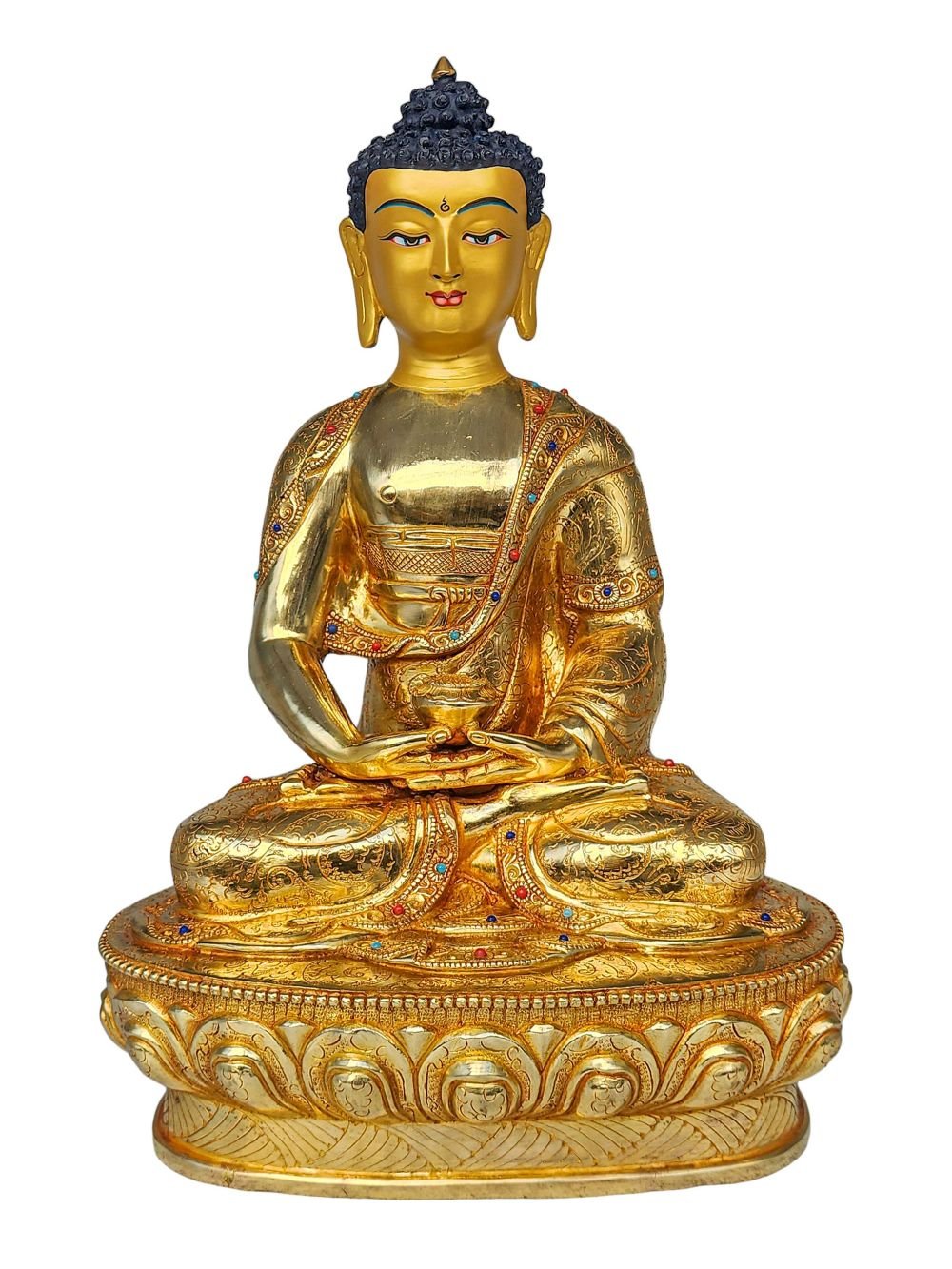
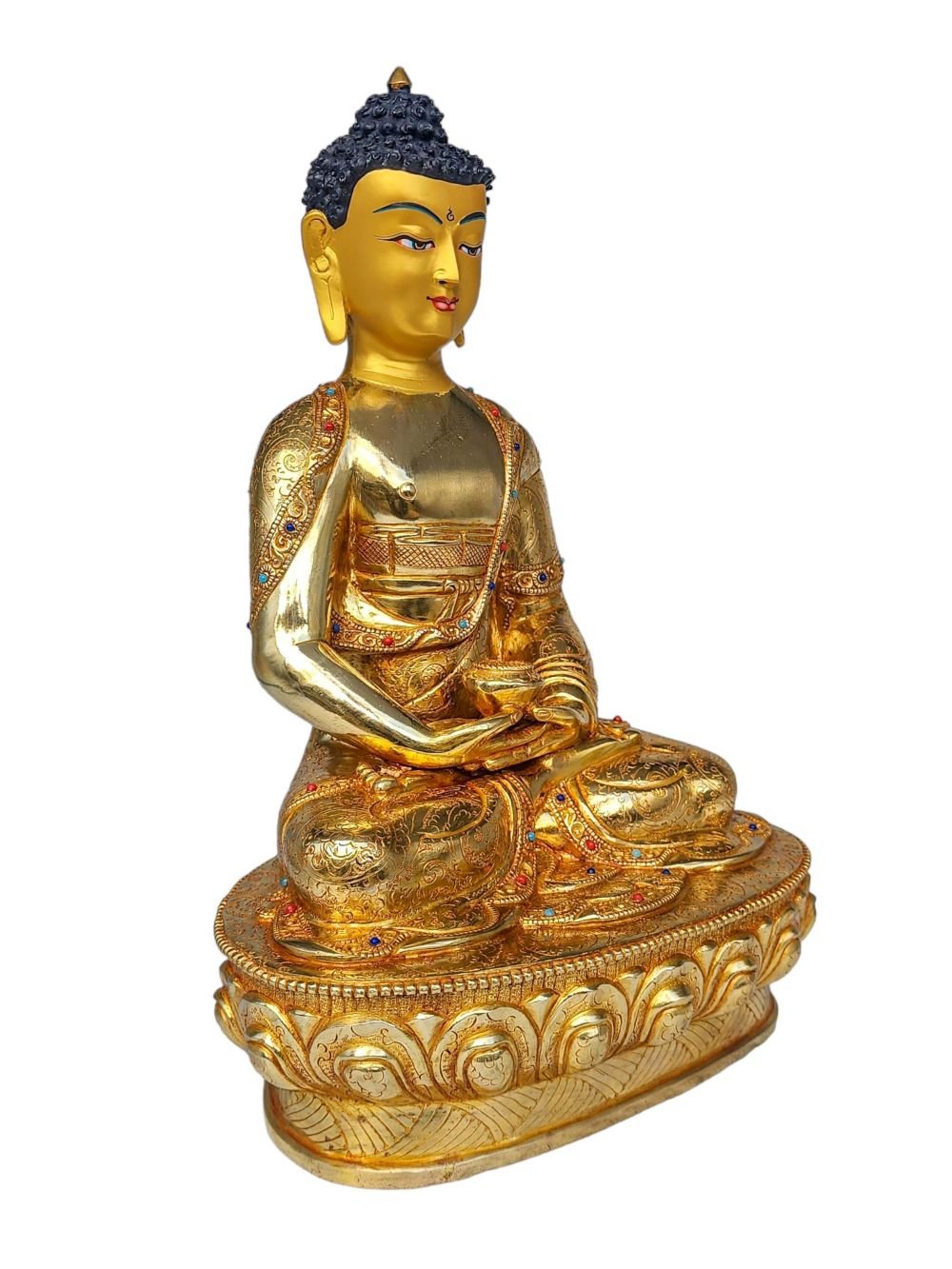
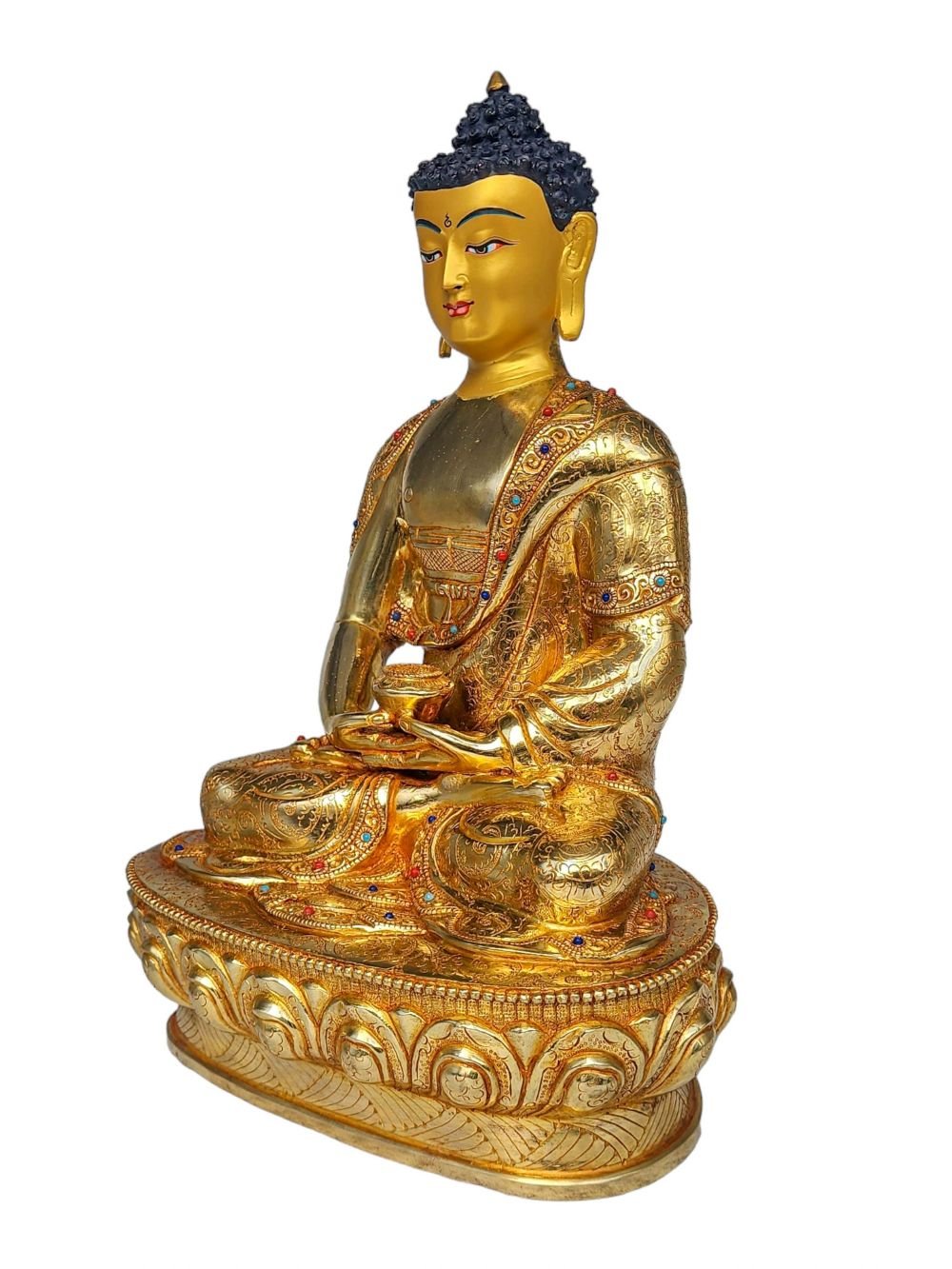
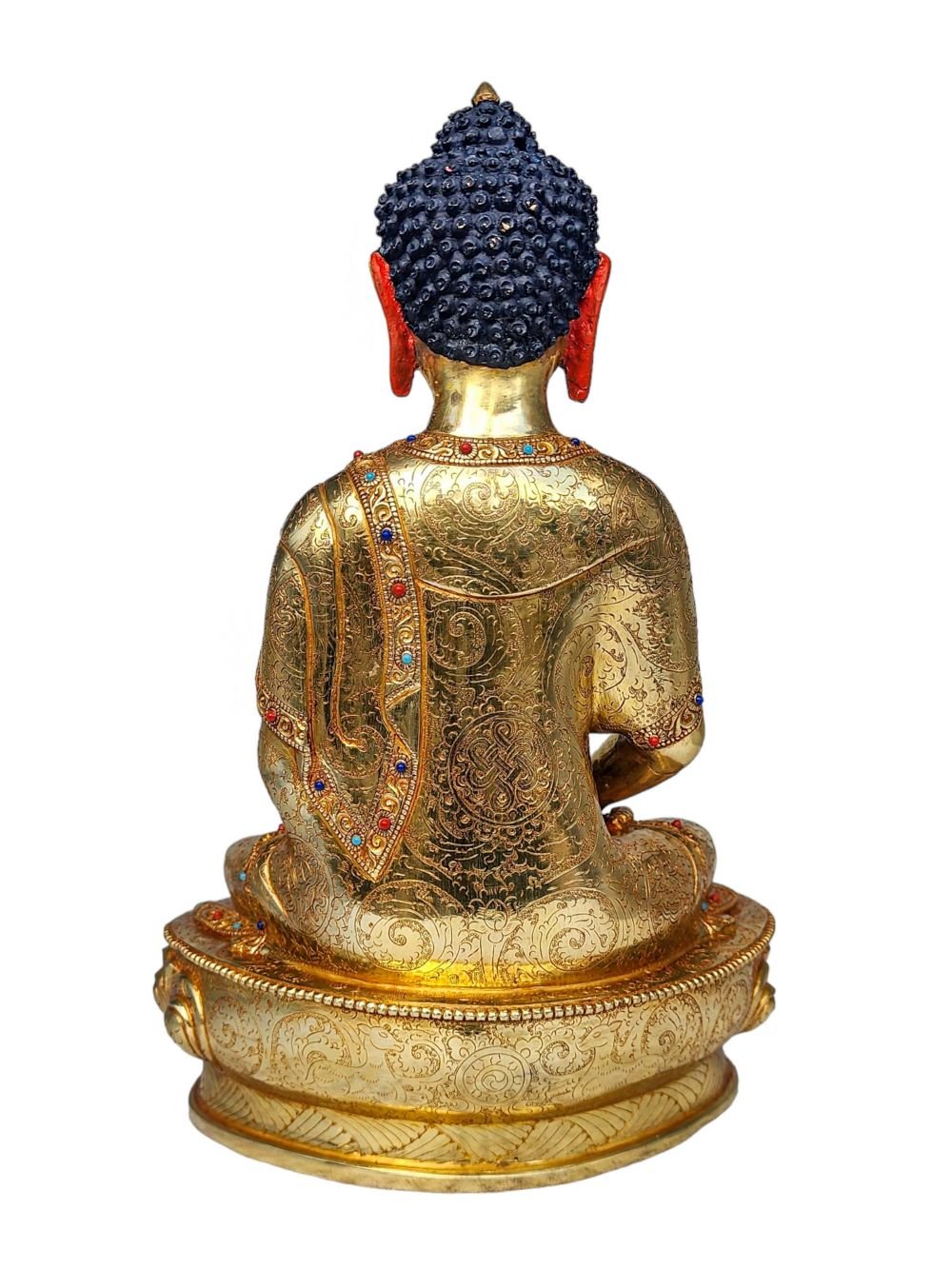
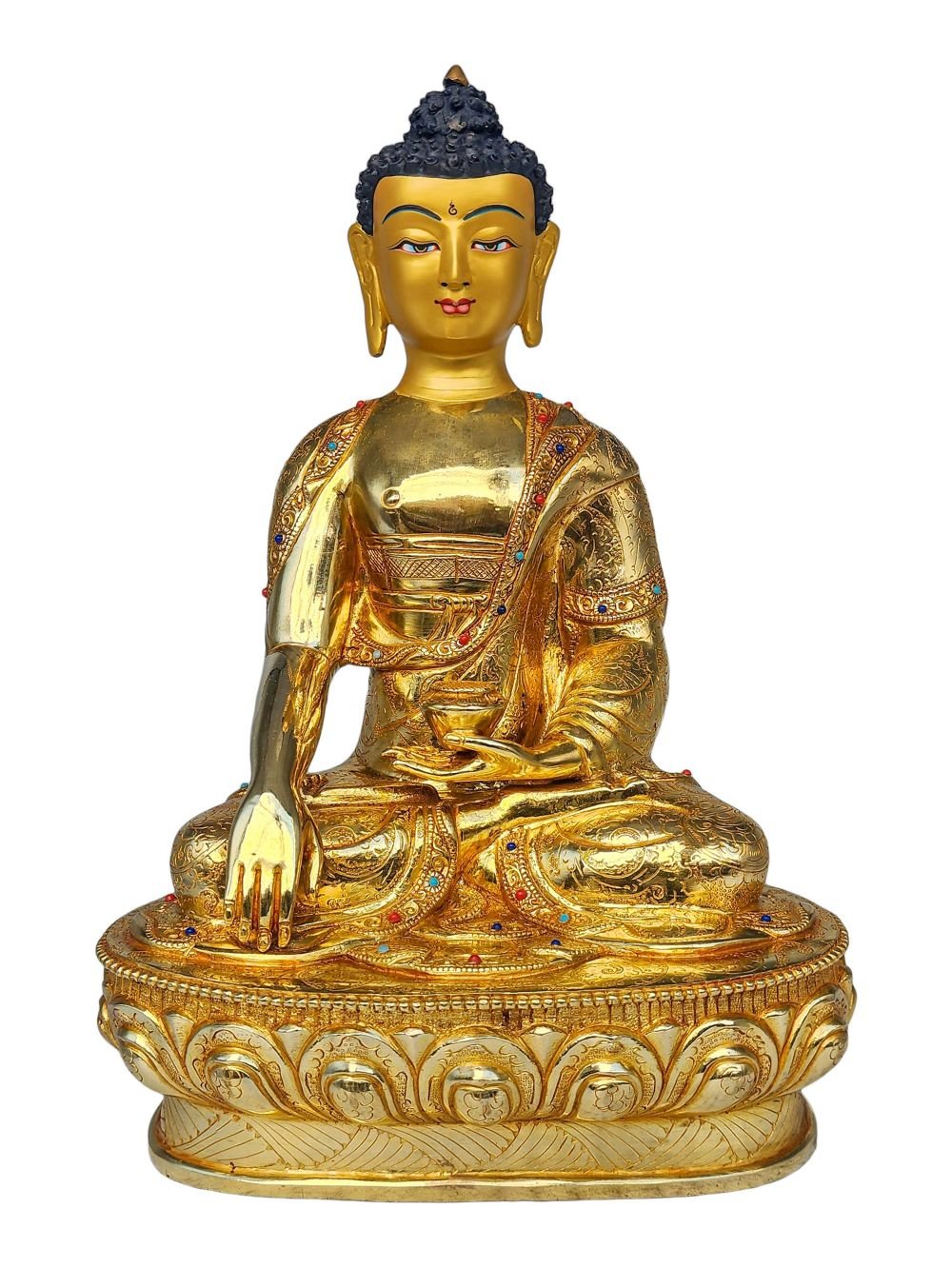
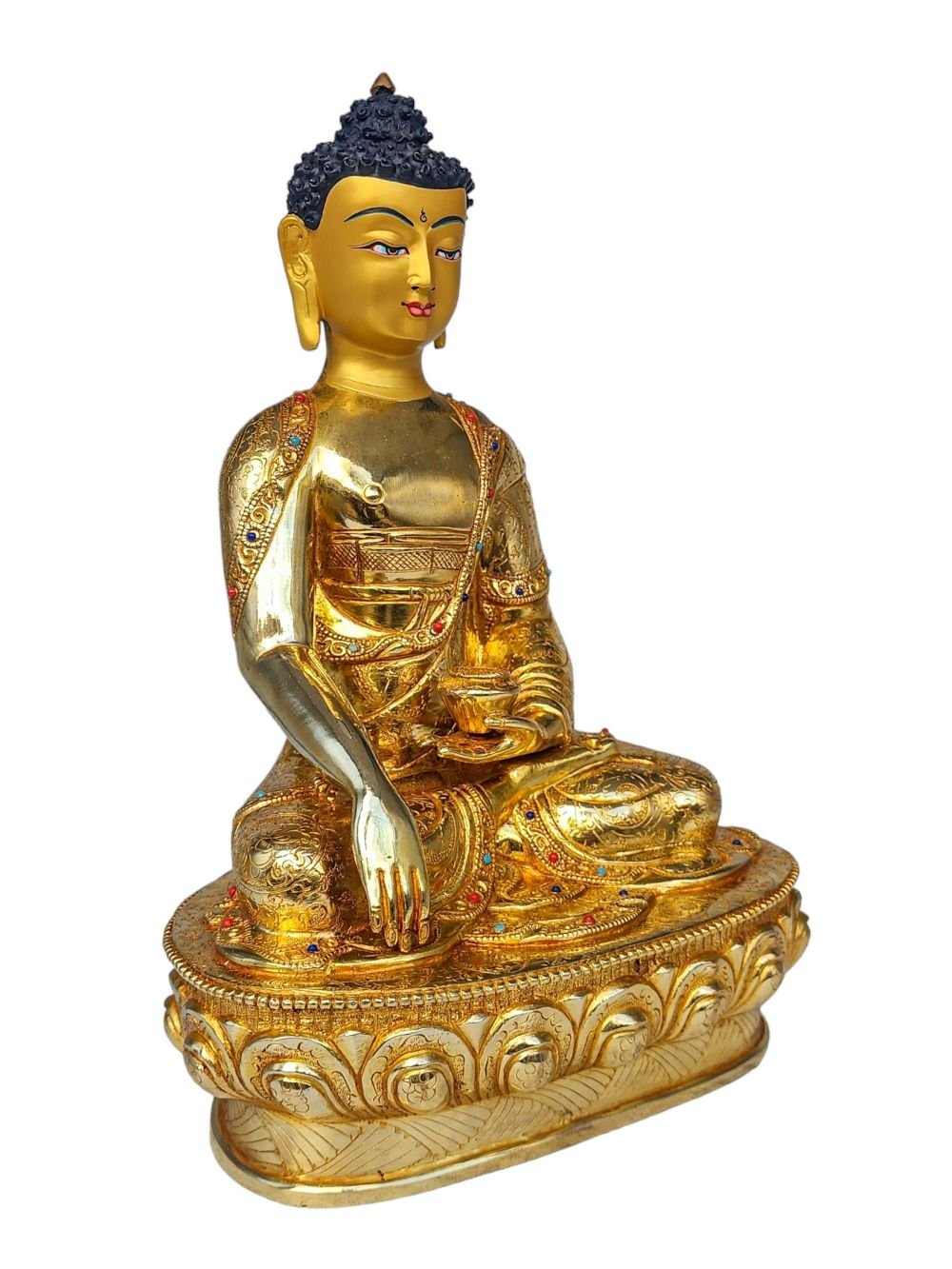
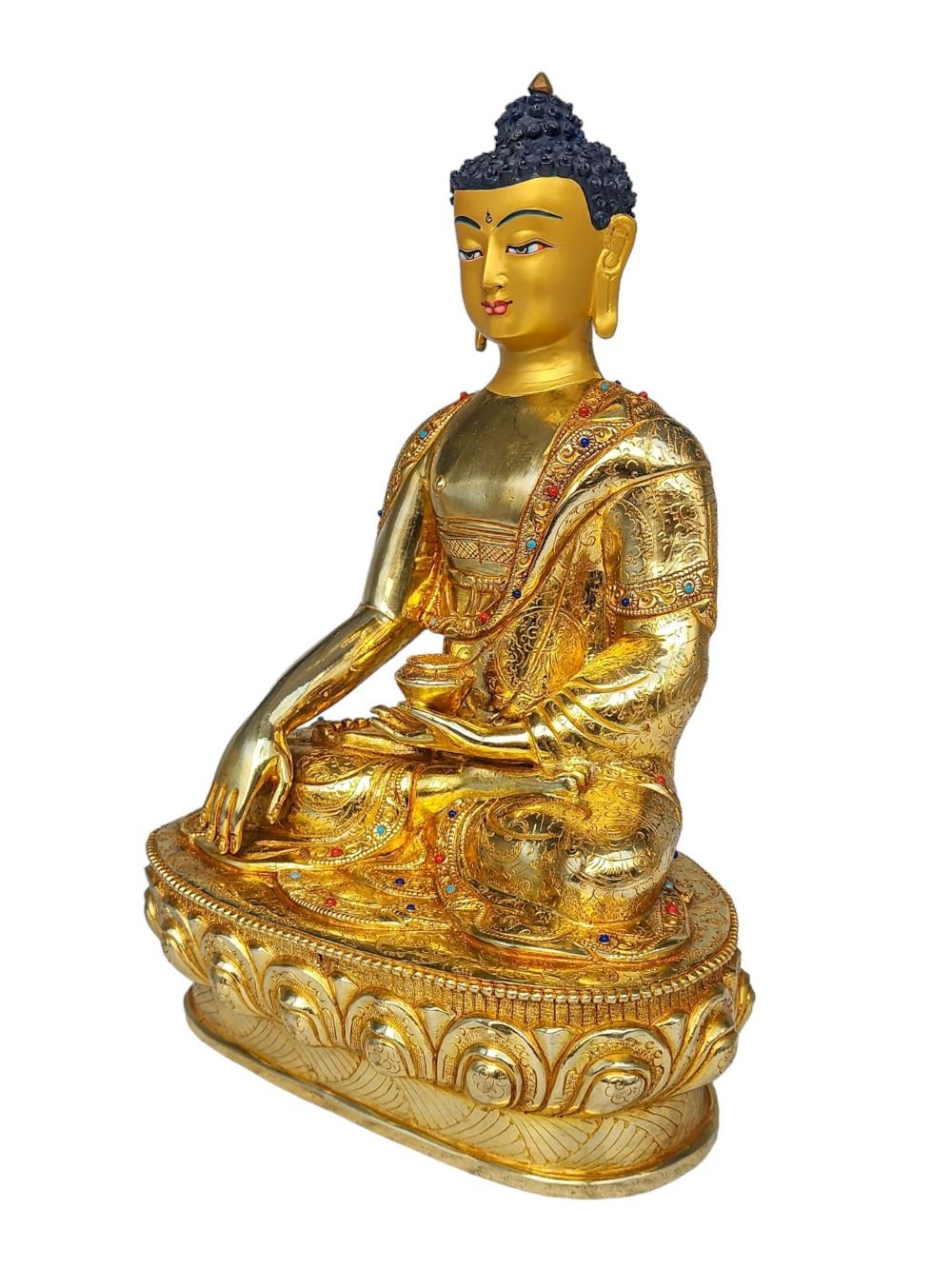
Pancha Buddha Set of Shakyamuni Buddha, Amitabha Buddha, Ratnasambhava Buddha, Vairochana Buddha, Amoghasiddi Buddha, Buddhist Handmade Statue, Full Gold Plated, Face Painted and Stone Setting , Five wisdom Buddhas, united in enlightenment
Gyelwa Nga
Wu Fo
Go Butsu
|
|
Product Specification |
|
| Code | HME31347 |
| Size |
Height 32cm (13") Width 21cm (8") Depth 14cm (6") |
Weight | 15.9 kg - 35.06 lbs |
| Material | Copper |
| Availability | Available |
Order configuration (Optional)
Filling & Blessing
HIDE Select Option
Click Here to View All Option and Prices

Select

Select

Select

Select
Statue Finishing
HIDE Select Option
Click Here to View All Option and Prices

Select

Select

Select

Select

Select

Select

Select

Select

Select

Select

Select

Select

Select

Select

Select

Select

Select

Select

Select

Select

Select

Select

Select

Select

Select

Select

Select

Select

Select

Select

Select

Select

Select

Select

Select

Select

Select

Select

Select

Select
| Quantity | PCS |
US$ 3,600.00
$ 4,800.00 -25% off
Shipping Cost
|
| Price Adjustment [ Discount Ends in : 40 days ] |
||
Shipping Calculation
weight of 1 Pcs of the product is 16 kg and will cost USD $ 231.00
-
Item location: kathmandu, Nepal
Worldwide shipping - Dispatch
-
We normally dispatch the product in 2-5 business days. Else Buyer will be infromed personally about the dispatch Date.
- Payment
- Paypal | Credit - Debit Card | Bank Transfer | See More
- Return
- 7 days money back, buyer pays return shipping
Welcome to Handmade Handicraft
At Handmade Handicraft, we prioritize simplicity, reflected in our user-friendly website design. We have streamlined the process so everything you need is just a click away.
While our website does not support online shopping, we've incorporated a convenient shopping cart system to assist you in sending us your inquiries. Please note, we do not process payments on our site. All transactions will be handled via email, respecting the inquiries you submit.
Should you encounter any issues while submitting your inquiries, please contact us via mobile app, email, or follow the procedure outlined below. We've provided documentation to guide you through the selection process.
selecting Procedure
In every product you will find Order Now and Quick Inquiry buttons, they are the two process of sending us your enquiry.
If you have any questions or need assistance, please don't hesitate to reach out to us. We are here to help you with your inquiries and ensure a smooth experience.
Pancha Buddha
Five Dhyani Buddhas, popularly known as Pancha Buddha are five representatives of five different qualities of Shakyamuni Buddha. Pancha Buddhas are also known as the Five Wisdom Tathagatas and are widely respected in Vajrayana Buddhism. In Sanskrit, they are known as the Five Conquerors, or Victor, and are a common subject in Vajrayana Buddhist tradition. As you may have noticed in many Thangkas or collections of five Buddha statues in Buddhist people's residences, these collections of Buddha statues are quite popular for their great five different qualities. These Pancha Buddhas are Vairochana, Akshobhaya, Amitabha, Ratnasambhava, and Amoghasiddhi.
These Five Buddhas represent five paradises in five different directions i.e. Central, East, West, North, and South. In both Nepali Buddhism as well as Tibetan Buddhism, these Pancha Buddhas are represented in different Buddha statues, Buddha images, paintings as well as Thangkas, etc. The collection of Nepali Buddha statues must consist of a set of five Pancha Buddhas or it is considered incomplete. This state how much important the Pancha Buddhas are especially in Nepalese and Tibetan Buddhism. Read More
Characteristics
The following shows the importance and characteristics of Pancha Buddhas in the life of Buddhist people.
Vairochana Buddha
Vairochana Buddha is considered as the supreme Buddha among Pancha Buddha. This Premordial Buddha represents the wisdom of Sunyata or essence of the Dharma realm meditation mudra. In Tibetan Buddhism, Pancha Buddha are drawn together in a mandala, it is always that Vairochana Buddha is in the center of Mandala. Vairochana Buddha statues are mostly depicted in white color and it is believed that if one meditate saying matra on Vairochana buddha, it helps to vanquish ingnorance. Vairocana Buddha Statues is quite popular among the Tibetan Buddha statues since the core of Jokhang temple is the Buddha image of Vairocana Buddha and Jokhang temple is one of the few important Buddhist pilgrimage sites in Tibet.
Ratnasambhava Buddha
Ratnasambhava Buddha represents the South Skandha and is believed to reign over it just like other Buddha. Ratnasambhava Buddha statues is especially depicted in yellow color and represents richness. Ratnasambhava Buddha is shown in Varada Mudra, also known as Boon giving mudra, one of the different styles of Buddha statues. In Mandala, Ratnasambhava Budhda is shown facing South.
Amoghasiddhi Buddha
As the Buddha reigning over North Skandha, Amoghasiddhi Buddha is believed to protect or destroy every ounce of envy or jealousy from the heart of people who meditate on Amoghasiddhi Buddha. Amoghasiddhi Buddha statues are depicted in green color holding double vajra. Since he is represented as the protector from envy, Amoghasiddhi Buddha is shown in Abhaya mudra.
Akshobhaya Buddha
Among Pancha Buddhas, Akshobhaya Buddha is quite popular representations of Buddha. Akshobhaya Buddha is depicted in Blue color, holding vajra with left hand and touching the earth using earth touching Mudra. Akshobahaya Buddha is considered as the heavenly Buddha who reign over the eastern Paradise and represents the fifth Skandha. By meditating on the name of Akshobhaya Buddha, one can overcome any kind of anger as well as hatred.
Amitabha Buddha
In many Asian countries, Amitabha Buddha of Pancha Buddha is greatly respected and followed by large number of Buddhist people as well as Buddhist monks. Amitabha Buddha is also the heavenly Buddha who reign over the Western Paradise and is represented in red Color, holding lotus which symbolizes gentle and pure. Amitabha Buddha stands in the center of Pure Land which is considered as heavenly place where one can be free from all cycles of life. Only who speaks or meditate on Amitabha Buddha can go to Pure Land according to Buddhist doctrines of Amitabha Buddha. Two major Bodhisattvas i.e. Avalokiteshvara and Mahasthamaprapta are depicted with Amitabha Buddha statues.
These Pancha Buddha are greatly respected by Newari Buddhism as well as Nepali-tibetan Buddhist ethnicities. These five Buddhas of five different skandha shows the qualities of Living Buddha and depicted in form of crown known as Five Buddha Crown or Rig Nga in Tibetan Buddhism. One of the key features of Pancha Buddha statues is that the hand postures of each Pancha Buddha are not considered mudra if all five Buddha statues are not placed together.
Our Buddha statue collection provides different styles of antique Pancha Buddha statues, Nepal Tibet Buddha statues, Tibetan Buddha statues, and Buddha sculptures, based on the mudras, etc. You can view our onlince collection for rare, old and antique Pancha Buddha Statues.
what is a Rare find?
This Pancha Buddha is a rare find product, The Rare Find product is an uncommon and elusive product that is difficult to find and likely the only one available for sale. Once sold, Pancha Buddha will be removed from the listings or marked as sold. This rarity and exclusivity make it highly sought-after by collectors and enthusiasts, offering a unique and irreplaceable addition to any collection.
Finishing: Stone Setting
The Pancha Buddha is adorned with an exquisite array of semi-precious stones, including turquoise, coral, and lapis lazuli. These stones are carefully selected and meticulously placed on the Pancha Buddha's surface, adding a touch of opulence and enhancing its overall beauty. Each stone is thoughtfully positioned using a high-quality adhesive, ensuring secure and long-lasting attachment. The vibrant colors and unique patterns of the stones create a captivating contrast against the backdrop of the Pancha Buddha, elevating its visual appeal and making it truly eye-catching. Read More
Gold Painted Face
The face of Pancha Buddha is painted with gold to enhance its significant features, particularly the eyes, and lips. This detailed painting is essential as it brings forth the crucial attributes of the expression of eyes and lips that metal carving alone cannot capture.
Moreover, the painted face serves as a symbolic and sacred ritual in Buddhism, preparing the statue for consecration and practice. The act of painting the face with gold in Buddhism holds deep meaning. It represents the intention to bring life and expression to the statue, imbuing it with a sense of vitality and presence. The application of gold on the face showcases the devotion and craftsmanship of the artisans, ensuring that every detail is carefully attended to honor the sacred essence of the Pancha Buddha. Read More
Full Fire Gold Plating
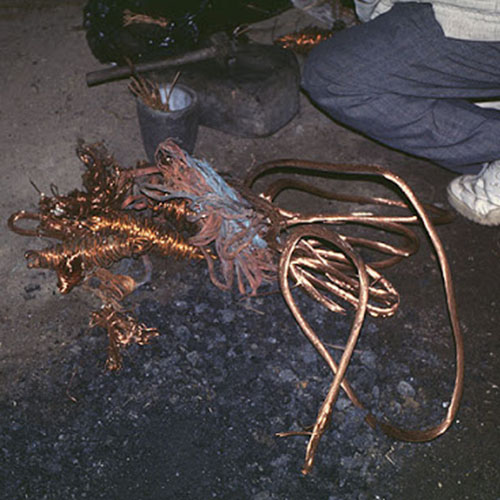
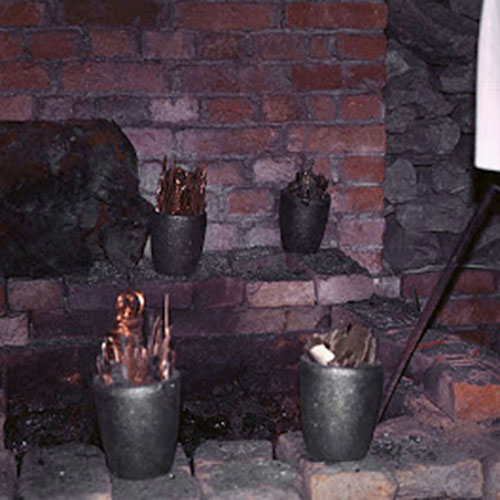
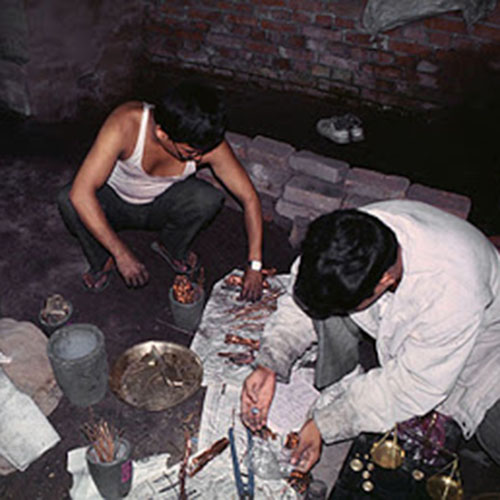
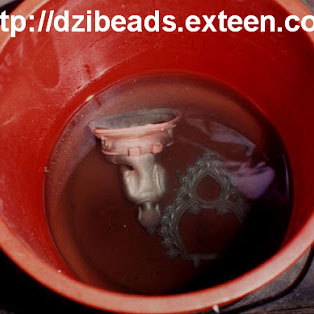
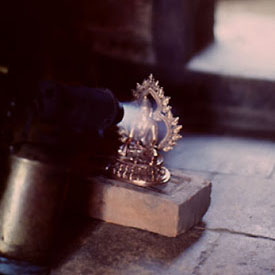
This Pancha Buddha is finished with full gold plating. also known as mercury gold plating or fire gold plating. This traditional technique involves the application of a genuine layer of gold onto the Pancha Buddha. Referred to as mercury gold plating, it is considered the correct and authentic form of gold plating in Nepal. Despite being more expensive than electroplating, this traditional mercury gold plating is gaining popularity again in Nepal. People are drawn to its authenticity, longevity, and the unmatched beauty it brings to the Pancha Buddha. The resurgence of interest in this traditional form of gold plating reflects a growing appreciation for the craftsmanship and cultural heritage of Nepal Read More
Lost-Wax System
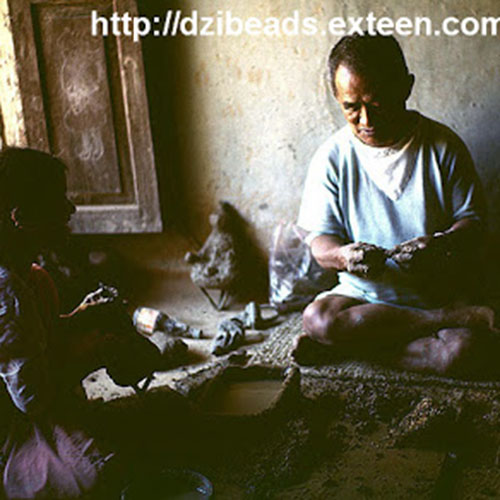
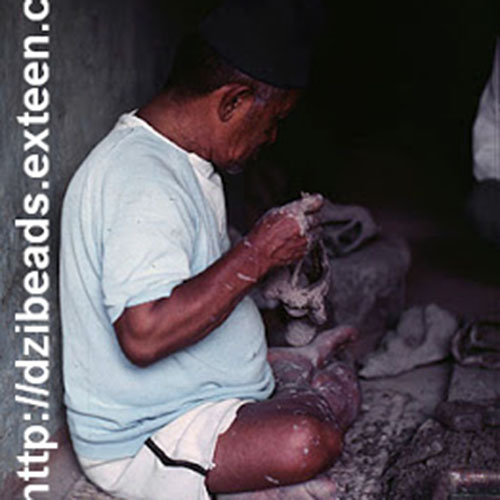
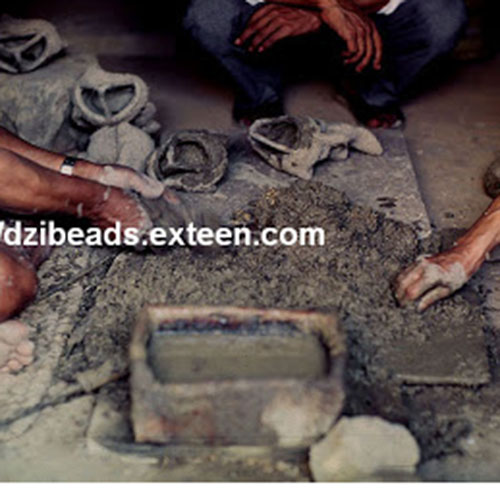
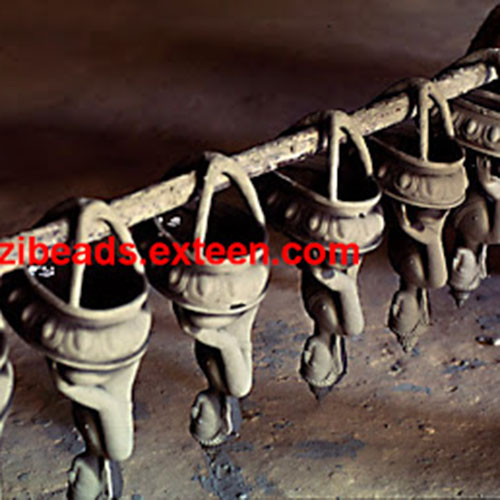
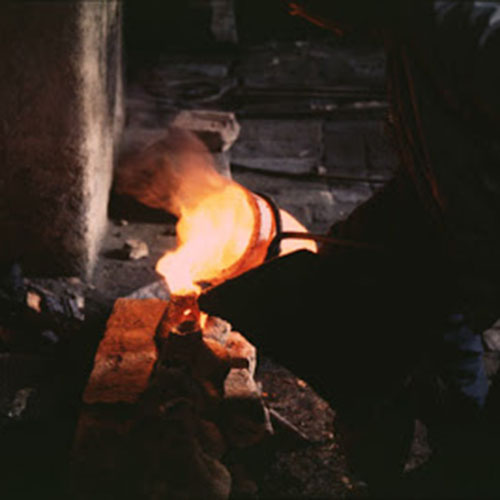
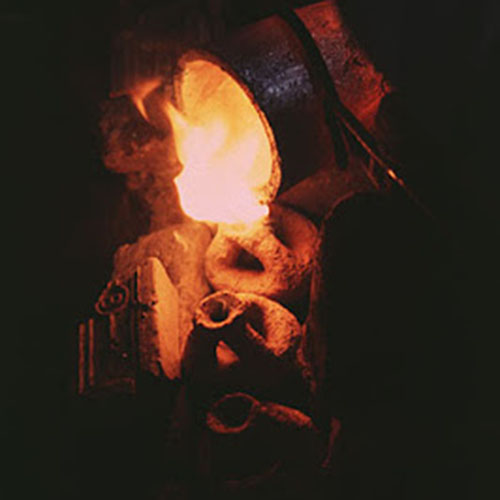
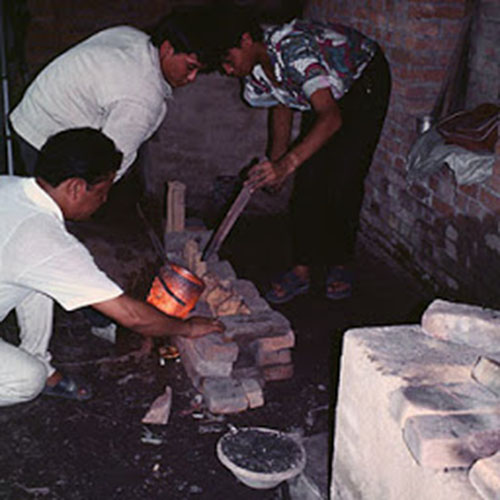
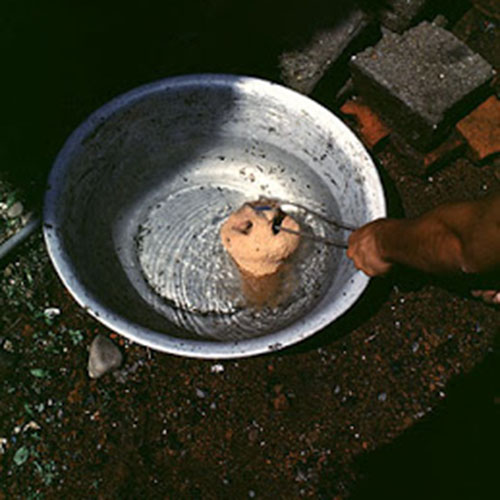
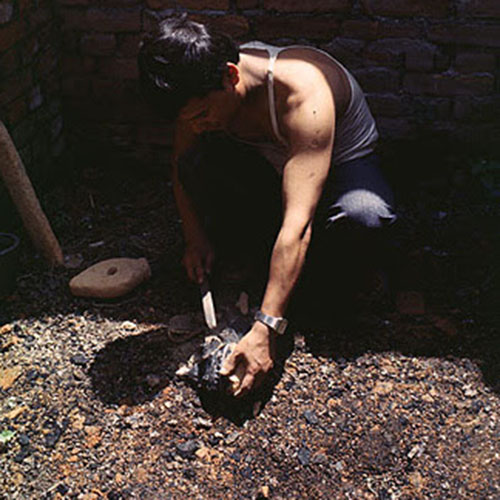
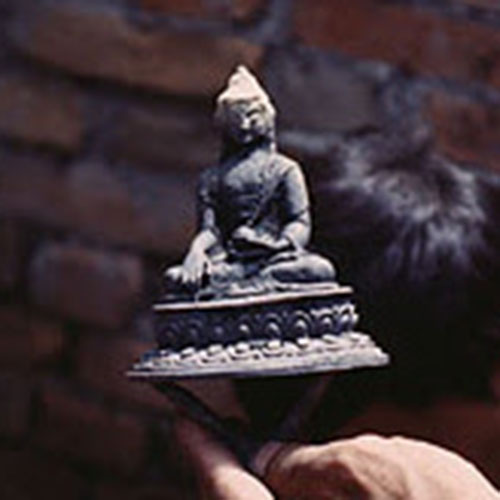
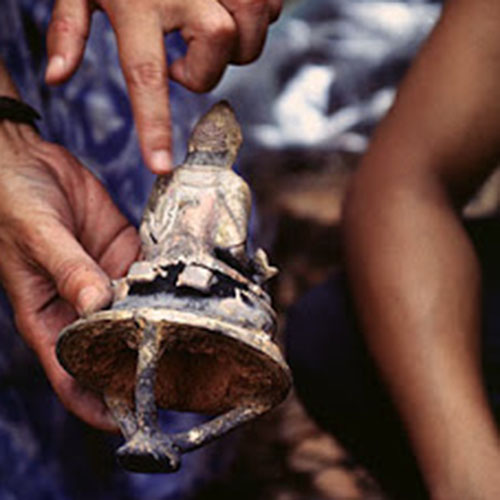
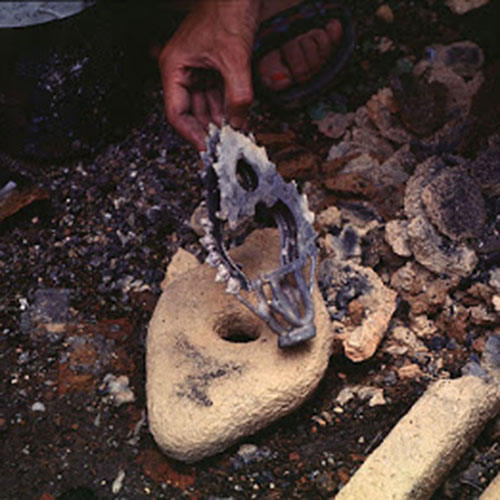
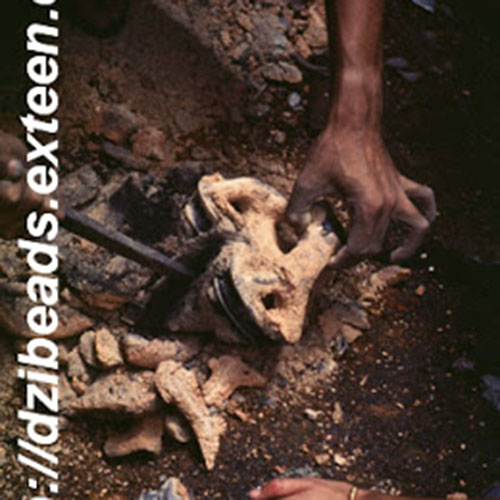
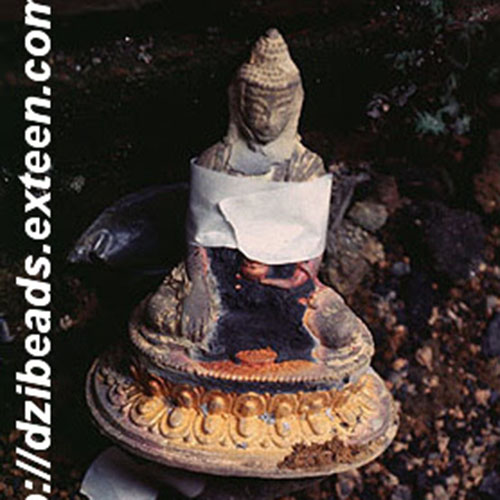
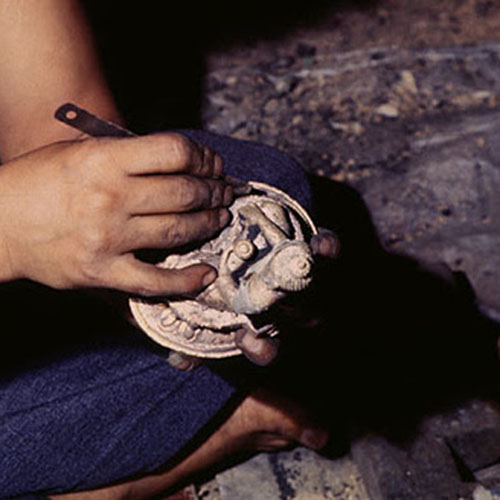
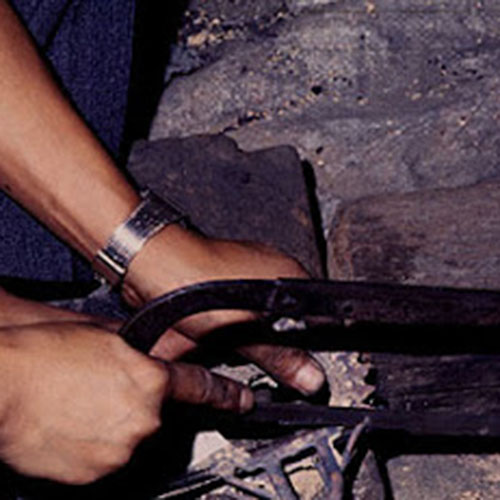
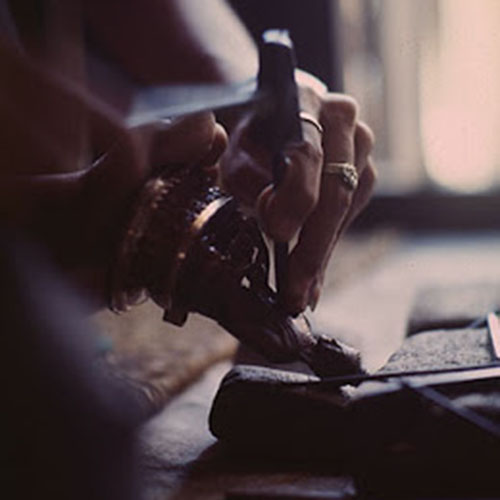
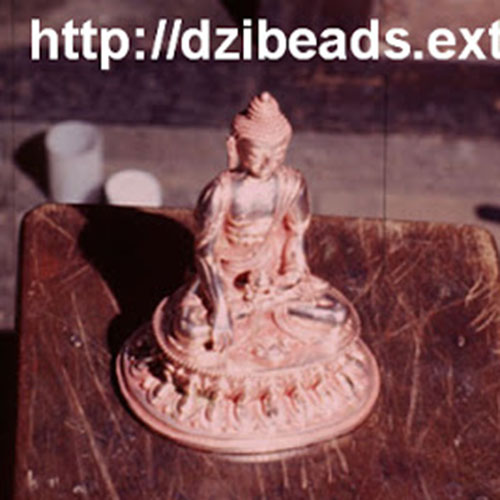
This Pancha Buddha is made by the process of the Lost-Wax system. The lost-wax process, also known as investment casting, is a time-honored technique used to create metal sculptures. It involves several steps that have been practiced for thousands of years. Skilled artisans begin by sculpting a detailed wax model, capturing every intricate detail of the desired sculpture. The wax model is then coated with a ceramic shell, formed by multiple layers of ceramic material. Once the shell has cured, the wax is melted and drained out, leaving behind a cavity. Molten metal is poured into the cavity, creating a precise replica of the original wax model. After the metal has cooled and solidified, the ceramic shell is carefully removed, revealing the final metal sculpture. Read More
Related Products

5.5 cm
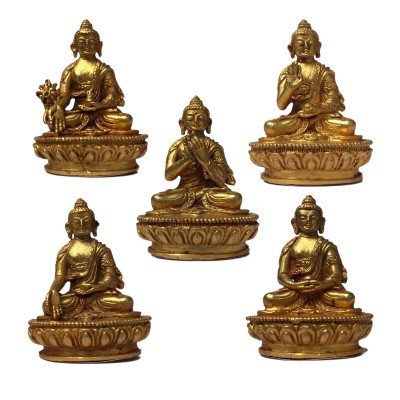
Tibetan Pancha Buddha Set, Full Gold Plated
US$ 68.00
25% off
$ 90.00
$ 90.00

28 cm
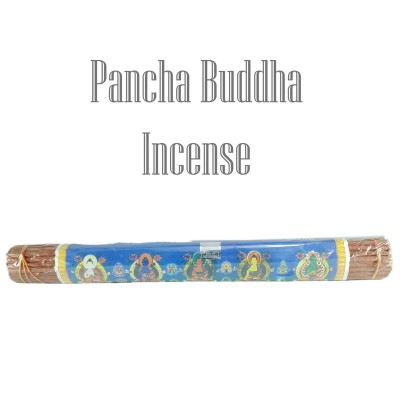
Pancha Buddha Buddhist Incense
US$ 1.35
25% off
$ 1.80
$ 1.80

62 cm
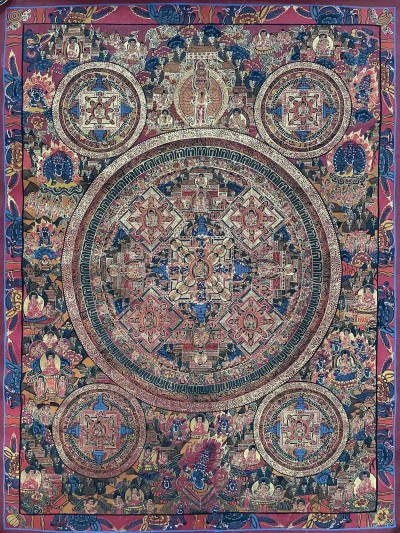
Buddhist Hand Painting Of Pancha Buddha Mandala, Hand Painted
US$ 83.00
25% off
$ 110.00
$ 110.00

83 cm
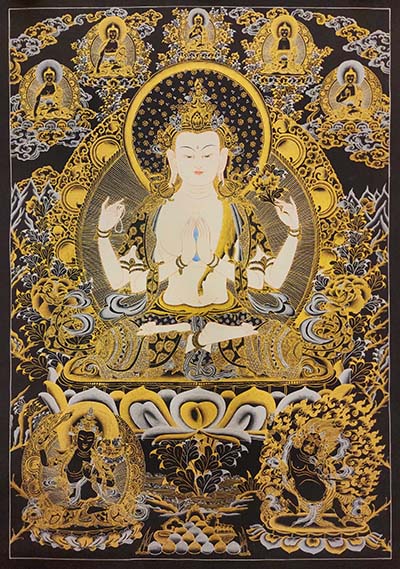
Chenrezig Thangka With Pancha Buddha, Black And Gold, Buddhist Traditional Painting, Tibetan Style, Three Great Bodhisattvas, Fast Selling
US$ 180.00
25% off
$ 240.00
$ 240.00