

Loading Content..
Please wait...
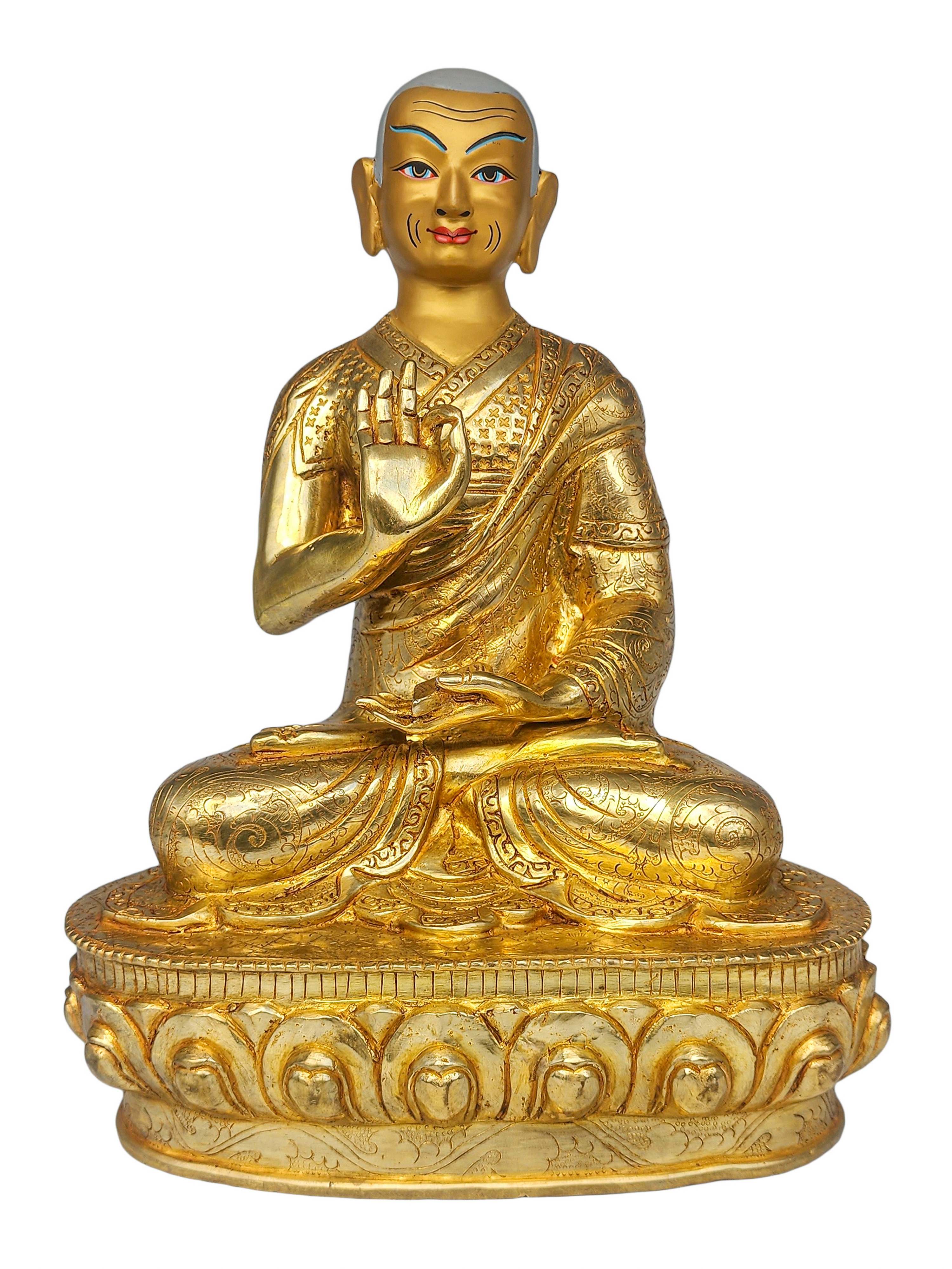

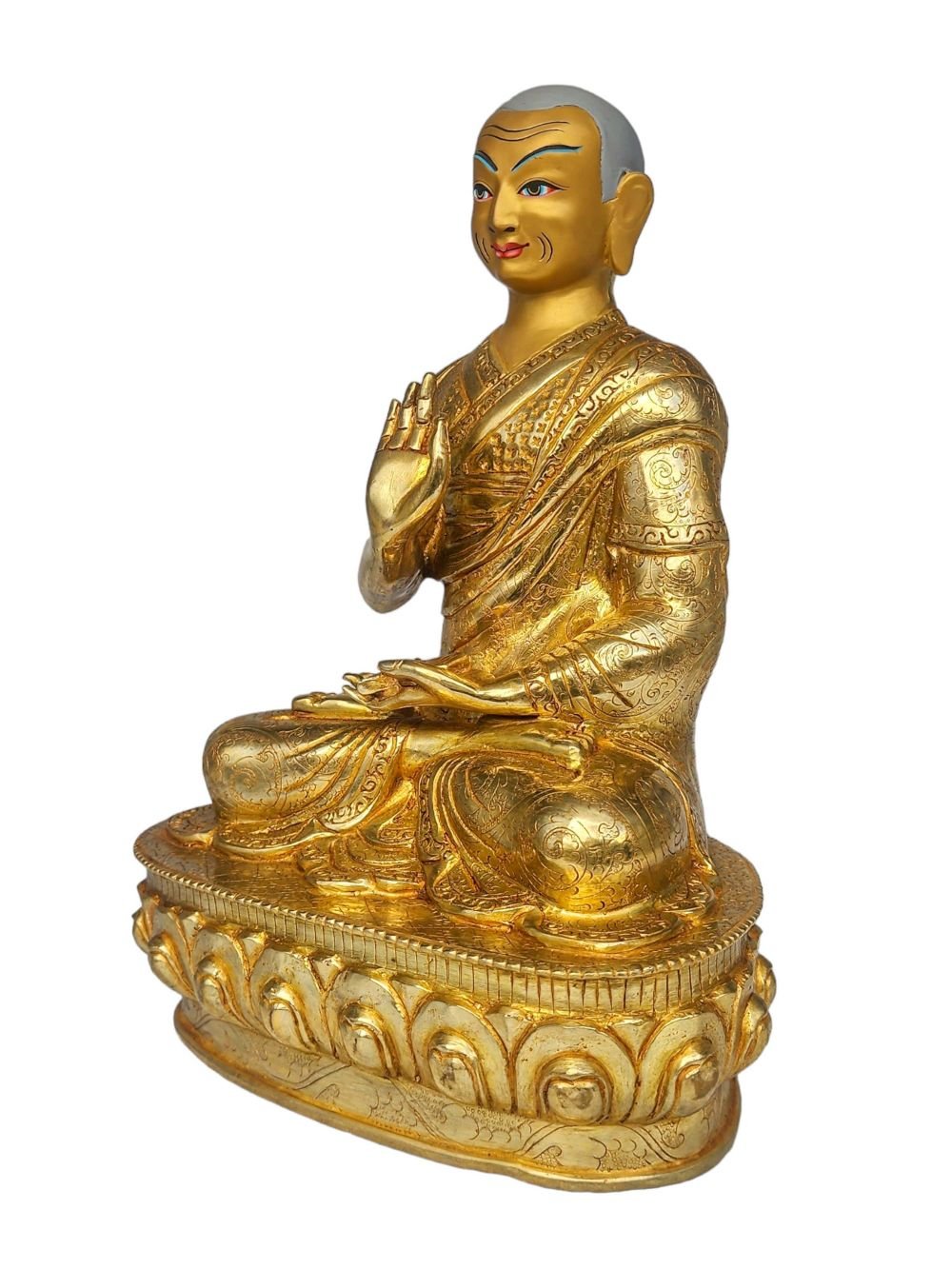

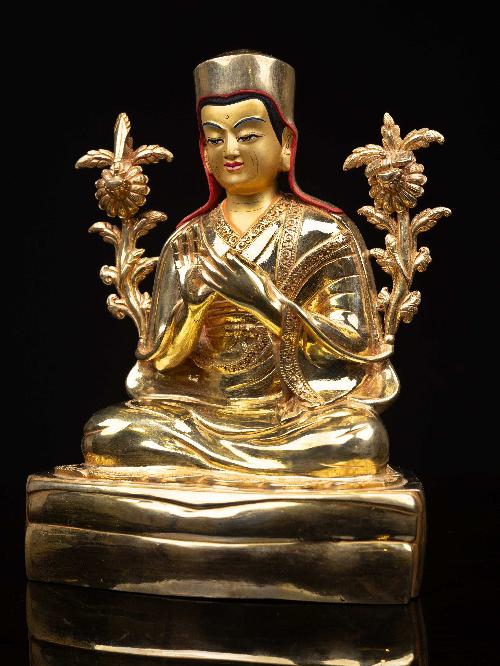
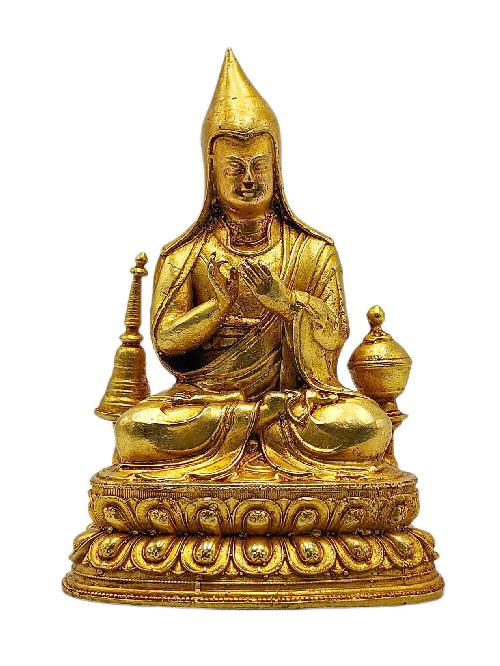
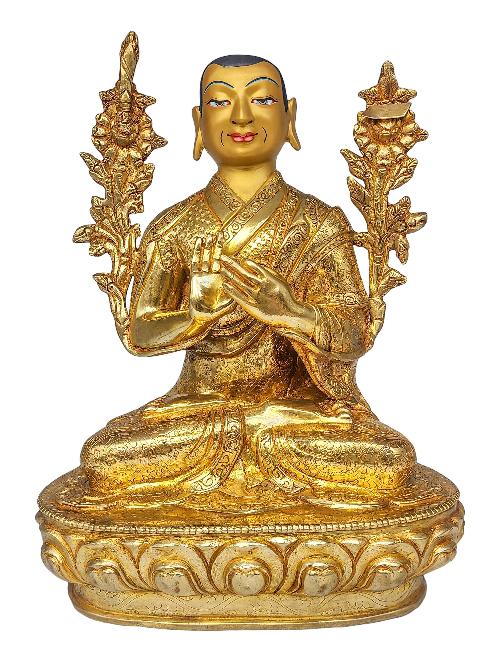
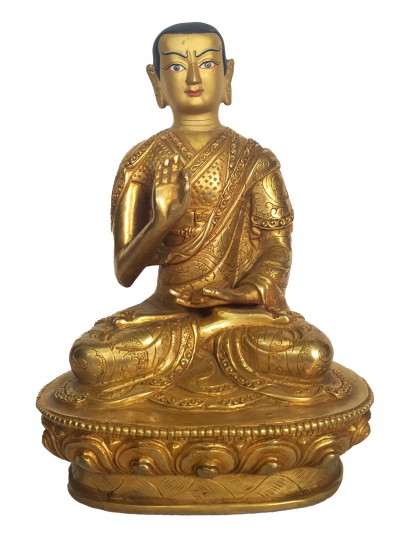
Tsongkhapa, Buddhist Handmade Statue, Face Painted and Gold Plated , Founder of the Gelug School and Master of Wisdom
Tsongkhapa
|
|
Product Specification |
|
| Code | HME31340 |
| Size |
Height 28cm (11") Width 19cm (7") Depth 13cm (5") |
Weight | 2.15 kg - 4.73 lbs |
| Material | Copper |
| Availability | Available |
Order configuration (Optional)
Filling & Blessing
HIDE Select Option
Click Here to View All Option and Prices

Select

Select

Select

Select
Statue Finishing
HIDE Select Option
Click Here to View All Option and Prices

Select

Select

Select

Select

Select

Select

Select

Select

Select

Select

Select

Select

Select

Select

Select

Select

Select

Select

Select

Select

Select

Select

Select

Select

Select

Select

Select

Select

Select

Select

Select

Select

Select

Select

Select

Select

Select

Select

Select

Select
| Quantity | PCS |
US$ 450.00
$ 600.00 -25% off
Shipping Cost
|
| Price Adjustment [ Discount Ends in : 41 days ] |
||
Shipping Calculation
weight of 1 Pcs of the product is 2.5 kg and will cost USD $ 53.00
-
Item location: kathmandu, Nepal
Worldwide shipping - Dispatch
-
We normally dispatch the product in 2-5 business days. Else Buyer will be infromed personally about the dispatch Date.
- Payment
- Paypal | Credit - Debit Card | Bank Transfer | See More
- Return
- 7 days money back, buyer pays return shipping
Welcome to Handmade Handicraft
At Handmade Handicraft, we prioritize simplicity, reflected in our user-friendly website design. We have streamlined the process so everything you need is just a click away.
While our website does not support online shopping, we've incorporated a convenient shopping cart system to assist you in sending us your inquiries. Please note, we do not process payments on our site. All transactions will be handled via email, respecting the inquiries you submit.
Should you encounter any issues while submitting your inquiries, please contact us via mobile app, email, or follow the procedure outlined below. We've provided documentation to guide you through the selection process.
selecting Procedure
In every product you will find Order Now and Quick Inquiry buttons, they are the two process of sending us your enquiry.
If you have any questions or need assistance, please don't hesitate to reach out to us. We are here to help you with your inquiries and ensure a smooth experience.
Tsongkhapa
Tsongkhapa usually taken to mean "the Man from Onion Valley", born in Amdo, was a famous teacher of Tibetan Buddhism whose activities led to the formation of the Gelug school of Tibetan Buddhism. He is also known by his ordained name Losang Drakpa (Wylie: blo bzang grags pa) or simply as "Je Rinpoche" (Wylie: rje rin po che). Also, he is known by the Chinese as Zongkapa Lobsang Zhaba, He was the son of a Tibetan Longben Tribal leader who also once served as an official of the Yuan Dynasty of China.
In his two main treatises, the Lamrim Chenmo (Wylie: lam rim chen mo) and Ngakrim Chenmo (Wylie: sngags rim chen mo), Tsongkhapa meticulously sets forth this graduated way and how one establishes oneself in the paths of sutra and tantra. Read More
Life History
<strong>Early Life</strong>
With a Mongolian father and a Tibetan mother, Tsongkhapa was born into a nomadic family in the walled city of Tsongkhapa in Amdo, Tibet (present-day Haidong and Xining, Qinghai) in 1357. It is said that the Buddha Sakyamuni spoke of his coming as an emanation of the Bodhisattva Manjusri in the short verse from the Root Tantra of Manjushri (Wylie: 'jam dpal rtsa rgyud):
After I pass away
And my pure doctrine is absent,
You will appear as an ordinary being,
Performing the deeds of a Buddha
And establishing the Joyful Land, the great Protector,
In the Land of the Snows.
According to hagiographic accounts, Tsongkhapa's birth was prophesied by the 12th abbot of the Snar thang monastery and was recognized as such at a young age, taking the lay vows at the age of three before Rolpe Dorje, 4th Karmapa Lama, and was named Künga Nyingpo (Wylie: kun dga' snying po). At the age of seven, he was ordained as a ?r?ma?era by Döndrup Rinchen (Wylie: don grub rin chen, 1309–1385), the first abbott of Jakhyung Monastery (Wylie: bya khyung brag), and was given the ordination name Losang Drakpa (Wylie: blo bzang grags pa).
<strong>Monastic career</strong>
It was at this early age that he was able to receive the empowerments of Heruka, Hevajra, and Yamantaka, three of the most prominent wrathful deities of Tibetan Buddhism, as well as being able to recite a great many Sutras, not the least of which was Mañju?r?n?masamg?ti. He would go on to be a great student of the Vinaya, the doctrine of behavior, and even later of the Six Yogas of Naropa, the Kalachakra tantra, and the practice of Mahamudra. At the age of 24, he received full ordination as a monk of the Sakya school.
From Zhönnu Lodrö (Wylie: gzhon nu blo gros) and Rendawa (Wylie: red mda' pa), he received the lineage of the Pramanavarttika transmitted by Sakya Pandita. He mastered all the courses of study at Drigung kagyud Monastery in Ü-Tsang.
As an emanation of Manjusri, Tsongkhapa is said to have been of "one mind" with Ati?a, received the Kadam lineages and studied the major Sarma tantras under Sakya and Kagyu masters. He also studied with a Nyingma teacher, the siddha Lek gyi Dorjé (Wylie: legs gyi rdo rje) and the abbot of Shalu Monastery, Chö kyi Pel (Wylie: zhwa lus pa chos kyi dpal), and his main Dzogchen master was Drupchen Lekyi Dorje (Wylie: grub chen las kyi rdo je), also known as Namkha Gyaltsen (Wylie: nam mkha' rgyal mtshan, 1326–1401).
In addition to his studies, he engaged in extensive meditation retreats. He is reputed to have performed millions of prostrations, mandala offerings, and other forms of purification practice. Tsongkhapa often had visions of i??adevat?s, especially of Manjusri, with whom he would communicate directly to clarify difficult points of the scriptures.
<strong>Monastic career</strong>
It was at this early age that he was able to receive the empowerments of Heruka, Hevajra, and Yamantaka, three of the most prominent wrathful deities of Tibetan Buddhism, as well as being able to recite a great many Sutras, not the least of which was Mañju?r?n?masamg?ti. He would go on to be a great student of the vinaya, the doctrine of behaviour, and even later of the Six Yogas of Naropa, the Kalachakra tantra, and the practice of Mahamudra. At the age of 24, he received full ordination as a monk of the Sakya school.
From Zhönnu Lodrö (Wylie: gzhon nu blo gros) and Rendawa (Wylie: red mda' pa), he received the lineage of the Pramanavarttika transmitted by Sakya Pandita. He mastered all the courses of study at Drigung kagyud Monastery in Ü-Tsang.
As an emanation of Manjusri, Tsongkhapa is said have been of "one mind" with Ati?a, received the Kadam lineages and studied the major Sarma tantras under Sakya and Kagyu masters. He also studied with a Nyingma teacher, the siddha Lek gyi Dorjé (Wylie: legs gyi rdo rje) and the abbot of Shalu Monastery, Chö kyi Pel (Wylie: zhwa lus pa chos kyi dpal), and his main Dzogchen master was Drupchen Lekyi Dorje (Wylie: grub chen las kyi rdo je), also known as Namkha Gyaltsen (Wylie: nam mkha' rgyal mtshan, 1326–1401).
In addition to his studies, he engaged in extensive meditation retreats. He is reputed to have performed millions of prostrations, mandala offerings and other forms of purification practice. Tsongkhapa often had visions of i??adevat?s, especially of Manjusri, with whom he would communicate directly to clarify difficult points of the scriptures.
<strong>Death</strong>
Tsongkhapa died in 1419 at the age of sixty-two. After his death several biographies were written by Lamas of different traditions. Wangchuk Dorje, 9th Karmapa Lama, praised Tsongkhapa as one "who swept away wrong views with the correct and perfect ones." Mikyö Dorje, 8th Karmapa Lama, wrote in his poem In Praise of the Incomparable Tsong Khapa:
When the teachings of the Sakya, Kagyue, Kadam
And Nyingma sects in Tibet were declining,
You, O Tsong Khapa, revived Buddha's Doctrine,
Hence I sing this praise to you of Ganden Mountain.
Gold Painted Face
The face of Tsongkhapa is painted with gold to enhance its significant features, particularly the eyes, and lips. This detailed painting is essential as it brings forth the crucial attributes of the expression of eyes and lips that metal carving alone cannot capture.
Moreover, the painted face serves as a symbolic and sacred ritual in Buddhism, preparing the statue for consecration and practice. The act of painting the face with gold in Buddhism holds deep meaning. It represents the intention to bring life and expression to the statue, imbuing it with a sense of vitality and presence. The application of gold on the face showcases the devotion and craftsmanship of the artisans, ensuring that every detail is carefully attended to honor the sacred essence of the Tsongkhapa. Read More
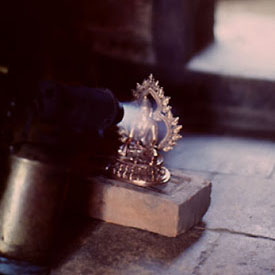
Full Fire Gold Plating
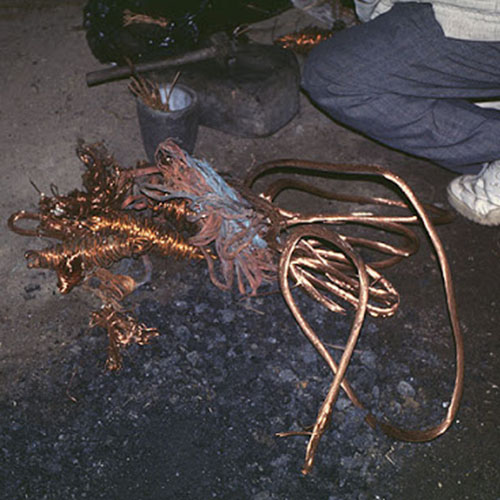
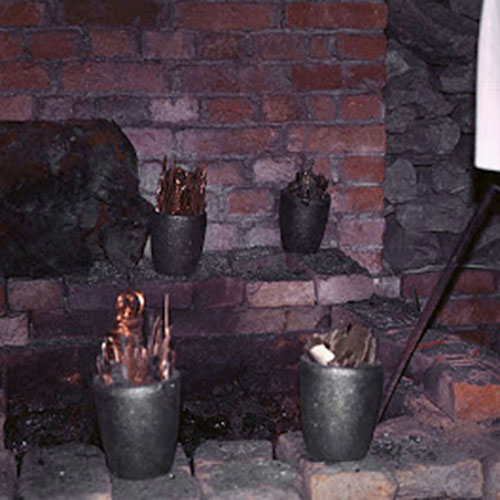
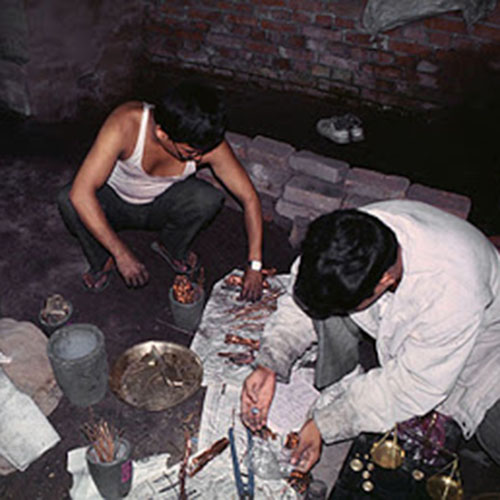
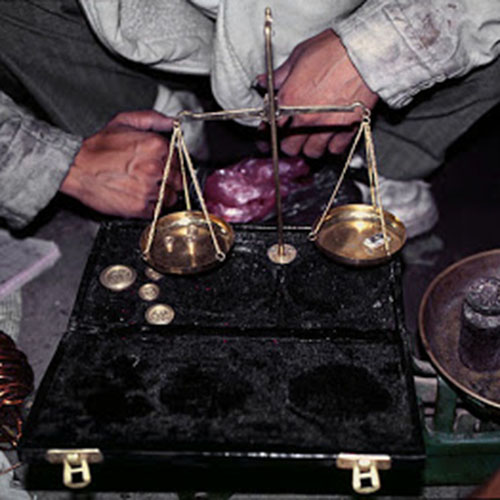
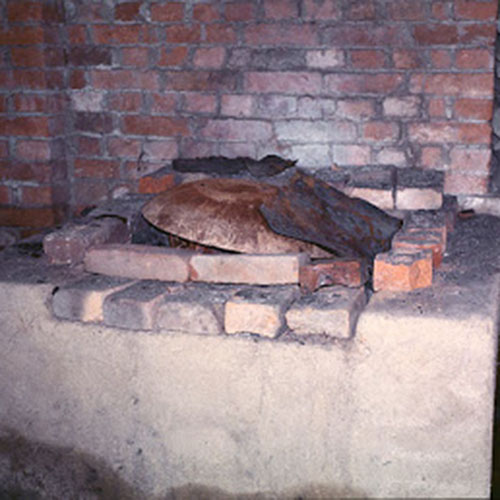
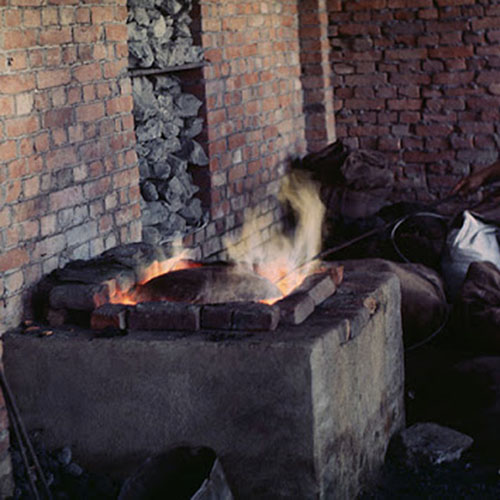
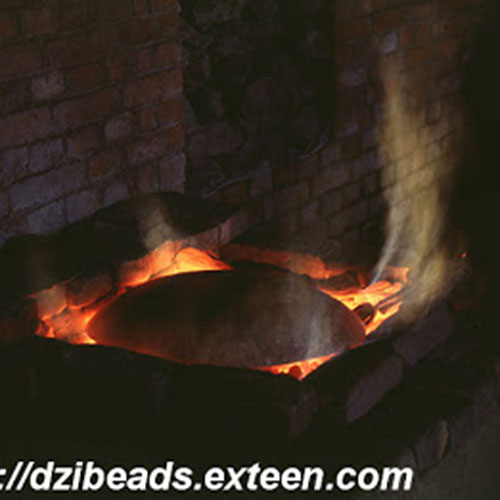
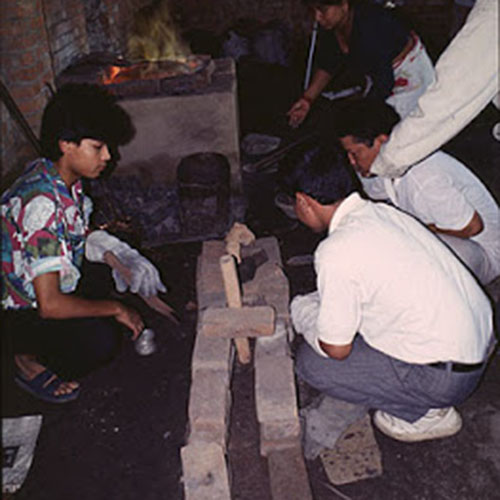
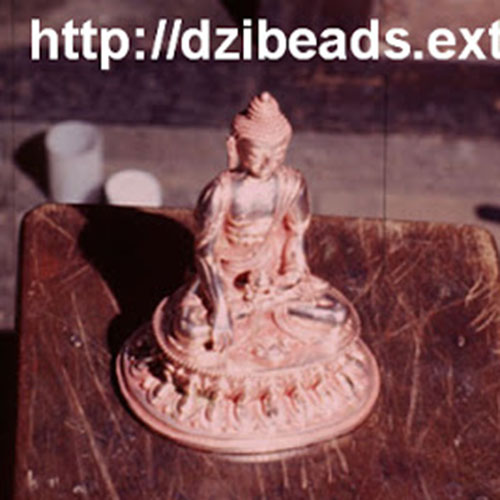
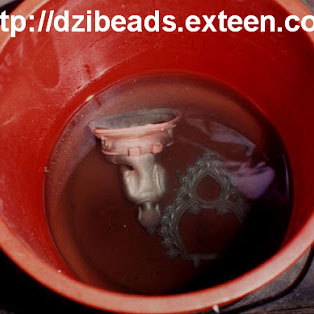
This Tsongkhapa is finished with full gold plating. also known as mercury gold plating or fire gold plating. This traditional technique involves the application of a genuine layer of gold onto the Tsongkhapa. Referred to as mercury gold plating, it is considered the correct and authentic form of gold plating in Nepal. Despite being more expensive than electroplating, this traditional mercury gold plating is gaining popularity again in Nepal. People are drawn to its authenticity, longevity, and the unmatched beauty it brings to the Tsongkhapa. The resurgence of interest in this traditional form of gold plating reflects a growing appreciation for the craftsmanship and cultural heritage of Nepal Read More
Lost-Wax System
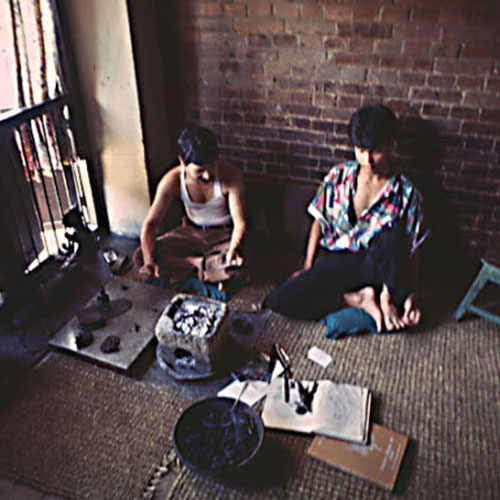
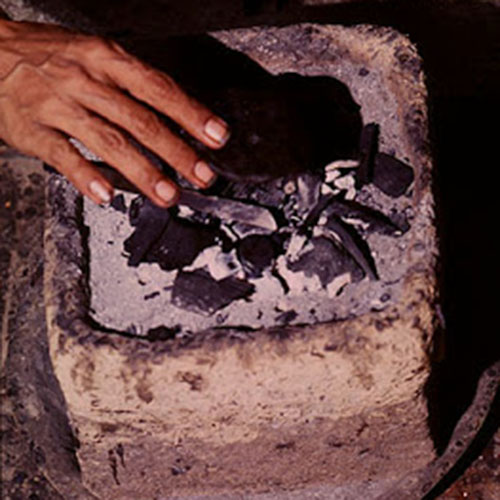
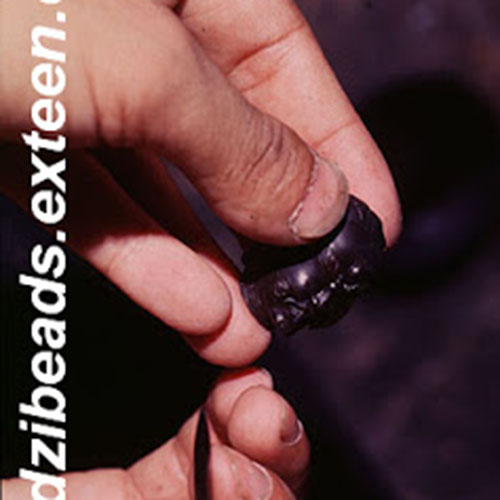
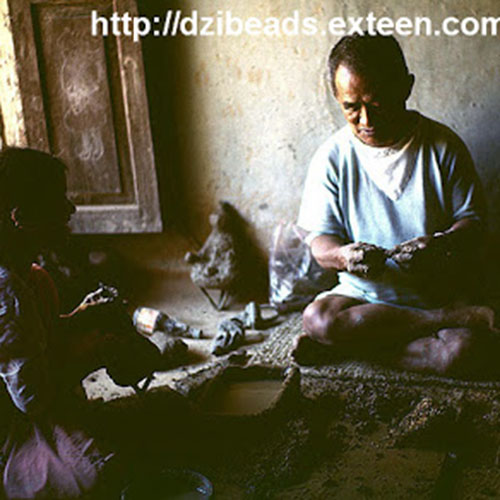
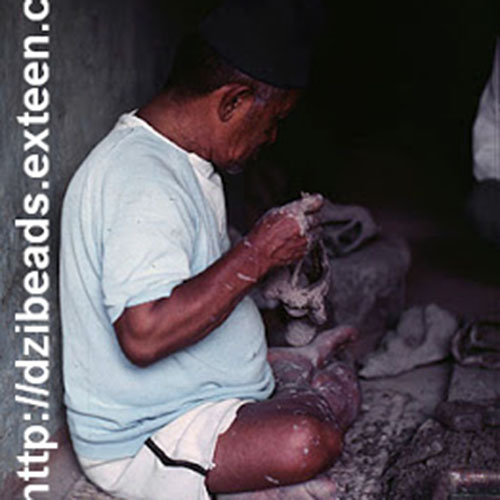
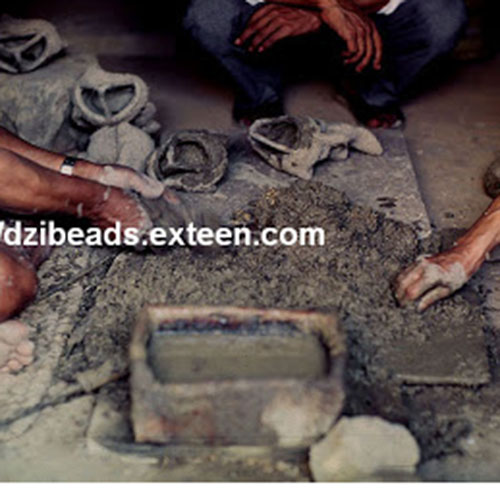
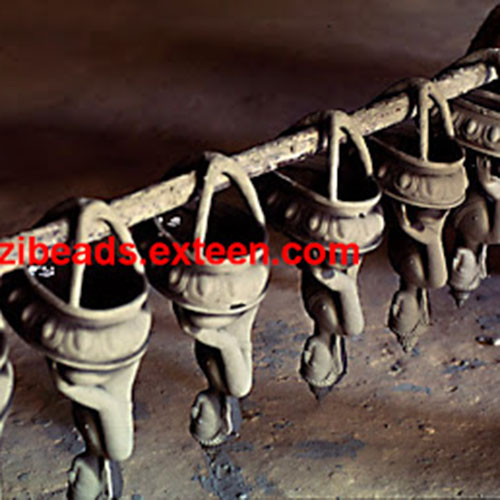
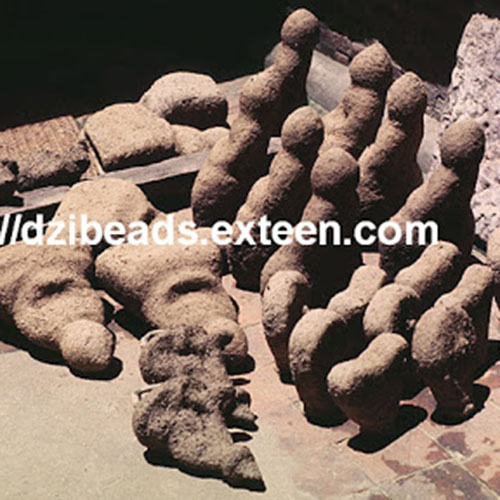
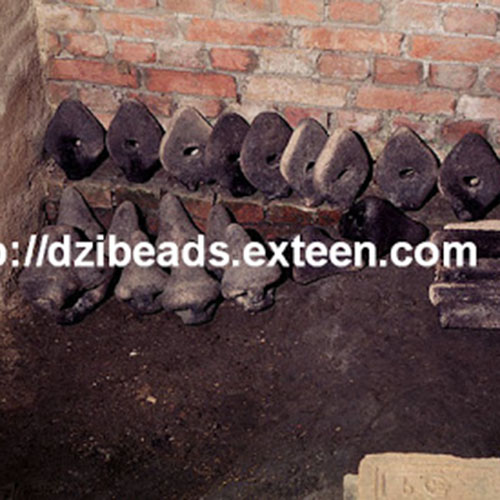
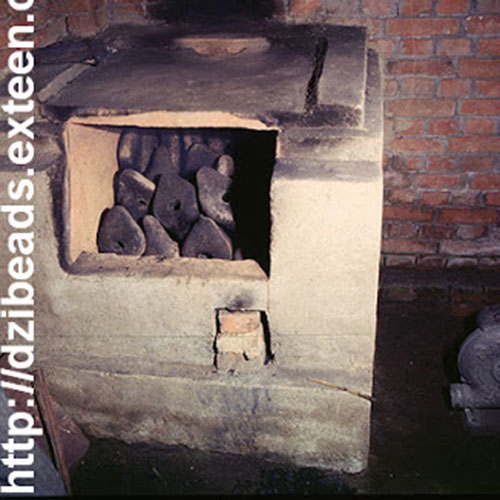
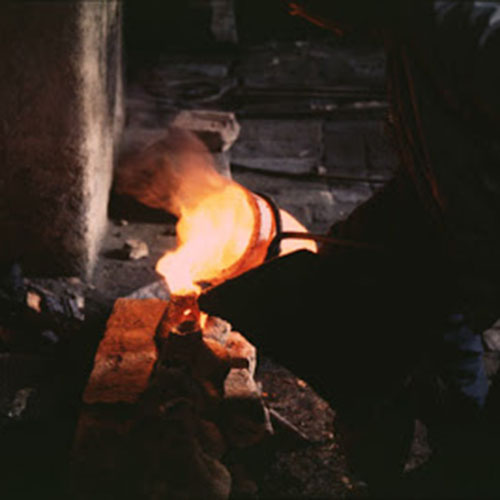
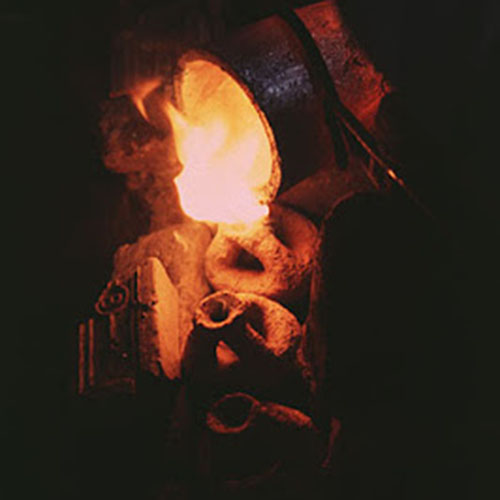
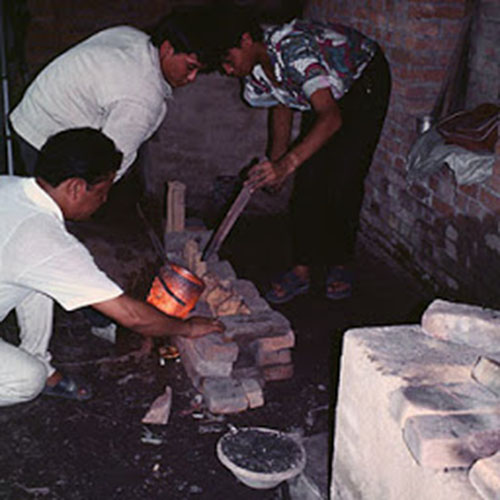
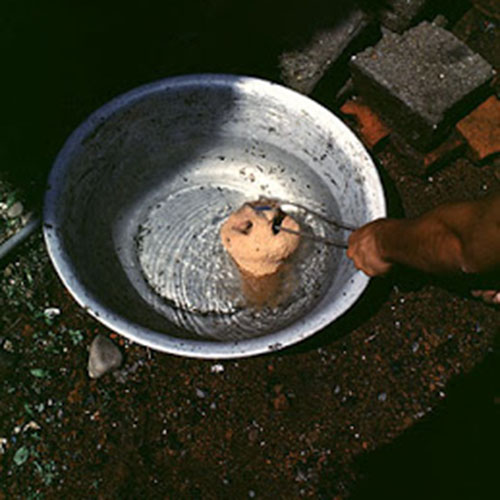
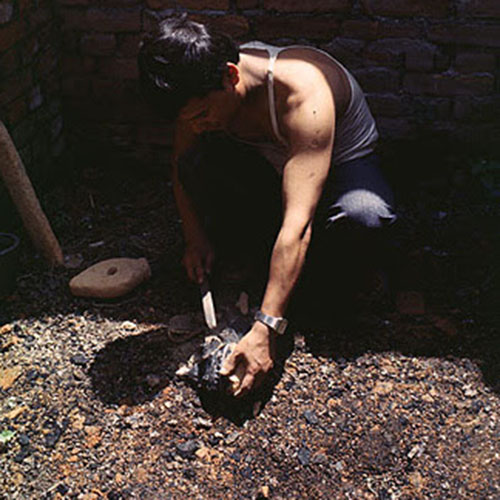
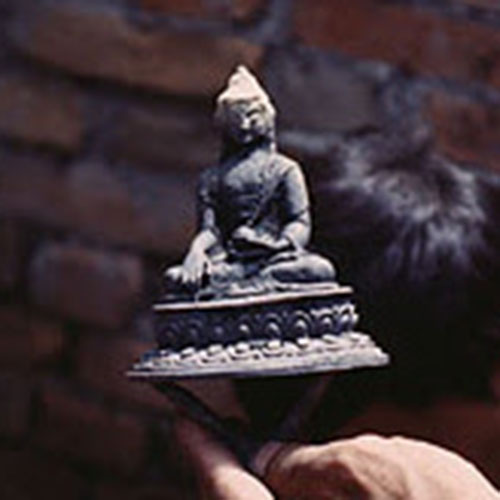
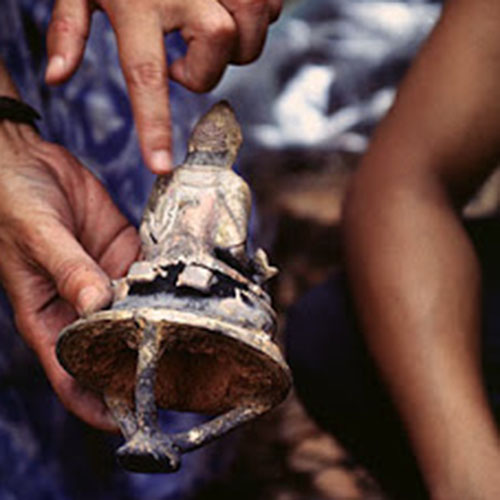
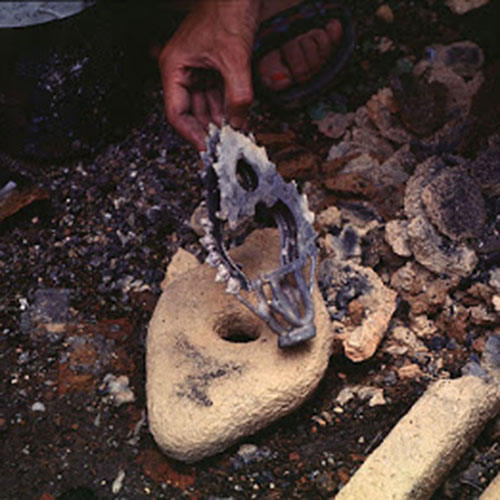
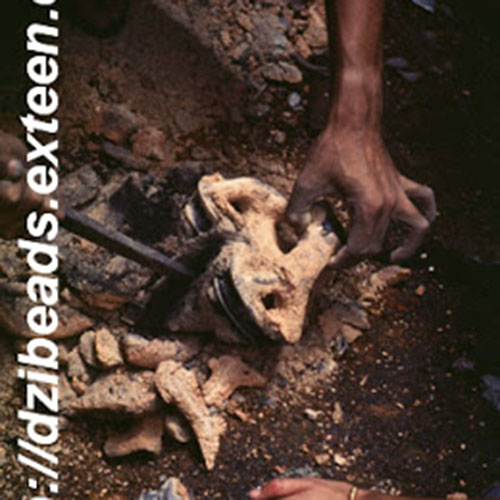
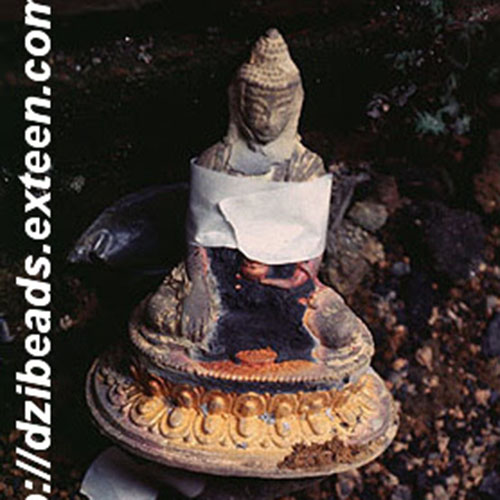
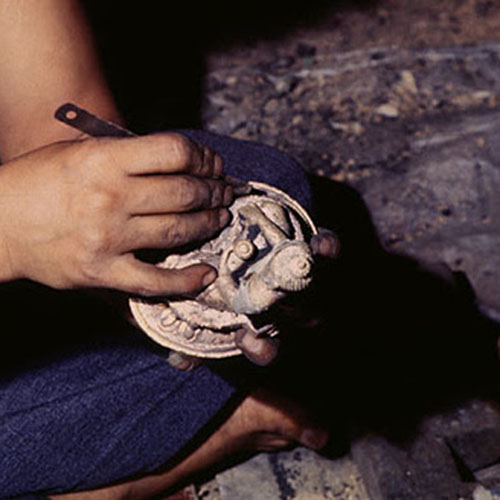
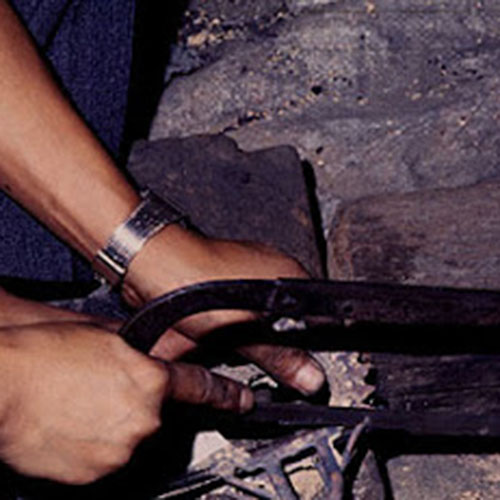
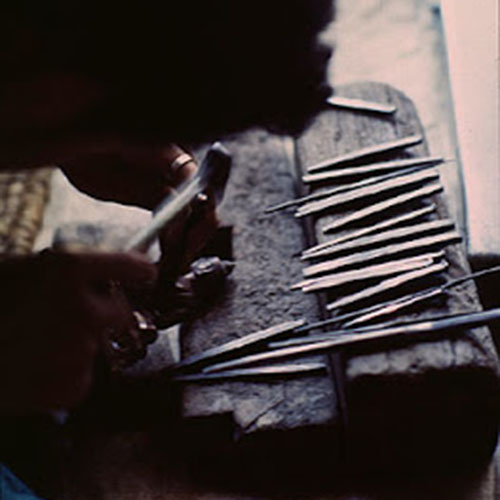
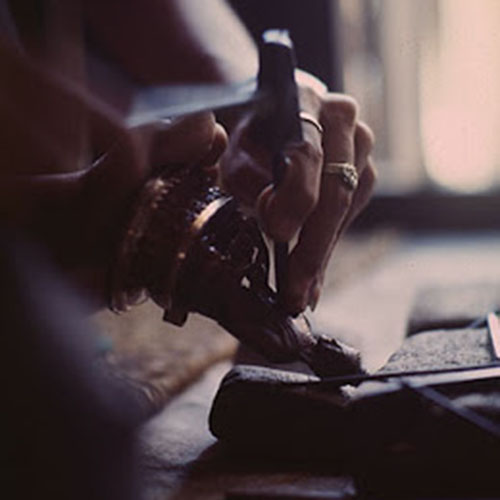
This Tsongkhapa is made by the process of the Lost-Wax system. The lost-wax process, also known as investment casting, is a time-honored technique used to create metal sculptures. It involves several steps that have been practiced for thousands of years. Skilled artisans begin by sculpting a detailed wax model, capturing every intricate detail of the desired sculpture. The wax model is then coated with a ceramic shell, formed by multiple layers of ceramic material. Once the shell has cured, the wax is melted and drained out, leaving behind a cavity. Molten metal is poured into the cavity, creating a precise replica of the original wax model. After the metal has cooled and solidified, the ceramic shell is carefully removed, revealing the final metal sculpture. Read More
Related Products

36 cm
Sakya Pandita Kunga Gyaltsen, Buddhist Handmade Statue, Full Gold Plated, Face Painted And High Quality,Tsongkhapa
US$ 1,080.00
25% off
$ 1,440.00
$ 1,440.00

10 cm
Tsongkhapa. Buddhist Miniature Statue, Gold Plated
US$ 120.00
25% off
$ 160.00
$ 160.00

33 cm
Tsongkhapa, Buddhist Handmade Statue, Face Painted And Gold Plated
US$ 530.00
25% off
$ 700.00
$ 700.00

18 cm
Statue Of Tsongkhapa Disciple, Full Gold Plated, Painted Face
US$ 230.00
25% off
$ 300.00
$ 300.00