

Loading Content..
Please wait...
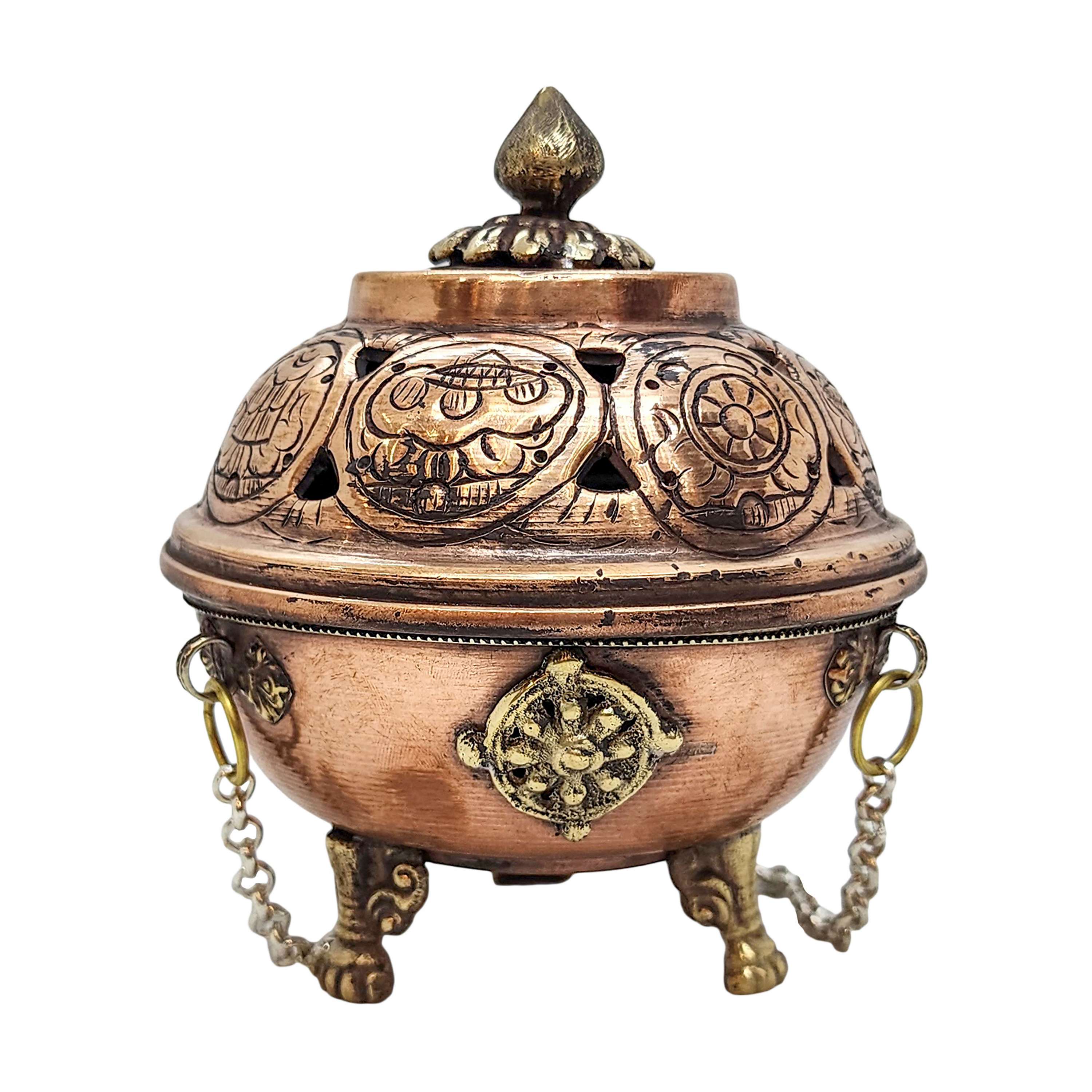
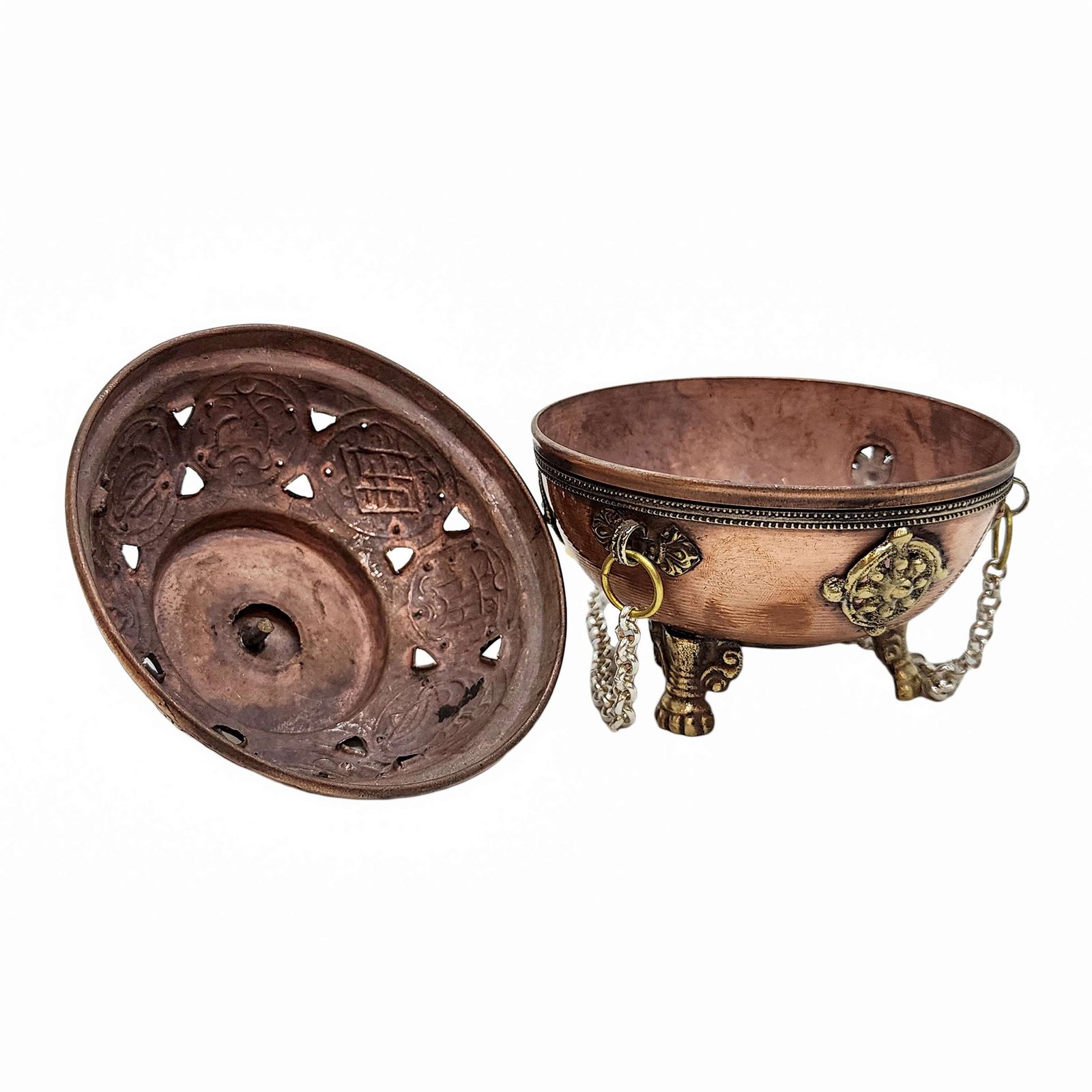
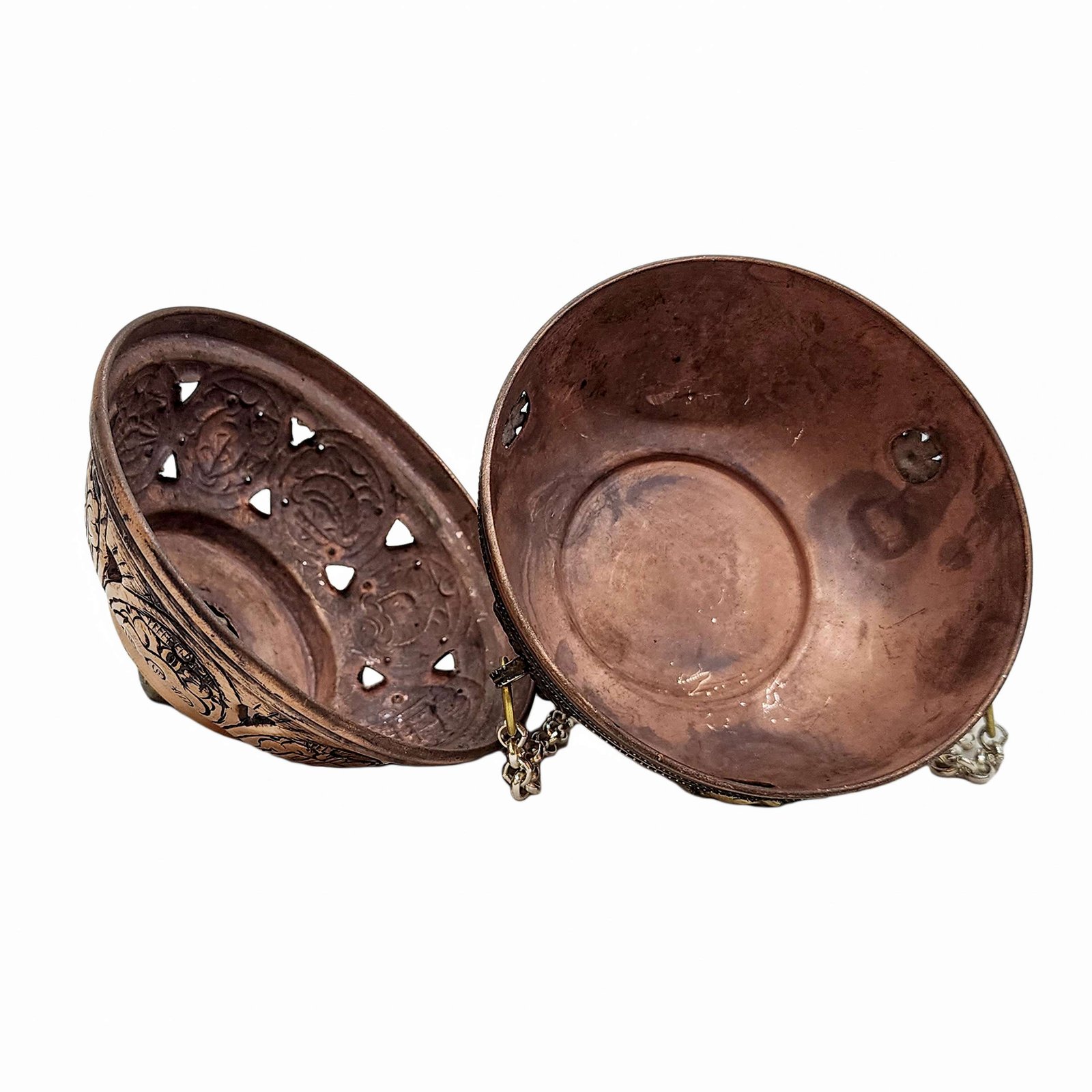
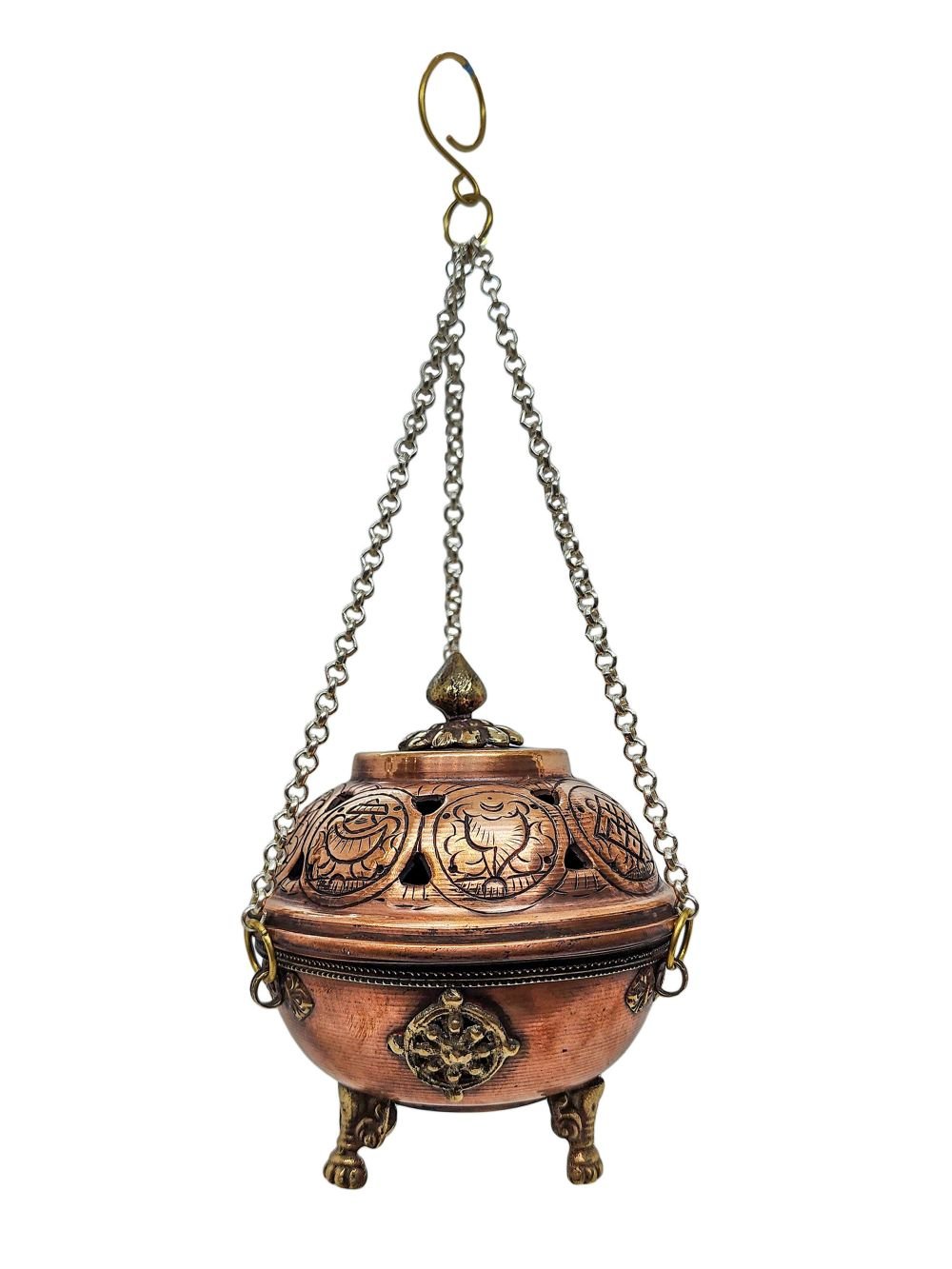
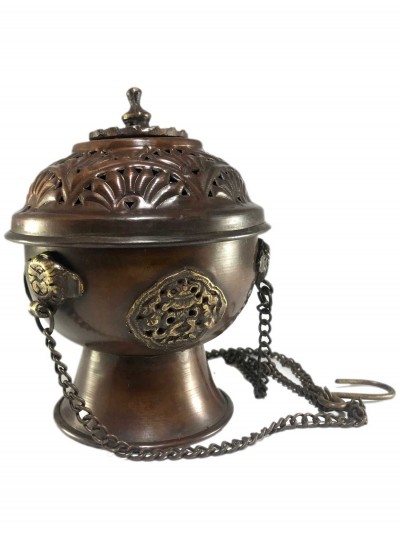
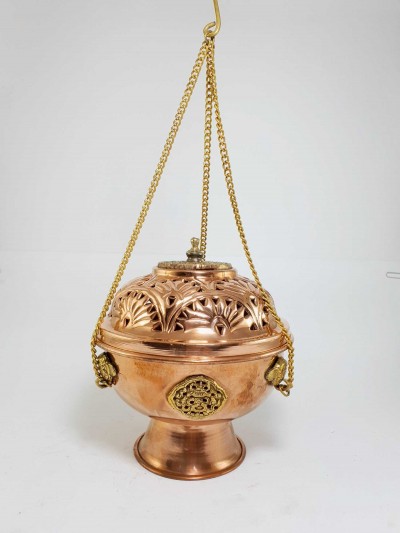
Sang Phulpa Incense Burner of Copper with Deep Carving, Hanging & Swinging, High Quality, Sangbur |
|
Product Specification |
|
| Code | HME31180 |
| Size |
Height 12cm (5") Width 9.5cm (4") Depth 9.5cm (4") |
Weight | 225 gm - 0.5 lbs |
| Material | Copper |
| Availability | Available |
| Quantity | PCS |
US$ 20.00
$ 23.00 -15% off
Shipping Cost
|
| Price Adjustment Status: Active |
||
Shipping Calculation
weight of 1 Pcs of the product is 0.5 kg and will cost USD $ 31.00
-
Item location: kathmandu, Nepal
Worldwide shipping - Dispatch
-
We normally dispatch the product in 2-5 business days. Else Buyer will be infromed personally about the dispatch Date.
- Payment
- Paypal | Credit - Debit Card | Bank Transfer | See More
- Return
- 7 days money back, buyer pays return shipping
Welcome to Handmade Handicraft
At Handmade Handicraft, we prioritize simplicity, reflected in our user-friendly website design. We have streamlined the process so everything you need is just a click away.
While our website does not support online shopping, we've incorporated a convenient shopping cart system to assist you in sending us your inquiries. Please note, we do not process payments on our site. All transactions will be handled via email, respecting the inquiries you submit.
Should you encounter any issues while submitting your inquiries, please contact us via mobile app, email, or follow the procedure outlined below. We've provided documentation to guide you through the selection process.
selecting Procedure
In every product you will find Order Now and Quick Inquiry buttons, they are the two process of sending us your enquiry.
If you have any questions or need assistance, please don't hesitate to reach out to us. We are here to help you with your inquiries and ensure a smooth experience.
Sang phulpa Incense Burner
The Sang incense burner (also called Sangbur, Sang phulpa, or sang offering burner) is a traditional ritual vessel used primarily in Tibetan Buddhist and Himalayan Nepali cultures for burning sang — a sacred smoke offering.
What is "Sang"?
"Sang" refers both to the ritual of burning aromatic herbs and to the materials themselves. In Tibetan and Nepali Himalayan traditions, it typically involves dried branches, leaves, or powder from plants like juniper (especially black juniper), wormwood, pine, cypress, or other medicinal herbs. The smoke is believed to:
Purify the environment and space
Clear negative energies or obstacles
Carry offerings and prayers to deities and enlightened beings
Bring blessings, peace, and protection
This practice is deeply rooted in Tibetan Buddhism (especially Nyingma and other schools) and is common in daily household rituals, monastery ceremonies, festivals (like Zamling Chisang in Tibet), weddings, funerals, and personal meditation. Read More
Description of the Sang Incense Burner
Sang burners are usually handcrafted from copper, brass, or a mix of metals, often with decorative elements. Common styles include:
Urn-shaped or bowl-shaped with a deep interior to hold ash, sand, or charcoal.
Perforated lid (with holes or filigree) that allows fragrant smoke to rise gently while containing the burning material.
Raised base or legs for safety and airflow.
Symbolic decorations such as the Face of Glory (Kirtimukha), dragons, Mahakala, lotus motifs, or the Eight Auspicious Symbols.
Sizes vary: smaller ones (around 6–10 inches high) for indoor/home altars, larger or hanging versions for temples or outdoor use.
Many are made in Nepal (especially in the Kathmandu Valley) by skilled artisans and sold as ritual tools for Tibetan Buddhist practitioners. Some modern versions are electric, but traditional ones are metal and meant for charcoal or direct burning.
Directions for Use
1. Partially fill a new incense burner with ash or sand.
2. Light your favourite incense stick and place it horizontally on the bed of ash.
3. A small quantity of loose or powder incense may also be sprinkled over the lit incense stick.
4. Remove the ash build-up regularly to ensure the burning incense does not come into close proximity with the lid of the burner, thus preventing heat damage.
Always burn incense in moderate quantities to prevent overheating.
Do not handle the incense burner when hot.
Cultural and Spiritual Significance
In Tibetan culture, daily sang offerings are a common household practice to start the day with purification and positive energy.
In Nepal (especially among Tibetan Buddhist communities in Boudha, Kathmandu, and Himalayan regions), it remains a living tradition, though the wild plants used for sang face challenges from overharvesting and climate change.
The rising smoke symbolizes the formless bridge between the human realm and the divine — carrying blessings downward and impurities upward.
It supports meditation, healing, relaxation, and protection. In traditional Tibetan medicine, the aromas help with stress, anxiety, and mental clarity.
Related Products

14 cm
Sang Phulpa Tibetan Copper Incense Burner, Antique Finishing, Hanging & Swinging, Sangbur
US$ 14.00
15% off
$ 16.00
$ 16.00

31 cm
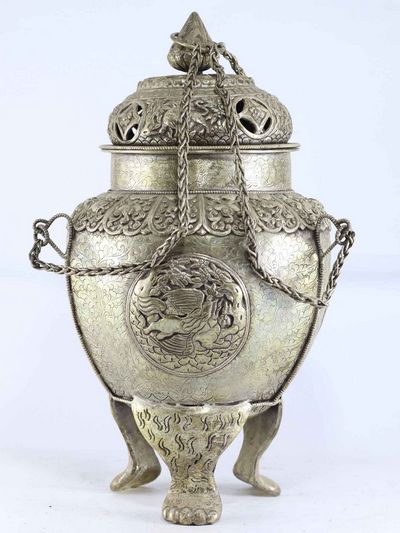
Sang Phulpa Copper Incense Burner Full Silver Plated, Fine Carving, Hanging & Swinging, Sangbur
US$ 600.00
15% off
$ 700.00
$ 700.00

17 cm
Sang Phulpa Incense Burner Big, Hanging & Swinging, Sangbur
US$ 25.00
15% off
$ 29.00
$ 29.00

12 cm
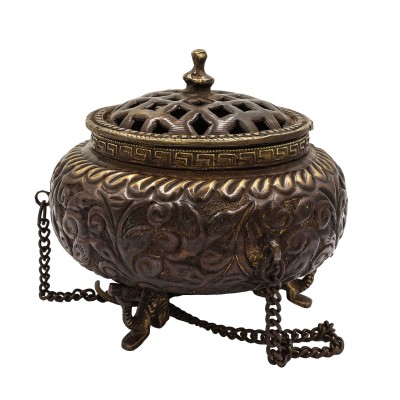
Sang Phulpa Hand Beaten Metal Incense Burner, Brass And Copper, Hanging & Swinging, Sangbur
US$ 23.00
15% off
$ 27.00
$ 27.00