

Loading Content..
Please wait...
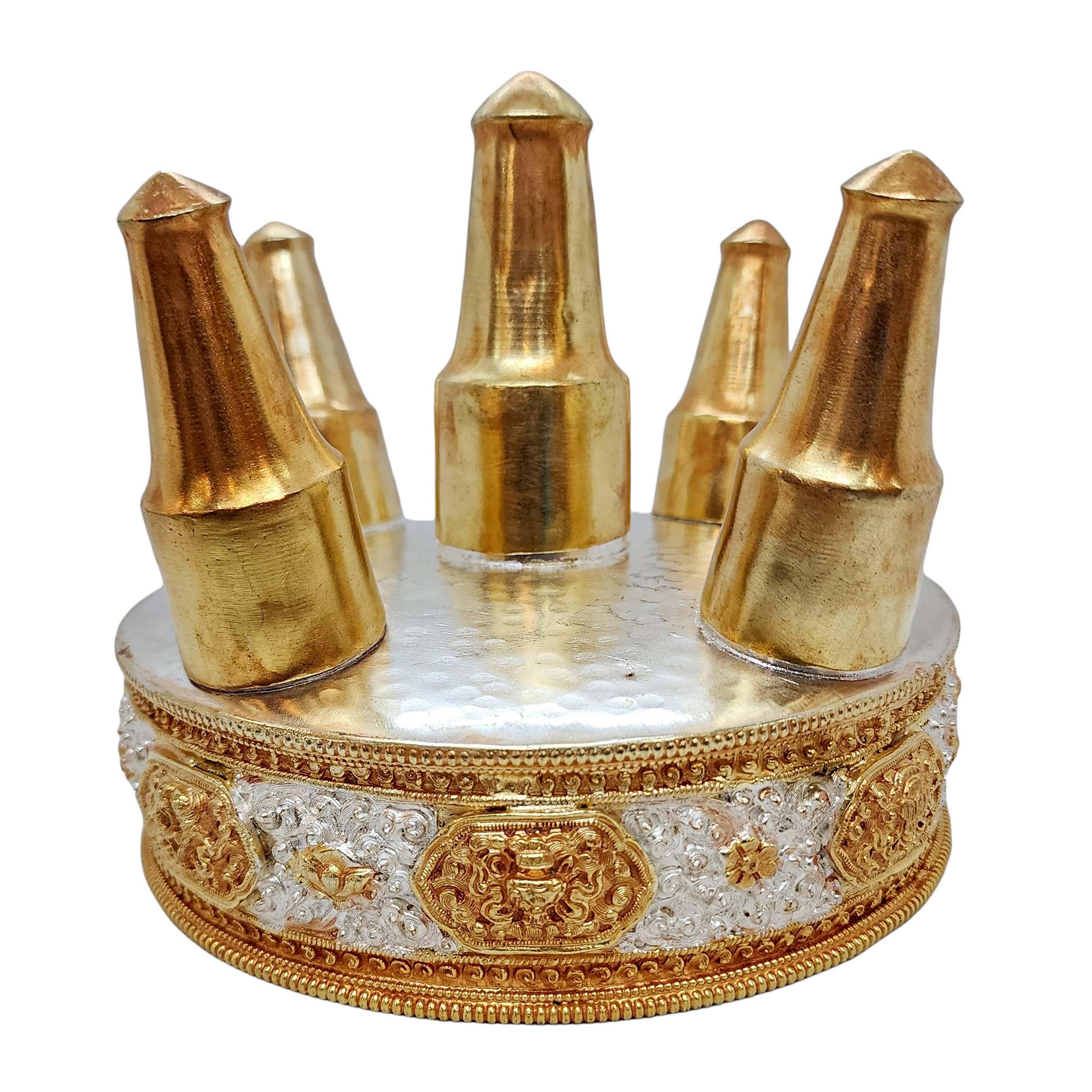
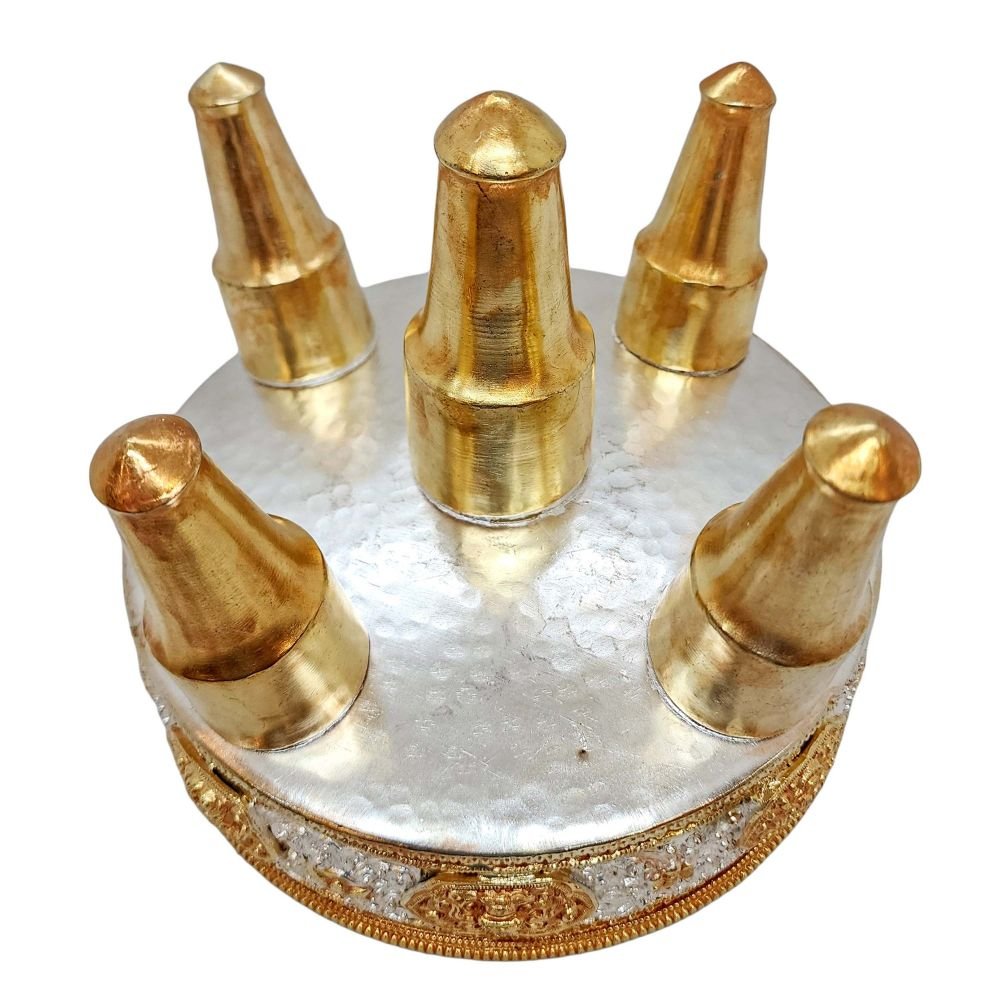

kusum Mandala, Buddhist Handmade Ritual Item, Gold and Silver Plated, Medium |
|
Product Specification |
|
| Code | HME31084 |
| Size |
Height 16cm (6") Width 17.5cm (7") Depth 17.5cm (7") |
Weight | 720 gm - 1.59 lbs |
| Material | Copper |
| Availability | Available |
| Quantity | PCS |
US$ 98.00
$ 130.00 -25% off
Shipping Cost
|
| Price Adjustment [ Discount Ends in : 40 days ] |
||
Shipping Calculation
weight of 1 Pcs of the product is 2 kg and will cost USD $ 47.00
-
Item location: kathmandu, Nepal
Worldwide shipping - Dispatch
-
We normally dispatch the product in 2-5 business days. Else Buyer will be infromed personally about the dispatch Date.
- Payment
- Paypal | Credit - Debit Card | Bank Transfer | See More
- Return
- 7 days money back, buyer pays return shipping
Welcome to Handmade Handicraft
At Handmade Handicraft, we prioritize simplicity, reflected in our user-friendly website design. We have streamlined the process so everything you need is just a click away.
While our website does not support online shopping, we've incorporated a convenient shopping cart system to assist you in sending us your inquiries. Please note, we do not process payments on our site. All transactions will be handled via email, respecting the inquiries you submit.
Should you encounter any issues while submitting your inquiries, please contact us via mobile app, email, or follow the procedure outlined below. We've provided documentation to guide you through the selection process.
selecting Procedure
In every product you will find Order Now and Quick Inquiry buttons, they are the two process of sending us your enquiry.
If you have any questions or need assistance, please don't hesitate to reach out to us. We are here to help you with your inquiries and ensure a smooth experience.
kusum Mandala
The term "Kusum Mandala" typically refers to a floral or lotus mandala used in various religious and spiritual contexts, particularly within Buddhist traditions. Here's a detailed description and explanation. A Kusum Mandala, also known as a "Flower Mandala" or "Lotus Mandala," is a sacred geometric design used as a focal point for meditation, ritual, and visualization practices in Buddhist traditions. The mandala typically features intricate patterns of overlapping petals arranged in a circular or radial formation, resembling a blooming lotus flower. Read More
The lotus holds profound symbolic significance in Buddhism, representing purity, enlightenment, and the unfolding of spiritual potential. The Kusum Mandala symbolizes the journey of spiritual awakening and the transformation of consciousness from ignorance to wisdom.
In Tibetan Buddhism, specifically within Vajrayana practices, mandalas like the Kusum Mandala are used as visual aids for meditation and as tools for inner transformation. Meditating on the Kusum Mandala is believed to cultivate qualities of compassion, wisdom, and clarity.
The design of a Kusum Mandala may vary in complexity and color, with each element carefully chosen to convey specific meanings and invoke subtle energies associated with different aspects of enlightenment.
Uses and Significance:
Meditation and Visualization: Practitioners use the Kusum Mandala as a meditation object to focus the mind and cultivate deep states of concentration and insight. Visualizing oneself within the mandala represents the journey towards spiritual realization.
Ritual Offerings: Kusum Mandalas are often created as offerings during religious ceremonies and rituals. The intricate designs and vibrant colors serve as offerings of beauty and devotion to enlightened beings and deities.
Symbol of Harmony: The symmetrical and harmonious patterns of the Kusum Mandala symbolize the interconnectedness of all phenomena and the balanced integration of wisdom and compassion.
How Kusum Mandalas Are Created:
Creating a Kusum Mandala requires precision and skill. Skilled artisans use colored sands, pigments, or even natural materials like flower petals to meticulously construct the mandala pattern. The process involves carefully pouring or placing each element to form the intricate design.
After completion, the Kusum Mandala is often ritually dismantled to symbolize impermanence and the transient nature of existence, emphasizing the deeper teachings of non-attachment and letting go.
In summary, the Kusum Mandala represents an exquisite expression of Buddhist art and spirituality, encapsulating profound teachings on interconnectedness, impermanence, and the path to enlightenment. Its beauty and symbolism continue to inspire practitioners and art enthusiasts alike, reflecting the timeless wisdom and creative vision embedded within Buddhist traditions.
In Tibetan Buddhism, specifically within Vajrayana practices, mandalas like the Kusum Mandala are used as visual aids for meditation and as tools for inner transformation. Meditating on the Kusum Mandala is believed to cultivate qualities of compassion, wisdom, and clarity.
The design of a Kusum Mandala may vary in complexity and color, with each element carefully chosen to convey specific meanings and invoke subtle energies associated with different aspects of enlightenment.
Uses and Significance:
Meditation and Visualization: Practitioners use the Kusum Mandala as a meditation object to focus the mind and cultivate deep states of concentration and insight. Visualizing oneself within the mandala represents the journey towards spiritual realization.
Ritual Offerings: Kusum Mandalas are often created as offerings during religious ceremonies and rituals. The intricate designs and vibrant colors serve as offerings of beauty and devotion to enlightened beings and deities.
Symbol of Harmony: The symmetrical and harmonious patterns of the Kusum Mandala symbolize the interconnectedness of all phenomena and the balanced integration of wisdom and compassion.
How Kusum Mandalas Are Created:
Creating a Kusum Mandala requires precision and skill. Skilled artisans use colored sands, pigments, or even natural materials like flower petals to meticulously construct the mandala pattern. The process involves carefully pouring or placing each element to form the intricate design.
After completion, the Kusum Mandala is often ritually dismantled to symbolize impermanence and the transient nature of existence, emphasizing the deeper teachings of non-attachment and letting go.
In summary, the Kusum Mandala represents an exquisite expression of Buddhist art and spirituality, encapsulating profound teachings on interconnectedness, impermanence, and the path to enlightenment. Its beauty and symbolism continue to inspire practitioners and art enthusiasts alike, reflecting the timeless wisdom and creative vision embedded within Buddhist traditions.
Related Products

15 cm
kusum Mandala, Buddhist Handmade Ritual Item, Gold And Silver Plated, Small
US$ 83.00
25% off
$ 110.00
$ 110.00

20 cm
kusum Mandala, Buddhist Handmade Ritual Item, Gold And Silver Plated, Big
US$ 130.00
25% off
$ 170.00
$ 170.00

17.5 cm
kusum Mandala, Buddhist Handmade Ritual Item, Gold And Silver Plated, Medium
US$ 98.00
25% off
$ 130.00
$ 130.00