







Loading Content..
Please wait...
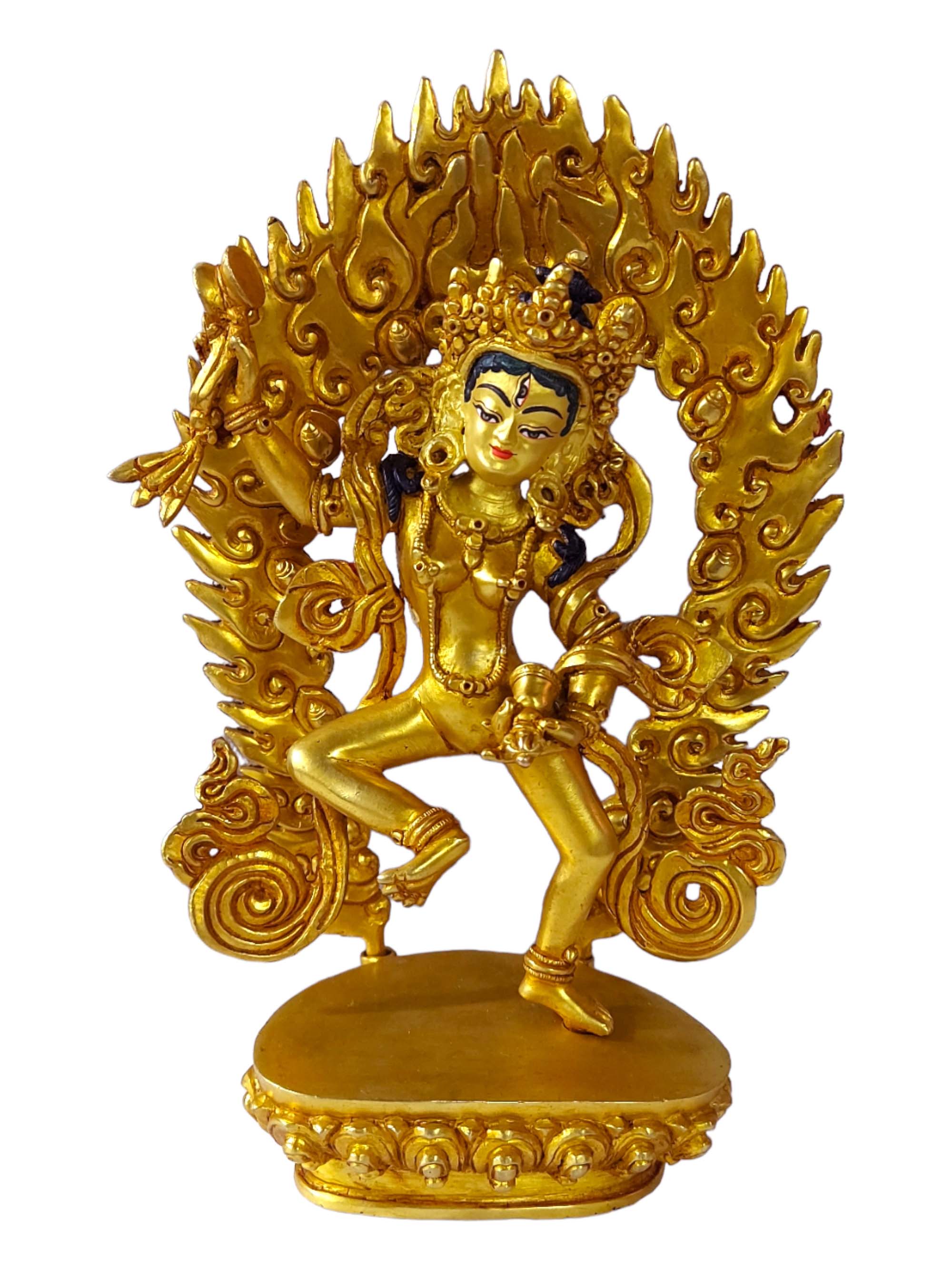


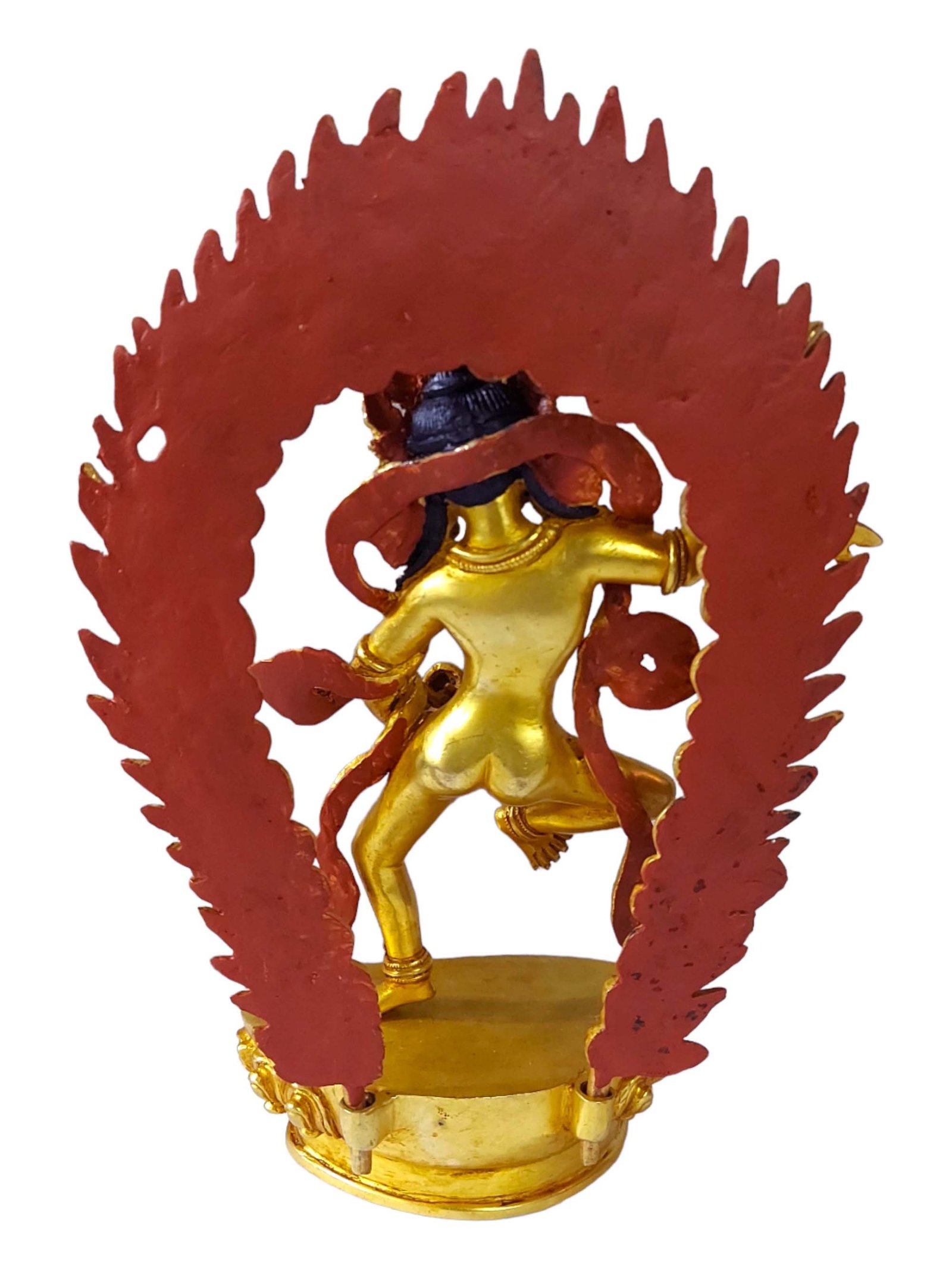
Machig Labdron Statue, Buddhist Damaru Yogini, Full Gold Plated, with Painted Face , Founder of Chöd Practice and Liberator of Beings
Machig Labdron
|
|
Product Specification |
|
| Code | HME29408 |
| Size |
Height 20cm (8") Width 10cm (4") Depth 5cm (2") |
Weight | 1 kg - 2.2 lbs |
| Material | Copper |
| Availability | Available |
Order configuration (Optional)
Filling & Blessing
HIDE Select Option
Click Here to View All Option and Prices

Select

Select

Select

Select
Statue Finishing
HIDE Select Option
Click Here to View All Option and Prices

Select

Select

Select

Select

Select

Select

Select

Select

Select

Select

Select

Select

Select

Select

Select

Select

Select

Select

Select

Select

Select

Select

Select

Select

Select

Select

Select

Select

Select

Select

Select

Select

Select

Select

Select

Select

Select

Select

Select

Select
| Quantity | PCS |
US$ 300.00
$ 400.00 -25% off
Shipping Cost
|
| Price Adjustment [ Discount Ends in : 36 days ] |
||
Shipping Calculation
weight of 1 Pcs of the product is 1 kg and will cost USD $ 37.00
-
Item location: kathmandu, Nepal
Worldwide shipping - Dispatch
-
We normally dispatch the product in 2-5 business days. Else Buyer will be infromed personally about the dispatch Date.
- Payment
- Paypal | Credit - Debit Card | Bank Transfer | See More
- Return
- 7 days money back, buyer pays return shipping
Welcome to Handmade Handicraft
At Handmade Handicraft, we prioritize simplicity, reflected in our user-friendly website design. We have streamlined the process so everything you need is just a click away.
While our website does not support online shopping, we've incorporated a convenient shopping cart system to assist you in sending us your inquiries. Please note, we do not process payments on our site. All transactions will be handled via email, respecting the inquiries you submit.
Should you encounter any issues while submitting your inquiries, please contact us via mobile app, email, or follow the procedure outlined below. We've provided documentation to guide you through the selection process.
selecting Procedure
In every product you will find Order Now and Quick Inquiry buttons, they are the two process of sending us your enquiry.
If you have any questions or need assistance, please don't hesitate to reach out to us. We are here to help you with your inquiries and ensure a smooth experience.
Machig Labdron
Machig Labdron is a reincarnation of Yeshe Tsogyal, and the renowned 11th-century Tibetan tantric Buddhist master and yogini that originated several Tibetan lineages of the Vajrayana practice of Chöd
Nyingma scholar Khenchen Palden Sherab Rinpoche states that the Chöd tradition developed by Machig Labdrön is "a radical synthesis of the Prajnaparamita tradition and tantra guru yoga that 'cuts' through the ego." Read More
Historical texts portray Machig Labdrön as the originator of the Chöd lineage which she developed in Tibet. This was confirmed in her own lifetime by Indian Brahmins and others, and Machig Labdron creation of the Chod lineage is not doubted by its modern practitioners.
The influences of other practices on Chöd are debated. Some posit Machig Labdron may have come from a Bön family, a position which contradicts historical records. According to Namkhai Norbu, Chöd might be interpreted through combining native shamanism with the Dzogchen teachings. Other Buddhist teachers and scholars offer differing interpretations of the origins of Chöd, and not all of them agree that Chöd has Bön or shamanistic roots.
The influences of other practices on Chöd are debated. Some posit Machig Labdron may have come from a Bön family, a position which contradicts historical records. According to Namkhai Norbu, Chöd might be interpreted through combining native shamanism with the Dzogchen teachings. Other Buddhist teachers and scholars offer differing interpretations of the origins of Chöd, and not all of them agree that Chöd has Bön or shamanistic roots.
Gold Painted Face
The face of Machig Labdron is painted with gold to enhance its significant features, particularly the eyes, and lips. This detailed painting is essential as it brings forth the crucial attributes of the expression of eyes and lips that metal carving alone cannot capture.
Moreover, the painted face serves as a symbolic and sacred ritual in Buddhism, preparing the statue for consecration and practice. The act of painting the face with gold in Buddhism holds deep meaning. It represents the intention to bring life and expression to the statue, imbuing it with a sense of vitality and presence. The application of gold on the face showcases the devotion and craftsmanship of the artisans, ensuring that every detail is carefully attended to honor the sacred essence of the Machig Labdron. Read More
About Elector Gold Plating
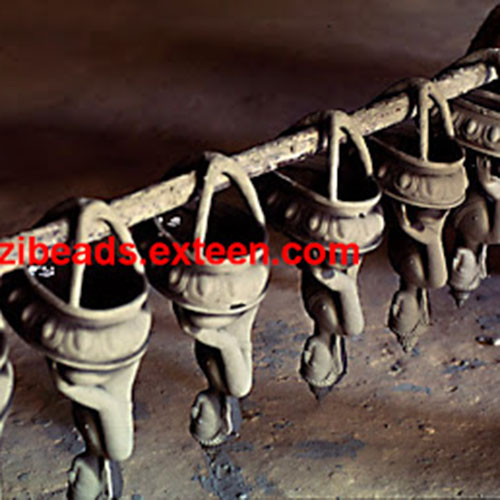
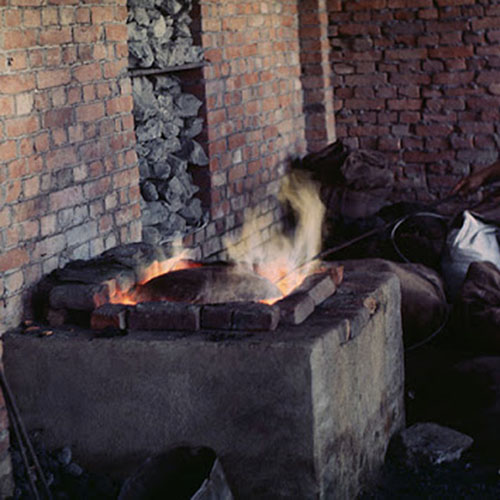
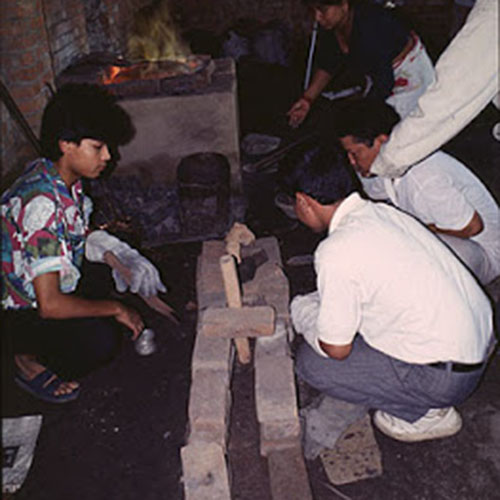
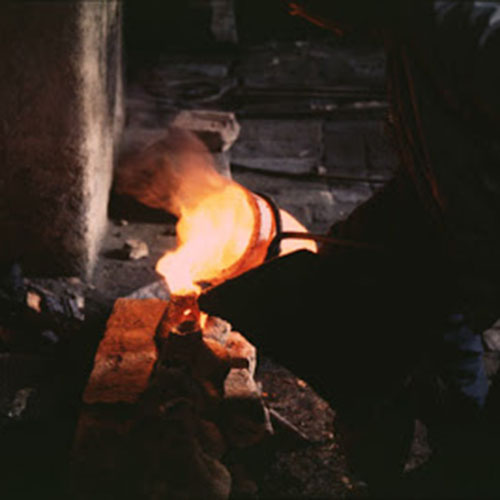
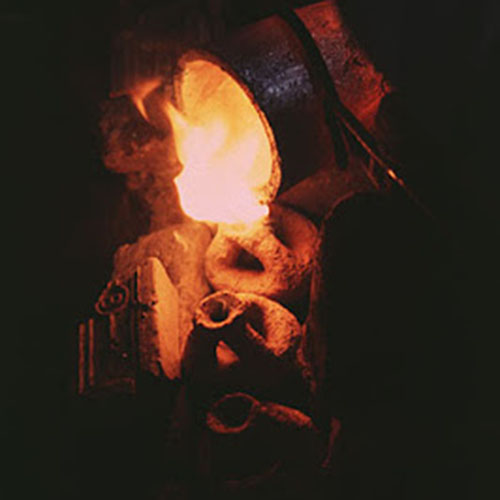
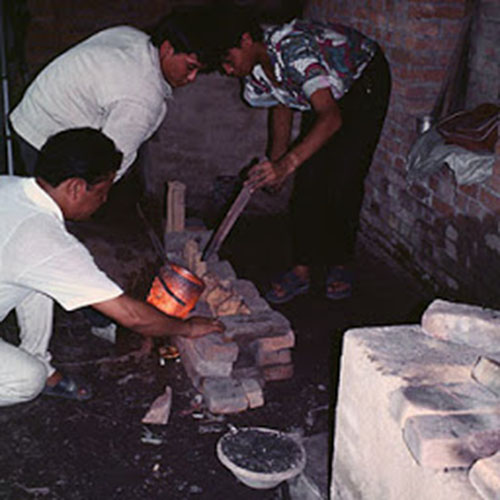
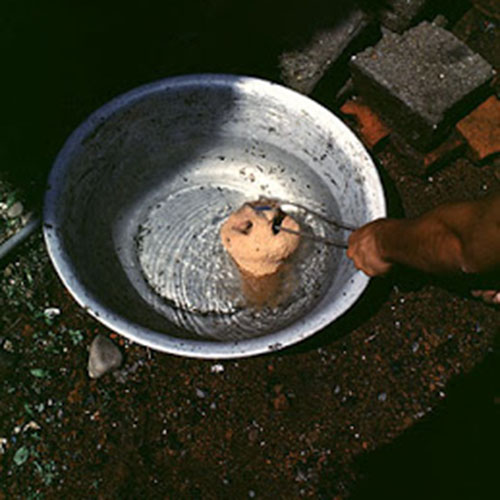
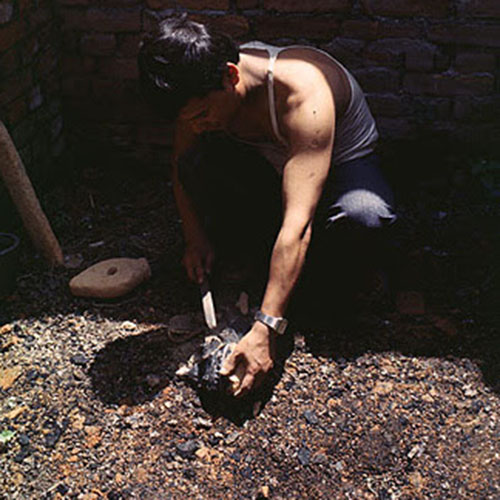
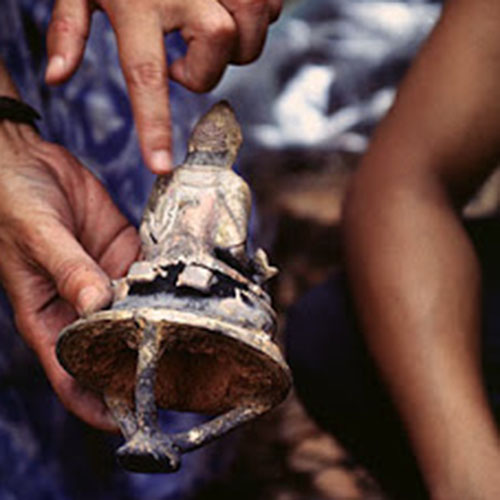
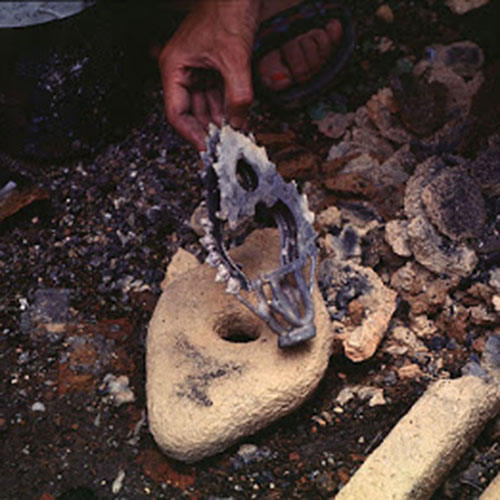
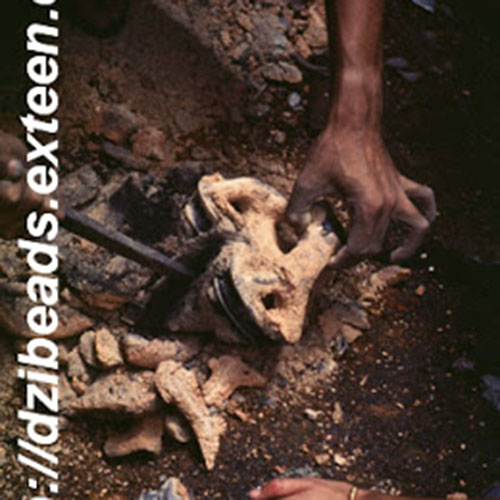
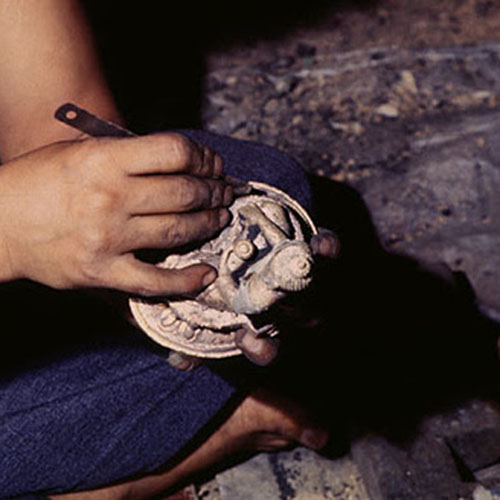
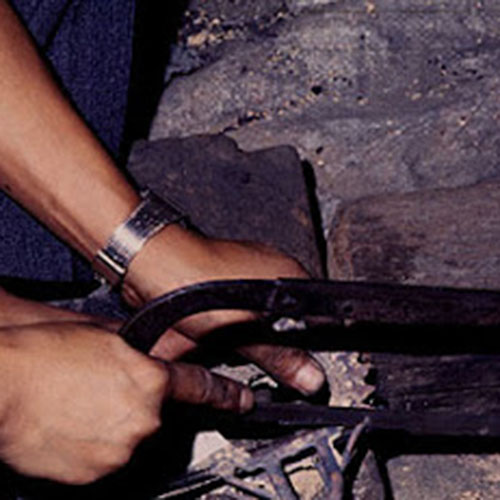
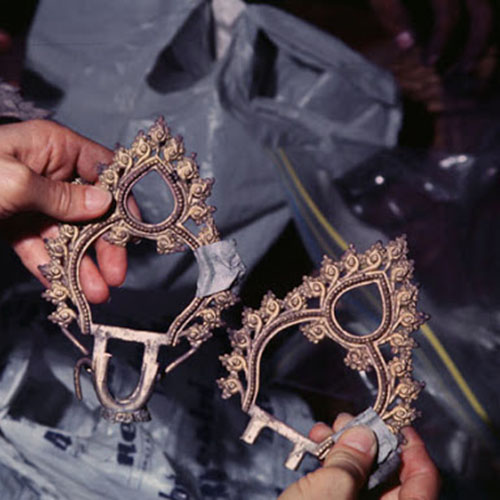
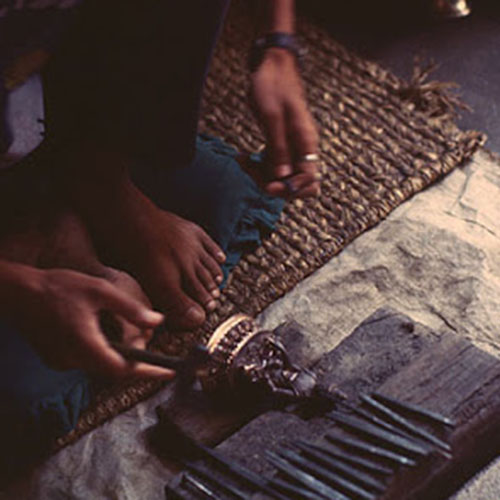
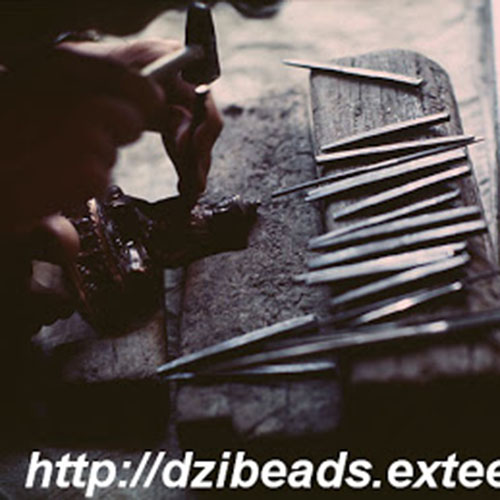
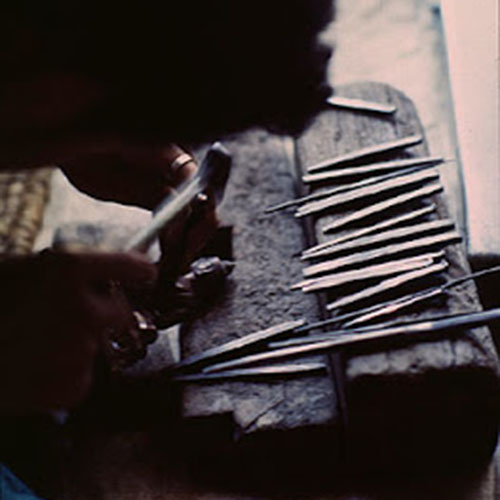
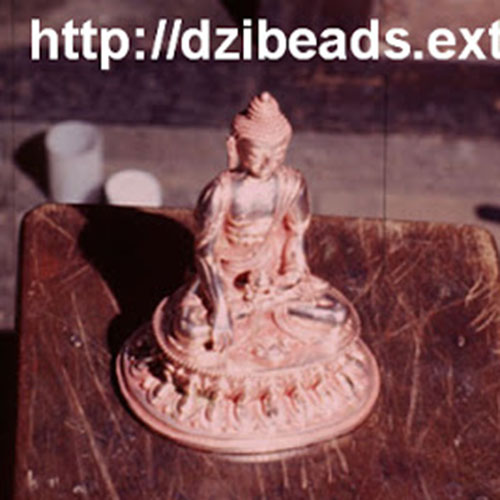
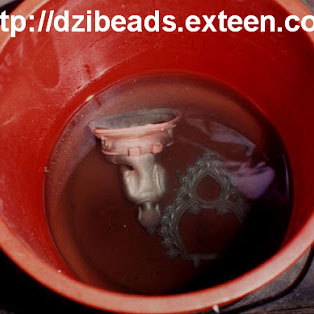
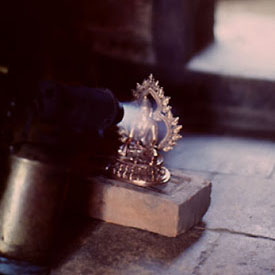
The Machig Labdron has been crafted using the ceramic mold casting process, a modern approach that provides an alternative to traditional methods such as the lost-wax system or rubber molding. Also referred to as ceramic molding, this technique involves the creation of a ceramic mold to cast the statue. The process begins by making a precise and detailed wax model of the desired sculpture. The wax model is then coated with layers of ceramic material, creating a sturdy mold. Once the mold is complete, it is fired in a kiln, causing the wax to melt and escape, leaving behind a cavity that perfectly replicates the original sculpture. Molten metal is then poured into the mold, allowing it to fill the cavity and take on the desired form. Once cooled and solidified, the ceramic mold is carefully broken away, revealing the final metal statue. Read More
Lost-Wax System
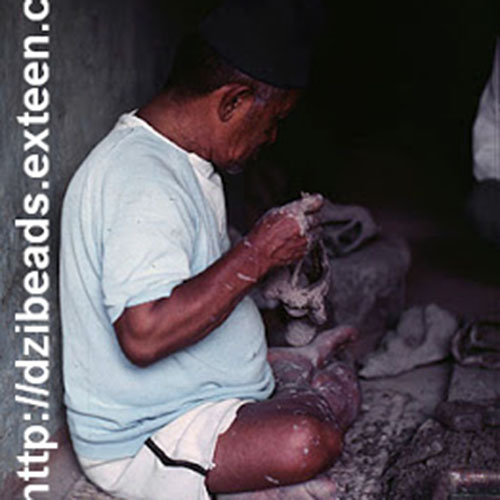
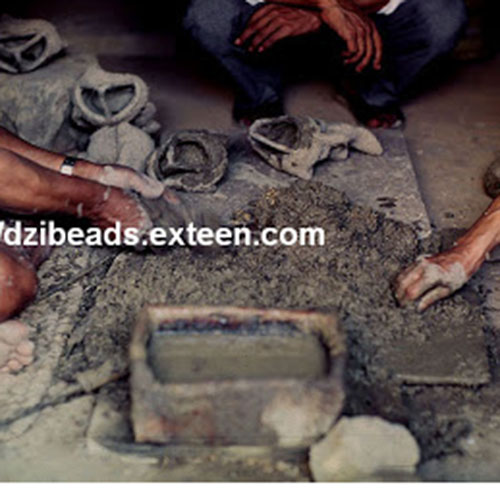
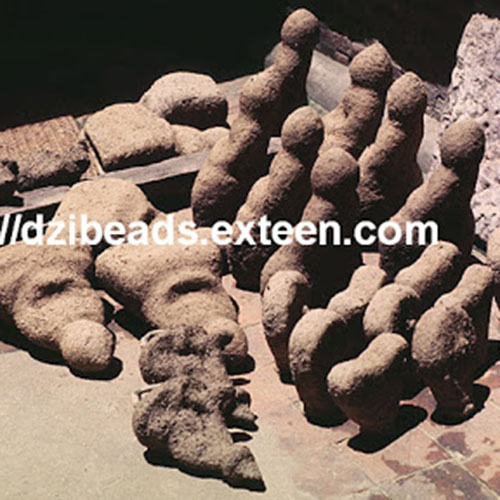
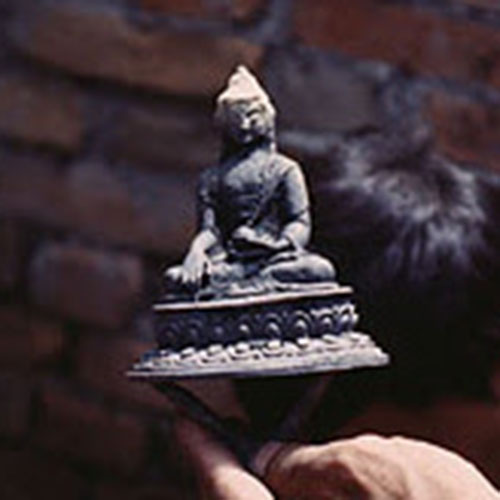
This Machig Labdron is made by the process of the Lost-Wax system. The lost-wax process, also known as investment casting, is a time-honored technique used to create metal sculptures. It involves several steps that have been practiced for thousands of years. Skilled artisans begin by sculpting a detailed wax model, capturing every intricate detail of the desired sculpture. The wax model is then coated with a ceramic shell, formed by multiple layers of ceramic material. Once the shell has cured, the wax is melted and drained out, leaving behind a cavity. Molten metal is poured into the cavity, creating a precise replica of the original wax model. After the metal has cooled and solidified, the ceramic shell is carefully removed, revealing the final metal sculpture. Read More
Related Products

35 cm
Buddhist Handmade Statue Of Machig Labdron, Damaru Yogini, Full Gold Plated, Stone Setting, Face Painted
US$ 1,260.00
25% off
$ 1,680.00
$ 1,680.00

20 cm
Machig Labdron Statue, Buddhist Damaru Yogini, Full Gold Plated, With Painted Face
US$ 300.00
25% off
$ 400.00
$ 400.00

73 cm
Machig Labdron Or Damaru Tara, Buddhist Handmade Thangka Painting, Real Gold
US$ 900.00
25% off
$ 1,200.00
$ 1,200.00

26 cm
Machig Labdron, Buddhist Handmade Statue, Full Gold Plated, Face Paint
US$ 740.00
25% off
$ 990.00
$ 990.00