

Loading Content..
Please wait...
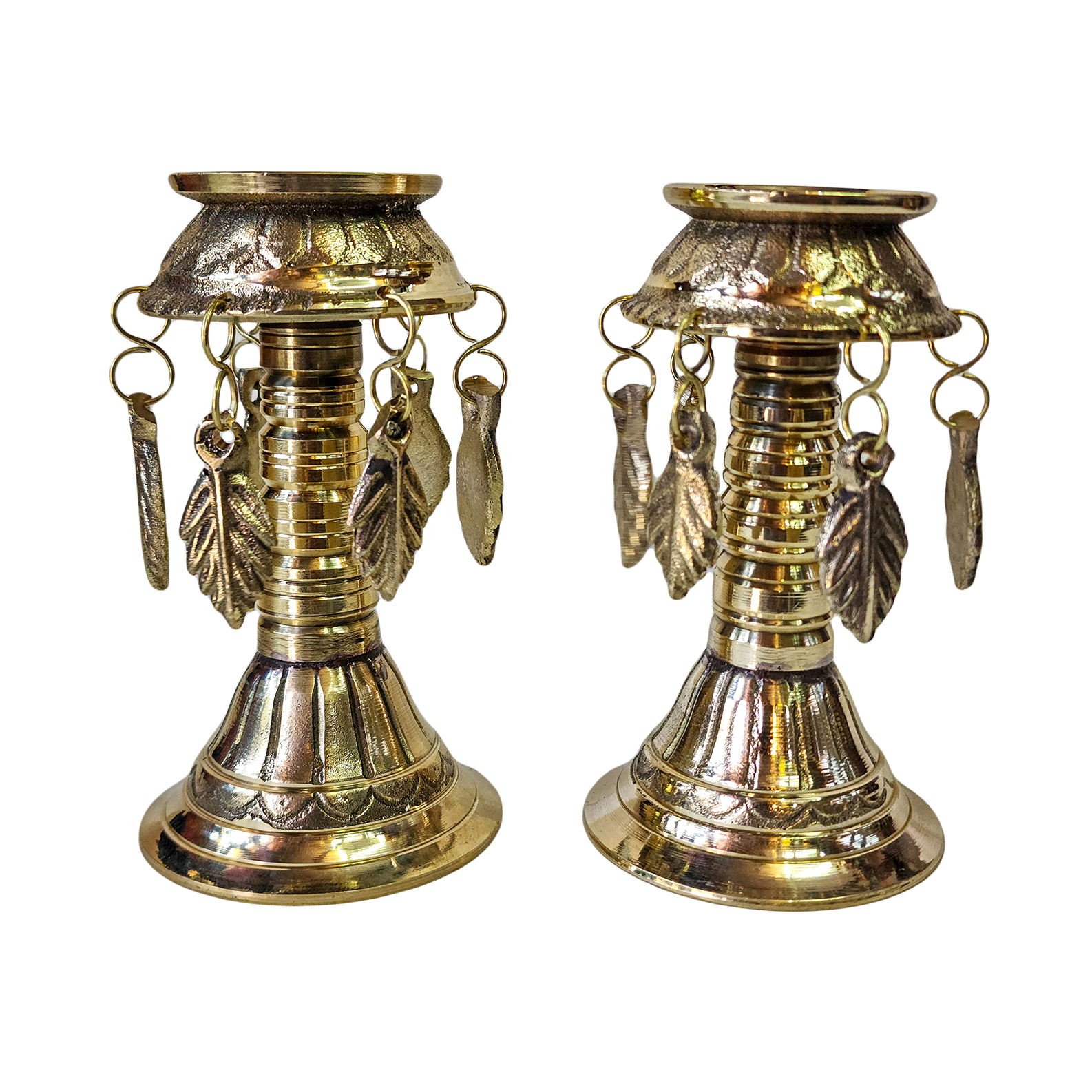


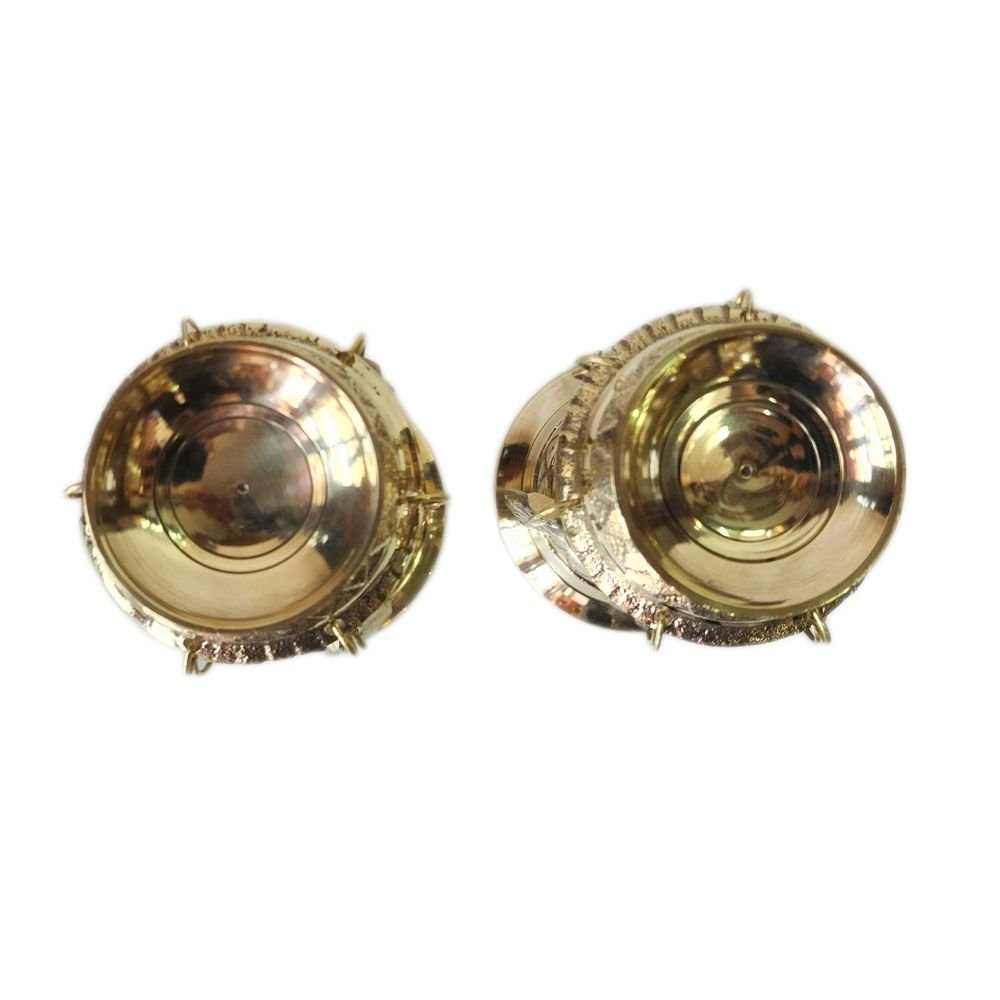
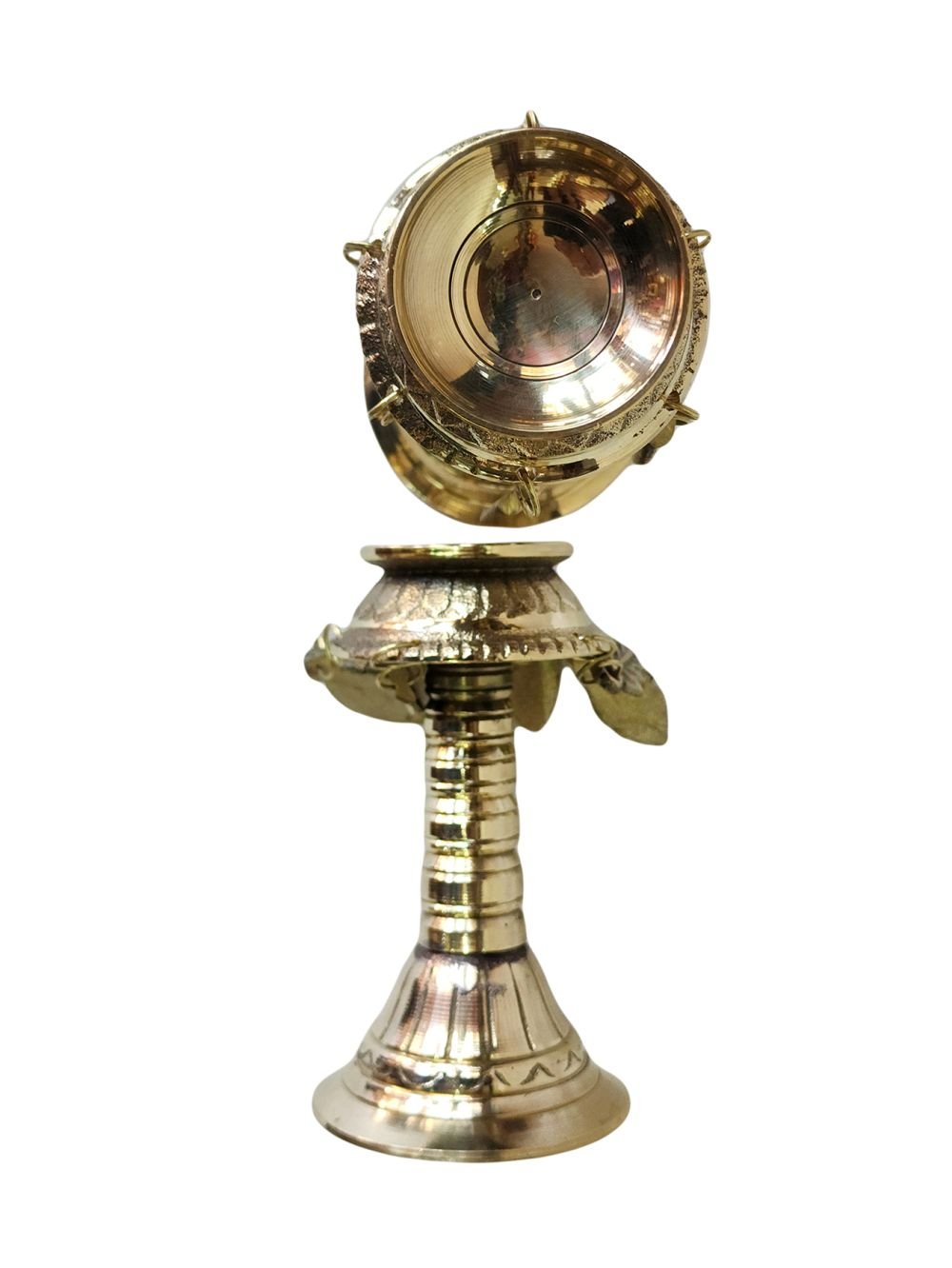
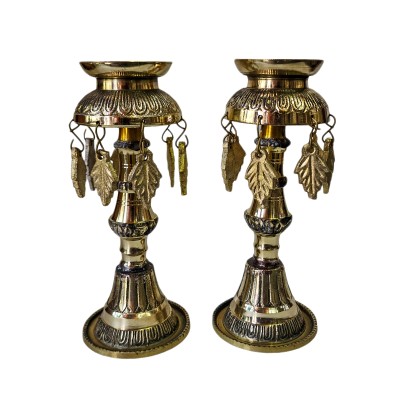
Traditional Panas Oil Lamp Sukunda Set , A type of offering bowl, symbolizing abundance and generosity
Panas
Pana
Panasu
|
|
Product Specification |
|
| Code | HME28986 |
| Size |
Height 13cm (5") Width 16cm (6") Depth 8cm (3") |
Weight | 757 gm - 1.67 lbs |
| Material | Brass |
| Availability | Available |
| Quantity | PCS |
US$ 28.00
$ 37.00 -25% off
Shipping Cost
|
| Price Adjustment [ Discount Ends in : 32 days ] |
||
Shipping Calculation
weight of 1 Pcs of the product is 1 kg and will cost USD $ 37.00
-
Item location: kathmandu, Nepal
Worldwide shipping - Dispatch
-
We normally dispatch the product in 2-5 business days. Else Buyer will be infromed personally about the dispatch Date.
- Payment
- Paypal | Credit - Debit Card | Bank Transfer | See More
- Return
- 7 days money back, buyer pays return shipping
Welcome to Handmade Handicraft
At Handmade Handicraft, we prioritize simplicity, reflected in our user-friendly website design. We have streamlined the process so everything you need is just a click away.
While our website does not support online shopping, we've incorporated a convenient shopping cart system to assist you in sending us your inquiries. Please note, we do not process payments on our site. All transactions will be handled via email, respecting the inquiries you submit.
Should you encounter any issues while submitting your inquiries, please contact us via mobile app, email, or follow the procedure outlined below. We've provided documentation to guide you through the selection process.
selecting Procedure
In every product you will find Order Now and Quick Inquiry buttons, they are the two process of sending us your enquiry.
If you have any questions or need assistance, please don't hesitate to reach out to us. We are here to help you with your inquiries and ensure a smooth experience.
Panas
Nepal has a rich history of art and handicrafts, and these unique and creative crafts have become popular all around the world. Metal crafting is one of the most famous arts in Nepal, especially in the Newari community of the Kathmandu Valley. This art form has been passed down from generation to generation and the metal crafting skills of the Nepalese artisans are highly revered. One such example of Nepalese metal craft is the product "Panas." Read More
Panas is a traditional brass oil lamp that has been handcrafted and hand-carved by some of the finest artisans in Nepal. This lamp has been used in the Newar community for centuries for various purposes such as lighting homes, temples, and for positive and successful endeavors during new business openings, events, or functions. Additionally, it is also used in ritual ceremonies in Nepal.
The brass oil lamp has an attractive design with intricate details that add elegance and charm to any Puja room or worship space. Panas can also be used as a decorative piece in hotels and other places. To use Panas, fill the lamp with oil and light the wick. Cleaning the lamp is simple, wipe the brass with a soft cloth regularly to keep it shining and if necessary, wash it with mild soap and water.
In conclusion, Panas is a unique piece of Nepalese metal craft that symbolizes the rich cultural heritage and artistry of the Nepalese people. This handcrafted brass oil lamp is not only functional but also adds a touch of beauty to any space.
Process: Sand Casting
This Panas has been created using the sand casting system, also known as sand molding casting. This widely employed manufacturing process utilizes a sand mold to produce metal products and components in various sizes and shapes. Sand casting holds significant popularity in the industry, accounting for approximately 60% of all metal castings. The sand casting process involves six primary steps. First, a pattern or replica of the desired sculpture, in this case, Panas, is created using a material like wood or metal. The pattern is then placed in a flask, which is a box-like structure divided into two halves. The next step involves packing the flask tightly with specially formulated molding sand, creating a mold cavity that matches the shape of the pattern. The pattern is subsequently removed, leaving behind a negative impression of the sculpture within the sand mold. Read More
Related Products

20 cm
Traditional Panas Oil Lamp Sukunda Set
US$ 43.00
25% off
$ 57.00
$ 57.00

29 cm
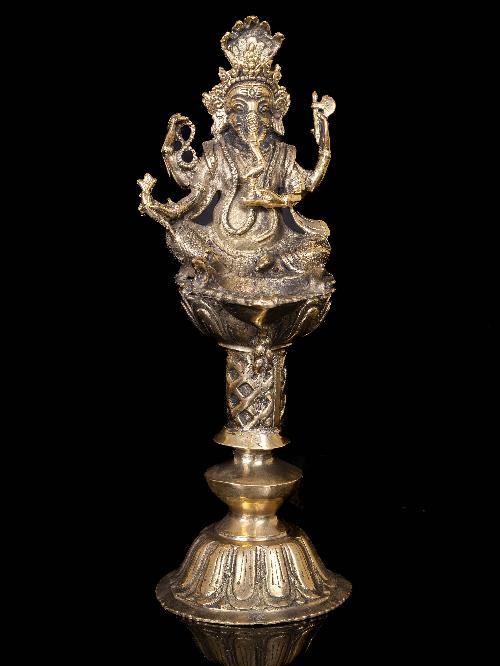
Unique Sukunda Panas Oil Lamp With Ganesh Statue, Brass Finish
US$ 110.00
25% off
$ 150.00
$ 150.00

59 cm
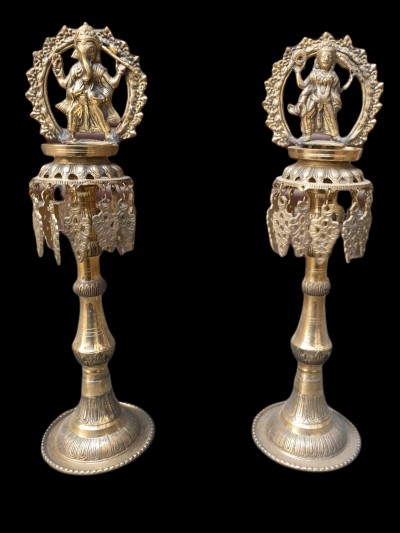
Nepali Traditional Sukunda Panas Oil Lamp Set
US$ 330.00
25% off
$ 440.00
$ 440.00

80 cm
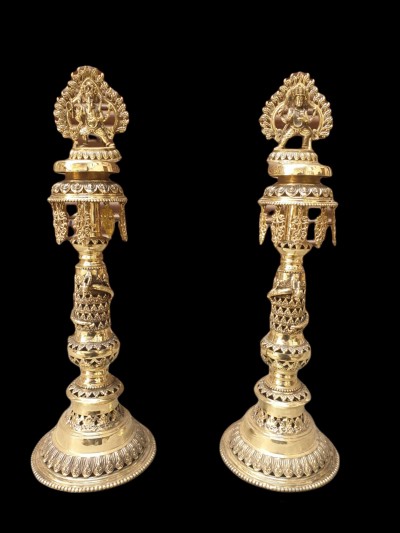
Nepali Traditional Sukunda Panas Oil Lamp Set
US$ 1,280.00
Featured