

Loading Content..
Please wait...
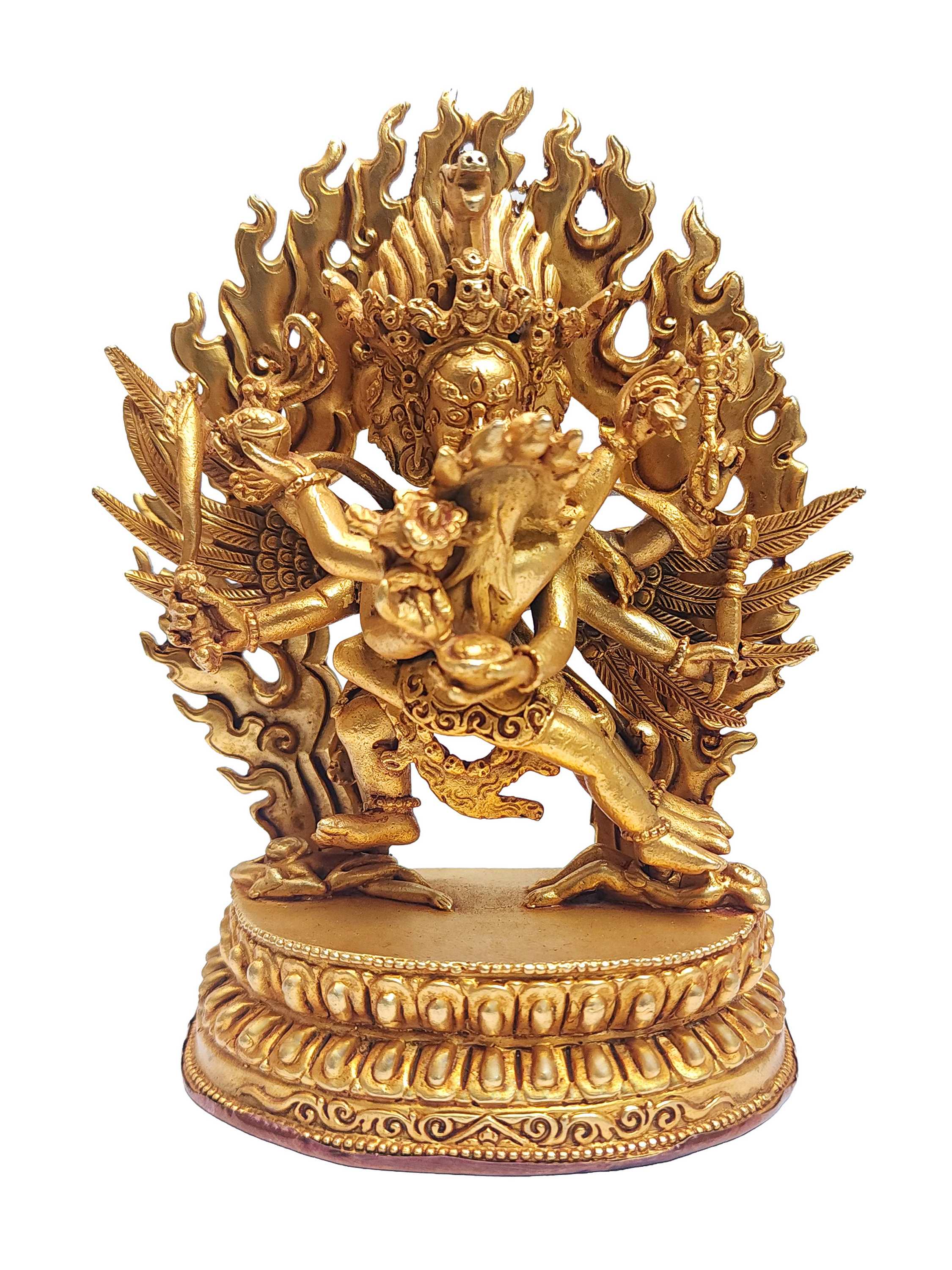
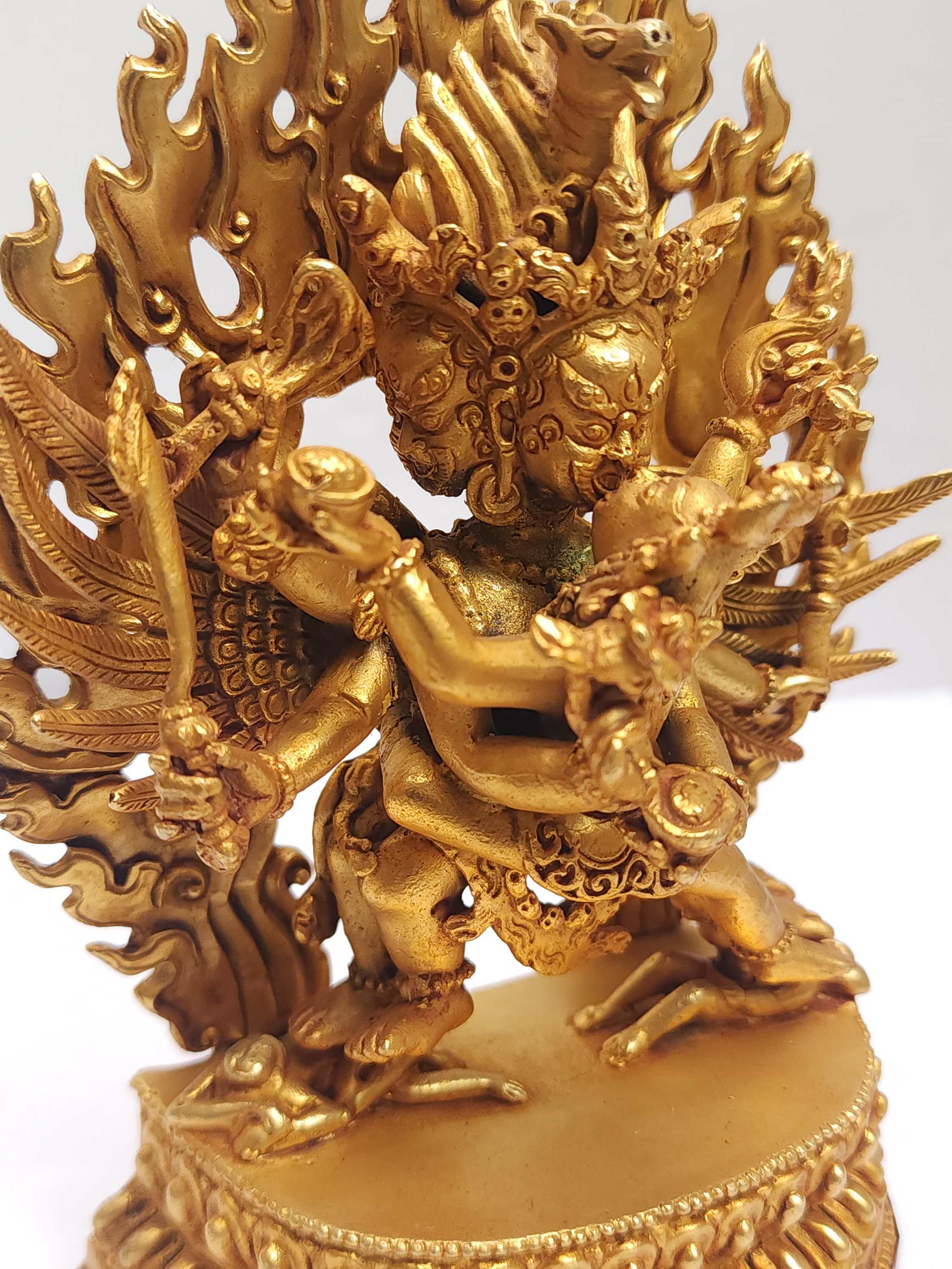
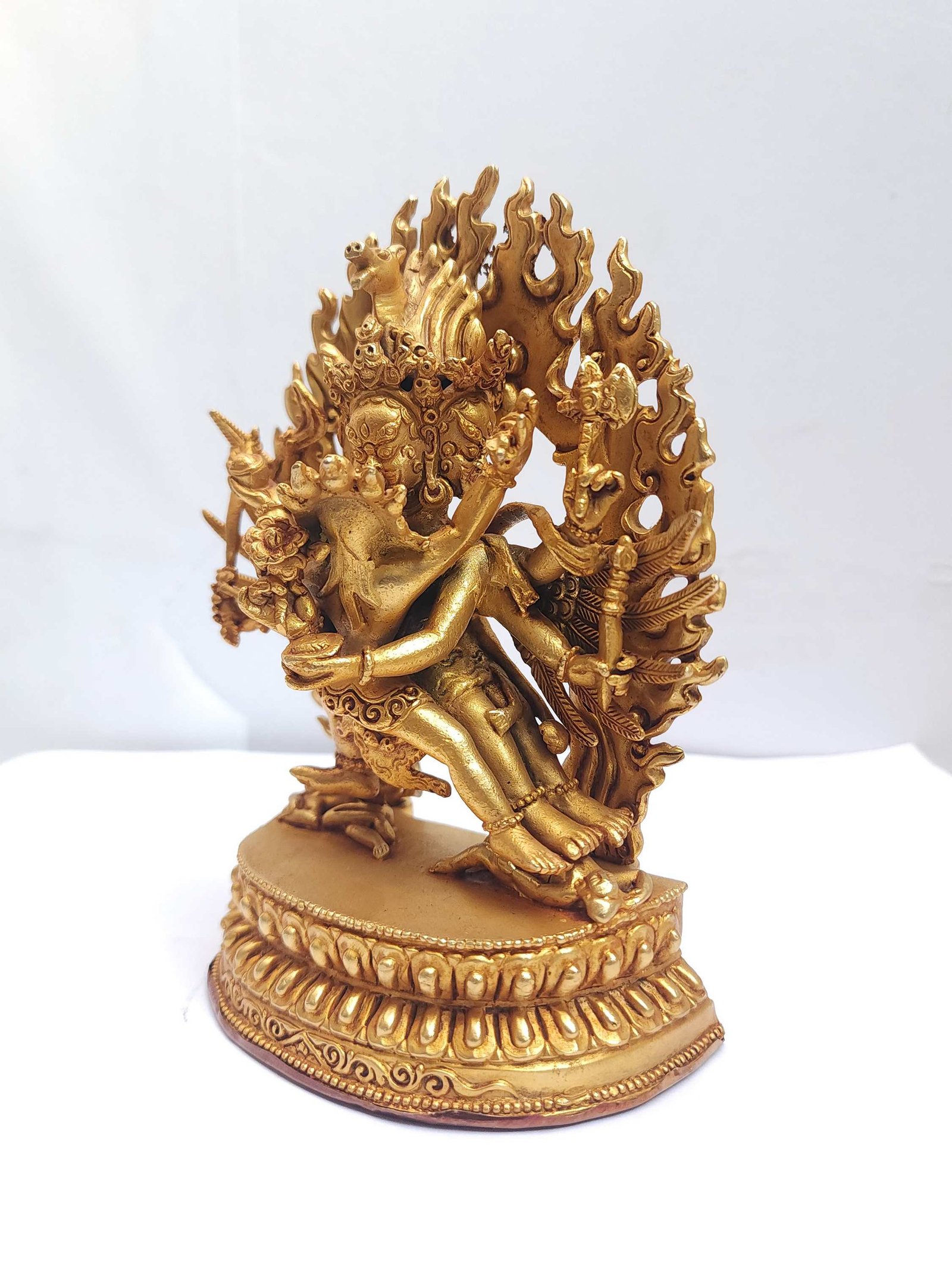


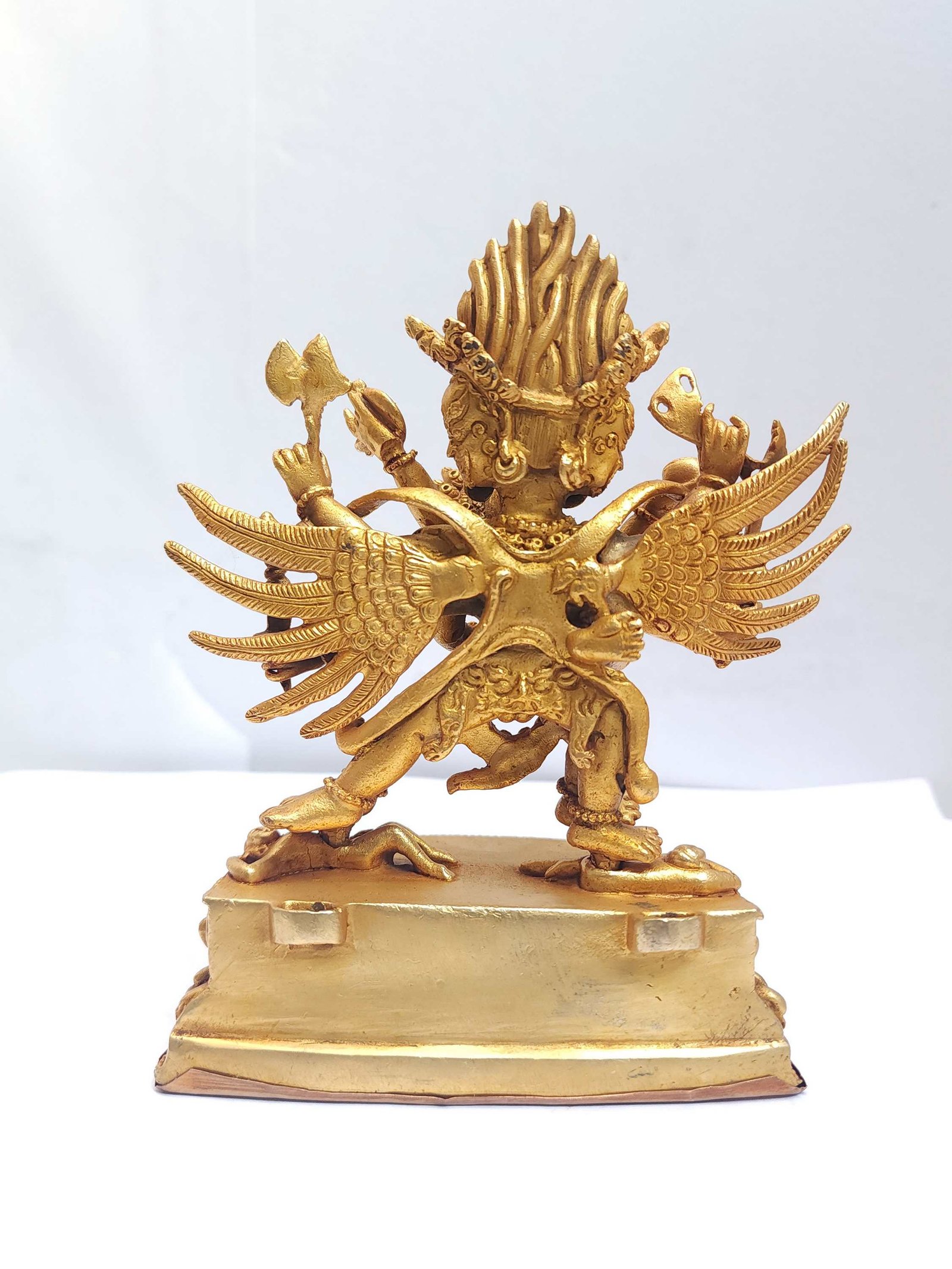

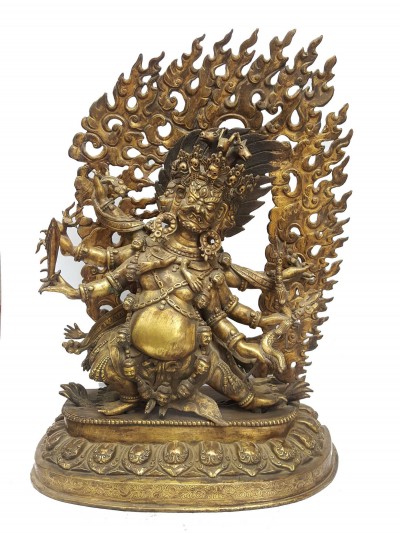
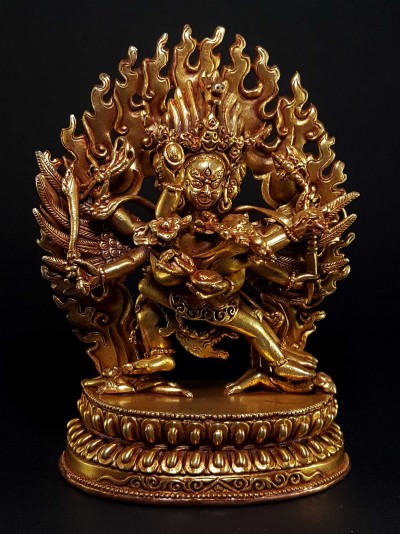
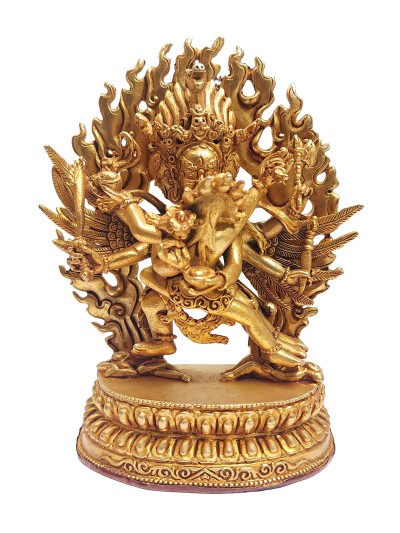
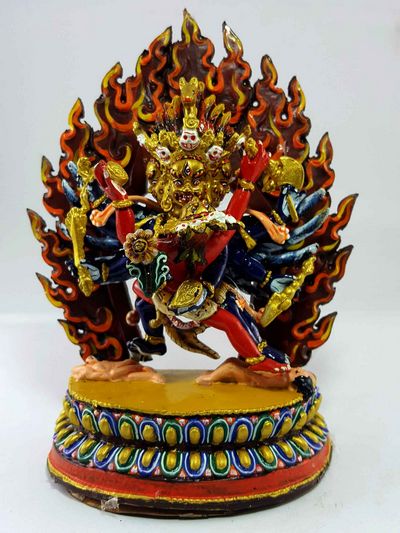
Tibetan Buddhist Handmade Statue of Hayagriva, Full Gold Plated , Horse-Headed Buddha, Protector of Wisdom and Knowledge
Hayagriva
Ma Toufo
|
|
Product Specification |
|
| Code | HME27694 |
| Size |
Height 12cm (5") Width 15cm (6") Depth 6cm (2") |
Weight | 779 gm - 1.72 lbs |
| Material | Copper |
| Availability | Available |
Order configuration (Optional)
Filling & Blessing
HIDE Select Option
Click Here to View All Option and Prices

Select

Select

Select

Select
Statue Finishing
HIDE Select Option
Click Here to View All Option and Prices

Select

Select

Select

Select

Select

Select

Select

Select

Select

Select

Select

Select

Select

Select

Select

Select

Select

Select

Select

Select

Select

Select

Select

Select

Select

Select

Select

Select

Select

Select

Select

Select

Select

Select

Select

Select

Select

Select

Select

Select
| Quantity | PCS |
US$ 220.00
$ 297.00 -25% off
Shipping Cost
|
| Price Adjustment [ Discount Ends in : 38 days ] |
||
Shipping Calculation
weight of 1 Pcs of the product is 1 kg and will cost USD $ 37.00
-
Item location: kathmandu, Nepal
Worldwide shipping - Dispatch
-
We normally dispatch the product in 2-5 business days. Else Buyer will be infromed personally about the dispatch Date.
- Payment
- Paypal | Credit - Debit Card | Bank Transfer | See More
- Return
- 7 days money back, buyer pays return shipping
Variations of Same Product
Welcome to Handmade Handicraft
At Handmade Handicraft, we prioritize simplicity, reflected in our user-friendly website design. We have streamlined the process so everything you need is just a click away.
While our website does not support online shopping, we've incorporated a convenient shopping cart system to assist you in sending us your inquiries. Please note, we do not process payments on our site. All transactions will be handled via email, respecting the inquiries you submit.
Should you encounter any issues while submitting your inquiries, please contact us via mobile app, email, or follow the procedure outlined below. We've provided documentation to guide you through the selection process.
selecting Procedure
In every product you will find Order Now and Quick Inquiry buttons, they are the two process of sending us your enquiry.
If you have any questions or need assistance, please don't hesitate to reach out to us. We are here to help you with your inquiries and ensure a smooth experience.
Hayagriva
Hayagriva is a wrathful manifestation of Lord Avalokiteshvara(The god of compassion). There are108 forms of Hayagriva.[Avalokiteshvara] His special ability is to cure diseases, especially skin diseases even as serious as leprosy, which is said to be caused by the Nāgas.
In Hinduism, one tradition identifies Hayagriva as a group of demons subdued by Vishnu, according to another tradition, Hayagriva was incarnation of Vishnu.
In Tibet, Hayagriva was promoted especially by Buddhist teacher Atisha.It is said that Tibetan horse-dealers worshipped Hayagriva because he could frighten away demons by neighing like a horse. When invoked he announces his coming by neighing, the sound of which pierces false appearances and disguise. Read More
Iconography
Hayagriva is one of the eight principal deities of Kagye where he is referred to as Lotus-like Speech. The instructions related to this form of Hayagriva are based on the so-called "three neighs of the horse"
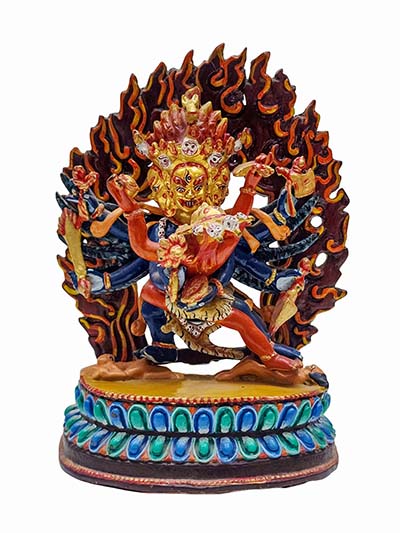
Very wrathful, red in colour, with three faces, six hands and four legs, the right face is white and the left green. With three large round staring eyes and a cavernous mouth with sharp canine teeth and dark hair flowing upward. On top of the head are three small green horse heads. The right hands hold a vajra, trident and sword, and the left upper hand is outstretched in the mudra (sacred gesture) of bestowing protection, the remaining hands hold a spear and noose. Adorned with a crown of five dry skulls, earrings, gold and jewel ornaments, snakes entwined as jewelry and a tiger skin skirt, he is completely attired in wrathful charnel ground vestments and a set of vajra wings. The consort has one face and two hands, blue-black in colour, holding a skullcup in the left hand, adorned in wrathful attire and a leopard skin skirt. Standing with eight legs, the right bent and left straight, atop two corpses above a sun disc and multi-coloured lotus, Hayagriva dwells surrounded by the flames of pristine awareness.
In Hinduism
Hayagriva is an incarnation of Vishnu, depicted with a human body and a horse's head, brilliant white in color, with white garments, seated on a white lotus.
Hayagriva is a very important deity in the Vaishnava tradition. His blessings are sought when beginning study of both sacred and secular subjects. Special worship is conducted on the day of the full moon in August (Sravana-Paurnami) (his avatara-dina) and on Mahanavami, the ninth day of the Navaratri festival. He is also hailed as "Hayasirsa".
One of the legends states that during the creation, the demons Madhu and Kaithaba stole the Vedas from the creator Brahma, and to save them Vishnu took the form of Hayagreeva. This story represents the triumph of pure knowledge, guided by the divine over demonic forces of darkness.
About Elector Gold Plating
The Hayagriva has been crafted using the ceramic mold casting process, a modern approach that provides an alternative to traditional methods such as the lost-wax system or rubber molding. Also referred to as ceramic molding, this technique involves the creation of a ceramic mold to cast the statue. The process begins by making a precise and detailed wax model of the desired sculpture. The wax model is then coated with layers of ceramic material, creating a sturdy mold. Once the mold is complete, it is fired in a kiln, causing the wax to melt and escape, leaving behind a cavity that perfectly replicates the original sculpture. Molten metal is then poured into the mold, allowing it to fill the cavity and take on the desired form. Once cooled and solidified, the ceramic mold is carefully broken away, revealing the final metal statue. Read More
Ceramic Molding System
The Hayagriva has been crafted using the Ceramic mold casting process, a modern approach that provides an alternative to traditional methods such as the lost-wax system or rubber molding. Also referred to as ceramic molding, this technique involves the creation of a ceramic mold to cast the statue. The process begins by making a precise and detailed wax model of the desired sculpture. The wax model is then coated with layers of ceramic material, creating a sturdy mold. Once the mold is complete, it is fired in a kiln, causing the wax to melt and escape, leaving behind a cavity that perfectly replicates the original sculpture. Molten metal is then poured into the mold, allowing it to fill the cavity and take on the desired form. Once cooled and solidified, the ceramic mold is carefully broken away, revealing the final metal statue. Read More
Related Products

52 cm
Statue Of Secret Accomplishment Hayagriva - Heruka, Full Fire Gold Plated, And Antique Finishing
US$ 2,250.00
25% off
$ 3,000.00
$ 3,000.00

14 cm
Best Price, Buddhist Handmade Statue Of Hayagriva, Face Painted, Traditional Color Finishing, Last Piece
US$ 90.00
25% off
$ 120.00
$ 120.00

55 cm
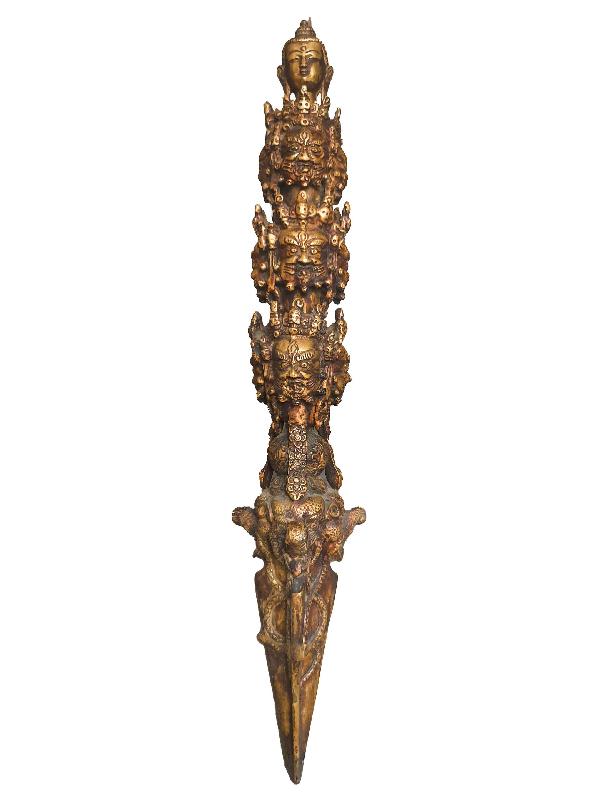
Buddhist Hayagriva - Heruka Phurba With 8 Angry Face And Amitabha Buddha. With Color Finishing And Antique Finishing
US$ 180.00
25% off
$ 240.00
$ 240.00

11 cm
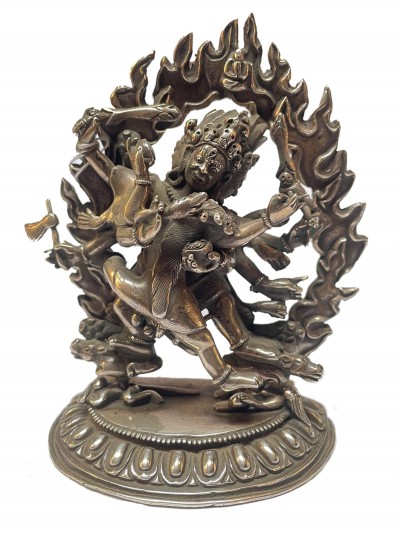
Master Quality, Sterling Silver, 417 Gram Statue Of Hayagriva - Heruka, Old Stock
US$ 1,530.00
25% off
$ 2,044.00
$ 2,044.00