

Loading Content..
Please wait...
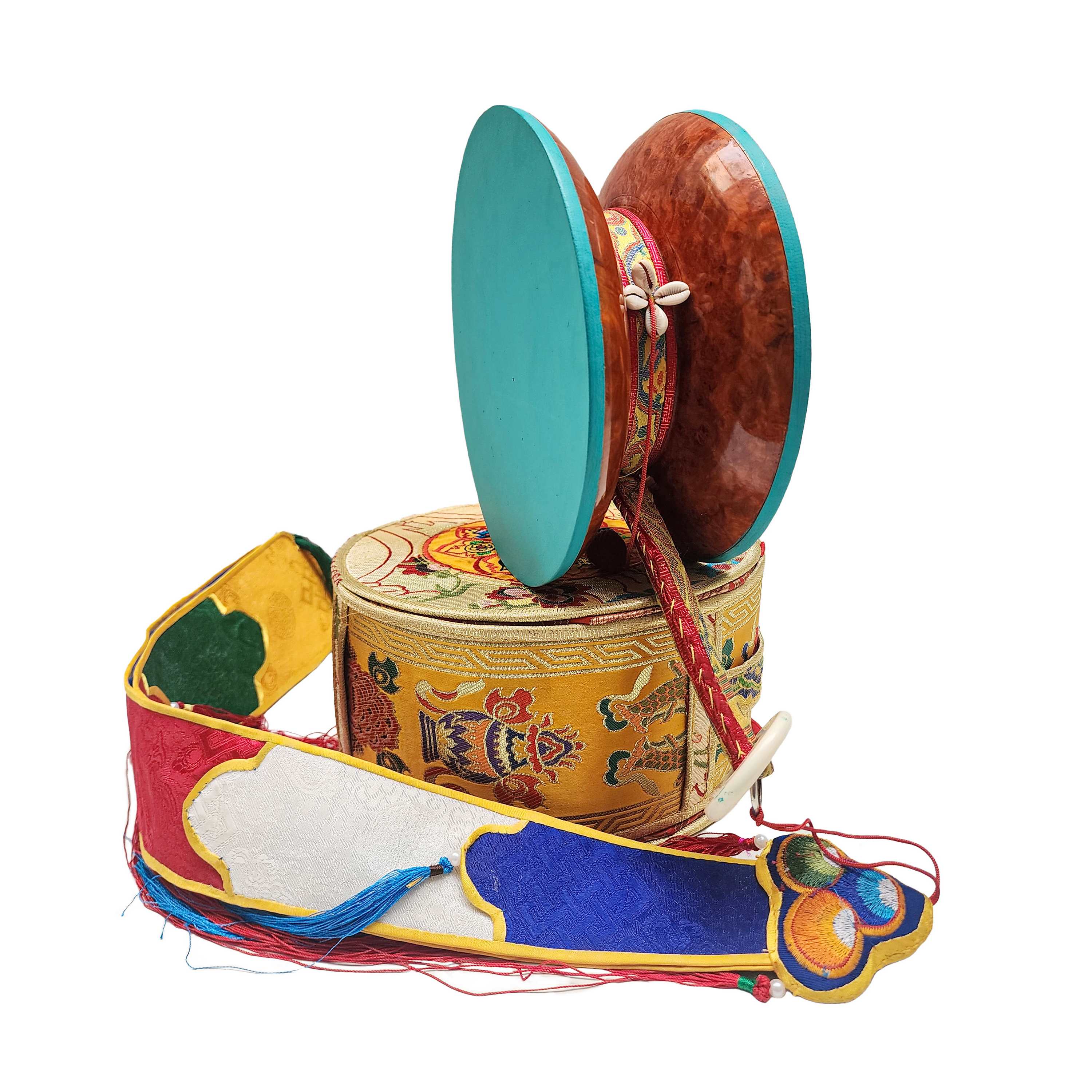
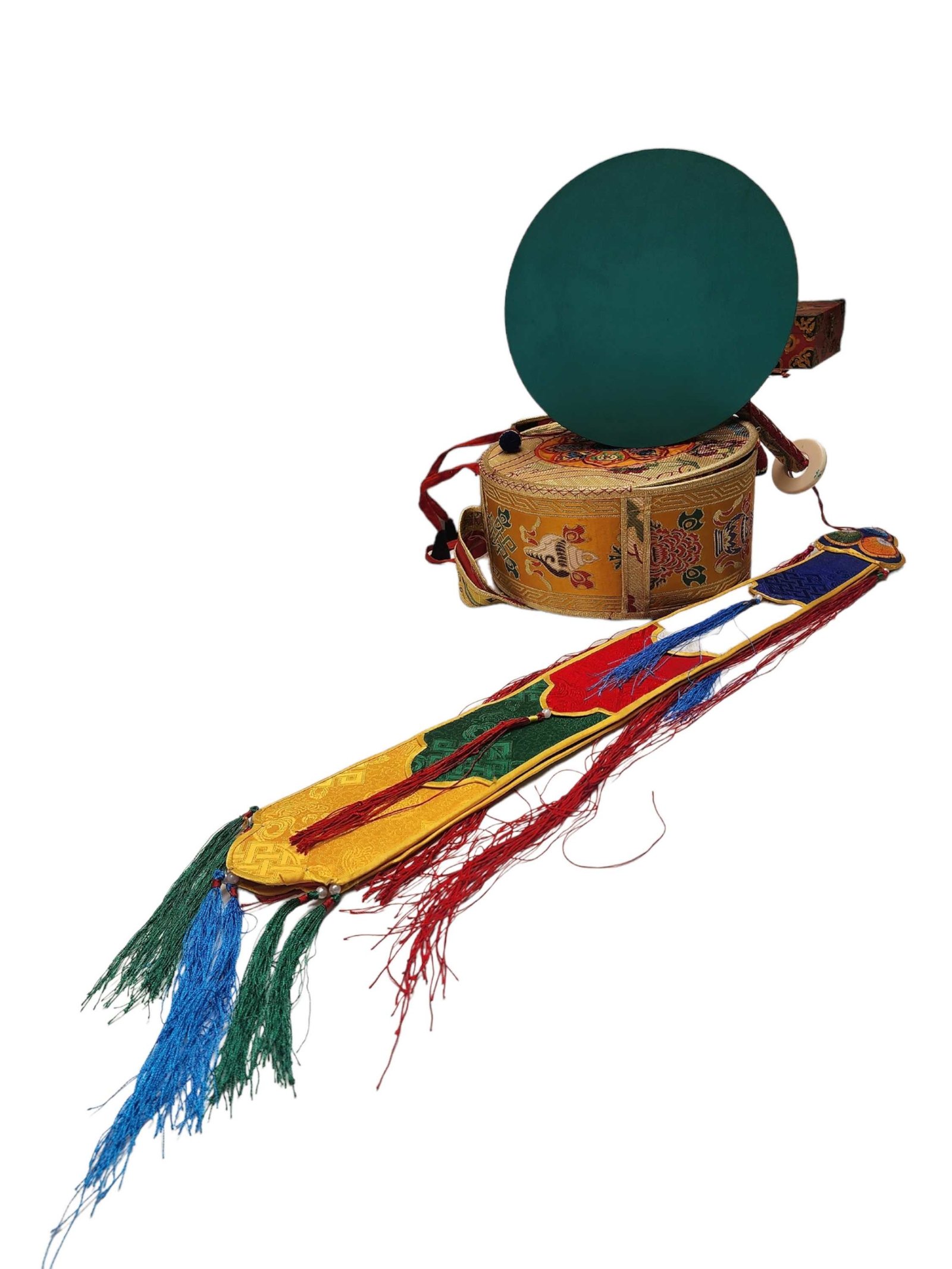
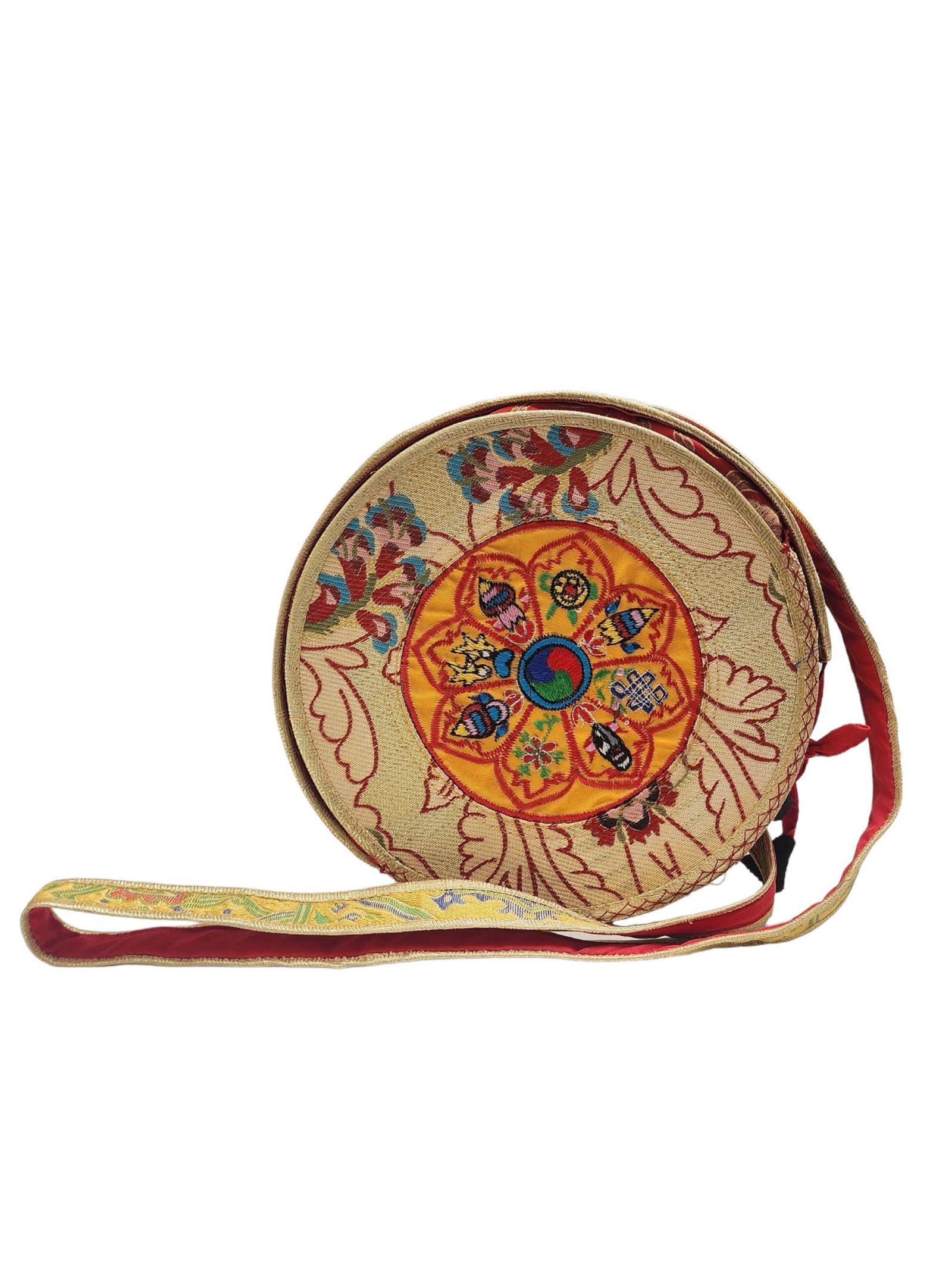
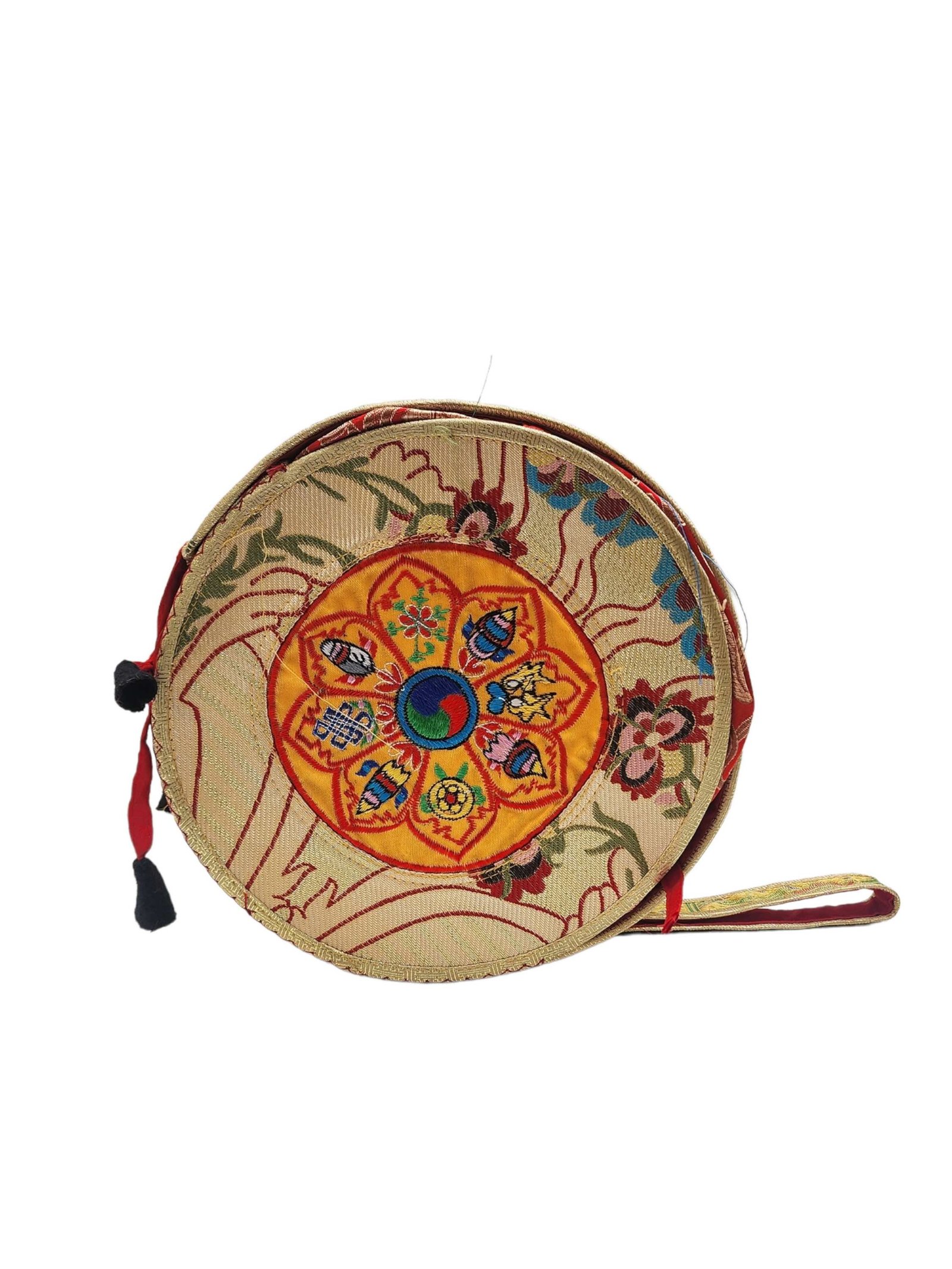
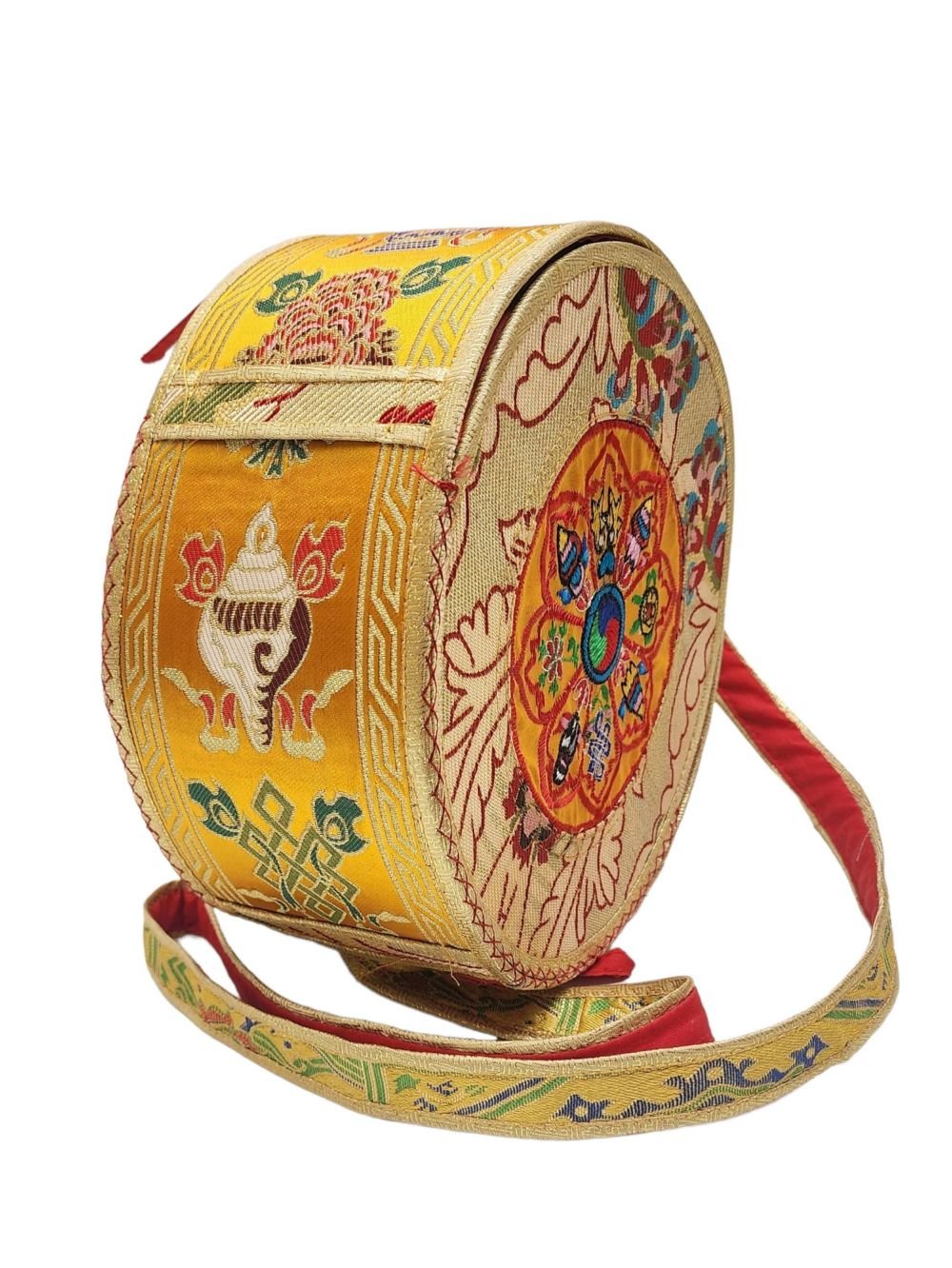
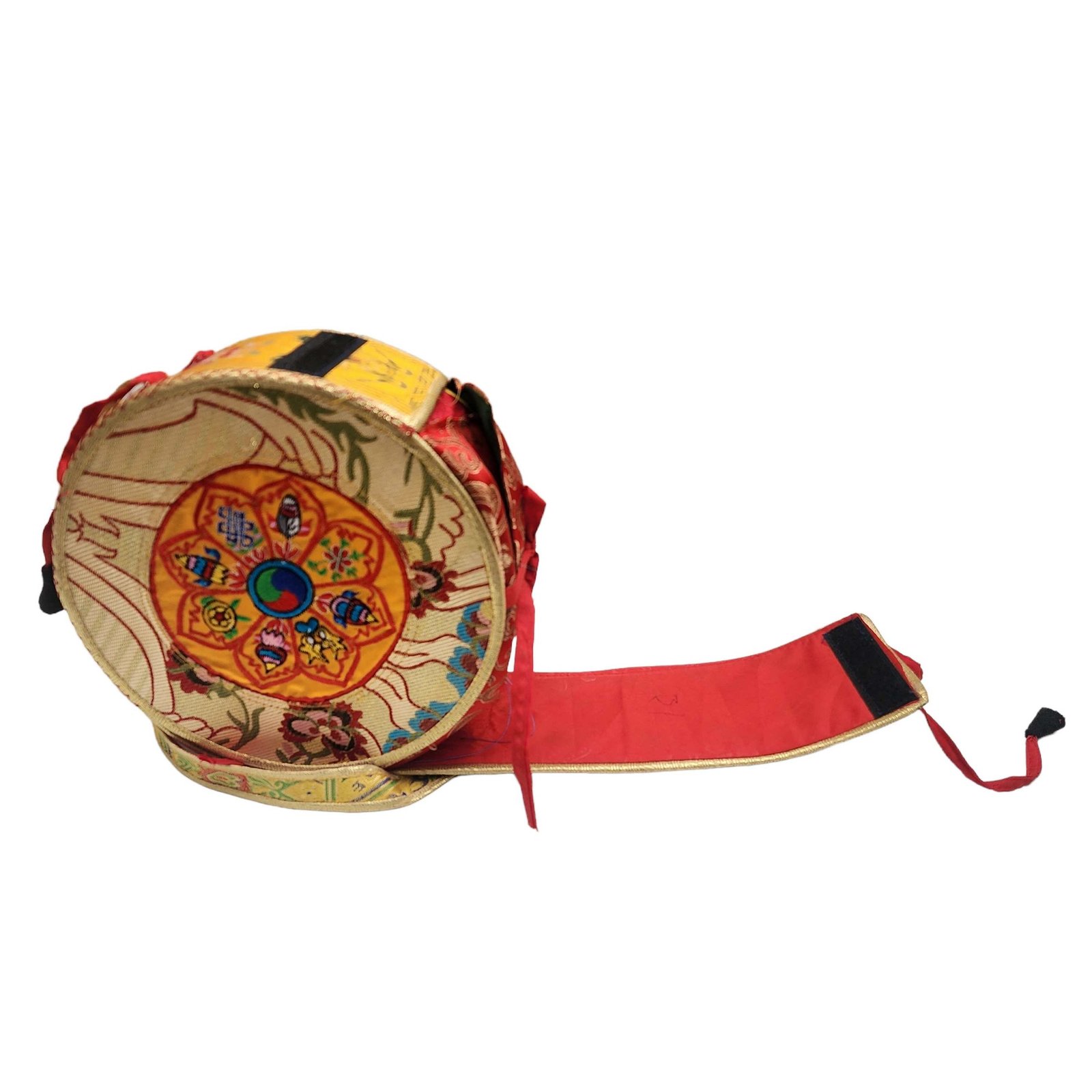
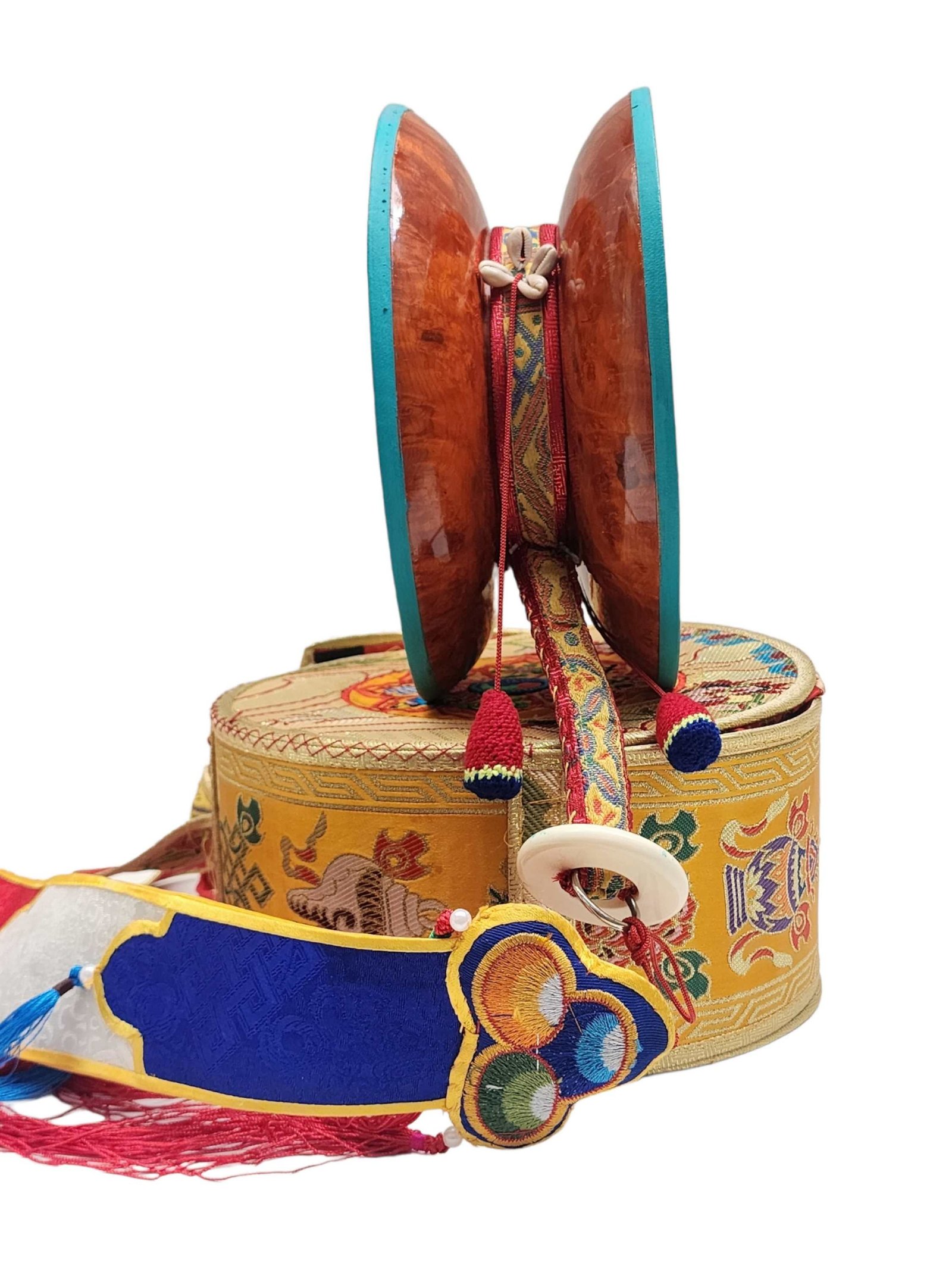
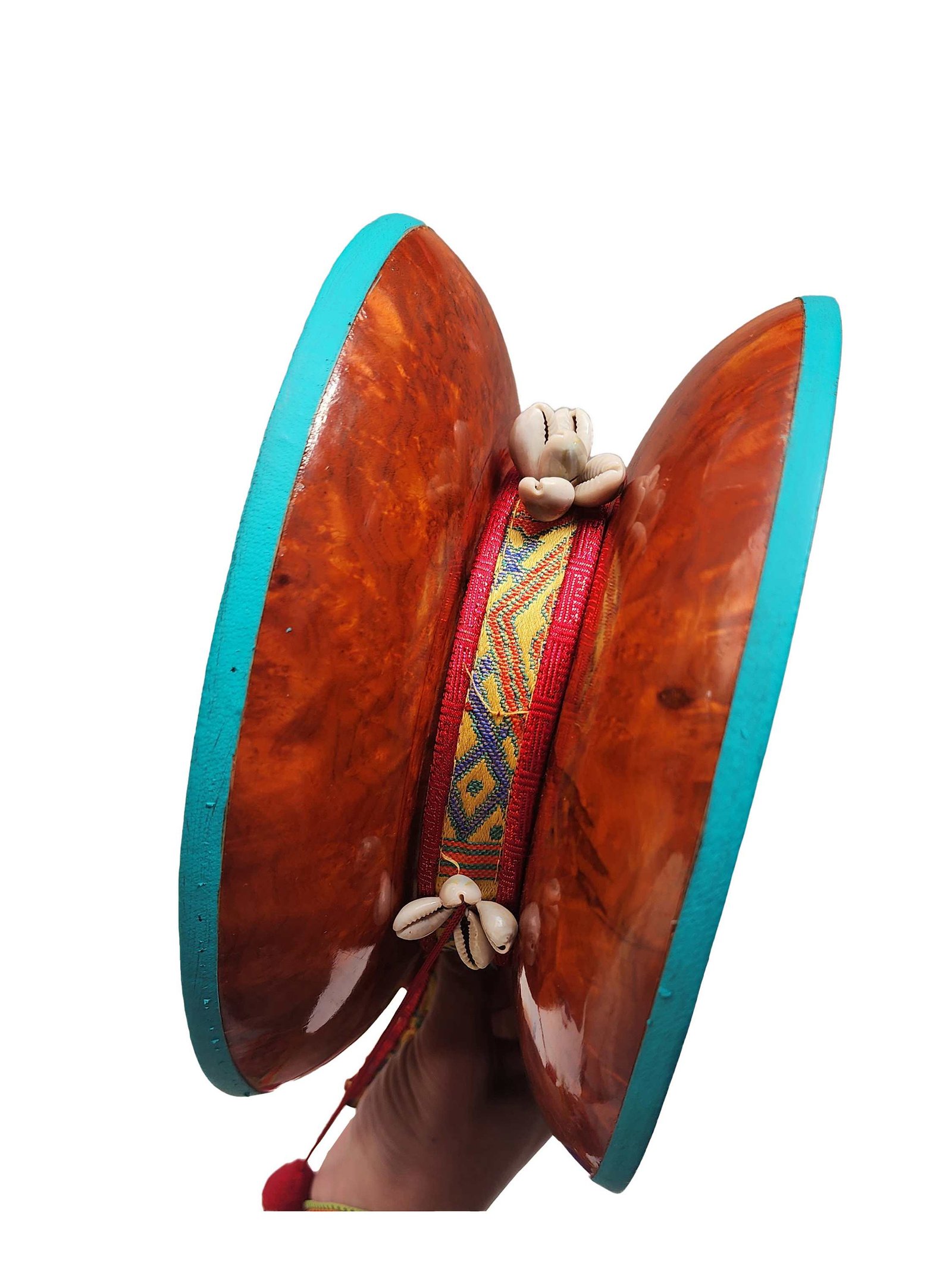
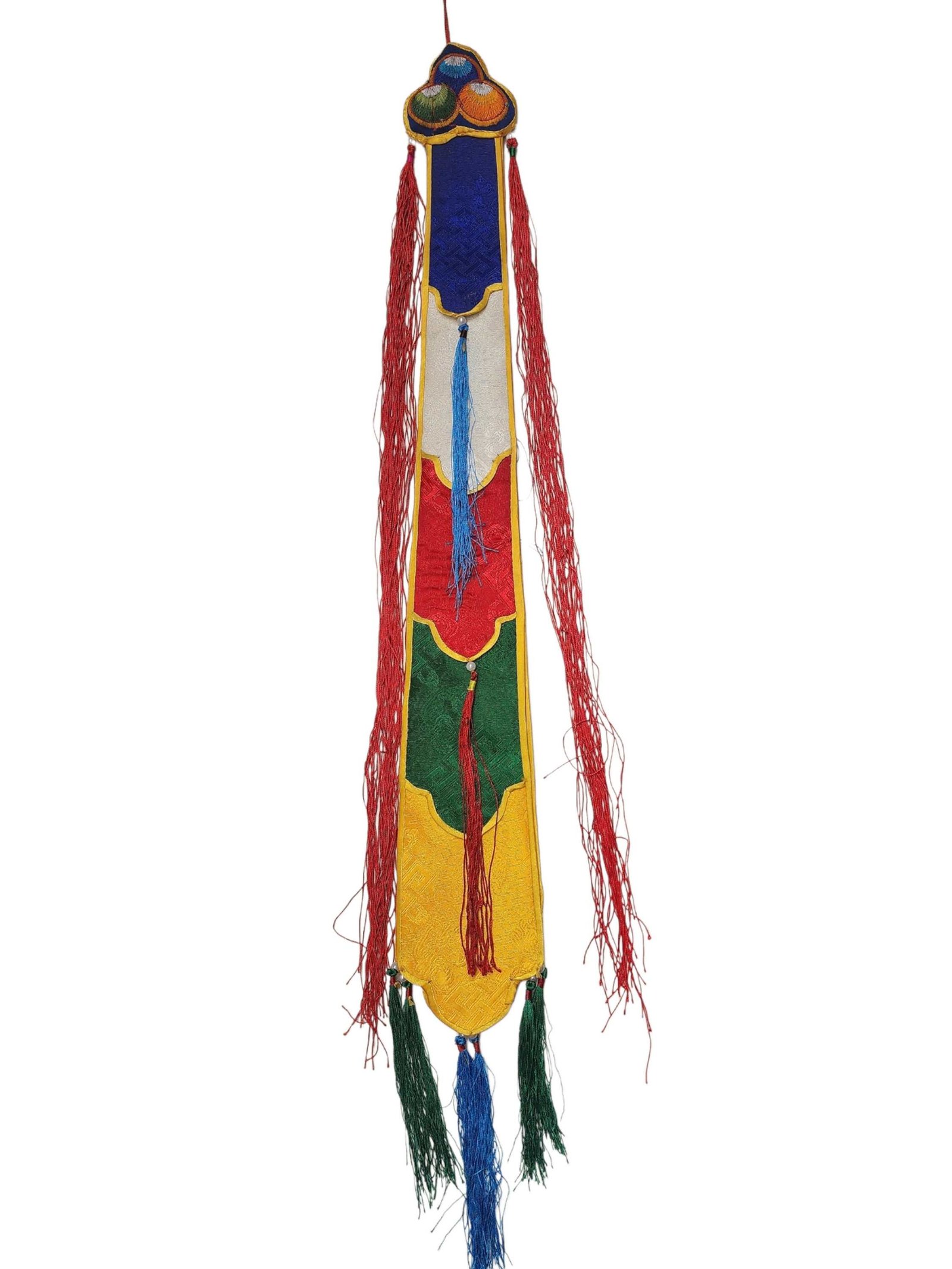
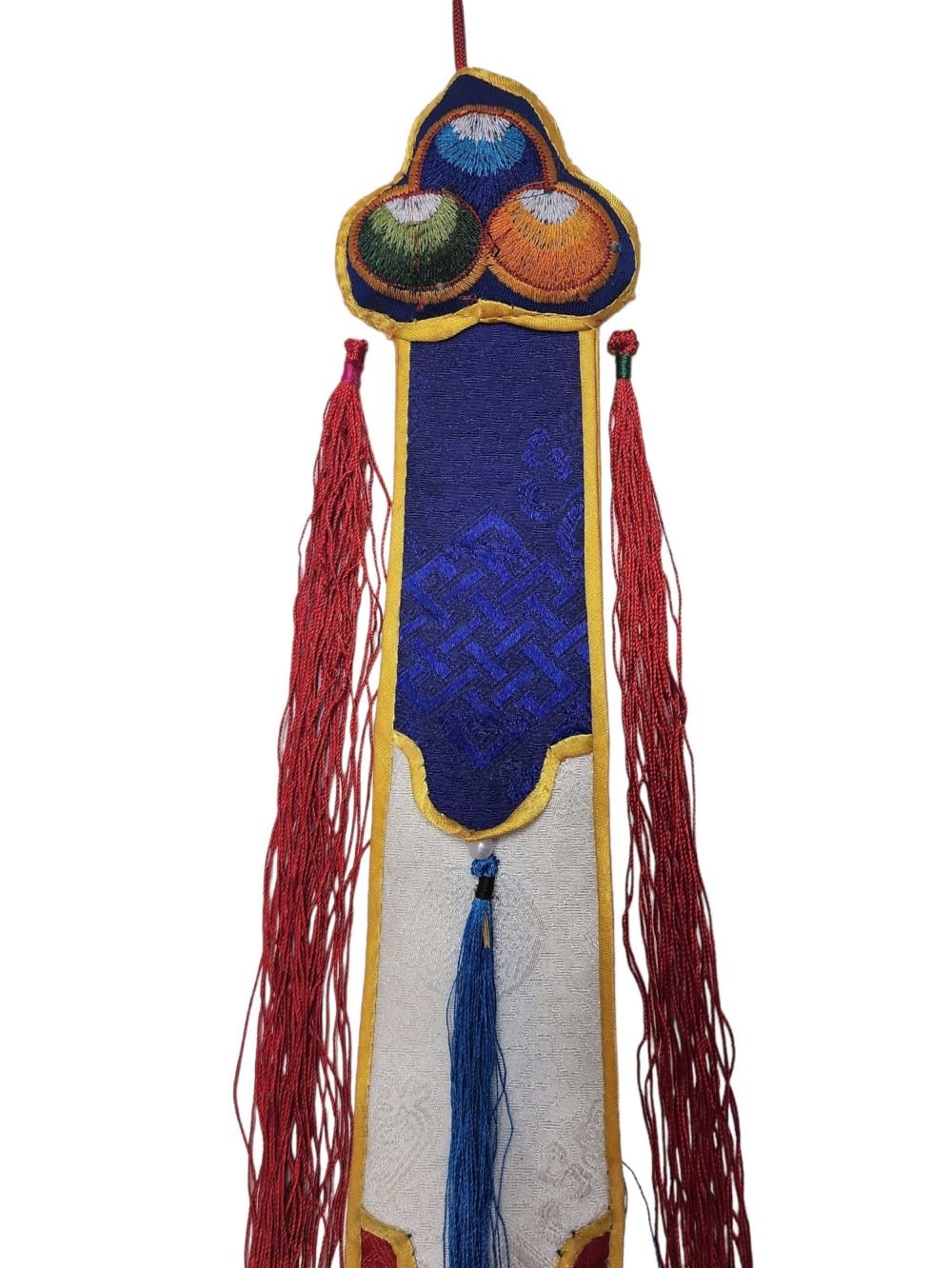
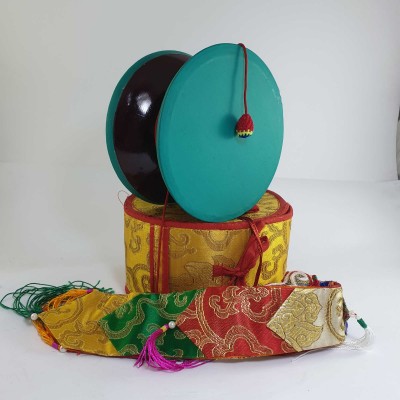
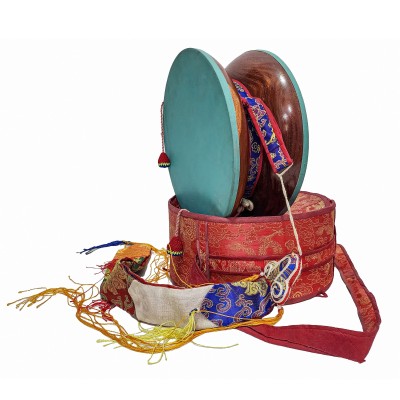
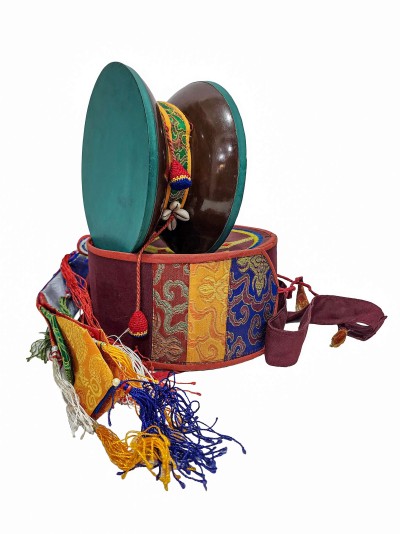
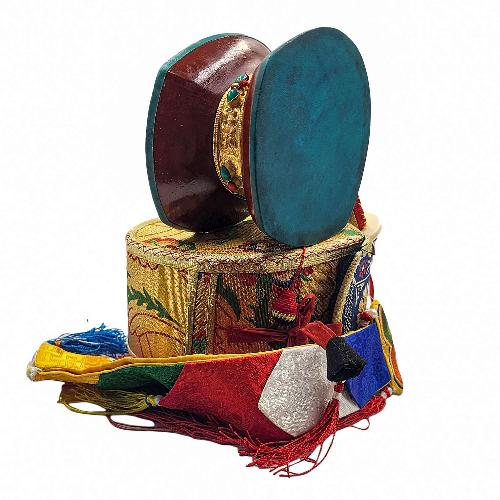
Chod Damaru, The Bawa Wood Bhutanese Chod Damaru, High Quality Wood A with Brocade Cover and Tail , symbolizing the sound of creation and the rhythm of the universe
Damaru
Damo
Damaru
|
|
Product Specification |
|
| Code | HME27427 |
| Size |
Diameter 23cm (9") Height 11cm (4") |
Weight | 450 gm - 0.99 lbs |
| Material | Wood and Leather |
| Availability | Available |
| Quantity | PCS |
US$ 300.00
$ 400.00 -25% off
Shipping Cost
|
| Price Adjustment [ Discount Ends in : 40 days ] |
||
Shipping Calculation
weight of 1 Pcs of the product is 2 kg and will cost USD $ 47.00
-
Item location: kathmandu, Nepal
Worldwide shipping - Dispatch
-
We normally dispatch the product in 2-5 business days. Else Buyer will be infromed personally about the dispatch Date.
- Payment
- Paypal | Credit - Debit Card | Bank Transfer | See More
- Return
- 7 days money back, buyer pays return shipping
Welcome to Handmade Handicraft
At Handmade Handicraft, we prioritize simplicity, reflected in our user-friendly website design. We have streamlined the process so everything you need is just a click away.
While our website does not support online shopping, we've incorporated a convenient shopping cart system to assist you in sending us your inquiries. Please note, we do not process payments on our site. All transactions will be handled via email, respecting the inquiries you submit.
Should you encounter any issues while submitting your inquiries, please contact us via mobile app, email, or follow the procedure outlined below. We've provided documentation to guide you through the selection process.
selecting Procedure
In every product you will find Order Now and Quick Inquiry buttons, they are the two process of sending us your enquiry.
If you have any questions or need assistance, please don't hesitate to reach out to us. We are here to help you with your inquiries and ensure a smooth experience.
The Bawa Wood Bhutanese Chod Damaru is a traditional musical instrument from Bhutan. It is a type of hand drum, often used in religious ceremonies and rituals. The damaru is made from a hollowed-out piece of bawa wood, and has two small drumheads at either end, which are struck with a pair of wooden beaters. The instrument is known for its distinctive, high-pitched sound, which is said to have spiritual significance in Bhutanese culture.
Key words: Bhutan, musical instrument, hand drum, bawa wood, religious ceremonies, rituals, spiritual significance.
Key words: Bhutan, musical instrument, hand drum, bawa wood, religious ceremonies, rituals, spiritual significance.
Damaru
In the Tibetan Buddhist tradition, the damaru is part of a collection of sacred implements and musical instrument was adopted from the tantric practices of ancient India. These reached the Himalayas from the 8th to 12th century, persisting in Tibet as the practice of Vajrayana flourished there, even as it vanished in the subcontinent of India Read More
The Chod damaru (or choda) is a specialized form of damaru. It is generally larger in circumference and has a more round shape than its smaller counterpart. The Chod damaru is used in the tantric practice of Chod.
Drum Damaru - The Asia and Pacific Museum in Warsaw
With no known antecedent, the chod is traditionally made of acacia wood (seng deng), though a variety of woods are acceptable, as long as the tree is not toxic and does not possess thorns or other negative attributes. Made as a one-piece, double-sided (two-headed) bell shape, size varies from 8 inches to 12 inches in diameter. Usually featuring only a thin veneer of varnish, so that the grain of the wood shows, they come the common red (marpo), black (nakpo) or rare yellow (serpo) type of acacia, and are very occasionally painted with skulls, the eight charnel grounds, or other symbols. The waist or belt is traditionally made of leather, though often brocades are used. A set of mantras are traditionally painted on the interior of the drum prior to its skinning.
The pitch of the drum varies, and the tone may vary depending on conditions of dampness, temperature and so on. Played slowly, and methodically, the droning of the damaru accompanies the haunting melodies and chants of the chod ritual, as of which are accompaniments for the inner meditations and visualizations that are at the heart of this spiritual practice.
The above applies to the ideal manufacture of the damaru, and as still described in the definitive modern work, the "Mindroling Handbook of Vajrayana Implements." Those manufactured in India and Nepal are made of indeterminate and cheap woods, with painted skins, often no interior mantras, and altogether deviating from the many other essentials, as presrcibed in technical literature such as the Mindroling Handbook. Such copies are now widespread and in use by Eastern monastics and Western students.
Chopen
Damaru of all kinds are traditionally paired with a long sash or tail called a chopen. The chopen is attached to the end of the drum's handle so that it waves about while the drum is being played. They are most commonly made of brocade or silk using the colors of the tantric elements. On smaller damaru, the chopen is usually found without adornment, but on chod damaru, the tail will often feature several items which have been sewn onto the fabric. These adornments commonly include but are not limited to: a polished silver mirror or melong, a set of small bells, strips of tiger and/or leopard skin, one or more precious stones (i.e. dzi bead), and any number of small brass trinkets.
Drum Damaru - The Asia and Pacific Museum in Warsaw
With no known antecedent, the chod is traditionally made of acacia wood (seng deng), though a variety of woods are acceptable, as long as the tree is not toxic and does not possess thorns or other negative attributes. Made as a one-piece, double-sided (two-headed) bell shape, size varies from 8 inches to 12 inches in diameter. Usually featuring only a thin veneer of varnish, so that the grain of the wood shows, they come the common red (marpo), black (nakpo) or rare yellow (serpo) type of acacia, and are very occasionally painted with skulls, the eight charnel grounds, or other symbols. The waist or belt is traditionally made of leather, though often brocades are used. A set of mantras are traditionally painted on the interior of the drum prior to its skinning.
The pitch of the drum varies, and the tone may vary depending on conditions of dampness, temperature and so on. Played slowly, and methodically, the droning of the damaru accompanies the haunting melodies and chants of the chod ritual, as of which are accompaniments for the inner meditations and visualizations that are at the heart of this spiritual practice.
The above applies to the ideal manufacture of the damaru, and as still described in the definitive modern work, the "Mindroling Handbook of Vajrayana Implements." Those manufactured in India and Nepal are made of indeterminate and cheap woods, with painted skins, often no interior mantras, and altogether deviating from the many other essentials, as presrcibed in technical literature such as the Mindroling Handbook. Such copies are now widespread and in use by Eastern monastics and Western students.
Chopen
Damaru of all kinds are traditionally paired with a long sash or tail called a chopen. The chopen is attached to the end of the drum's handle so that it waves about while the drum is being played. They are most commonly made of brocade or silk using the colors of the tantric elements. On smaller damaru, the chopen is usually found without adornment, but on chod damaru, the tail will often feature several items which have been sewn onto the fabric. These adornments commonly include but are not limited to: a polished silver mirror or melong, a set of small bells, strips of tiger and/or leopard skin, one or more precious stones (i.e. dzi bead), and any number of small brass trinkets.
Bawa wood Damaru
This Damaru is made from Bawa wood from Bhutan. Bawa wood, also known as Himalayan spruce, is highly regarded for its unique properties that contribute to the damaru's construction. The dense and resonant nature of bawa wood enhances the instrument's acoustic qualities, resulting in a vibrant and distinct sound when the damaru is played. The durability and strength of the wood ensure that the instrument can withstand prolonged use and maintain its structural integrity over time. The natural beauty of the bawa wood, with its attractive grain patterns and warm tones, adds to the aesthetic appeal of the Bhutanese damaru. Overall, the use of bawa wood in crafting the damaru enhances its sound, durability, and visual appeal, making it a cherished instrument in Bhutanese musical traditions.
Damru Accessories
This Damaru comes with a splendid Cochin brocade cover. This meticulously designed cover safeguards the damaru, ensuring its protection against external elements, and offers unparalleled convenience for transporting this sacred musical instrument. The exquisite Cochin brocade fabric lends an air of elegance to the ensemble, while the brocade tail delicately adorns the damaru, elevating its aesthetic appeal to new heights. Experience the harmonious fusion of functionality and beauty with this exceptional combination, perfect for any discerning music enthusiast or spiritual practitioner.
Related Products

13 cm
Tibetan Chod Damaru Round, Medium, Wooden And Leather, With Brocade Damaru Drum Cover And Damaru Brocade Tail
US$ 14.00
25% off
$ 18.00
$ 18.00

28 cm
Chod Damaru, High Quality Rose Wood Bhutanese Chod Damaru, With Brocade Cover And Tail
US$ 420.00
25% off
$ 560.00
$ 560.00

20 cm
Chod Damaru, High Quality Rose Wood Bhutanese Chod Damaru, With Brocade Cover And Tail
US$ 190.00
Best Seller

13.5 cm
Tibetan Chod Damaru - Wooden And Leather, With Brocade Damaru Drum Cover And Damaru Brocade Tail
US$ 60.00
Our pick