

Loading Content..
Please wait...
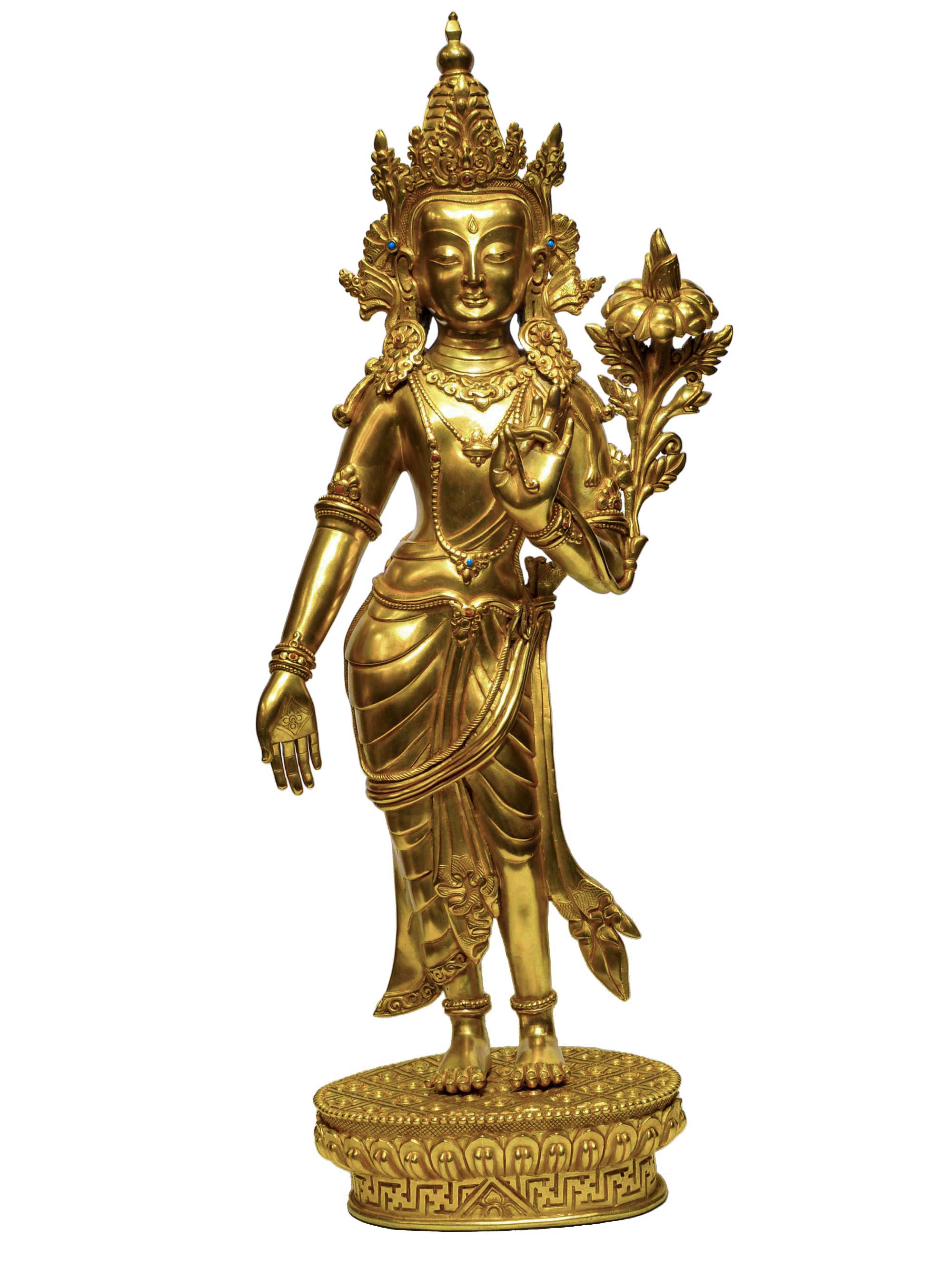


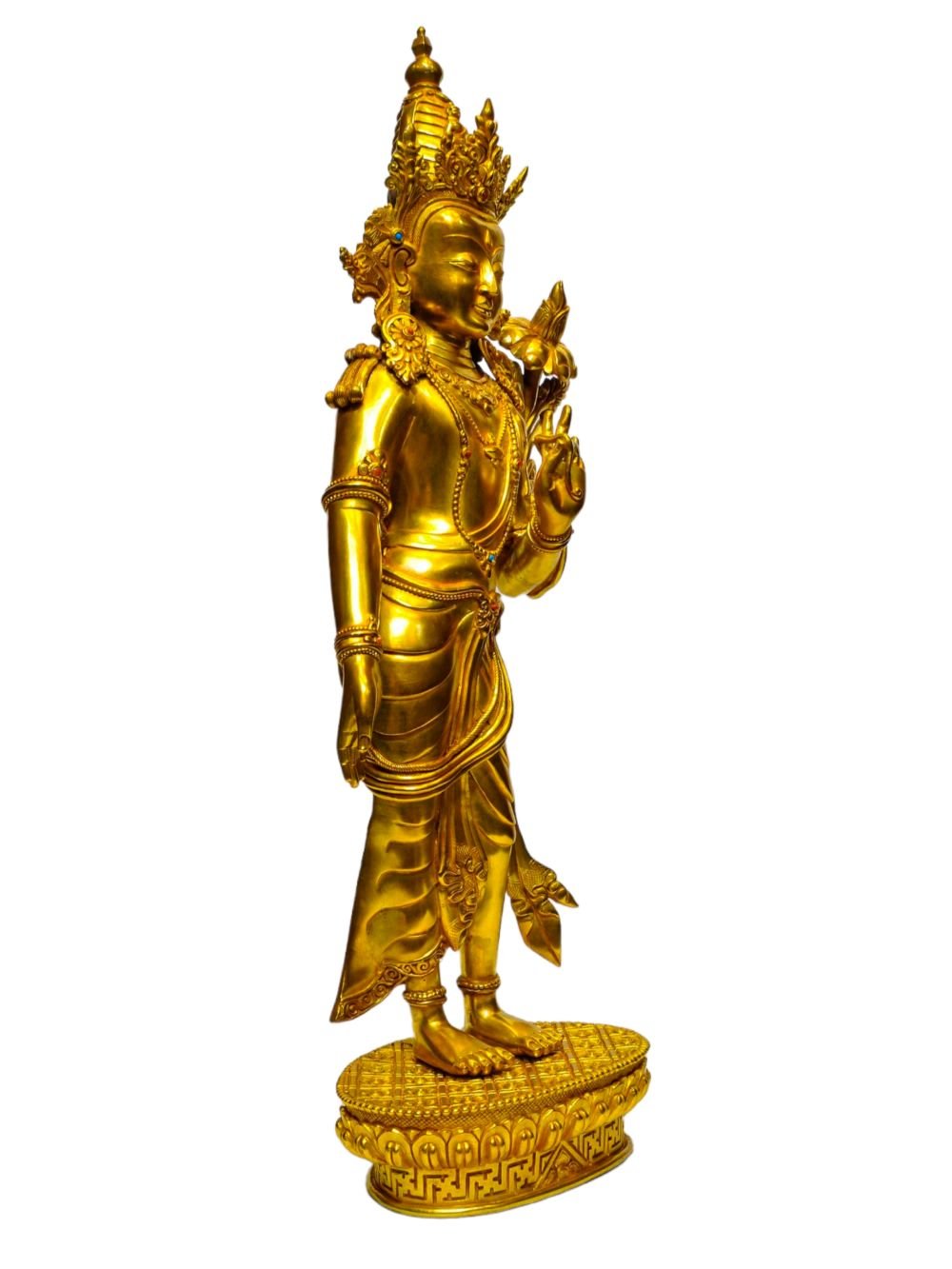
Buddhist Statue of Standing Padmapani Lokeshvara, Full Gold Plated
Avalokiteshvara
Kannon
Guanshiyin Pusa
|
|
Product Specification |
|
| Code | HME26638 |
| Size |
Height 43cm (17") Width 15cm (6") Depth 11cm (4") |
Weight | 3.01 kg - 6.63 lbs |
| Material | Copper |
| Availability | Available |
| Quantity | PCS |
US$ 1,350.00
$ 1,800.00 -25% off
Shipping Cost
|
| Price Adjustment [ Discount Ends in : 40 days ] |
||
Shipping Calculation
weight of 1 Pcs of the product is 3.5 kg and will cost USD $ 63.00
-
Item location: kathmandu, Nepal
Worldwide shipping - Dispatch
-
We normally dispatch the product in 2-5 business days. Else Buyer will be infromed personally about the dispatch Date.
- Payment
- Paypal | Credit - Debit Card | Bank Transfer | See More
- Return
- 7 days money back, buyer pays return shipping
Welcome to Handmade Handicraft
At Handmade Handicraft, we prioritize simplicity, reflected in our user-friendly website design. We have streamlined the process so everything you need is just a click away.
While our website does not support online shopping, we've incorporated a convenient shopping cart system to assist you in sending us your inquiries. Please note, we do not process payments on our site. All transactions will be handled via email, respecting the inquiries you submit.
Should you encounter any issues while submitting your inquiries, please contact us via mobile app, email, or follow the procedure outlined below. We've provided documentation to guide you through the selection process.
selecting Procedure
In every product you will find Order Now and Quick Inquiry buttons, they are the two process of sending us your enquiry.
If you have any questions or need assistance, please don't hesitate to reach out to us. We are here to help you with your inquiries and ensure a smooth experience.
Padmapani Lokeshvara
Padmapani is also a form of Avalokiteshvara. He is generally seen standing on the right side of Buddha Amitabha in Sukhavati Heaven. He is depicted as red in color. He holds a lotus flower in his left hand and shows varada mudra with his right hand. He wears an antelope skin on the shoulders. He wears all the ornaments typical of a bodhisattva symbolizing his enlightened experiences. He wears a crown and his hair is bound to form a top knot. Sometimes it is eclipsed by an effigy of Amitabha Buddha. When there is no effigy of Amitabha Buddha in the crown of Padmapani, he is then white in color. Read More
Iconography
Padmapani Lokeshvara wears an antilope skin on the shoulders. Padmapani Lokeshvara wears all the ornaments typical of a bodhisattva symbolizing his enlightened experiences. Padmapani Lokeshvara wears a crown and his hair is bound to form a top knot. Sometimes it is eclipsed by an effigy of Amitabha Buddha. When there is no effigy of Amitabha Buddha in the crown of Padmapani, he is then white in colour.
Legend
A legend says that once an elephant was going to pick up a lotus flower in a pond. Unfortunately he slipped into the mud. Padmapani Lokeshvara cried in agony and prayed for Narayana. In the mean time Arya Avalokiteshvara was in that jungle and he heard the prayer. Immediately he took the form of Narayana and rescued the elephant from the marshy pond. Then Avalo-kiteshvara took the lotus offered by the elephant and went to Jetavana grove where Buddha Shakyamuni was residing. He in turn offered this lotus flower to Buddha Shakyamuni. Buddha Shakyamuni thanked Avalokiteshvara for his offer of the lotus flower and requested him to offer it to Lord Amitabha on his behalf. Avalokiteshvara told the whole story to Lord Amitabha Buddha. Appreciating the philanthropic deeds of Avalokiteshvara, Buddha Amitabha told him to keep that lotus flower forever and continue the act of benefitting all sentient beings. Later
on Avalokiteshvara was known as Padmapani Lokeshvara.
In Kathmandu valley nun.erous images of Padmapani Bodhisattva or Lokeshvara are found. Padmapani Lokeshvara found in Shreegha vihara in Kathmandu is believed to be of the fifth century of Christian era. According to Pandit Hem Raj Shakya 202 images or sculptures of Padmapani carved in stones are found in Patan city alone dating as early as theLichchavi period.
Full Fire Gold Plating
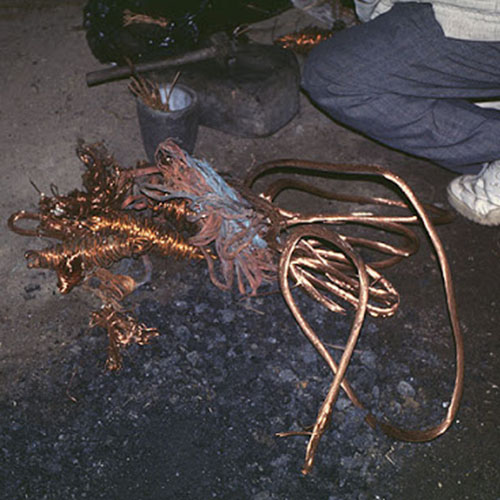
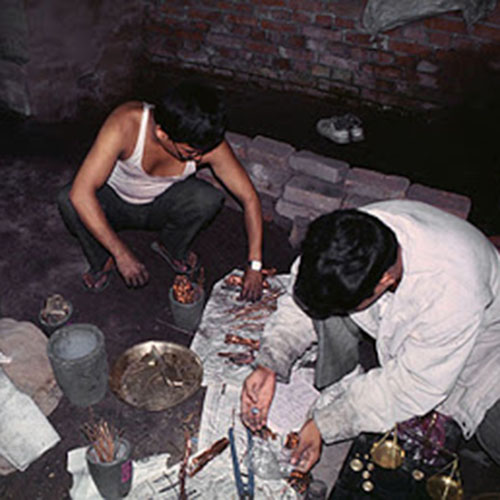
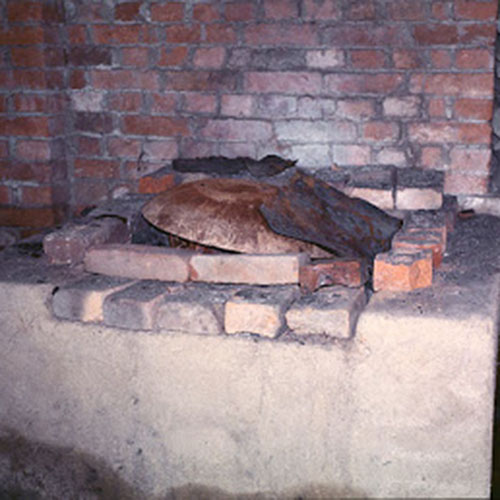
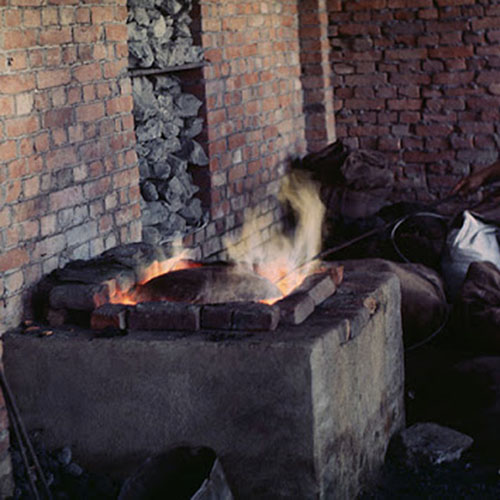
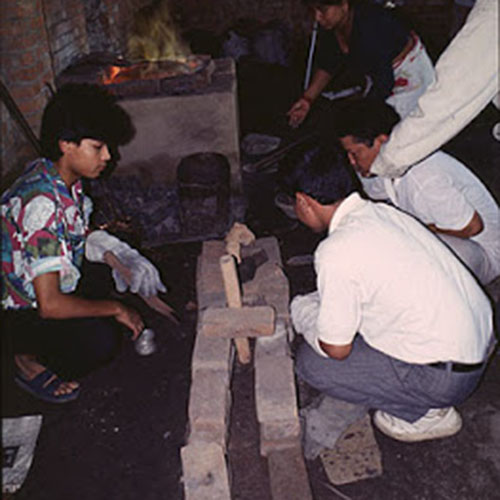
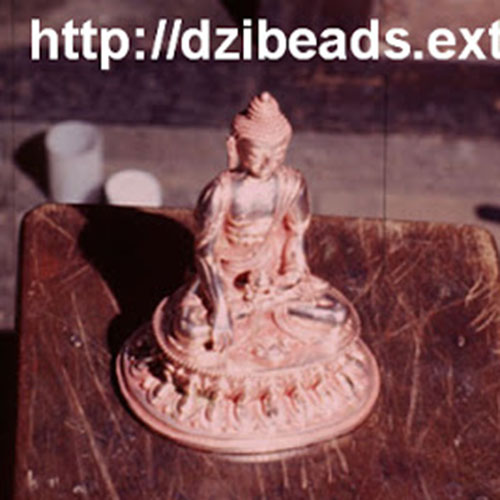
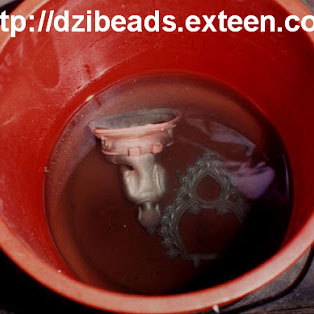
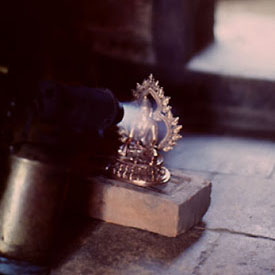
This Padmapani Lokeshvara is finished with full gold plating. also known as mercury gold plating or fire gold plating. This traditional technique involves the application of a genuine layer of gold onto the Padmapani Lokeshvara. Referred to as mercury gold plating, it is considered the correct and authentic form of gold plating in Nepal. Despite being more expensive than electroplating, this traditional mercury gold plating is gaining popularity again in Nepal. People are drawn to its authenticity, longevity, and the unmatched beauty it brings to the Padmapani Lokeshvara. The resurgence of interest in this traditional form of gold plating reflects a growing appreciation for the craftsmanship and cultural heritage of Nepal Read More
Lost-Wax System
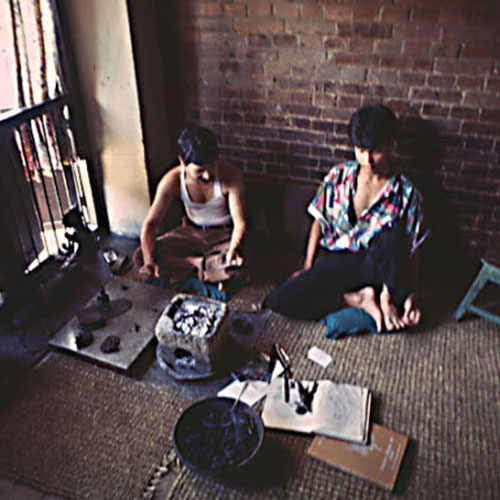
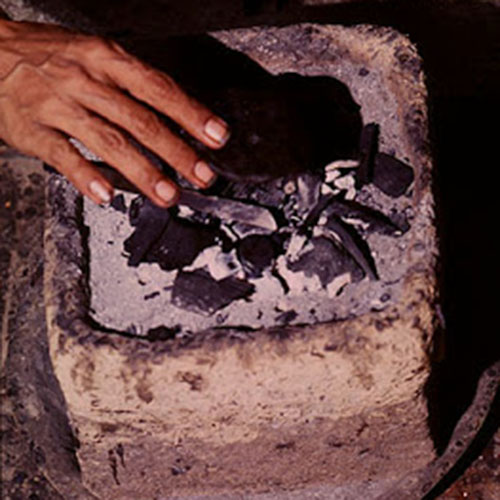
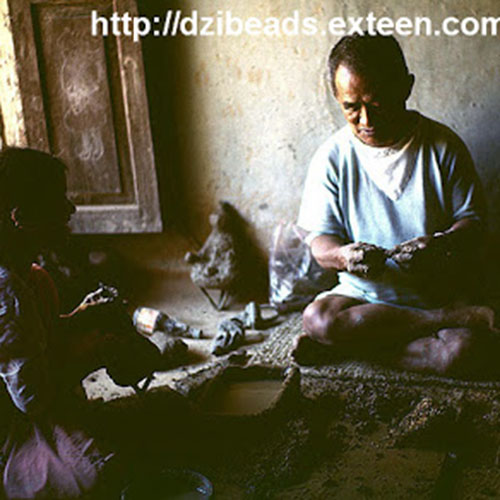
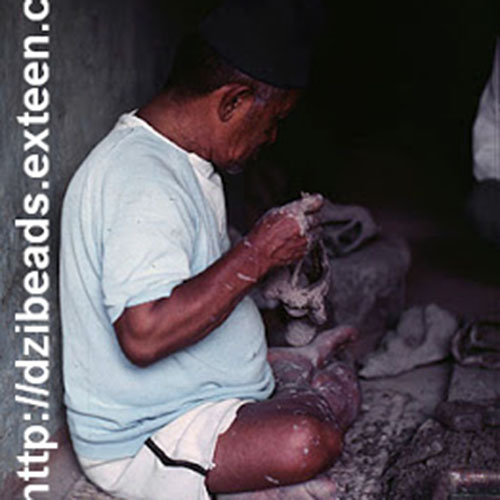
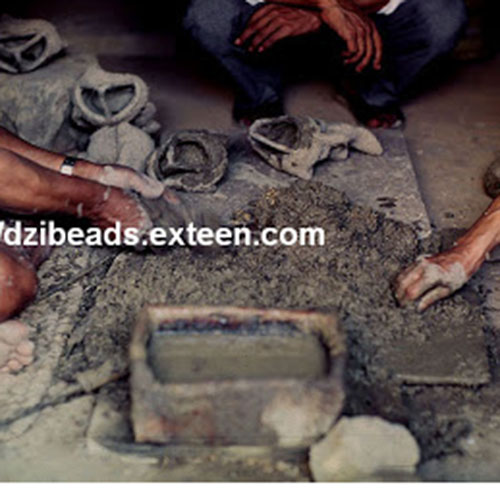
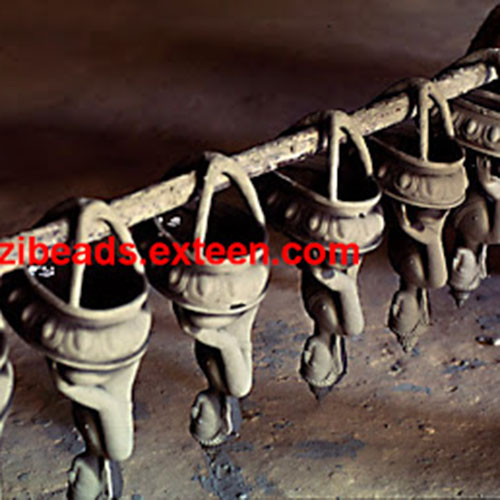
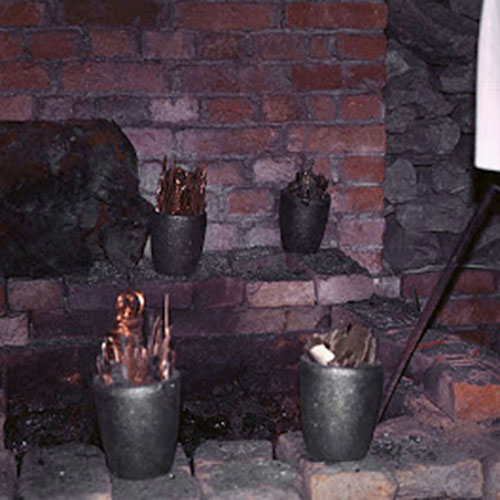
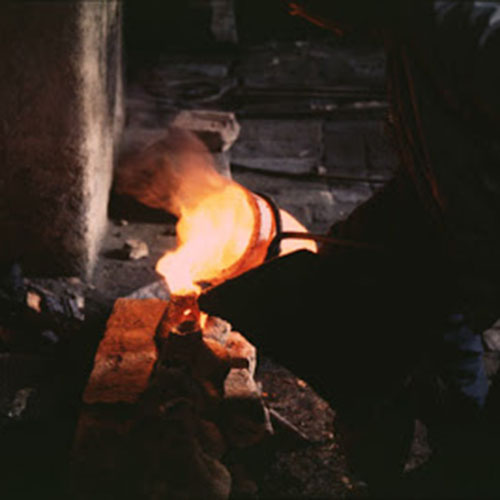
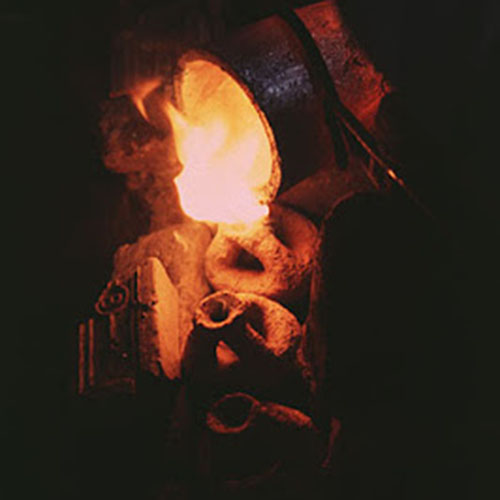
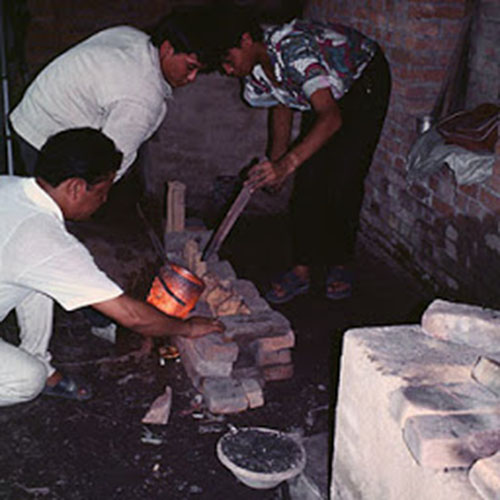
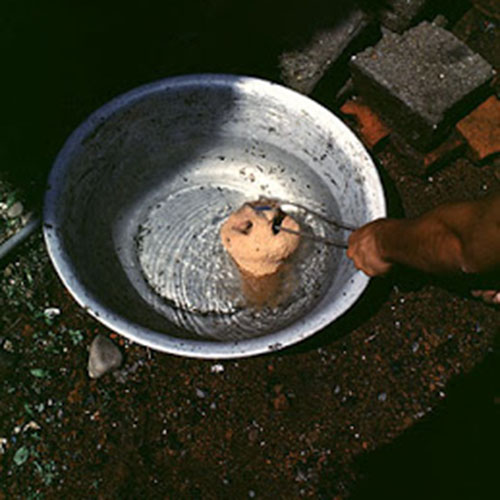
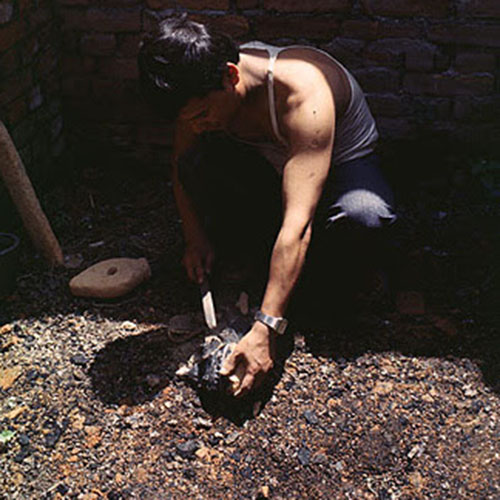
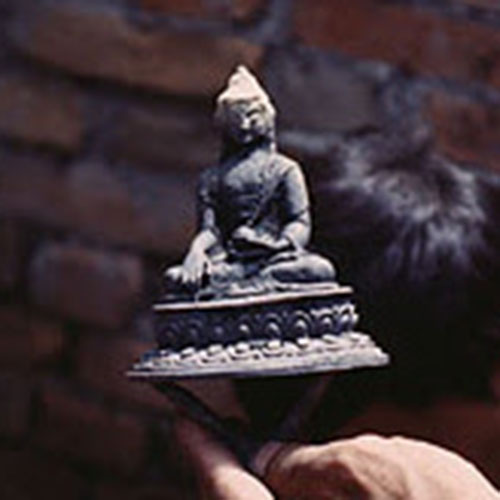
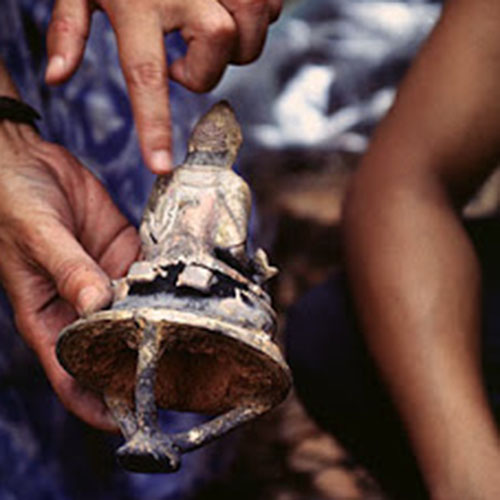
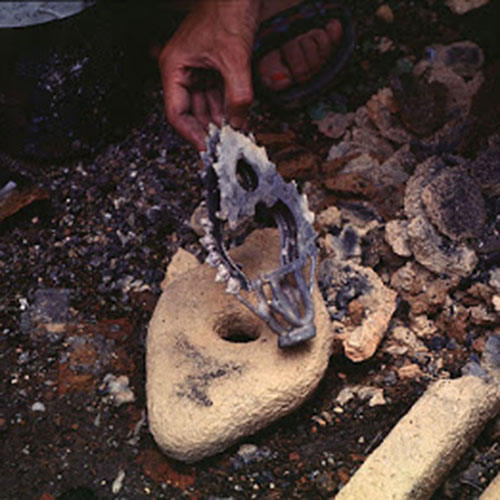
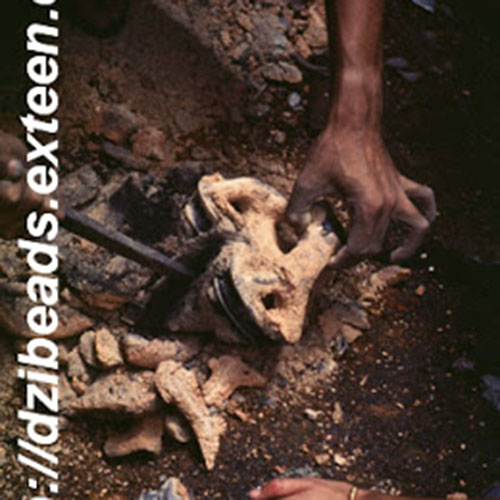
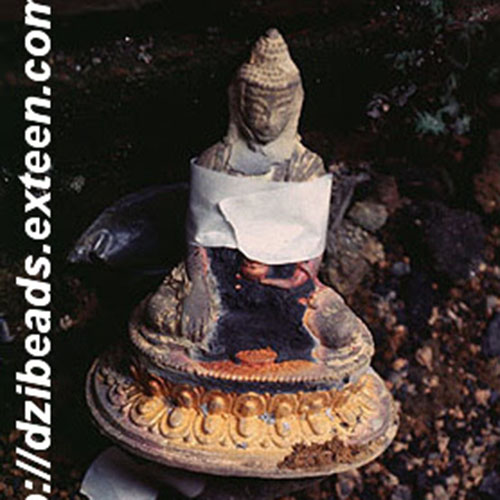
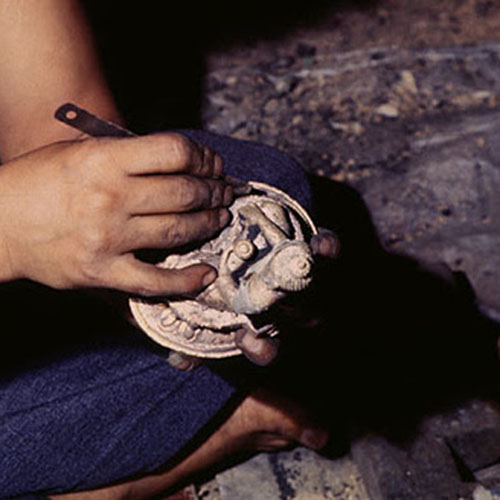
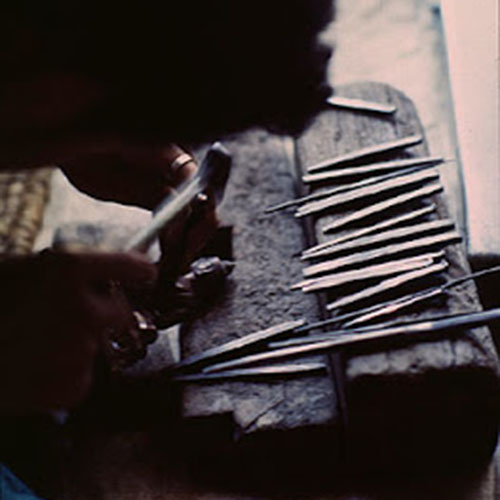
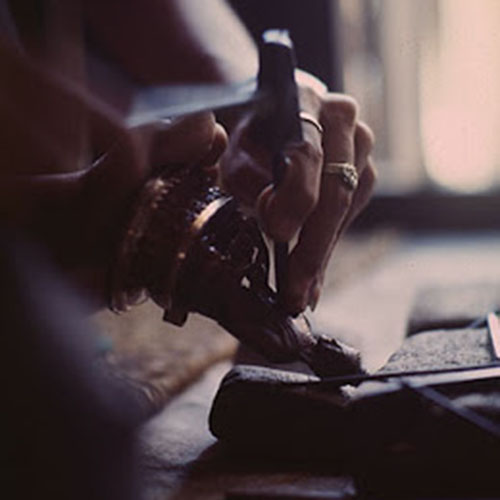
This Padmapani Lokeshvara is made by the process of the Lost-Wax system. The lost-wax process, also known as investment casting, is a time-honored technique used to create metal sculptures. It involves several steps that have been practiced for thousands of years. Skilled artisans begin by sculpting a detailed wax model, capturing every intricate detail of the desired sculpture. The wax model is then coated with a ceramic shell, formed by multiple layers of ceramic material. Once the shell has cured, the wax is melted and drained out, leaving behind a cavity. Molten metal is poured into the cavity, creating a precise replica of the original wax model. After the metal has cooled and solidified, the ceramic shell is carefully removed, revealing the final metal sculpture. Read More
Related Products

15 cm
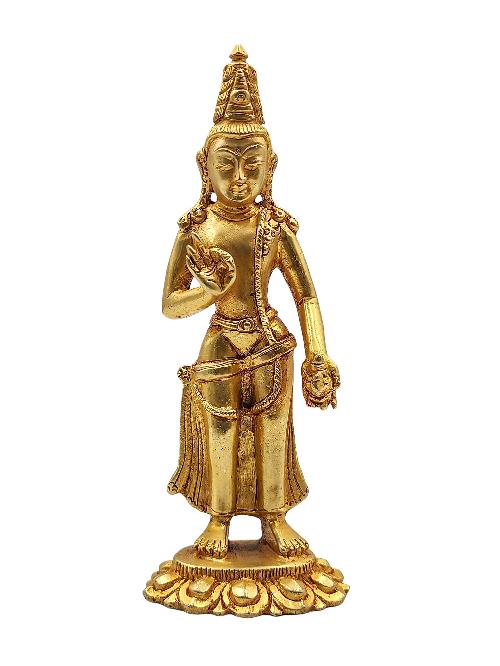
Padmapani Lokeshvara, Buddhist Handmade Statue, Gold Plated
US$ 160.00
25% off
$ 213.00
$ 213.00

48 cm
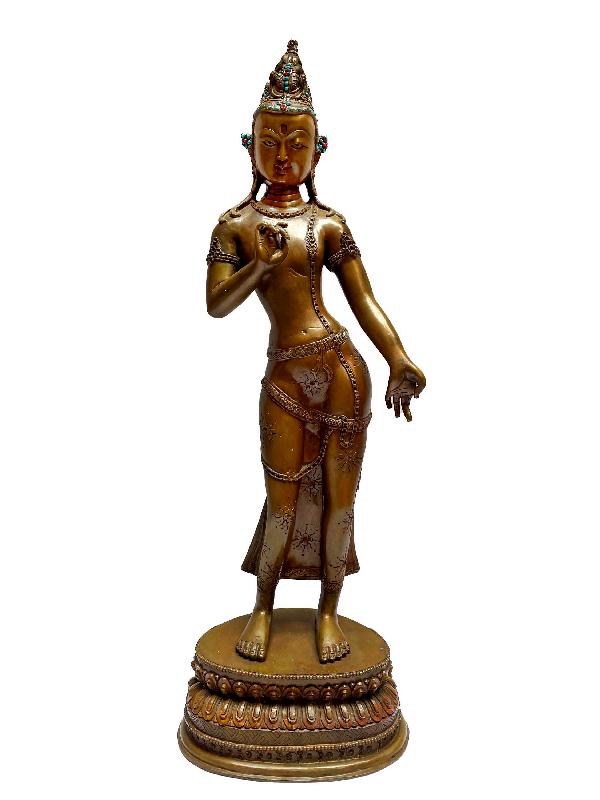
Master Quality, Buddhist Statue Of Padmapanai Lokeshvar, Chocolate Oxidized
US$ 750.00
25% off
$ 1,000.00
$ 1,000.00

23 cm
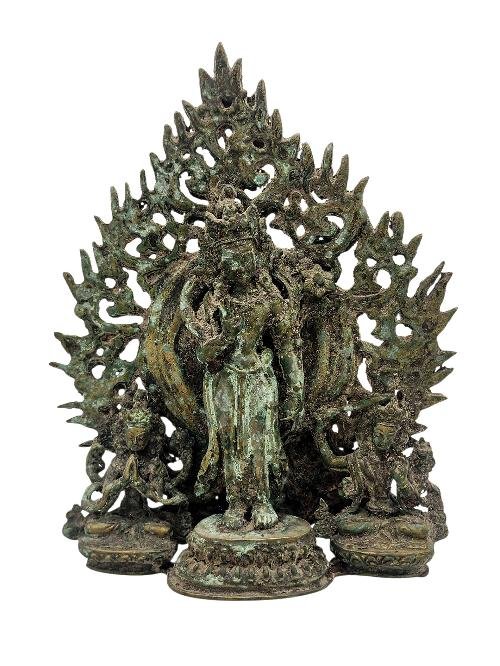
Padmapani Lokeshvara With Chenrezig And Manjushri, Handcrafted Buddhist Statue, Antique Finish
US$ 220.00
25% off
$ 286.00
$ 286.00

34 cm
Padmapani Lokeshvara, Buddhist Handmade Statue Of Silver, Antique And High Quality
US$ 22,280.00
25% off
$ 29,700.00
$ 29,700.00