


Loading Content..
Please wait...
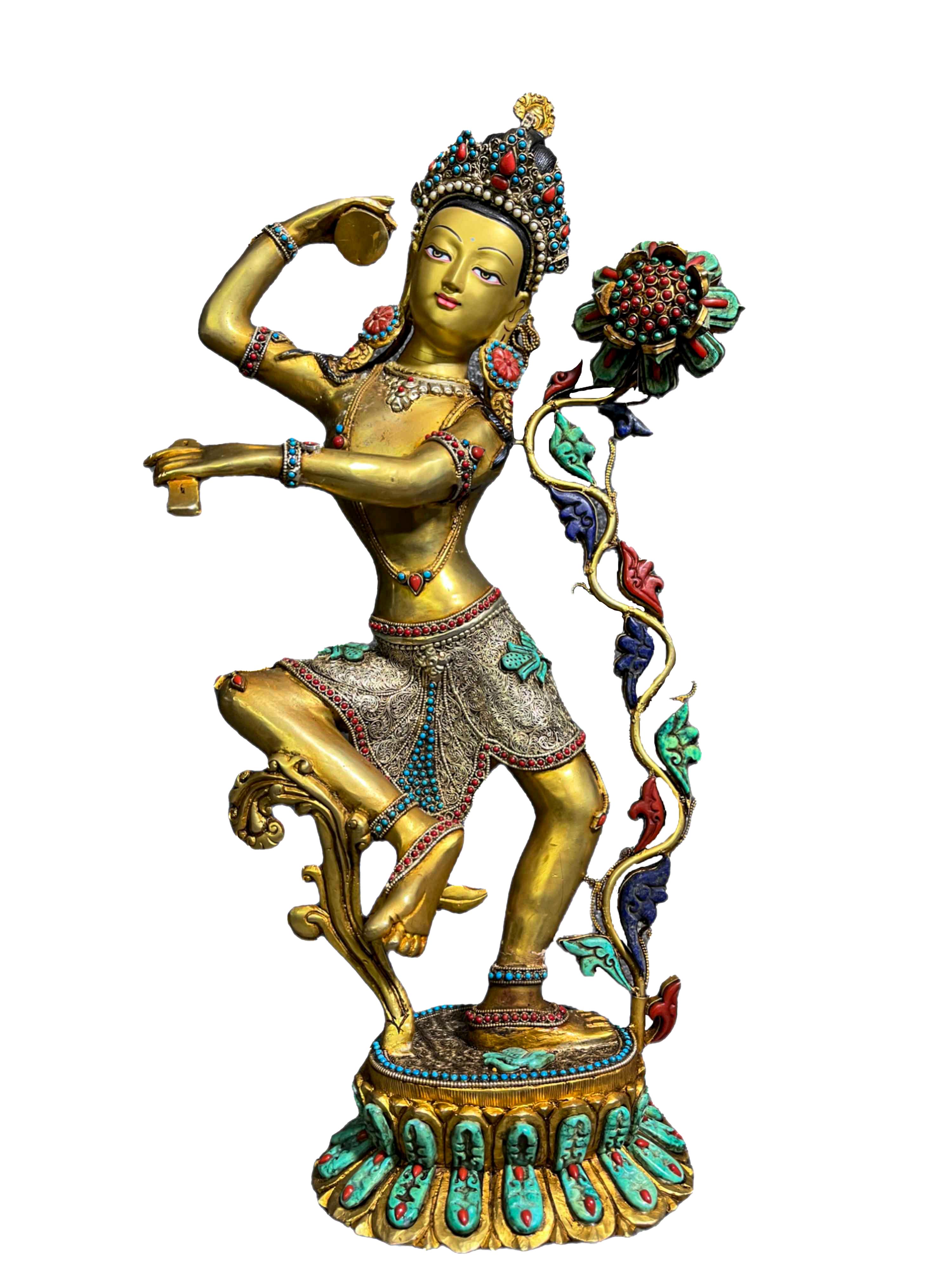
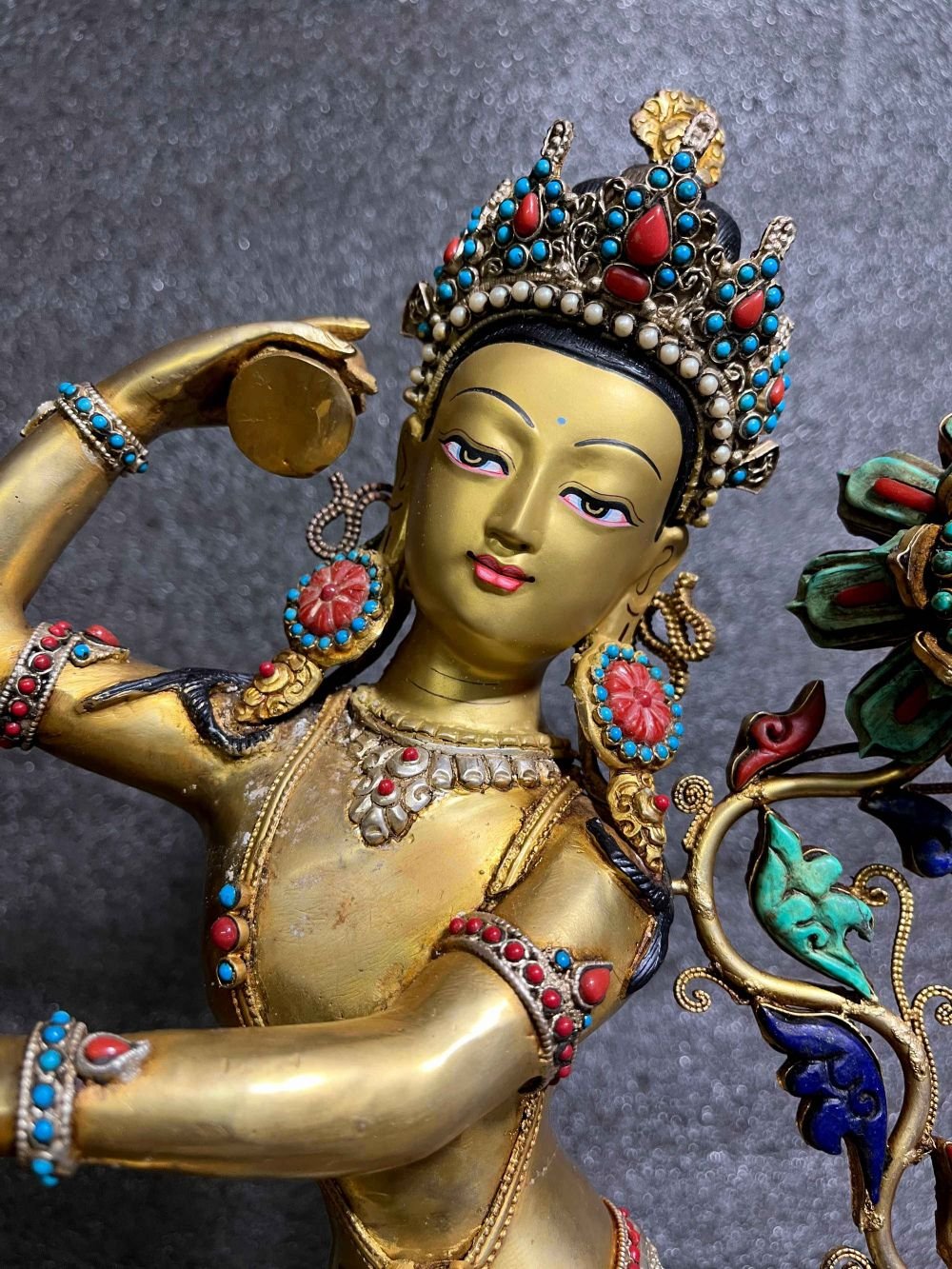
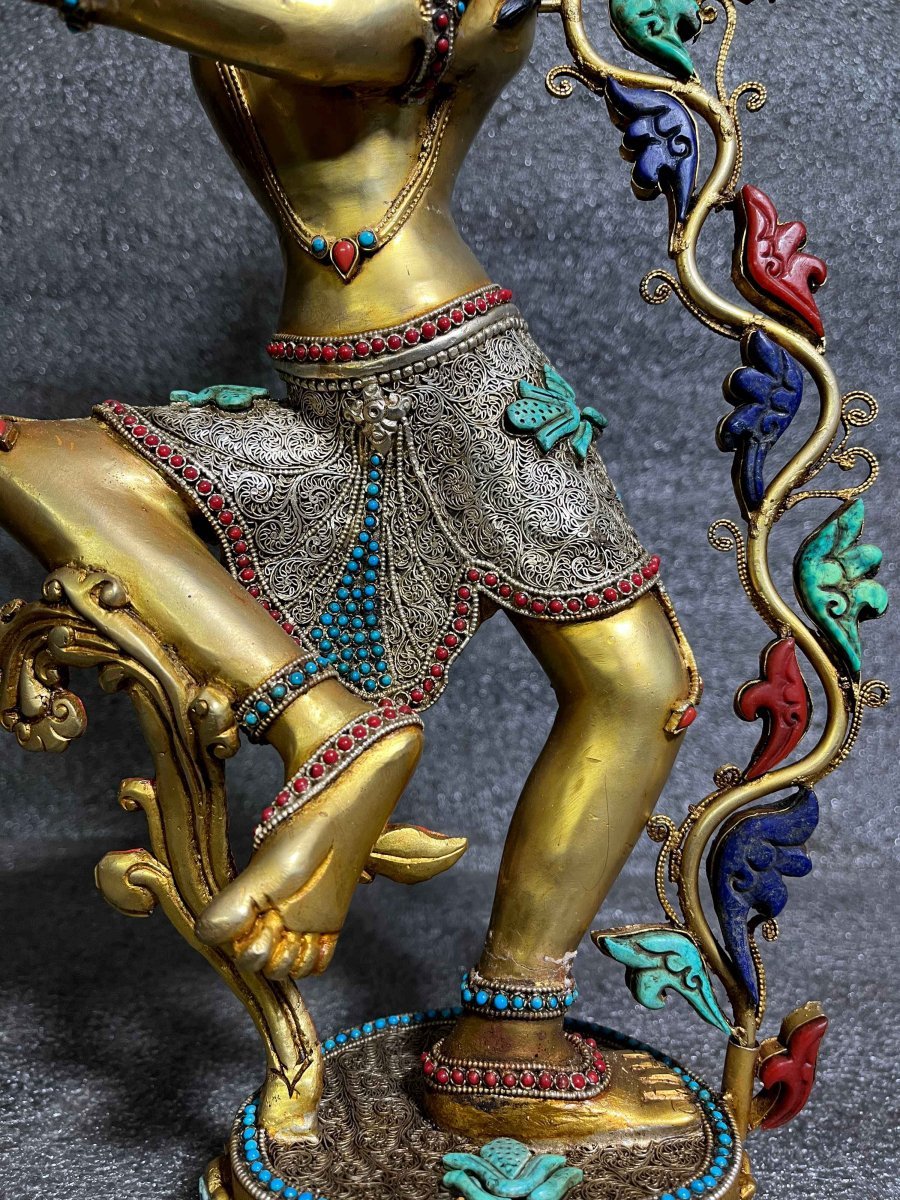


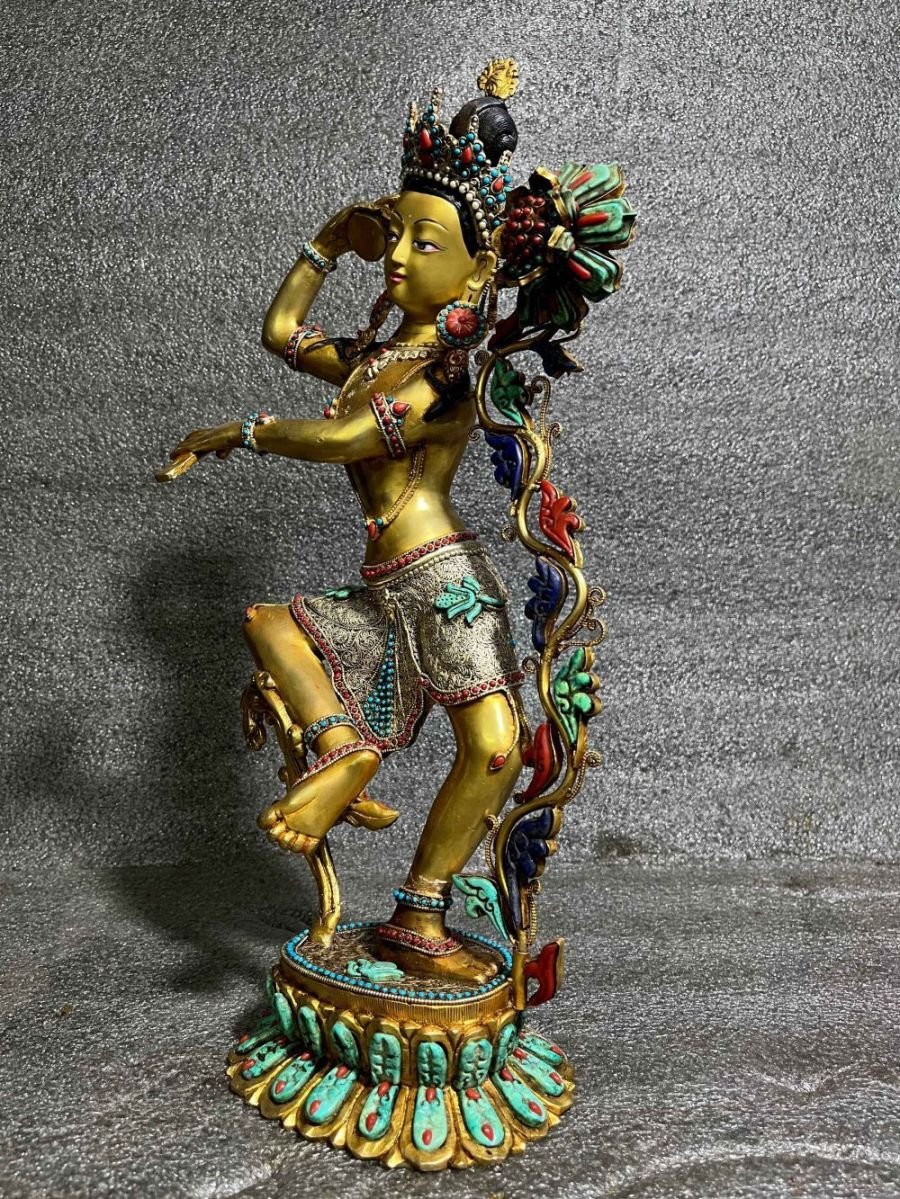
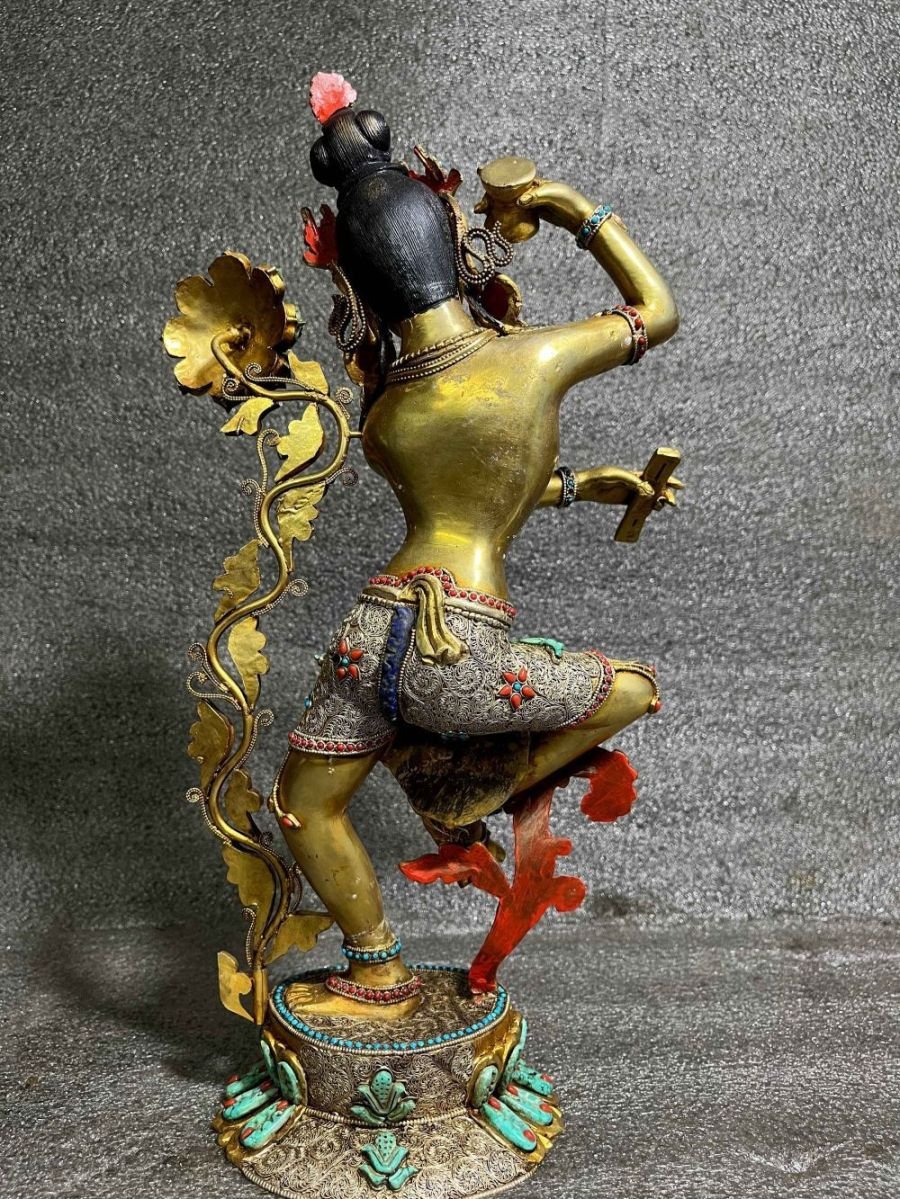
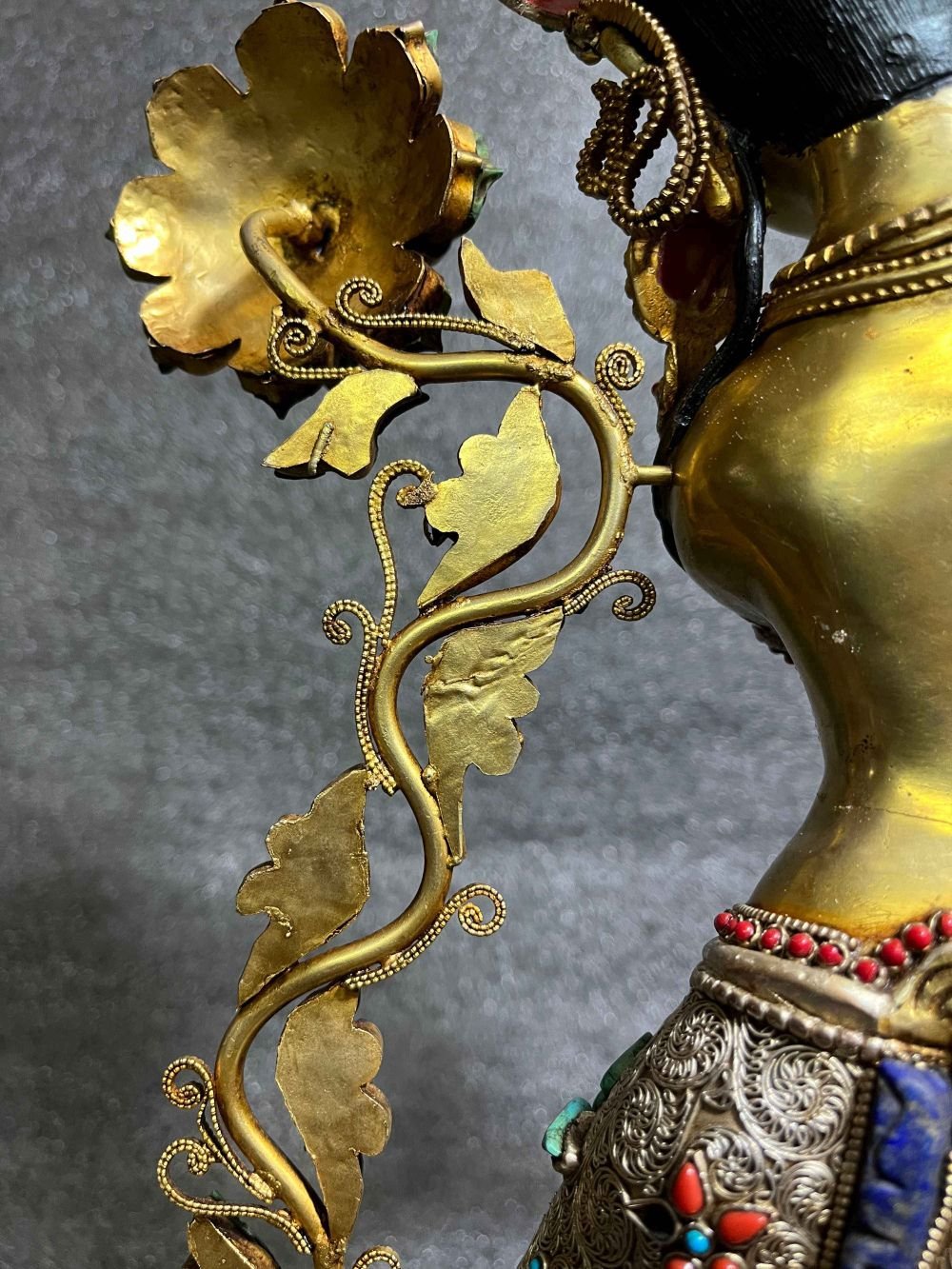

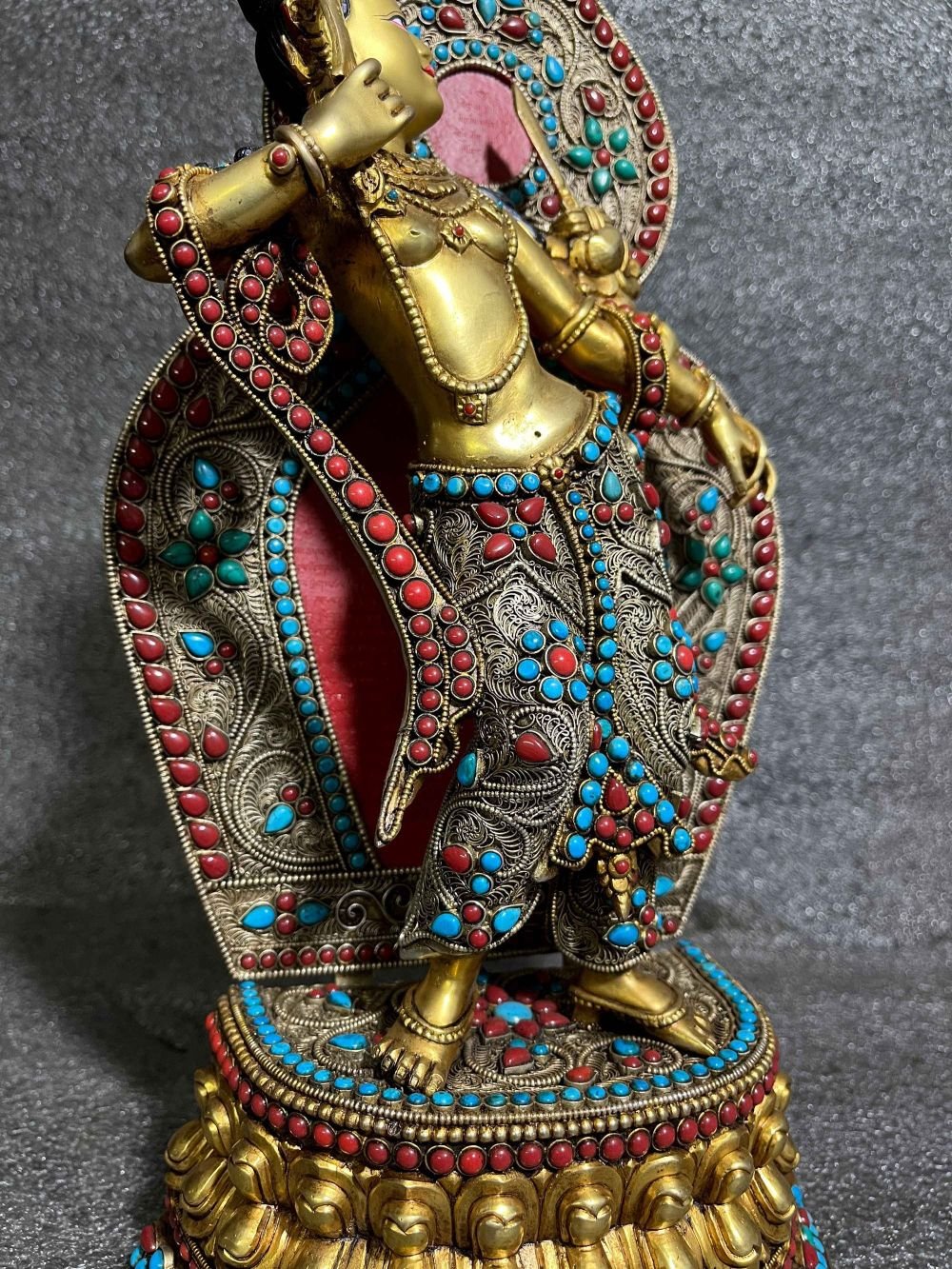
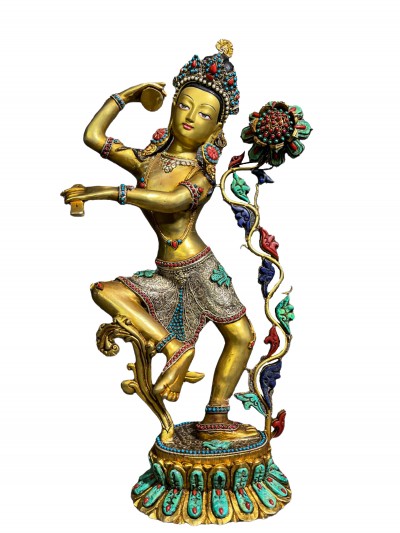
Buddhist Statue of Chintamani, Lokeshvara Partly Gold Plated, Silver Plated, Stone Setting , Bodhisattva of Compassion, Bearer of the Wish-Fulfilling Jewel, Alleviating Suffering and Granting Wishes
Chintamani
|
|
Product Specification |
|
| Code | HME25383 |
| Size |
Height 40cm (16") Width 18cm (7") Depth 22cm (9") |
Weight | 3 kg - 6.61 lbs |
| Material | Copper |
| Availability | Available |
Order configuration (Optional)
Filling & Blessing
HIDE Select Option
Click Here to View All Option and Prices

Select

Select

Select

Select
Statue Finishing
HIDE Select Option
Click Here to View All Option and Prices

Select

Select

Select

Select

Select

Select

Select

Select

Select

Select

Select

Select

Select

Select

Select

Select

Select

Select

Select

Select

Select

Select

Select

Select

Select

Select

Select

Select

Select

Select

Select

Select

Select

Select

Select

Select

Select

Select

Select

Select
| Quantity | PCS |
US$ 2,760.00
$ 3,250.00 -15% off
Shipping Cost
|
| Price Adjustment Status: Active |
||
Shipping Calculation
weight of 1 Pcs of the product is 5 kg and will cost USD $ 77.00
-
Item location: kathmandu, Nepal
Worldwide shipping - Dispatch
-
We normally dispatch the product in 2-5 business days. Else Buyer will be infromed personally about the dispatch Date.
- Payment
- Paypal | Credit - Debit Card | Bank Transfer | See More
- Return
- 7 days money back, buyer pays return shipping
Welcome to Handmade Handicraft
At Handmade Handicraft, we prioritize simplicity, reflected in our user-friendly website design. We have streamlined the process so everything you need is just a click away.
While our website does not support online shopping, we've incorporated a convenient shopping cart system to assist you in sending us your inquiries. Please note, we do not process payments on our site. All transactions will be handled via email, respecting the inquiries you submit.
Should you encounter any issues while submitting your inquiries, please contact us via mobile app, email, or follow the procedure outlined below. We've provided documentation to guide you through the selection process.
selecting Procedure
In every product you will find Order Now and Quick Inquiry buttons, they are the two process of sending us your enquiry.
If you have any questions or need assistance, please don't hesitate to reach out to us. We are here to help you with your inquiries and ensure a smooth experience.
Chintamani
The Buddhist deity Chintamani Lokeshvara is a Bodhisattva who fulfils all the physical and spiritual needs of his devotees. He is also considered to be a form of Avalokiteshvara. This form of deity is popular in Kathmandu, Nepal. The Mahayana sect of Buddhism or the Great Path which evolved around the birth of Christ profoundly influenced Buddhist art as it encouraged personal faith and popularized the fundamental concept of a Bodhisattva. The term Bodhisattva generally describes a being who has all the qualifications of attaining Buddhahood but does not enter into the state so that he can help the less fortunate. This concept theoretically opened the way for the creation of numerous Bodhisattvas. As Buddhism travelled out of India, the sculptural manifestation. Read More
Cultural Significance:- Bejewelled hanging plaques like these are supposed to be quite common in household shrines in Nepal. The variations of such plaques have Hindu gods and goddesses such as Vishnu and Lakshmi.
Artistic Significance:- The artefact is a rectangular wooden plaque which is intricately carved and studded with gems of all shapes and sizes. Emphasizing the deity’s wealth and abundance, he stands in the tribhanga or thrice-bent posture with the left leg behind the right. His right hand is held near the navel in the sharanagamana gesture which symbolises giving refuge. In his left hand, he holds a branch of a tree which bears fruits. This tree appears to be the Kalpvriksha or the wish-fulfilling tree that yields a myriad of fruits and flowers. The leaves of the tree are carefully crafted in a variety of designs. Chintamani is flanked by his attendants on the sides.
Spiritual Significance:- In Nepal, Chintamani Lokeshwar appears among the one hundred and eight manifestations of Avalokiteshvara. As a wish-fulfilling deity, he embodies the ultimate altruistic compassion that fulfils all human desires, both spiritual and mundane.
Artistic Significance:- The artefact is a rectangular wooden plaque which is intricately carved and studded with gems of all shapes and sizes. Emphasizing the deity’s wealth and abundance, he stands in the tribhanga or thrice-bent posture with the left leg behind the right. His right hand is held near the navel in the sharanagamana gesture which symbolises giving refuge. In his left hand, he holds a branch of a tree which bears fruits. This tree appears to be the Kalpvriksha or the wish-fulfilling tree that yields a myriad of fruits and flowers. The leaves of the tree are carefully crafted in a variety of designs. Chintamani is flanked by his attendants on the sides.
Spiritual Significance:- In Nepal, Chintamani Lokeshwar appears among the one hundred and eight manifestations of Avalokiteshvara. As a wish-fulfilling deity, he embodies the ultimate altruistic compassion that fulfils all human desires, both spiritual and mundane.
Finishing: Stone Setting
The Chintamani is adorned with an exquisite array of semi-precious stones, including turquoise, coral, and lapis lazuli. These stones are carefully selected and meticulously placed on the Chintamani's surface, adding a touch of opulence and enhancing its overall beauty. Each stone is thoughtfully positioned using a high-quality adhesive, ensuring secure and long-lasting attachment. The vibrant colors and unique patterns of the stones create a captivating contrast against the backdrop of the Chintamani, elevating its visual appeal and making it truly eye-catching. Read More
Silver Plated
The Chintamani has a full Silver plated finish, Sliver plating process involves the application of a thin layer of genuine silver onto the surface of the Chintamani, creating a stunning and lustrous appearance. Skilled artisans handle the silver plating, ensuring even coverage and a flawless finish. The silver plating adds a touch of elegance and sophistication to the Chintamani, enhancing its overall aesthetic appeal. Read More
Partly Gold plating.
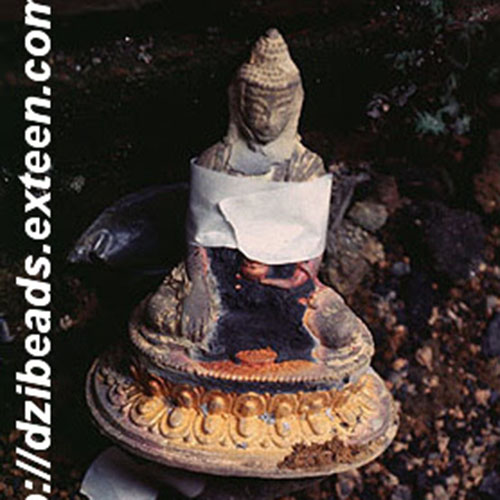
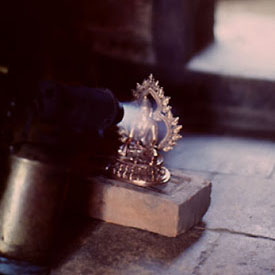
This Chintamani has a Partly gold-plated finish. Partly fire gold gilding, a common practice in Nepali handicrafts. This technique is skillfully employed by artisans to create intricate designs on various metal objects, including statues, jewelry, and decorative items. Through a process, a mask or resist is applied to safeguard specific areas from the gold plating. The object is then subjected to high temperatures, allowing the gold to beautifully adhere to exposed surfaces using a combination of heat and pressure.
In the realm of Buddhist statues, this technique holds additional significance as it distinguishes the golden-plated body from the oxidized or maroon-painted clothing. This visual separation conveys the contrast between the divine purity of the body and the modest attire symbolizing the humble lifestyle of Buddhist monks. The partly fire gold gilding not only adds exquisite detail and elegance but also embodies the deep cultural and spiritual meaning associated with these treasured artifacts. Read More
Lost-Wax System
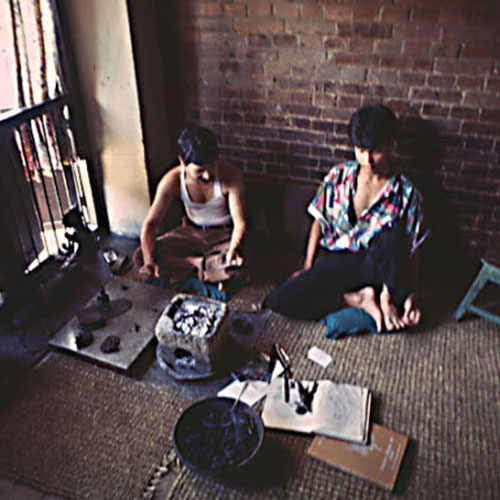
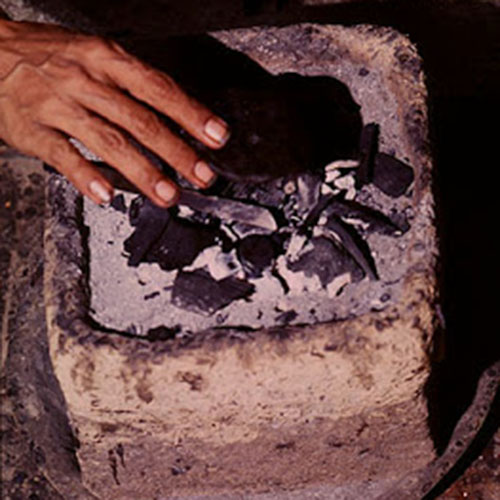
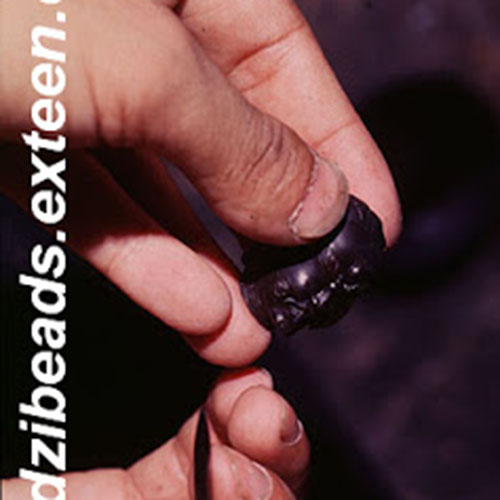
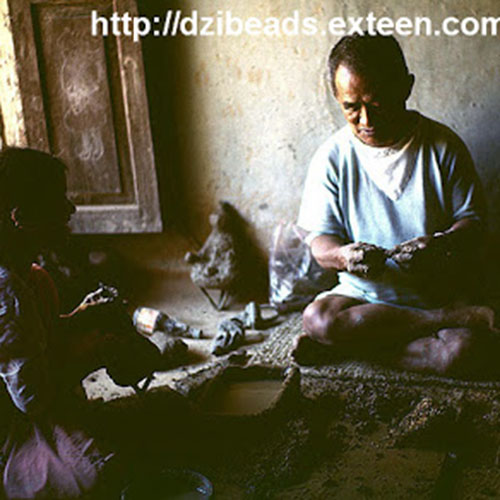
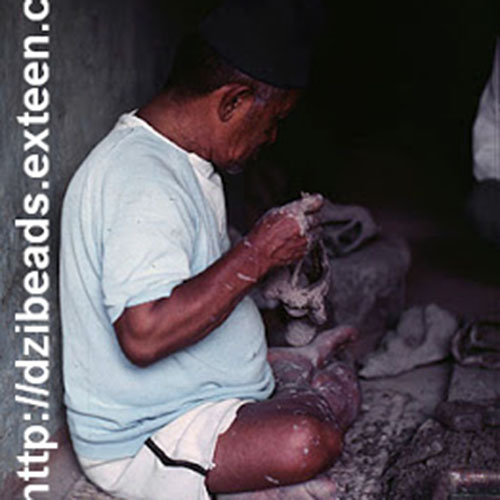
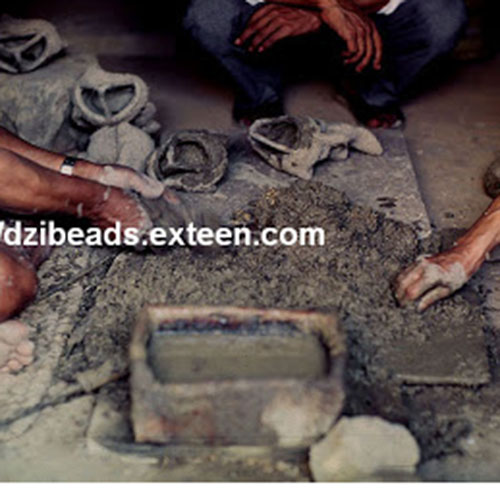
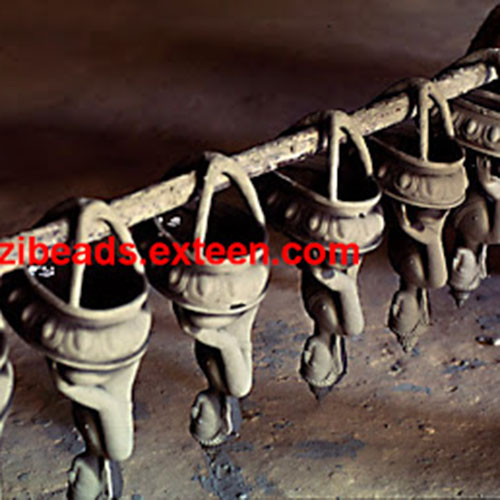
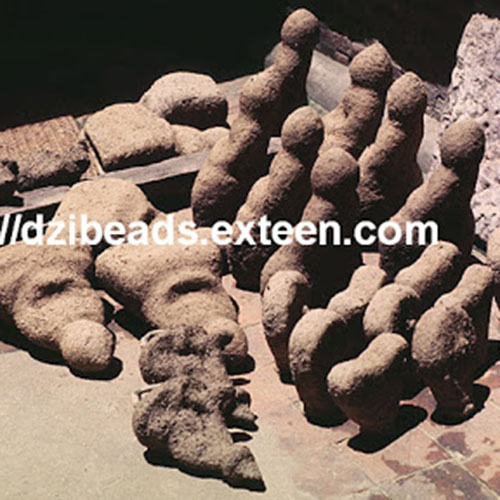
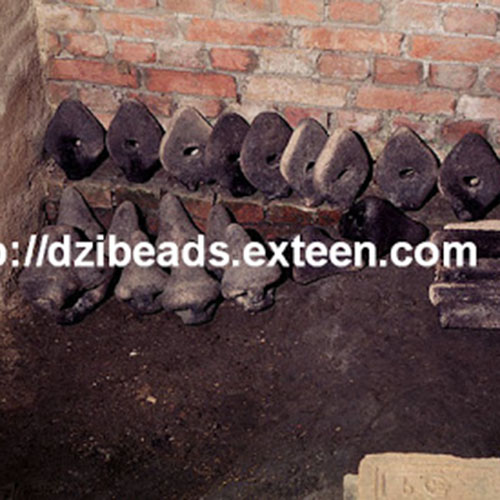
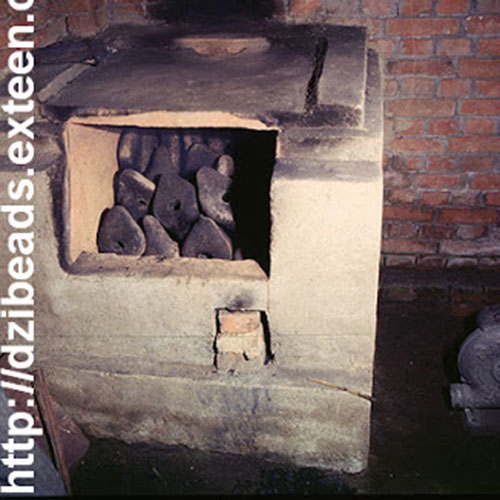
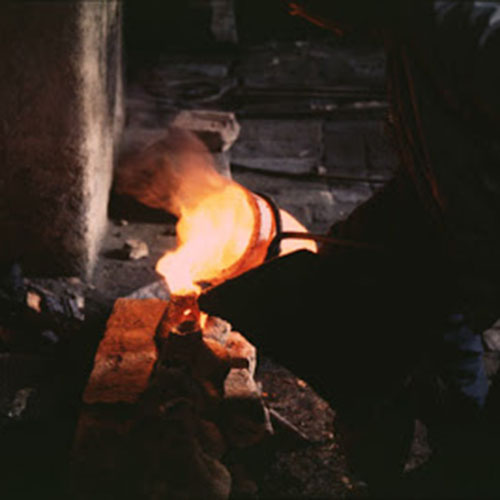
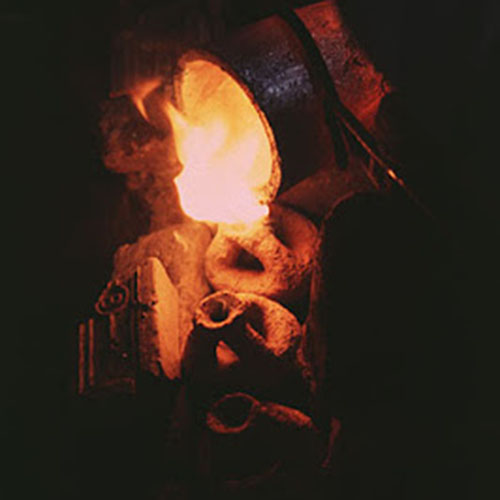
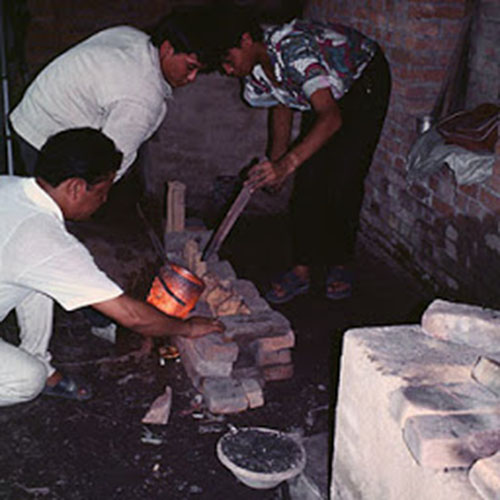
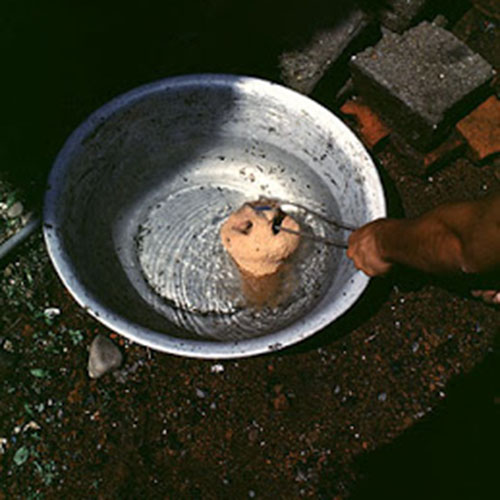
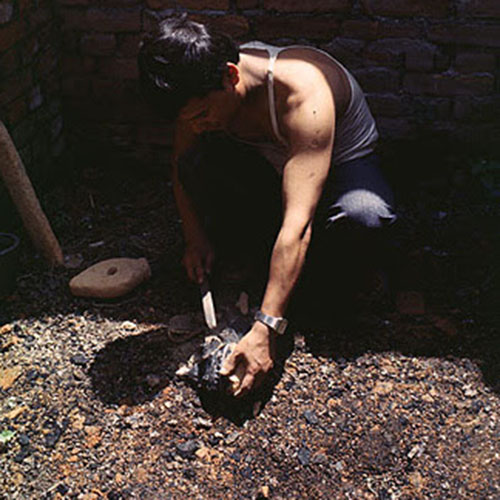
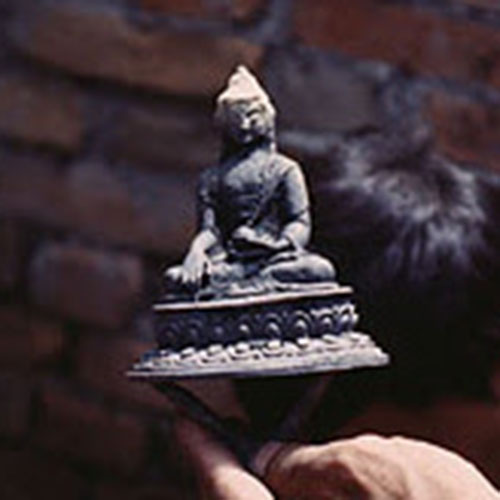
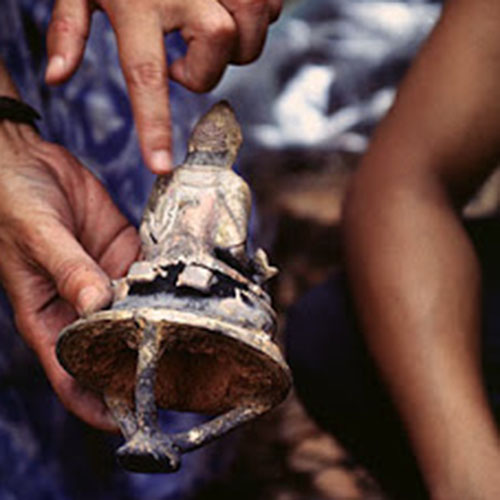
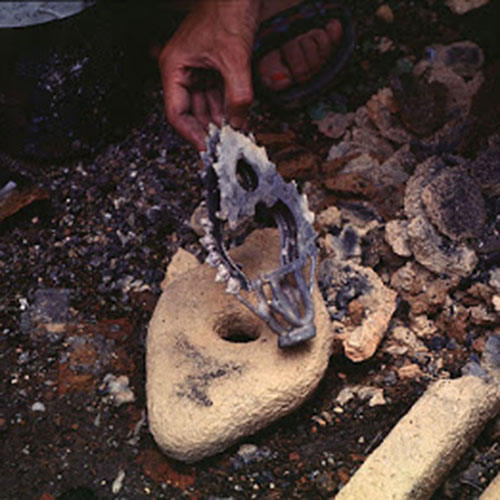
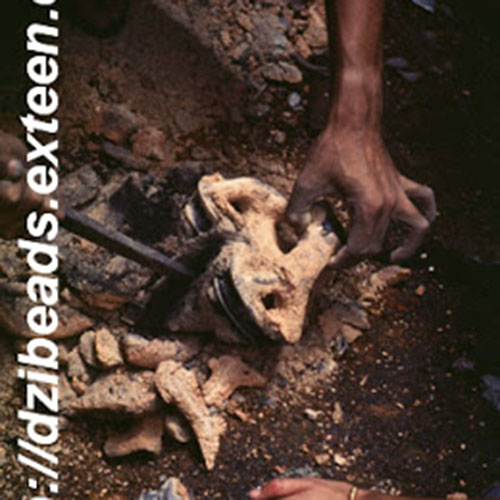
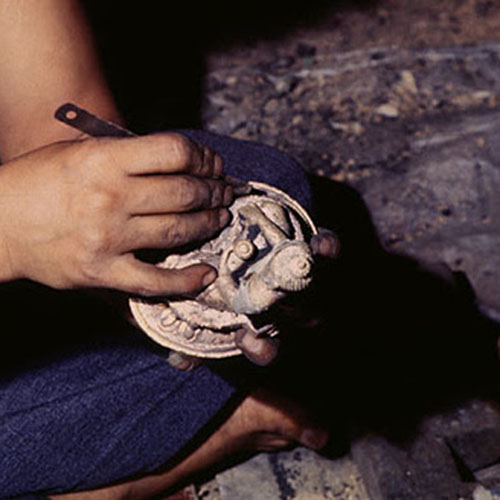
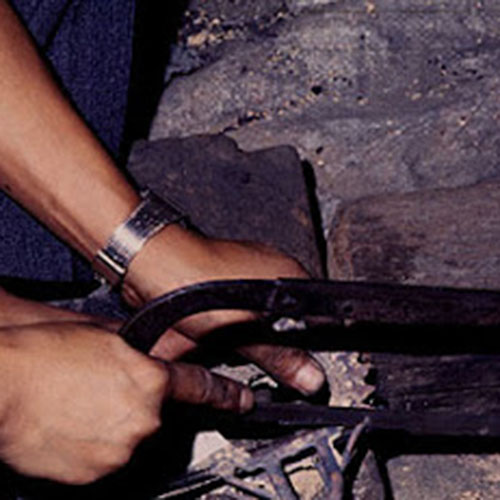
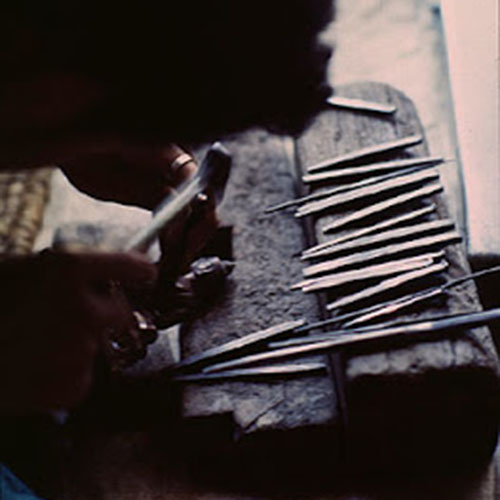
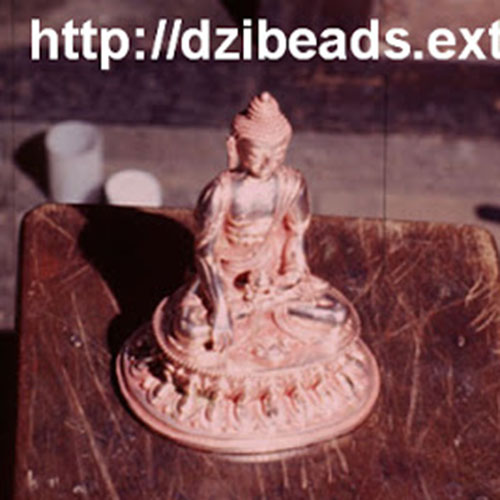
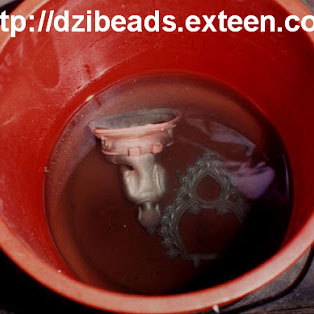
This Chintamani is made by the process of the Lost-Wax system. The lost-wax process, also known as investment casting, is a time-honored technique used to create metal sculptures. It involves several steps that have been practiced for thousands of years. Skilled artisans begin by sculpting a detailed wax model, capturing every intricate detail of the desired sculpture. The wax model is then coated with a ceramic shell, formed by multiple layers of ceramic material. Once the shell has cured, the wax is melted and drained out, leaving behind a cavity. Molten metal is poured into the cavity, creating a precise replica of the original wax model. After the metal has cooled and solidified, the ceramic shell is carefully removed, revealing the final metal sculpture. Read More
Related Products

40 cm
Buddhist Statue Of Chintamani, Lokeshvara Partly Gold Plated, Silver Plated, Stone Setting
US$ 2,760.00
15% off
$ 3,250.00
$ 3,250.00

15 cm
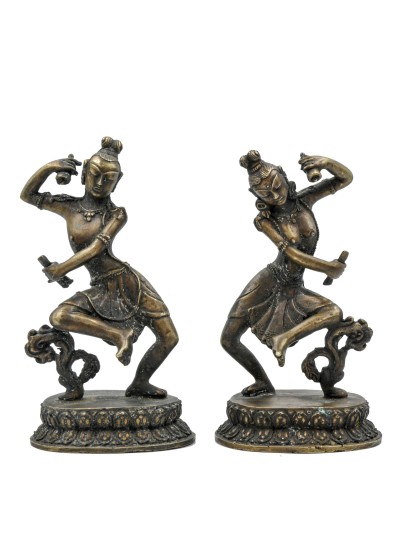
Buddhist Handmade Statues Of Chintamani Lokeshvara Or Gandarva, Antique, Made In Bronze, Rare Find
US$ 1,020.00
15% off
$ 1,200.00
$ 1,200.00

44 cm
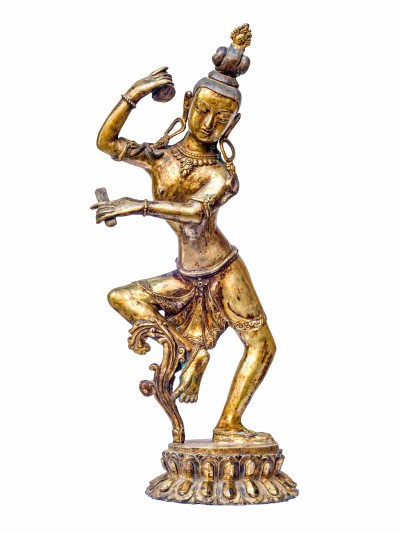
Buddhist Handmade Statue Of Chintamani, Gold Plated, Antique Finishing, HIgh Quality
US$ 680.00
15% off
$ 800.00
$ 800.00