

Loading Content..
Please wait...
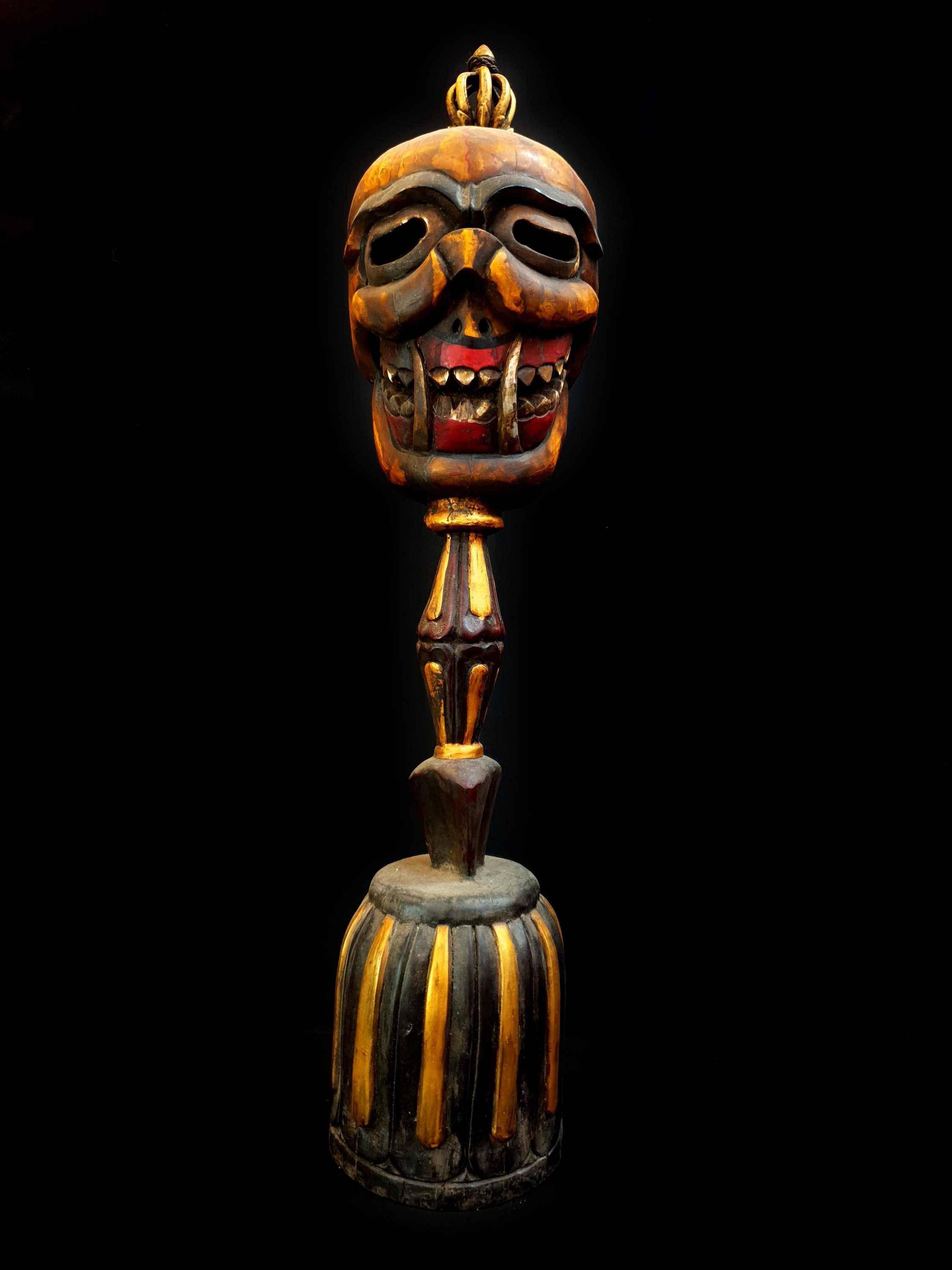
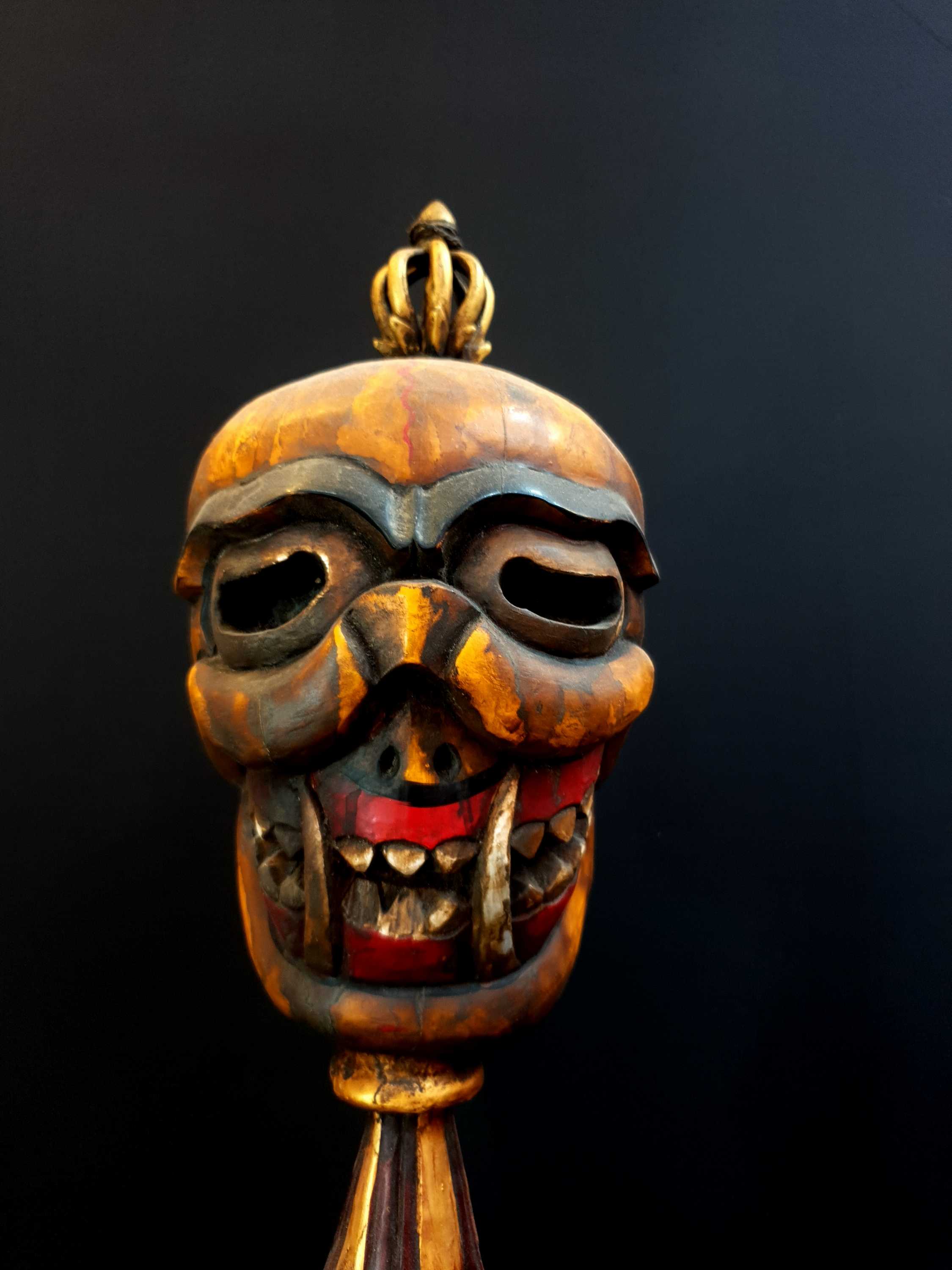

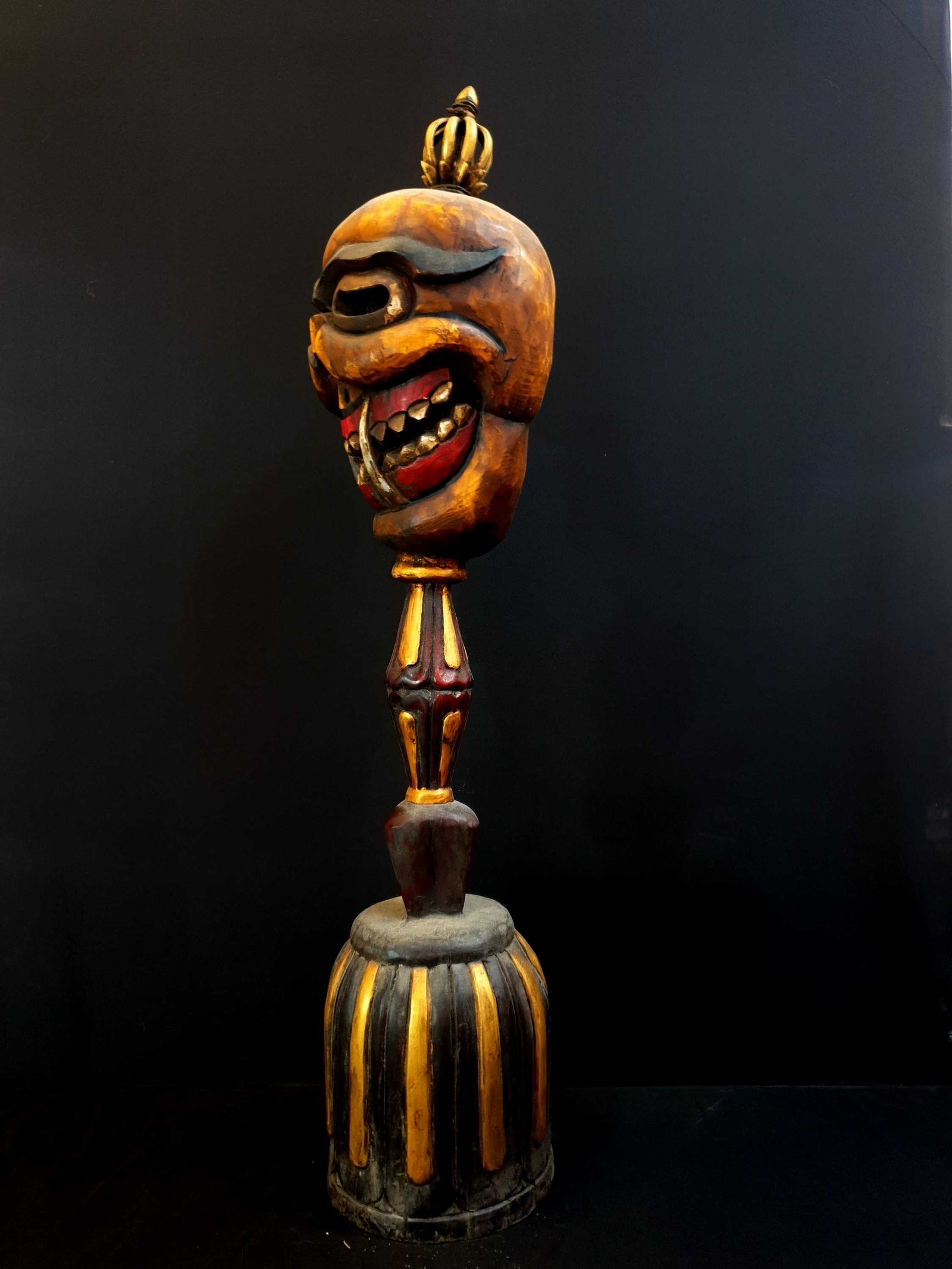


Large, Wooden Pine Phurba of Citipati, Skull, Antique Finishing , Lords of the Cemetery, Guardians of Transcendence and Impermanence
Citipati
|
|
Product Specification |
|
| Code | HME24019 |
| Size |
Height 72cm (28") Width 18cm (7") Depth 14cm (6") |
Weight | 4.5 gm - 0.01 lbs |
| Material | Wooden |
| Availability | Available |
| Quantity | PCS |
US$ 94.00
$ 125.00 -25% off
Shipping Cost
|
| Price Adjustment [ Discount Ends in : 37 days ] |
||
Shipping Calculation
weight of 1 Pcs of the product is 5.5 kg and will cost USD $ 83.00
-
Item location: kathmandu, Nepal
Worldwide shipping - Dispatch
-
We normally dispatch the product in 2-5 business days. Else Buyer will be infromed personally about the dispatch Date.
- Payment
- Paypal | Credit - Debit Card | Bank Transfer | See More
- Return
- 7 days money back, buyer pays return shipping
Welcome to Handmade Handicraft
At Handmade Handicraft, we prioritize simplicity, reflected in our user-friendly website design. We have streamlined the process so everything you need is just a click away.
While our website does not support online shopping, we've incorporated a convenient shopping cart system to assist you in sending us your inquiries. Please note, we do not process payments on our site. All transactions will be handled via email, respecting the inquiries you submit.
Should you encounter any issues while submitting your inquiries, please contact us via mobile app, email, or follow the procedure outlined below. We've provided documentation to guide you through the selection process.
selecting Procedure
In every product you will find Order Now and Quick Inquiry buttons, they are the two process of sending us your enquiry.
If you have any questions or need assistance, please don't hesitate to reach out to us. We are here to help you with your inquiries and ensure a smooth experience.
Citipati
In Tibetan Buddhism, the Citipati, or "Lords of the Cemetery" are two mythological Buddhist ascetics, who were so deep in their meditation, they were caught unawares by a thief and beheaded even before they knew they were dead. As a symbol, the Citipati represents the eternal dance of death and perfect awareness. They are usually depicted as a male/female pair of intertwined skeletons caught up in an ecstatic dance. The dance of the Citipati is commemorated twice annually in Tibet with ritual dances. The Citipati are invoked as 'wrathful deities, benevolent protectors who appear as fierce beings with a demonic appearance. Read More
Iconography
The Citipati are two skeletons, one of a man and the other of a woman, represented with arms and legs interlaced, dancing the Tsam dance. They are considered to be masters of the cemetery. The Citipati are one of the seventy-five forms of Mahakala and are visible reminders of the impermanence of everything worldly. Their mouths are parted in a large grin, showing all their teeth. Each wears a long scarf. According to a Northern Buddhist legend, the Citipati were, in a former existence, two ascetics who were once lost in such deep meditation that they did not notice that a thief had cut off their heads and thrown them in the dust. Since that time they have been ferocious enemies of thieves, having vowed eternal vengeance. This legend is somewhat similar to that of Yama. In the cemetery, the Citipati are supposed to perform a skeleton ritual dance during which they blow the Tibetan long horns. In most monasteries the dance, symbolic of the cycle of life and death, is performed in the monastery cemetery once in summer and once in winter by monks wearing masks.
Antique Finishing
This is an antique patina-finished Citipati. This is not an antique statue. It is just an antique patina finish. This Citipati is a testament to the artisan's mastery of the art of aging. Its antique patina has been meticulously crafted to give the appearance of an aged statue, showcasing the artist's unique techniques and skills. Through undisclosed processes and careful aging treatments, the Citipati undergoes a transformation that captures the essence of time and history. Read More
Phurba
: IconographicThe kīla(nail) or phurba is a three-sided peg, stake, knife, or nail like ritual implement traditionally associated with Indo-Tibetan Buddhism, The kīla is associated with the meditational deity Vajrakīla or Vajrakīlaya Read More
Related Products

40 cm
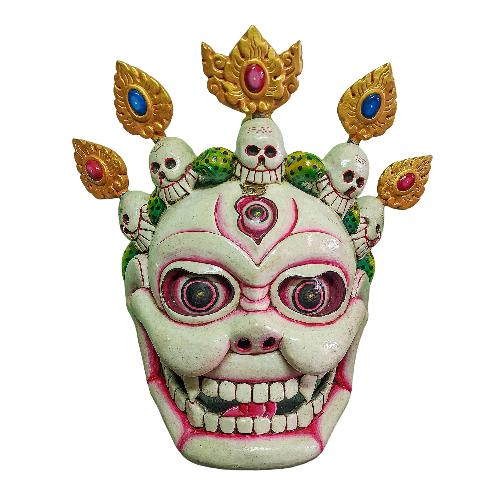
Skull Or Citipati, Handmade Wooden Mask, Wall Hanging, Painted White, Poplar Wood
US$ 60.00
25% off
$ 80.00
$ 80.00

35 cm
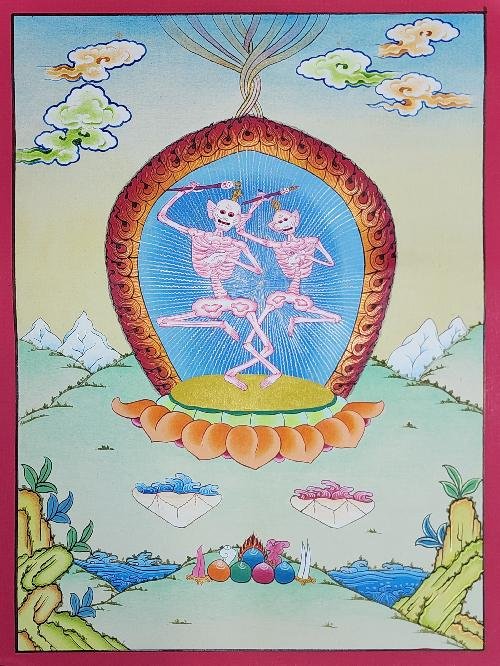
Citipati Thangka, Buddhist Traditional Painting, Hand Painted, Real Gold, Best Value
US$ 75.00
25% off
$ 100.00
$ 100.00

50 cm
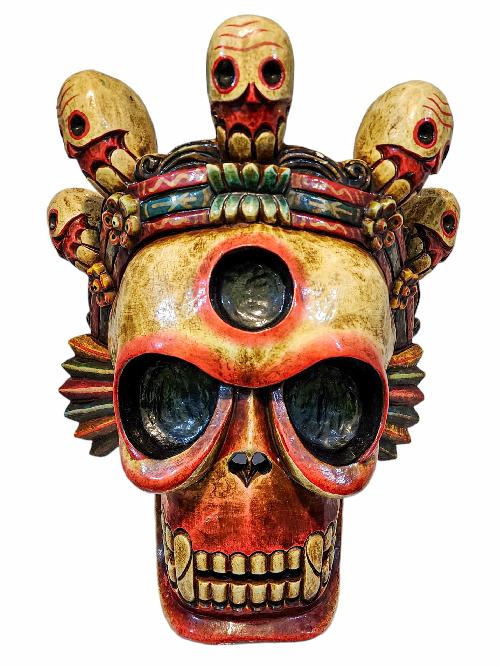
citipati, Handmade Wooden Mask Or Wall Hanging, Painted, High Quality, Male
US$ 110.00
25% off
$ 150.00
$ 150.00

10.5 cm
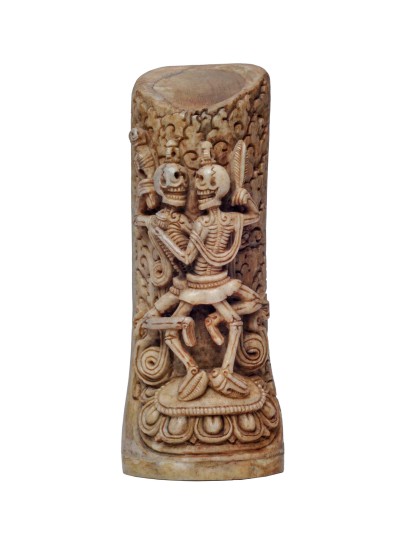
Tibetan Hand Carved Animal Bone Stamp Tibetan Seal With Citipati Carved
US$ 180.00
25% off
$ 240.00
$ 240.00