


Loading Content..
Please wait...
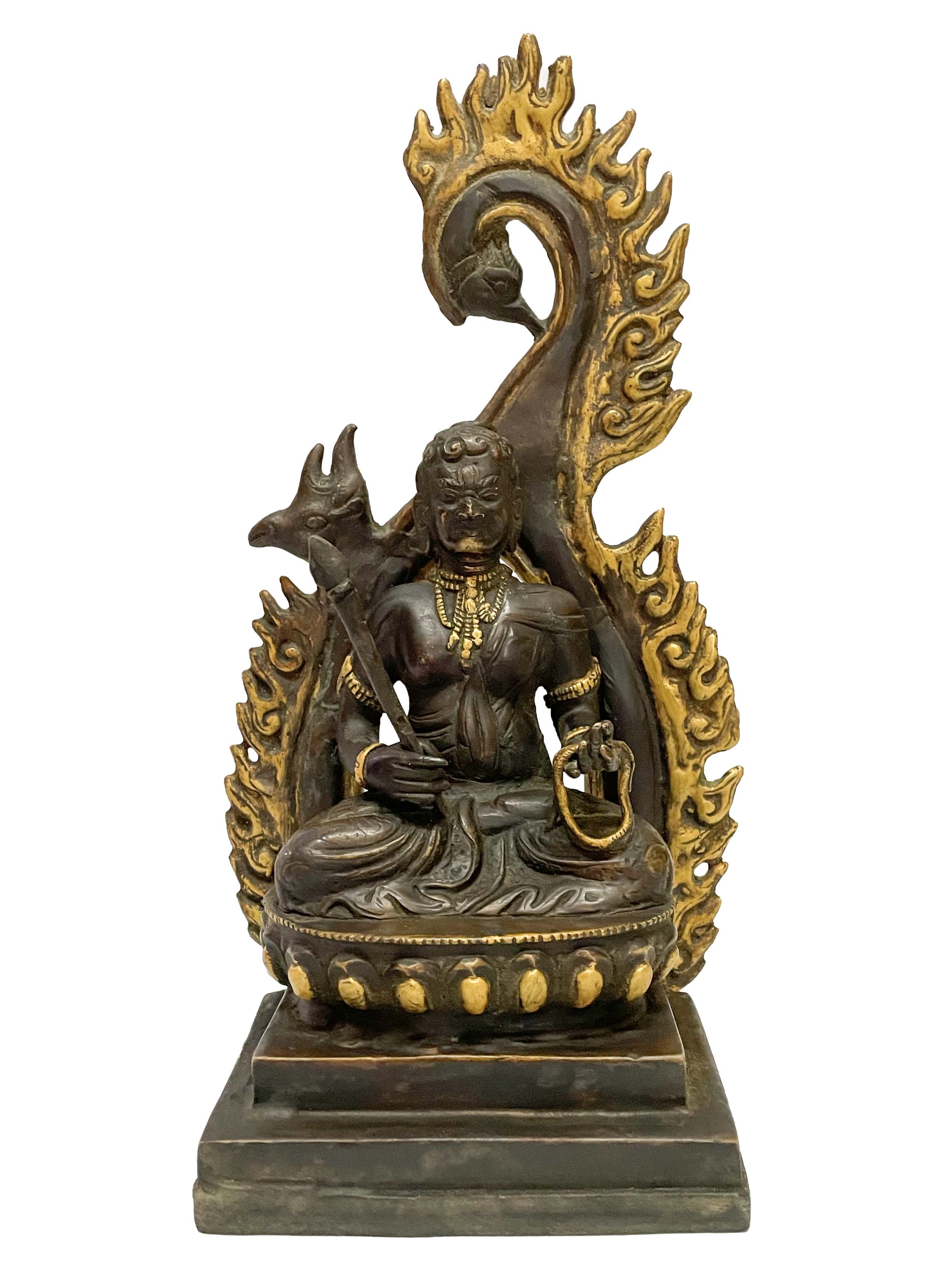


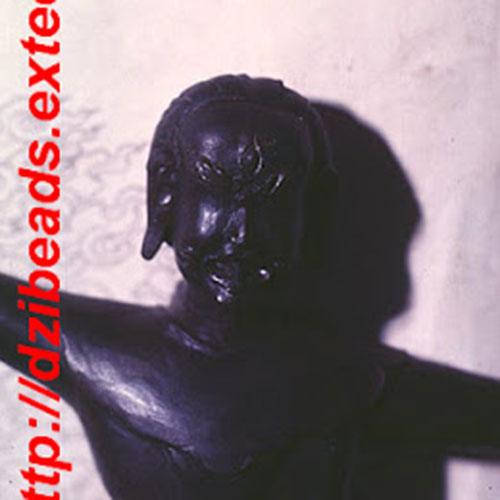
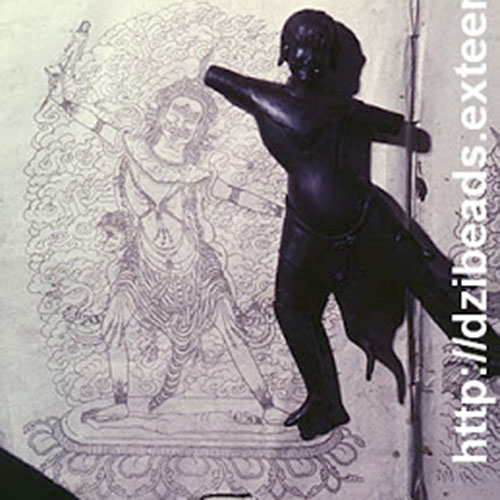
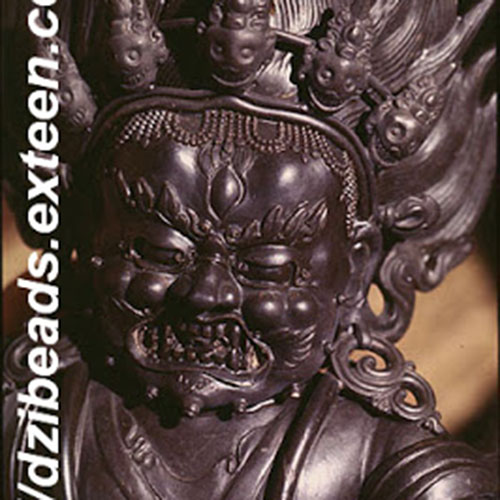
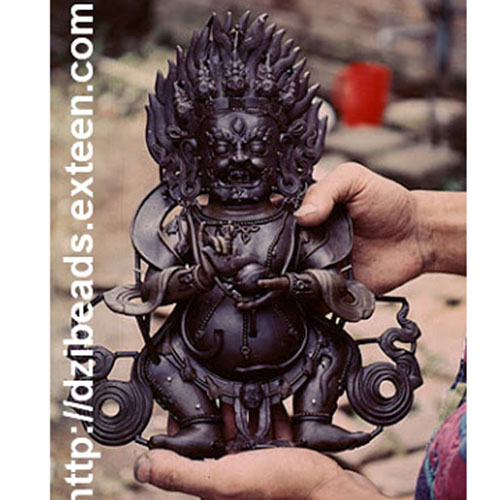
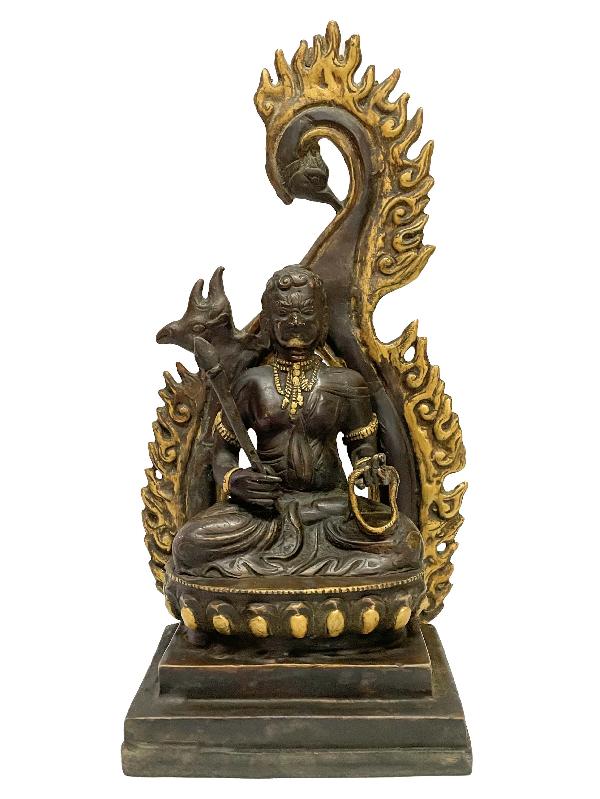
Buddhist Statue of Yamaraj, Achala Golden Paint and Antique Finishing , The Immovable Protector: Unshakable Strength in Overcoming Obstacles
Acalanatha
Buduan Pusa
Fudo Myoo
|
|
Product Specification |
|
| Code | HME23104 |
| Size |
Height 27cm (11") Width 14cm (6") Depth 8cm (3") |
Weight | 1.8 kg - 3.97 lbs |
| Material | Copper Gold Plated |
| Availability | Available |
Order configuration (Optional)
Filling & Blessing
HIDE Select Option
Click Here to View All Option and Prices

Select

Select

Select

Select
Statue Finishing
HIDE Select Option
Click Here to View All Option and Prices

Select

Select

Select

Select

Select

Select

Select

Select

Select

Select

Select

Select

Select

Select

Select

Select

Select

Select

Select

Select

Select

Select

Select

Select

Select

Select

Select

Select

Select

Select

Select

Select

Select

Select

Select

Select

Select

Select

Select

Select
| Quantity | PCS |
US$ 330.00
$ 440.00 -25% off
Shipping Cost
|
| Price Adjustment [ Discount Ends in : 37 days ] |
||
Shipping Calculation
weight of 1 Pcs of the product is 2 kg and will cost USD $ 47.00
-
Item location: kathmandu, Nepal
Worldwide shipping - Dispatch
-
We normally dispatch the product in 2-5 business days. Else Buyer will be infromed personally about the dispatch Date.
- Payment
- Paypal | Credit - Debit Card | Bank Transfer | See More
- Return
- 7 days money back, buyer pays return shipping
Welcome to Handmade Handicraft
At Handmade Handicraft, we prioritize simplicity, reflected in our user-friendly website design. We have streamlined the process so everything you need is just a click away.
While our website does not support online shopping, we've incorporated a convenient shopping cart system to assist you in sending us your inquiries. Please note, we do not process payments on our site. All transactions will be handled via email, respecting the inquiries you submit.
Should you encounter any issues while submitting your inquiries, please contact us via mobile app, email, or follow the procedure outlined below. We've provided documentation to guide you through the selection process.
selecting Procedure
In every product you will find Order Now and Quick Inquiry buttons, they are the two process of sending us your enquiry.
If you have any questions or need assistance, please don't hesitate to reach out to us. We are here to help you with your inquiries and ensure a smooth experience.
Achala
Acala or Achala (Sanskrit: अचल "Immovable") is a Dharmapala (protector of the Dharma), prominent in Vajrayana Buddhism and East Asian Buddhism. He is classed among the Wisdom Kings and is preeminent among the Five Wisdom Kings of the Womb Realm. Accordingly, his figure occupies an important hierarchical position in the Mandala of the Two Realms. Read More
In China, he is known through esoteric Tangmi traditions as Budong Mingwang ("The Immovable Wisdom King"). In Japan, he is known as Fud? My??, which is the on'yomi reading of his Chinese name.He is also highly revered among some Yakuza members, who often draw on his intense facial expression and demeanor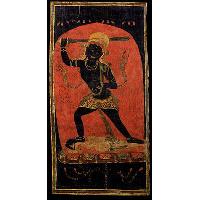
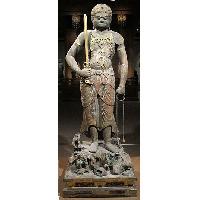
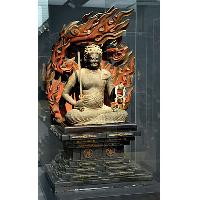
Wooden sculpture of Acala. Japan, late Heian Period, 12th century
Wooden sculpture of Acala. Japan, late Heian Period, 12th century
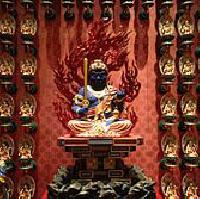
Acala at Buddha Tooth Relic Temple and Museum, Singapore
Statue of Acala, from 12th century Japan. Currently in Rietberg Museum (Zürich,Switzerland)
History
Originally the Mahayana deity Acalanātha, whose name means "immovable protector", Acala was incorporated into Vajrayana Buddhism as a servant of the Buddha. In Tangmi (Tang-era Chinese Vajrayana), his name was translated as Budong "immovable" (Chinese: 不動; pinyin: Búdòng, Middle Chinese: /pǝw dungx/). In turn, the deity was imported into Japan as "Immovable" (不動, Fudō) by the priest Kūkai (died 835) who was studying in China as a member of the Kentoshi mission and founded Shingon Buddhism. Scholars such as Miyeko Murase state that the origins of this Buddhist deity are in the Hindu god Shiva, particularly his attributes of destruction and reincarnation.
The deity has been popular throughout the Middle Ages and into modern times in Nepal, Tibet, and Japan, where sculptural and pictorial representations of him are most often found. Much of the iconography comes from Japan.
In Tibetan Buddhism and art, the Buddha Akshobhya, whose name also means "the immovable one", presides over the clan of deities to which Ācala belongs. Other sources refer to the Acala and Caṇḍaroṣaṇa as an "emanation" of Akshobhya
He evolves into a deity invoked in Buddhist rituals to "frighten gods, titans, men and destroy the strength of demons", and he slays all ghosts and evil spirits. In some Buddhist texts such as the Sādhanamālā, the Hindu gods Vishnu, Shiva, Brahma, and Kandarpa (god of love) are said to be "wicked" because they cause endless rebirth, and these gods are terrified of Acala because he carries a rope to bind them. In other texts, such as the Mahāvairocana Sūtra, one dedicated to the Buddha is instructed to visualize the left foot of Acala on his head during meditation, to prevent obstacles in his reaching Prajñā .
In the Nepalese and Tibetan Buddhist traditions, Viśvavajrī becomes Acala's consort.
Yamaraj
: Brief IntroductionYama or Yamaraa or jivayam is a Hindu and Buddhist deity of death, dharma, the south direction, and the underworld, belonging to an early stratum of Rigvedic Hindu deities. In Sanskrit, his name can be interpreted to mean "twin". He is also an important deity worshipped in Kalasha and now extinct Nuristani religions, indicating his prominence in ancient Hinduism. Read More
Antique Finishing
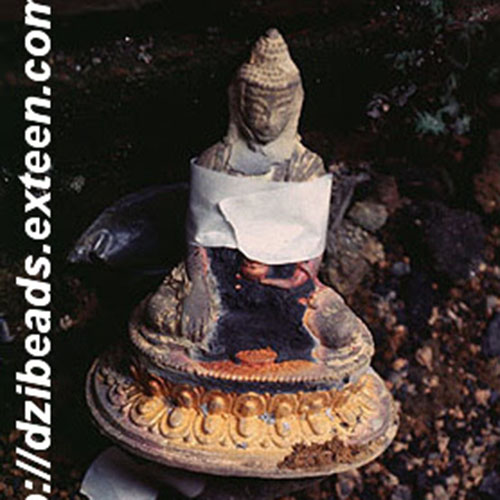
This is an antique patina-finished Achala. This is not an antique statue. It is just an antique patina finish. This Achala is a testament to the artisan's mastery of the art of aging. Its antique patina has been meticulously crafted to give the appearance of an aged statue, showcasing the artist's unique techniques and skills. Through undisclosed processes and careful aging treatments, the Achala undergoes a transformation that captures the essence of time and history. Read More
Lost-Wax System
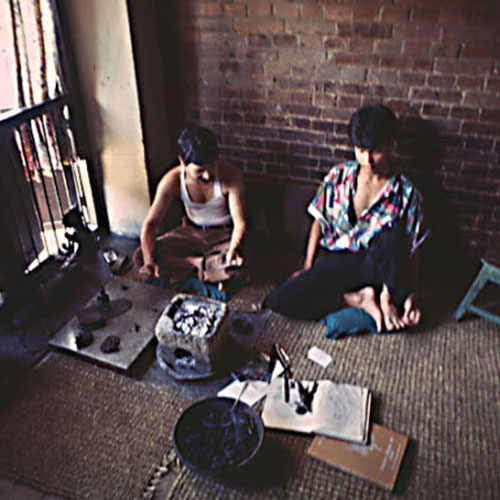
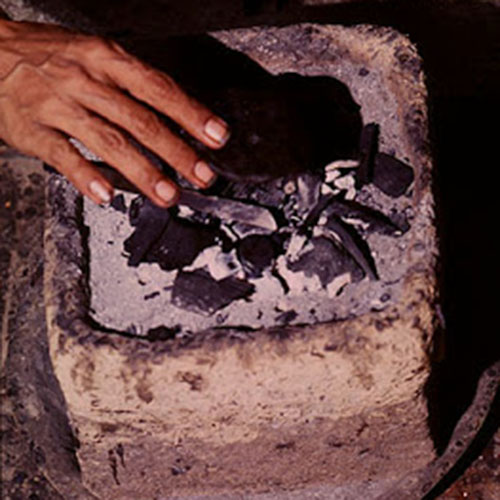
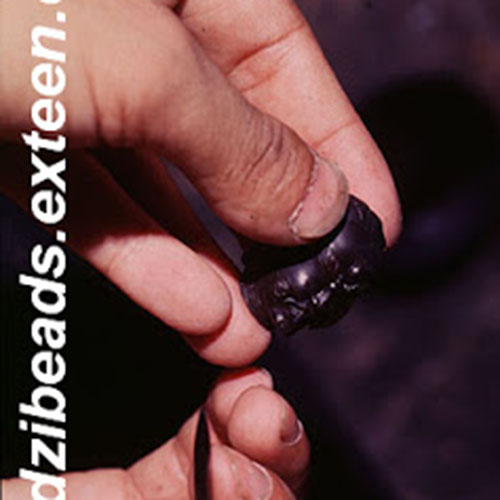
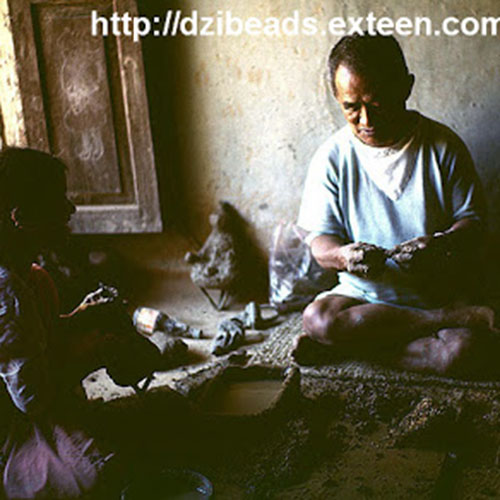
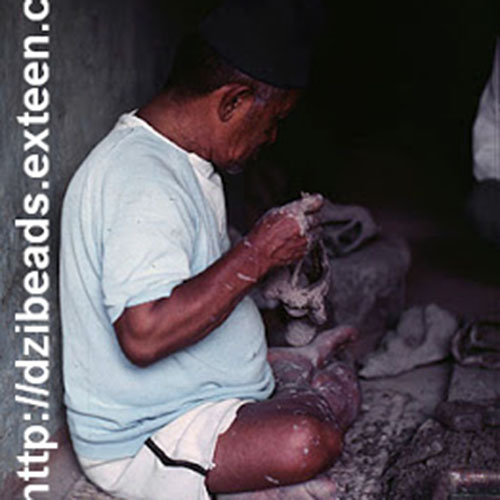
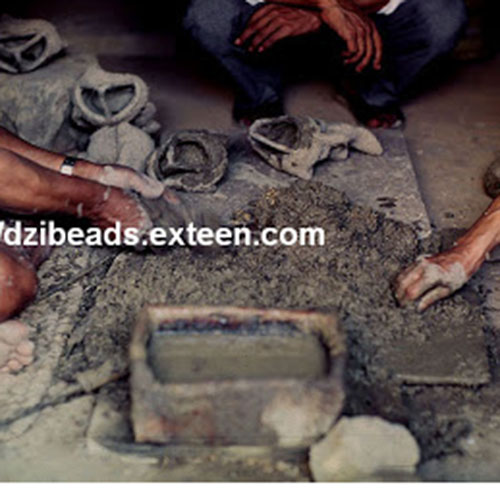
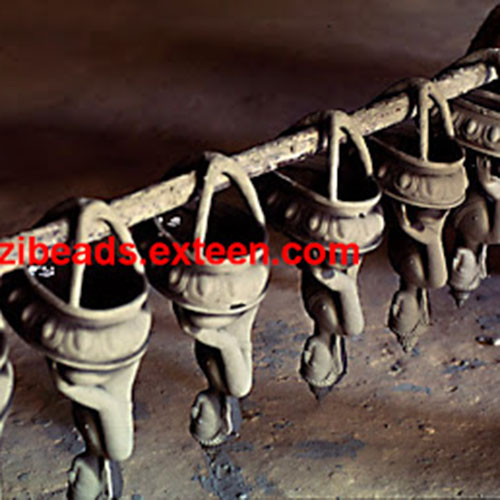
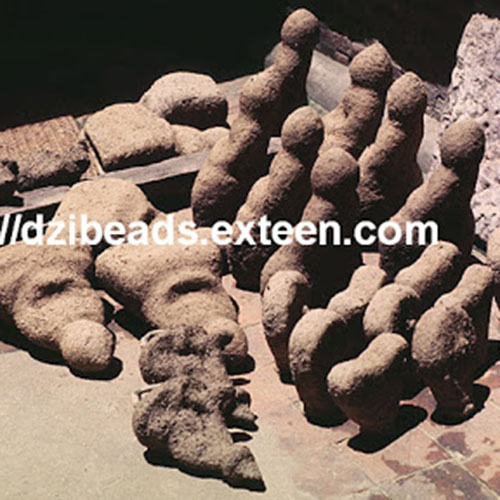
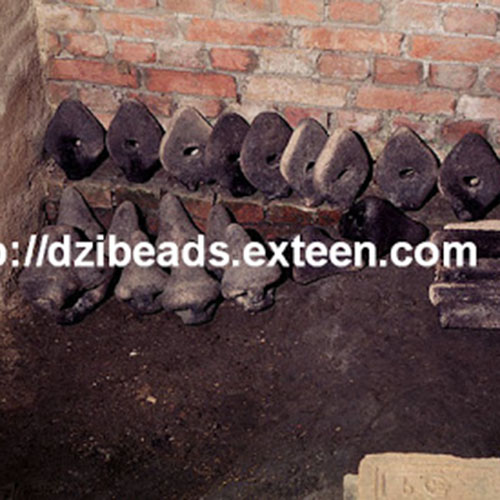
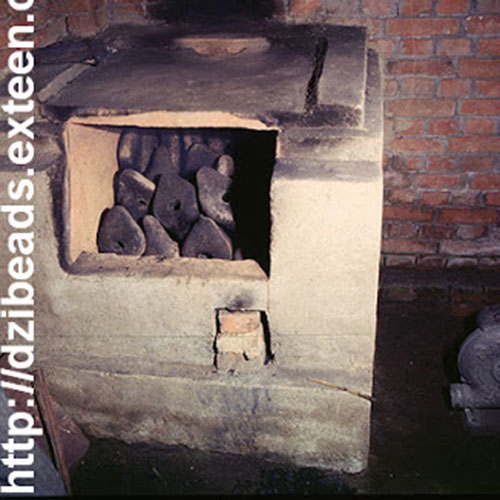
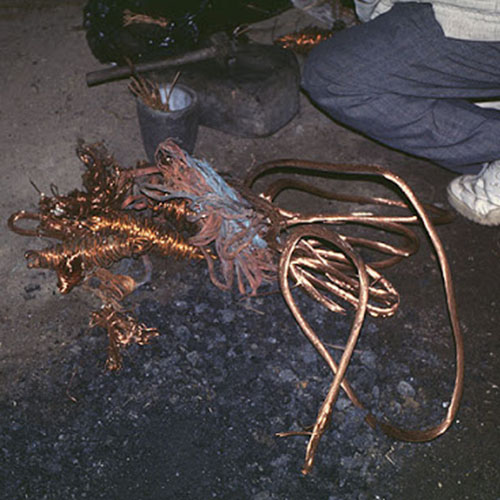
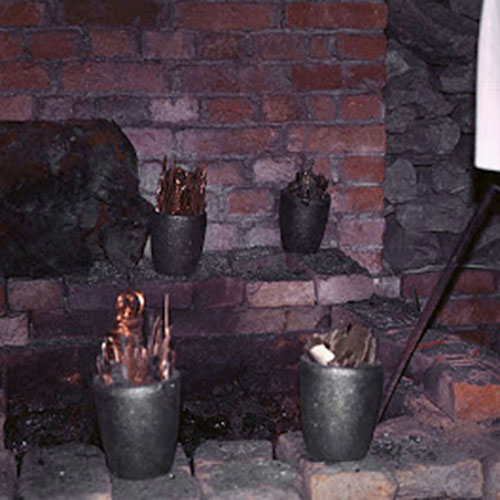
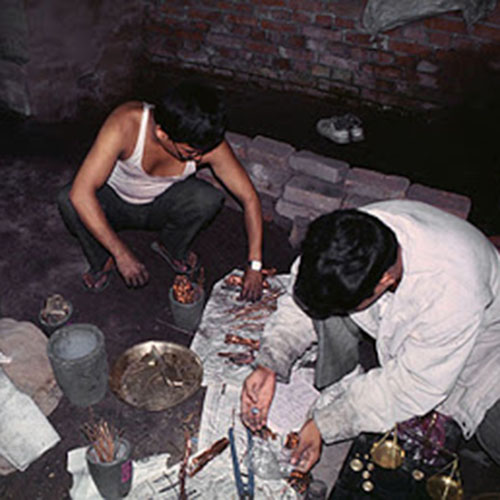
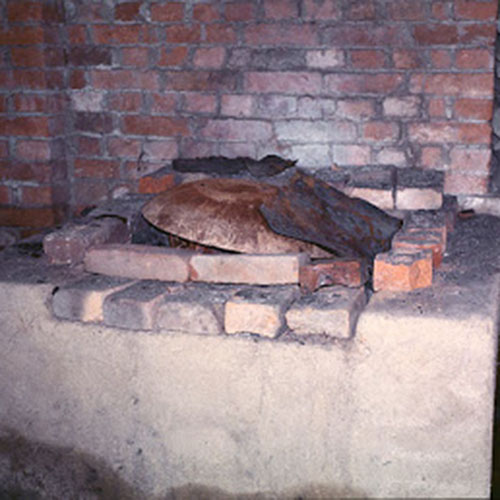
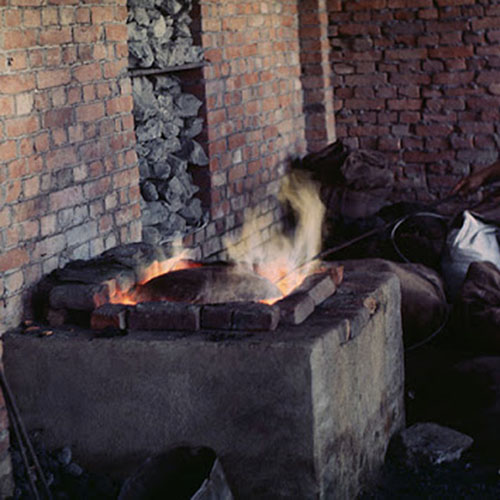
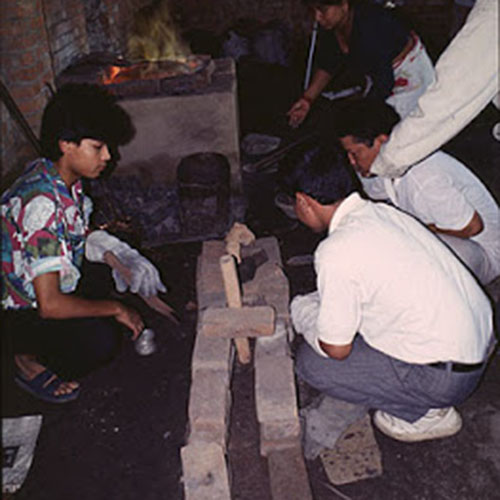
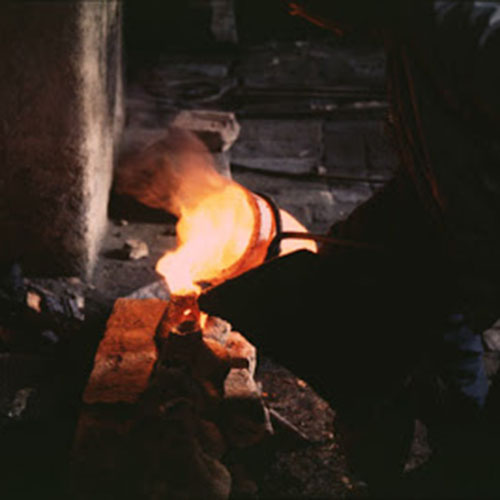
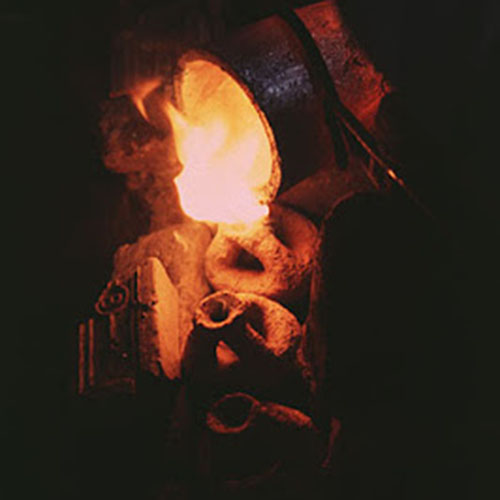
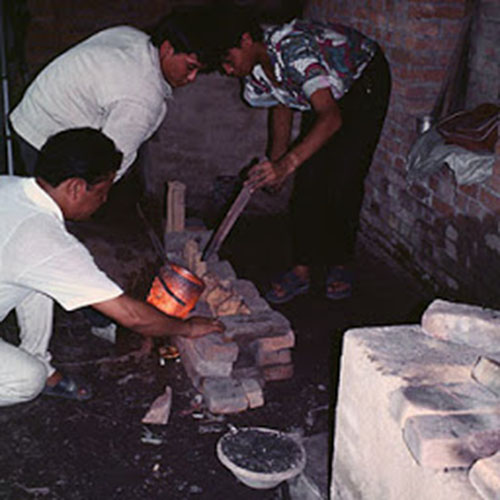
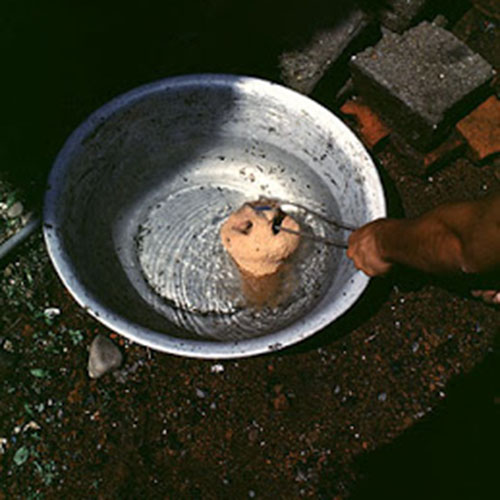
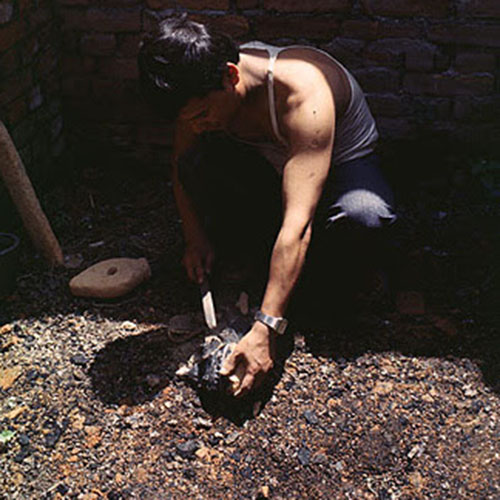
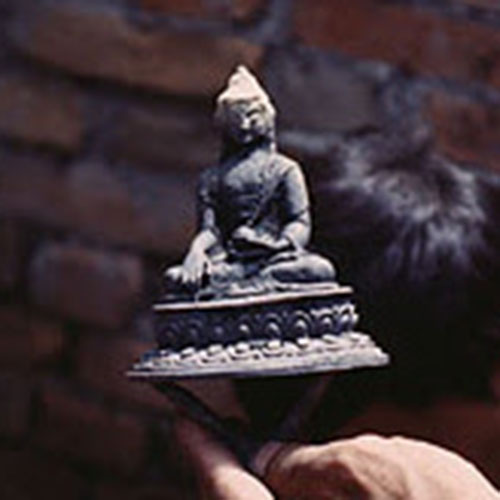
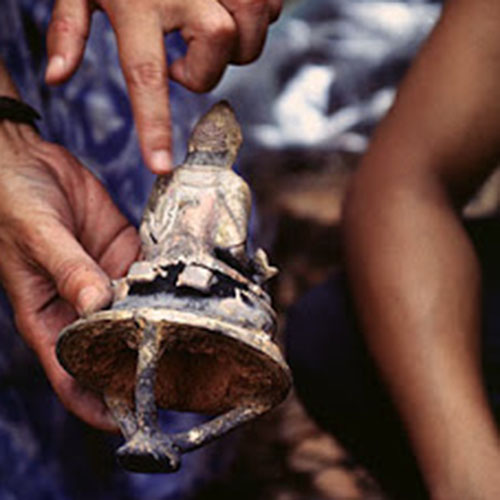
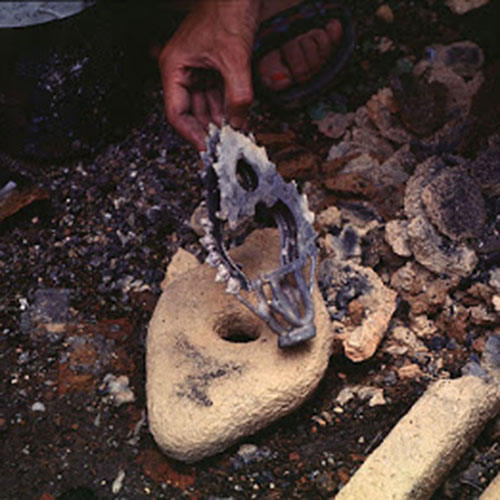
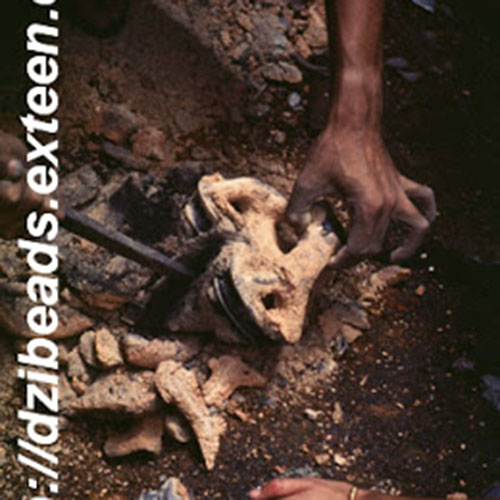
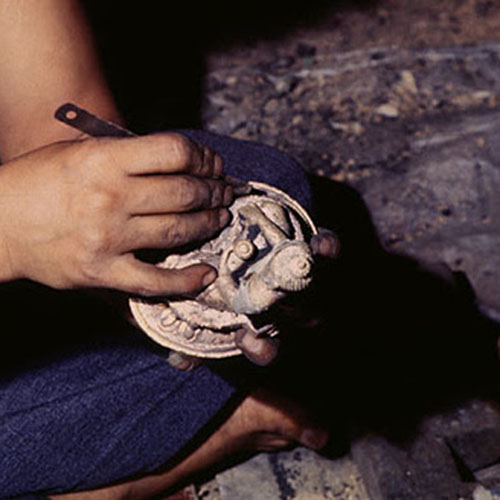
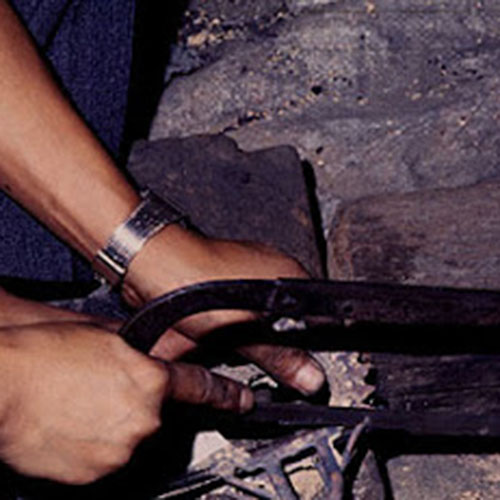
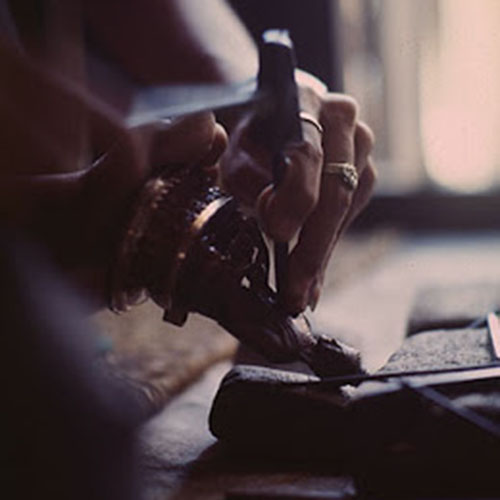
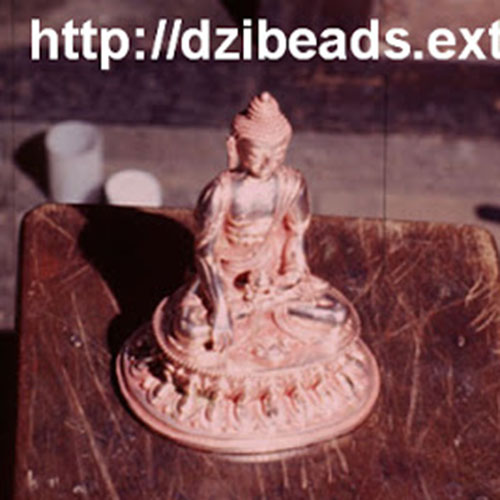
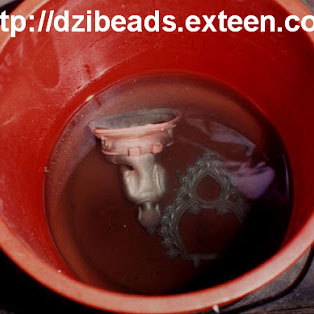
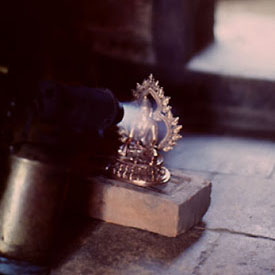
This Achala is made by the process of the Lost-Wax system. The lost-wax process, also known as investment casting, is a time-honored technique used to create metal sculptures. It involves several steps that have been practiced for thousands of years. Skilled artisans begin by sculpting a detailed wax model, capturing every intricate detail of the desired sculpture. The wax model is then coated with a ceramic shell, formed by multiple layers of ceramic material. Once the shell has cured, the wax is melted and drained out, leaving behind a cavity. Molten metal is poured into the cavity, creating a precise replica of the original wax model. After the metal has cooled and solidified, the ceramic shell is carefully removed, revealing the final metal sculpture. Read More
Related Products

189 cm
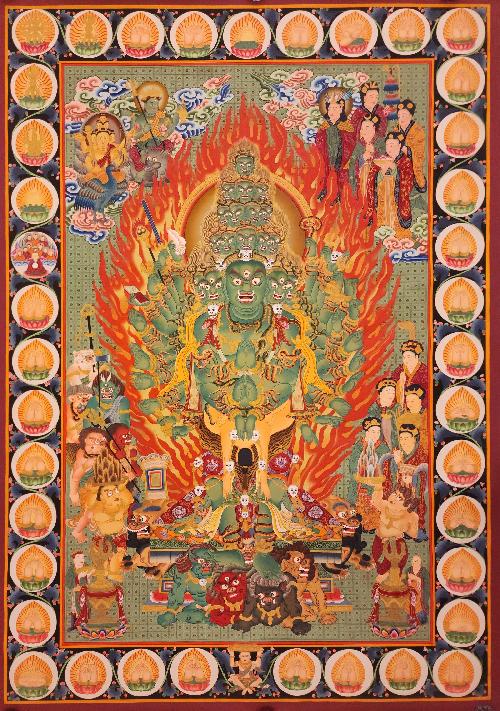
Achala Yamaraj, Master Quality, Buddhist Handmade Thangka Painting, Japanese Style Real Gold, Rare Find
US$ 9,000.00
25% off
$ 12,000.00
$ 12,000.00

38 cm
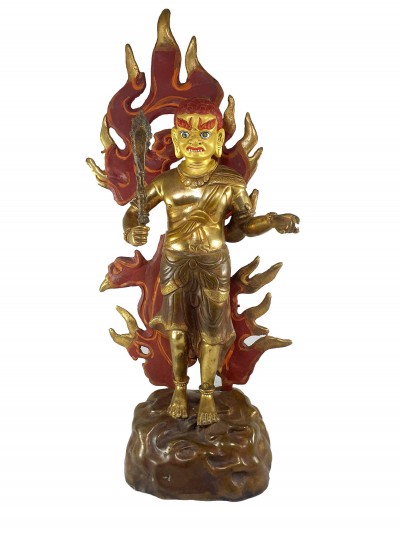
Buddhist Statue Of Achala Yamaraj Partly Gold Plated, Painted Face
US$ 600.00
25% off
$ 800.00
$ 800.00

27 cm
Buddhist Statue Of Yamaraj, Achala Golden Paint And Antique Finishing
US$ 330.00
25% off
$ 440.00
$ 440.00

83 cm
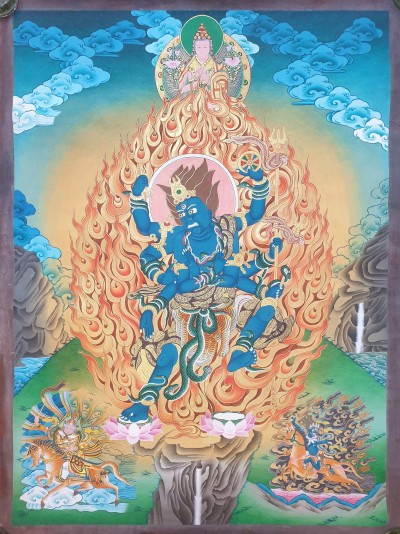
Thangka Painting Of Achala, Yamaraj, Old Thangka
US$ 600.00
25% off
$ 800.00
$ 800.00