

Loading Content..
Please wait...
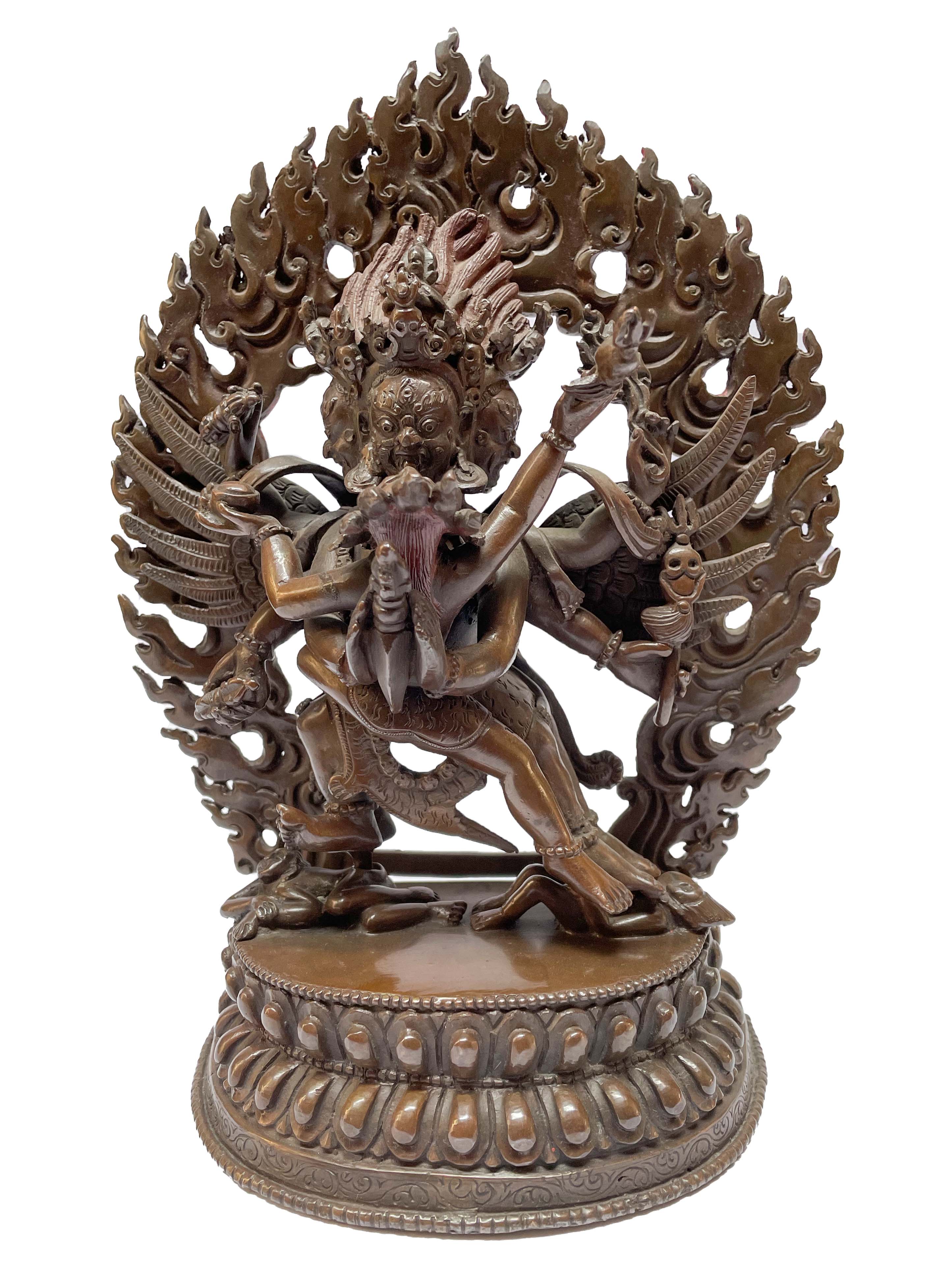
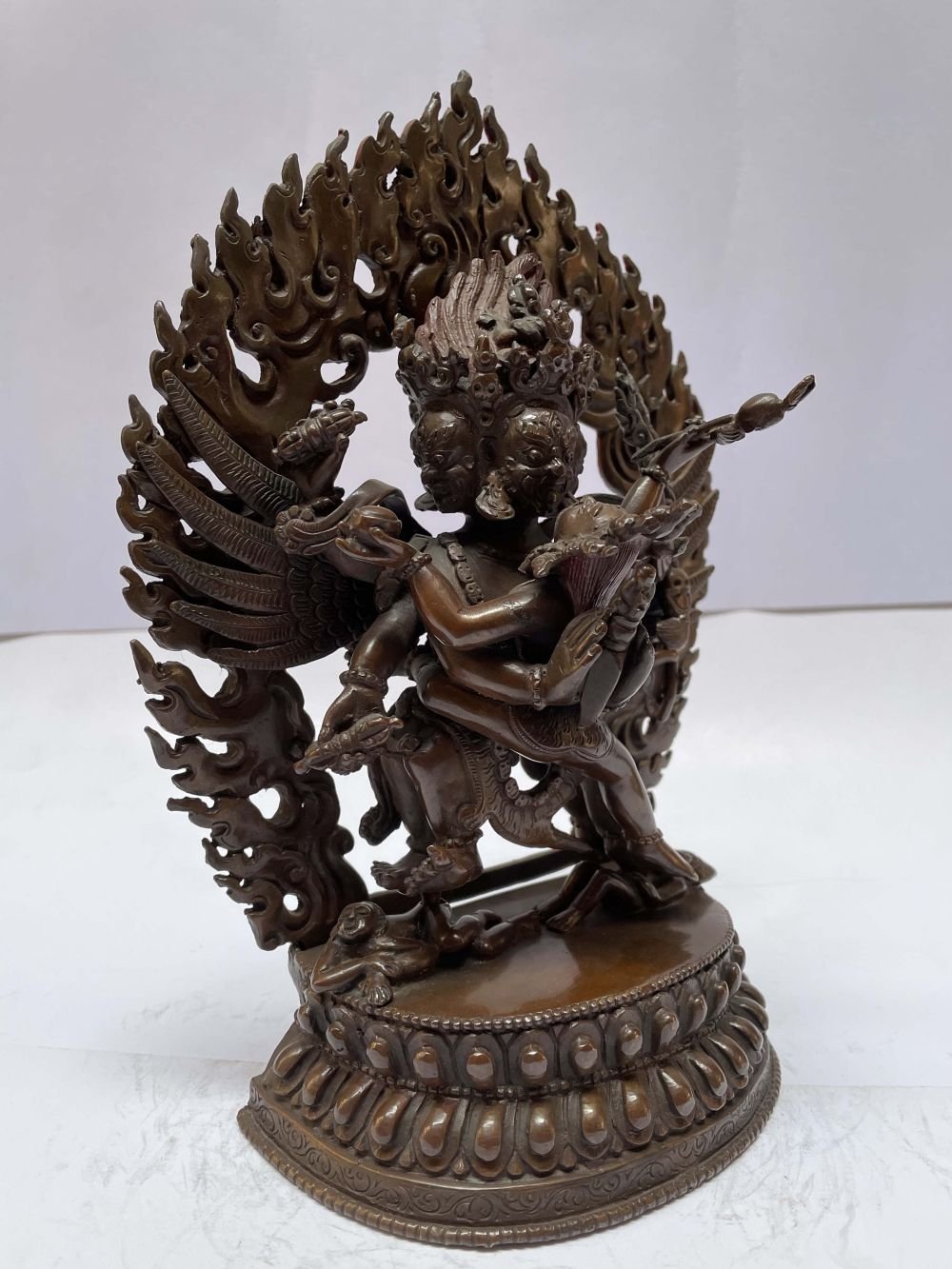
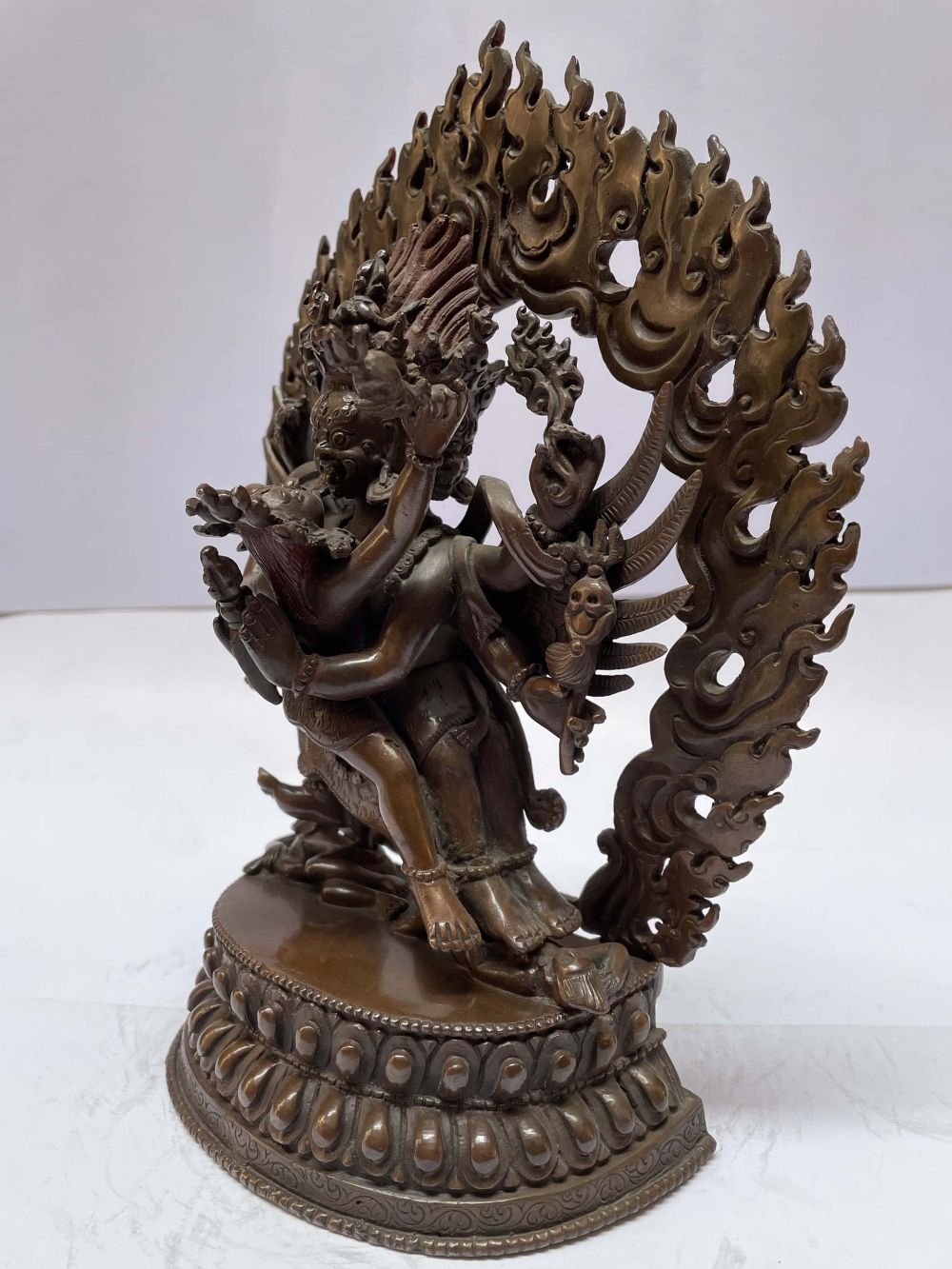
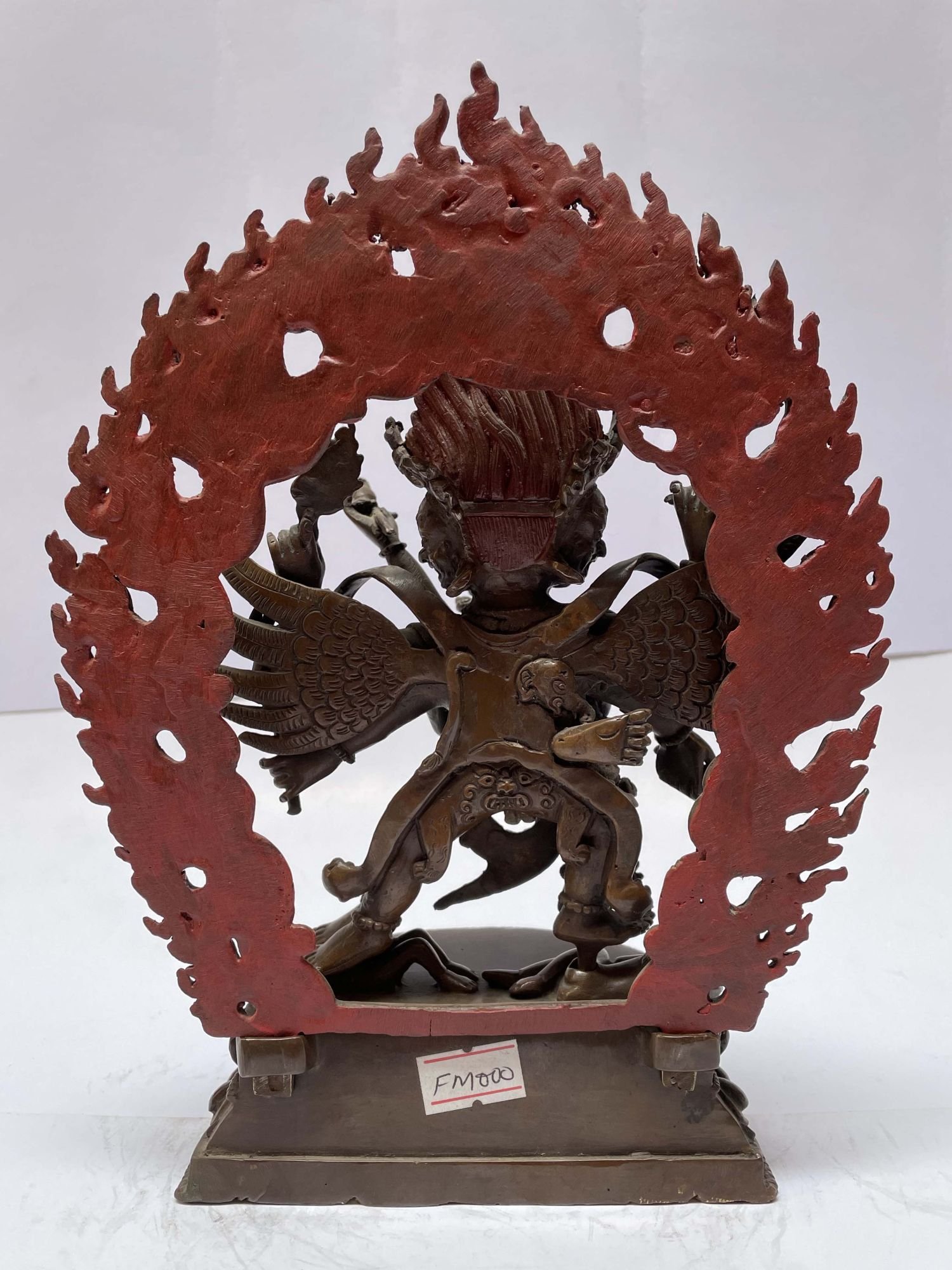
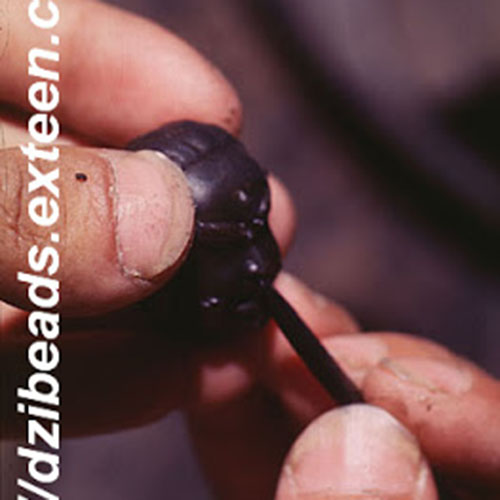
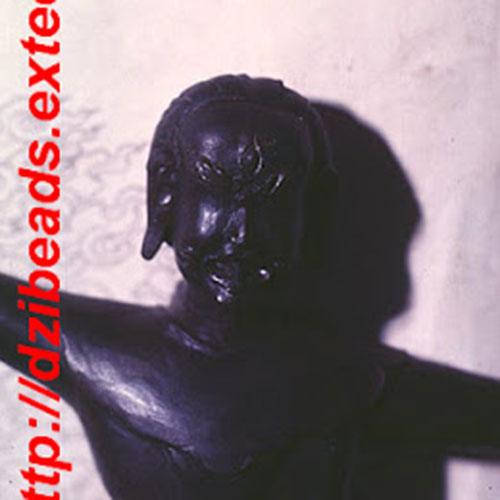
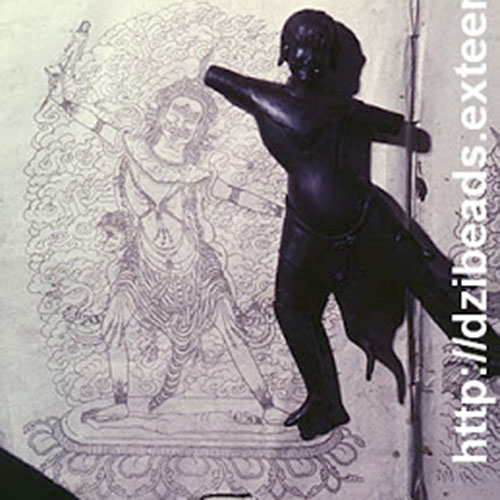
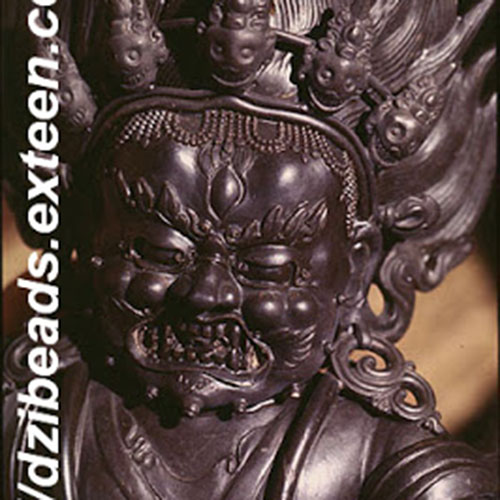
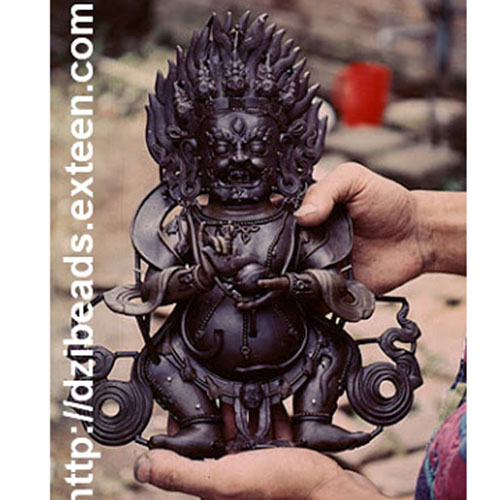
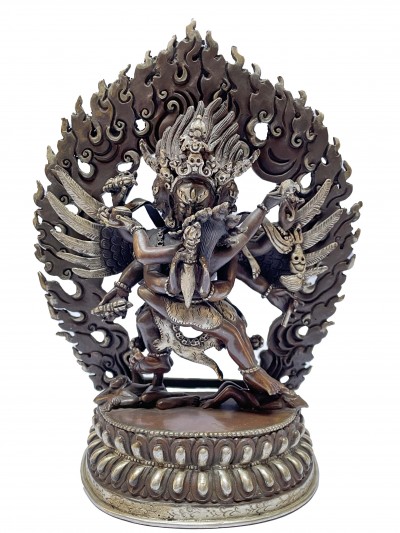
Nepali Handmade Statue of Vajrakilaya - Dorje Phurba - Heruka, Chocolate Oxidized , Fierce deity of transformation, destroying obstacles and negativity
Dorje Phurba
Jingang Ju
Kongoko
|
|
Product Specification |
|
| Code | HME22682 |
| Size |
Height 22cm (9") Width 16.5cm (6") Depth 6.5cm (3") |
Weight | 1.53 kg - 3.36 lbs |
| Material | Copper |
| Availability | Available |
Order configuration (Optional)
Filling & Blessing
HIDE Select Option
Click Here to View All Option and Prices

Select

Select

Select

Select
Statue Finishing
HIDE Select Option
Click Here to View All Option and Prices

Select

Select

Select

Select

Select

Select

Select

Select

Select

Select

Select

Select

Select

Select

Select

Select

Select

Select

Select

Select

Select

Select

Select

Select

Select

Select

Select

Select

Select

Select

Select

Select

Select

Select

Select

Select

Select

Select

Select

Select
| Quantity | PCS |
US$ 530.00
$ 700.00 -25% off
Shipping Cost
|
| Price Adjustment [ Discount Ends in : 39 days ] |
||
Shipping Calculation
weight of 1 Pcs of the product is 2 kg and will cost USD $ 47.00
-
Item location: kathmandu, Nepal
Worldwide shipping - Dispatch
-
We normally dispatch the product in 2-5 business days. Else Buyer will be infromed personally about the dispatch Date.
- Payment
- Paypal | Credit - Debit Card | Bank Transfer | See More
- Return
- 7 days money back, buyer pays return shipping
Variations of Same Product
Welcome to Handmade Handicraft
At Handmade Handicraft, we prioritize simplicity, reflected in our user-friendly website design. We have streamlined the process so everything you need is just a click away.
While our website does not support online shopping, we've incorporated a convenient shopping cart system to assist you in sending us your inquiries. Please note, we do not process payments on our site. All transactions will be handled via email, respecting the inquiries you submit.
Should you encounter any issues while submitting your inquiries, please contact us via mobile app, email, or follow the procedure outlined below. We've provided documentation to guide you through the selection process.
selecting Procedure
In every product you will find Order Now and Quick Inquiry buttons, they are the two process of sending us your enquiry.
If you have any questions or need assistance, please don't hesitate to reach out to us. We are here to help you with your inquiries and ensure a smooth experience.
Vajrakilaya
Vajrakila is a powerful personification of the diamond-tipped peg [Skt. Kila] symbolizing the power of 'one-pointed concentration [Skt. Ekagrapha] which transfixes negative energies that obscure spiritual truth & awakening. Concerted mindfulness on the interdependence & ultimate unity of all principles [Skt. Dharmas], which govern the inner & outer worlds. By subduing delusions & negativities that arise as obstacles during spiritual awakening [dharma practice] he purifies spiritual journeys which lead to enlightenment. Read More
Iconography
The image of Vajrakila is usually the first introduction to a wrathful tantric deity. Importantly the 'wrath' is always deemed to be benevolent. The principle is that by concentrating on activities such as drinking a cup of coffee or meeting somebody we can direct personal energy by consciously applying our thoughts or feelings so affecting the way we are & condition the place we temporally occupy. The effect of concentration is that we begin to channel our energy toward something which is considered the prime tool of transformation. The principle here is that through reflection we can generate conditions, circumstances & energy around us through determined concentration. The usual three phases of reflection are concentration, meditation & contemplation considered absolutely vital to both Buddhists & Hindus. However simple the idea of applied concentration maybe the symbolism of Vajrakila is highly complex as are all wrathful manifestations.
He is a wrathful yidam deity presented in yab-yum embracing his consort Diptachakra. Vajrakila is painted dark blue with four legs, six arms, three faces. His two principal hands clasp a VajrakilayaKila. The Sanskrit word Vajrakila [Tib. Vajrakilaya] is a composite of the words Vajra here meaning diamond & Kila [Tib. Phurpa] meaning peg or short stake. The blade of the peg is a blue three-sided diamond crystal which symbolically used to free humans from the Principle Three Negative Energies [greed, hatred & delusion] by binding & then transmuting each into the three wisdom energies of love, compassion & understanding. The diamond represents incorruptibility & strength over another form. The Kila is a symbolic spiritual object rather than a weapon. The pommel of the Kila is a five-pronged vajra with each prong representing one of the five Transcendent Buddhas & the energy of lightning. Wooden Kila is favoured by shamans for healing & energetic work are often carved with the three faces of Vajrakila being one joyful, one peaceful & one wrathful. The Tibetan word for Vajra is Dorje.
Vajrakila's two top left hands both hold Vajra sceptres. The upper nine pronged [often open pronged] sceptre signifies his wrathful aspect, the smaller lower sceptre his peaceful nature. Vajrakila's top right hand is in threatening Tarjani hand gesture [Skt. mudra] with the index finger raised releasing a blaze of wisdom fire. His middle right-hand brandishes a trident [Skt. trisula] with three severed & impaled heads in deteriorating stages of decay. [The top having become a skull]. The blue head represents hatred, the redhead greed & the white skull the overriding cause of human suffering, delusion. His middle right-hand brandishes a small khartvanga trident. The staff is traditionally made of red sandalwood. The flame issuing from the middle prong [wisdom fire] symbolises the transmutation of the three principal causes of suffering into enlightened awareness. The white silk scarf depicts a funeral shroud that represents victory over the power of suffering death. He has two outstretched Garuda wings which represent his supremacy over the primordial underlying energy of the earth and her water. This subterranean energy is represented by naga serpents which the Garuda is held to have authority over. His association with primordial energy is also depicted in his horse neck, face whiskers, symbolic mane & similarity to Garuda-winged deity Hayagriva.
Diptachakra cusps a skullcap [Skt. kapala] with her left arm held upwards offering the uterine blood & entrails to Vajrakila. Together they represent the power of regeneration & renewal. She stands with her right leg extended & her left leg wrapped around Vajrakila's waist. She wears the five bone ornaments, a necklace of fifty dry skulls, and a leopard-skin dhoti [loincloth]. The skull necklace [Skt. Kapalamala] represents the female principle of emptiness & the ultimate emptiness of all phenomena. Unlike severed heads, skulls are strung with human hair. Her right arm is around Vajrakila's neck & her association with the blue lotus [Skt. Utpala] is found on Vajrakila's headpiece where there are three blue flowers. Vajrakila is draped with two flayed skins represent his power over the two sources of cyclical existence. The human skin represents his power over greed and the elephant skin his power over delusion. His consort wears the tiger skin representing her power over the third of the three original causes of suffering being hatred.
The necklace of severed heads [Skt. mundamala] strung with intestines is the male principle representing the physical world of form. The intestines [Skt. antra] represent the transitory & illusory nature of phenomena. Foodstuffs in the intestines are transformed into excrement and although nutrition is gained the iconography here alludes to the understanding of transition. The Yab-yum deities trample the bodies of Rudra & his consort Khrodhishvari, who lie prone upon a sun disc. His three faces painted white, blue & red symbolise Vajrakila's destruction of the Three Primary Poisons [greed, hatred & delusion]. His twisted earrings, bracelets anklets are rendered from serpents [Skt. nagas] & with the green stoles symbolise them. The wooden horseshoe object around his neck is a sorcerer's gong [Skt. Ghandi] made of white sandalwood & traditionally supported on the shoulder. The sound of this magical gong is reputed to terrify the Maras. The blue-flowered pattern between the end gold bosses symbolise gateways that conceal all the Vedic Gods & the Asuras with the power & energy which Vajrakila wields.
Commentary
Vajrakila's form represents the pinning down of the manifestation of all phenomena & the stabilisation of Mount Meru which embodies the principles of Dharma. Padmasambhavapracticed Vajrakilaya.
About Chocolate Oxidized
This Vajrakilaya has been meticulously treated with a chocolate color antique patina. The intention behind this patina is to replicate the appearance of a copper statue that has gracefully aged over a century. Unlike a simple coat of paint, this patina is not applied superficially and is designed to endure. It undergoes an artificial oxidation process that adds depth and character, while also serving as a protective layer against natural oxidation.
By imitating the natural aging process, the chocolate color antique patina lends an air of authenticity and vintage charm to the Vajrakilaya. This carefully crafted finish ensures that the patina remains intact for an extended period, offering longevity and resistance to wear. The result is a unique piece that captures the essence of a time-worn copper statue, evoking a sense of history and artistic heritage.
Lost-Wax System
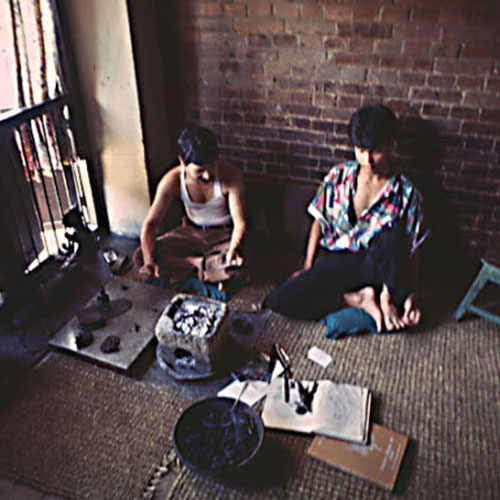
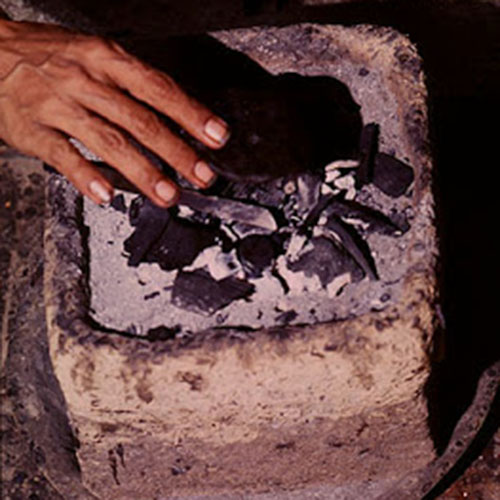
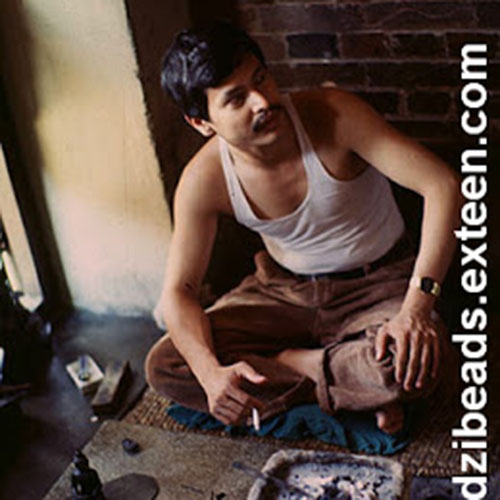
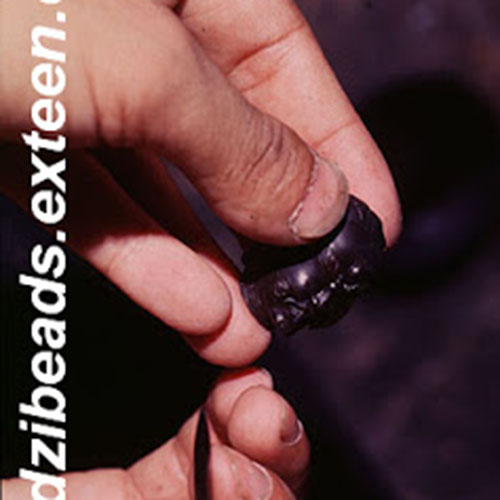
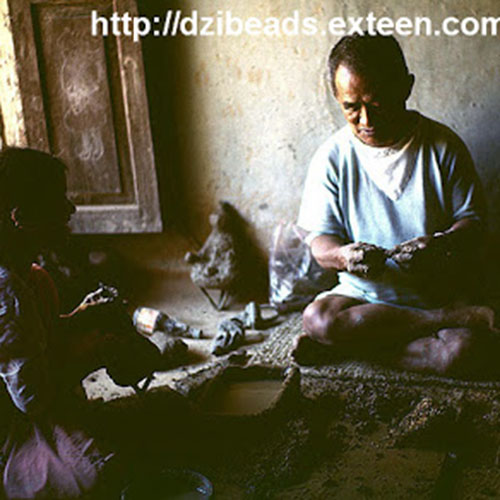
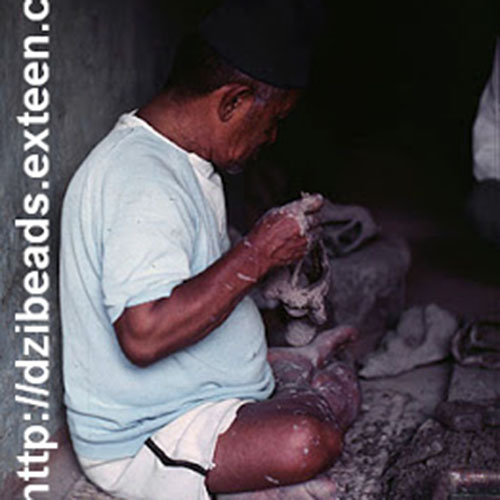
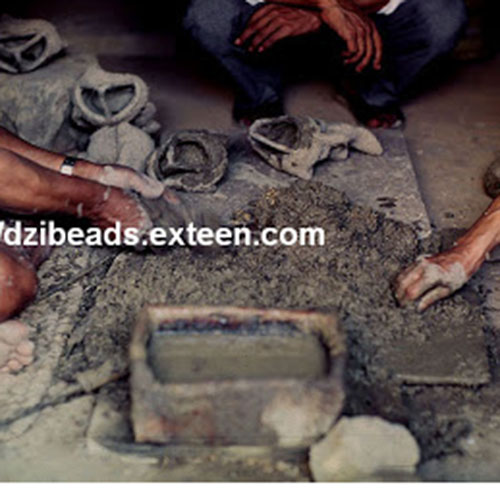
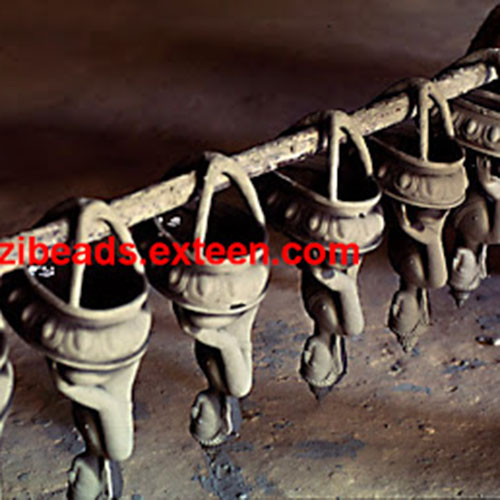
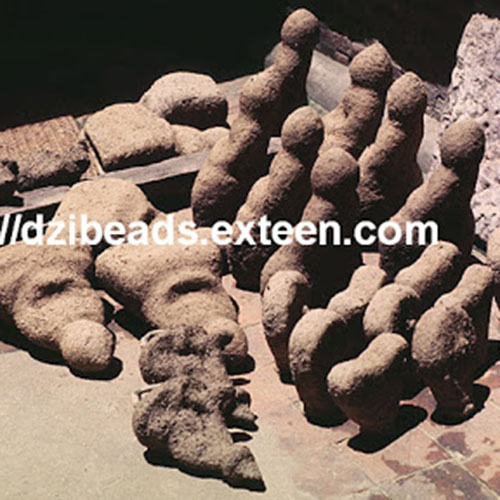
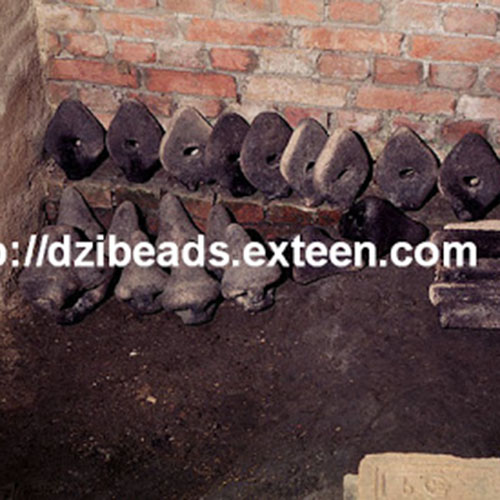
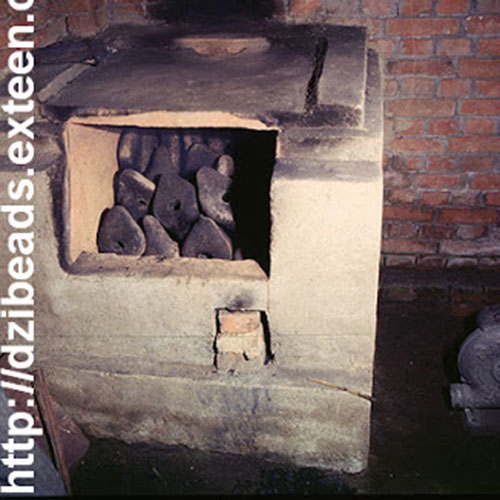
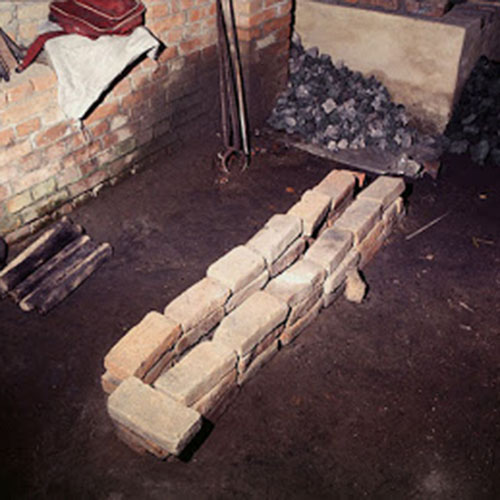
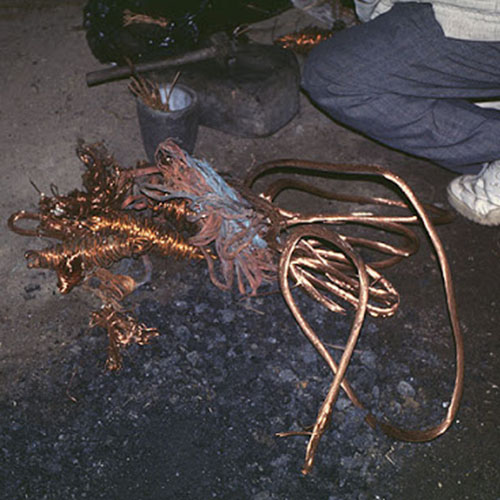
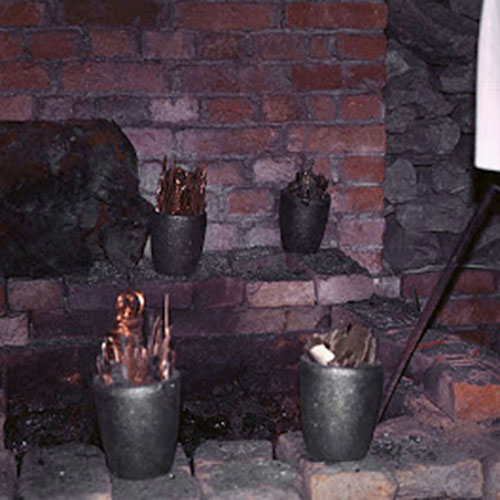
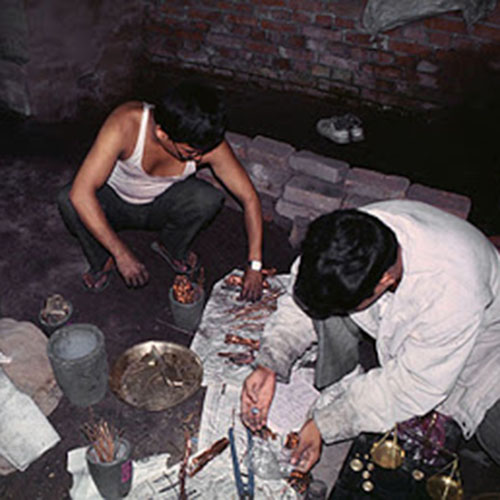
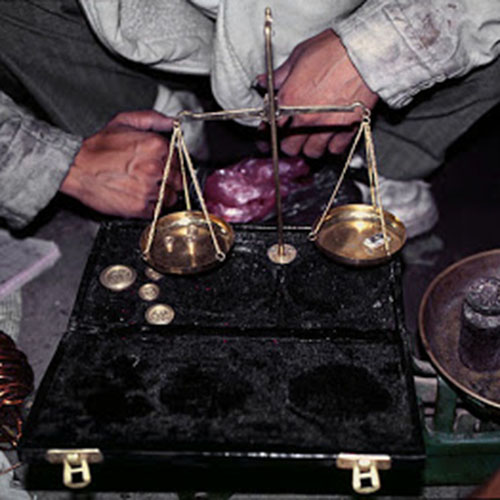
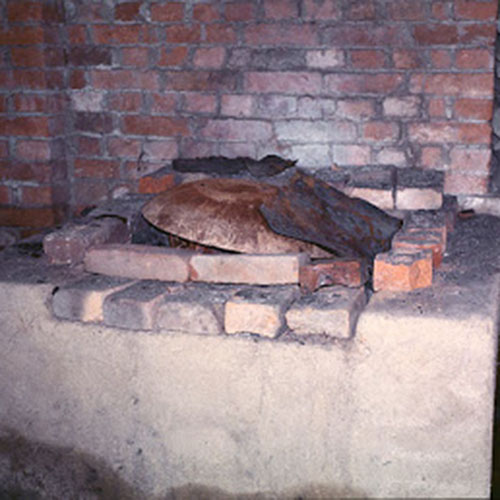
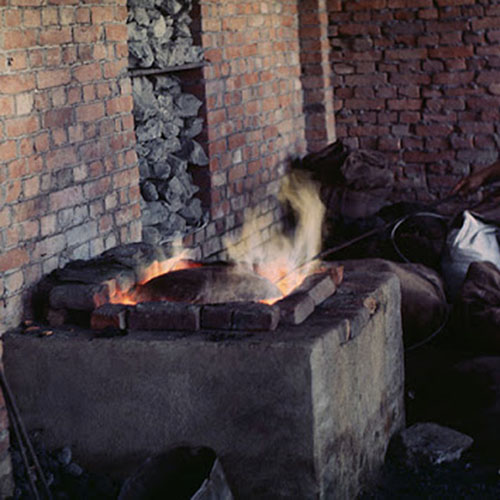
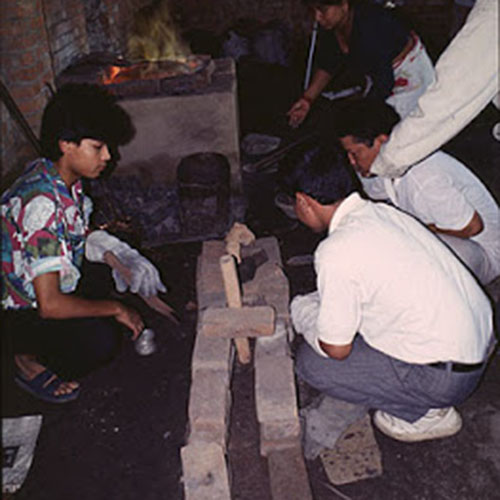
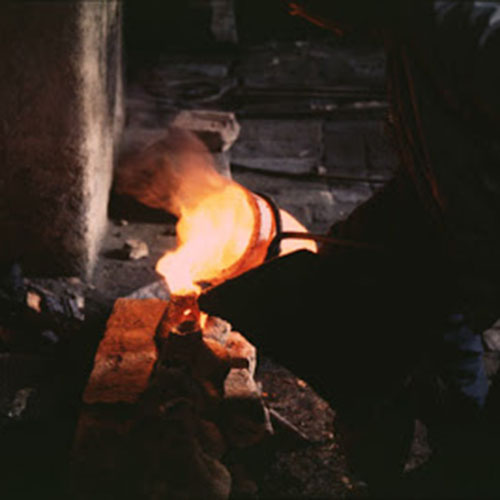
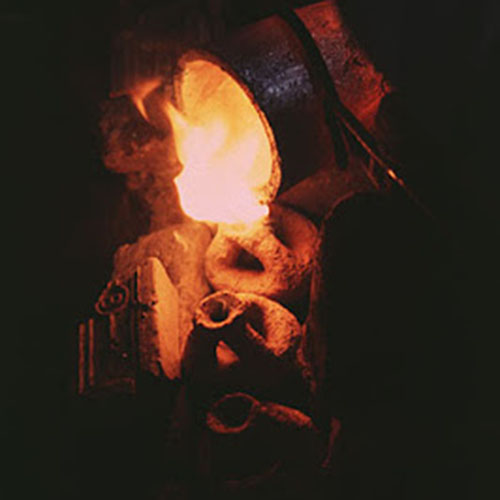
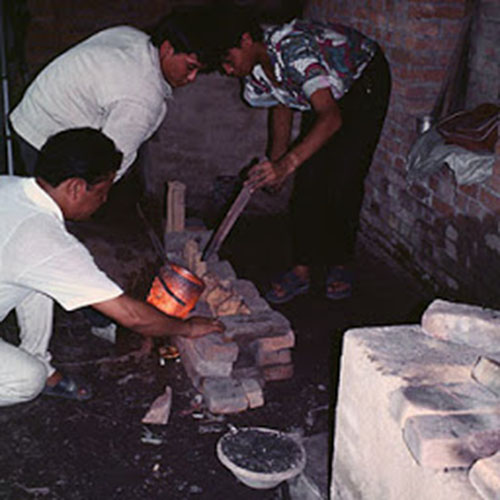
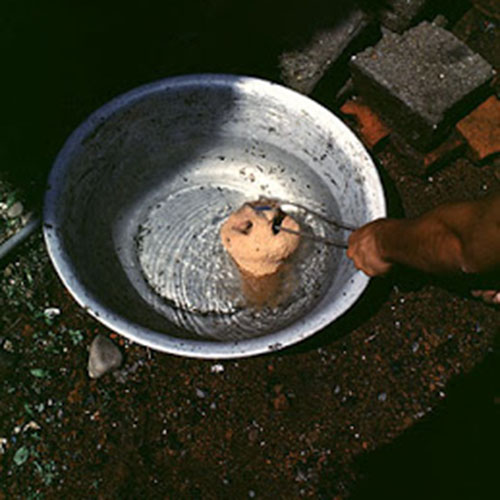
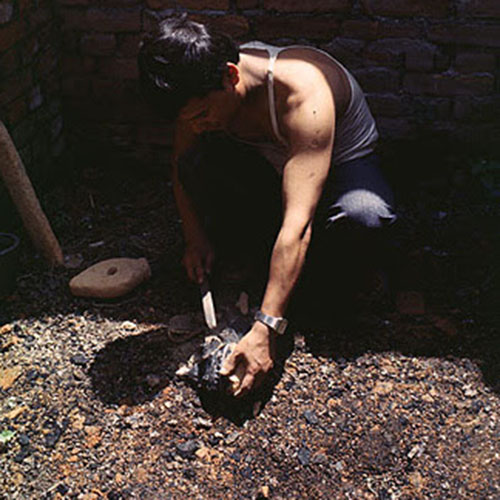
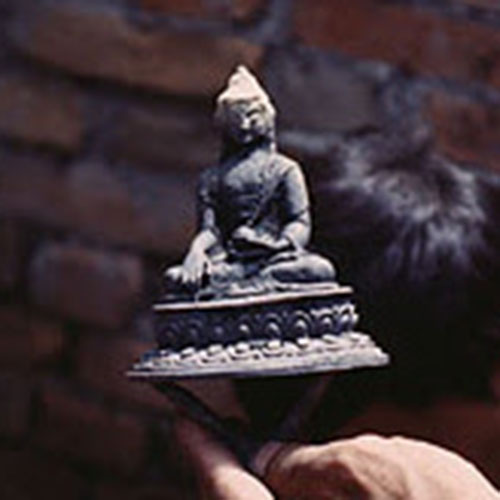
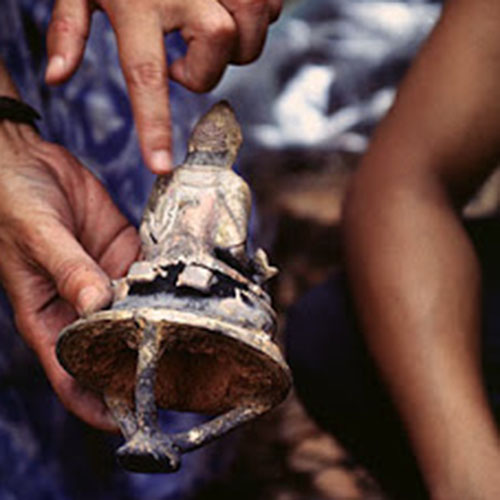
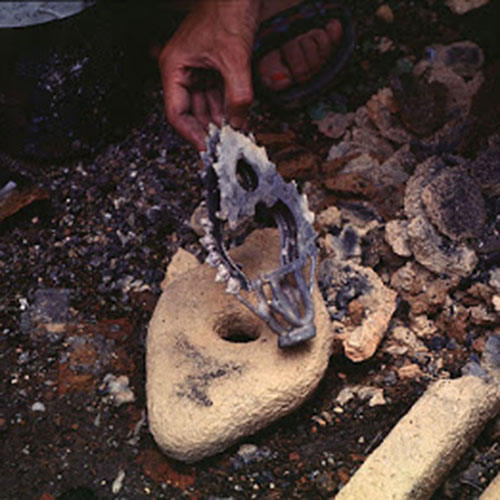
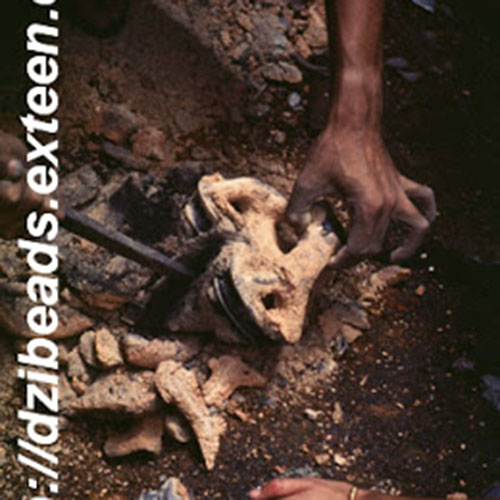
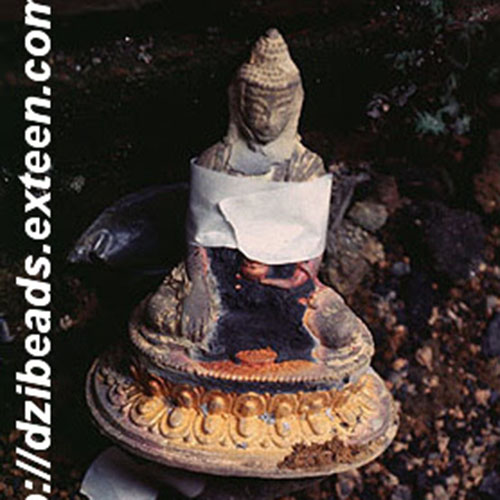
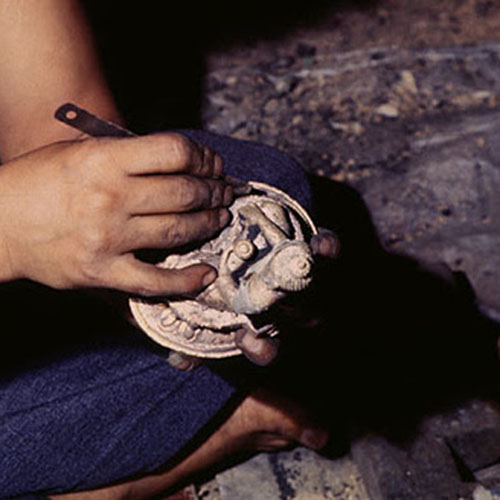
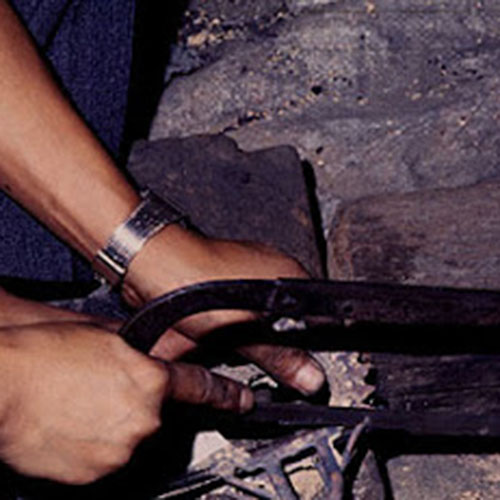
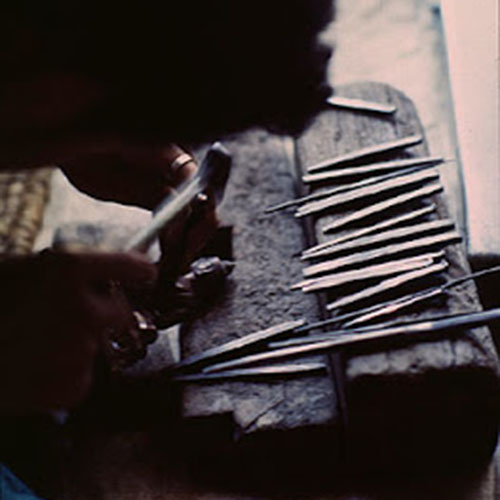
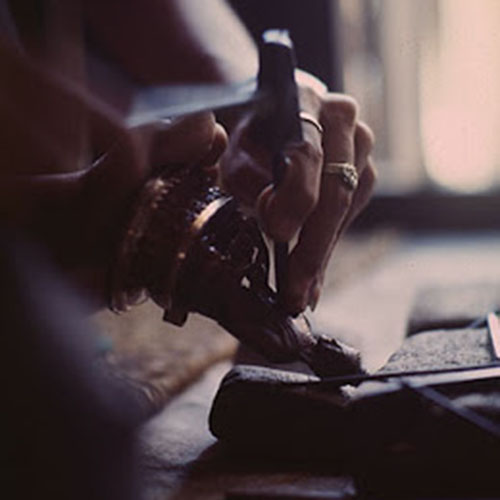
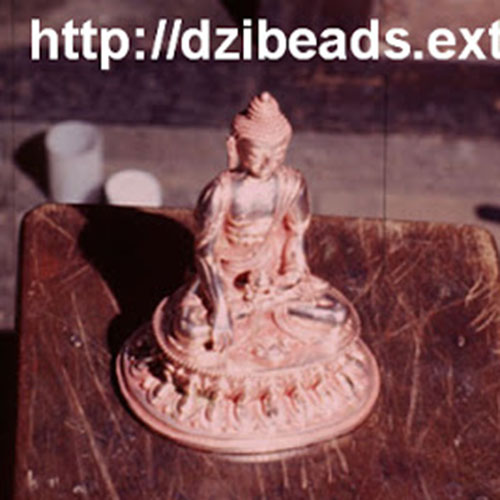
This Vajrakilaya is made by the process of the Lost-Wax system. The lost-wax process, also known as investment casting, is a time-honored technique used to create metal sculptures. It involves several steps that have been practiced for thousands of years. Skilled artisans begin by sculpting a detailed wax model, capturing every intricate detail of the desired sculpture. The wax model is then coated with a ceramic shell, formed by multiple layers of ceramic material. Once the shell has cured, the wax is melted and drained out, leaving behind a cavity. Molten metal is poured into the cavity, creating a precise replica of the original wax model. After the metal has cooled and solidified, the ceramic shell is carefully removed, revealing the final metal sculpture. Read More
Related Products

55 cm
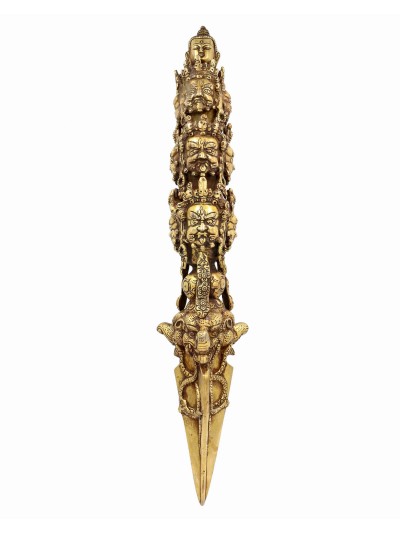
Buddhist Metal Phurba, 10 Head Phruba, Vajrakilaya - Dorje Phurba
US$ 450.00
25% off
$ 600.00
$ 600.00

22 cm
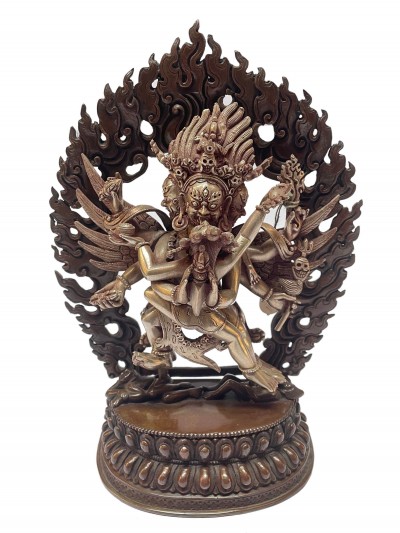
Master Quality, Sterling Silver, 1258 Gram And Copper Statue Of Vajrakilaya - Dorje Phurba - Heruka, Old Stock
US$ 3,000.00
25% off
$ 4,000.00
$ 4,000.00

13 cm
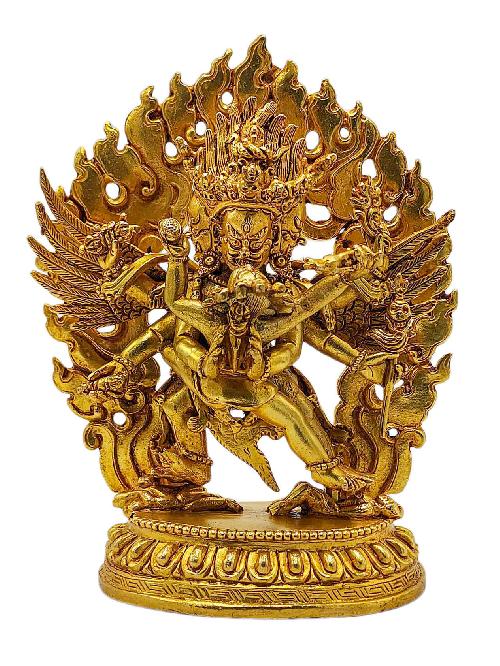
Vajrakilaya. Buddhist Miniature Statue, Full Gold Plated
US$ 230.00
25% off
$ 300.00
$ 300.00

37 cm
Buddhist Handmade Statue Of Vajrakilaya - Dorje Phurba, Heruka, Gold Plated, antique
US$ 720.00
25% off
$ 960.00
$ 960.00