

Loading Content..
Please wait...
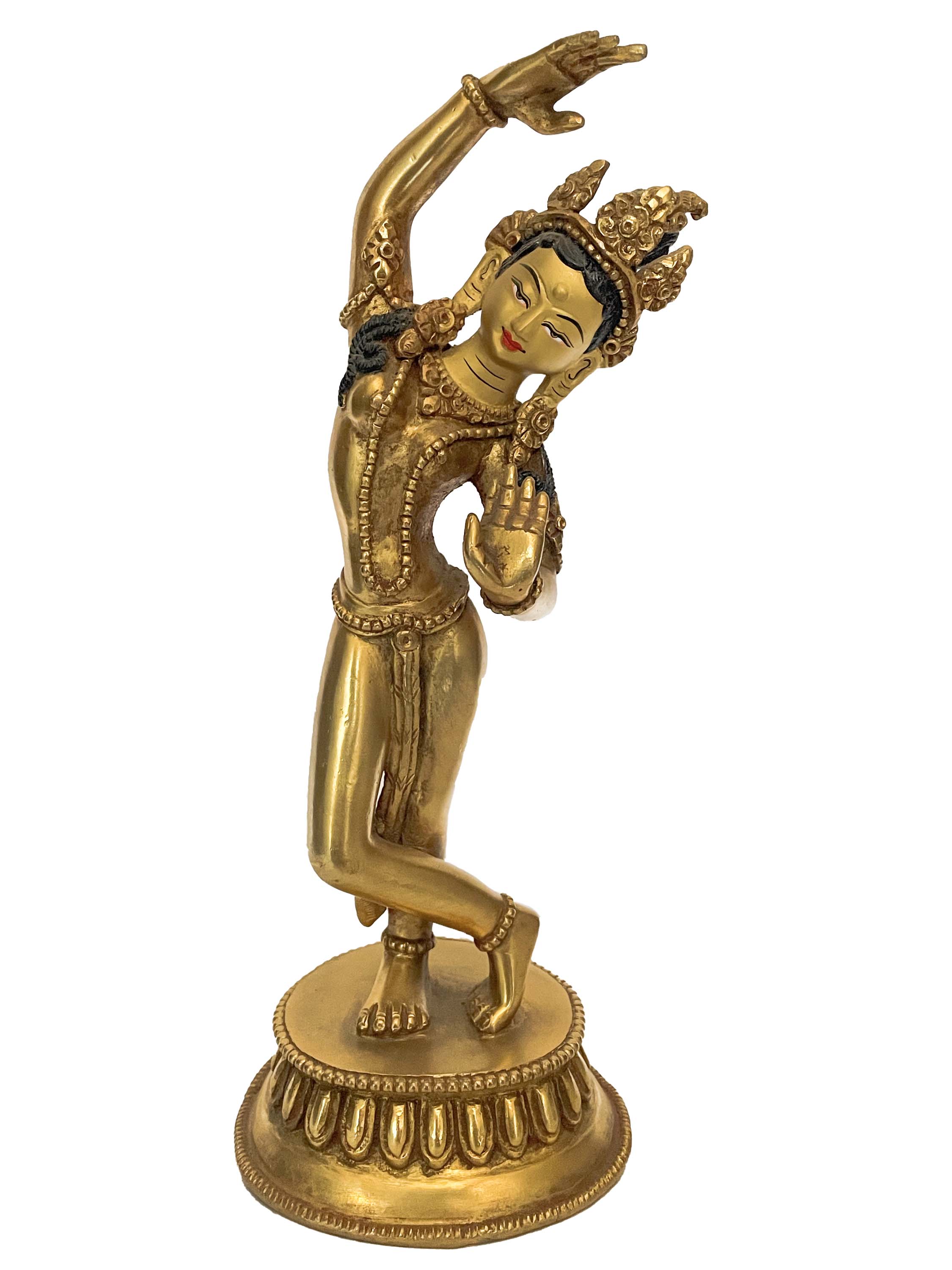


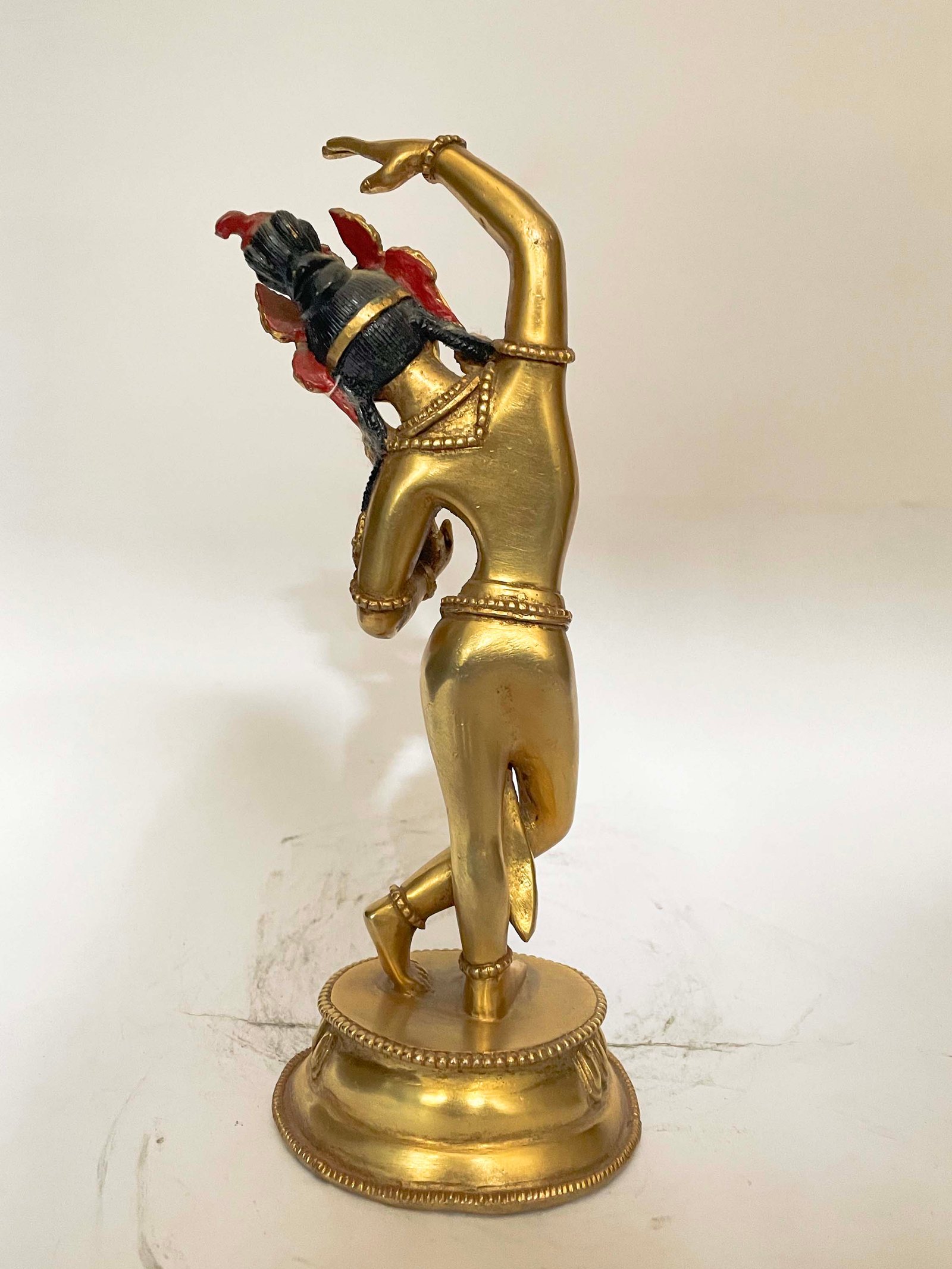
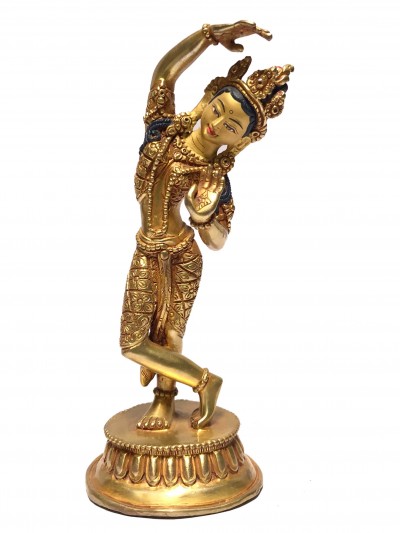
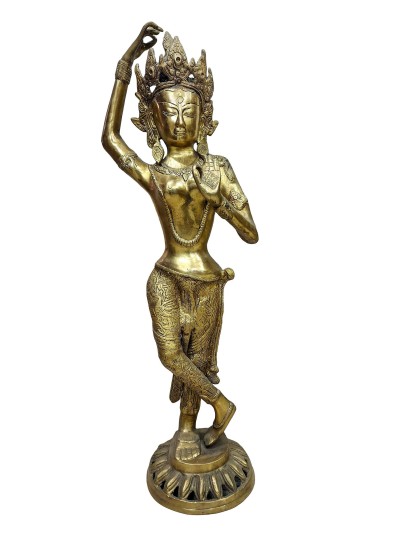
Handmade Nepali Statue of Maya Devi, Full Gold Plated , Mother of Buddha, symbol of purity and divine birth
Gyutrulma
Moye Furen
Maya Fujin
|
|
Product Specification |
|
| Code | HME22360 |
| Size |
Height 20cm (8") Width 7.5cm (3") Depth 7cm (3") |
Weight | 735 gm - 1.62 lbs |
| Material | Copper Gold Plated |
| Availability | Available |
Order configuration (Optional)
Filling & Blessing
HIDE Select Option
Click Here to View All Option and Prices

Select

Select

Select

Select
Statue Finishing
HIDE Select Option
Click Here to View All Option and Prices

Select

Select

Select

Select

Select

Select

Select

Select

Select

Select

Select

Select

Select

Select

Select

Select

Select

Select

Select

Select

Select

Select

Select

Select

Select

Select

Select

Select

Select

Select

Select

Select

Select

Select

Select

Select

Select

Select

Select

Select
| Quantity | PCS |
US$ 120.00
$ 160.00 -25% off
Shipping Cost
|
| Price Adjustment [ Discount Ends in : 40 days ] |
||
Shipping Calculation
weight of 1 Pcs of the product is 1 kg and will cost USD $ 37.00
-
Item location: kathmandu, Nepal
Worldwide shipping - Dispatch
-
We normally dispatch the product in 2-5 business days. Else Buyer will be infromed personally about the dispatch Date.
- Payment
- Paypal | Credit - Debit Card | Bank Transfer | See More
- Return
- 7 days money back, buyer pays return shipping
Welcome to Handmade Handicraft
At Handmade Handicraft, we prioritize simplicity, reflected in our user-friendly website design. We have streamlined the process so everything you need is just a click away.
While our website does not support online shopping, we've incorporated a convenient shopping cart system to assist you in sending us your inquiries. Please note, we do not process payments on our site. All transactions will be handled via email, respecting the inquiries you submit.
Should you encounter any issues while submitting your inquiries, please contact us via mobile app, email, or follow the procedure outlined below. We've provided documentation to guide you through the selection process.
selecting Procedure
In every product you will find Order Now and Quick Inquiry buttons, they are the two process of sending us your enquiry.
If you have any questions or need assistance, please don't hesitate to reach out to us. We are here to help you with your inquiries and ensure a smooth experience.
Maya Devi
Queen Maya of Sakya (Mayadevi) was the birth mother of the historical Gautama Buddha, Siddhartha of the Gautama gotra, and sister of Mahāpajāpatī Gotamī the first Buddhist nun ordained by the Buddha. "Maya" means "illusion" or "enchantment" in Sanskrit and Pāli. Māyā is also called Mahāmāyā ("Great Māyā") and Māyādevī ("Queen, literally a female-deva, 'goddess,' Māyā"). In Tibetan she is called Gyutrulma. Queen Mayadevi was born in Devadaha kingdom of Nepal.Māyā married king Śuddhodana (Pāli: Suddhodana), the ruler of the Śākya clan of Kapilvastu. She was the daughter of King Śuddhodhana's uncle and therefore his cousin; her father was king of Devadaha. Read More
Iconography
Queen Maya devi is often seen standing in front of a tree holding its branch, this is the posture how she gave brith to Buddha. some also believe that Buddha took birth from the armpits of Queen Mayadevi. also when she is presented in the description of Buddha life story, She is seen sleep in her royal bed Dreaming of a white elephant(transportation lord Indra, King of Heaven).Some also believe that Queen Maya had this dream prior to conception, some versions of the life story of the Buddha say that he was conceived without sexual activity. This interpretation has led to parallels being drawn with the birth story of Jesus.
Birth of Buddha
Queen Māyā and King Suddhodhana did not have children for twenty years into their marriage. According to legend, One full moon night, sleeping in the palace, the queen had a vivid dream. She felt herself being carried away by four devas (spirits) to Lake Anotatta in the Himalayas. After bathing her in the lake, the devas clothed her in heavenly cloths, anointed her with perfumes, and bedecked her with divine flowers. Soon after a white elephant, holding a white lotus flower in its trunk, appeared and went round her three times, entering her womb through her right side. Finally the elephant disappeared and the queen awoke, knowing she had been delivered an important message, as the elephant is a symbol of greatness in Nepal[1]. According to Buddhist tradition, the Buddha-to-be was residing as a Bodhisattva, in the Tuṣita heaven, and decided to take the shape of a white elephant to be reborn on Earth for the last time. Māyā gave birth to Siddharta c. 563 BCE. The pregnancy lasted ten lunar months. Following custom, the Queen returned to her own home for the birth. On the way, she stepped down from her palanquin to have a walk under the Sal tree (Shorea robusta), often confused with the Ashoka tree (Saraca asoca), in the beautiful flower garden of Lumbini Park, Lumbini Zone, Nepal. Maya Devi was delighted by the park and gave birth standing while holding onto a sal branch. Legend has it that Prince Siddhārtha emerged from her right side. It was the eighth day of April. Some accounts say she gave him his first bath in the Puskarini pond in Lumbini Zone. But legend has it that devas caused it to rain to wash the newborn babe. He was later named Siddhārtha, "He who has accomplished his goals" or "The accomplished goal".
Research in Wisdom Quarterly: American Buddhist Journal[citation needed] shows that the details of the legendary account coincide exactly with the existing Indian mythology of fertility goddesses, Salabhanjikas, "breaking a branch of a Sala tree"), often depicted standing against trees with one leg bent up and one hand holding a branch. They are believed to be virginal and capable of making a tree bear flowers. Parallels to this myth may survive in early Christianity: according to the Dead Sea Scrolls, the chaste or "virgin" Mary was a much older woman who miraculously conceived of a child by the intervention of the Holy Spirit of Jehovah (See Luke 1:35).
Queen Māyā died seven days after the birth of the Buddha-to-be Bodhisatta and was reborn in the Tavatimsa Heaven, where the Buddha later preached the Abhidharma to her. Her sister Prajāpatī (Pāli: Pajāpatī or Mahāpajāpatī Gotamī) became the child's foster mother.
After Prince Siddhartha had attained perfection and become the Buddha, he visited his mother in heaven for three months to pay respects and to teach the Dharma.
Gold Painted Face
The face of Maya Devi is painted with gold to enhance its significant features, particularly the eyes, and lips. This detailed painting is essential as it brings forth the crucial attributes of the expression of eyes and lips that metal carving alone cannot capture.
Moreover, the painted face serves as a symbolic and sacred ritual in Buddhism, preparing the statue for consecration and practice. The act of painting the face with gold in Buddhism holds deep meaning. It represents the intention to bring life and expression to the statue, imbuing it with a sense of vitality and presence. The application of gold on the face showcases the devotion and craftsmanship of the artisans, ensuring that every detail is carefully attended to honor the sacred essence of the Maya Devi. Read More
Full Fire Gold Plating
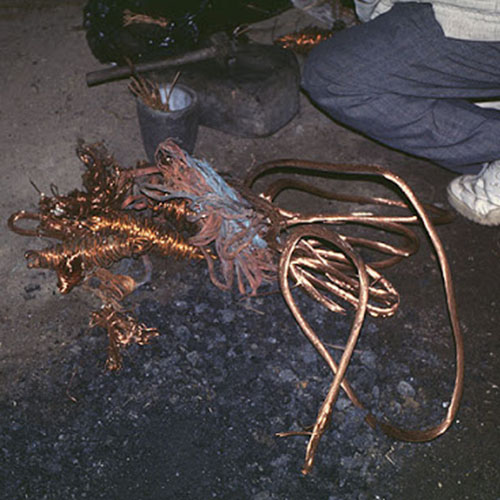
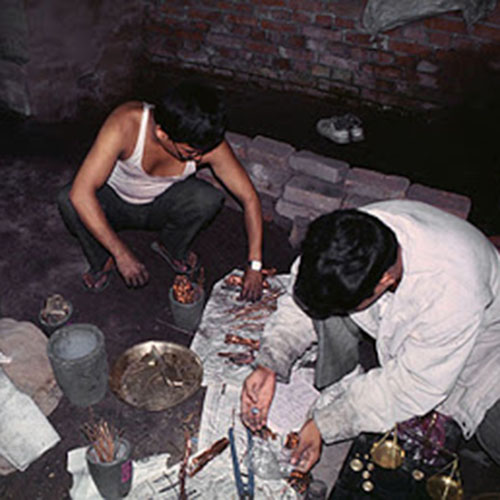
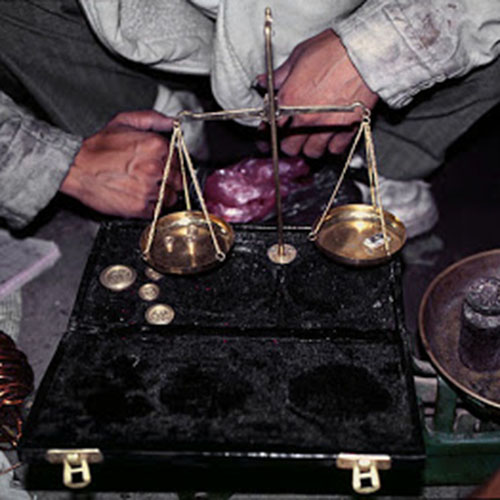
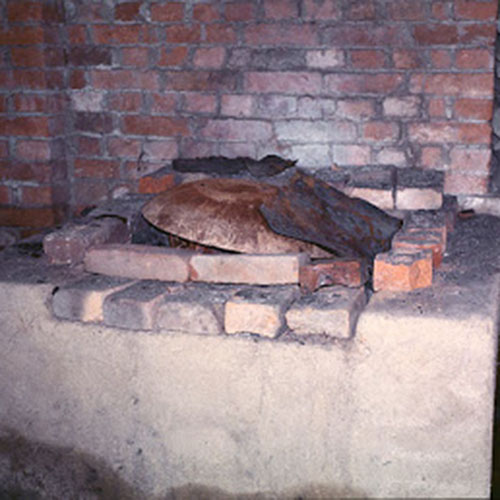
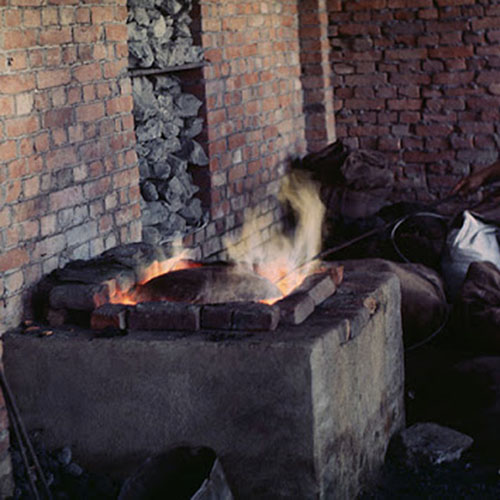
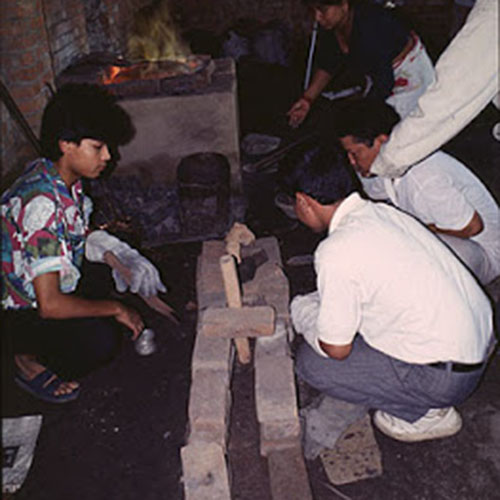
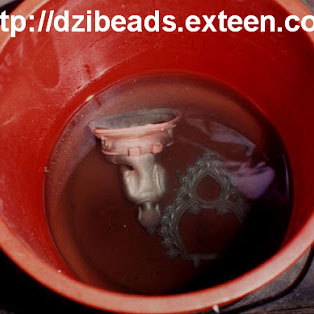
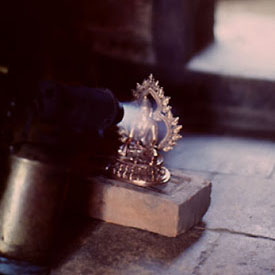
This Maya Devi is finished with full gold plating. also known as mercury gold plating or fire gold plating. This traditional technique involves the application of a genuine layer of gold onto the Maya Devi. Referred to as mercury gold plating, it is considered the correct and authentic form of gold plating in Nepal. Despite being more expensive than electroplating, this traditional mercury gold plating is gaining popularity again in Nepal. People are drawn to its authenticity, longevity, and the unmatched beauty it brings to the Maya Devi. The resurgence of interest in this traditional form of gold plating reflects a growing appreciation for the craftsmanship and cultural heritage of Nepal Read More
Lost-Wax System
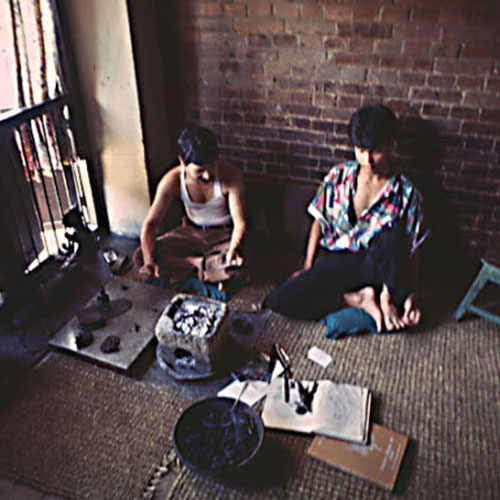
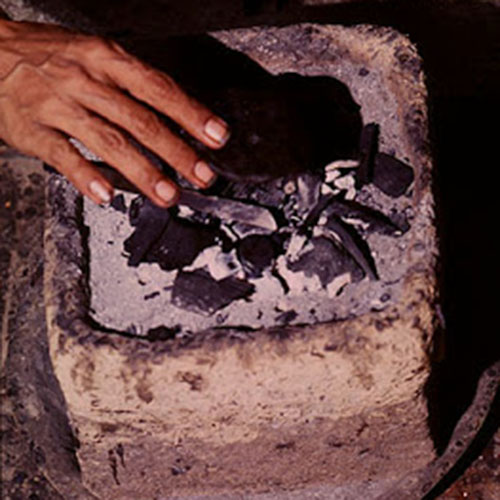
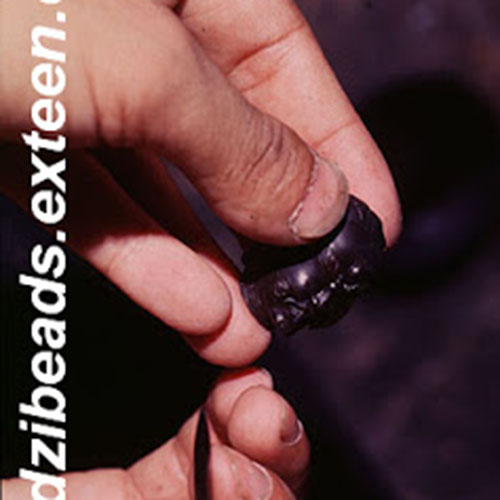
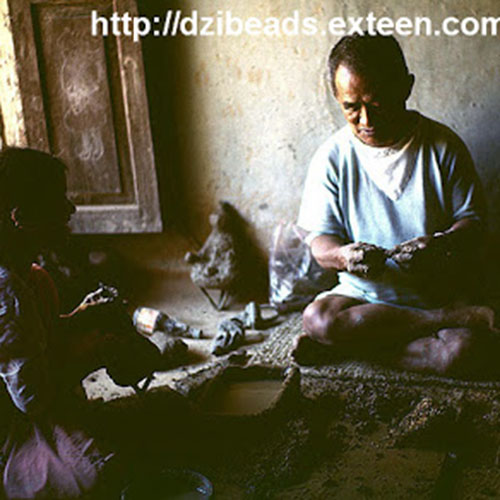
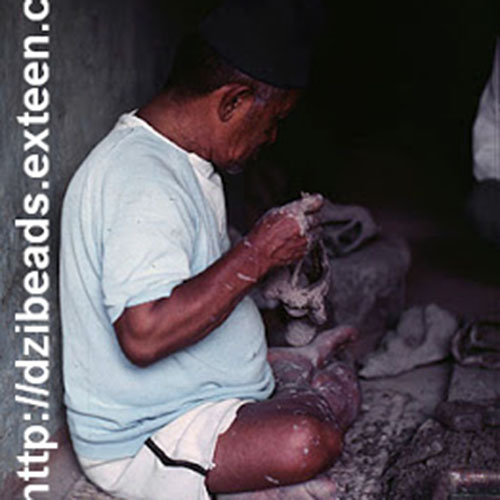
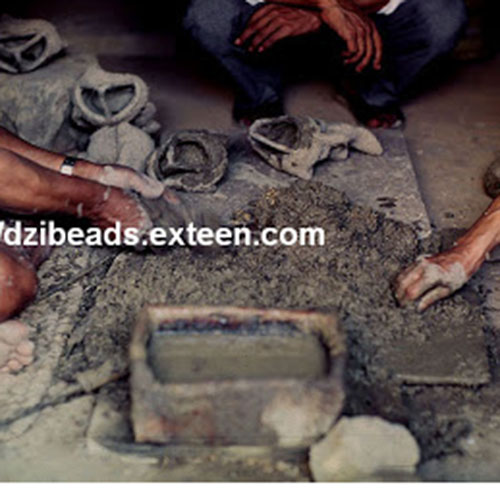
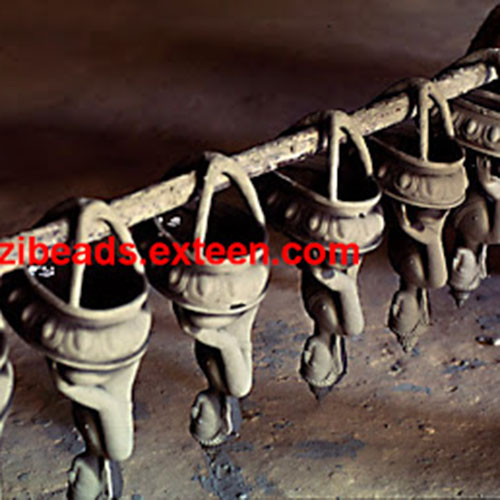
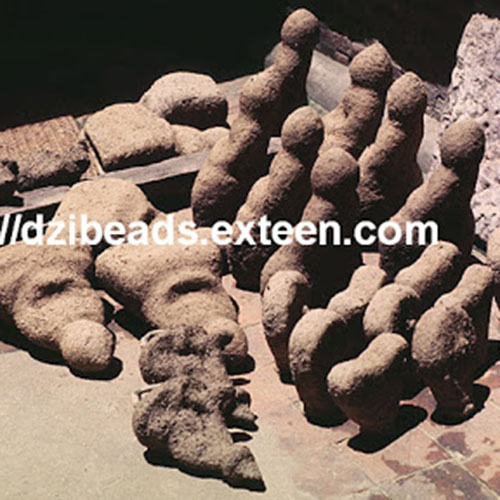
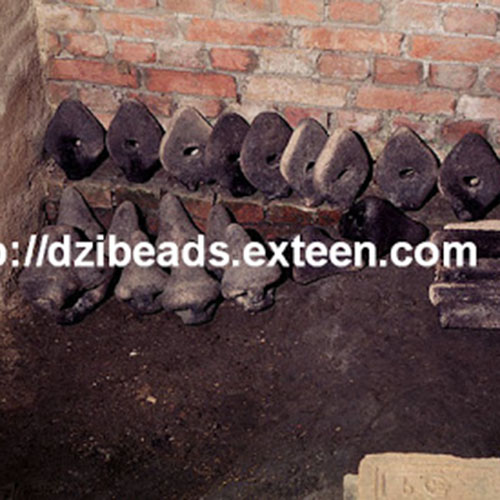
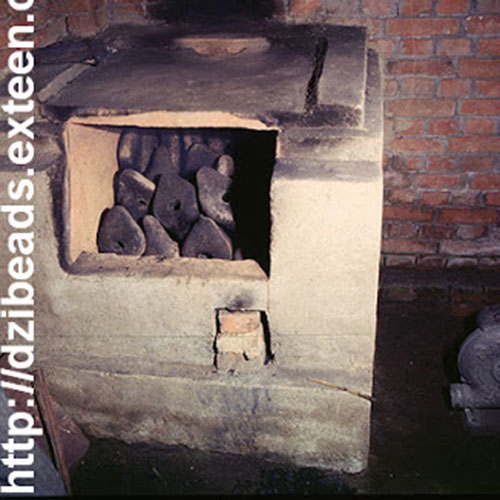
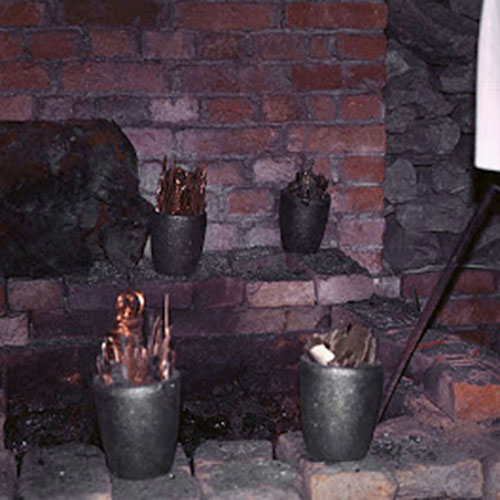
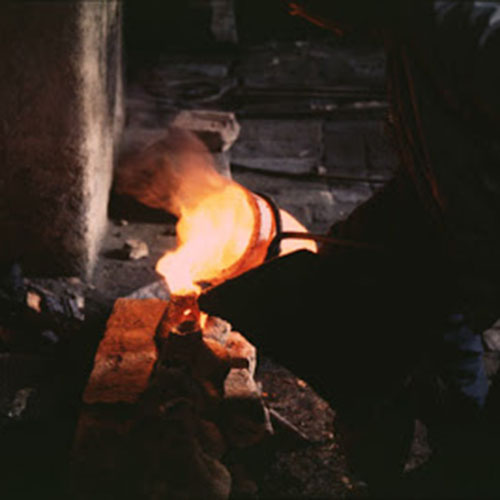
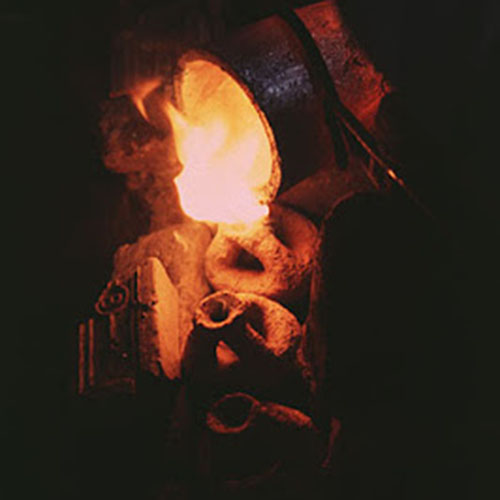
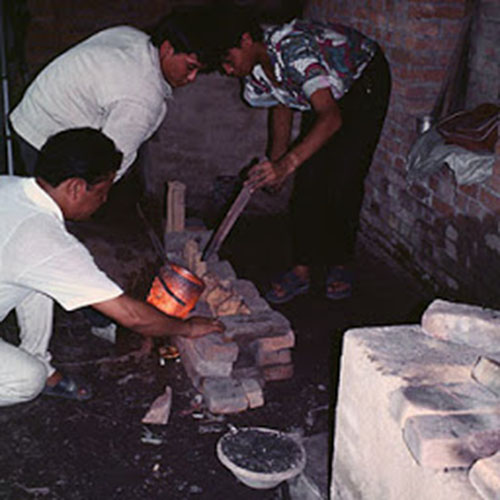
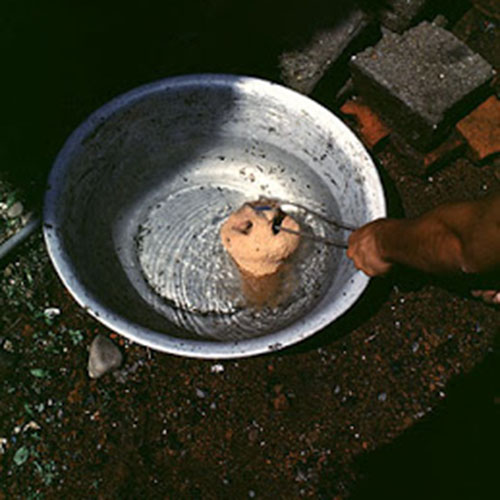
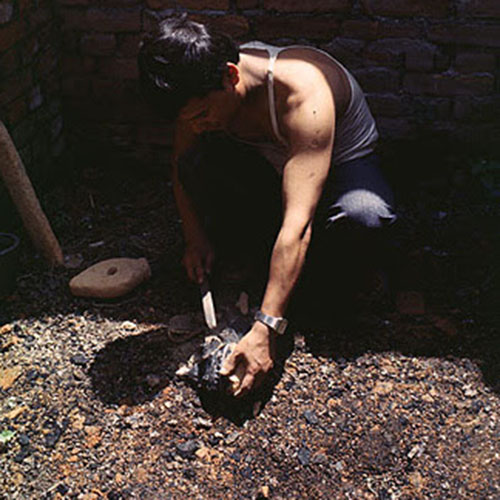
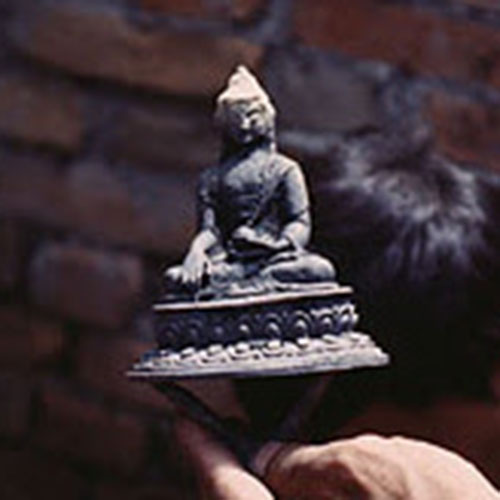
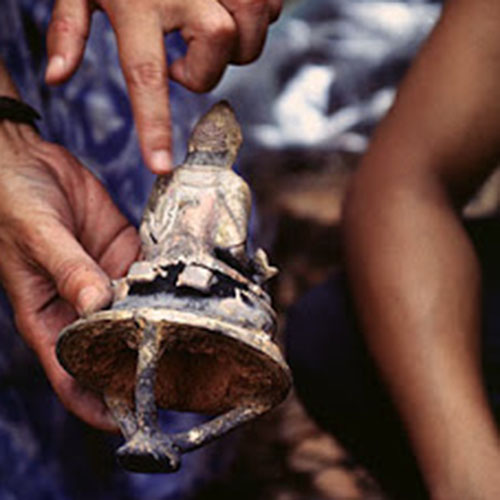
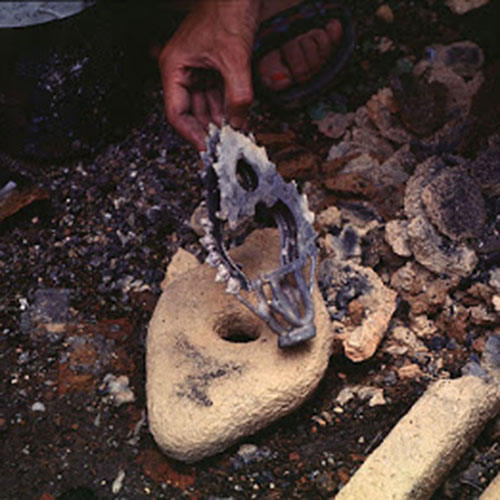
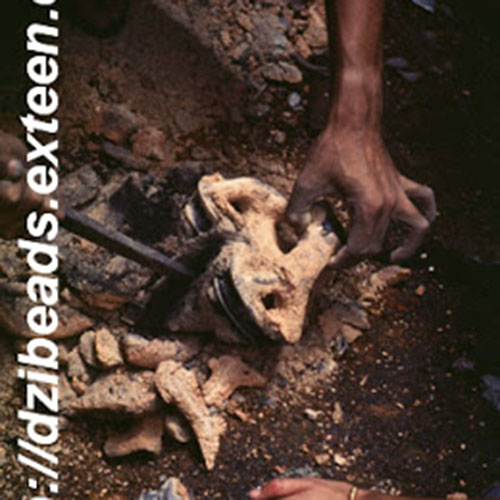
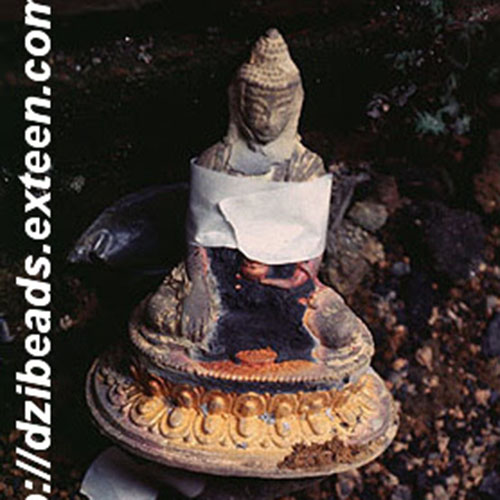
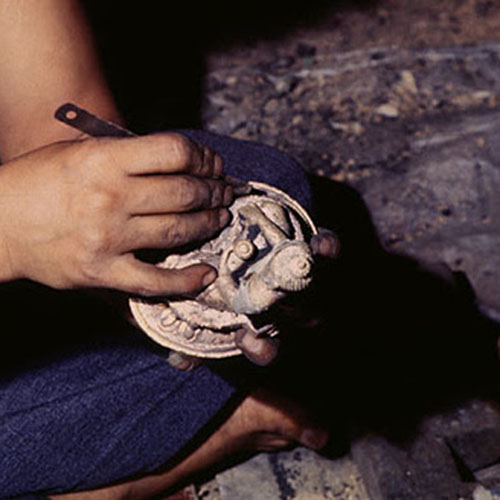
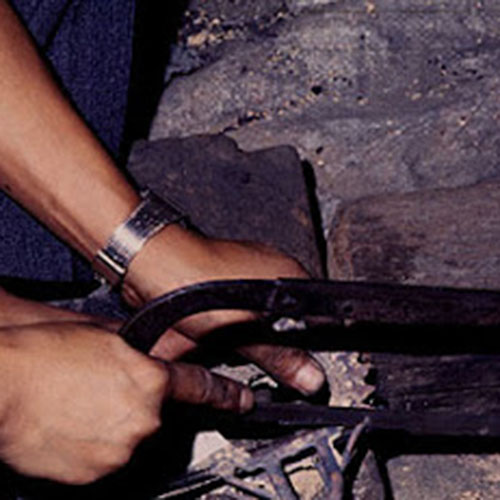
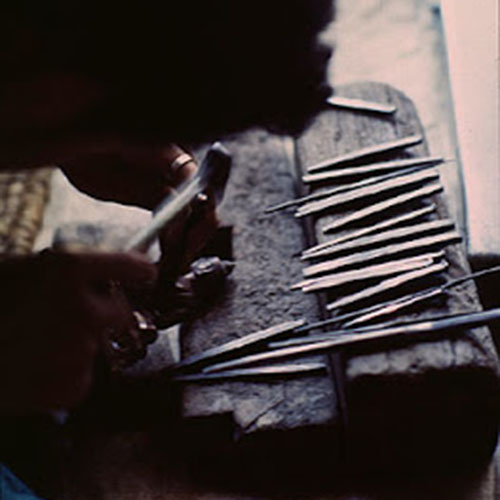
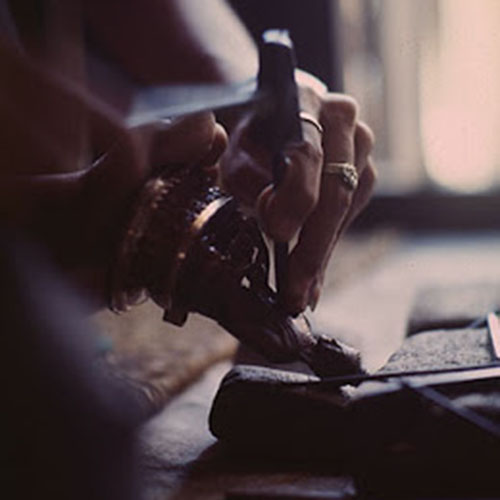
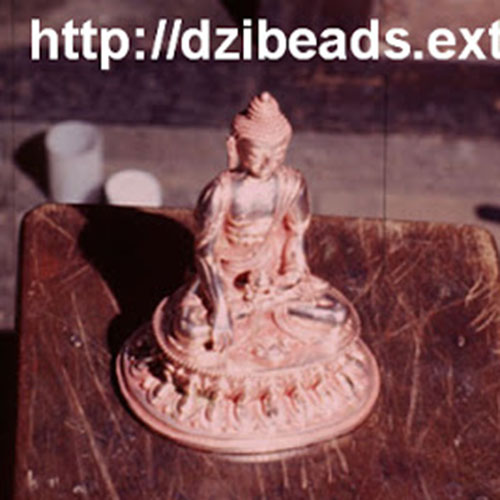
This Maya Devi is made by the process of the Lost-Wax system. The lost-wax process, also known as investment casting, is a time-honored technique used to create metal sculptures. It involves several steps that have been practiced for thousands of years. Skilled artisans begin by sculpting a detailed wax model, capturing every intricate detail of the desired sculpture. The wax model is then coated with a ceramic shell, formed by multiple layers of ceramic material. Once the shell has cured, the wax is melted and drained out, leaving behind a cavity. Molten metal is poured into the cavity, creating a precise replica of the original wax model. After the metal has cooled and solidified, the ceramic shell is carefully removed, revealing the final metal sculpture. Read More
Related Products

20 cm
Monastery Quality Buddhist Statue Of Maya Devi Full Fire Gold Plated, Painted Face
US$ 340.00
25% off
$ 450.00
$ 450.00

45 cm
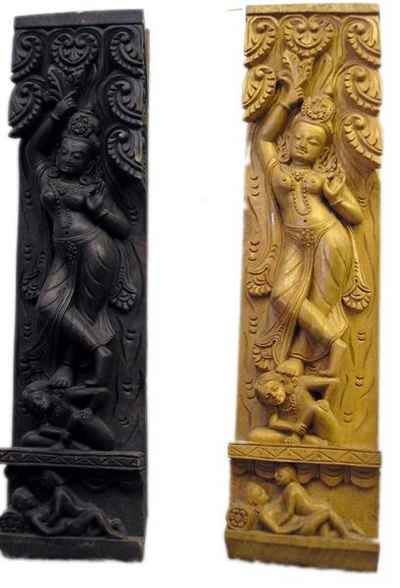
Wooden Hand Carved Mayadevi
US$ 45.00
25% off
$ 60.00
$ 60.00

54 cm
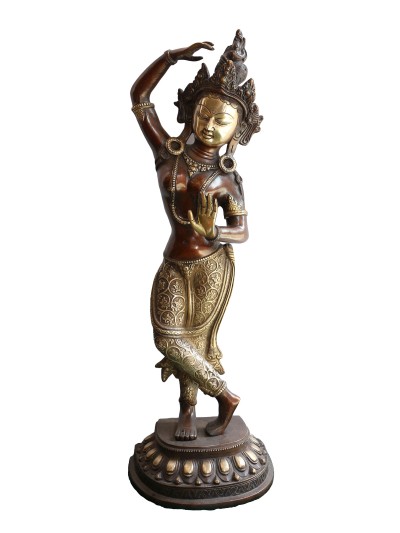
Buddhist Statue Of Queen Maya Devi
US$ 220.00
25% off
$ 298.00
$ 298.00

65 cm
Buddhist Statue Of Maya Devi, Sand Casting, Glossy Finishing
US$ 190.00
25% off
$ 257.00
$ 257.00