

Loading Content..
Please wait...
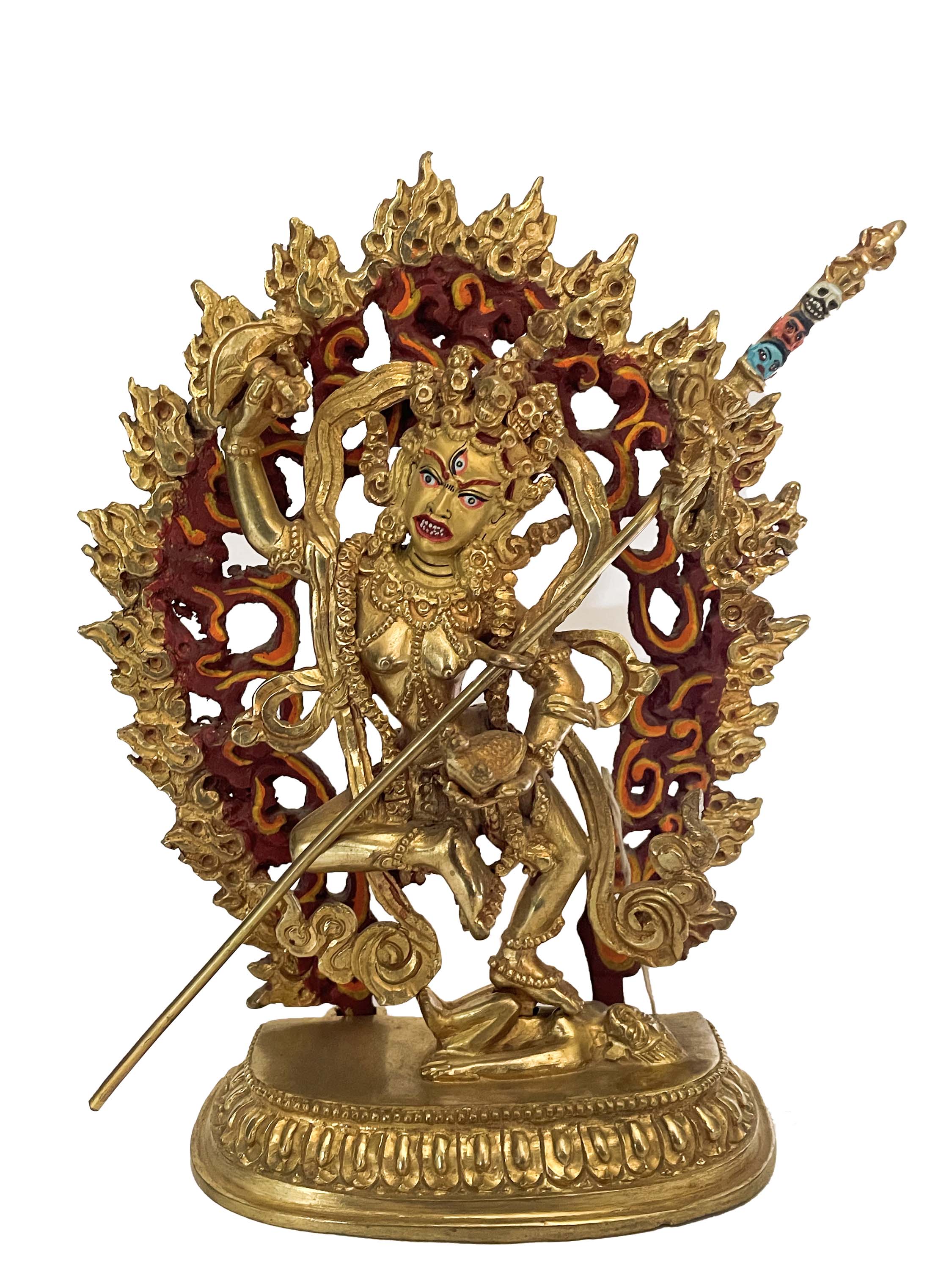


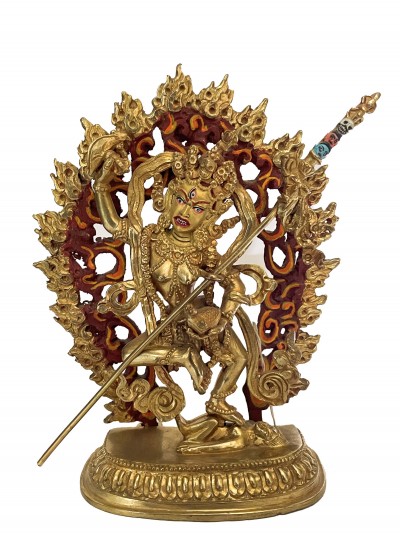
Handmade Nepali Statue of Nairatma Yogini - Torma Nagmo, Full Gold Plated, Face Painted , Goddess of selflessness, embodying the essence of ultimate reality
Dagmedma
Wu Wo Fo Mu
Muga Nyorai
|
|
Product Specification |
|
| Code | HME22345 |
| Size |
Height 17cm (7") Width 11cm (4") Depth 45cm (18") |
Weight | 874 gm - 1.93 lbs |
| Material | Copper Gold Plated |
| Availability | Available |
Order configuration (Optional)
Filling & Blessing
HIDE Select Option
Click Here to View All Option and Prices

Select

Select

Select

Select
Statue Finishing
HIDE Select Option
Click Here to View All Option and Prices

Select

Select

Select

Select

Select

Select

Select

Select

Select

Select

Select

Select

Select

Select

Select

Select

Select

Select

Select

Select

Select

Select

Select

Select

Select

Select

Select

Select

Select

Select

Select

Select

Select

Select

Select

Select

Select

Select

Select

Select
| Quantity | PCS |
US$ 230.00
$ 300.00 -25% off
Shipping Cost
|
| Price Adjustment [ Discount Ends in : 40 days ] |
||
Shipping Calculation
weight of 1 Pcs of the product is 3 kg and will cost USD $ 58.00
-
Item location: kathmandu, Nepal
Worldwide shipping - Dispatch
-
We normally dispatch the product in 2-5 business days. Else Buyer will be infromed personally about the dispatch Date.
- Payment
- Paypal | Credit - Debit Card | Bank Transfer | See More
- Return
- 7 days money back, buyer pays return shipping
Welcome to Handmade Handicraft
At Handmade Handicraft, we prioritize simplicity, reflected in our user-friendly website design. We have streamlined the process so everything you need is just a click away.
While our website does not support online shopping, we've incorporated a convenient shopping cart system to assist you in sending us your inquiries. Please note, we do not process payments on our site. All transactions will be handled via email, respecting the inquiries you submit.
Should you encounter any issues while submitting your inquiries, please contact us via mobile app, email, or follow the procedure outlined below. We've provided documentation to guide you through the selection process.
selecting Procedure
In every product you will find Order Now and Quick Inquiry buttons, they are the two process of sending us your enquiry.
If you have any questions or need assistance, please don't hesitate to reach out to us. We are here to help you with your inquiries and ensure a smooth experience.
Nairatmya Yogini
Nairatmya Yogini is a female Buddha in Tibetan Buddhism, the consort of Hevajra in the Hevajra-tantra. She is also known as Dagmema, which means "ego-less woman." Nairatmya is a powerful symbol of non-duality and emptiness, and she is often depicted with three eyes, bared fangs, and a crown of skulls. Read More
Iconography
Nairatmya is typically depicted as a black-skinned figure with one face and two hands. She is often seated in a lotus position, with her right hand holding aloft a curved knife and her left hand holding a skullcup to her heart. She may also be depicted with a katvanga (a ritual staff) in the bend of her elbow. Nairatmya's three eyes represent her ability to see the past, present, and future, and her bared fangs represent her fierce determination to overcome ignorance and delusion. The crown of skulls represents the death of the ego, and the skullcup represents the nectar of wisdom.
History
The cult of Nairatmya originated in India, where she was first worshipped as a yogini. She was later introduced to Tibet, where she became one of the most important deities in the Buddhist pantheon. Nairatmya is often seen as a patron deity of tantric practitioners, and she is frequently depicted in mandalas and thangkas.
Temples and Monasteries
There are no temples dedicated specifically to Nairatmya in Nepal, but she is often worshipped in temples dedicated to other deities, such as Hevajra and Vajrayogini. There are also a number of monasteries in Nepal where Nairatmya is worshipped, such as the Sakya Monastery in Kathmandu and the Gyume Tantric Monastery in Dolpo.
Benefits of Practicing Nairatmya
There are many benefits to practicing Nairatmya, including:
Increased non-dual awareness
Reduced attachment to the ego
Increased compassion for others
Improved mental clarity
Increased peace and happiness
How to Practice Nairatmya
There are many different ways to practice Nairatmya. Some common practices include:
Chanting the mantra "Om Nairatmya Hum"
Visualizing Nairatmya
Offering prayers and supplications to Nairatmya
Serving others in the spirit of Nairatmya
Mantras of Nairatmya
The most famous mantra of Nairatmya is "Om Nairatmya Hum." This mantra is said to have many benefits, including:
Removing obstacles
Accumulating merit
Achieving enlightenment
Conclusion
Nairatmya Yogini is a powerful and compassionate deity who can help us to develop our own non-dual awareness and compassion. By practicing Nairatmya, we can bring more peace and happiness into our own lives and into the world.
Nairatmya is typically depicted as a black-skinned figure with one face and two hands. She is often seated in a lotus position, with her right hand holding aloft a curved knife and her left hand holding a skullcup to her heart. She may also be depicted with a katvanga (a ritual staff) in the bend of her elbow. Nairatmya's three eyes represent her ability to see the past, present, and future, and her bared fangs represent her fierce determination to overcome ignorance and delusion. The crown of skulls represents the death of the ego, and the skullcup represents the nectar of wisdom.
History
The cult of Nairatmya originated in India, where she was first worshipped as a yogini. She was later introduced to Tibet, where she became one of the most important deities in the Buddhist pantheon. Nairatmya is often seen as a patron deity of tantric practitioners, and she is frequently depicted in mandalas and thangkas.
Temples and Monasteries
There are no temples dedicated specifically to Nairatmya in Nepal, but she is often worshipped in temples dedicated to other deities, such as Hevajra and Vajrayogini. There are also a number of monasteries in Nepal where Nairatmya is worshipped, such as the Sakya Monastery in Kathmandu and the Gyume Tantric Monastery in Dolpo.
Benefits of Practicing Nairatmya
There are many benefits to practicing Nairatmya, including:
Increased non-dual awareness
Reduced attachment to the ego
Increased compassion for others
Improved mental clarity
Increased peace and happiness
How to Practice Nairatmya
There are many different ways to practice Nairatmya. Some common practices include:
Chanting the mantra "Om Nairatmya Hum"
Visualizing Nairatmya
Offering prayers and supplications to Nairatmya
Serving others in the spirit of Nairatmya
Mantras of Nairatmya
The most famous mantra of Nairatmya is "Om Nairatmya Hum." This mantra is said to have many benefits, including:
Removing obstacles
Accumulating merit
Achieving enlightenment
Conclusion
Nairatmya Yogini is a powerful and compassionate deity who can help us to develop our own non-dual awareness and compassion. By practicing Nairatmya, we can bring more peace and happiness into our own lives and into the world.
Gold Painted Face
The face of Nairatmya Yogini is painted with gold to enhance its significant features, particularly the eyes, and lips. This detailed painting is essential as it brings forth the crucial attributes of the expression of eyes and lips that metal carving alone cannot capture.
Moreover, the painted face serves as a symbolic and sacred ritual in Buddhism, preparing the statue for consecration and practice. The act of painting the face with gold in Buddhism holds deep meaning. It represents the intention to bring life and expression to the statue, imbuing it with a sense of vitality and presence. The application of gold on the face showcases the devotion and craftsmanship of the artisans, ensuring that every detail is carefully attended to honor the sacred essence of the Nairatmya Yogini. Read More
Full Fire Gold Plating
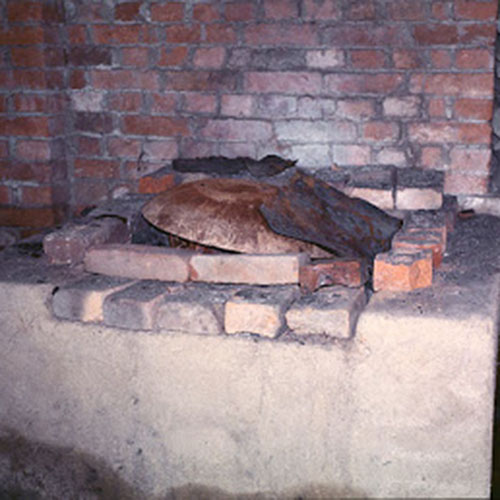
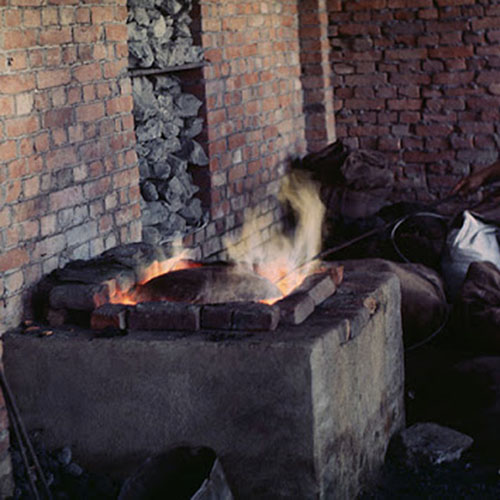
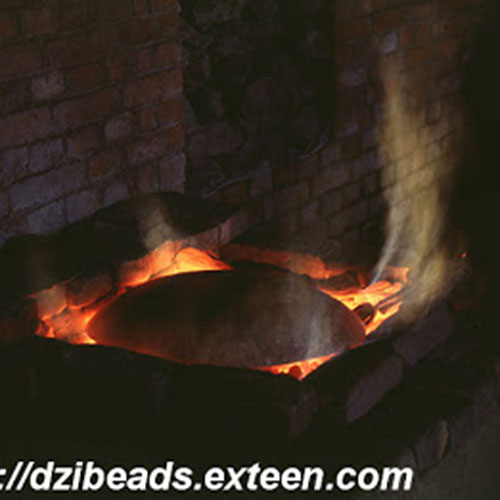
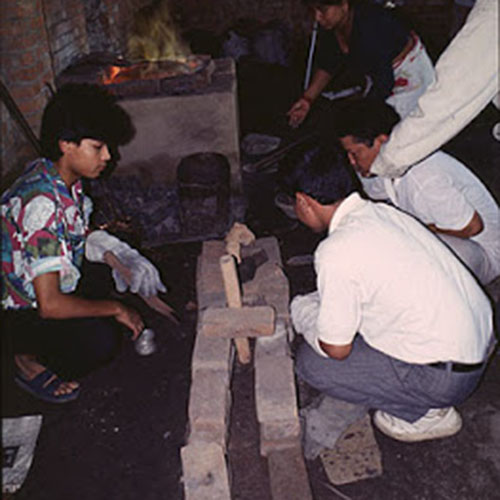
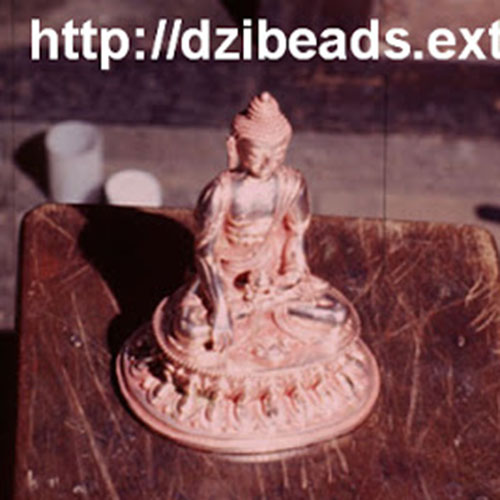
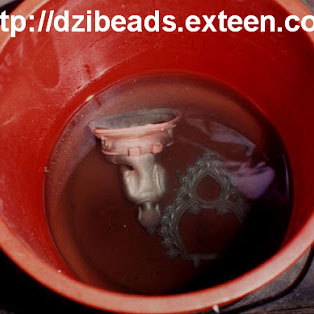
This Nairatmya Yogini is finished with full gold plating. also known as mercury gold plating or fire gold plating. This traditional technique involves the application of a genuine layer of gold onto the Nairatmya Yogini. Referred to as mercury gold plating, it is considered the correct and authentic form of gold plating in Nepal. Despite being more expensive than electroplating, this traditional mercury gold plating is gaining popularity again in Nepal. People are drawn to its authenticity, longevity, and the unmatched beauty it brings to the Nairatmya Yogini. The resurgence of interest in this traditional form of gold plating reflects a growing appreciation for the craftsmanship and cultural heritage of Nepal Read More
Lost-Wax System
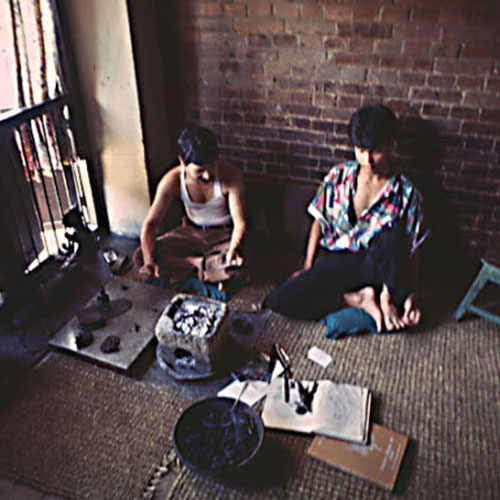
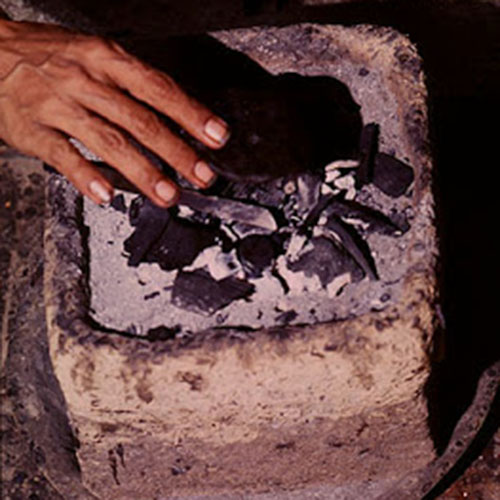
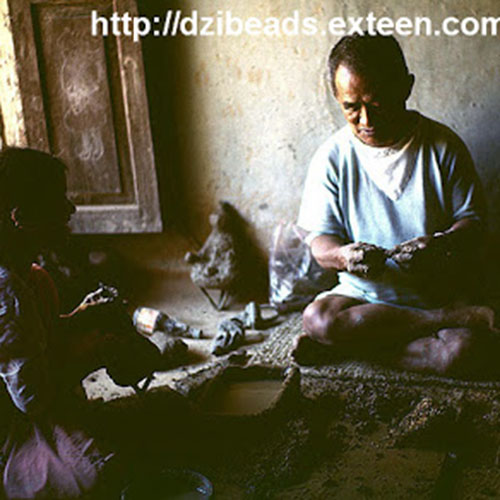
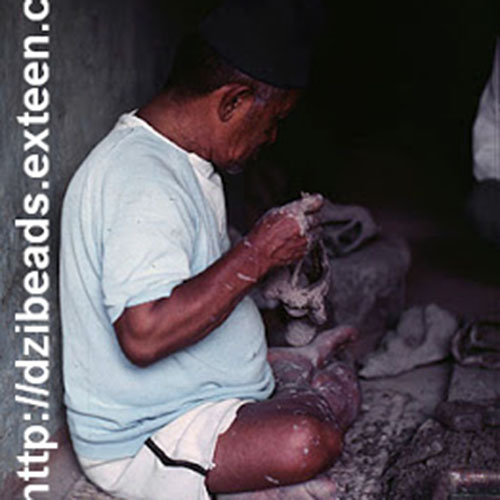
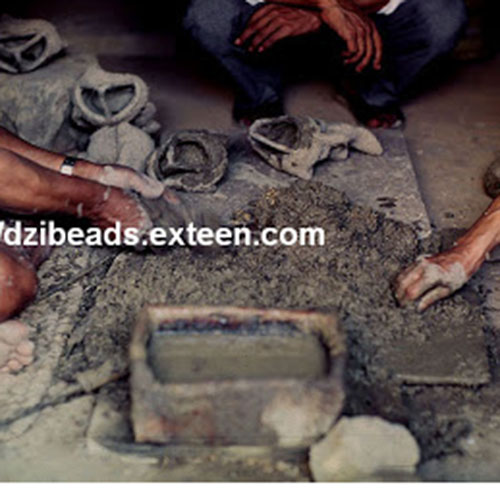
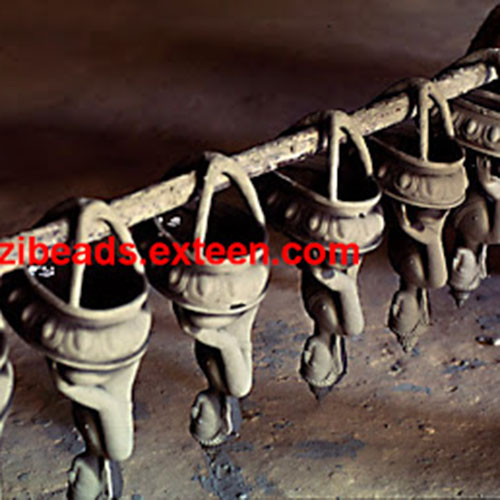
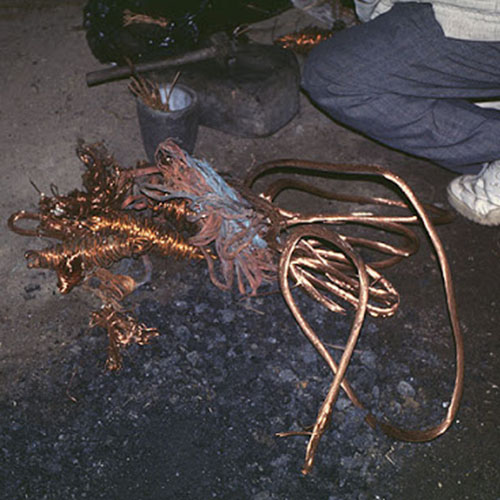
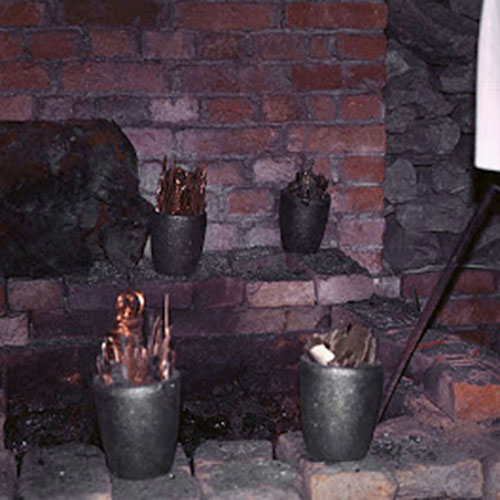
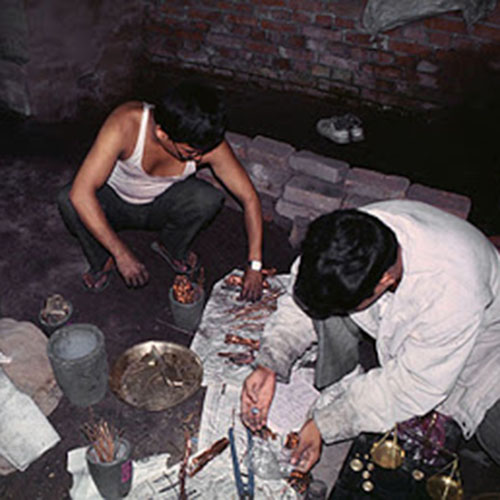
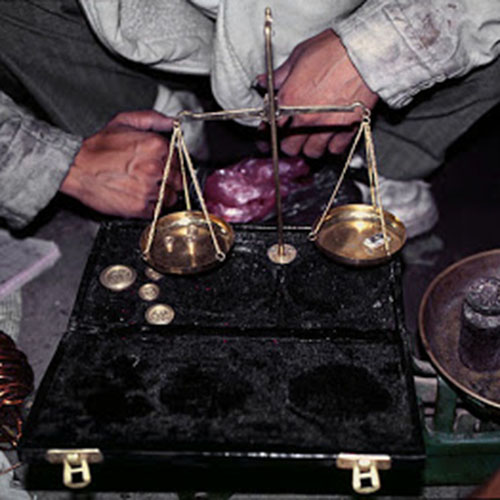
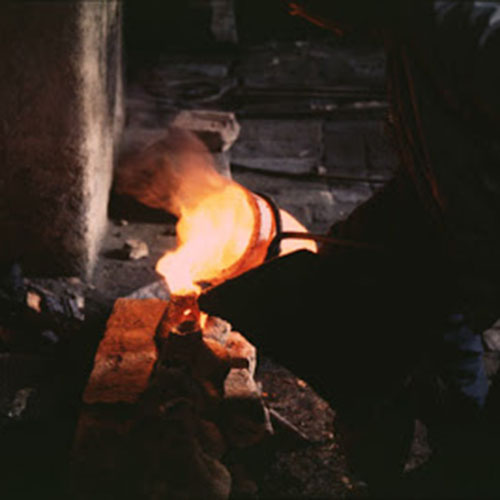
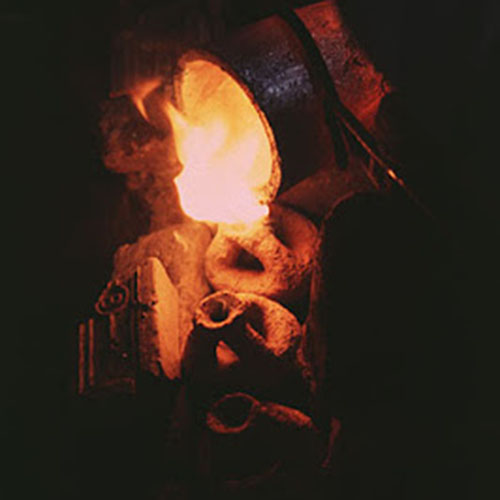
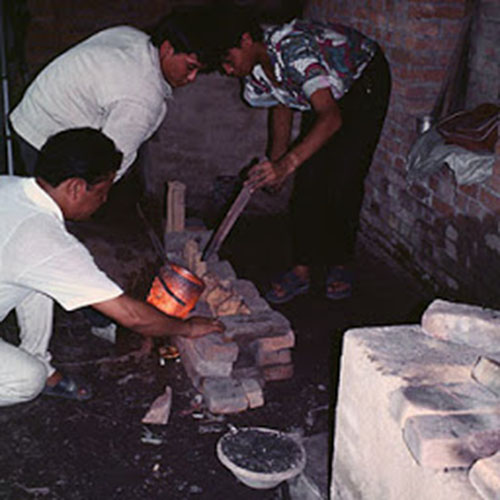
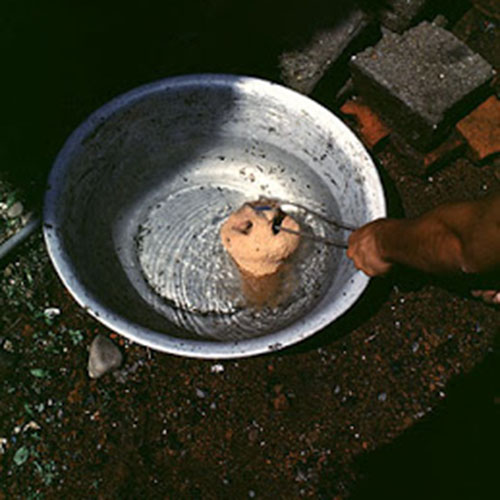
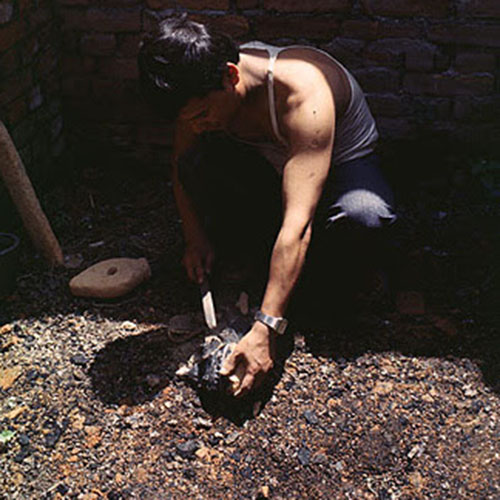
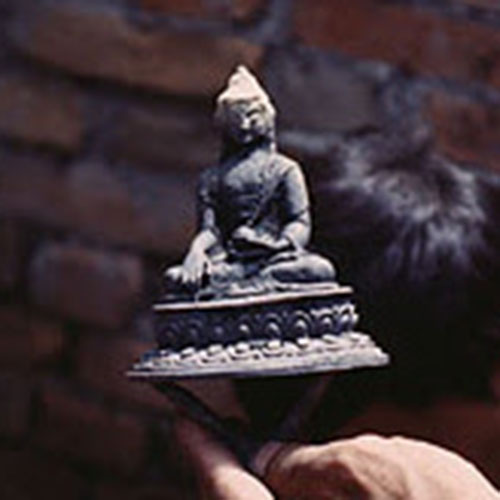
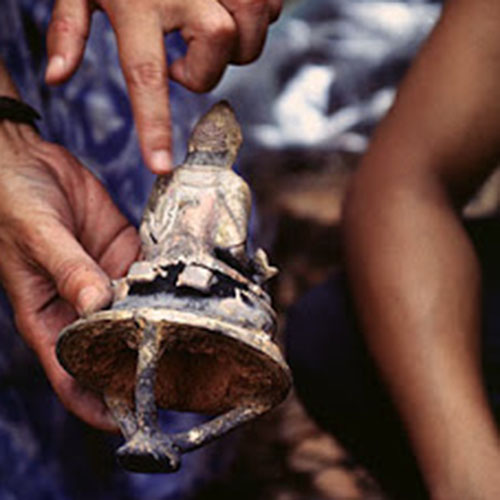
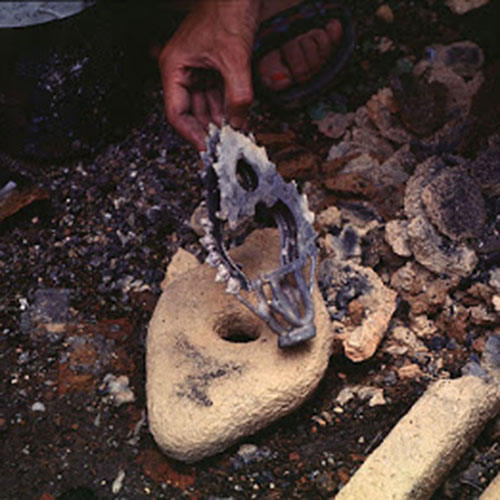
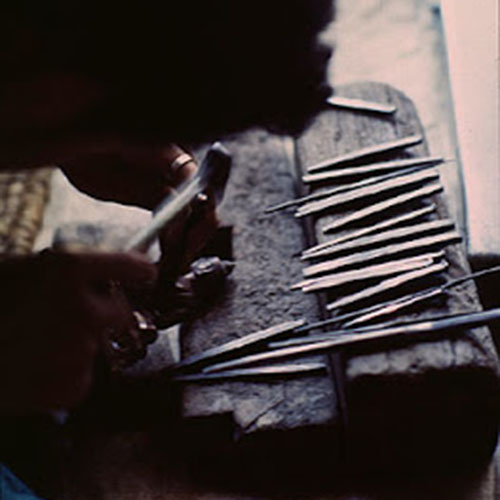
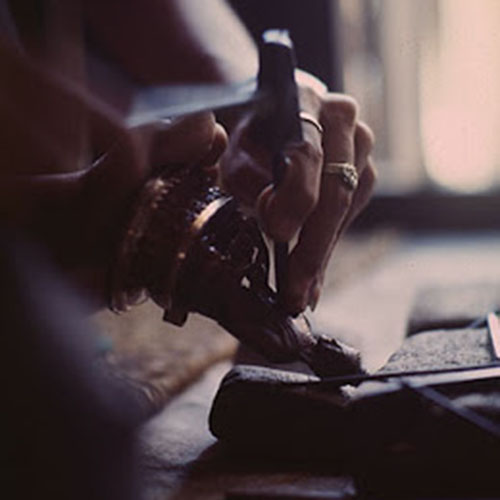
This Nairatmya Yogini is made by the process of the Lost-Wax system. The lost-wax process, also known as investment casting, is a time-honored technique used to create metal sculptures. It involves several steps that have been practiced for thousands of years. Skilled artisans begin by sculpting a detailed wax model, capturing every intricate detail of the desired sculpture. The wax model is then coated with a ceramic shell, formed by multiple layers of ceramic material. Once the shell has cured, the wax is melted and drained out, leaving behind a cavity. Molten metal is poured into the cavity, creating a precise replica of the original wax model. After the metal has cooled and solidified, the ceramic shell is carefully removed, revealing the final metal sculpture. Read More
Related Products

77 cm
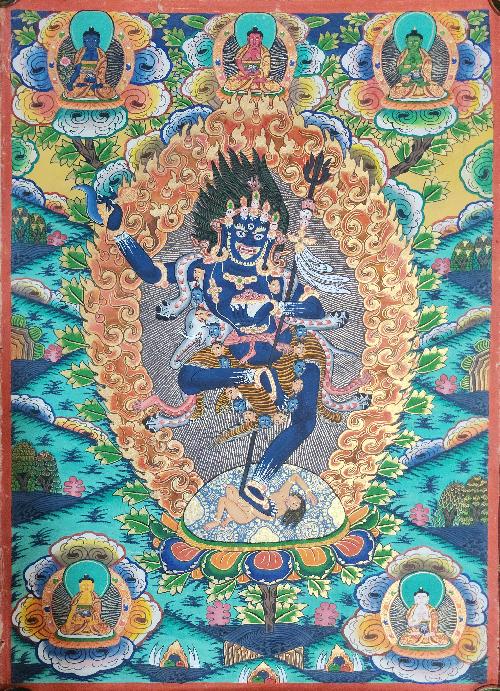
Nairatmya Yogini, Buddhist Traditional Painting, Hand Painted
US$ 180.00
25% off
$ 240.00
$ 240.00

45 cm
Handmade Nepali Statue Of Nairatma Yogini - Torma Nagmo, Full Gold Plated, Face Painted
US$ 230.00
25% off
$ 300.00
$ 300.00

65 cm
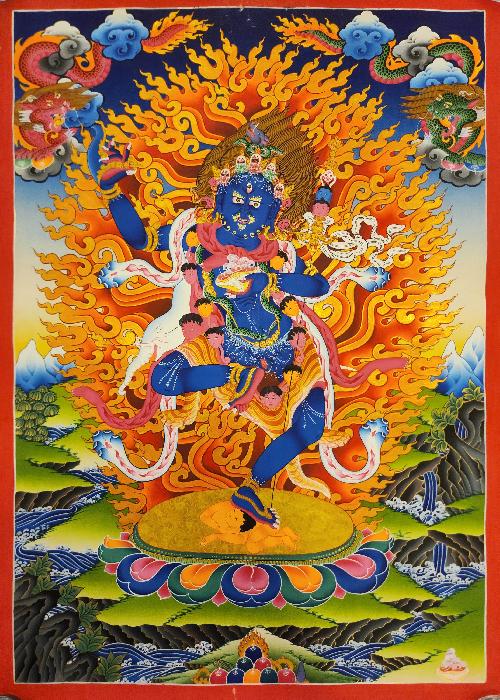
Nairatmya Yogini - Dagmema, Buddhist Handmade Thangka Painting, Real Gold, Guhayswari
US$ 420.00
25% off
$ 560.00
$ 560.00