

Loading Content..
Please wait...
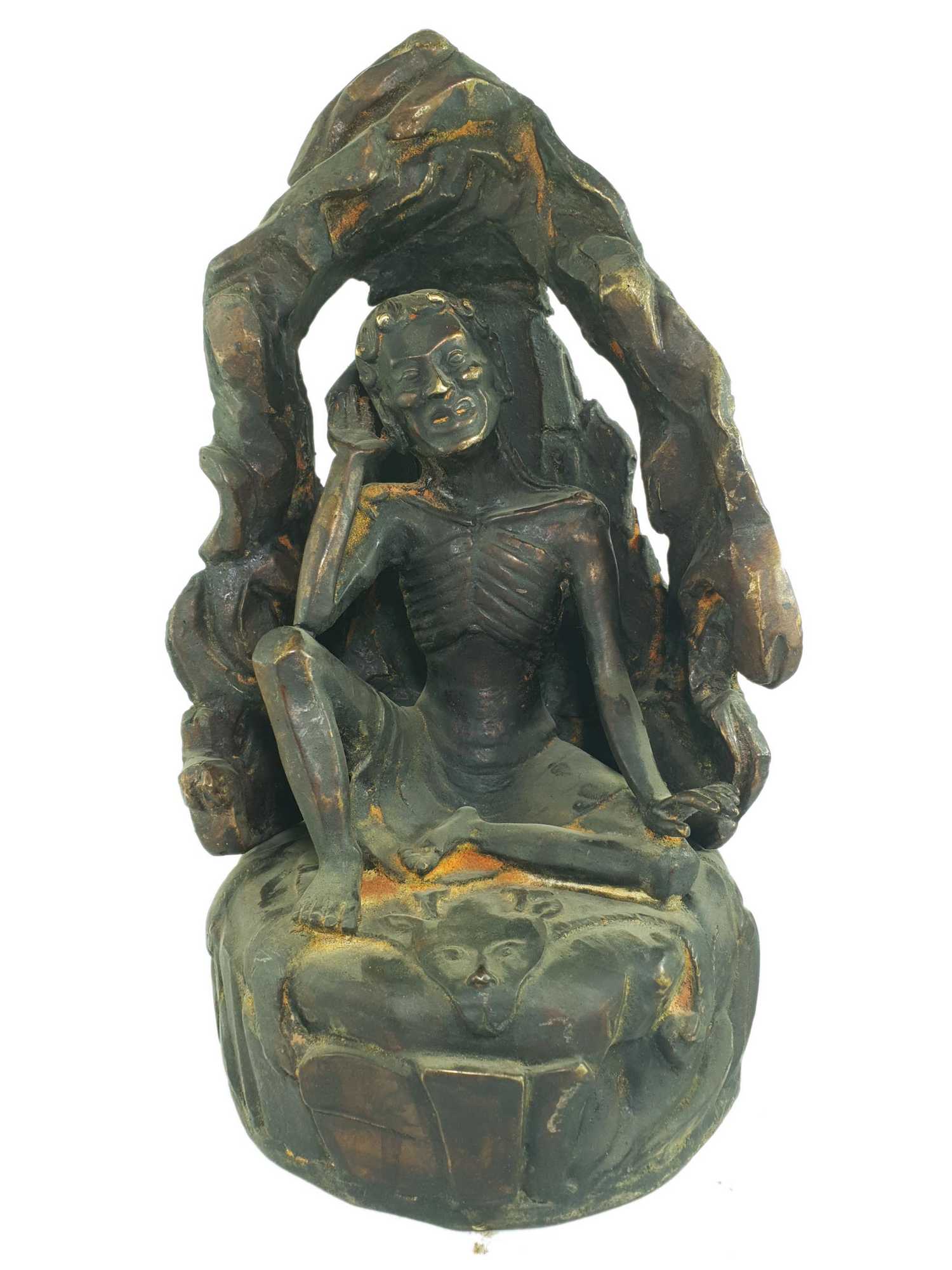
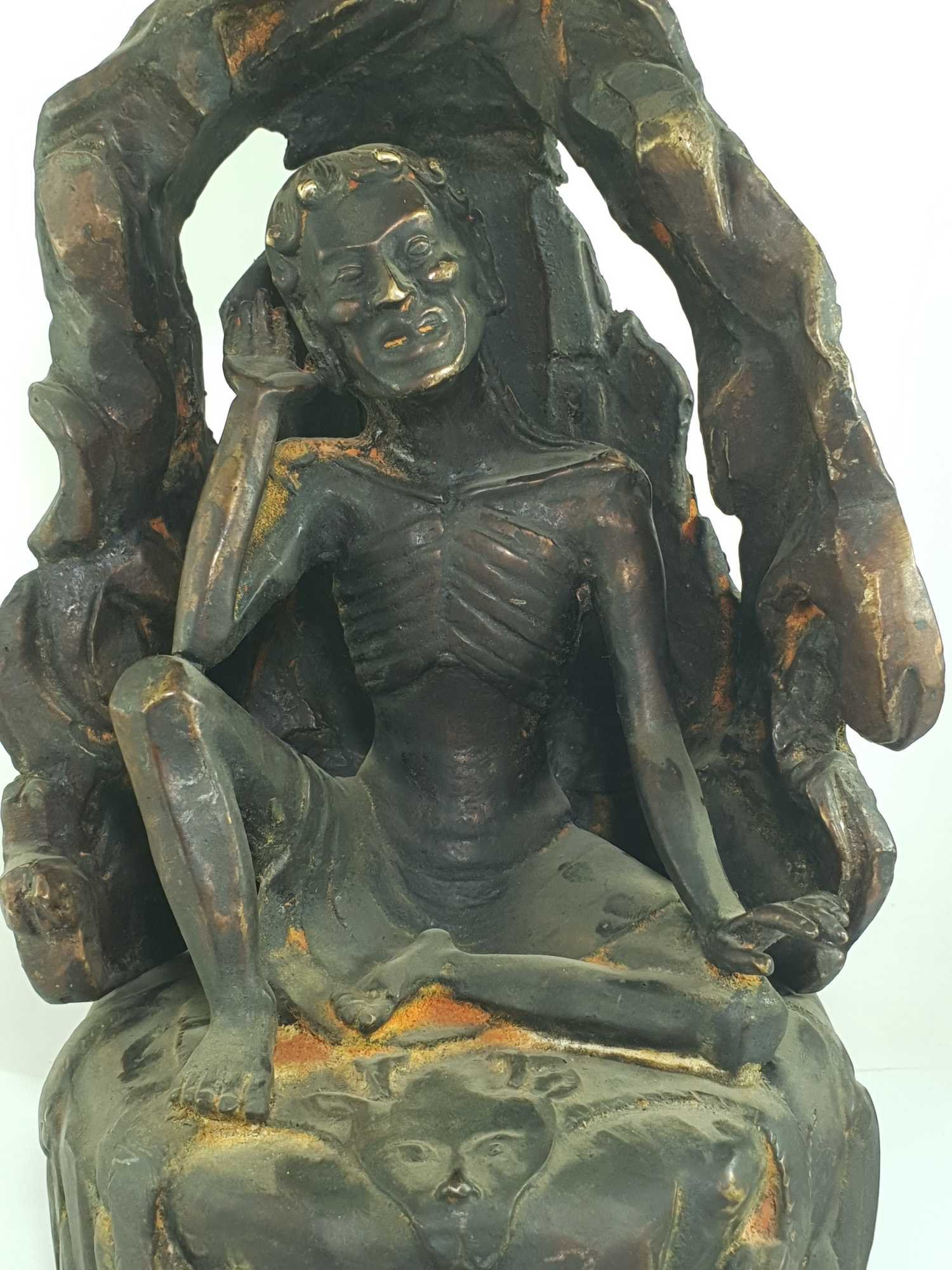
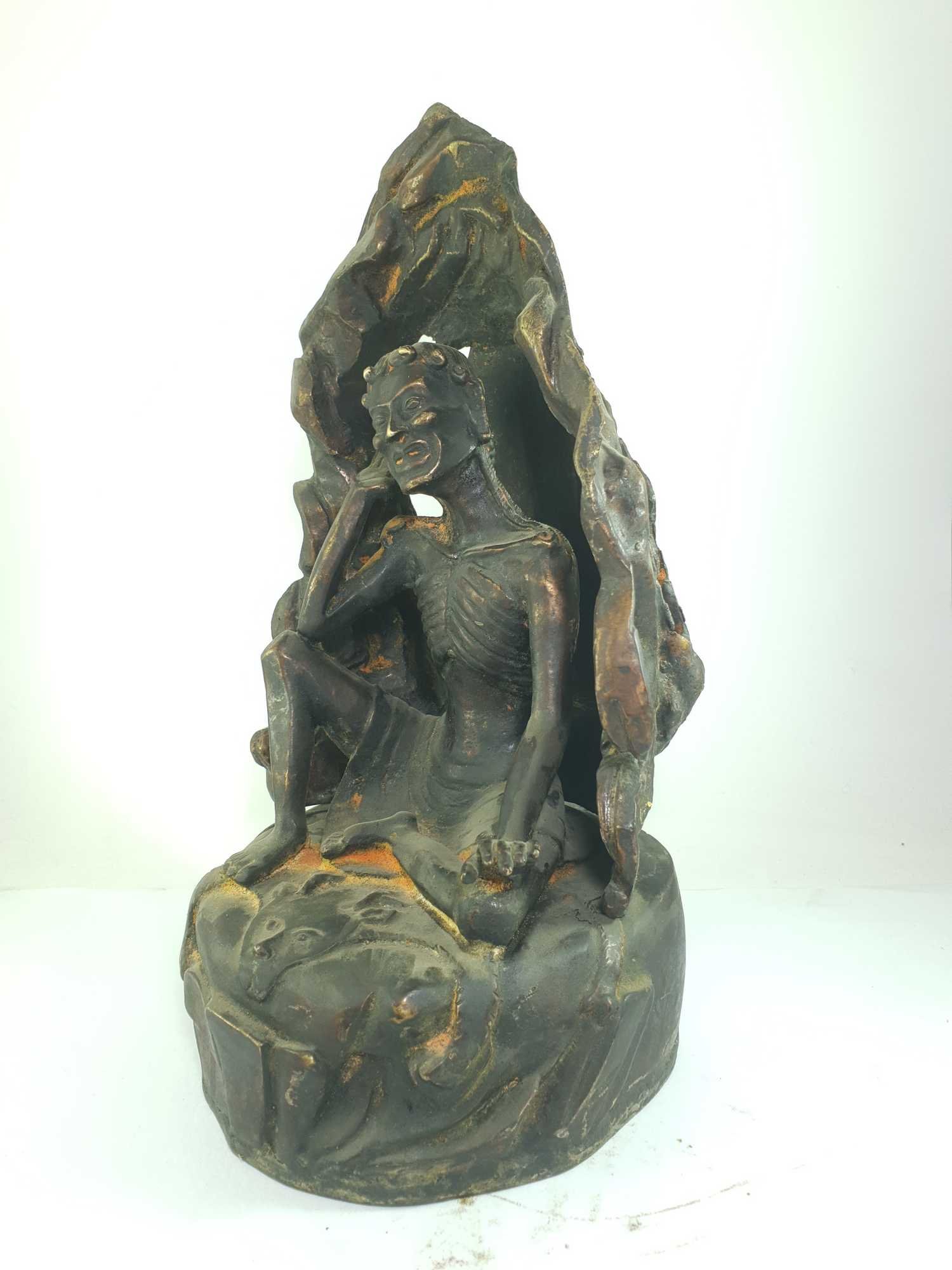
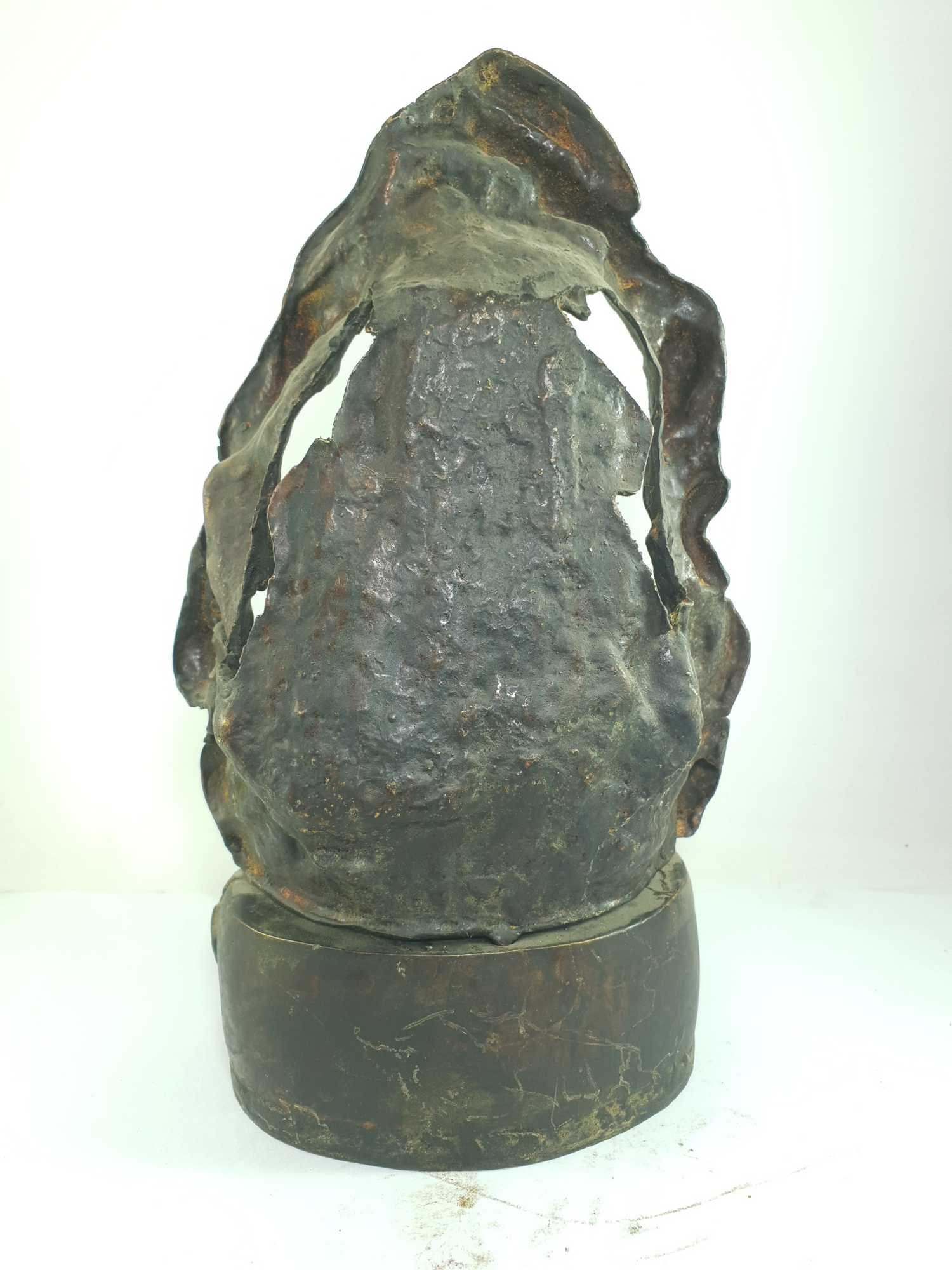

Tibetan Statue of Milarepa Antique Finishing , The great yogi, symbol of perseverance and enlightenment through hardship
Milarepa
Mila Repa
Mira Reipa
|
|
Product Specification |
|
| Code | HME18329 |
| Size |
Height 30cm (12") Width 15cm (6") Depth 15cm (6") |
Weight | 2.61 kg - 5.75 lbs |
| Material | Copper |
| Availability | Available |
Order configuration (Optional)
Filling & Blessing
HIDE Select Option
Click Here to View All Option and Prices

Select

Select

Select

Select
Statue Finishing
HIDE Select Option
Click Here to View All Option and Prices

Select

Select

Select

Select

Select

Select

Select

Select

Select

Select

Select

Select

Select

Select

Select

Select

Select

Select

Select

Select

Select

Select

Select

Select

Select

Select

Select

Select

Select

Select

Select

Select

Select

Select

Select

Select

Select

Select

Select

Select
| Quantity | PCS |
US$ 260.00
$ 350.00 -25% off
Shipping Cost
|
| Price Adjustment [ Discount Ends in : 41 days ] |
||
Shipping Calculation
weight of 1 Pcs of the product is 3 kg and will cost USD $ 58.00
-
Item location: kathmandu, Nepal
Worldwide shipping - Dispatch
-
We normally dispatch the product in 2-5 business days. Else Buyer will be infromed personally about the dispatch Date.
- Payment
- Paypal | Credit - Debit Card | Bank Transfer | See More
- Return
- 7 days money back, buyer pays return shipping
Welcome to Handmade Handicraft
At Handmade Handicraft, we prioritize simplicity, reflected in our user-friendly website design. We have streamlined the process so everything you need is just a click away.
While our website does not support online shopping, we've incorporated a convenient shopping cart system to assist you in sending us your inquiries. Please note, we do not process payments on our site. All transactions will be handled via email, respecting the inquiries you submit.
Should you encounter any issues while submitting your inquiries, please contact us via mobile app, email, or follow the procedure outlined below. We've provided documentation to guide you through the selection process.
selecting Procedure
In every product you will find Order Now and Quick Inquiry buttons, they are the two process of sending us your enquiry.
If you have any questions or need assistance, please don't hesitate to reach out to us. We are here to help you with your inquiries and ensure a smooth experience.
Milarepa
Milarepa is one of the most widely known Tibetan Saints. In a superhuman effort, he rose above the miseries of his younger life and with the help of his Guru, Marpa the Translator, took to a solitary life of meditation until he had achieved the pinnacle of the enlightened state, never to be born again into the Samsara (whirlpool of life and death) of worldly existence. Out of compassion for humanity, he undertook the most rigid asceticism to reach the Buddhic state of enlightenment and to pass his accomplishments on to the rest of humanity. His spiritual lineage was passed along to his chief disciples, Gambopa and Rechung. It was Rechung who recorded in detail the incidents of Milarepa's life for posterity. The narrative of his life has thus been passed down through almost a millennium of time and has become an integral part of Tibetan culture. In addition to Rechung's narrative of his life, summarized below, Milarepa extemporaneously composed innumerable songs throughout his life relevant to the dramatic turns of events of himself and his disciples in accordance with an art form that was in practice at the time. These songs have been widely sung and studied in Tibet ever since and have been recorded as the Hundred Thousand Songs of Milarepa. His faithful devotion, boundless religious zeal, monumental forbearance, superhuman perseverance, and ultimate final attainment are a great inspiration today for all. His auspicious life illumined the Buddhist faith and brought the light of wisdom to sentient beings everywhere. Read More
Iconography
Milarepa is mostly seen sitted
Life Story
Born in the village of Kya Ngatsa - also known as Tsa - in Gungthang province of western Tibet to a prosperous family he was named Mila Thöpaga (Thos-pa-dga'), which means "A joy to hear." His family name, Josay indicates noble descent, a sept of the Khyungpo or eagle clan. When his father died, Milarepa's uncle and aunt took all of the family's wealth. At his mother's request, Milarepa left home and studied sorcery. While his aunt and uncle were having a party to celebrate the impending marriage of their son, he took his revenge by summoning a giant hail storm to demolish their house, killing 35 people, although the uncle and aunt are supposed to have survived. The villagers were angry and set off to look for Milarepa, but his mother got word to him and he sent a hailstorm to destroy their crops.
Many of Milarepa's deeds took place in Chokyi Dronma's homeland and his life and songs were compiled by Tsangnyon Heruka, sponsored by Chokyi Dronma's brother, the Gungthang king Thri Namgyal De.
Milarepa later lamented his evil ways in his older years: "In my youth I committed black deeds. In maturity I practiced innocence. Now, released from both good and evil, I have destroyed the root of karmic action and shall have no reason for action in the future. To say more than this would only cause weeping and laughter. What good would it do to tell you? I am an old man. Leave me in peace."
Linage
Milarepa is famous for many of his songs and poems, in which he expresses the profundity of his realization of the dharma. He also had many disciples, male and female, including Rechung Dorje Drakpa (Ras-chung Rdo-rje Grags-pa) and Gampopa (Sgam-po-pa, Dhakpo Lhaje). His female disciples include Rechungma, Padarbum, Sahle Aui and Tsheringma.It was Gampopa who became Milarepa's spiritual successor, continued his lineage, and became one of the main lineage masters in Milarepa's tradition.
Process: Sand Casting
This Milarepa has been created using the sand casting system, also known as sand molding casting. This widely employed manufacturing process utilizes a sand mold to produce metal products and components in various sizes and shapes. Sand casting holds significant popularity in the industry, accounting for approximately 60% of all metal castings. The sand casting process involves six primary steps. First, a pattern or replica of the desired sculpture, in this case, Milarepa, is created using a material like wood or metal. The pattern is then placed in a flask, which is a box-like structure divided into two halves. The next step involves packing the flask tightly with specially formulated molding sand, creating a mold cavity that matches the shape of the pattern. The pattern is subsequently removed, leaving behind a negative impression of the sculpture within the sand mold. Read More
Related Products

7 cm
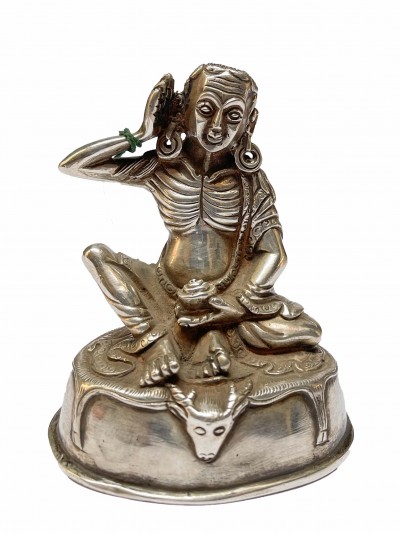
Master Quality, Sterling Silver, 208Gram Statue Of Milarepa, Old Stock, Rare Find
US$ 770.00
25% off
$ 1,020.00
$ 1,020.00

28 cm
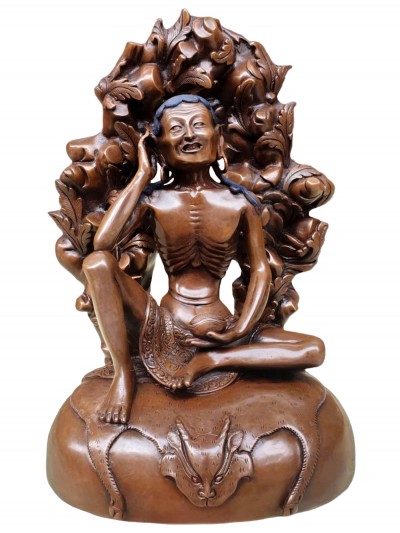
Buddhist Statue Of Milarepa, Chocolate Oxidized
US$ 980.00
25% off
$ 1,300.00
$ 1,300.00

10 cm
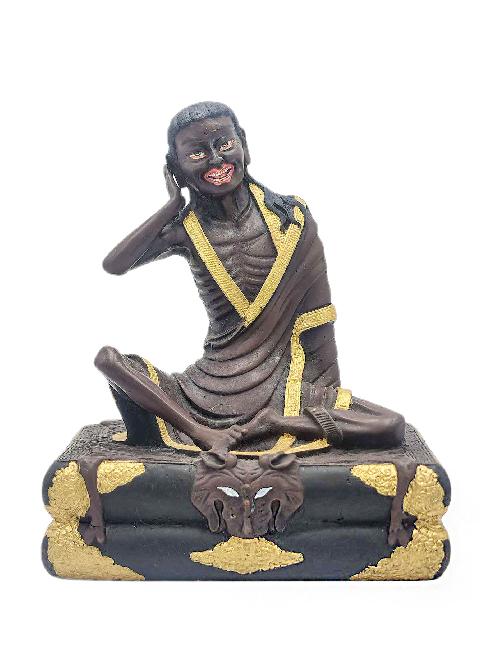
Milarepa, Buddhist Miniature Statue, Chocolate Oxidized
US$ 150.00
25% off
$ 200.00
$ 200.00

56 cm
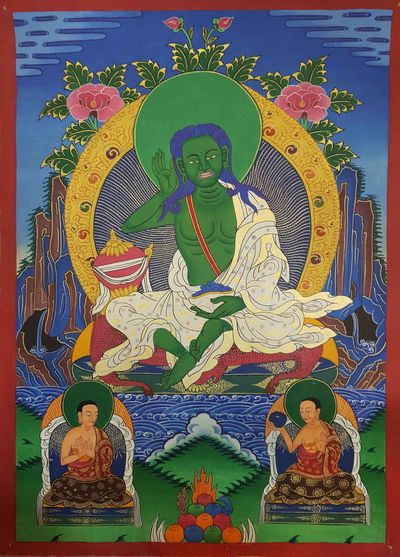
Old Thangka Of Milarespa
US$ 640.00
25% off
$ 850.00
$ 850.00