

Loading Content..
Please wait...
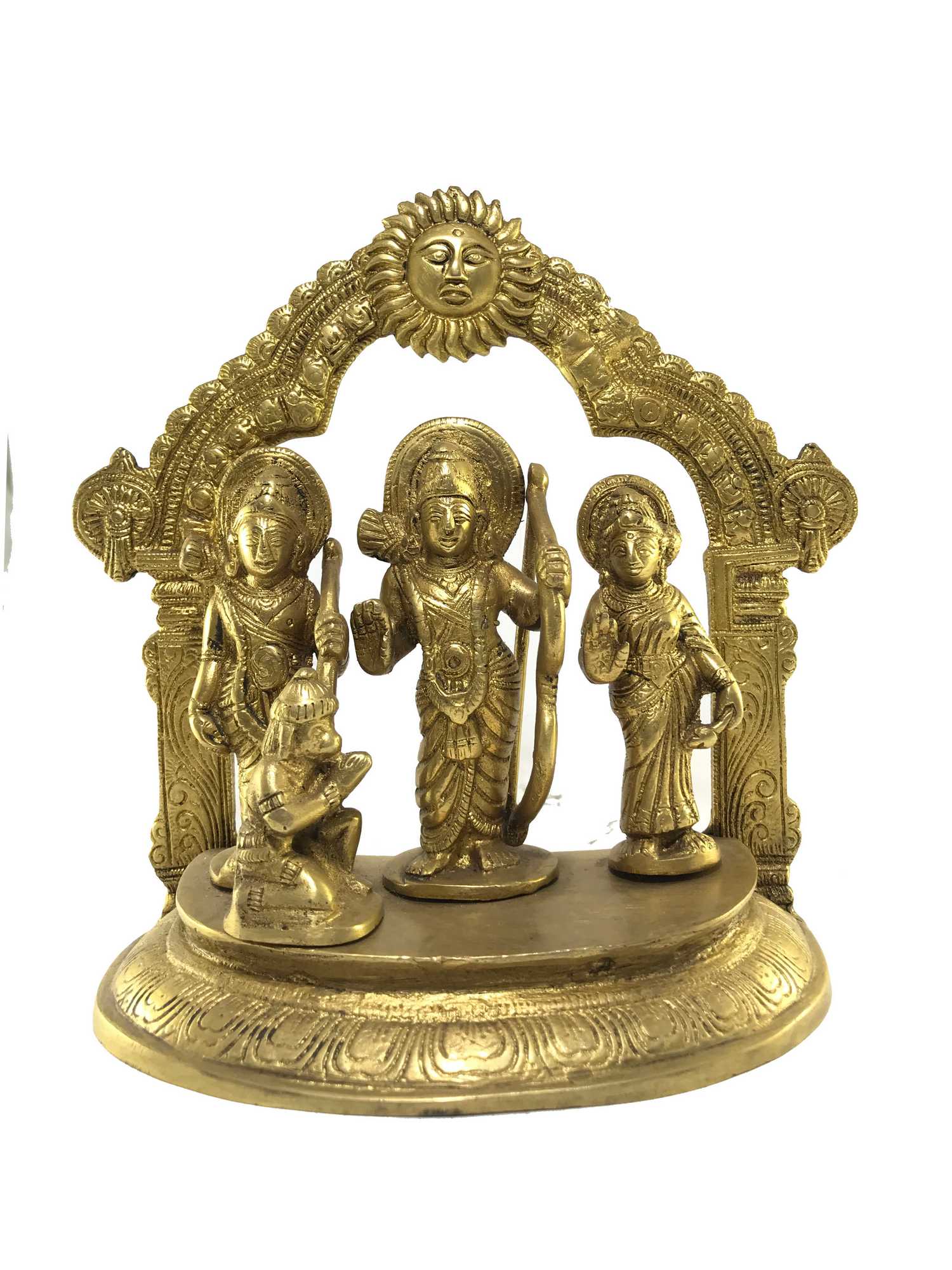

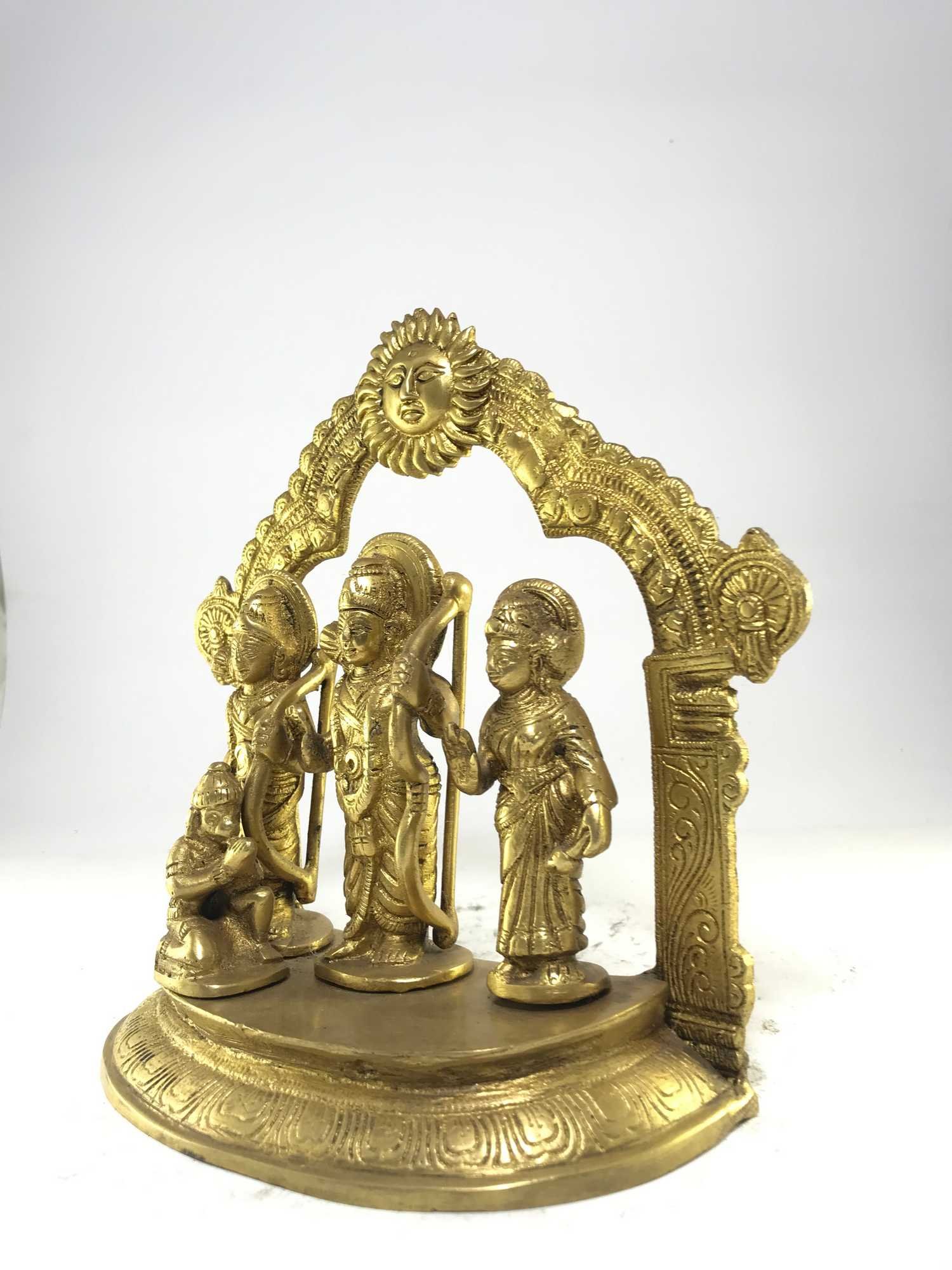
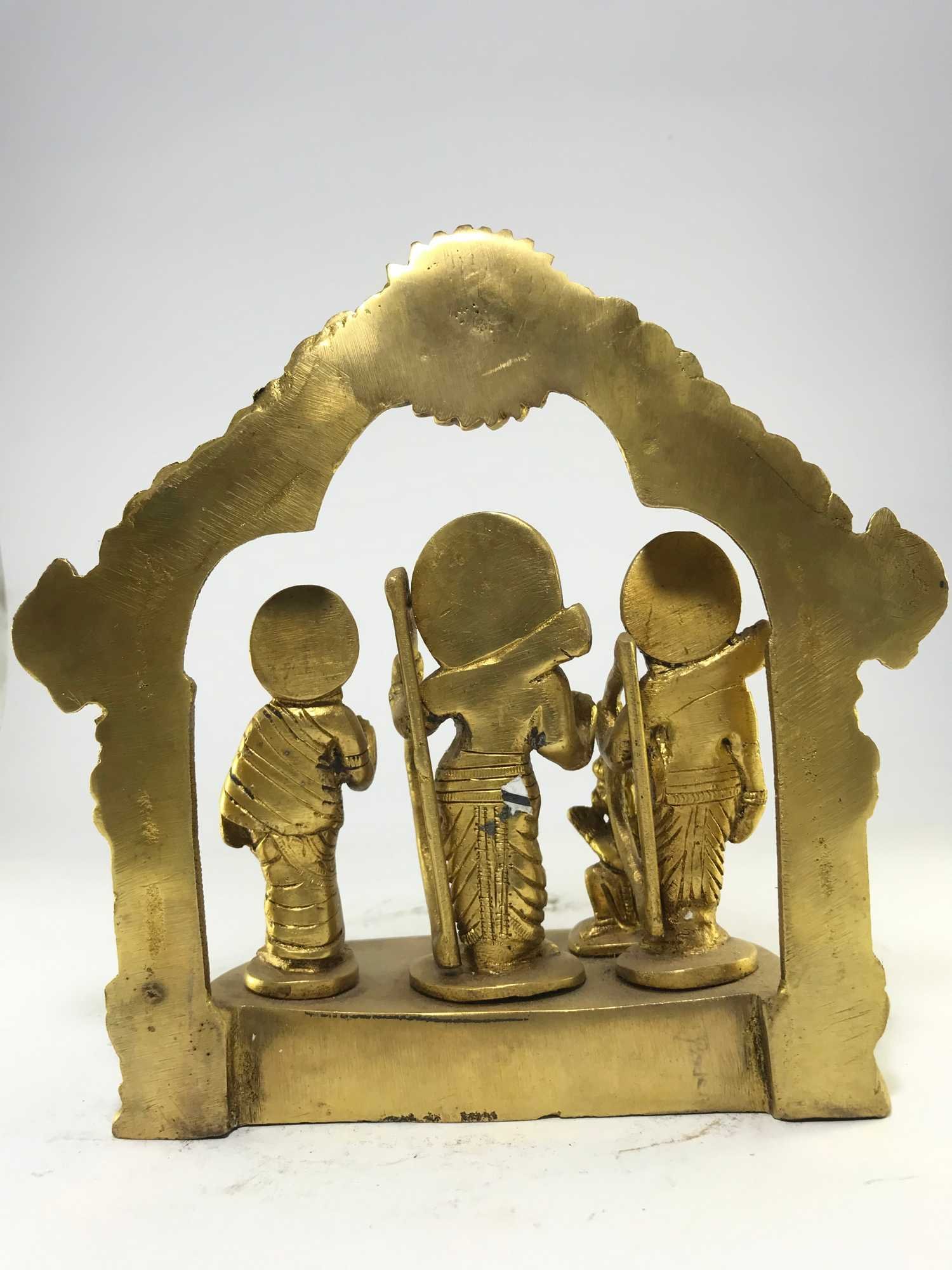
Statue of Family of Rama with Hanuman , The righteous warrior, the epitome of virtue
Rama
Luo Mo
Raama
|
|
Product Specification |
|
| Code | HME16361 |
| Size |
Height 19cm (7") Width 8cm (3") Depth 20cm (8") |
Weight | 1.81 kg - 3.99 lbs |
| Material | Brass |
| Availability | Available |
| Quantity | PCS |
US$ 51.00
$ 60.00 -15% off
Shipping Cost
|
| Price Adjustment Status: Active |
||
Shipping Calculation
weight of 1 Pcs of the product is 2 kg and will cost USD $ 47.00
-
Item location: kathmandu, Nepal
Worldwide shipping - Dispatch
-
We normally dispatch the product in 2-5 business days. Else Buyer will be infromed personally about the dispatch Date.
- Payment
- Paypal | Credit - Debit Card | Bank Transfer | See More
- Return
- 7 days money back, buyer pays return shipping
Welcome to Handmade Handicraft
At Handmade Handicraft, we prioritize simplicity, reflected in our user-friendly website design. We have streamlined the process so everything you need is just a click away.
While our website does not support online shopping, we've incorporated a convenient shopping cart system to assist you in sending us your inquiries. Please note, we do not process payments on our site. All transactions will be handled via email, respecting the inquiries you submit.
Should you encounter any issues while submitting your inquiries, please contact us via mobile app, email, or follow the procedure outlined below. We've provided documentation to guide you through the selection process.
selecting Procedure
In every product you will find Order Now and Quick Inquiry buttons, they are the two process of sending us your enquiry.
If you have any questions or need assistance, please don't hesitate to reach out to us. We are here to help you with your inquiries and ensure a smooth experience.
Rama
Rama Ram, also known as Ramachandra, is a major deity in Hinduism. He is the seventh avatar of Vishnu, one of his most popular incarnations along with Krishna, Parasuraman, and Gautama Buddha. Jain Texts also mentioned Rama as the eighth balabhadra among the 63 salakapurusas. In Sikhism, Rama is mentioned as one of twenty four divine incarnations of Vishnu in the Chaubis Avtar in Dasam Granth. In Rama-centric traditions of Hinduism, he is considered the Supreme Being. Read More
Rama was born to Kaushalya and Dasharatha in Ayodhya, the ruler of the Kingdom of Kosala. His siblings included Lakshmana, Bharata, and Shatrughna. He married Sita. Though born in a royal family, their life is described in the Hindu texts as one challenged by unexpected changes such as an exile into impoverished and difficult circumstances, ethical questions and moral dilemmas. Of all their travails, the most notable is the kidnapping of Sita by demon-king Ravana, followed by the determined and epic efforts of Rama and Lakshmana to gain her freedom and destroy the evil Ravana against great odds. The entire life story of Rama, Sita and their companions allegorically discusses duties, rights and social responsibilities of an individual. It illustrates dharma and dharmic living through model characters.
Rama is especially important to Vaishnavism. He is the central figure of the ancient Hindu epic Ramayana, a text historically popular in the South Asian and Southeast Asian cultures. His ancient legends have attracted bhasya and extensive secondary literature and inspired performance arts. Two such texts, for example, are the Adhyatma Ramayana – a spiritual and theological treatise considered foundational by Ramanandi monasteries, and the Ramcharitmanas – a popular treatise that inspires thousands of Ramlila festival performances during autumn every year in India.
Rama legends are also found in the texts of Jainism and Buddhism, though he is sometimes called Pauma or Padma in these texts, and their details vary significantly from the Hindu versions.
Process: Sand Casting
This Rama has been created using the sand casting system, also known as sand molding casting. This widely employed manufacturing process utilizes a sand mold to produce metal products and components in various sizes and shapes. Sand casting holds significant popularity in the industry, accounting for approximately 60% of all metal castings. The sand casting process involves six primary steps. First, a pattern or replica of the desired sculpture, in this case, Rama, is created using a material like wood or metal. The pattern is then placed in a flask, which is a box-like structure divided into two halves. The next step involves packing the flask tightly with specially formulated molding sand, creating a mold cavity that matches the shape of the pattern. The pattern is subsequently removed, leaving behind a negative impression of the sculpture within the sand mold. Read More
Related Products

20 cm
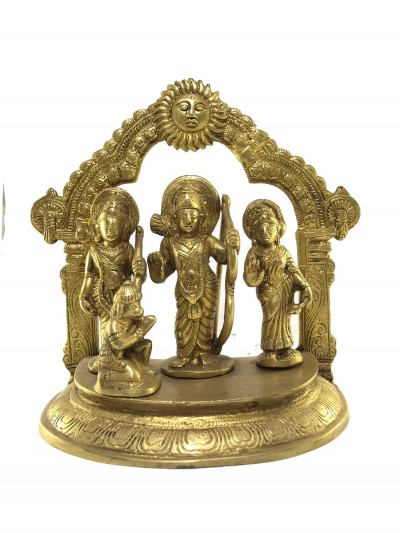
Statue Of Family Of Rama With Hanuman
US$ 51.00
15% off
$ 60.00
$ 60.00

13 cm
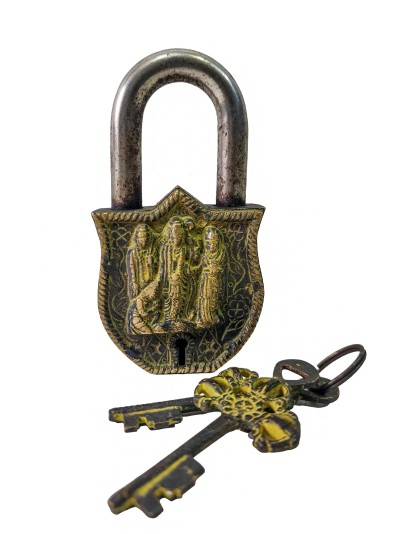
Ramayan Carved Glossy Brass Door Lock
US$ 12.00
15% off
$ 14.00
$ 14.00

27 cm
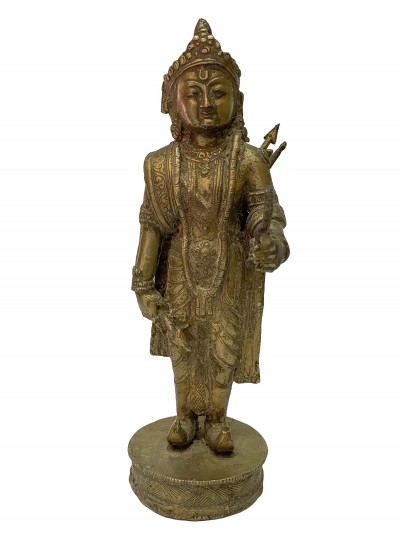
Antique Nepali Handmade Statue Of Rama, Chocolate Oxidized, Rare Find
US$ 370.00
15% off
$ 440.00
$ 440.00