



Loading Content..
Please wait...
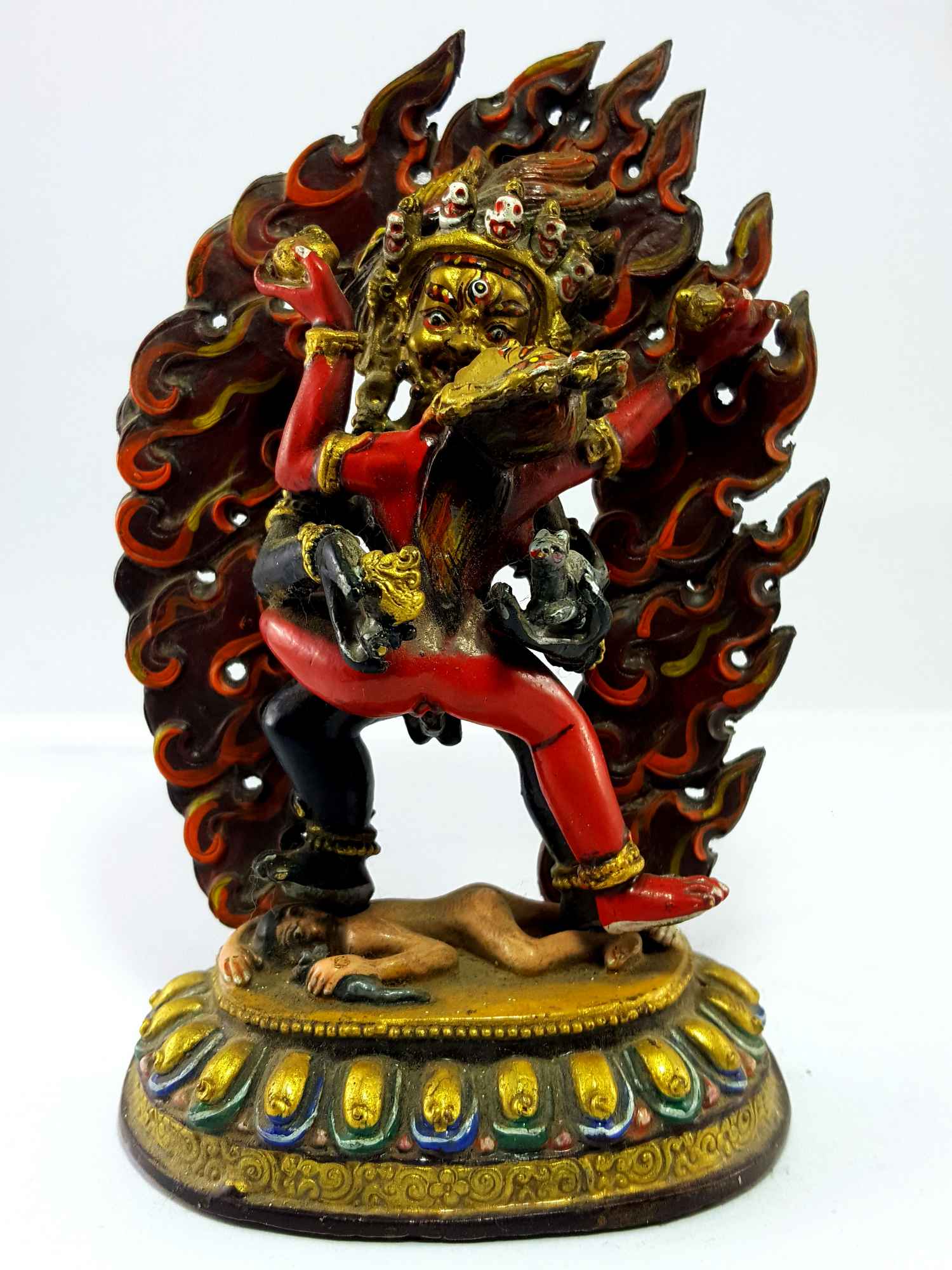


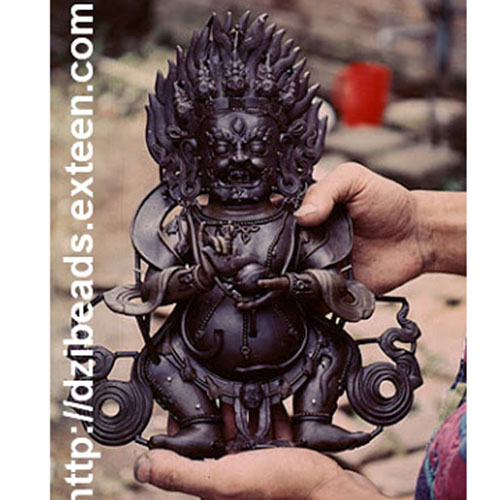
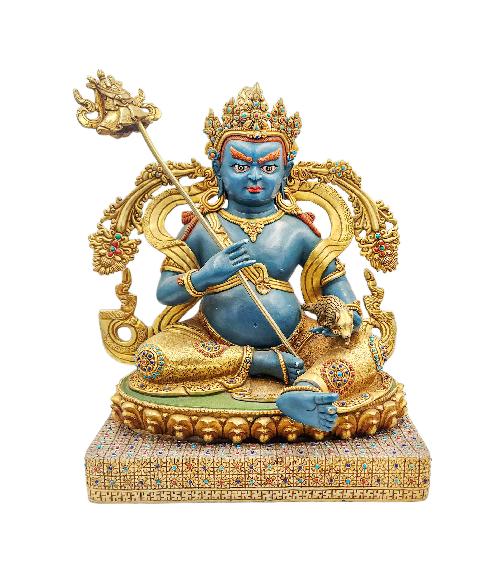
Black Jambhala with Consort, Shakti, Yab-Yum Handmade Statue Traditional Color Finishing , Buddha of Wealth, Removing Obstacles to Prosperity and Spiritual Growth
Jambhala Karpo
Hei Jiambala
Kuro Jambala
|
|
Product Specification |
|
| Code | HME15001 |
| Size |
Height 13cm (5") Width 9cm (4") Depth 7cm (3") |
Weight | 414 gm - 0.91 lbs |
| Material | Copper |
| Availability | Available |
Order configuration (Optional)
Filling & Blessing
HIDE Select Option
Click Here to View All Option and Prices

Select

Select

Select

Select
Statue Finishing
HIDE Select Option
Click Here to View All Option and Prices

Select

Select

Select

Select

Select

Select

Select

Select

Select

Select

Select

Select

Select

Select

Select

Select

Select

Select

Select

Select

Select

Select

Select

Select

Select

Select

Select

Select

Select

Select

Select

Select

Select

Select

Select

Select

Select

Select

Select

Select
| Quantity | PCS |
US$ 110.00
$ 150.00 -25% off
Shipping Cost
|
| Price Adjustment [ Discount Ends in : 39 days ] |
||
Shipping Calculation
weight of 1 Pcs of the product is 0.5 kg and will cost USD $ 31.00
-
Item location: kathmandu, Nepal
Worldwide shipping - Dispatch
-
We normally dispatch the product in 2-5 business days. Else Buyer will be infromed personally about the dispatch Date.
- Payment
- Paypal | Credit - Debit Card | Bank Transfer | See More
- Return
- 7 days money back, buyer pays return shipping
Welcome to Handmade Handicraft
At Handmade Handicraft, we prioritize simplicity, reflected in our user-friendly website design. We have streamlined the process so everything you need is just a click away.
While our website does not support online shopping, we've incorporated a convenient shopping cart system to assist you in sending us your inquiries. Please note, we do not process payments on our site. All transactions will be handled via email, respecting the inquiries you submit.
Should you encounter any issues while submitting your inquiries, please contact us via mobile app, email, or follow the procedure outlined below. We've provided documentation to guide you through the selection process.
selecting Procedure
In every product you will find Order Now and Quick Inquiry buttons, they are the two process of sending us your enquiry.
If you have any questions or need assistance, please don't hesitate to reach out to us. We are here to help you with your inquiries and ensure a smooth experience.
Black Jambhala
The Black Jambhala is also known as the Hindu God of Wealth, Kubera. Originated in ancient India, he manifested from the waters of the river and gave the transmission of generating wealth to a king whose kingdom was undergoing extreme financial difficulties during that time. He also benefits the poor and those in solitary retreat that have a virtuous mind. Read More
Iconography
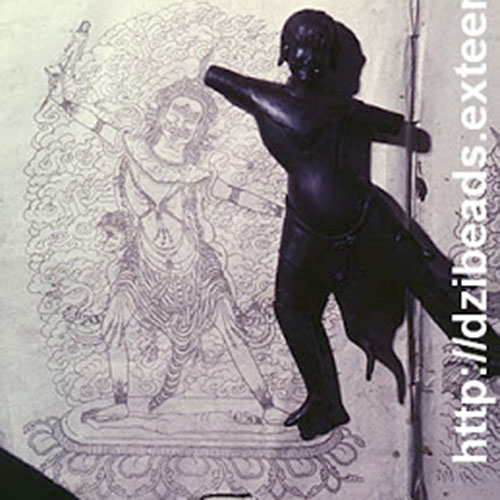
Popularized by Shakyasribhadra, holding a skullcup and mongoose, naked and wrathful in a standing posture. He is the God of Wealth in Tibetan buddhism. With august guise he treads on the back of yellow rich man. Jambhala, Black (Tibetan: dzam bha la, nag po), a wealth deity popularized in Tibet by Bari Lotsawa (b.1040) and the Kashmiri teacher Shakyashri Bhadra.
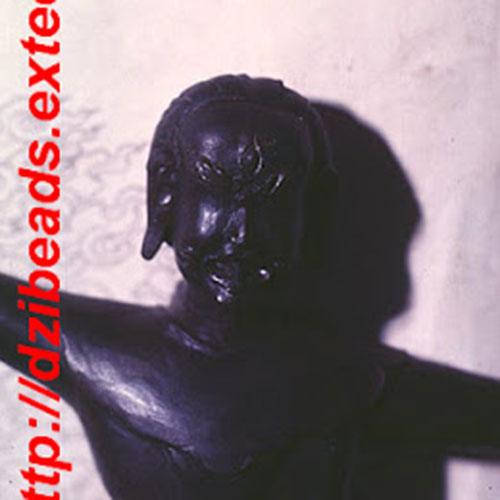
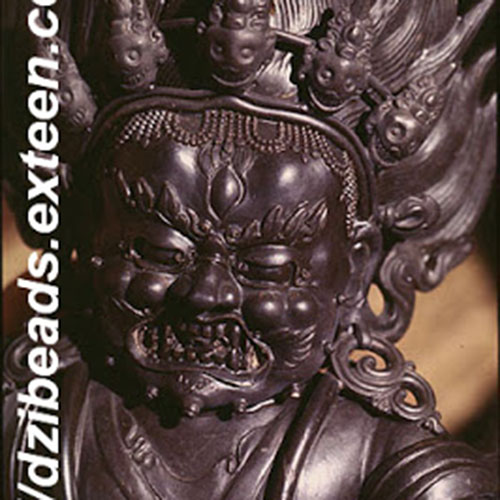
" ... the Lord Jambhala, with a body black in colour, having the appearance of a dwarf, naked, sexually aroused, pot-bellied, with pierced ears, three bulging bloodshot eyes, brown hair flowing upwards and bared fangs, in a standing position, the right leg bent, and the left straight. He has one head and two arms. The right hand holds the top of a skull in front of his chest as a blood container, and the left hand holds a mongoose expelling wish fulfilling jewels. On his head is a crown of five skulls in the shape of the five-Buddha crown; around his neck is a string of 50 pray beads made of human skulls, with five-color snakes as bracelets on hands, feet and neck. He shows anger on his face, standing with his right leg bent, his left leg extended, the right leg is extended pressing upon the head of the yellow Lord of Wealth, adorned with various gold ornaments, lying face down beneath Black Jambhala's feet." (Ngorchen Konchog Lhundrup, 1497-1557).
He is the manifestation of Amoghasiddhi Buddha by the request of Buddha Shakyamuni to turn the wheel of Dharma to benefit sentient beings who are suffering from poverty. He will enable all endeavors to be perfectly accomplished and purify all bad luck and obstacles, prevent theft, bad debts and loss of wealth. Jambhala has a black colored body. He is depicted in a standing position over a human body, symbolizes to subdue human’s ego and eliminate human’s greed. His right hand holding Gems Pot and his left hand holding an animal named Nehulay (mongoose) which spue out jewels from its mouth. Black Jambhala also wears a snake necklace on his body.
The Mantra of Black Jambhala is:
Om Jambhala Jalendraye Bashu Dharini Svaha and
""Om Indzali Mu Kam Dzamali Soha""
Shakti
: IntroductionShakti Yab-yum is a common symbol in Nepalese and Tibetan art. It represents the primordial union of wisdom and compassion, depicted as a male deity in union with his female consort via the similar concept of interpenetration or "coalescence," as illustrated by the concept of Indra's net. The male figure represents compassion and dexterity, while the female figure represents insight. The female is seated on the male's lap in yab-yum. A rare rendition of a similar figure, but reversed, with the male sitting on the female's lap, is known as yum-yab. Read More
About Color Finishing
The Black Jambhala is adorned with traditional colors, creating a captivating aesthetic through a combination of gold and various hues. This painting technique follows a time-honored process that aims to faithfully represent the Black Jambhala in accordance with traditional color descriptions. In the context of Buddhist statues, this approach holds great significance. Each statue has its own primary color, and it is crucial to depict the statue in its authentic shade. Read More
Lost-Wax System
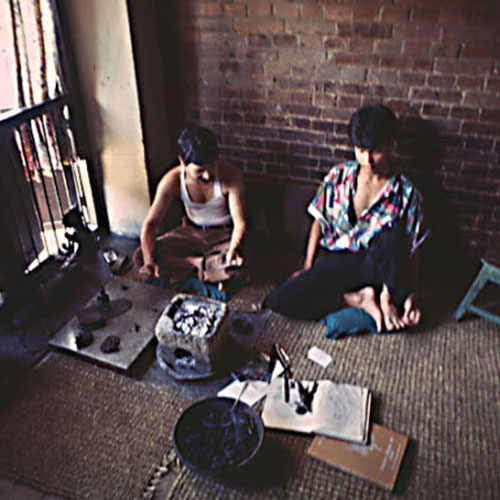
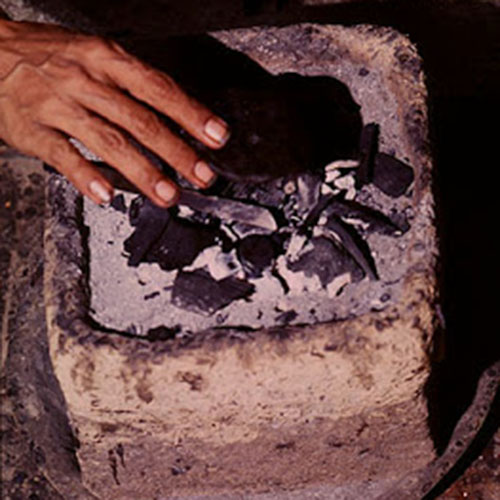
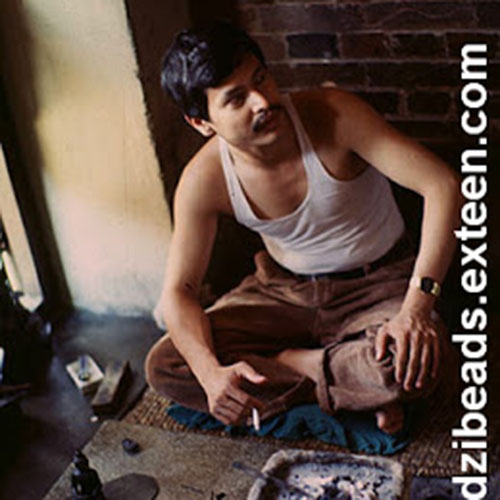
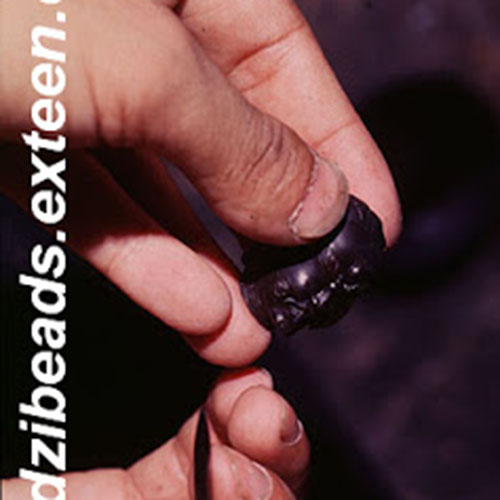
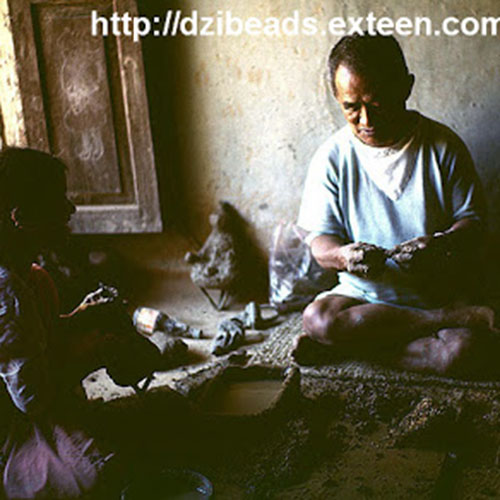
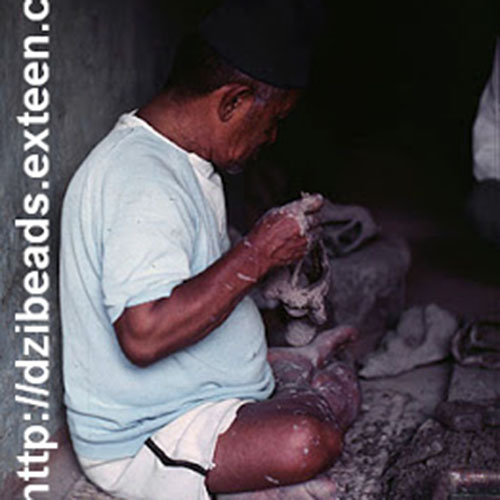
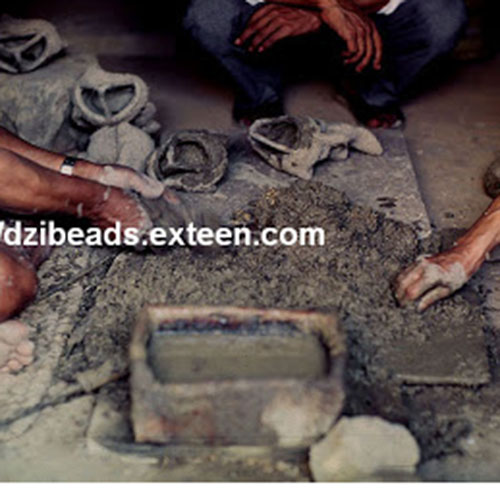
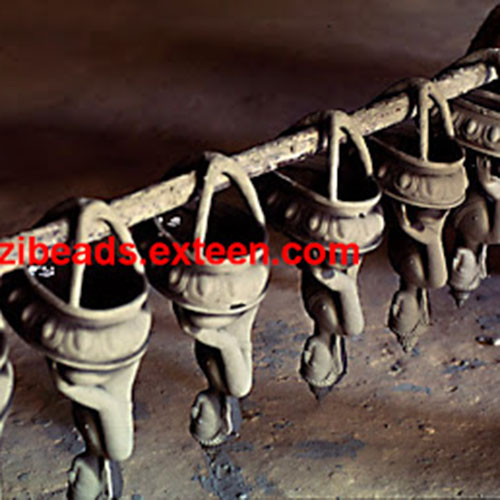
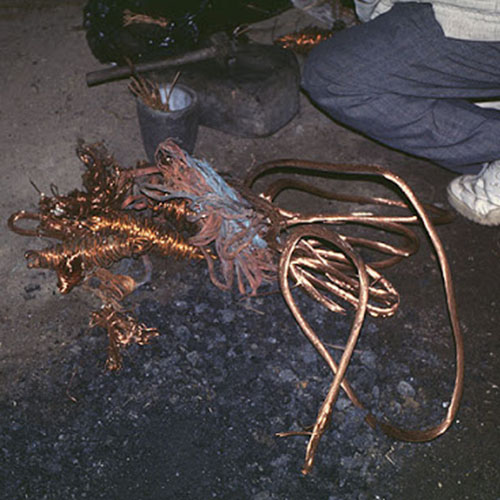
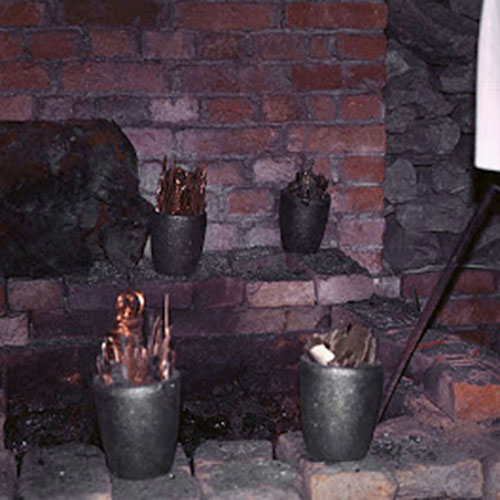
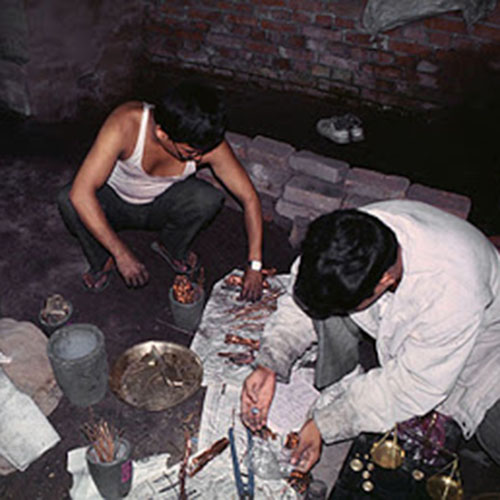
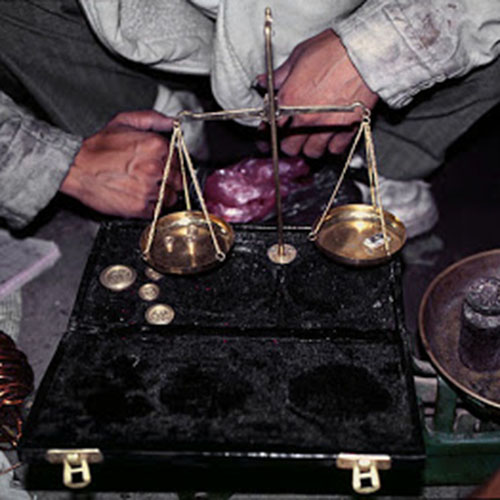
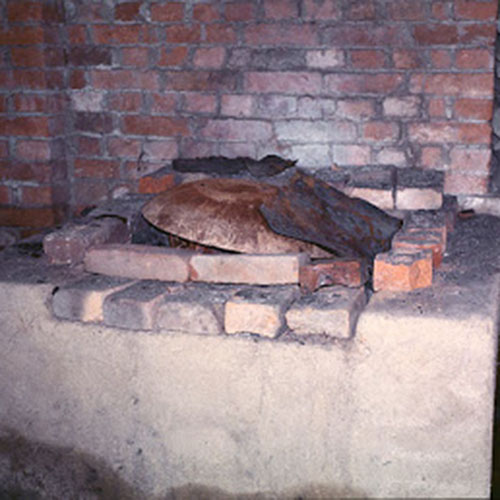
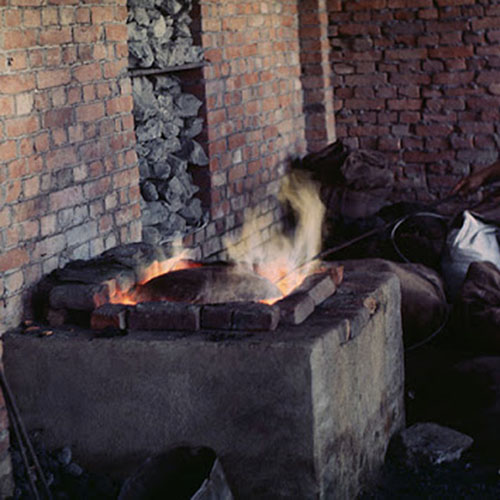
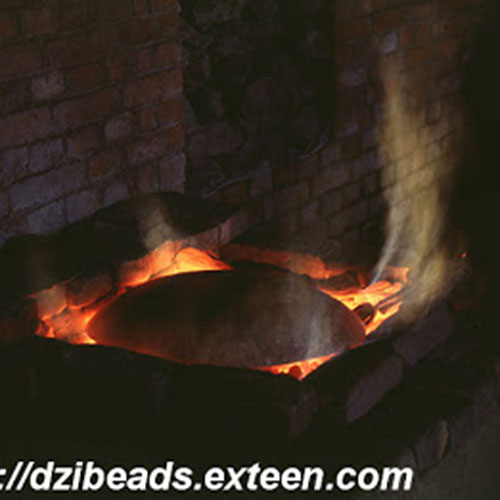
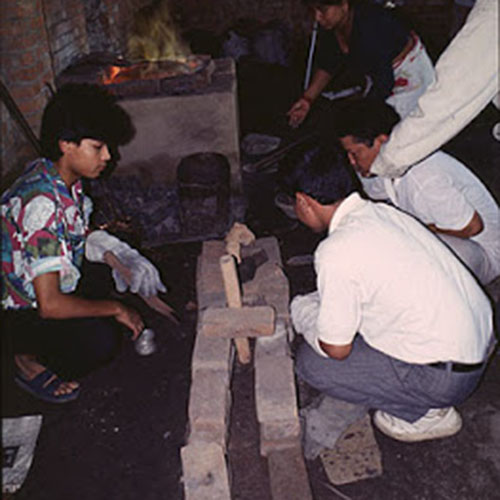
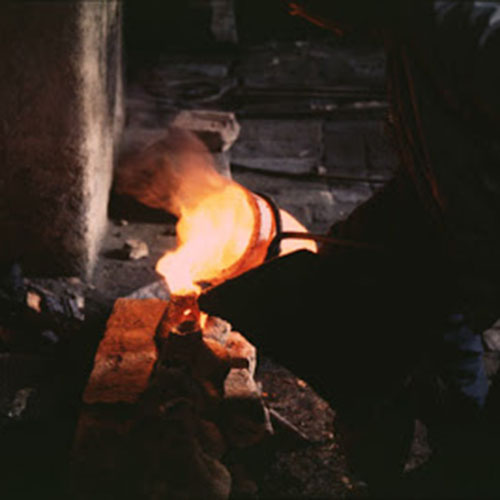
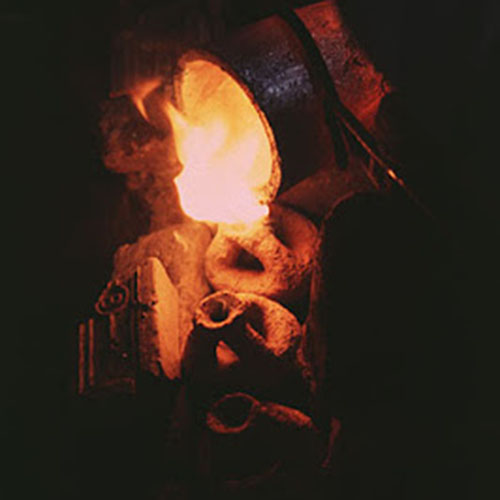
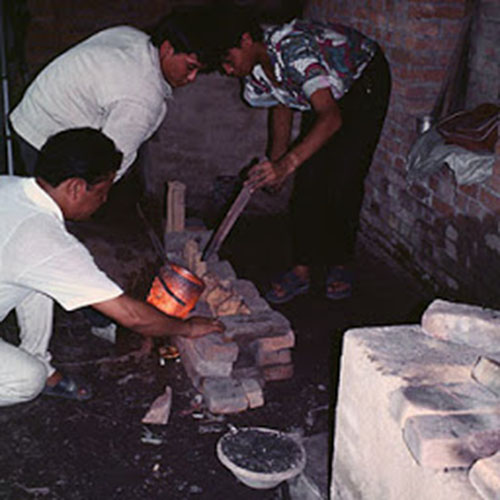
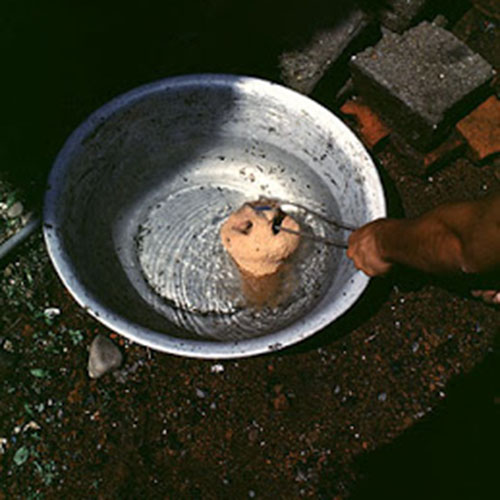
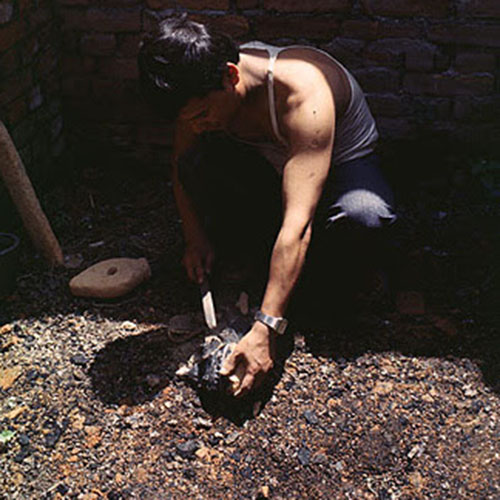
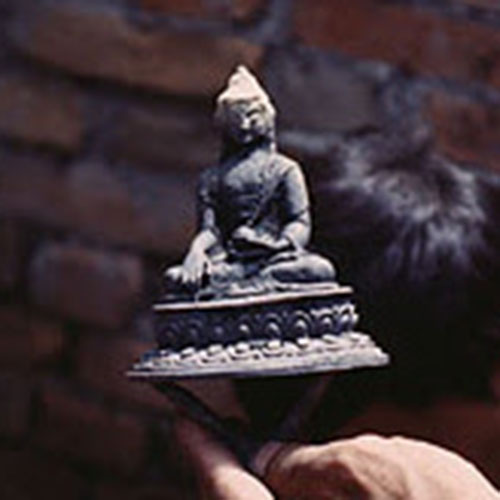
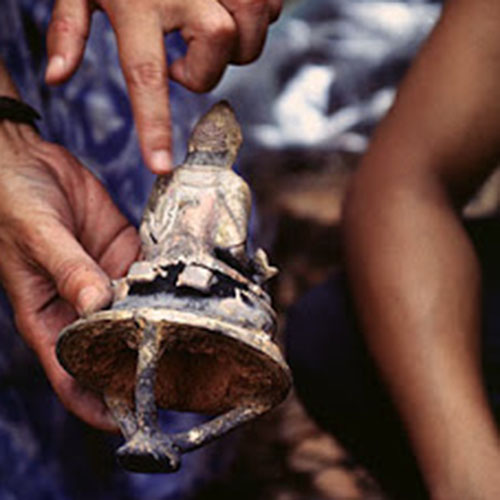
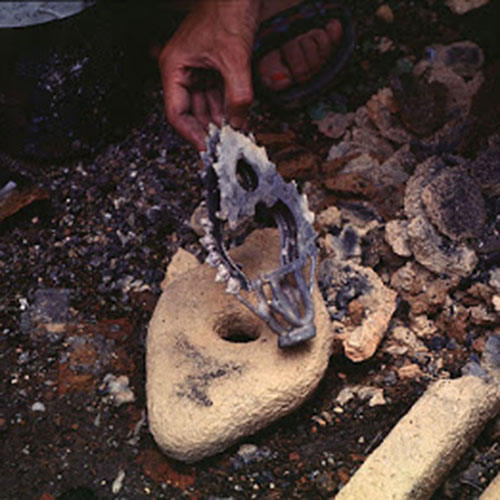
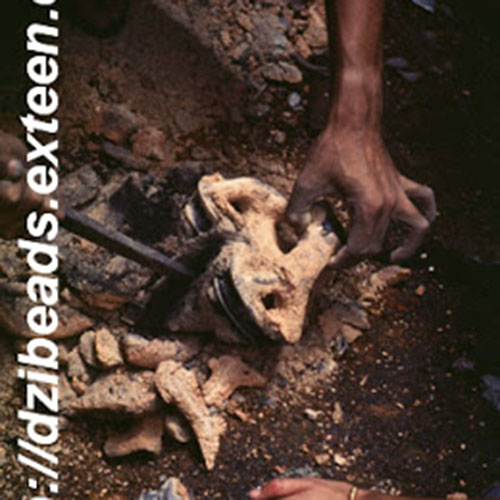
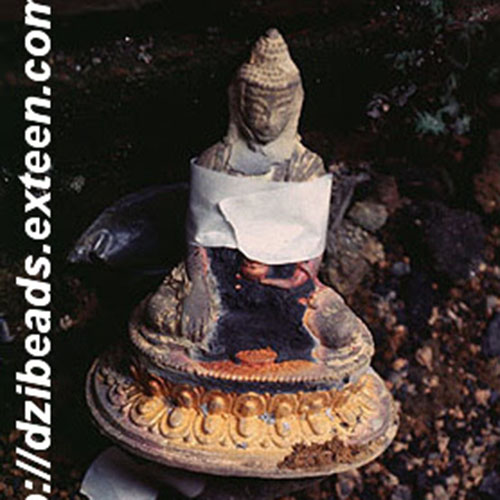
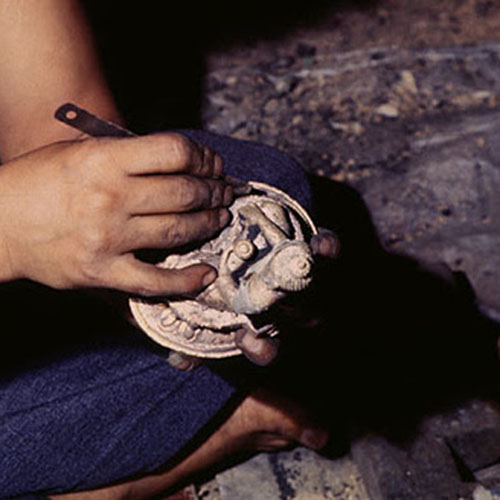
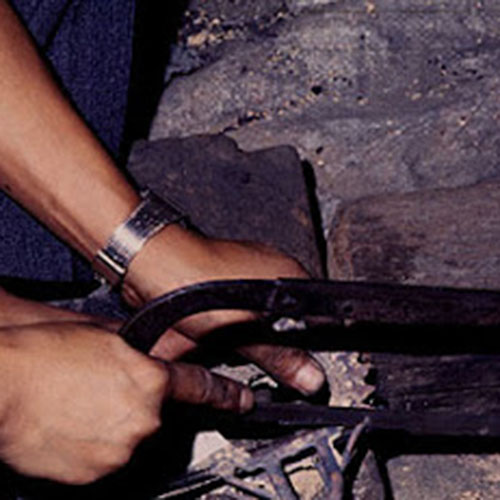
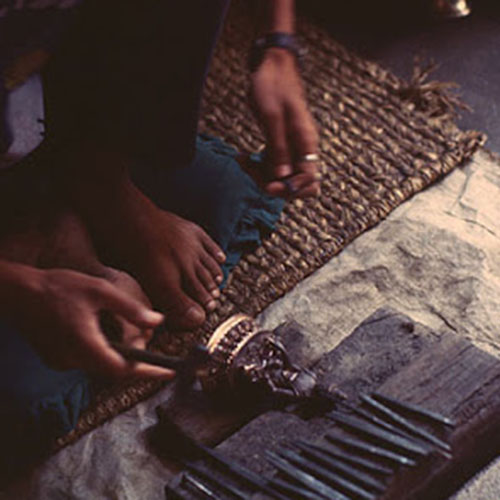
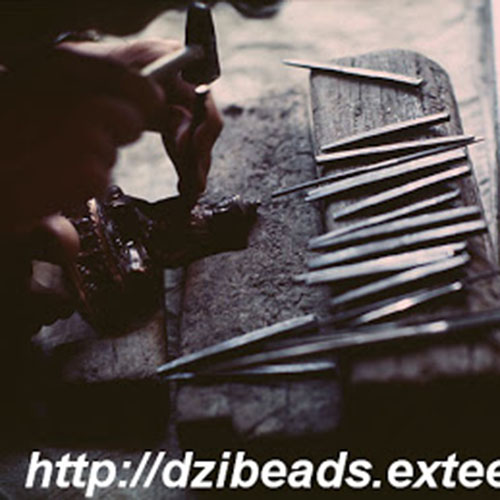
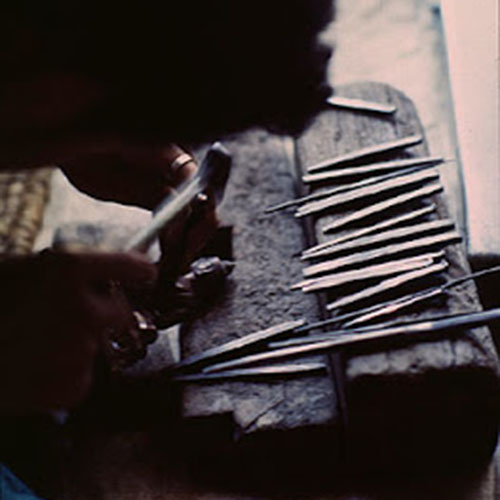
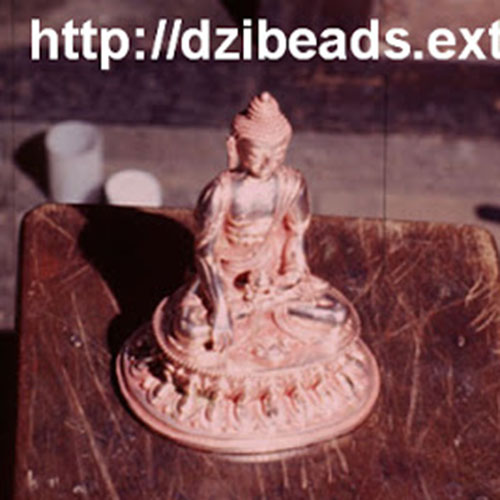
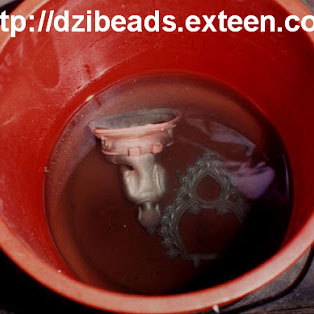
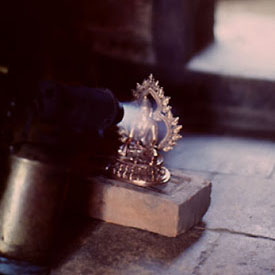
This Black Jambhala is made by the process of the Lost-Wax system. The lost-wax process, also known as investment casting, is a time-honored technique used to create metal sculptures. It involves several steps that have been practiced for thousands of years. Skilled artisans begin by sculpting a detailed wax model, capturing every intricate detail of the desired sculpture. The wax model is then coated with a ceramic shell, formed by multiple layers of ceramic material. Once the shell has cured, the wax is melted and drained out, leaving behind a cavity. Molten metal is poured into the cavity, creating a precise replica of the original wax model. After the metal has cooled and solidified, the ceramic shell is carefully removed, revealing the final metal sculpture. Read More
Related Products

36 cm
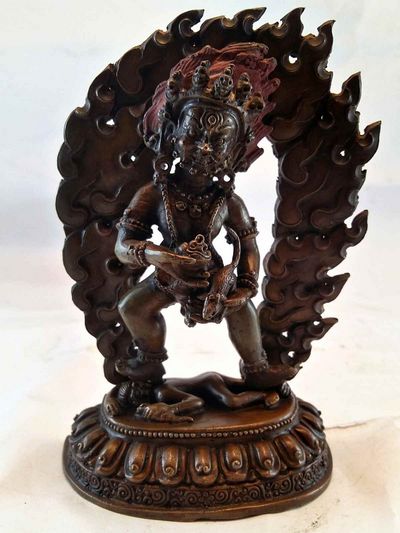
Black Jambhala Buddhist Handmade Statue, gold Plated, Thangka Color Finishing, Stone Setting
US$ 4,690.00
25% off
$ 6,250.00
$ 6,250.00

14 cm
Black Jambhala Statue - Oxidized
US$ 60.00
25% off
$ 80.00
$ 80.00

12 cm
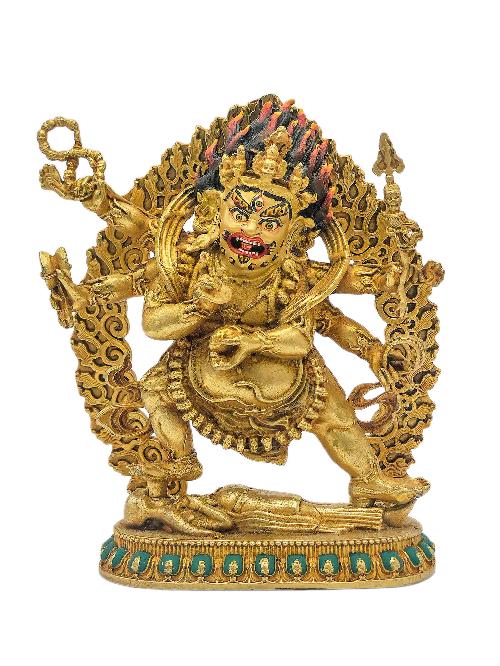
Black Jambhala, Buddhist Miniature Statue, Full Gold Plated, Face Painted
US$ 150.00
25% off
$ 200.00
$ 200.00

40 cm
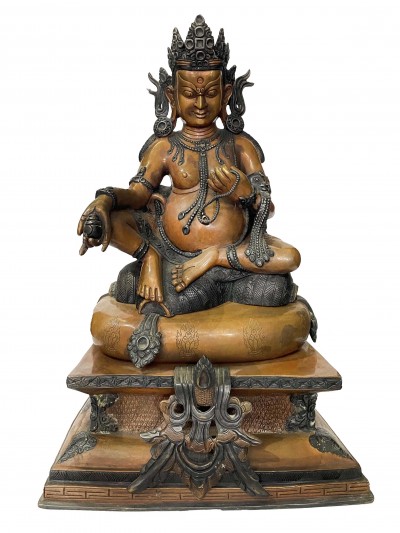
HQ, Buddhist Statue Of Black Jambhala, Chocolate Oxidized, Rare Find
US$ 980.00
25% off
$ 1,300.00
$ 1,300.00