


Loading Content..
Please wait...
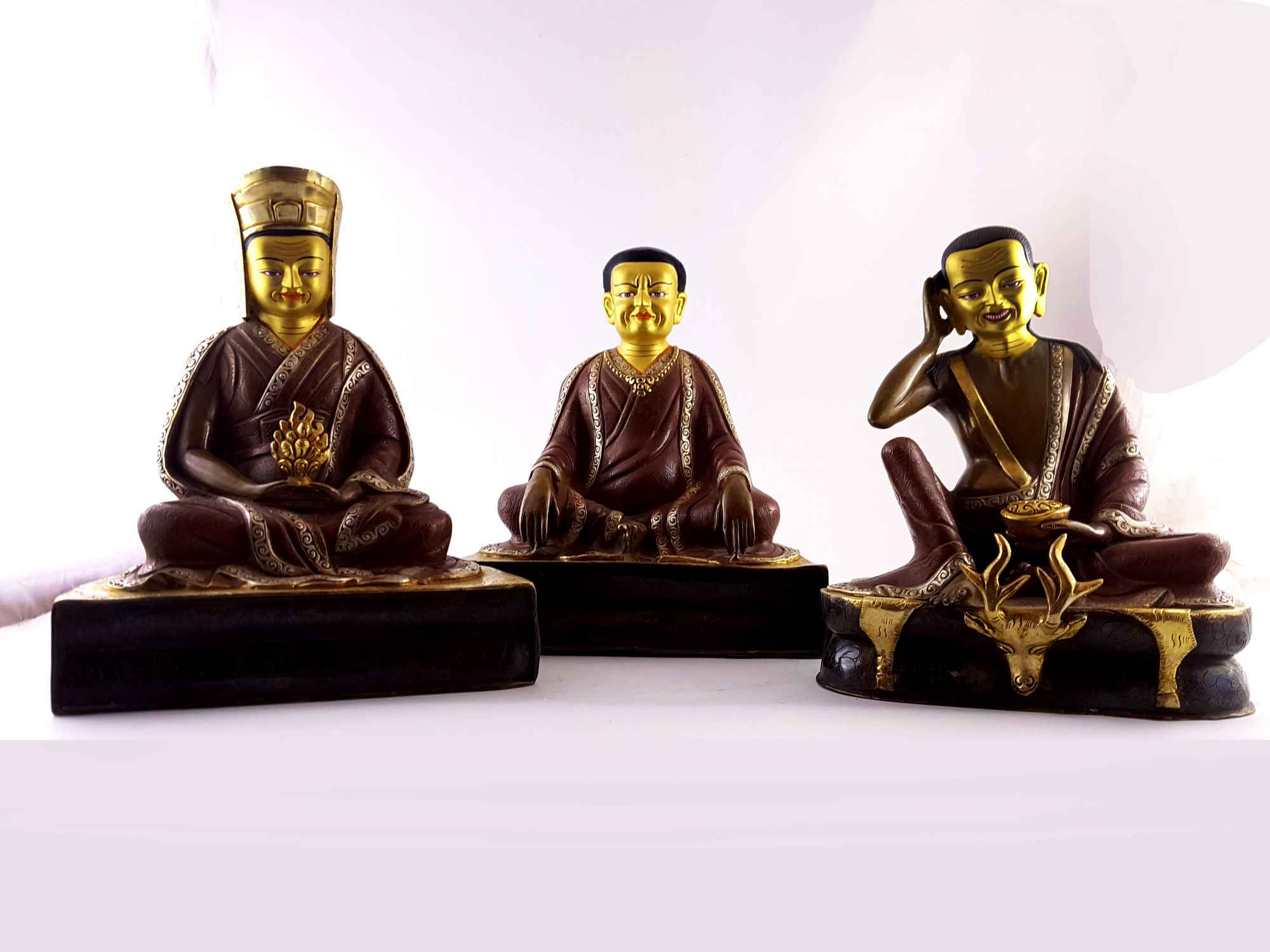
Copper Statue of Guru Set Marpa Lotsawa, Gampopa, Milarepa, gold and Silver Plated, Painted Face, Double Color Oxidation , The great translator, bridge of wisdom between India and Tibet
Marpa Chokyi Lodro
Maraba Yishi
Marpa Roushawa
|
|
Product Specification |
|
| Code | HME14699 |
| Size |
Height 22cm (9") Width 15cm (6") Depth 11cm (4") |
Weight | 3.6 kg - 7.94 lbs |
| Material | Copper |
| Availability | Available |
Order configuration (Optional)
Filling & Blessing
HIDE Select Option
Click Here to View All Option and Prices

Select

Select

Select

Select
Statue Finishing
HIDE Select Option
Click Here to View All Option and Prices

Select

Select

Select

Select

Select

Select

Select

Select

Select

Select

Select

Select

Select

Select

Select

Select

Select

Select

Select

Select

Select

Select

Select

Select

Select

Select

Select

Select

Select

Select

Select

Select

Select

Select

Select

Select

Select

Select

Select

Select
| Quantity | PCS |
US$ 620.00
$ 820.00 -25% off
Shipping Cost
|
| Price Adjustment [ Discount Ends in : 37 days ] |
||
Shipping Calculation
weight of 1 Pcs of the product is 4 kg and will cost USD $ 67.00
-
Item location: kathmandu, Nepal
Worldwide shipping - Dispatch
-
We normally dispatch the product in 2-5 business days. Else Buyer will be infromed personally about the dispatch Date.
- Payment
- Paypal | Credit - Debit Card | Bank Transfer | See More
- Return
- 7 days money back, buyer pays return shipping
Welcome to Handmade Handicraft
At Handmade Handicraft, we prioritize simplicity, reflected in our user-friendly website design. We have streamlined the process so everything you need is just a click away.
While our website does not support online shopping, we've incorporated a convenient shopping cart system to assist you in sending us your inquiries. Please note, we do not process payments on our site. All transactions will be handled via email, respecting the inquiries you submit.
Should you encounter any issues while submitting your inquiries, please contact us via mobile app, email, or follow the procedure outlined below. We've provided documentation to guide you through the selection process.
selecting Procedure
In every product you will find Order Now and Quick Inquiry buttons, they are the two process of sending us your enquiry.
If you have any questions or need assistance, please don't hesitate to reach out to us. We are here to help you with your inquiries and ensure a smooth experience.
Marpa Lotsawa
Marpa Lotsawa (མར་པ་ལོ་ཙཱ་བ་ཆོས་ཀྱི་བློ་གྲོས་, 1012-1097), sometimes known fully as Marpa Chokyi Lodro (Wylie: mar pa chos kyi blo gros) or commonly as Marpa the Translator (Marpa Lōtsawa), was a Tibetan Buddhist teacher credited with the transmission of many Vajrayana teachings from India, including the teachings and lineages of Mahamudra. Due to this the Kagyu lineage, which he founded, is often called Marpa Kagyu in his honour.
Although some accounts relate that the Mahasiddha Naropa was the personal teacher of Marpa, other accounts suggest that Marpa held Naropa's lineage through intermediary disciples only. Either way, Marpa was a personal student of the Mahasiddha Maitripa and of the dakini Niguma. Read More
life Story
Born as Marpa Chokyi Lodro, in Lhodrak Chukhyer in the southern part of Tibet, to an affluent family, he began studying at a young age but was wild and untamed compared to other children. Marpa first received instruction for three years at Mangkhar with Drokmi Shakya Yeshe and mastered Sanskrit. He decided to travel to India to study with renowned Indian Buddhist masters. His first trip to Nepal and India was in the company of Nyo Lōtsawa, whom he attended as a servant. Marpa returned home to Lhodrak and converted his entire inheritance into gold to fund his travel expenses and to make offerings to teachers.
Marpa journeyed first to Nepal where he studied with Paindapa and Chitherpa, two famous students of Naropa. Paindapa later accompanied Marpa to Pullahari, near Nalanda University, where Naropa taught. Marpa spent twelve years studying with Naropa and other great Indian gurus, most prominently Maitripada. After twelve years he set forth on his journey back to Tibet to teach and continue his dharma activities.
Marpa was to travel to India twice more and Nepal three more times and studied with Naropa and other great teachers including Maitripa. He is said to have stayed in the cave at Phugtal Monastery. On his third visit to India, Naropa, who was engaged in tantric practices, proved difficult to find. However eventually Marpa found him and received the final teachings and instructions from Naropa. It was then that Naropa prophesied that a family lineage would not continue for Marpa, but that his lineage would be carried on by his disciples. Marpa now had received the full transmission, so Naropa formally declared Marpa to be his successor although he had other major disciples including Paindapa, Chitherpa, Shri Shantibhadra or Kukuripa, and Maitripa.
Upon his return to Tibet, Marpa spent many years translating Buddhist scriptures and made a major contribution to the transmission of the complete buddhadharma to Tibet. Marpa continued to practice and give teachings and transmissions to many students in Tibet. After his second visit to India Milarepa became his disciple. After the death of Marpa's son, Darma Dode, Milarepa inherited his lineage in full. Marpa lived with his wife Dakmema and their sons in Lhodrak in the southern part of Tibet. Marpa is said to have founded Stongdey Monastery in Zanskar in 1052 CE.
 |  |
| A traditional depiction of Marpa painted on a rock on Holy Isle, Firth of Clyde | Lotsawa Marpa Chokyi Lodro, (1012-1097) |
Milarepa
: Brief IntroductionMilarepa is one of the most widely known Tibetan Saints. In a superhuman effort, he rose above the miseries of his younger life and with the help of his Guru, Marpa the Translator, took to a solitary life of meditation until he had achieved the pinnacle of the enlightened state, never to be born again into the Samsara (whirlpool of life and death) of worldly existence. Out of compassion for humanity, he undertook the most rigid asceticism to reach the Buddhic state of enlightenment and to pass his accomplishments on to the rest of humanity. His spiritual lineage was passed along to his chief disciples, Gambopa and Rechung. It was Rechung who recorded in detail the incidents of Milarepa's life for posterity. The narrative of his life has thus been passed down through almost a millennium of time and has become an integral part of Tibetan culture. In addition to Rechung's narrative of his life, summarized below, Milarepa extemporaneously composed innumerable songs throughout his life relevant to the dramatic turns of events of himself and his disciples in accordance with an art form that was in practice at the time. These songs have been widely sung and studied in Tibet ever since and have been recorded as the Hundred Thousand Songs of Milarepa. His faithful devotion, boundless religious zeal, monumental forbearance, superhuman perseverance, and ultimate final attainment are a great inspiration today for all. His auspicious life illumined the Buddhist faith and brought the light of wisdom to sentient beings everywhere. Read More
Gampopa
: Brief IntroductionGampopa "the man from Gampo" (Tibetan: སྒམ་པོ་པ་) Sönam Rinchen (Tibetan: བསོད་ནམས་རིན་ཆེན་, Wylie: bsod nams rin chen, 1079-1153) was a Tibetan Buddhist teacher in the Kagyu lineage, as well as a doctor and tantric master who founded the Dhagpo Kagyu school. He is also known as Dvag Popa, and the titles Dakpo Lharjé "the physician from Dakpo" (Tibetan: དྭགས་པོ་ལྷ་རྗེ་, Wylie: dwags po lha rje) and Daö Zhönnu, "Chandraprabha Kumar" (Tibetan: ཟླ་འོད་ཞོན་ནུ་, Wylie: zla 'od gzhon nu). Read More
Gold Painted Face
The face of Marpa Lotsawa is painted with gold to enhance its significant features, particularly the eyes, and lips. This detailed painting is essential as it brings forth the crucial attributes of the expression of eyes and lips that metal carving alone cannot capture.
Moreover, the painted face serves as a symbolic and sacred ritual in Buddhism, preparing the statue for consecration and practice. The act of painting the face with gold in Buddhism holds deep meaning. It represents the intention to bring life and expression to the statue, imbuing it with a sense of vitality and presence. The application of gold on the face showcases the devotion and craftsmanship of the artisans, ensuring that every detail is carefully attended to honor the sacred essence of the Marpa Lotsawa. Read More
Silver and Chocolate Oxidized
The Marpa Lotsawa features a captivating combination of partly silver plating and dark oxidation. This unique finishing technique combines the lustrous shine of silver with the rich, deep tones achieved through oxidation. In the process of creating this finish, selected areas of the Marpa Lotsawa are expertly silver-plated, creating a radiant and reflective surface that catches the light. The remaining areas are intentionally oxidized, resulting in a darkened patina that adds depth and character to the piece. Read More
Lost-Wax System
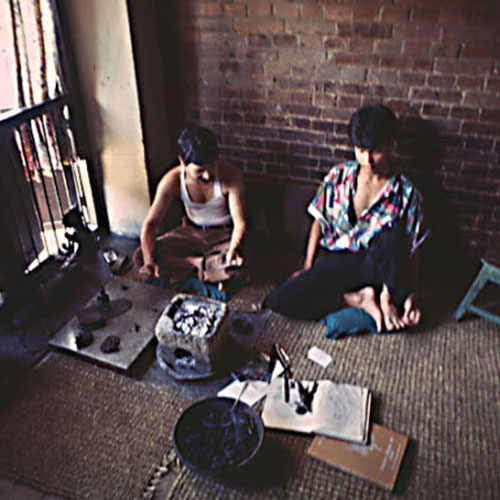
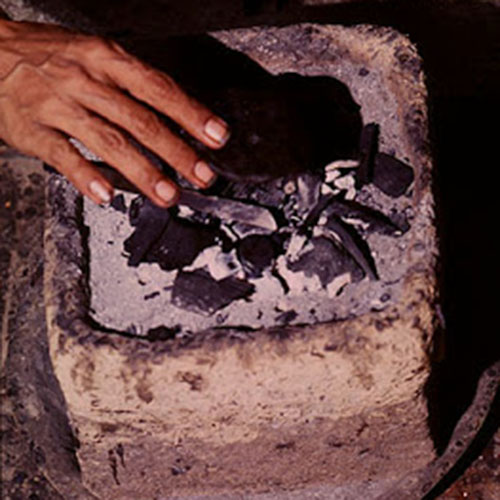
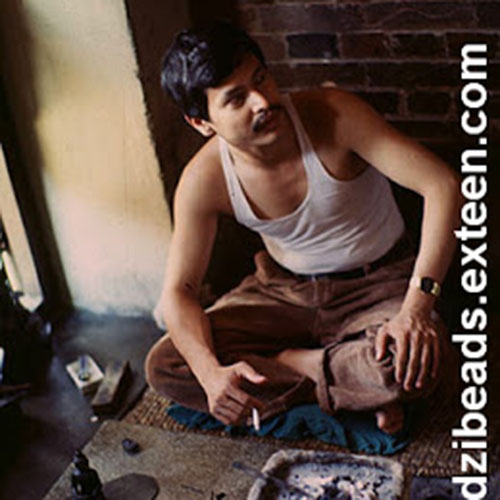
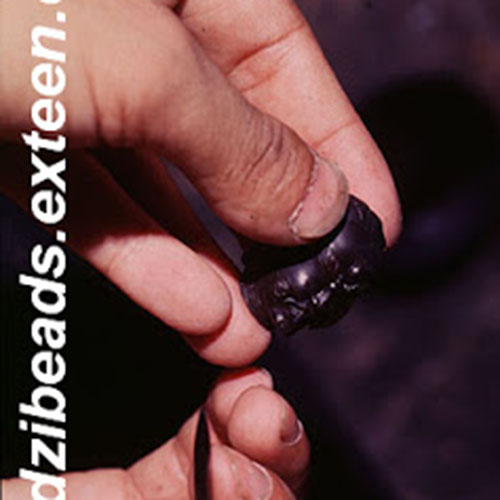
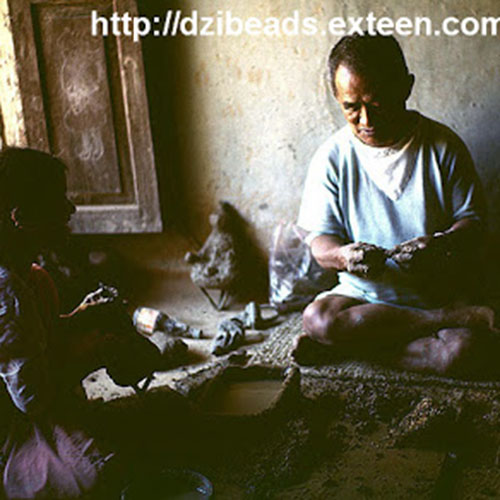
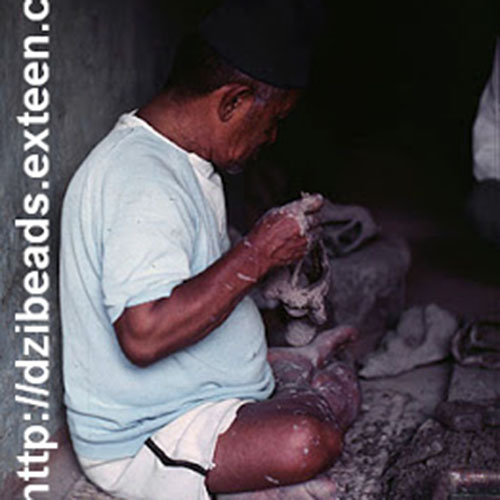
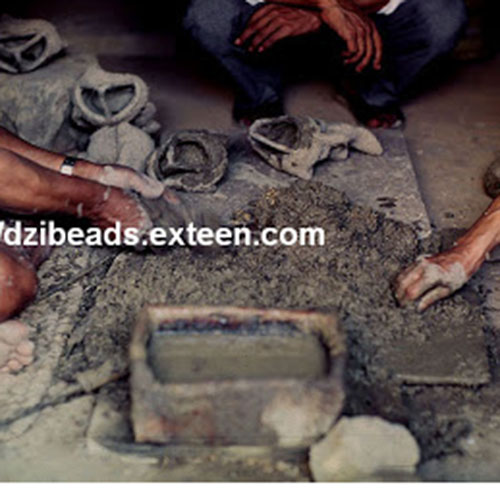
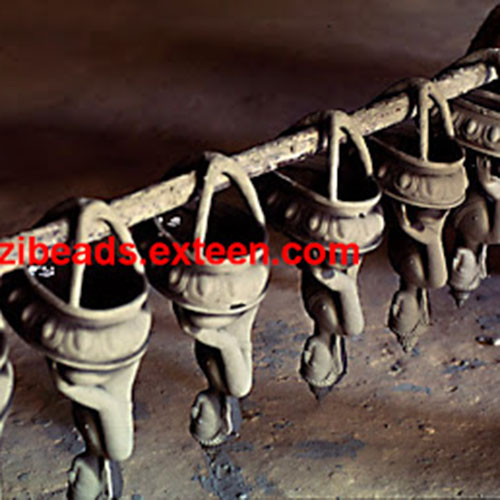
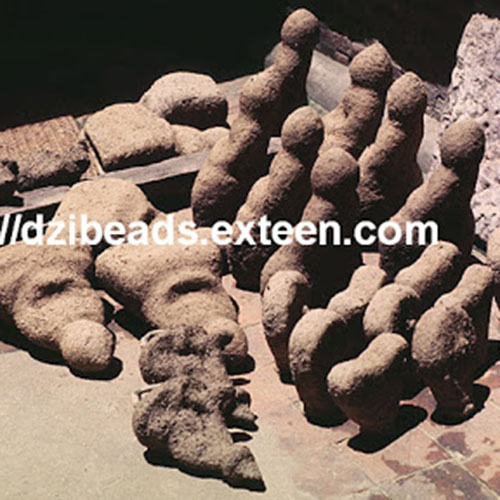
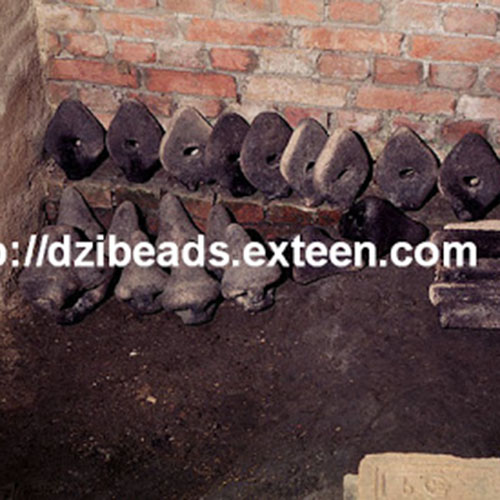
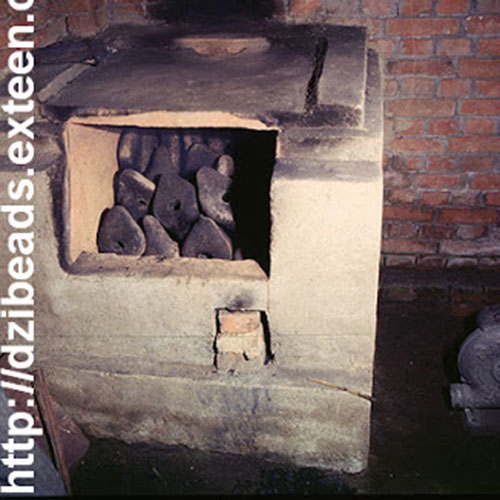
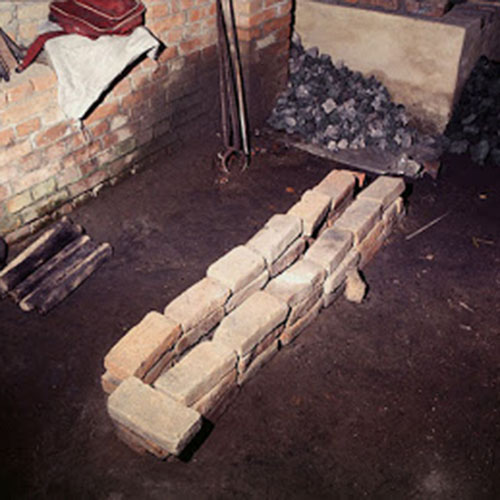
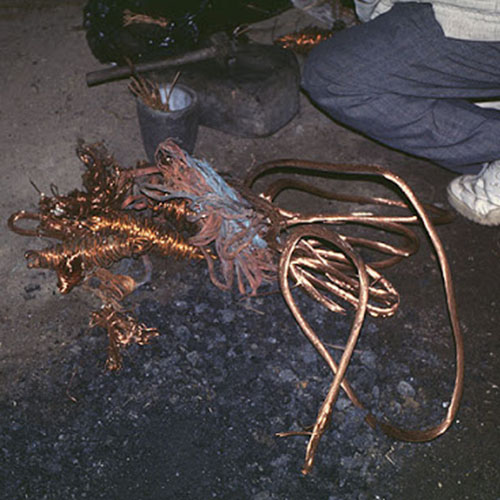
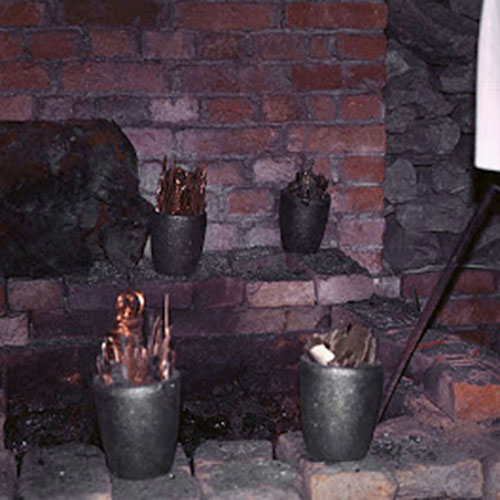
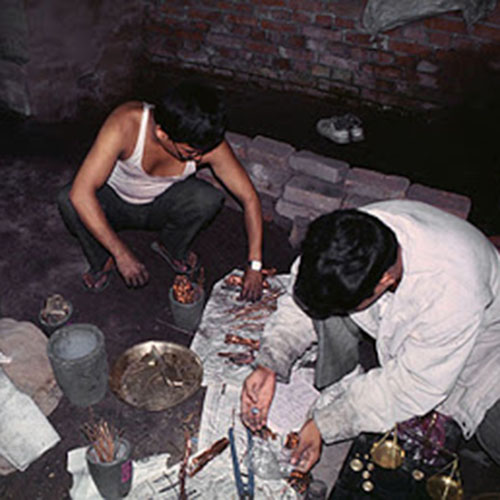
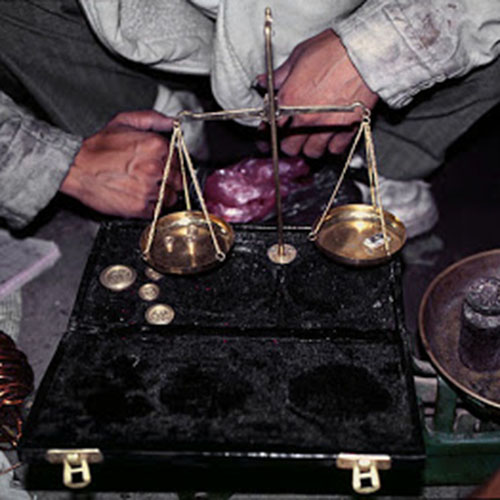
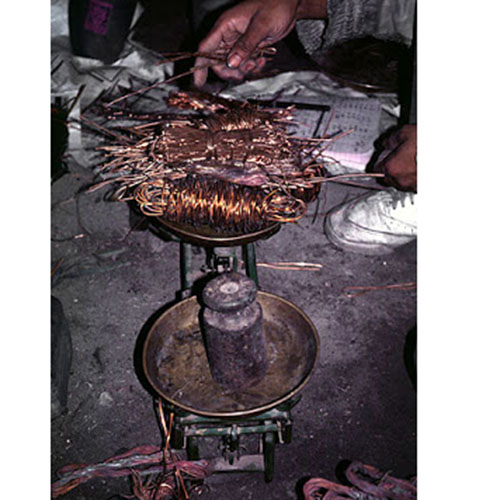
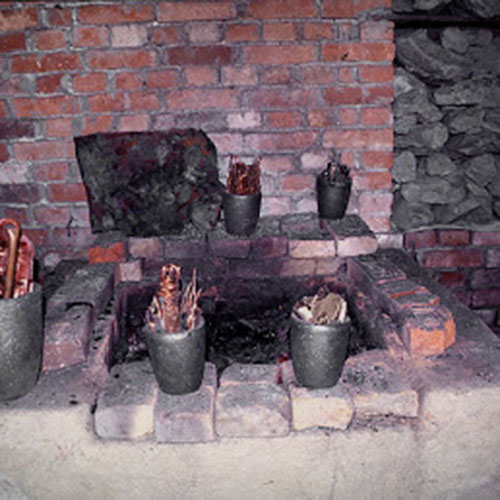
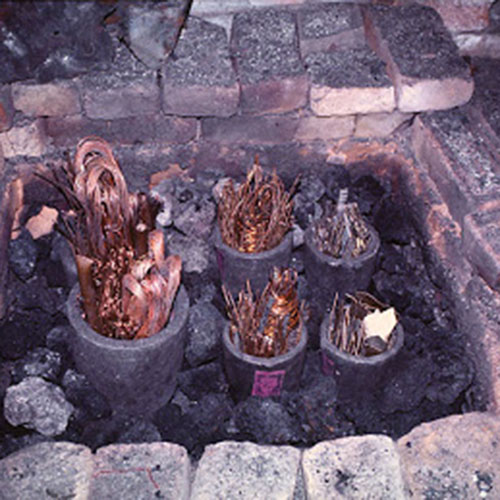
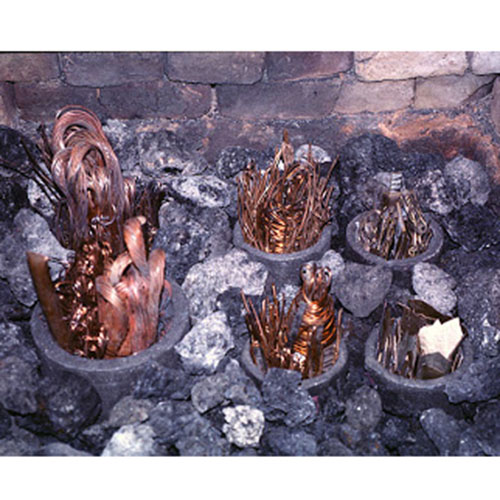
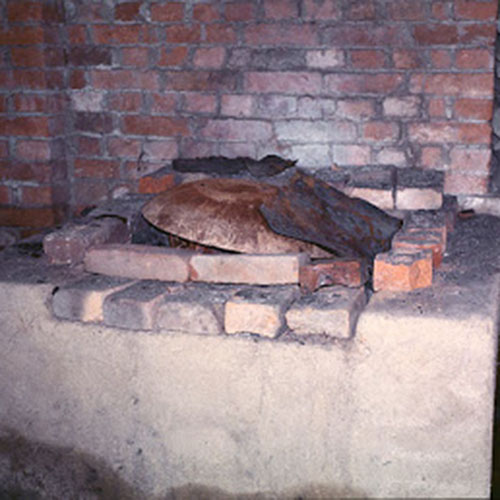
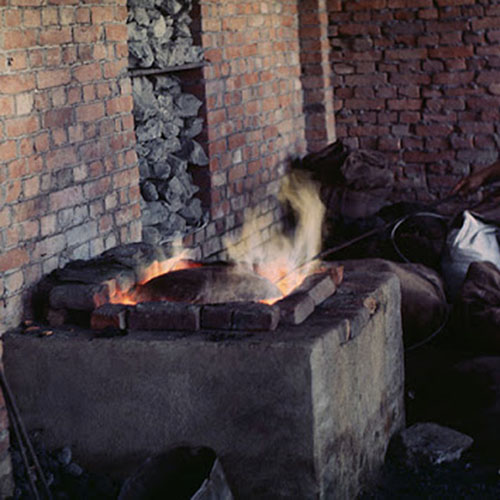
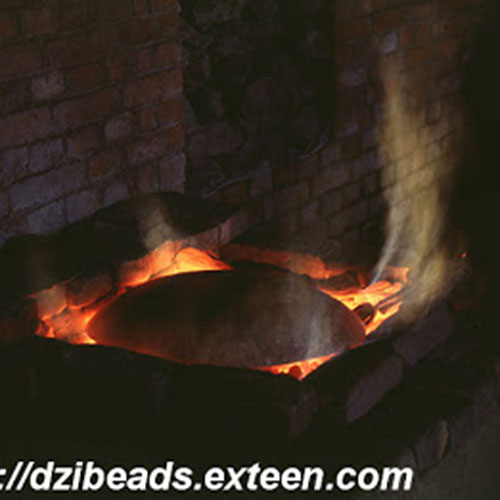
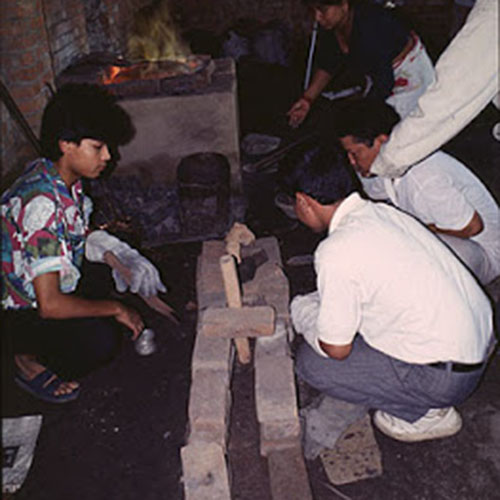
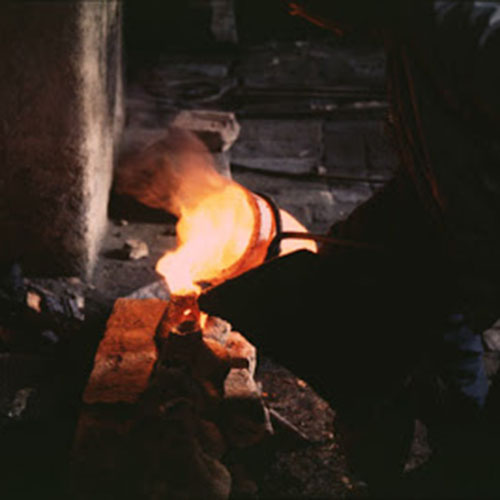
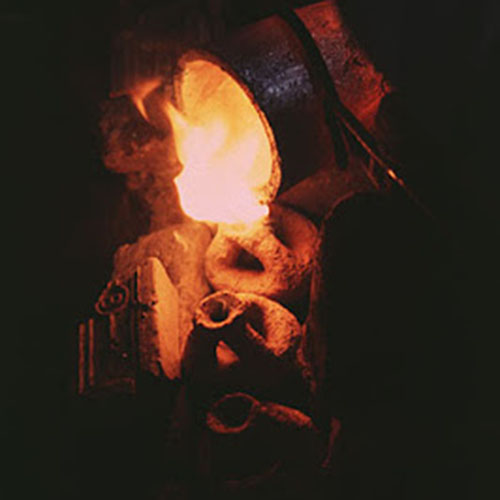
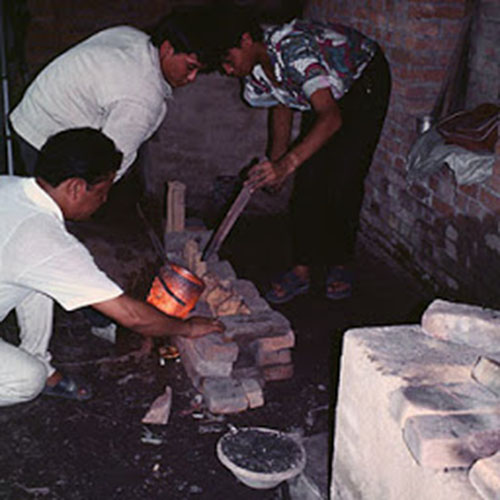
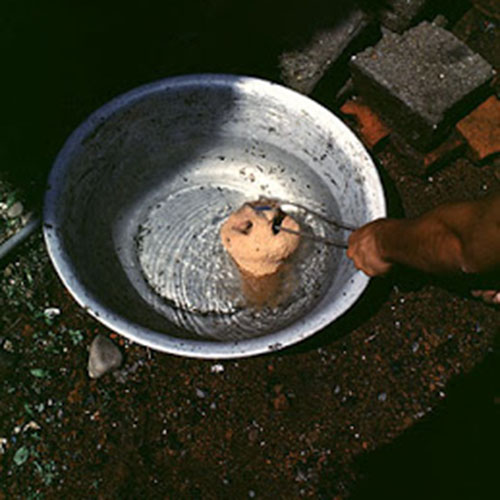
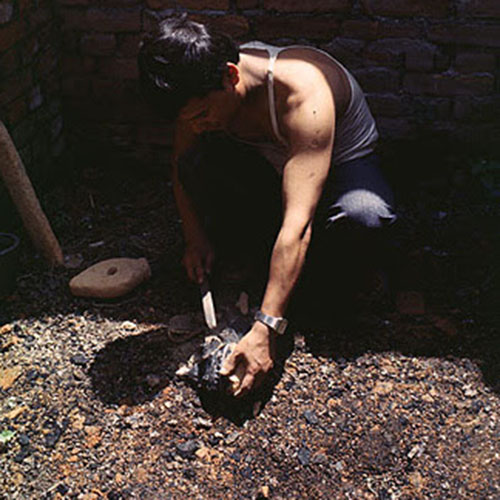
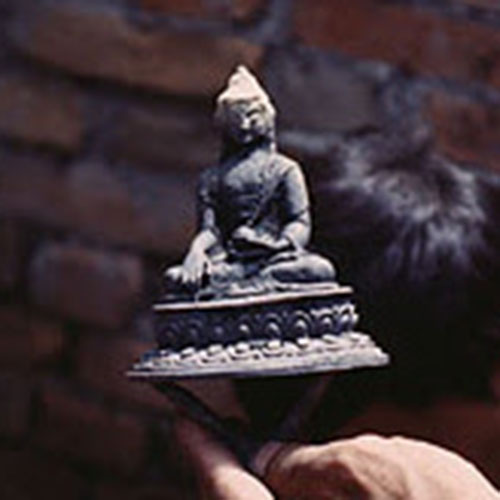
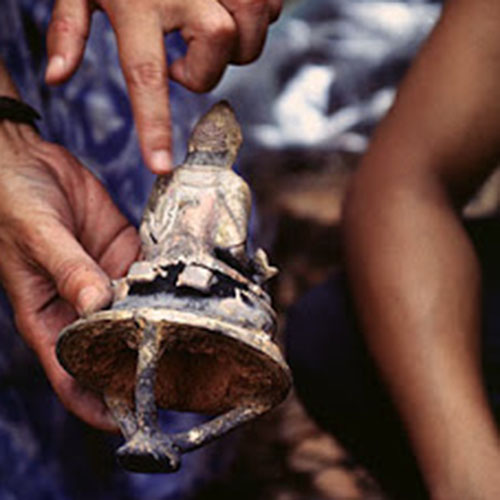
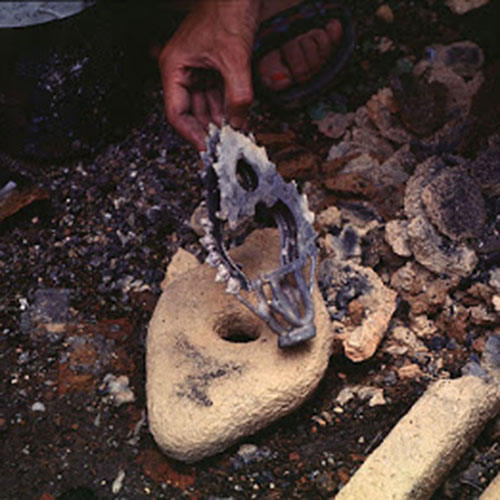
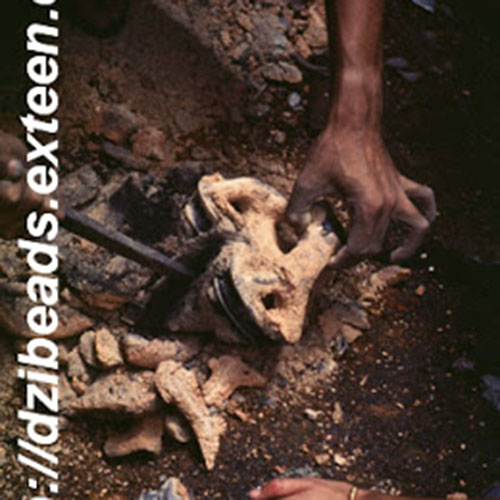
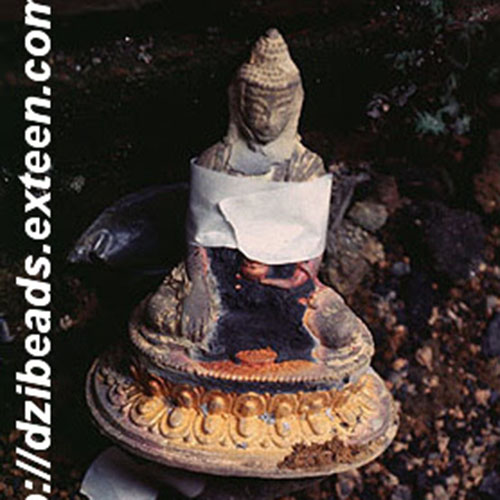
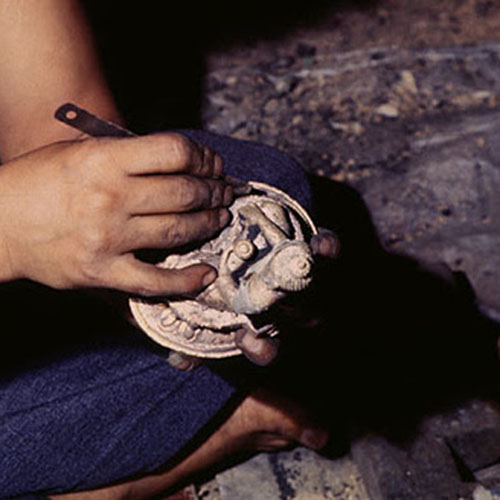
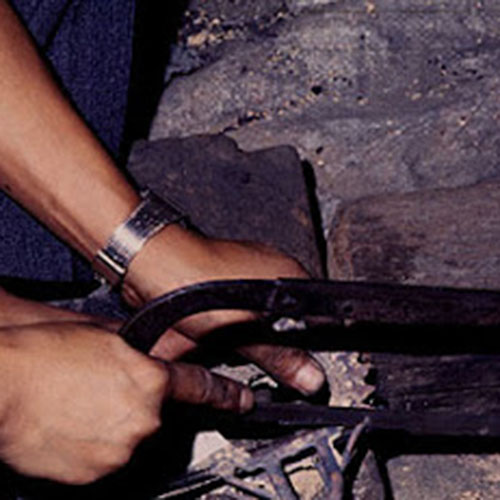
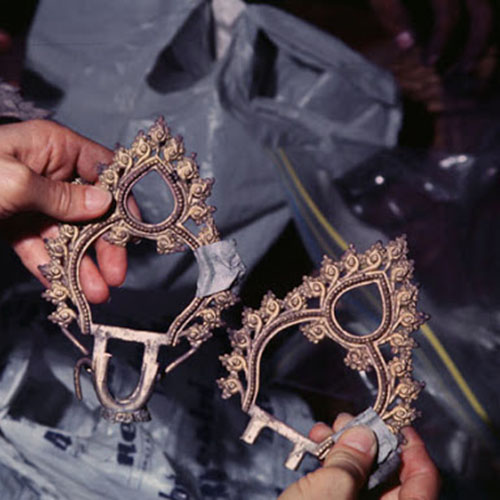
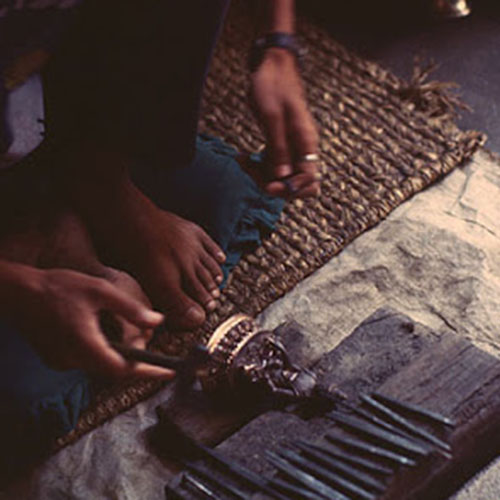
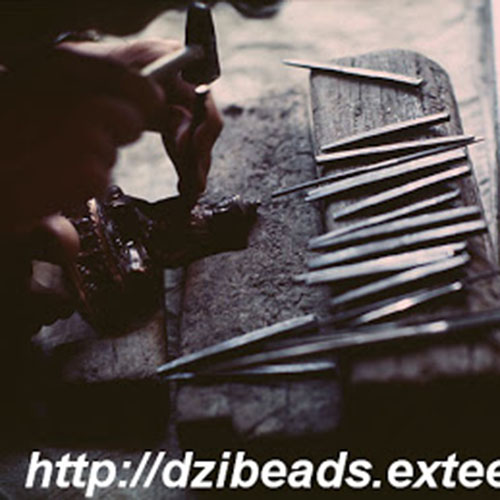
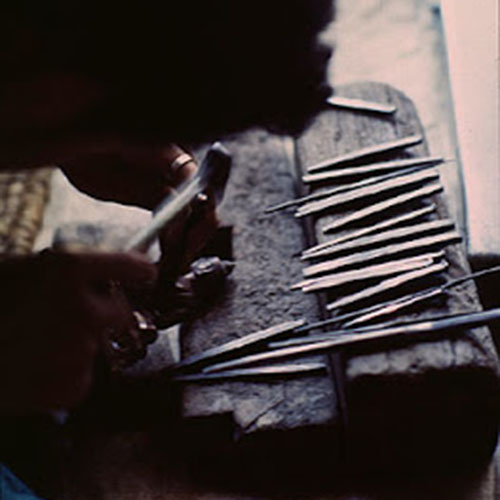
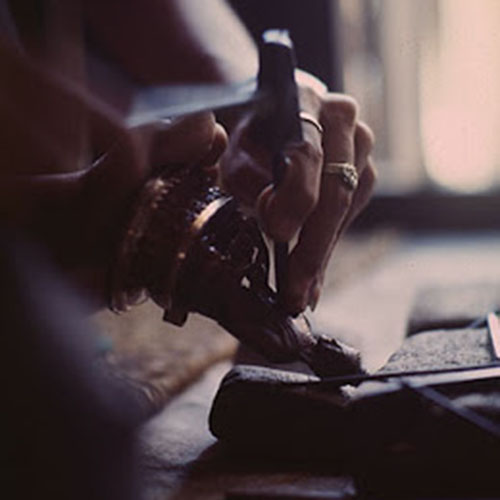
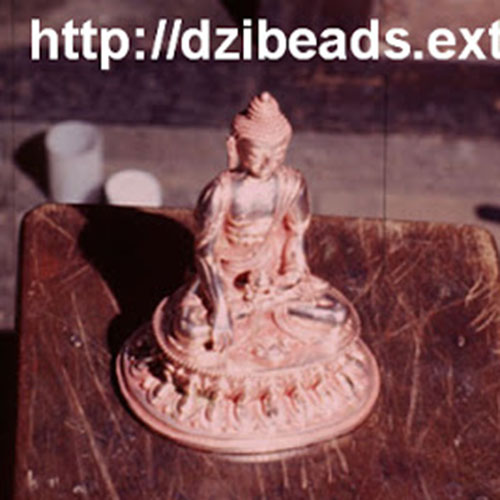
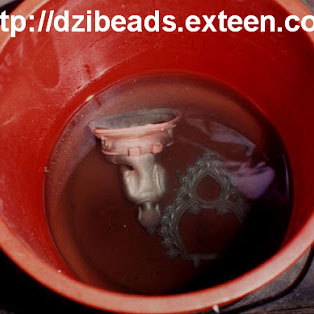
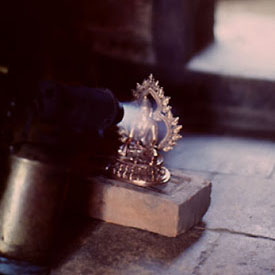
This Marpa Lotsawa is made by the process of the Lost-Wax system. The lost-wax process, also known as investment casting, is a time-honored technique used to create metal sculptures. It involves several steps that have been practiced for thousands of years. Skilled artisans begin by sculpting a detailed wax model, capturing every intricate detail of the desired sculpture. The wax model is then coated with a ceramic shell, formed by multiple layers of ceramic material. Once the shell has cured, the wax is melted and drained out, leaving behind a cavity. Molten metal is poured into the cavity, creating a precise replica of the original wax model. After the metal has cooled and solidified, the ceramic shell is carefully removed, revealing the final metal sculpture. Read More
Related Products

60 cm
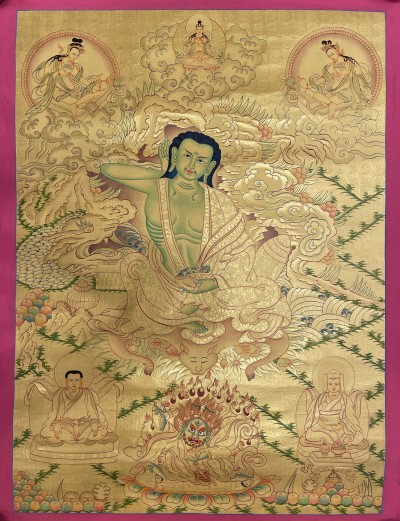
Buddhist Hand Painted Thangka Of Milarepa, Real Gold, Lama`s Art With Marpha, Gamepapa And Mahakala
US$ 270.00
25% off
$ 361.00
$ 361.00

30 cm
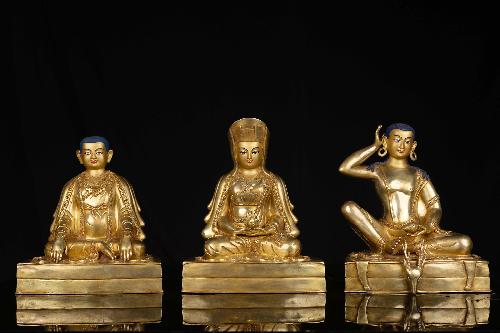
Three Kayug Masters, Marpa Lotsawa, Gampopa And Milarepa Set, Buddhist Statue, Full Gold Plated, Face Painted
US$ 5,830.00
Our pick

20 cm
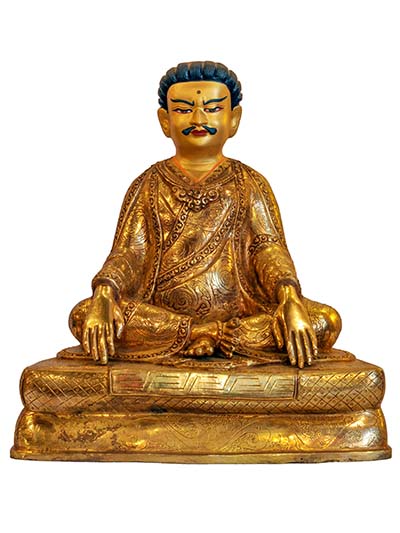
Buddhist Handmade Statue Of Marpa Lotsawa, Face Painted, Gold Plated
US$ 380.00
25% off
$ 500.00
$ 500.00

24 cm
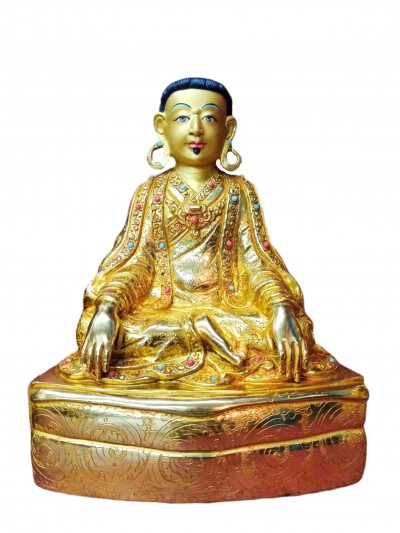
Buddhist Handmade Statue Of Marpa Lotsawa, Full Gold Plated, Stone Setting, Face Painted
US$ 450.00
25% off
$ 600.00
$ 600.00