


Loading Content..
Please wait...
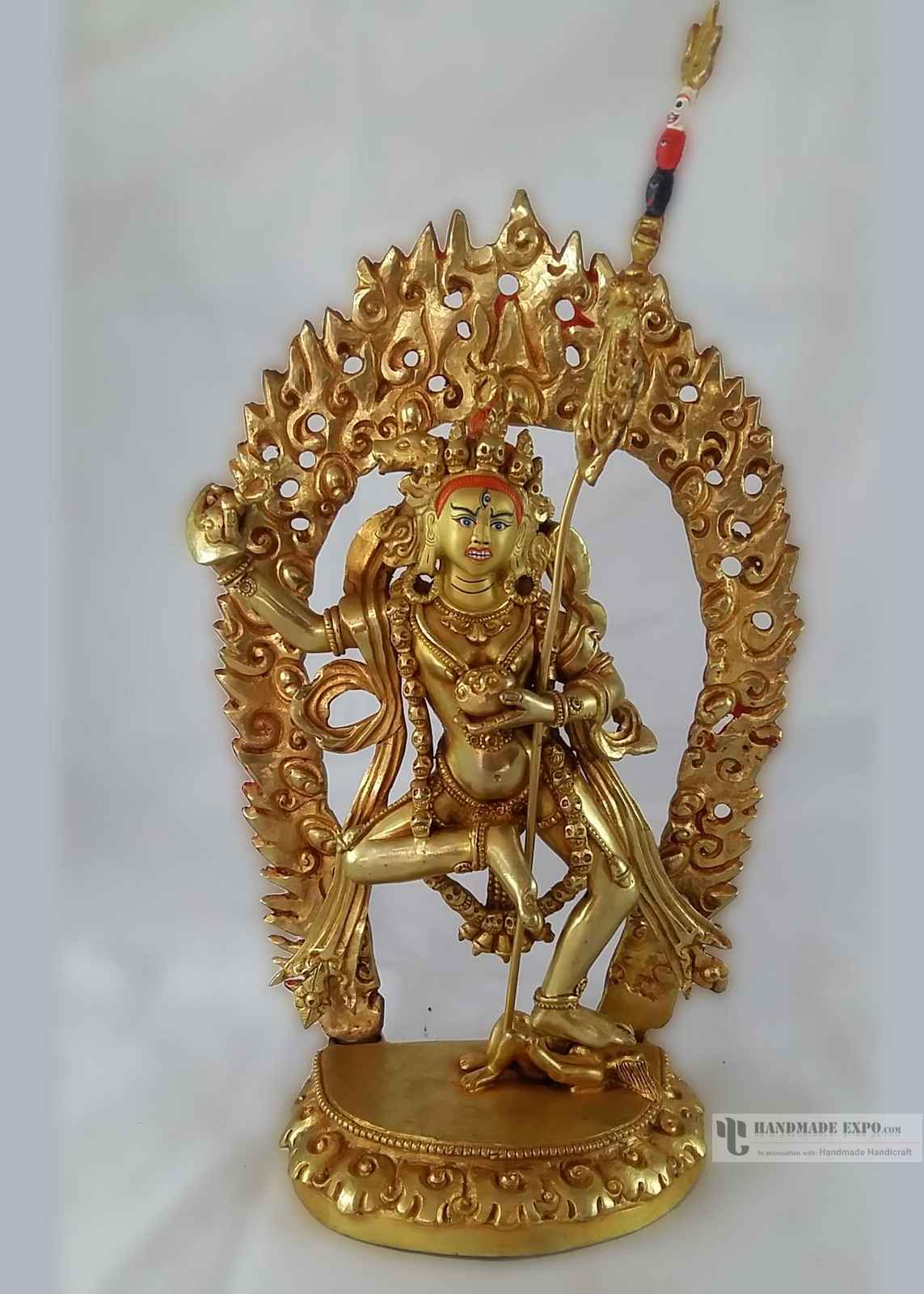

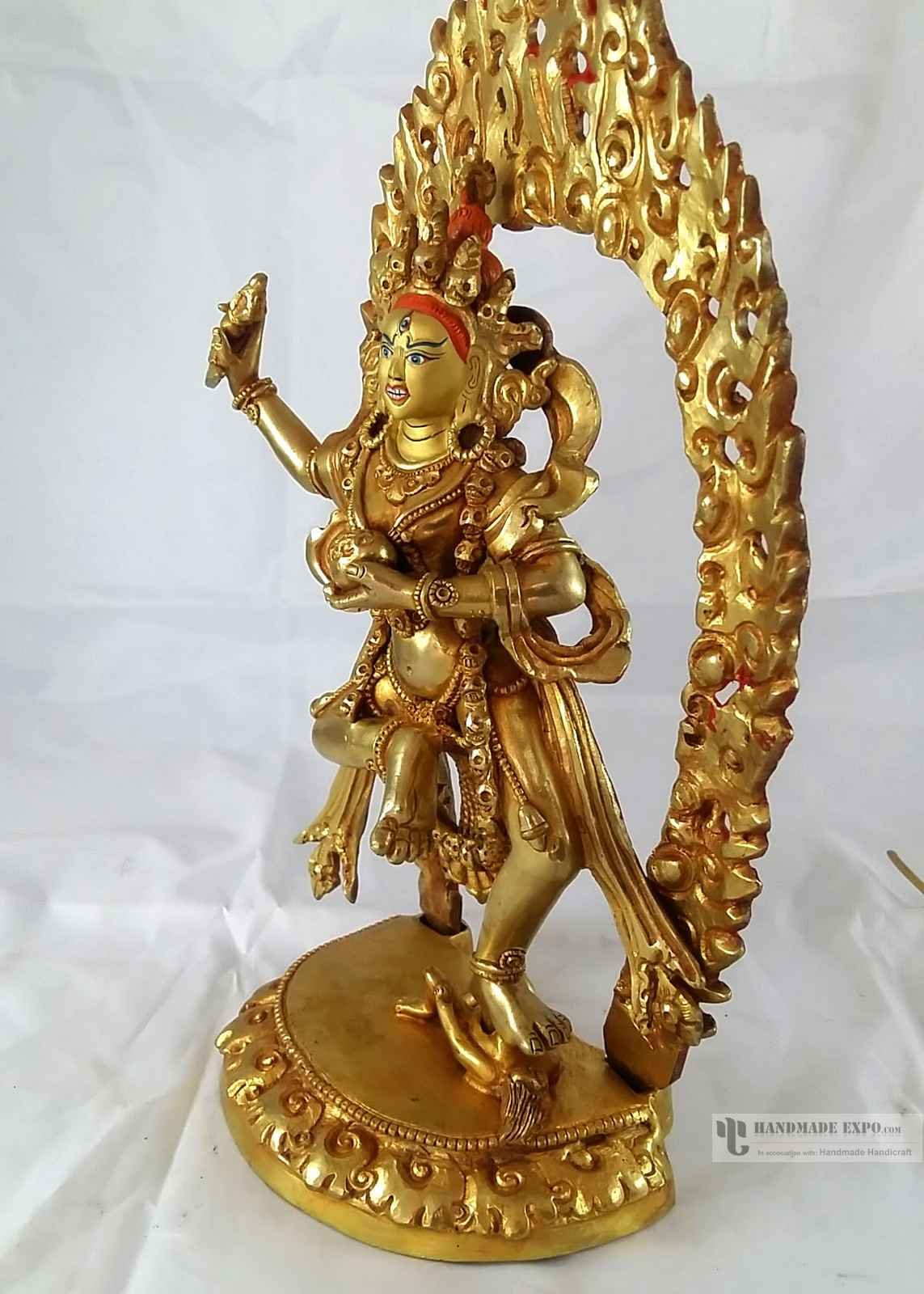


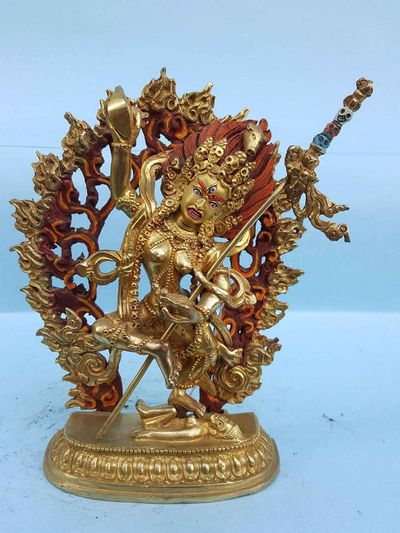
Statue of Vajravarahi - Dorje Phagmo Yogini - Full Fire Gold Plated, with Painted Face , Wisdom Dakini, representing tantric transformation and bliss
Dorje Phagmo
Jingangamuzhu
kongomobutsu
|
|
Product Specification |
|
| Code | HME12663 |
| Size |
Height 26cm (10") Width 18cm (7") Depth 13cm (5") |
Weight | 1.5 kg - 3.31 lbs |
| Material | Copper |
| Availability | Available |
Order configuration (Optional)
Filling & Blessing
HIDE Select Option
Click Here to View All Option and Prices

Select

Select

Select

Select
Statue Finishing
HIDE Select Option
Click Here to View All Option and Prices

Select

Select

Select

Select

Select

Select

Select

Select

Select

Select

Select

Select

Select

Select

Select

Select

Select

Select

Select

Select

Select

Select

Select

Select

Select

Select

Select

Select

Select

Select

Select

Select

Select

Select

Select

Select

Select

Select

Select

Select
| Quantity | PCS |
US$ 420.00
$ 560.00 -25% off
Shipping Cost
|
| Price Adjustment [ Discount Ends in : 36 days ] |
||
Shipping Calculation
weight of 1 Pcs of the product is 2 kg and will cost USD $ 47.00
-
Item location: kathmandu, Nepal
Worldwide shipping - Dispatch
-
We normally dispatch the product in 2-5 business days. Else Buyer will be infromed personally about the dispatch Date.
- Payment
- Paypal | Credit - Debit Card | Bank Transfer | See More
- Return
- 7 days money back, buyer pays return shipping
Welcome to Handmade Handicraft
At Handmade Handicraft, we prioritize simplicity, reflected in our user-friendly website design. We have streamlined the process so everything you need is just a click away.
While our website does not support online shopping, we've incorporated a convenient shopping cart system to assist you in sending us your inquiries. Please note, we do not process payments on our site. All transactions will be handled via email, respecting the inquiries you submit.
Should you encounter any issues while submitting your inquiries, please contact us via mobile app, email, or follow the procedure outlined below. We've provided documentation to guide you through the selection process.
selecting Procedure
In every product you will find Order Now and Quick Inquiry buttons, they are the two process of sending us your enquiry.
If you have any questions or need assistance, please don't hesitate to reach out to us. We are here to help you with your inquiries and ensure a smooth experience.
This is a Statue of Vajravarahi - Dorje Phagmo Yogini. This statue is handmade in Patan, Nepal by the skillful hands of Nepali Craftsman.
Features:
1. Special Quality Statue
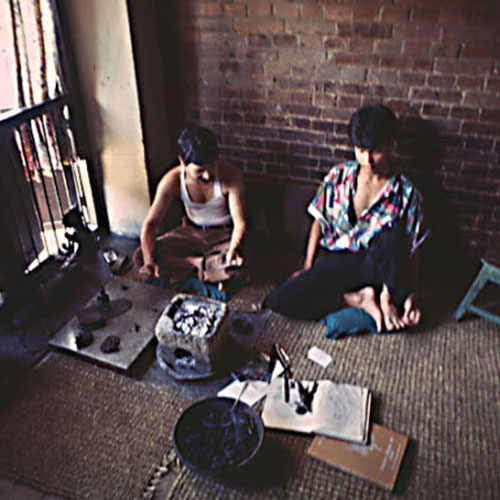
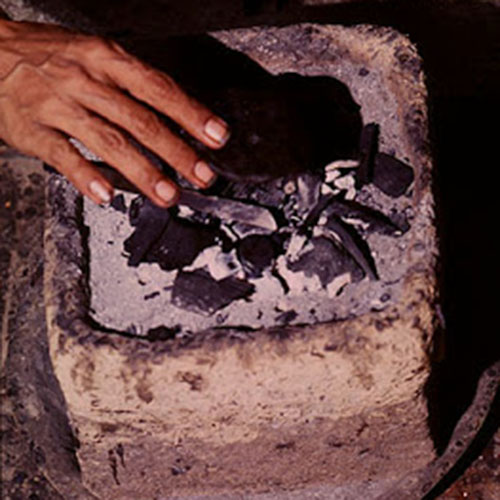
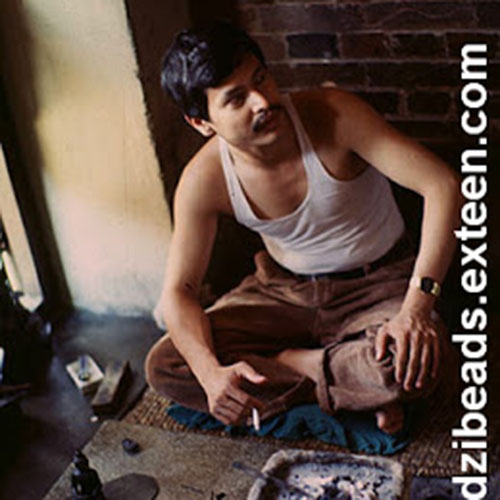
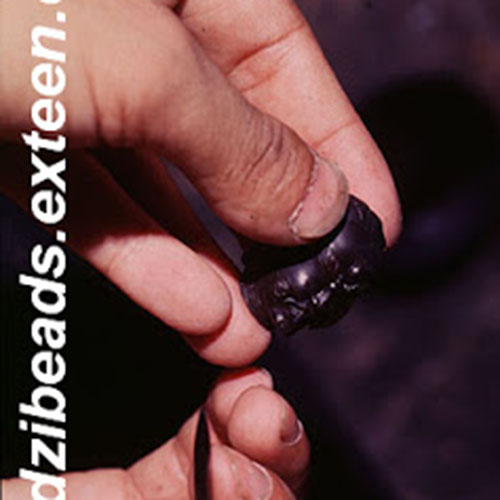
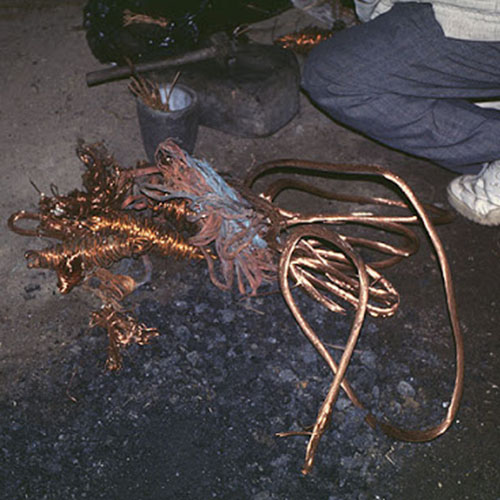
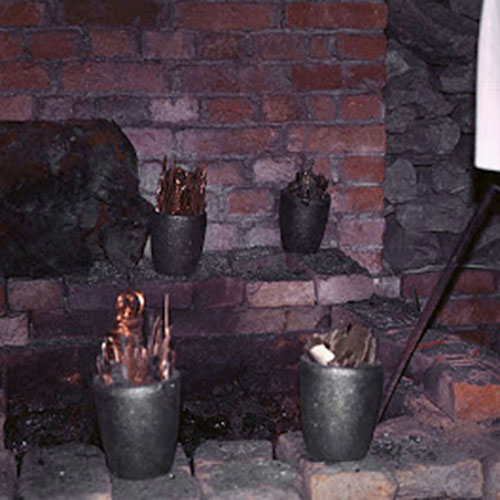
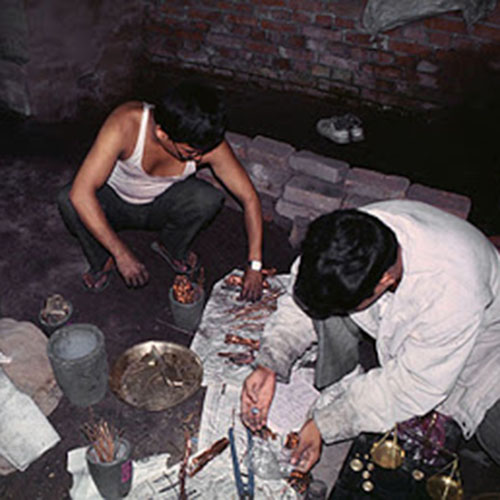
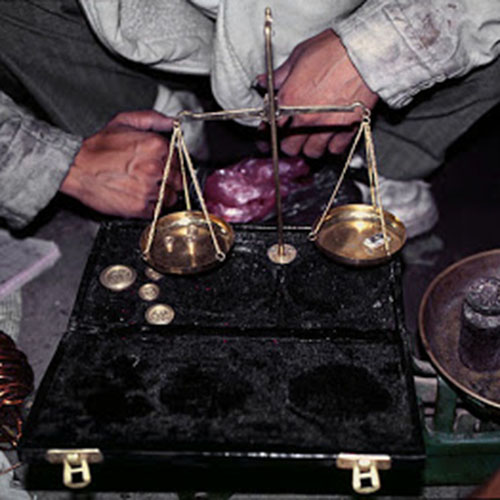
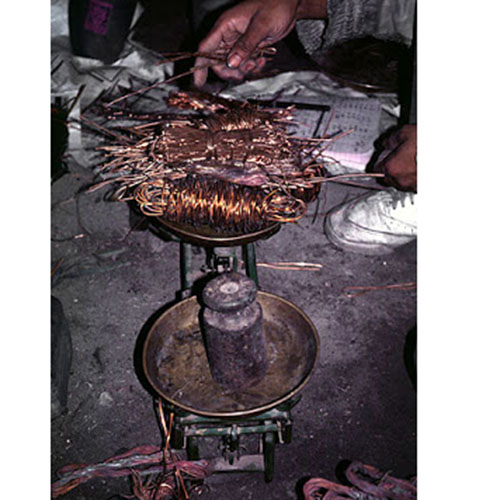
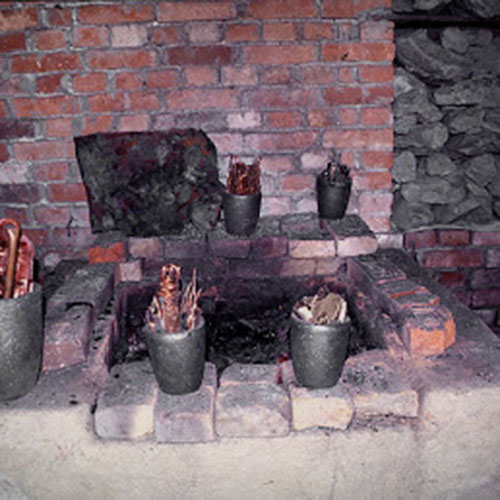
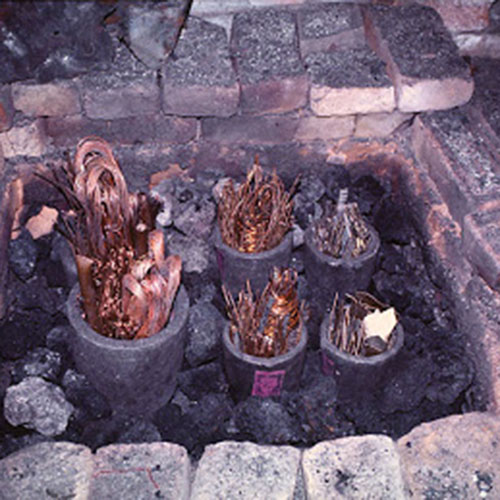
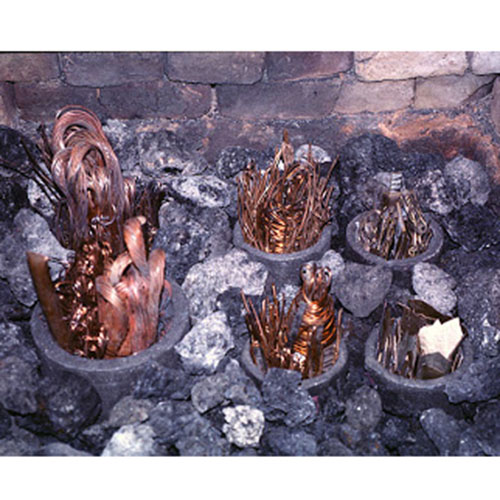
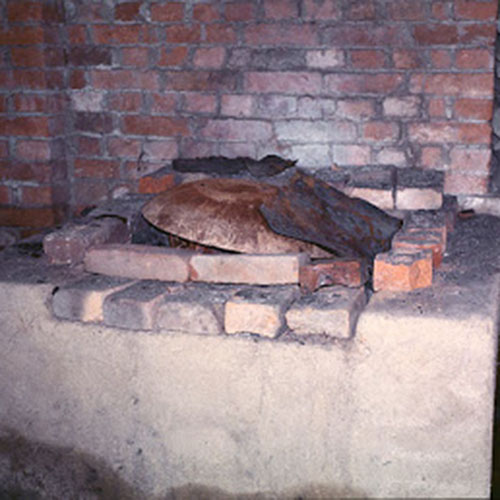
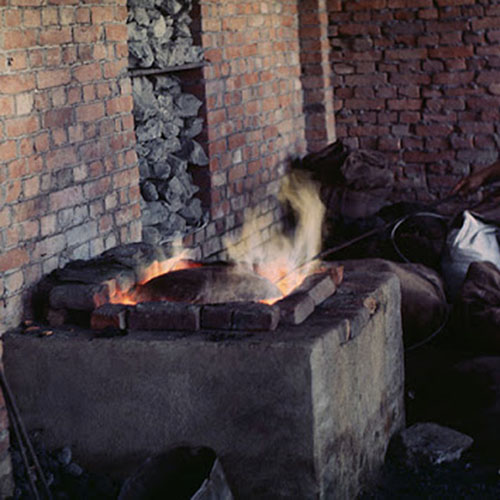
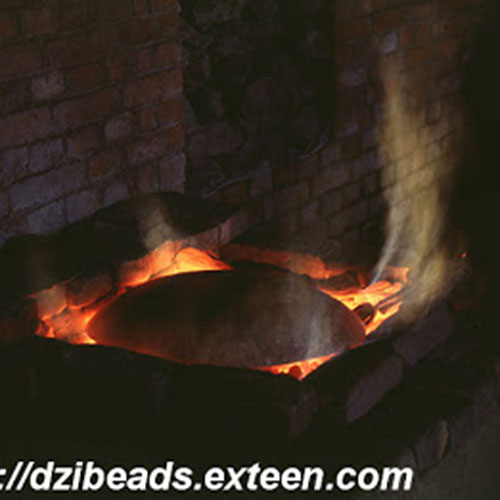
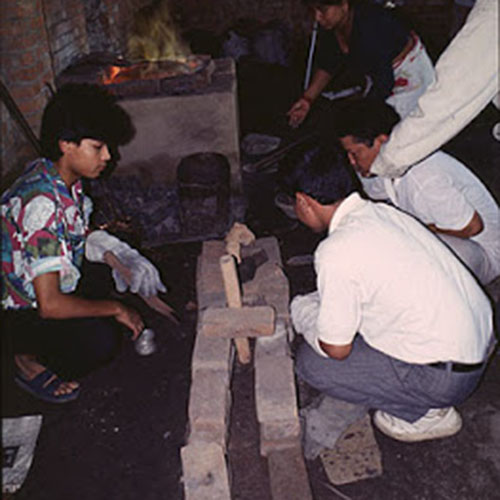
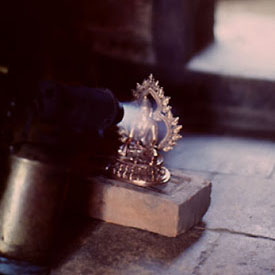
2.This statue has been plated with Gold by the ancient process of Fire Gold plated(Mixture of Mercury and Gold is applied on the statue, Which after is burnt so as mercury evaporated and the gold is plated on the statue. ) This type of gold plating is permanent as the real layer of Gold is plated on the statue.
Assembly
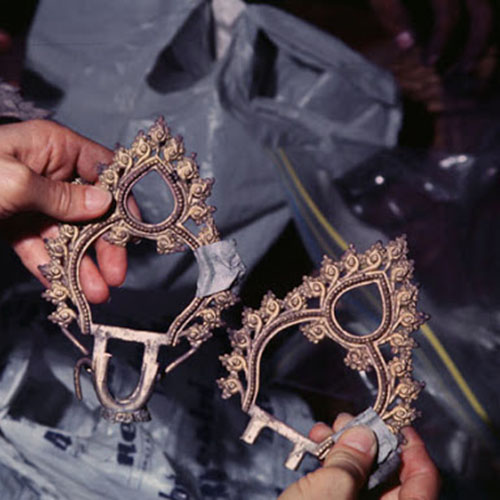
This Statue is detachable in Four parts. Lotus Base, Katwanga, Background, and the body
finishing: Full Gold Plated
Vajravarahi
Vajravarahi, also known as Dorje Phagmo, is a prominent deity in Tibetan Buddhism. She is revered as a fierce and powerful manifestation of enlightened wisdom and compassion. Vajravarahi is often depicted as a wrathful deity, symbolizing the transformative energy needed to overcome obstacles and delusions on the path to enlightenment. She holds a skull cup filled with blood, representing the transformation of negative emotions into wisdom nectar, and a curved knife, symbolizing the cutting through of ignorance and dualistic thinking. With her fierce appearance, Vajravarahi represents the intensity and determination required to face and transcend the challenges of existence. Devotees turn to Vajravarahi for protection, healing, and spiritual transformation. Read More
Iconography:
Vajravarahi is typically depicted as a red or dark blue deity with one face and two or four arms. She has a wrathful expression with fangs, a crown of skulls, and a third eye symbolizing her wisdom. Vajravarahi's primary hands hold a skull cup filled with blood, and a curved knife, while her secondary hands may hold various symbolic objects such as a vajra (thunderbolt), trident, or lotus. She stands on a prostrate figure representing ignorance and ego, and often has a garland of severed heads adorning her body.
History:
Vajravarahi has a rich history within Tibetan Buddhism. Her origins can be traced back to ancient Indian goddesses like Chinnamasta and Vajrayogini. Vajravarahi's practice was integrated into the Tibetan Buddhist tradition through the teachings of Indian masters like Naropa and Marpa, and later transmitted by Tibetan masters such as Milarepa and Tsongkhapa. Her practice became particularly prevalent in the Kagyu, Sakya, and Nyingma traditions of Tibetan Buddhism, where she is considered a key deity within the inner tantric practices.
Temples and Monasteries:
Vajravarahi is highly venerated in numerous temples and monasteries throughout the world. While there may not be a specific temple dedicated solely to Vajravarahi in Nepal, she is worshipped in several Tibetan Buddhist monasteries and retreat centers within the country. Some notable temples and monasteries associated with Vajravarahi can be found in other parts of the world, such as the Nalanda Temple in France, Samye Ling Monastery in Scotland, and Kopan Monastery in Nepal.
Benefits of Practicing Vajravarahi:
The practice of Vajravarahi offers various benefits to its practitioners. By connecting with her fierce energy, devotees can transform negative emotions into wisdom and compassion. Vajravarahi's practice is believed to purify negative karma, protect against obstacles, and grant spiritual realization. Devotees seek her blessings for healing physical ailments, overcoming fear and obstacles, and attaining spiritual liberation. Through her practice, practitioners aim to develop clarity of mind, inner strength, and the ability to skillfully navigate the challenges of life.
How to Practice:
The practice of Vajravarahi is typically taught as an advanced tantric practice within the Tibetan Buddhist tradition. It requires receiving empowerment (initiation) from a qualified teacher and engaging in specific rituals, visualizations, and mantra recitations. The practice often involves meditation on Vajravarahi's form, reciting her mantra, and engaging in deity yoga, which involves visualizing oneself as the deity. To embark on this practice, it is essential to seek guidance from an experienced teacher who can provide proper instructions and support.
Mantras of Vajravarahi:
The mantra associated with Vajravarahi is:
"OM BENZAR VAJRA KILI KILIYA SARVA BIGHANEN BAM HUM PHAT"
Reciting this mantra with devotion and understanding is believed to invoke the blessings and protection of Vajravarahi. The mantra can be chanted as part of the deity's practice or recited individually for specific purposes such as purification, removing obstacles, and cultivating inner strength. It is recommended to receive proper guidance from a qualified teacher to ensure accurate pronunciation and understanding of the mantra's meaning.
Vajravarahi is typically depicted as a red or dark blue deity with one face and two or four arms. She has a wrathful expression with fangs, a crown of skulls, and a third eye symbolizing her wisdom. Vajravarahi's primary hands hold a skull cup filled with blood, and a curved knife, while her secondary hands may hold various symbolic objects such as a vajra (thunderbolt), trident, or lotus. She stands on a prostrate figure representing ignorance and ego, and often has a garland of severed heads adorning her body.
History:
Vajravarahi has a rich history within Tibetan Buddhism. Her origins can be traced back to ancient Indian goddesses like Chinnamasta and Vajrayogini. Vajravarahi's practice was integrated into the Tibetan Buddhist tradition through the teachings of Indian masters like Naropa and Marpa, and later transmitted by Tibetan masters such as Milarepa and Tsongkhapa. Her practice became particularly prevalent in the Kagyu, Sakya, and Nyingma traditions of Tibetan Buddhism, where she is considered a key deity within the inner tantric practices.
Temples and Monasteries:
Vajravarahi is highly venerated in numerous temples and monasteries throughout the world. While there may not be a specific temple dedicated solely to Vajravarahi in Nepal, she is worshipped in several Tibetan Buddhist monasteries and retreat centers within the country. Some notable temples and monasteries associated with Vajravarahi can be found in other parts of the world, such as the Nalanda Temple in France, Samye Ling Monastery in Scotland, and Kopan Monastery in Nepal.
Benefits of Practicing Vajravarahi:
The practice of Vajravarahi offers various benefits to its practitioners. By connecting with her fierce energy, devotees can transform negative emotions into wisdom and compassion. Vajravarahi's practice is believed to purify negative karma, protect against obstacles, and grant spiritual realization. Devotees seek her blessings for healing physical ailments, overcoming fear and obstacles, and attaining spiritual liberation. Through her practice, practitioners aim to develop clarity of mind, inner strength, and the ability to skillfully navigate the challenges of life.
How to Practice:
The practice of Vajravarahi is typically taught as an advanced tantric practice within the Tibetan Buddhist tradition. It requires receiving empowerment (initiation) from a qualified teacher and engaging in specific rituals, visualizations, and mantra recitations. The practice often involves meditation on Vajravarahi's form, reciting her mantra, and engaging in deity yoga, which involves visualizing oneself as the deity. To embark on this practice, it is essential to seek guidance from an experienced teacher who can provide proper instructions and support.
Mantras of Vajravarahi:
The mantra associated with Vajravarahi is:
"OM BENZAR VAJRA KILI KILIYA SARVA BIGHANEN BAM HUM PHAT"
Reciting this mantra with devotion and understanding is believed to invoke the blessings and protection of Vajravarahi. The mantra can be chanted as part of the deity's practice or recited individually for specific purposes such as purification, removing obstacles, and cultivating inner strength. It is recommended to receive proper guidance from a qualified teacher to ensure accurate pronunciation and understanding of the mantra's meaning.
Gold Painted Face
The face of Vajravarahi is painted with gold to enhance its significant features, particularly the eyes, and lips. This detailed painting is essential as it brings forth the crucial attributes of the expression of eyes and lips that metal carving alone cannot capture.
Moreover, the painted face serves as a symbolic and sacred ritual in Buddhism, preparing the statue for consecration and practice. The act of painting the face with gold in Buddhism holds deep meaning. It represents the intention to bring life and expression to the statue, imbuing it with a sense of vitality and presence. The application of gold on the face showcases the devotion and craftsmanship of the artisans, ensuring that every detail is carefully attended to honor the sacred essence of the Vajravarahi. Read More
Full Fire Gold Plating
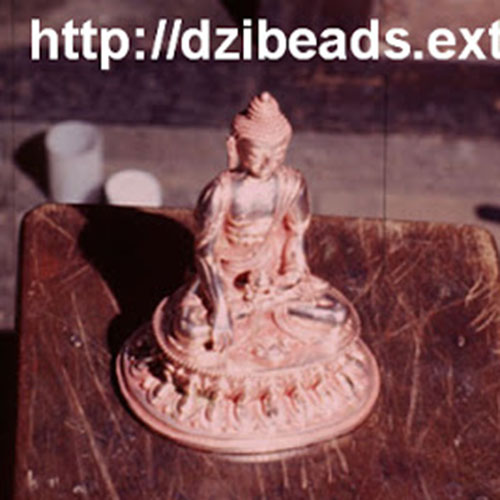
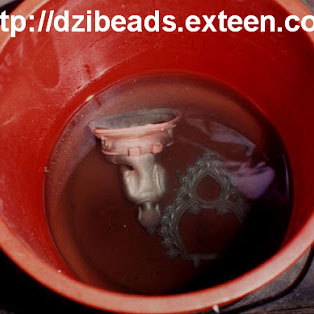
This Vajravarahi is finished with full gold plating. also known as mercury gold plating or fire gold plating. This traditional technique involves the application of a genuine layer of gold onto the Vajravarahi. Referred to as mercury gold plating, it is considered the correct and authentic form of gold plating in Nepal. Despite being more expensive than electroplating, this traditional mercury gold plating is gaining popularity again in Nepal. People are drawn to its authenticity, longevity, and the unmatched beauty it brings to the Vajravarahi. The resurgence of interest in this traditional form of gold plating reflects a growing appreciation for the craftsmanship and cultural heritage of Nepal Read More
Full Fire Gold Plating
This Vajravarahi is finished with full gold plating. also known as mercury gold plating or fire gold plating. This traditional technique involves the application of a genuine layer of gold onto the Vajravarahi. Referred to as mercury gold plating, it is considered the correct and authentic form of gold plating in Nepal. Despite being more expensive than electroplating, this traditional mercury gold plating is gaining popularity again in Nepal. People are drawn to its authenticity, longevity, and the unmatched beauty it brings to the Vajravarahi. The resurgence of interest in this traditional form of gold plating reflects a growing appreciation for the craftsmanship and cultural heritage of Nepal Read More
Lost-Wax System
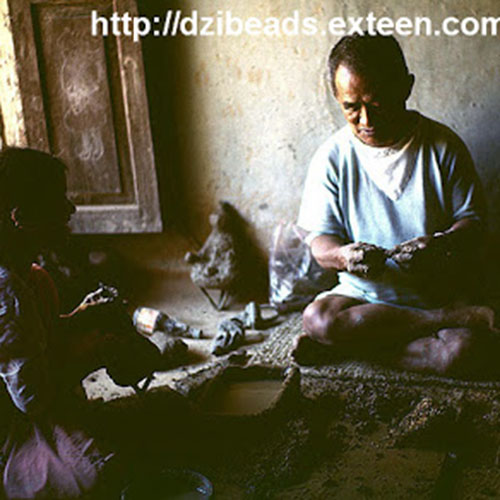
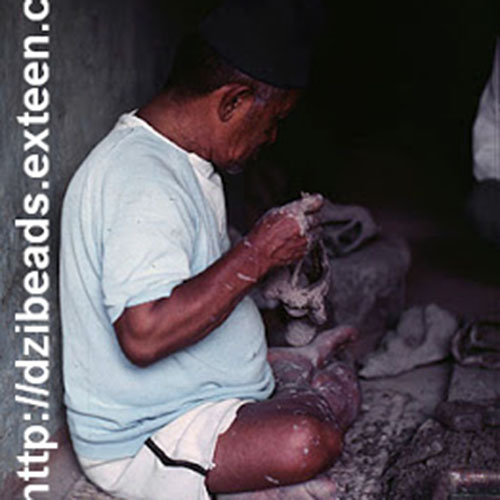
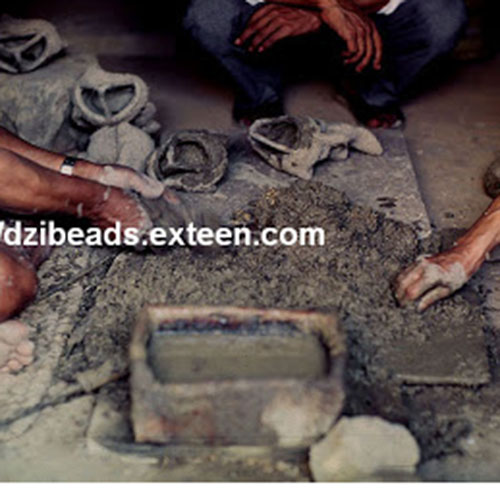
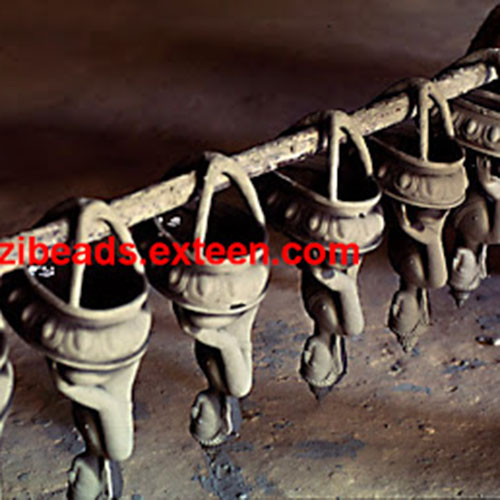
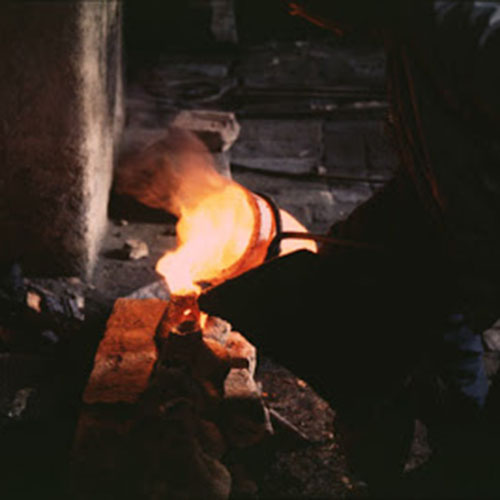
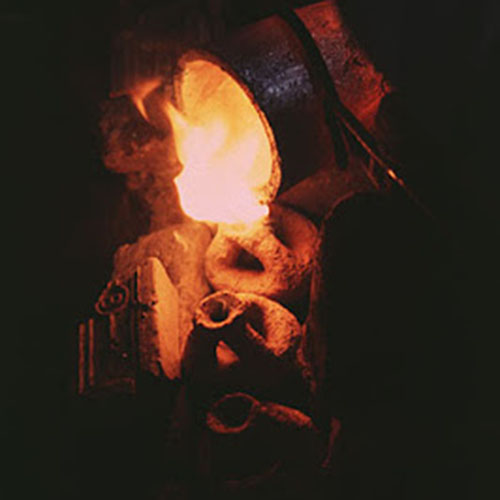
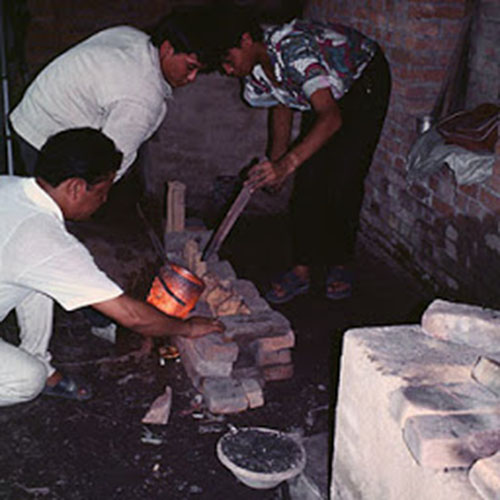
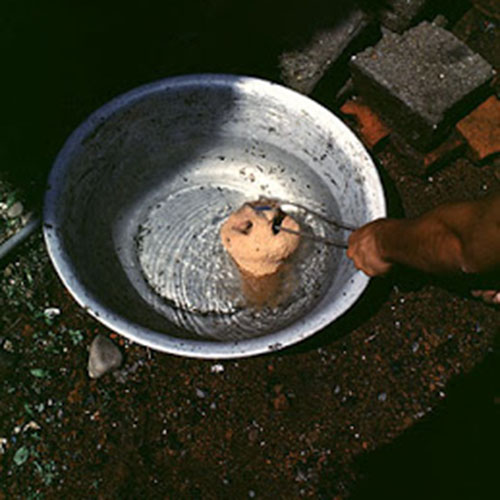
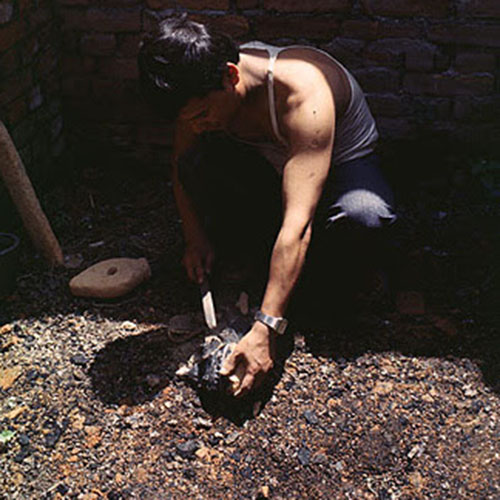
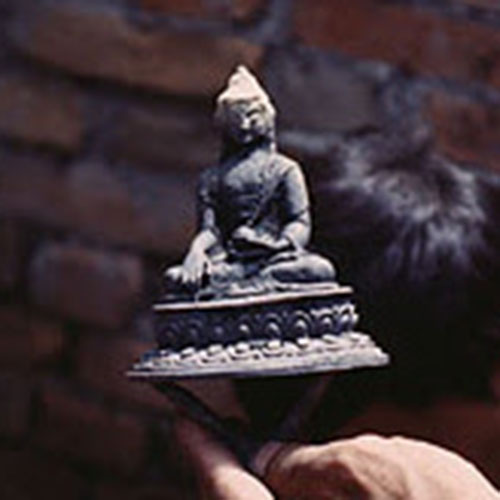
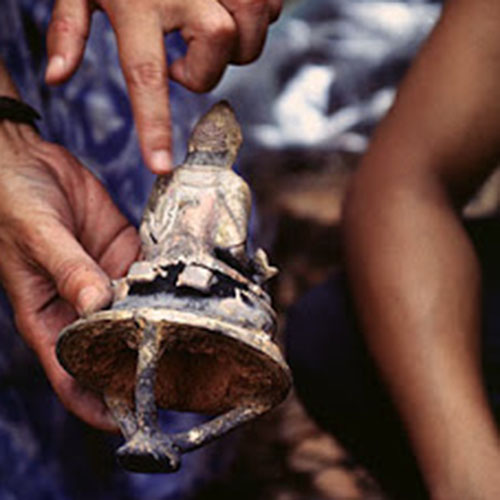
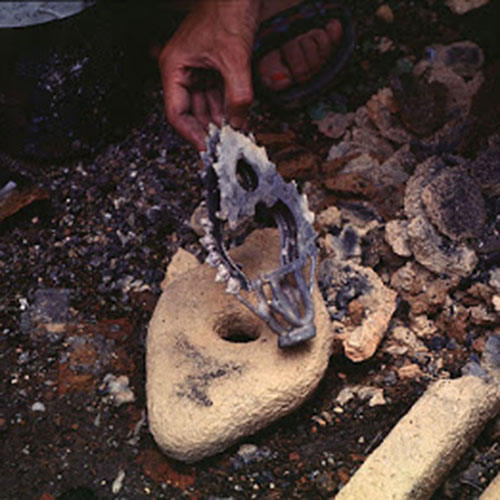
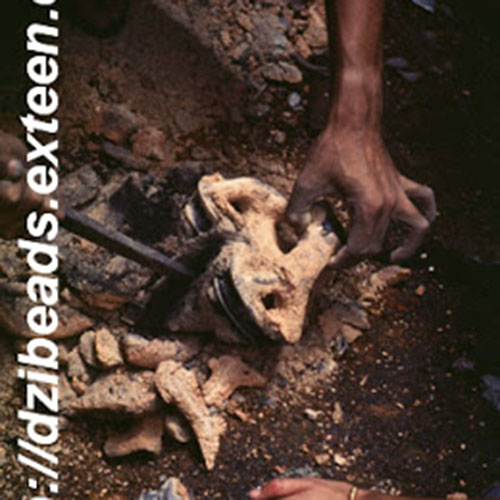
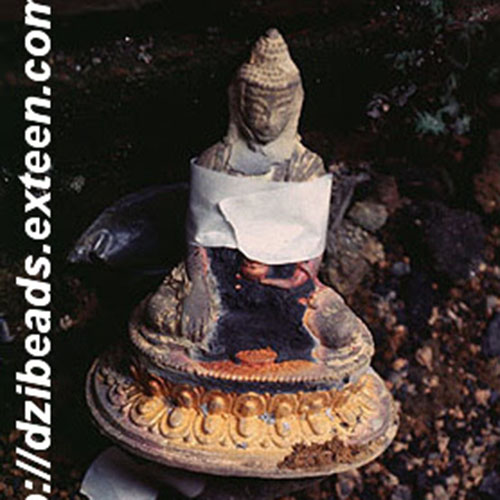
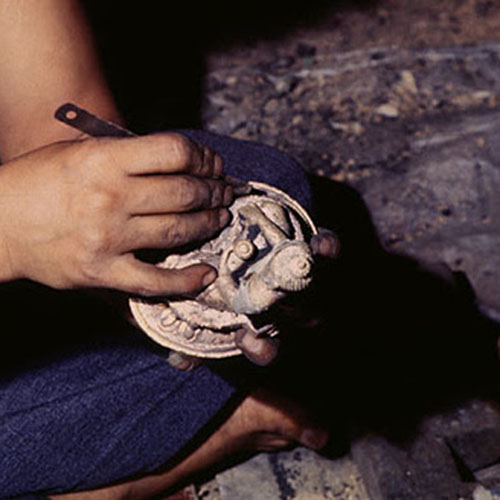
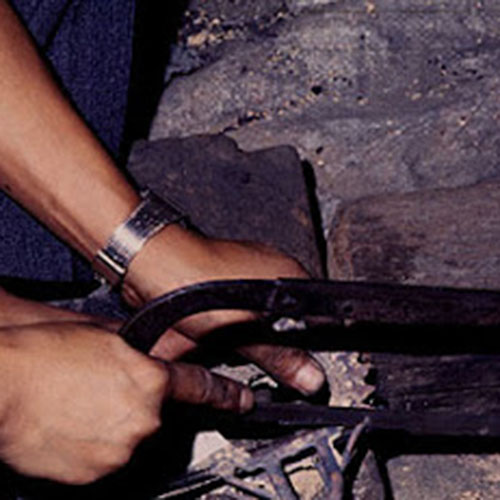
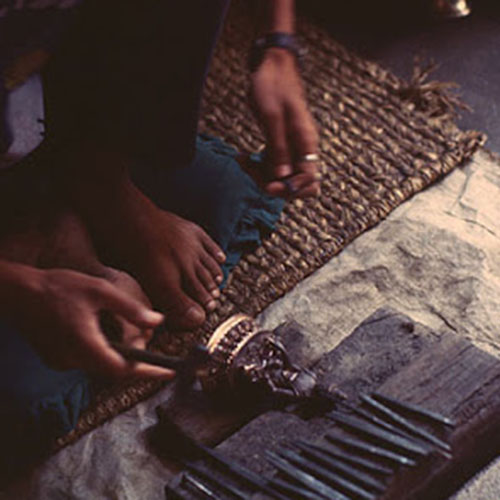
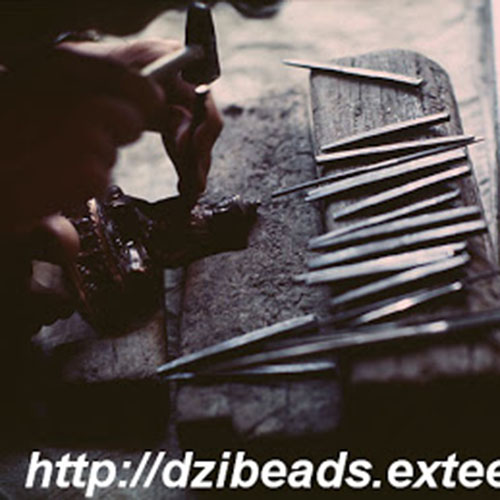
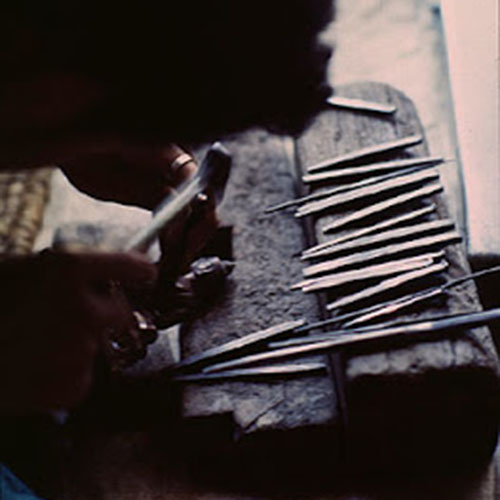
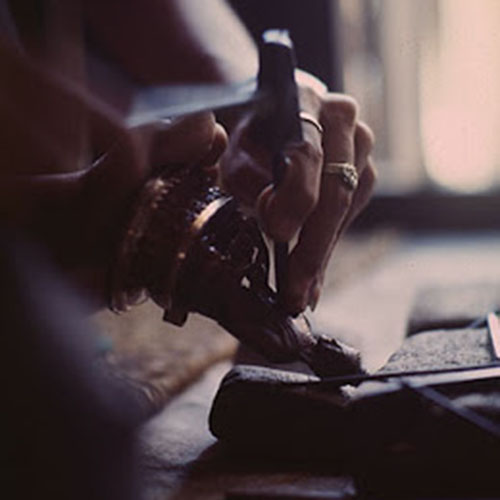
This Vajravarahi is made by the process of the Lost-Wax system. The lost-wax process, also known as investment casting, is a time-honored technique used to create metal sculptures. It involves several steps that have been practiced for thousands of years. Skilled artisans begin by sculpting a detailed wax model, capturing every intricate detail of the desired sculpture. The wax model is then coated with a ceramic shell, formed by multiple layers of ceramic material. Once the shell has cured, the wax is melted and drained out, leaving behind a cavity. Molten metal is poured into the cavity, creating a precise replica of the original wax model. After the metal has cooled and solidified, the ceramic shell is carefully removed, revealing the final metal sculpture. Read More
Related Products

46 cm
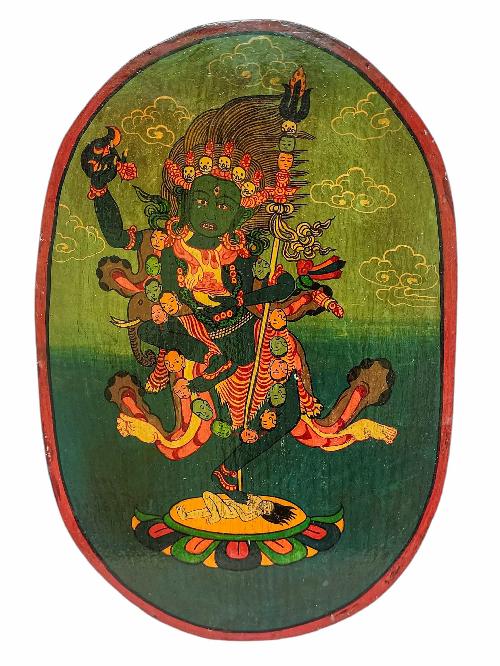
Wooden Thangka Or Wall Hanging Of Vajravarahi, Natural Colour Finishing, Hand Painted
US$ 15.00
25% off
$ 20.00
$ 20.00

18 cm
Vajravarahi - Dorje Phagmo Yogini Tibetan Handmade Statue Last From The Mold, Full Fire Gold Plated, Painted Face
US$ 300.00
25% off
$ 400.00
$ 400.00

50 cm
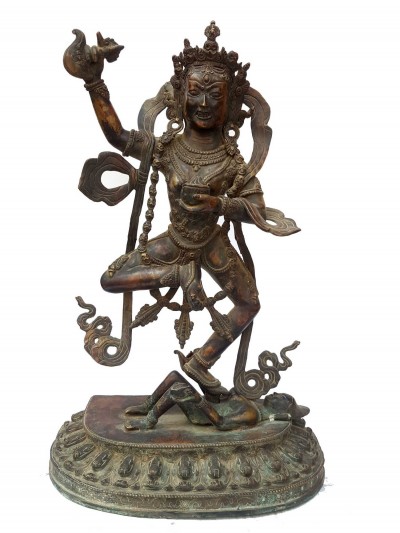
Old Tibetan Statue Of Vajravarahi - Dorje Phagmo Yogini, Rare Find
US$ 680.00
25% off
$ 900.00
$ 900.00

40 cm
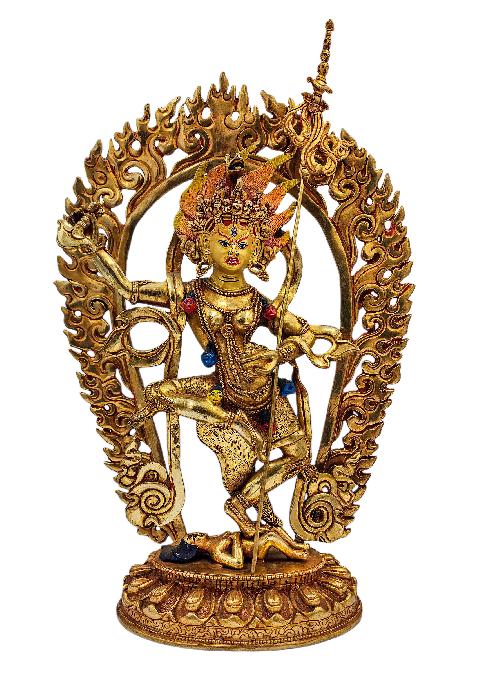
Vajravarahi, Buddhist Handmade Statue, Full Gold Plated, Face Paint
On Inquiry
25% off